Best Prop Firms: Navigating Top Choices for Funded Trading

The best prop firms are those that offer a clear, transparent pathway for skilled traders to access substantial trading capital, coupled with fair evaluation processes, attractive profit splits, and reliable payout systems. Leading firms like FTMO, FundedNext, and TopStep stand out by providing robust trading environments that empower disciplined traders to generate consistent returns without risking personal capital.
- Leading prop firms offer profit splits typically ranging from 70% to 90% for funded traders.
- Strict risk management rules, including daily drawdown and maximum loss limits, are fundamental to all credible evaluations.
- Compatibility with popular trading platforms like MetaTrader 4 and 5 is a common feature among top providers.
- A strong community, responsive customer support, and transparent rules are hallmarks of reputable prop firms.
What Makes a Prop Firm 'Best'? Key Criteria for Evaluation
When searching for the best prop firms, it's crucial to look beyond superficial offerings and delve into the core operational aspects that define a truly supportive and profitable trading partnership. Our team at JPTradingCapital has identified several key criteria that separate the exceptional firms from the rest, particularly for traders aiming to pass evaluations and manage funded accounts effectively.
Profit Splits and Payouts: Maximizing Your Earnings
One of the primary attractions of prop firms is the opportunity to earn a significant share of the profits generated from their capital. The industry standard for profit splits typically ranges from 70% to 90% in favor of the trader. However, the 'best' firms often go beyond just the percentage, offering flexible payout schedules, low minimum withdrawal thresholds, and transparent processes for requesting and receiving funds.
For example, some firms might offer an initial 70% split that scales up to 90% or even 100% on initial profits or after achieving certain milestones. Always review the specific terms regarding payout frequency (weekly, bi-weekly, monthly) and any associated fees. A firm with a slightly lower profit split but highly reliable and frequent payouts might be preferable to one offering a higher percentage but with complex or delayed withdrawal procedures.
Evaluation Process and Rules: Navigating Prop Firm Challenges
The evaluation phase is the gateway to a funded account, and its structure, rules, and difficulty are critical. The best prop firms design their challenges to identify consistent and disciplined traders, not just those who can take high risks for a lucky streak. Key rules to scrutinize include:
- Daily Drawdown: This limits how much your account equity can drop from its highest point on any given trading day. Typically, this is around 5% of the initial account balance or initial equity.
- Maximum Loss: This is the total allowable loss from the initial account balance throughout the entire evaluation period. This often ranges from 8% to 12%.
- Profit Target: The percentage gain required to pass the evaluation, usually between 8% and 10% for Phase 1 and 5% for Phase 2.
- Minimum Trading Days: Some firms require a minimum number of trading days to ensure consistency, often 5-10 days per phase.
- Consistency Rules: These rules prevent traders from passing with a single "lucky" trade, requiring a more even distribution of profits. Understanding these rules is vital for developing a strategy that aligns with the firm's expectations.
Firms that clearly communicate these rules, offer educational resources, and provide transparent tracking tools empower traders to navigate their prop firm challenges more effectively. For instance, FTMO's official rules page provides a comprehensive breakdown of their trading objectives, which is essential reading for prospective traders.
Supported Trading Platforms and Instruments
The usability and reliability of the trading platform are paramount. Most of the best prop firms support industry-standard platforms like MetaTrader 4 (MT4) and MetaTrader 5 (MT5), which are popular among retail traders and EA developers due to their versatility and extensive customizability. Some also offer cTrader or proprietary platforms, especially for futures trading.
Consider the range of tradable instruments: Forex pairs, indices, commodities, and cryptocurrencies are common. Ensure the firm offers the assets you specialize in. For EA traders, platform compatibility is non-negotiable, as Expert Advisors are typically built for specific platforms.
Customer Support and Community
Excellent customer support can make a significant difference, particularly when dealing with technical issues or payout queries. Look for firms with responsive support channels (live chat, email, phone) and a strong reputation for resolving issues promptly. Additionally, an active and supportive trading community, whether through forums, Discord, or social media, can provide invaluable insights and peer support.
Reputation and Transparency
In a rapidly evolving industry, a prop firm's reputation and transparency are crucial. Research their track record, read reviews, and check for any verifiable payout proofs. The best firms are upfront about their terms, conditions, and any potential fees, avoiding hidden clauses that could surprise traders later on. Longevity in the market and a history of successful payouts are strong indicators of reliability.
Top Prop Firms Reviewed for 2024
Based on our extensive research and community feedback, several firms consistently rank among the best prop firms for their robust offerings and trader-centric approaches. Here, we highlight some of the leading contenders:
FTMO: The Industry Standard
FTMO is widely considered a pioneer and benchmark in the prop trading industry. Known for its rigorous two-phase evaluation process, FTMO emphasizes consistent performance and strict risk management. They offer various account sizes up to $200,000, with a scaling plan that can increase capital up to $400,000. Their profit split starts at 80% and can go up to 90%. FTMO provides excellent educational resources, detailed performance analysis, and supports MT4, MT5, and cTrader.
FundedNext: High Profit Splits and Flexibility
FundedNext has gained significant traction for its attractive profit splits, offering up to 90% from the start on some models, and even a 15% profit share from the challenge phase. They provide multiple funding models, including a one-step Stellar challenge and a two-step evaluation, catering to different trading styles. FundedNext is also known for its relatively flexible trading rules, making it appealing to a broader range of traders, including those who use EAs. They support MT4 and MT5.
FXify: Innovative Challenges and EA Support
FXify is emerging as a strong contender, particularly for traders who value innovation and robust technological support. They offer unique challenge structures and are known for being very EA-friendly, which is a significant advantage for automated traders. Their focus on providing a seamless trading experience and competitive profit splits makes them a compelling choice for those seeking cutting-edge solutions.
TopStep: Futures Trading Specialists
TopStep is a premier prop firm specifically for futures traders. Their "Trading Combine" evaluation focuses on demonstrating consistent profitability and risk management in the futures market. They provide access to popular futures trading platforms like TSTrader, NinjaTrader, and TradingView. TopStep is highly respected for its educational content and strong community, making it an excellent choice for aspiring futures traders.
The5ers: Instant Funding and Growth
The5ers offers a unique approach with "Instant Funding" programs, allowing traders to get funded with real capital immediately (albeit smaller amounts initially) and scale up quickly based on performance. They also have a two-step evaluation model. Their focus on long-term growth and direct engagement with funded traders sets them apart. The5ers is known for its supportive environment and flexible trading conditions, appealing to traders looking for a partnership model.
E8 Funding: Unique Drawdown Models
E8 Funding provides a two-phase evaluation with a focus on clear and manageable risk parameters. They are known for their "E8 Account" and "E8 Track" programs, offering different drawdown methodologies. E8 Funding generally maintains a 80% profit split and supports MT4 and MT5. Their transparent approach to rules and a commitment to helping traders succeed make them a solid option among the best prop firms.
Strategies to Pass Prop Firm Challenges


Passing a prop firm challenge requires more than just a good trading strategy; it demands discipline, robust risk management, and a deep understanding of the firm's specific rules. Here are key strategies our team at JPTradingCapital recommends:
Mastering Risk Management
This is arguably the most critical aspect of passing any prop firm evaluation. Understanding and adhering to daily drawdown and maximum loss limits is paramount. We recommend:
- Position Sizing: Never risk more than 0.5% to 1% of your account balance per trade. This helps absorb losing streaks without hitting daily or maximum drawdown limits.
- Stop-Loss Orders: Always use a stop-loss. This is non-negotiable. Define your maximum acceptable loss before entering any trade. For a deeper dive into managing trading risk, refer to Investopedia's guide to risk management.
- Understanding Drawdown: Be acutely aware of how your prop firm calculates drawdown. Some use balance-based, while others use equity-based, which can significantly impact your available capital.
Developing a Robust Trading Plan
A well-defined trading plan acts as your roadmap. It should detail your entry and exit criteria, preferred market conditions, instruments to trade, and risk parameters. Stick to your plan rigorously, avoiding impulsive decisions. Backtest your strategy extensively to ensure its viability across different market conditions. This discipline is what the best prop firms seek in their traders.
Leveraging Automated Trading (EAs) for Consistency
For many traders, especially those struggling with emotional decision-making or consistency, Expert Advisors (EAs) can be a game-changer. EAs execute trades based on pre-defined algorithms, ensuring strict adherence to your trading plan and risk management rules.
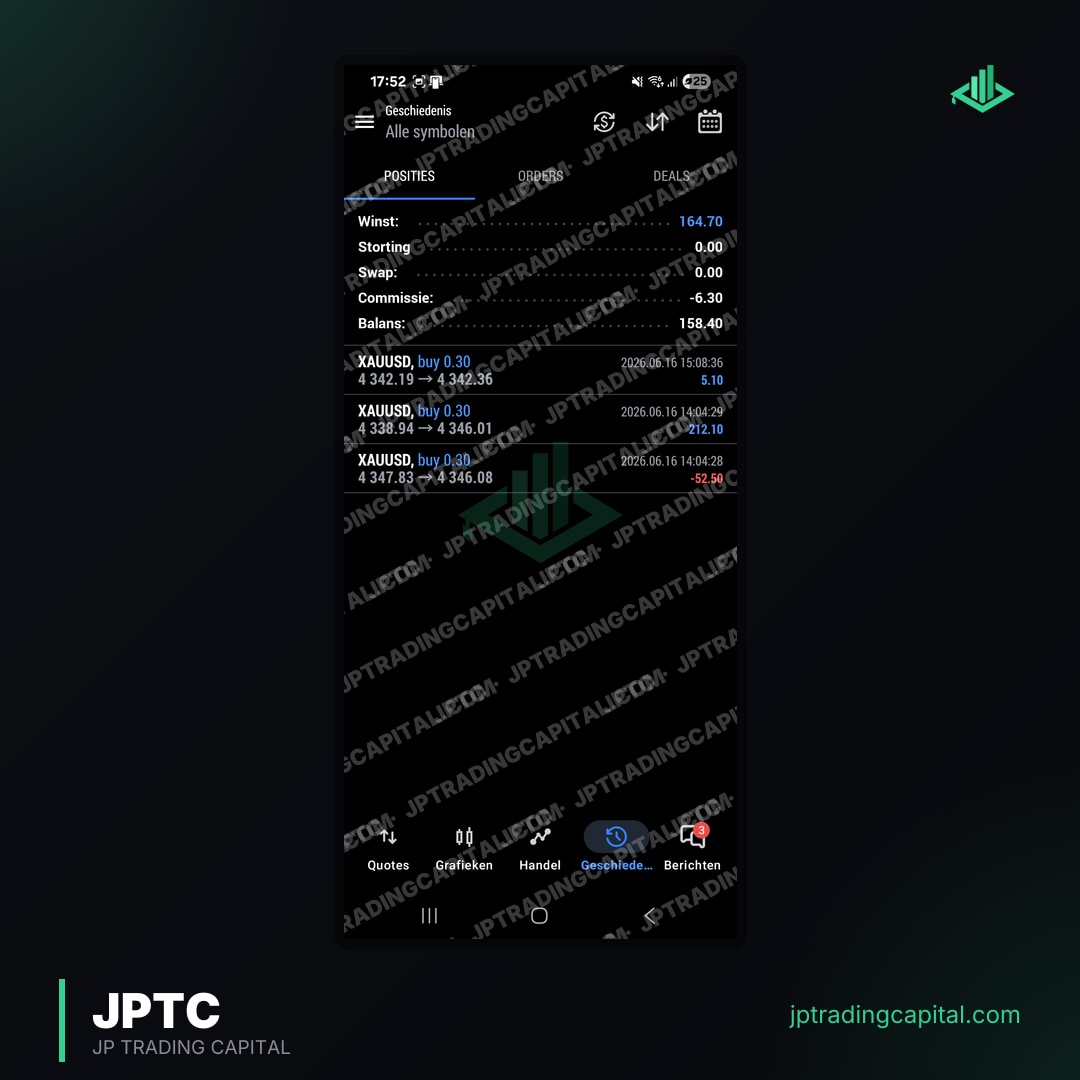
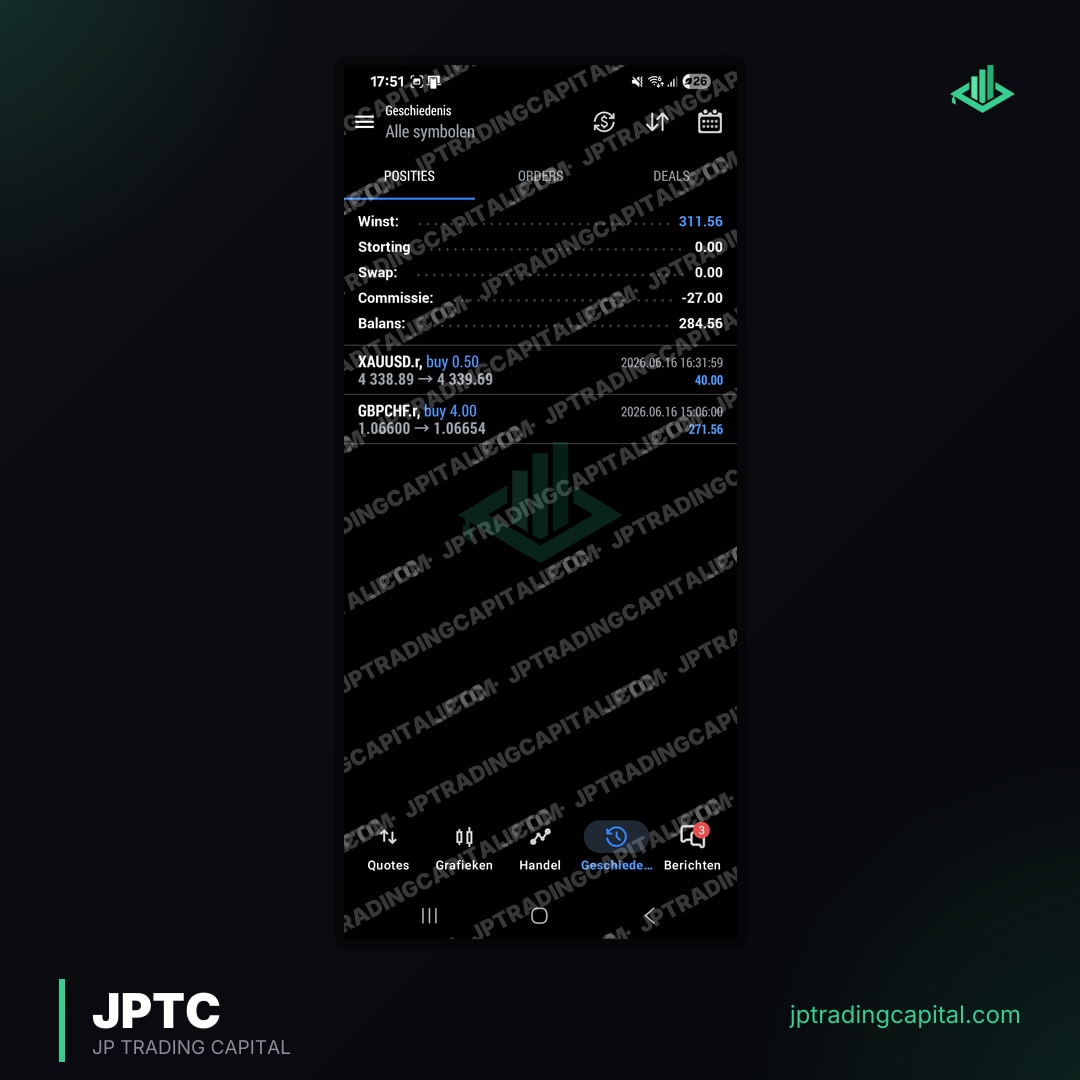
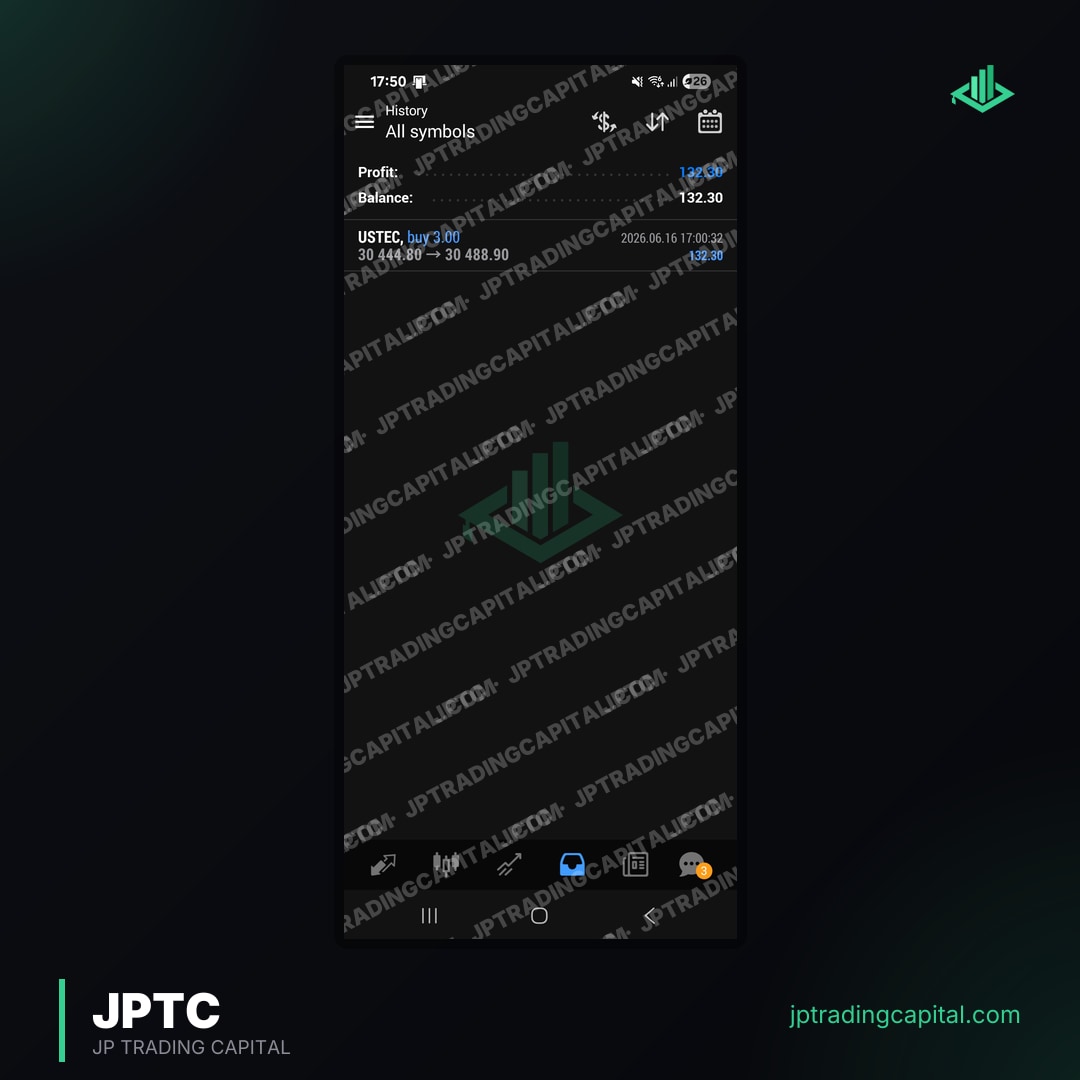
For traders seeking to automate their strategy while adhering strictly to prop firm rules, the JPTC EA Hub offers pre-configured, backtested Expert Advisors designed to respect daily drawdown caps, max loss limits, and consistency requirements. Our EAs work across major platforms like MetaTrader 4 and MetaTrader 5, compatible with leading prop firms. For an example of a multi-year live algo track record demonstrating consistent performance, traders can review JPTradingCapital's verified MyFxBook, which showcases the potential of disciplined automated trading.
Consistency is Key
Prop firms are not looking for one-hit wonders; they seek consistent profitability. Avoid aggressive trading styles aimed at hitting the profit target quickly, as these often lead to hitting drawdown limits. Focus on small, consistent gains that accumulate over time. Many firms have "consistency rules" specifically designed to penalize erratic trading, reinforcing the importance of steady performance.
Choosing the Right Prop Firm for Your Trading Style
With numerous excellent options available, selecting the best prop firms for your individual needs requires self-assessment:
- Capital Needs: How much capital do you realistically need to manage? Start with a smaller account size if you're new to prop firms.
- Asset Preference: Do you trade Forex, futures, or a mix? Ensure the firm specializes in or offers your preferred asset classes.
- Evaluation Length and Flexibility: Some traders prefer shorter, more intense challenges, while others thrive with more time and relaxed rules.
- Manual vs. Algo Trading: If you use EAs, confirm the firm's policy on automated trading.
- Risk Tolerance: Some firms have tighter drawdown limits than others. Choose one that aligns with your personal risk profile.
By carefully considering these factors, you can narrow down your choices and find a prop firm that truly supports your trading journey.
The Evolving Landscape of Prop Trading
The prop trading industry is dynamic, with new firms and models constantly emerging. Staying informed about industry trends, regulatory changes, and new technological advancements is crucial. Always conduct thorough due diligence before committing to any prop firm. The opportunity to trade with significant capital and achieve attractive profit splits remains a powerful draw for skilled traders globally.
As the industry grows, so do opportunities for collaboration; those interested in partnering can explore our affiliate program.
What is a prop firm?
A prop firm (proprietary trading firm) provides capital to skilled traders who pass an evaluation, allowing them to trade with the firm's money and share a percentage of the profits. This enables traders to access larger capital pools without risking their own funds.
How difficult is it to pass a prop firm challenge?
Passing a prop firm challenge is challenging, typically requiring a high level of discipline, consistent profitability, and strict adherence to risk management rules like daily drawdown and maximum loss limits. Success rates vary, but a well-prepared trader with a robust strategy significantly improves their odds.
What profit split can I expect from the best prop firms?
The best prop firms commonly offer profit splits ranging from 70% to 90% in favor of the trader. Some firms may start at a lower percentage and scale up with consistent performance, while others offer higher splits from the initial payout.
Can I use Expert Advisors (EAs) with prop firms?
Many of the best prop firms, including those compatible with the JPTC EA Hub, do allow the use of Expert Advisors (EAs) for automated trading. However, it's crucial to verify each firm's specific rules regarding EA usage, as some may have restrictions on certain strategies or high-frequency trading.
What should I look for when choosing the best prop firms?
When choosing a prop firm, prioritize clear and fair rules (daily drawdown, max loss, profit target), attractive profit splits, reliable payout systems, supported trading platforms (MT4/MT5), strong customer support, and a transparent, reputable track record in the industry.
Futures Challenge Prep
Software + validated setfiles + written risk plan + Discord community to help you pass your futures evaluation on your own account.
Get Started