Free Forex Signals: Who Pays for Them, and How to Test One
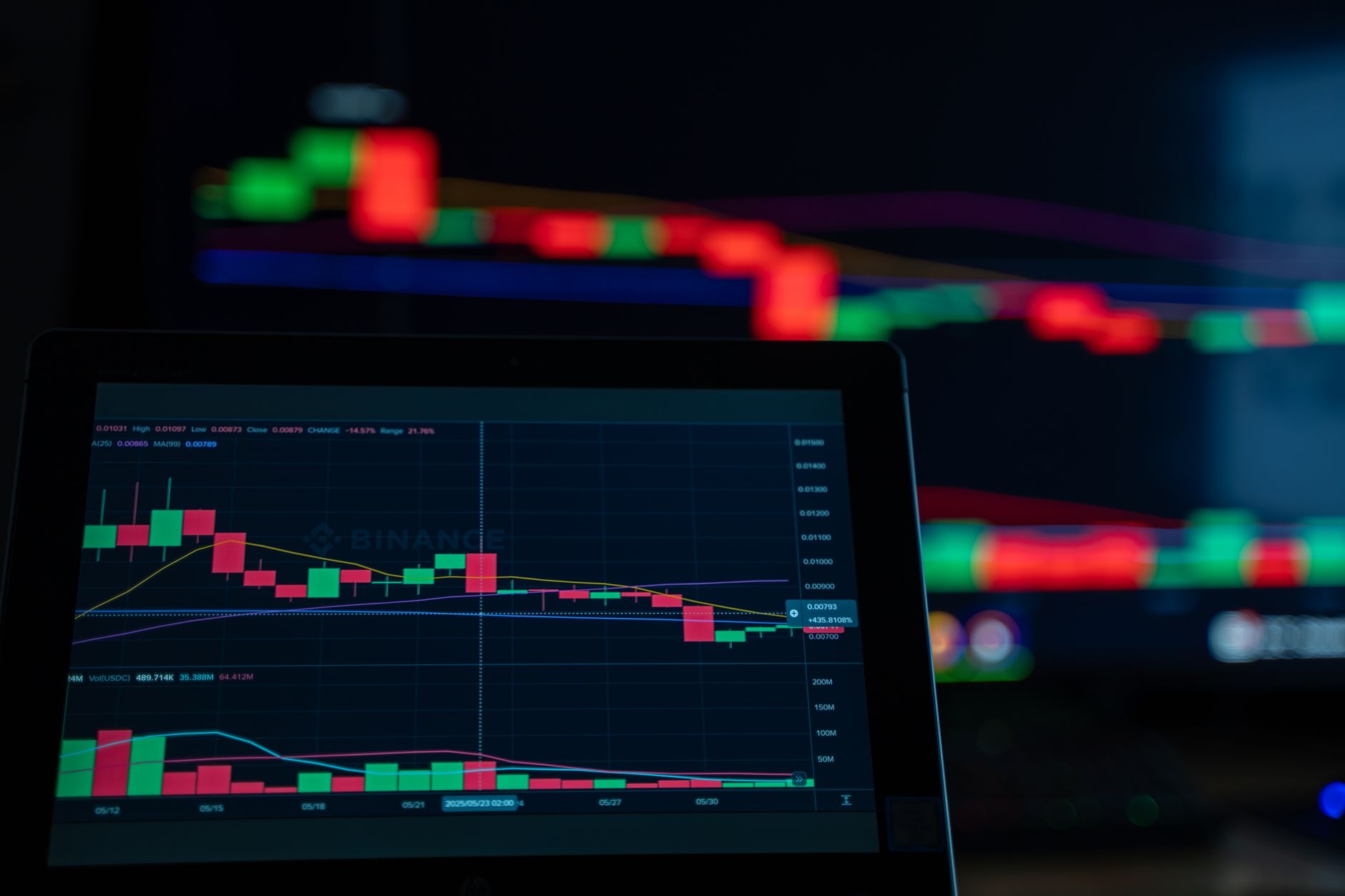
Free forex signals exist, and somebody is always paying for them. Usually it is you, indirectly, and usually you have not been told how. That is the only question worth asking about a free signal service, because the answer tells you whether the calls are built to make you money or to make you deposit.
See also free prop firm challenges with no deposit and what the catch usually is.
This page explains the four ways free signals are funded, which of them are fine and which are not, how to test any free channel in two weeks without risking money, and what a call has to contain before it is worth following at all.
- Free never means unpaid. It means the cost is somewhere you cannot see.
- Broker rebate funding is legitimate when disclosed, and it is the most common model.
- The dangerous model is the one where the provider profits when you lose.
- A call without a stop loss cannot be sized, scored, or followed.
- Ten trading days on demo settles the question for free.
The four ways a free signal service is funded
1. Broker rebate, disclosed
You open an account through the provider's broker link. The broker pays them a share of the spread you were already going to pay on every trade. Your costs do not increase, the provider is paid for volume rather than for your losses, and the arrangement is stated openly.
This is a legitimate model and it is how most durable free channels work. It is also how ours works, and we would rather write that down than call the feed free and leave you wondering where the money comes from.
2. Broker rebate, hidden
The same mechanism, not mentioned. The tell is a channel that insists you use one specific broker you have never heard of and gets evasive when you ask why. If the model were fine, they would tell you. The reason to care is not the rebate itself, it is what else they are not telling you.
3. Free tier as a funnel
The free channel exists to sell the paid one. Expect the free calls to be delayed, thinner, or deliberately worse than the "VIP" feed, which makes the free tier useless as a way of judging the paid one. That is by design.
4. The provider profits when you lose
The one to avoid. Some brokers operate a dealing desk that takes the other side of retail flow, and pay affiliates on client losses rather than on volume. In that arrangement the signals do best when you do worst. You cannot always tell from outside, which is why the question "who pays you, and on what basis" is the single most useful thing you can ask any free provider.
What a free signal must contain
Free does not lower the bar on what makes a call followable. Every signal needs all of these or it is not actionable:
| Element | Why it is not optional |
|---|---|
| Pair and direction | A chart with an arrow is not a call. |
| Entry price | Without it you cannot tell if you are in the setup or chasing it. |
| Stop loss | No stop, no position size, and no way to score the call afterwards. |
| Take profit levels | Fixes the reward-to-risk before the trade rather than during it. |
| Risk as a percentage | A fixed lot size means something different on every account. |
| Timestamp before the move | A call posted afterwards is a report, not a signal. |
Free channels fail most often on the stop and on the timestamp. A feed without stops never officially loses: the trade is "still running" while the drawdown is not.
Why free is not the same as worthless
Paid does not mean better. A subscription changes the provider's incentive from being right to being subscribed to, which is why so many paid channels post high call volume: an inactive week looks like poor value even when sitting out was correct.
What actually decides whether a feed is worth following is expectancy, and it has nothing to do with price:
expectancy = (win rate × average win in R) - (loss rate × average loss in R)

55% win rate, wins average 1.5R, losses 1R:
(0.55 × 1.5) - (0.45 × 1) = +0.375R per trade
A free feed with positive expectancy beats a paid one with negative expectancy every time, and the price tells you nothing about which is which. Note also that a high win rate on its own proves nothing: at 0.5R average reward you need to win 67 percent of the time just to break even, so an advertised "80 percent win rate" on tight targets can still be a losing system after spread.
Test any free channel in two weeks
- Demo account, ten trading days. Match the size you would really trade.
- Log every call as it arrives, from the message: time, pair, direction, entry, stop, targets. Log it before the outcome is known, not from the history afterwards.
- Include the ones you would have missed. A call at 3am is a call you did not take, and that is part of your result even though it is not part of theirs.
- Reconcile at the end. Compare your log against the channel as it stands. Edited or deleted calls answer the question by themselves.
- Compute expectancy, then subtract spread. On tight stops the spread is a large share of the risk: a 2.5 pip cost on a 10 pip stop is a quarter of your R on every trade.
- Find the longest losing streak and check what it would have done to a real account at your intended risk. That number sets your position size.
Two weeks and a demo account cost nothing. It is a better test than any track record a provider can show you, because you generated it.
Free signals on a prop firm account
Workable, with one caution. Firms restrict copy trading, and a public channel followed by many traders produces the pattern the clause describes: same pair, same direction, filled within seconds of each other across unrelated accounts. Check your firm's wording before following any feed on an evaluation, and never run one feed across several accounts. More detail in how to choose a signals provider.
How ours works, and who pays
Our forex and gold calls go out on Telegram the moment we take the trade, with entry, stop loss, take profit levels and the risk as a percentage. Posted before the outcome, never edited after, so the losing calls are still there. That is what makes the record scoreable.
There is no subscription and no profit share. A partner broker covers the feed through a rebate on spread you were paying anyway, so it costs you nothing extra. That is model one above, disclosed, which is the only version of free we are willing to run. You place every trade yourself on your own account and we never touch it.
See how the signals channel works, or read how to spot a fake feed first. That is the more useful order.
Are free forex signals any good?
How do free forex signal providers make money?
Are free forex signals a scam?
Can I use free signals on a prop firm account?
What should a free forex signal include?
How do I test free signals without risking money?
Forex & Gold Signals, No Monthly Fee
Entry, stop loss and targets on every trade we take. It costs you nothing: open an account through one of our partner brokers and they cover it for you. You place every trade on your own account.
Join the signals channel