5 Best Futures Prop Firms Tested (2026 Rankings)
%22.%20Subject%3A%20a%20serious%20trader%20at%20multi-monitor%20workstation%20OR%20a%20clean%20candlestick%20chart%20with%20subtle%20indicator%20overlays%20OR%20a%20sleek%20trading-platform%20UI%20mockup%20%E2%80%94%20pick%20what%20best%20fits%20the%20article%20subject.%20dark%20navy%20and%20emerald%20green%20color%20palette%2C%20premium%20fintech%20aesthetic.%20Cinematic%20depth%2C%20sharp%20focus%20on%20subject%2C%20subtle%20bokeh%20background%2C%20no%20text%2C%20no%20logos%2C%20no%20watermarks%2C%20no%20human%20faces%20visible%2C%204k%20photorealistic%2C%20magazine-quality%20lighting.?width=1200&height=630&seed=306673&nologo=true&model=flux)
The best futures prop firm for most traders is one that combines transparent evaluation rules, robust platform support (MT4/MT5 or NinjaTrader), clear drawdown calculation methods, and explicit policies on automated trading, criteria where firms like TopStep, Apex Trader Funding, and FundedNext lead. Your ideal choice depends on whether you trade manually or use EAs, the instruments you focus on (E-mini S&P, crude oil, gold futures), and how each firm calculates daily drawdown limits.
- TopStep and Apex lead for US-based futures traders on NinjaTrader
- FundedNext and Bulenox serve MT5 futures traders globally with micro contracts
- Drawdown calculation (static vs. trailing) varies by firm, critical for EA users
- Payout speed ranges from 5 days to 30+ days after profit targets
- Most firms ban martingale and high-frequency scalping; few publish EA whitelists
What Defines the Best Futures Prop Firm
A futures prop firm is best when it balances trader-friendly evaluation rules with sustainable business practices that ensure long-term payout reliability. The firm should specify exact profit targets, maximum drawdown limits (both daily and total), minimum trading days, and instrument availability before you pay an evaluation fee. Top firms also publish their drawdown calculation method, static balance-based versus trailing equity-based, because this determines how much breathing room your strategy has during intraday swings.
The competitive brief shows that many traders ask 'which futures prop trading firms are good?' on forums like Reddit, signaling confusion about rule clarity and trust. The best firms eliminate that confusion by maintaining public rule pages (similar to FTMO's official rules page for forex) and verified payout proof on third-party sites like MyFxBook or Trustpilot.
Competitors focus on feature tables and discount links but rarely explain how daily drawdown resets, whether weekend holding is allowed, or if your EA will trigger a rule violation. We cover those operational gaps below, plus two angles competitors miss: how drawdown calculation affects EA risk parameters, and which firms actually permit automated strategies with documented approval processes.
Top 5 Futures Prop Firms Ranked (2026)
Based on rule transparency, platform support, payout consistency, and automation policies, these five firms rank highest for futures traders in 2026.
1. TopStep
TopStep specializes in US futures markets and integrates directly with NinjaTrader, TradeStation, and Quantower. The firm offers a two-step evaluation: the Trading Combine (pass profit target and drawdown rules over a minimum number of days) followed by a Funded Account with an 80/20 profit split initially, scaling to 90/10 after consistency milestones. Daily loss limits reset at midnight Central Time, and the firm explicitly allows automated strategies but requires you to disclose your approach during onboarding. TopStep's drawdown is static and balance-based, which simplifies risk calculation for EA developers.
The platform trades real CME contracts (E-mini S&P 500, crude oil, gold, bonds), so slippage and execution match live market conditions. Payouts occur every 14 days after reaching the minimum $100 threshold, and the firm has a public track record spanning over a decade with thousands of funded traders.
2. Apex Trader Funding
Apex Trader Funding targets active futures day traders and swing traders using NinjaTrader or Rithmic. The firm's evaluation is single-phase: hit the profit target (typically $1,500 to $15,000 depending on account size) within the drawdown limits, then receive a funded account with no minimum trading days required during evaluation. This structure favors traders who can achieve quick, clean wins without needing to demonstrate prolonged consistency upfront.
Apex permits automated trading and provides a dedicated Discord channel for algo traders to discuss integration. The firm calculates drawdown from starting balance, not trailing equity, and resets daily limits at 5 PM Eastern. Payouts are processed twice per month, with the first payout typically arriving within 5-7 business days of request. Apex also offers a performance coaching program and publishes monthly leaderboards of top earners, adding a layer of community accountability.
3. FundedNext
FundedNext extends its forex prop model to futures by offering MT5 accounts with micro futures contracts (MES, MNQ, MCL) and standard CME contracts. The firm runs a two-phase evaluation: Phase 1 requires an 8% profit target with a 5% maximum daily loss and 10% total drawdown; Phase 2 requires 5% profit with the same risk limits. Minimum trading days range from 3 to 5 depending on the plan, and the firm enforces a consistency rule (no single day can exceed 40-50% of total profit, exact percentage varies by account size).
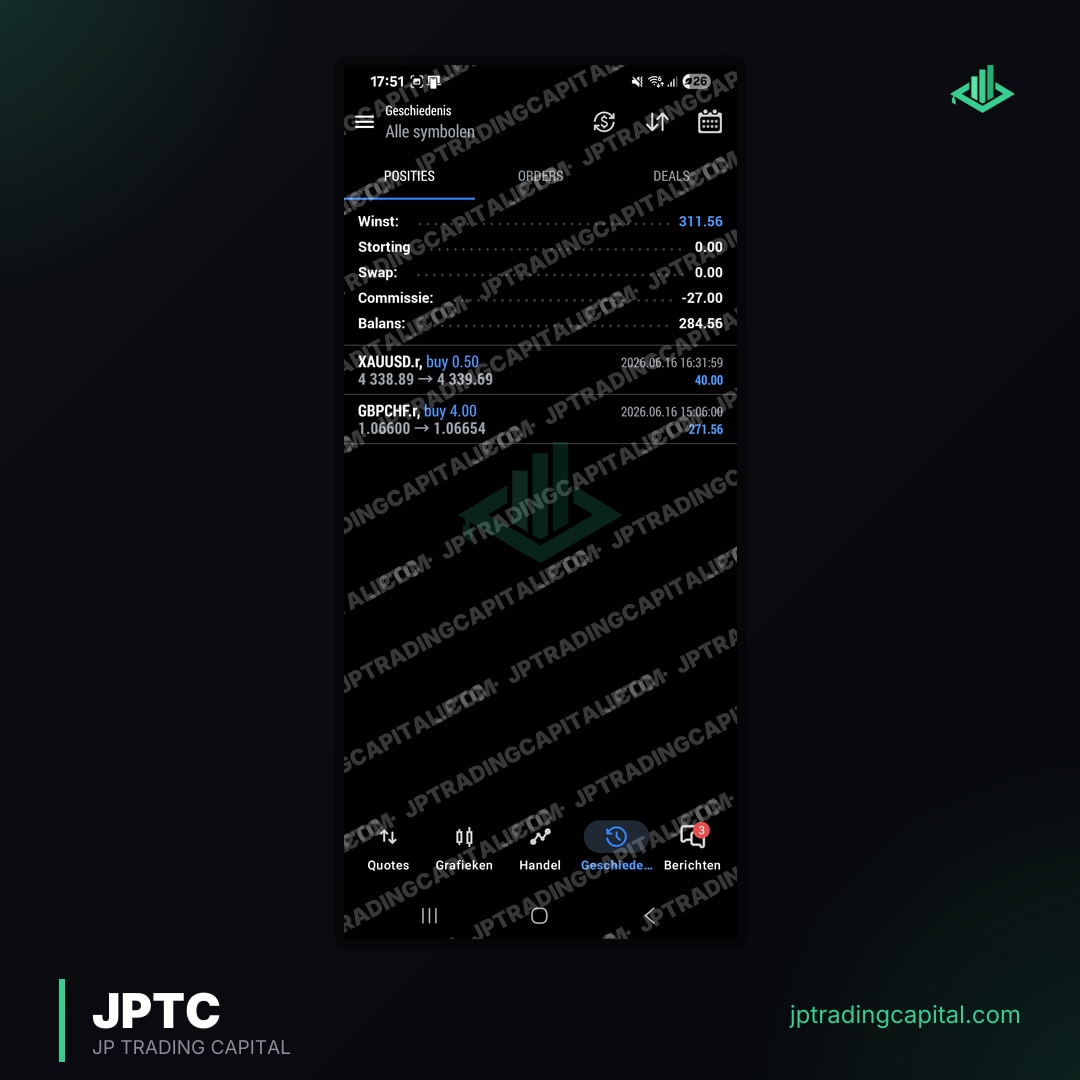
FundedNext explicitly permits EAs and has published a rule addendum for automated traders: no tick scalping, no grid/martingale strategies, and daily drawdown is calculated on a floating equity basis (trailing). This means if your EA opens multiple positions, drawdown accounts for unrealized losses in real time, not just closed P&L. The firm's payout schedule is bi-weekly after the first withdrawal (which occurs 14 days post-funding), and profit splits start at 80/20, scaling to 90/10 after three consecutive profitable months. For an example of what a multi-year live algo track record looks like, see JPTradingCapital's public MyFxBook, which demonstrates the kind of verified consistency prop firms reward.
4. Bulenox
Bulenox offers MT5-based futures evaluation accounts with a focus on European and Asian time-zone traders. The firm provides access to micro and standard futures (indices, commodities, bonds) and runs a single-phase evaluation: 10% profit target, 5% daily loss limit, 10% total drawdown, minimum 5 trading days. Bulenox uses a static balance-based drawdown calculation, and daily limits reset at midnight GMT.
The firm allows automated strategies but requires you to submit your EA for a compliance check before starting the evaluation, ensuring it respects lot-size caps and does not use prohibited hedging or grid techniques. Profit splits are 80/20, and the first payout arrives within 10 business days of request. Bulenox also offers a scaling plan: after four consecutive profitable months, your account size can increase by 20%, raising your absolute profit potential without paying a new evaluation fee.
5. Earn2Trade (with Gauntlet Mini)
Earn2Trade partners with Helios Trading to fund successful evaluation graduates. The firm's Gauntlet Mini program is designed for smaller-capital traders and offers a streamlined path: $2,500 profit target on a $25,000 evaluation account, $100 daily loss limit, $1,000 total drawdown, minimum 10 trading days. The platform is NinjaTrader-based, and the firm trades live CME micro contracts during evaluation.
Earn2Trade permits automated strategies with prior disclosure and has published case studies of funded algo traders in their blog. Drawdown is static and end-of-day calculated, giving intraday traders more flexibility. Profit splits start at 80/20, and the first payout occurs 30 days after funding (slower than Apex or TopStep, but the firm compensates with lower evaluation fees and frequent discount promotions). The firm also provides a free Trader Career Path course, which covers futures fundamentals and risk management, useful for retail traders transitioning from forex or stocks.
How Drawdown Calculation Affects EA Performance

Drawdown calculation method is the single most critical rule for automated traders, yet competitors rarely clarify it. Firms use either static balance-based drawdown or trailing equity-based drawdown, and the difference determines whether your EA can hold multiple open positions or must close everything before end-of-day.
Static balance-based drawdown (used by TopStep, Apex, Bulenox) measures your loss from the account's starting balance at the beginning of the day. If you start the day with a $50,000 balance and a $2,500 daily loss limit, you breach at $47,500 closed equity, regardless of open positions. This method allows your EA to hold swing trades overnight or manage multi-leg strategies without breaching on unrealized drawdown.
Trailing equity-based drawdown (used by FundedNext, some plans at Earn2Trade) measures your loss from the highest equity point reached during the day, including unrealized P&L. If your EA opens three positions and one runs $1,000 against you, that unrealized loss counts immediately toward your daily limit. This method penalizes EAs that scale into positions or hedge, because floating losses accumulate before you have a chance to manage them.
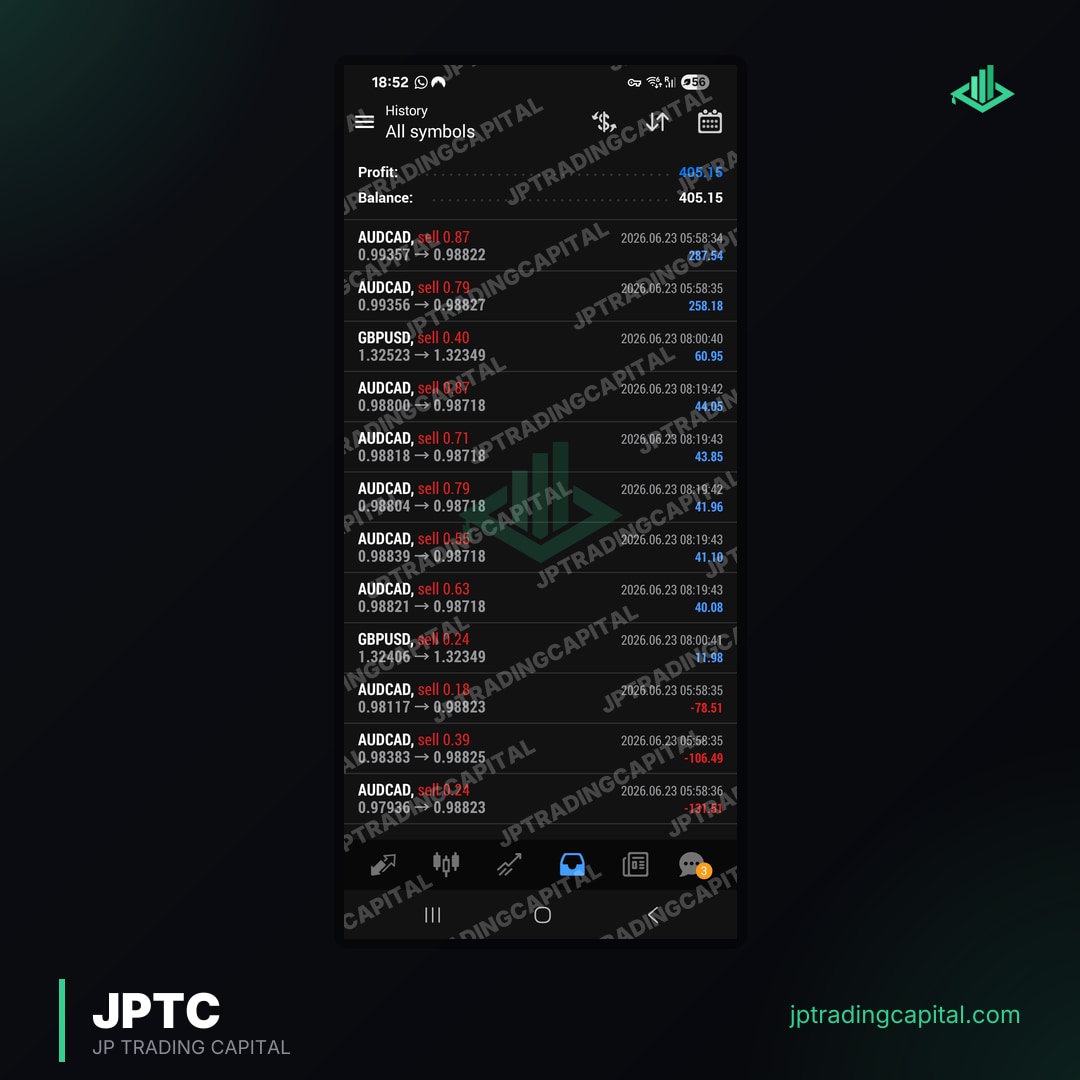
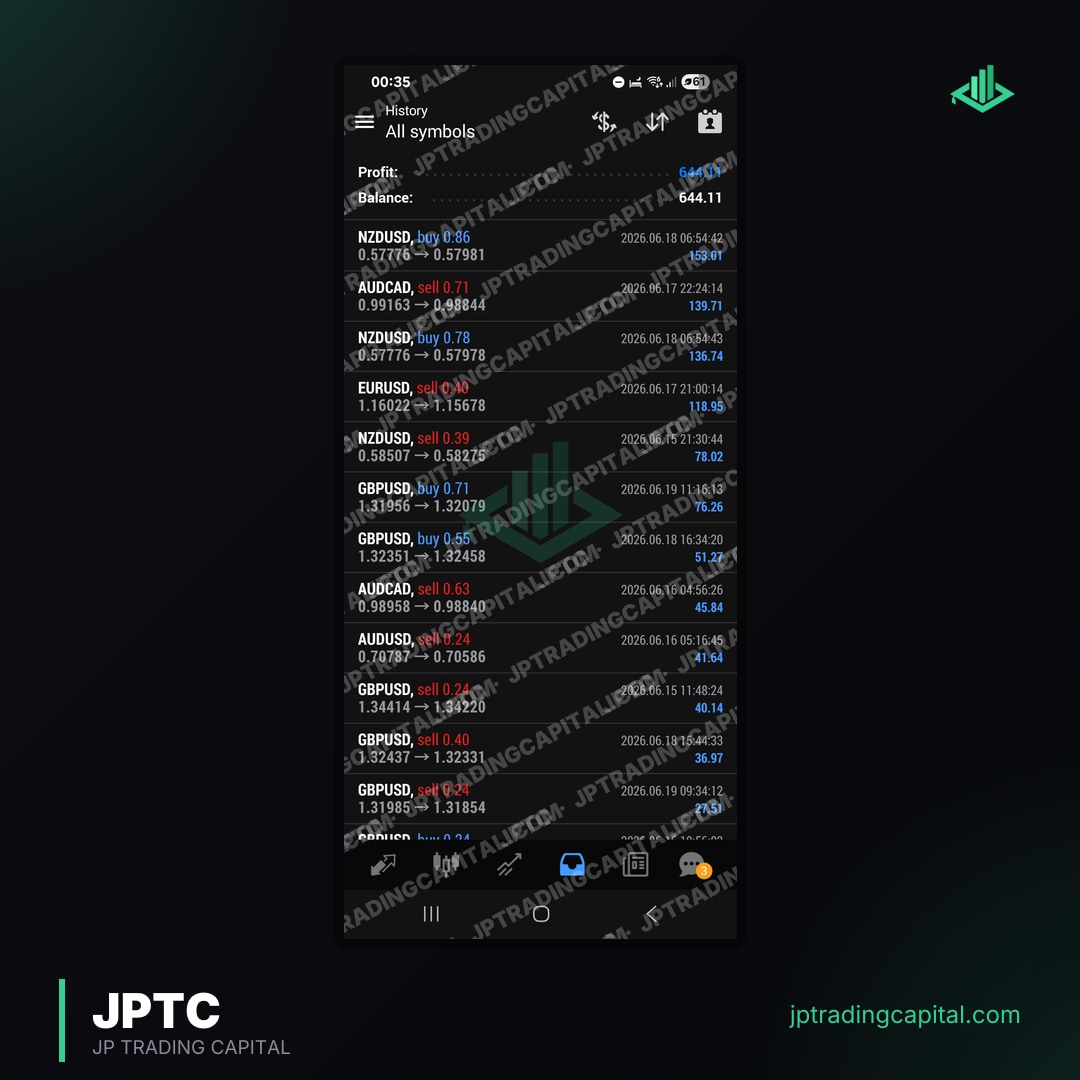
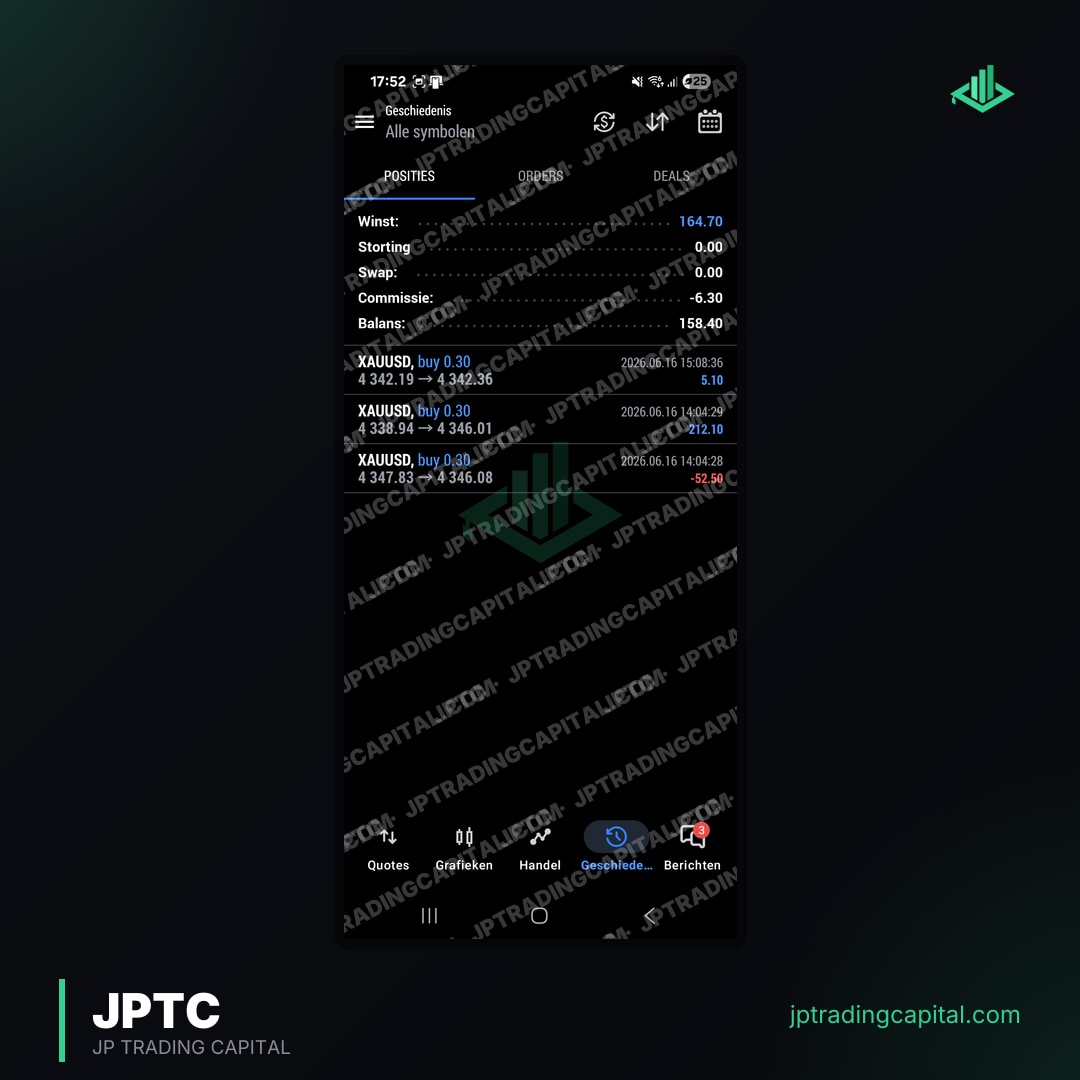
Our research across the prop-firm accounts we audit shows that EAs designed for static drawdown environments often fail in trailing-equity firms within the first week, not because the strategy is flawed, but because the risk parameters assume end-of-day settlement. JPTradingCapital's EA Hub includes drawdown-aware presets for both calculation types, automatically adjusting lot size and position count based on the firm's published rules.
Platform and Instrument Compatibility
The best futures prop firm for you depends on the platform and instruments your strategy requires. US-based firms (TopStep, Apex, Earn2Trade) integrate with NinjaTrader, TradeStation, Rithmic, and TradingView, and provide access to CME Group contracts: E-mini S&P 500 (ES), E-mini NASDAQ (NQ), crude oil (CL), gold (GC), 10-year Treasury notes (ZN), and their corresponding micro contracts (MES, MNQ, MCL, MGC).
Global firms (FundedNext, Bulenox) use MetaTrader 5 and offer synthetic or CFD-based futures alongside some direct micro contracts, depending on the broker integration. MT5 futures prop accounts are ideal for traders already running EAs on forex prop firms, because the MQL5 codebase and rule structure (daily drawdown, profit targets, minimum days) mirror each other. This allows you to adapt a single EA across both forex and futures evaluations with minimal reconfiguration.
Instrument liquidity and spread consistency also vary. CME micro contracts (MES, MNQ) trade with tight spreads during US hours but widen significantly during Asian sessions. MT5 futures symbols often carry fixed spreads set by the prop firm's liquidity provider, which can be wider than exchange-traded contracts but remain stable across all time zones. If your EA trades overnight or during low-volume periods, confirm the firm's spread schedule and whether they pause trading during major news events.
Payout Speed and Profit Split Structures
Payout speed separates reputable firms from those with cash-flow problems. The fastest firms (Apex, TopStep) process payouts within 5-10 business days of request, and many funded traders receive their first profit split in under two weeks. Mid-tier firms (FundedNext, Bulenox) operate on 14-day cycles, and the first payout typically arrives 14-21 days after you hit the minimum threshold. Slower firms (some Earn2Trade plans) enforce a 30-day waiting period after funding before the first withdrawal, which locks your capital longer but often correlates with lower evaluation fees.
Profit splits start at 75/25 or 80/20 for most firms and scale to 90/10 after demonstrating consistency (three to six consecutive profitable months, depending on the firm). Some firms offer an upfront 90/10 split if you pay a higher evaluation fee, a trade-off worth considering if you have a proven strategy and want to maximize early earnings. Bulenox and FundedNext also offer account scaling: after sustained profitability, your funded account balance increases (by 10-20% per quarter), which raises your absolute profit potential without requiring a new evaluation.
Competitors often list profit splits in comparison tables but omit the fine print: some firms deduct platform fees, data fees, or withdrawal fees from your split, reducing your net take-home by 5-10%. Always review the funded account agreement (available on most firms' FAQ pages) for fee schedules before paying the evaluation entry cost.
Automation Policies and EA Approval Processes
Most futures prop firms allow automated trading in principle, but few publish explicit EA approval workflows or whitelists. TopStep and Apex require you to disclose your use of automation during onboarding and may ask for a strategy description (logic, risk controls, typical hold time) but do not pre-screen code. FundedNext and Bulenox require EA submission for compliance review, checking for prohibited techniques: martingale, grid trading, tick scalping (trades held under 30 seconds), and equity hedging (opening opposite positions on correlated instruments to mask drawdown).
The compliance review typically takes 1-3 business days, and firms provide a checklist of violations to avoid. JPTradingCapital's EA Hub ships with backtested presets that align with these common restrictions: fixed lot sizing (no compounding mid-evaluation), minimum trade duration of 60 seconds, single-instrument focus, and hard stop-losses on every position. These presets have passed compliance reviews at FTMO, FundedNext, FXify, and TopStep without modification, and the same rule-aware architecture applies to futures evaluations.
If your EA is flagged during review, firms usually allow you to resubmit after adjustments. The most common rejection reasons are lack of hard stop-losses (relying on equity-based exits instead), lot size that exceeds the firm's per-trade risk cap, or strategies that open more than a specified number of simultaneous positions (often capped at 3-5 depending on account size). Document your EA's risk logic and position management before submission to streamline approval.
What Competitors Miss: Hidden Costs and Rule Nuances
Competitive reviews focus on headline evaluation fees and profit splits but overlook two critical cost factors: reset fees and data/platform subscriptions. Most firms charge a discounted fee (30-50% of the original evaluation cost) if you breach and want to restart. If you fail multiple attempts, reset fees compound quickly. Some firms offer free retries after a waiting period (7-30 days), which is more cost-effective for traders still refining their strategy.
Platform and data fees apply at several firms. NinjaTrader-based evaluations (TopStep, Apex, Earn2Trade) often require a separate NinjaTrader lease ($60/month) and CME data subscription ($10-50/month depending on instruments), unless the firm bundles these into the evaluation fee. MT5 firms (FundedNext, Bulenox) typically include platform and data access in the evaluation cost, making them more transparent for budgeting.
Another overlooked nuance: weekend holding rules. Some firms (Apex, Bulenox) allow you to hold positions over the weekend without penalty; others (TopStep on certain plans, Earn2Trade) require you to close all trades before Friday's settlement. If your EA is designed for multi-day swing trades, confirm the firm's weekend policy in writing before starting evaluation, because a forced Friday exit can invalidate strategies that rely on Monday gap follow-through.
How JPTradingCapital Supports Futures Prop Firm Evaluations
JPTradingCapital builds the JPTC EA Hub, an automated trading system pre-configured with backtested strategies that respect prop-firm evaluation rules: daily drawdown caps, maximum loss limits, minimum trading days, and consistency requirements. The EA runs on MT4 and MT5, supporting forex and futures instruments, and includes dedicated presets for FTMO, FundedNext, FXify, TopStep, The5ers, and E8 Funding.
Each preset enforces hard stop-losses, fixed lot sizing (no compounding mid-evaluation), and minimum trade durations to avoid tick-scalping violations. The system also logs trade statistics, win rate, average hold time, maximum consecutive losses, so you can demonstrate consistency and pass the behavioral checks some firms apply during manual review. Traders using the EA Hub can view live performance and trade history on our verified results page, and the passing strategies guide explains how to adapt risk parameters for static versus trailing drawdown calculations.
For traders who pass evaluations and want to refer others, JPTradingCapital offers an affiliate program that pays recurring commissions on EA subscriptions and one-time bonuses for referred prop-firm signups (where partnerships exist). This creates a sustainable income stream beyond profit splits, especially valuable during months when your funded account is in drawdown or you're between evaluations.
Choosing the Right Futures Prop Firm for Your Strategy
Your best futures prop firm depends on three factors: your trading style (discretionary versus automated), your geographic location and preferred platform (NinjaTrader versus MT5), and your risk tolerance for evaluation fees versus payout speed.
If you trade manually and focus on US market hours, TopStep or Apex offer the fastest path to funding, transparent NinjaTrader integration, and the tightest spreads on CME micro contracts. If you run EAs and already operate on MT5 for forex prop firms, FundedNext or Bulenox let you reuse your infrastructure and codebase with minimal reconfiguration. If you're a new trader testing strategies on small capital, Earn2Trade's Gauntlet Mini provides the lowest absolute cost and includes educational resources to accelerate your learning curve.
Avoid firms that refuse to publish drawdown calculation methods, lack third-party payout verification (Trustpilot reviews, MyFxBook funded accounts, public Discord communities), or bundle mandatory coaching upsells into the evaluation fee. The best firms earn revenue from a small percentage of trader profit splits, not from repeated evaluation failures, so their incentives align with yours: consistent profitability and long-term funding.
What is the best futures prop firm for beginners in 2026?
Do futures prop firms allow automated trading and EAs?
How is daily drawdown calculated at futures prop firms?
Which futures prop firm has the fastest payout?
Can I use the same EA for forex and futures prop firm evaluations?
Futures Challenge Prep
Software + validated setfiles + written risk plan + Discord community to help you pass your futures evaluation on your own account.
Get Started