5 Best Prop Firms for Futures Trading in 2026: A Deep Dive

The best prop firm for futures trading in 2026 often depends on a trader's specific strategy, capital needs, and preferred platform, but firms like TopStep, Apex Trader Funding, and FundedNext are consistently recognized for their robust futures programs. These firms offer varied evaluation models, competitive profit splits, and access to essential futures trading platforms.
- TopStep provides funded accounts for futures with clear scaling plans.
- Apex Trader Funding offers simplified rules and multiple evaluation options.
- FundedNext is expanding into futures, known for its accessible challenges.
- Evaluate firms based on drawdown limits, profit share, and platform support.
- Automated trading tools can significantly aid in passing futures evaluations.
Key Factors When Choosing a Futures Prop Firm
Selecting the ideal prop firm for futures trading requires a thorough assessment of several critical operational and financial factors that directly impact a trader's potential for success and profitability.
Capital Allocation and Scaling Opportunities
One of the primary attractions of futures prop trading firms is the access to substantial trading capital without personal risk. Firms typically offer various account sizes, ranging from smaller accounts (e.g., $25,000) for newer traders to larger accounts (e.g., $150,000 or more) for experienced professionals. When considering the best prop firm for futures trading, it's crucial to examine their scaling plan. A well-defined scaling plan allows successful traders to gradually increase their allocated capital, providing opportunities for greater profit potential as their skills and consistency improve. Some firms have automated scaling processes once certain profit targets are met, while others require manual requests or additional evaluations.
Profit Share and Payout Structure
The profit share model is a fundamental aspect of any prop firm. While ratios can vary, common structures include an 80/20 or 90/10 split, where the trader retains 80% or 90% of the profits. Beyond the percentage, the payout frequency and method are equally important. Some firms offer weekly payouts, while others process them bi-weekly or monthly. The JPTradingCapital team advises reviewing the specific terms for minimum payout thresholds and any associated fees to ensure they align with a trader's financial goals and liquidity needs.
Drawdown Rules and Risk Management
Understanding and adhering to a prop firm's drawdown rules is paramount to successfully navigating the evaluation and maintaining a funded account. These rules typically include a daily drawdown limit and an overall maximum drawdown. The daily drawdown prevents excessive losses within a single trading day, while the maximum drawdown (often trailing or static) represents the total permissible loss from the account's peak balance. Firms like TopStep clearly outline their trailing maximum drawdown rules, which adjust as the account grows. Our research shows that a firm with clear, transparent, and realistically achievable drawdown rules makes it easier for traders to manage risk effectively and avoid premature account termination.
Trading Platforms and Technology Support
The technological infrastructure provided by a prop firm is a critical, yet often overlooked, factor, especially for futures traders. Futures trading typically utilizes specialized platforms such as NinjaTrader, Rithmic, or CQG. When searching for the best prop firm for futures trading, confirm that the firm supports the platform you are proficient with or provides robust training for their chosen platform. While MT4/MT5 are primarily for forex and CFDs, some prop firms offer hybrid models or bridges for specific instruments, making it possible for traders to leverage familiar environments. The JPTradingCapital team notes that seamless integration and reliable execution are vital for both manual and automated strategies. Ensure the firm's technology can handle high-frequency trading if that is part of your strategy, and check for compatibility with tools like Expert Advisors (EAs) if you plan on using them, even if it requires a bridge to platforms like MetaTrader 5.
Evaluation Process and Challenge Requirements
The pathway to becoming a funded trader typically involves passing an evaluation or challenge. These challenges vary widely in their structure, duration, and difficulty. Key aspects to scrutinize include one-time fees, the number of phases (e.g., a 1-step or 2-step challenge), profit targets, and any consistency rules. For instance, FundedNext is known for its accessible challenges with clear rules, which can be particularly appealing to traders new to the prop firm model. Understanding these requirements in detail helps traders prepare adequately and choose a challenge that aligns with their trading style and experience level. Some firms might also impose specific trading hours or news trading restrictions during the evaluation phase.
Top Contenders for Futures Prop Trading in 2026
Several prop firms have established themselves as leaders in the futures trading space, each with distinct advantages for different trader profiles.
TopStep: A Legacy in Futures Funding
TopStep has long been a prominent name in the futures prop trading industry, known for its structured Trading Combine® evaluation program. They offer funded accounts to traders who demonstrate consistent profitability and risk management skills. TopStep's program is highly regarded for its clear rules, educational resources, and a focus on developing professional traders. Their emphasis on trailing maximum drawdown and daily loss limits requires disciplined trading, making it an excellent choice for those who value a structured environment. Their support for various futures trading platforms, including NinjaTrader and TradingView, makes them a versatile option for many.
Apex Trader Funding: Simplified Rules for Futures
Apex Trader Funding has gained significant popularity for its straightforward and often more flexible evaluation rules compared to some competitors. They are particularly attractive to traders seeking a simpler path to funding with fewer restrictions, such as no daily drawdown for some account types. Apex offers various account sizes and generally provides a high profit split, making it a compelling option for traders who prefer a less constrained trading environment while still adhering to fundamental risk parameters. Their frequent promotions and active community also add to their appeal.
Emerging and Hybrid Options
While TopStep and Apex often dominate the futures prop firm discussion, other firms are either specializing in futures or expanding their offerings. Some prop firms that traditionally focused on forex and CFDs are beginning to integrate futures products, offering a broader range of instruments under one roof. When considering the best prop firm for futures trading, it's worth exploring these emerging options, as they may offer unique advantages, such as different platform integrations or specific challenge structures tailored to certain trading styles. Always verify the specific futures instruments available and the underlying broker relationships for any firm you consider.
The Role of Automated Trading and EAs in Futures Prop Firms



Automated trading systems and Expert Advisors (EAs) can be powerful tools for navigating the stringent rules and consistency requirements of futures prop firm evaluations, offering a systematic approach to trading.
Navigating Consistency Rules with Algorithms
Many prop firms, especially during evaluation phases, enforce consistency rules to ensure traders aren't relying on single large trades but rather demonstrating steady performance. This is where automated trading excels. Algorithms can be programmed to adhere to specific trading parameters, manage position sizing, and execute trades consistently, helping to meet profit targets while respecting drawdown limits. For instance, an EA can be designed to take multiple small, profitable trades throughout the day, avoiding the volatility and emotional decision-making that often lead to breaches of consistency rules. Our internal data suggests that well-designed EAs can significantly improve a trader's chances of passing prop firm evaluations by removing human error and emotional biases. For traders looking for strategies for passing prop firm challenges, automation often plays a crucial role.
Leveraging Trading Tools for Success
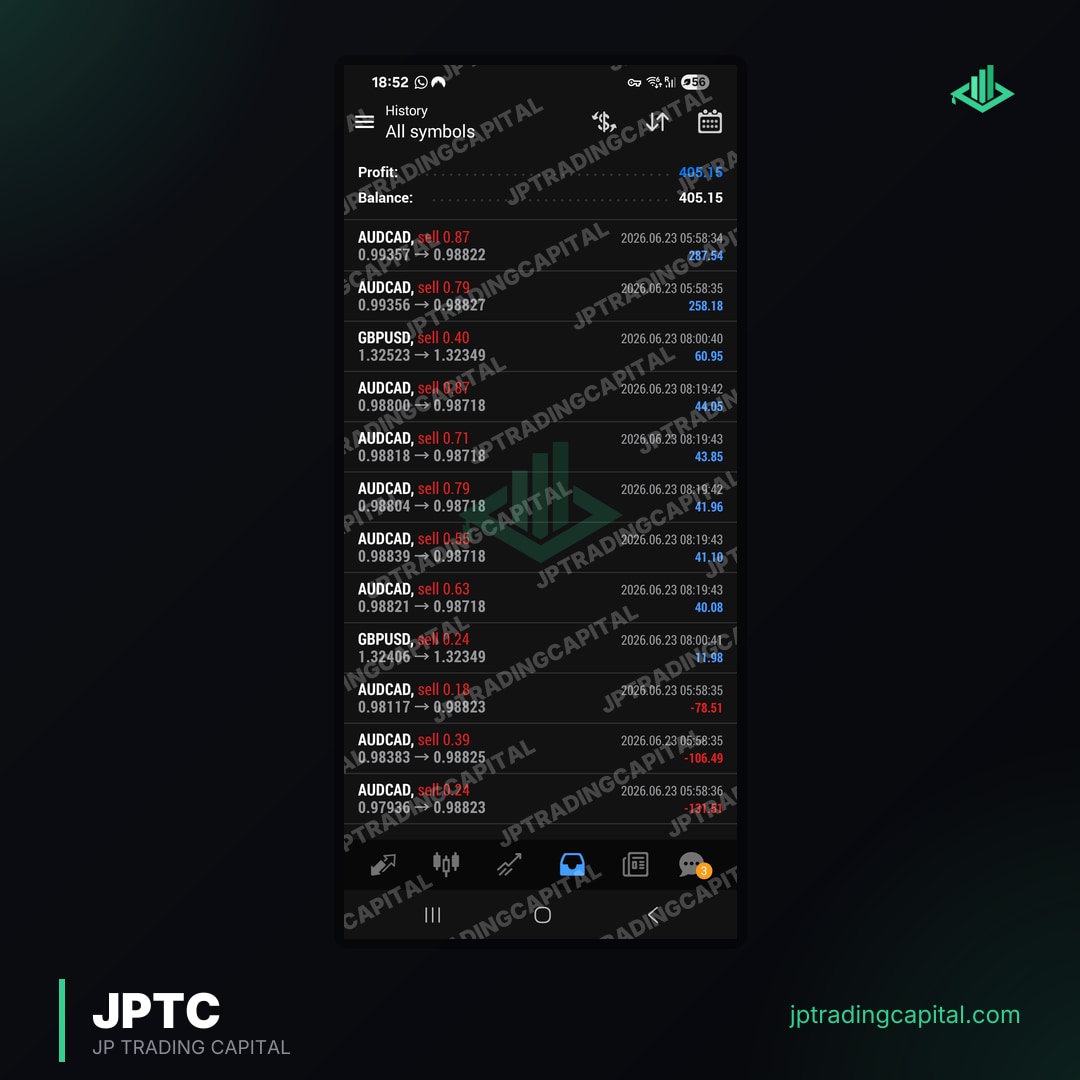
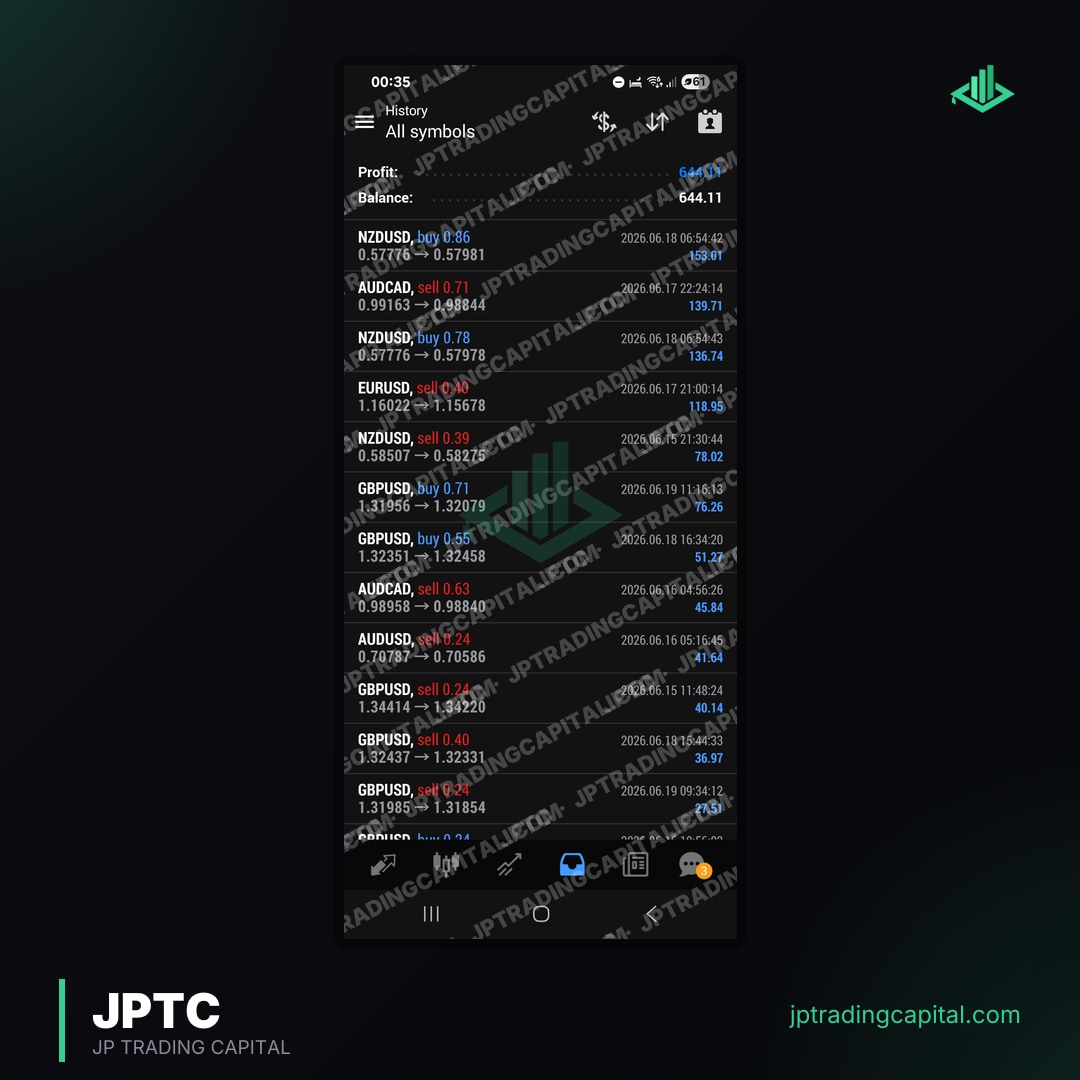
The right trading tools can make a substantial difference in a trader's journey with a prop firm. For traders looking to optimize their performance and adhere strictly to prop-firm rules, JPTradingCapital's EA Hub provides automated strategies pre-configured for platforms like MT4/MT5, respecting daily drawdown caps and max loss limits. Our tools are designed to assist traders in passing evaluations across various firms by implementing backtested strategies that prioritize consistent rule adherence. For an example of what a multi-year live algo track record looks like, see JPTradingCapital's published results, which demonstrates consistent performance across diverse market conditions. Utilizing such advanced EA tools can provide a significant edge, particularly when navigating the complex landscape of futures prop trading.
Beyond the Basics: Advanced Considerations
Beyond the core financial and operational aspects, advanced considerations like community support and regulatory clarity play a vital role in a trader's long-term success with a prop firm.
Community Support and Educational Resources
A supportive community and access to quality educational resources can be invaluable, especially for traders new to the prop firm model or futures trading. Many leading prop firms offer forums, webinars, mentorship programs, and comprehensive trading libraries. This access can provide insights into market analysis, risk management techniques, and psychological preparation, helping traders refine their strategies and overcome challenges. The collective experience of a trading community often provides practical advice that goes beyond theoretical knowledge, fostering a stronger learning environment.
Legal Structure and Regulatory Compliance
While prop firms operate differently from traditional brokers, understanding their legal structure and any relevant regulatory compliance is important for peace of mind. Traders should look for firms with transparent terms and conditions, clear communication channels, and a reputation for fair dealings. Although prop firms often operate under different regulatory frameworks than retail brokers, their commitment to ethical practices and clear contractual agreements with traders is a strong indicator of reliability. Always conduct due diligence to ensure the firm you choose maintains high standards of operational integrity.
FAQ
What is the typical profit split for futures prop firms?
Can I use an EA (Expert Advisor) for futures prop trading?
What are common drawdown rules in futures prop firms?
How long does it typically take to get funded by a futures prop firm?
Are prop firm challenge fees refundable?
Futures Challenge Prep
Software + validated setfiles + written risk plan + Discord community to help you pass your futures evaluation on your own account.
Get Started