Free Funded Account No Deposit: What's Real in 2026
Material update: Site-wide prohibited-phrase cleanup applied on 2026-08-23; editorial review status was not changed.
Answer first, honestly: a genuinely free funded account with no deposit, meaning real trading capital handed to you at zero cost with instant real payouts, does not really exist. Anyone promising free trading capital with no cost, no test, and promised cash is almost always misleading you or running a scam. What is real is a small set of low-cost, legitimate routes to trading a firm's capital, plus a few genuinely free but limited entries. This guide walks through each one plainly so you can choose the right path without wasting money.
If you are looking for a way in without paying, which free prop firm challenges are real covers what is actually on offer.
Worth reading alongside this: the rules that end most funded accounts.
The reliable path is an algorithm with a public, live track record that trades inside prop firm rules on your own account. You keep full control and 100 percent of the profit, and you can inspect the real results before you spend anything.
- No legitimate firm gives away meaningful trading capital for free with no evaluation and instant withdrawals.
- The realistic low-cost route is a prop firm challenge: a one-time, often refundable fee to prove your skill on a demo.
- Genuinely free entries exist, such as demo contests, occasional broker promotions, and discount or refund codes, but they are small and rare.
- Trading your own capital, even a modest amount, gives you full control with no evaluation at all.
- The hard part of the challenge route is passing it, and that is where a rule-aware algorithm actually helps.
The truth about "free funded account no deposit"
The phrase "free funded account no deposit" is popular because it describes exactly what many new traders wish existed: sizeable capital, no cost, and quick payouts. In reality, marketers attach that phrase to two very different things. The first is a tiny promotional credit from a retail broker, often 30 to 100 euro, tied to strict withdrawal conditions. The second is a no-fee prop firm evaluation, which is a chance to audition on a demo, not a grant of capital. Neither one drops personal capital into your account for nothing. If an offer promises large free capital with no rules, no verification, and instant cash out, treat it as a red flag and walk away.
Once you accept that, the useful question becomes: what is the cheapest honest way to actually trade capital that is not your own? There are three realistic answers, and it helps to understand the trade-offs of each before you commit time or money.
The realistic low-cost route: prop firm challenges
The most practical path to a funded account is a proprietary trading firm challenge, also called an evaluation. You pay a one-time fee, frequently starting from around 89 euro depending on account size, and you trade a demo account under a fixed rule set. Pass it and you trade the firm's capital, typically keeping 70 to 90 percent of the profit you generate. The fee is not always sunk cost either: some firms refund it. FTMO, for example, refunds your evaluation fee on your first payout, which effectively makes the assessment free once you succeed. You can read a typical rule set on FTMO's official rules page.
This is the closest thing to a "funded account no deposit" that is genuinely legitimate: you never fund a live account with your own money, and your only real cost is a modest, sometimes refundable evaluation fee. The catch is that the rules are strict, including profit targets, daily drawdown limits, and maximum loss limits, and most people who rush in without a plan fail the first attempt.
Genuinely free, but small and limited
There are a handful of paths that really do cost nothing, and it is worth being honest about how limited they are. They are a fine way to gain experience or win a little seed money, but they will not replace a proper funded account.
- Demo trading contests: some brokers and firms run competitions on demo accounts with a real prize pool. Entry is free, but only the top finishers win, and the prize is usually a cash bonus or a discounted challenge rather than open-ended capital.
- Broker promotions: occasional no-deposit welcome credits let you test a live platform at zero personal cost. They are small, come with volume or profit conditions before you can withdraw, and appear infrequently.
- Discount and refund codes: the practical version of "free" is paying less. Legitimate discount codes can cut a challenge fee meaningfully, and refundable fees give you your money back on the first payout.
Treat all of these as a bonus, not a business plan. The reliable routes to real capital still cost either a small evaluation fee or your own funds.
Trading your own capital
The simplest route of all is trading your own money, even a modest amount from around 1000 euro. You skip every evaluation, keep 100 percent of your profit, and answer to no rule book but your own. The obvious trade-off is that the capital and the risk are entirely yours, so position sizing and discipline matter more than ever. For traders who dislike the pressure of a timed challenge, this control can be worth more than access to a larger funded balance.
Where JP Trading Capital fits: passing is the hard part
Across every route above, the recurring obstacle is the same: the challenge itself. Getting funded is not about finding free capital, it is about staying inside the firm's rules long enough to prove consistency. That is precisely what JP Trading Capital's algorithm is built to do. It is designed to trade within prop-firm constraints, respecting hard drawdown caps and using a news filter to avoid the high-volatility events that blow up so many evaluations, so you keep 100 percent of your own profit split when you pass.
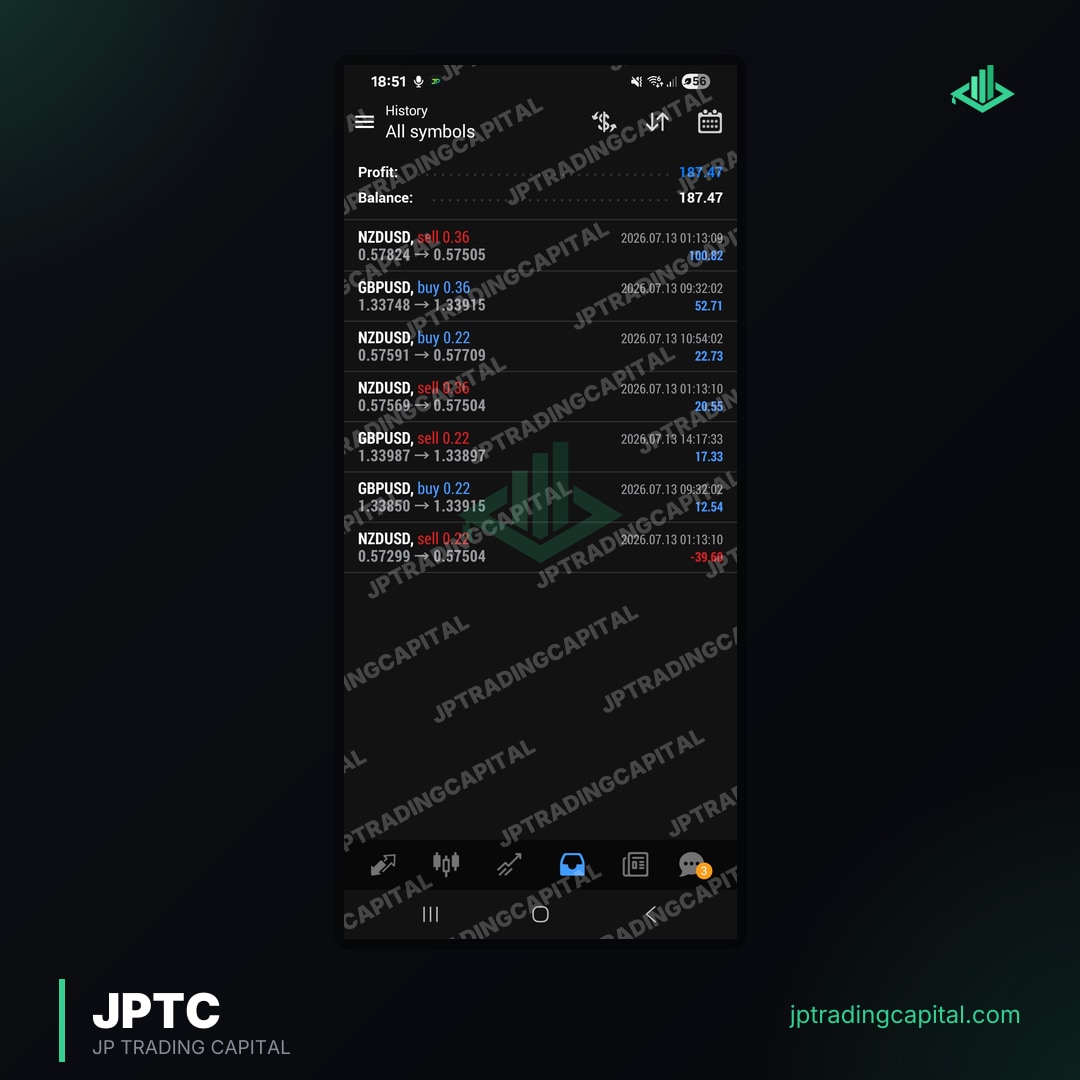
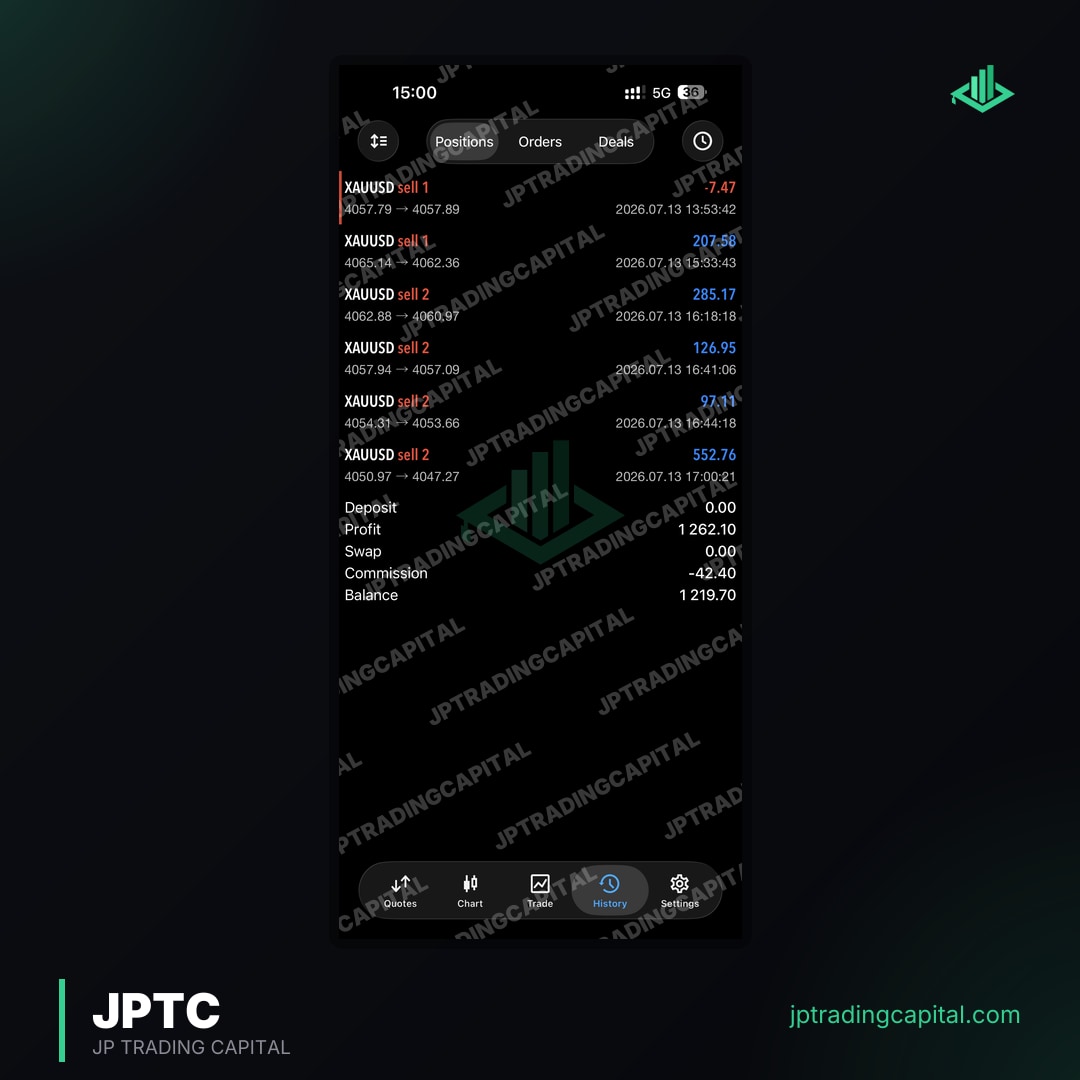
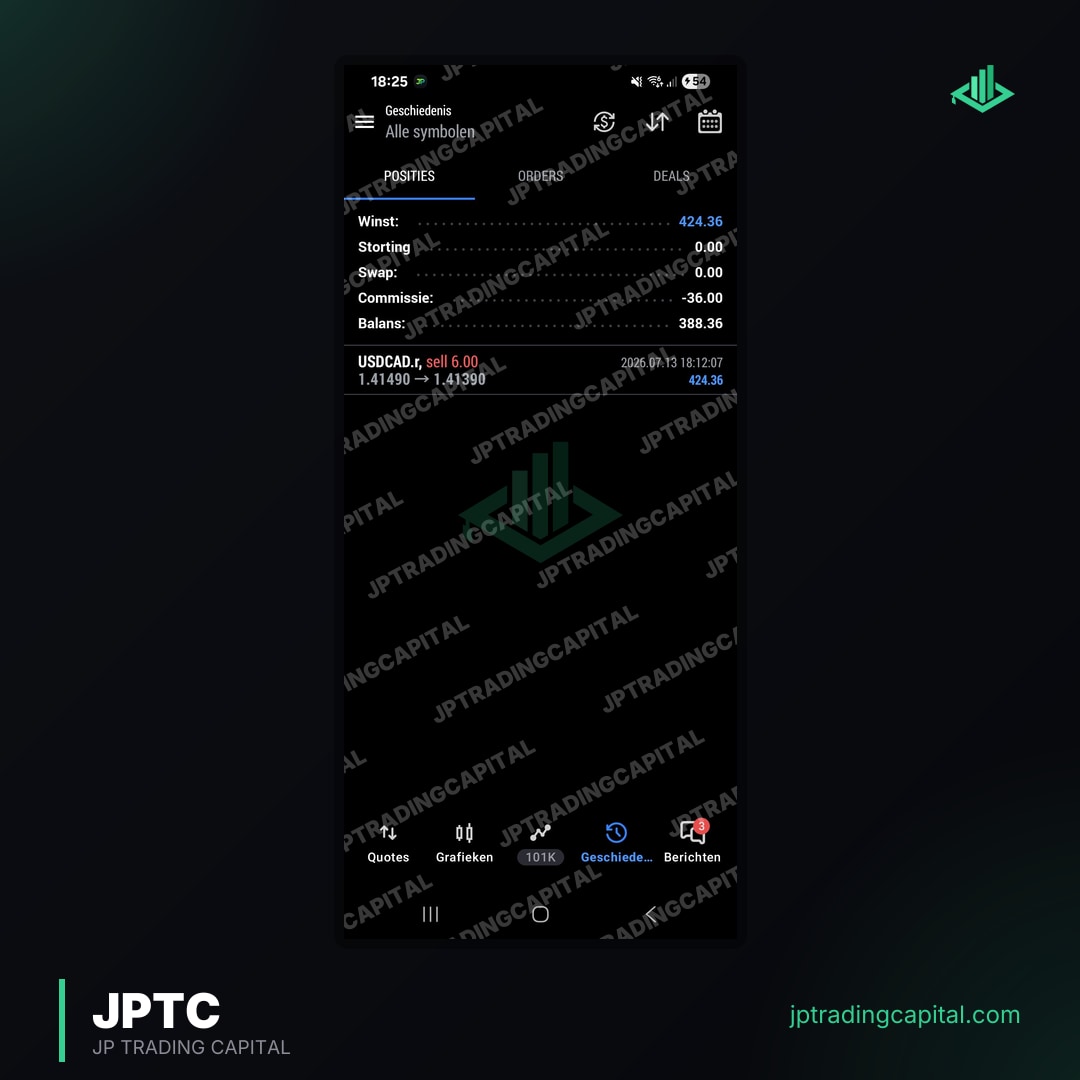
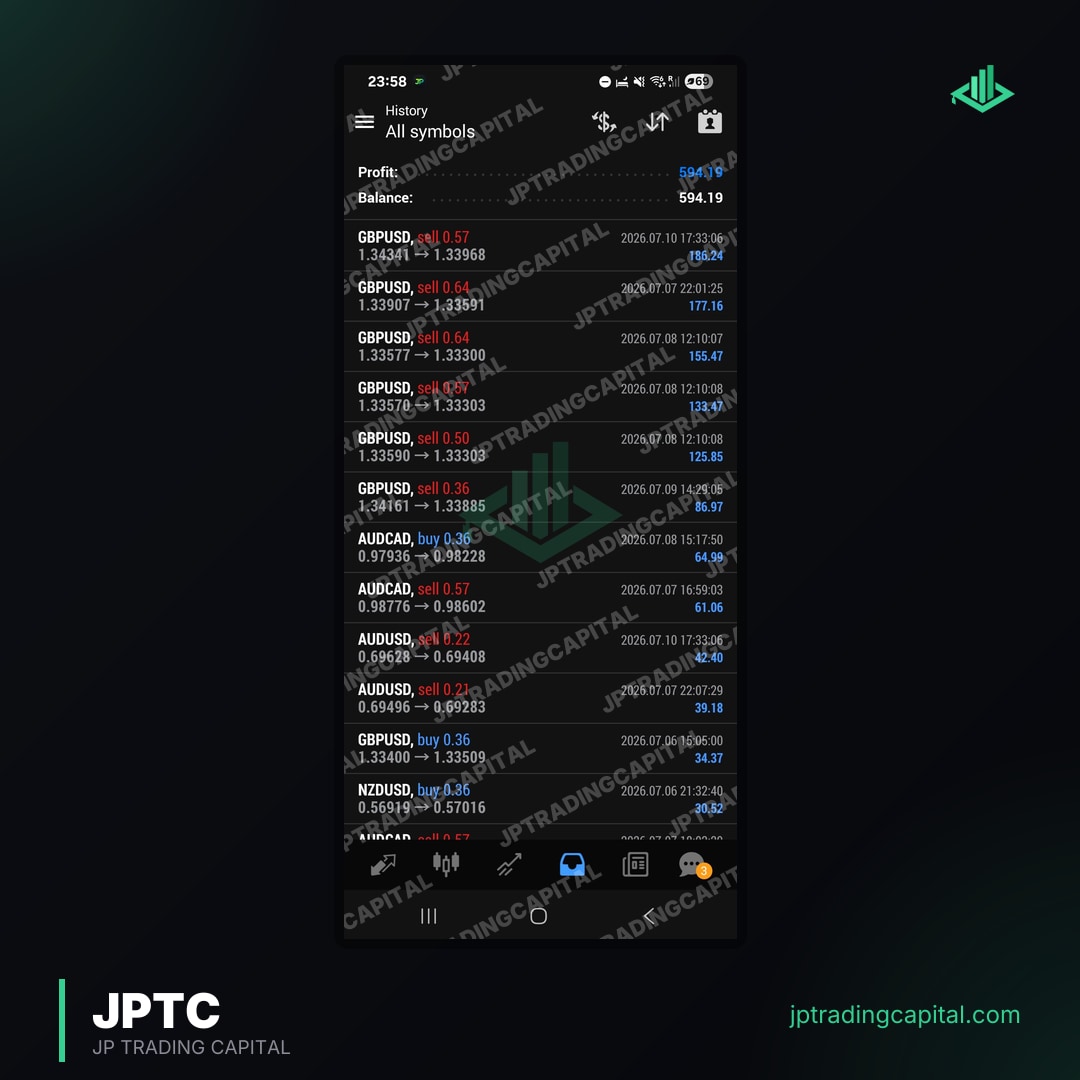
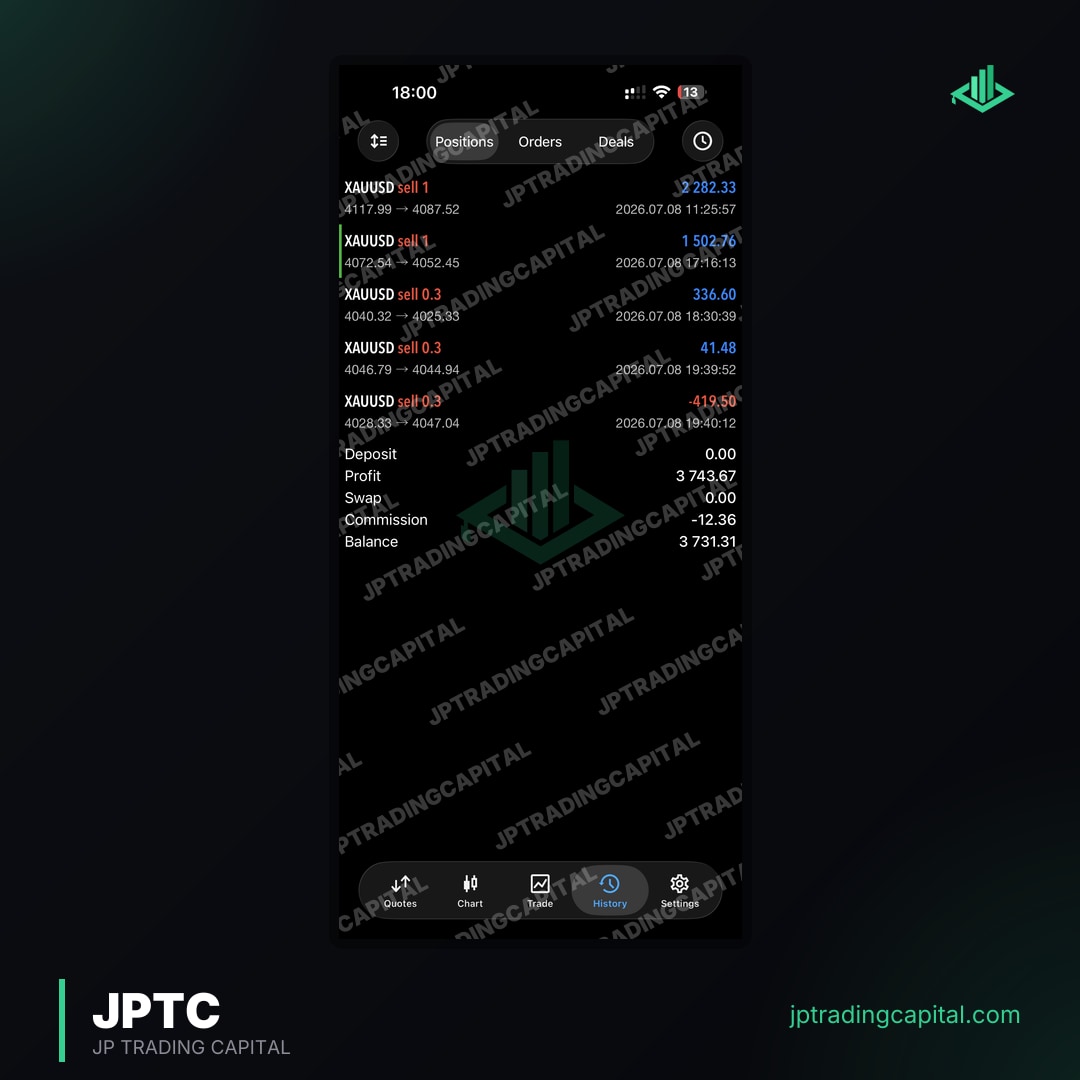
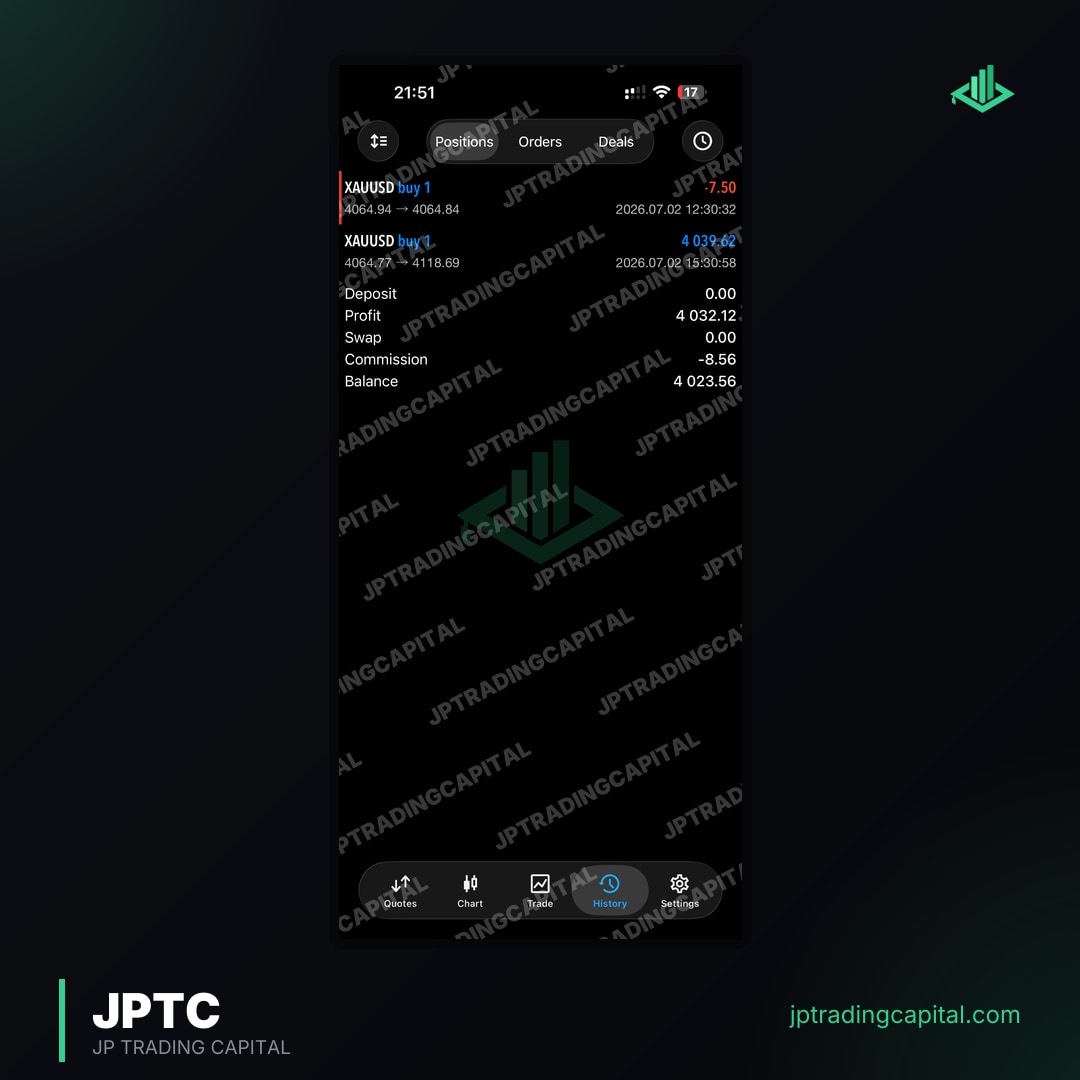
There are two honest ways to use it. The EA Hub from 797 euro lets you run the algorithm yourself, including on a prop firm challenge, so the discipline is automated rather than left to nerves. Alternatively, the live algorithm from 599 euro runs on your own capital, with a minimum of around 1000 euro, if you would rather skip the evaluation entirely. Both are backed by publicly verified performance across more than a live track record, not screenshots or promises. You can inspect the verified results and the ongoing live performance for yourself before deciding anything.
Frequently asked questions
Is a free funded account no deposit actually real?
What is the cheapest legitimate way to get funded?
How do I spot a "free funded" scam?
Related Articles
- Best Future Prop Firm: Complete 2026 Comparison for Traders & EA Developers · Read more →
- Best Futures Trading Indicators for ES, NQ & Micro Contracts · Read more →
- Best Futures Trading Prop Firms 2026: 5 Top Choices for Traders · Read more →
- Prop Firm Trading Minimum Account Size: What's the Cheapest Way to Get Funded in 2026? · Read more →
- FundedNext: Complete Guide to Prop Trading Challenges, Rules & Passing Strategies · Read more →
- Best FundedNext Code for 2026: Save 25% on Stellar [MT5] · Read more →
- Best FundedNext Discount Codes 2026: Up to 47% Off · Read more →
- Best FundedNext Forex Strategy: 3 Angles Competitors Miss [2026] · Read more →
Forex & Gold Signals, No Monthly Fee
Entry, stop loss and targets on every trade we take. It costs you nothing: open an account through one of our partner brokers and they cover it for you. You place every trade on your own account.
Join the signals channel