7 Proven Steps: Best Way to Pass FTMO Challenge [2026]
![7 Proven Steps: Best Way to Pass FTMO Challenge [2026]](https://images.pexels.com/photos/5831255/pexels-photo-5831255.jpeg?auto=compress&cs=tinysrgb&dpr=2&h=650&w=940)
The best way to pass the FTMO Challenge involves combining a disciplined trading strategy with meticulous risk management, strict adherence to all trading objectives, and leveraging consistent execution, often facilitated by automated systems. Success hinges on understanding specific rules like maximum daily loss, overall drawdown, and the consistency requirement, ensuring a steady, controlled approach to profitability over the evaluation period.
- Master FTMO's profit target, drawdown, and consistency rules before trading.
- Implement a robust risk management plan, limiting per-trade risk to a small percentage.
- Focus on consistent, small gains over aggressive, high-risk trades.
- Utilize automated trading systems (EAs) designed for prop firm compliance.
- Practice extensively on a demo account mirroring FTMO's conditions.
Understanding the FTMO Challenge Objectives
To successfully pass the FTMO Challenge, traders must fully comprehend and consistently adhere to a precise set of trading objectives designed to evaluate their discipline and profitability over a defined period. These objectives are non-negotiable and form the bedrock of the evaluation process, ensuring that only truly consistent and risk-aware traders advance to a funded account.
The FTMO Challenge typically consists of two phases, each with specific targets. Key objectives include a profit target, maximum daily loss limit, and maximum overall loss limit. For instance, a common profit target might be 10% in Phase 1 and 5% in Phase 2, while the maximum daily loss is often set at 5% of the initial account balance, and the maximum overall loss at 10%. These figures are illustrative; traders should always refer to FTMO's official rules page for the exact, up-to-date parameters for their chosen account size.
Beyond these financial metrics, FTMO also enforces a minimum number of trading days and, crucially, a consistency rule. The consistency rule ensures that profit is generated steadily rather than through a single lucky trade, which brings us to the 'Best Day Rule' as mentioned in competitor analysis. This rule often stipulates that your best trading day cannot account for an excessively large portion of your total profit, typically around 30% of the total profit target. This prevents traders from passing solely on one outlier trade, reinforcing the need for sustained performance.
Understanding these objectives down to the last detail is the first and most critical step. Our team at JPTradingCapital consistently advises traders to internalize these rules, treating them as fundamental parameters for every trade placed. Ignoring any one of these can lead to an immediate failure of the challenge, regardless of overall profitability.
Crafting a Robust Trading Strategy for FTMO Success
Developing a robust trading strategy specifically tailored to the FTMO Challenge's stringent rules is paramount for achieving consistent profitability while mitigating risk. A well-defined strategy goes beyond mere entry and exit points; it encompasses meticulous risk management, an understanding of market conditions, and a commitment to consistency.
One of the most valuable insights from successful traders, as highlighted by community discussions, is the benefit of sticking to a limited number of trading instruments. For example, focusing on a single, highly liquid pair like XAUUSD (Gold) or a major forex pair can allow a trader to deeply understand its typical movements, volatility, and reaction to news events. This specialization fosters consistency, which is a core requirement for passing FTMO evaluations. Instead of diversifying across many assets, which can dilute focus and increase complexity, mastering one or two can significantly improve a trader's edge.
Key components of a robust strategy include:
- Defined Entry and Exit Criteria: Clear rules for when to enter a trade and, critically, when to exit, whether in profit or at a loss. This removes emotional decision-making.
- Position Sizing: This is directly tied to risk management. Traders should never risk more than a small, fixed percentage of their account balance per trade, typically 0.5% to 1%. This ensures that a string of losing trades does not breach the maximum drawdown limits.
- Stop-Loss and Take-Profit Levels: Every trade should have a predefined stop-loss to limit potential losses and a take-profit target. This helps manage risk-reward ratios effectively.
- Market Analysis: Whether technical, fundamental, or a hybrid approach, a consistent method for analyzing market conditions is essential.
A often-missed angle is the psychological aspect of managing pressure during a challenge. The pressure to hit profit targets while staying within drawdown limits can lead to overtrading or deviating from one's plan. A solid strategy acts as a mental anchor, providing clear guidelines to follow even when emotions run high. Regular breaks, mindfulness, and a commitment to process over outcome are crucial psychological tools.
Our research suggests that traders who meticulously document their strategies and review their trades regularly tend to perform better. This feedback loop allows for continuous refinement and adaptation, ensuring the strategy remains effective under live market conditions.
The Role of Automated Trading (EAs) in Passing FTMO
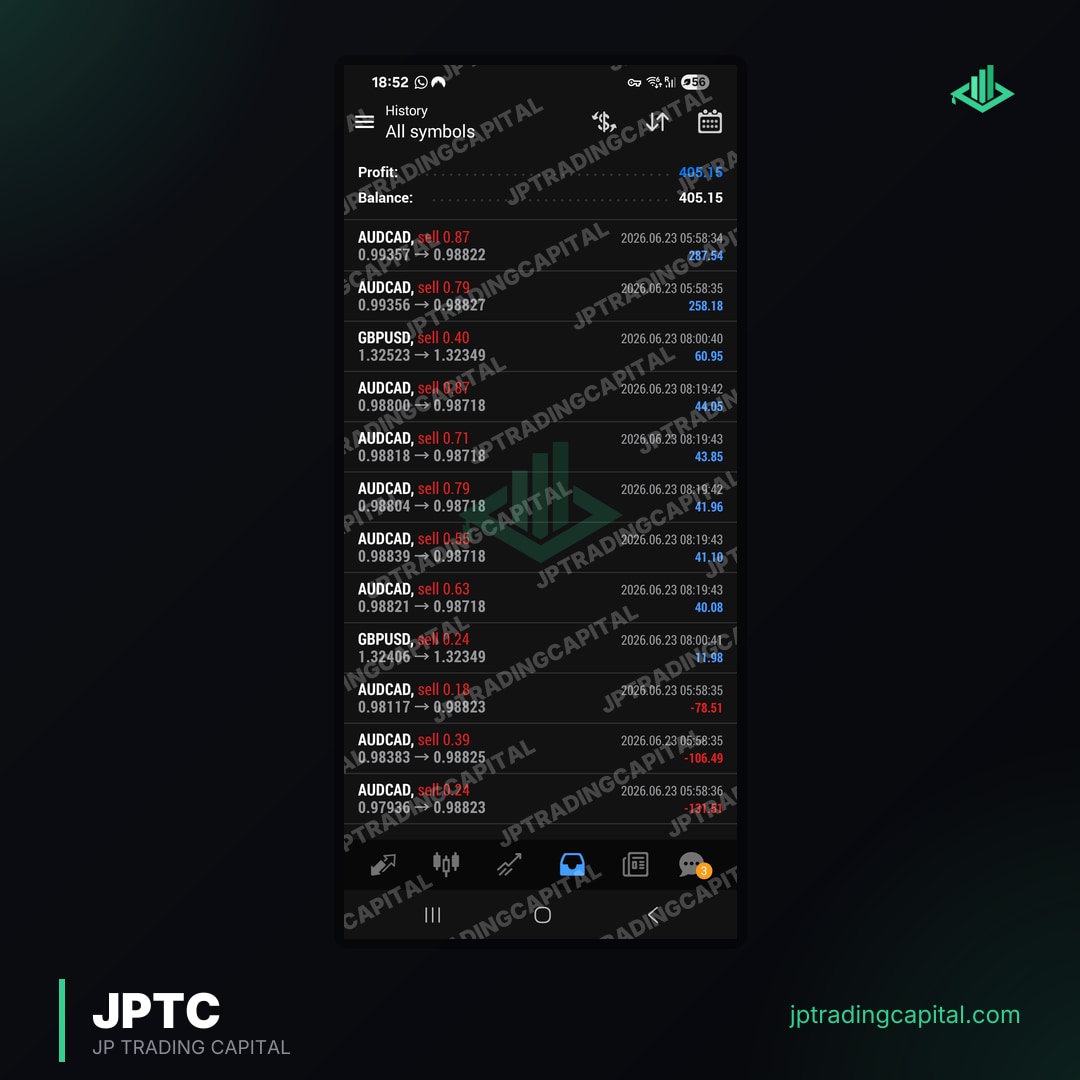
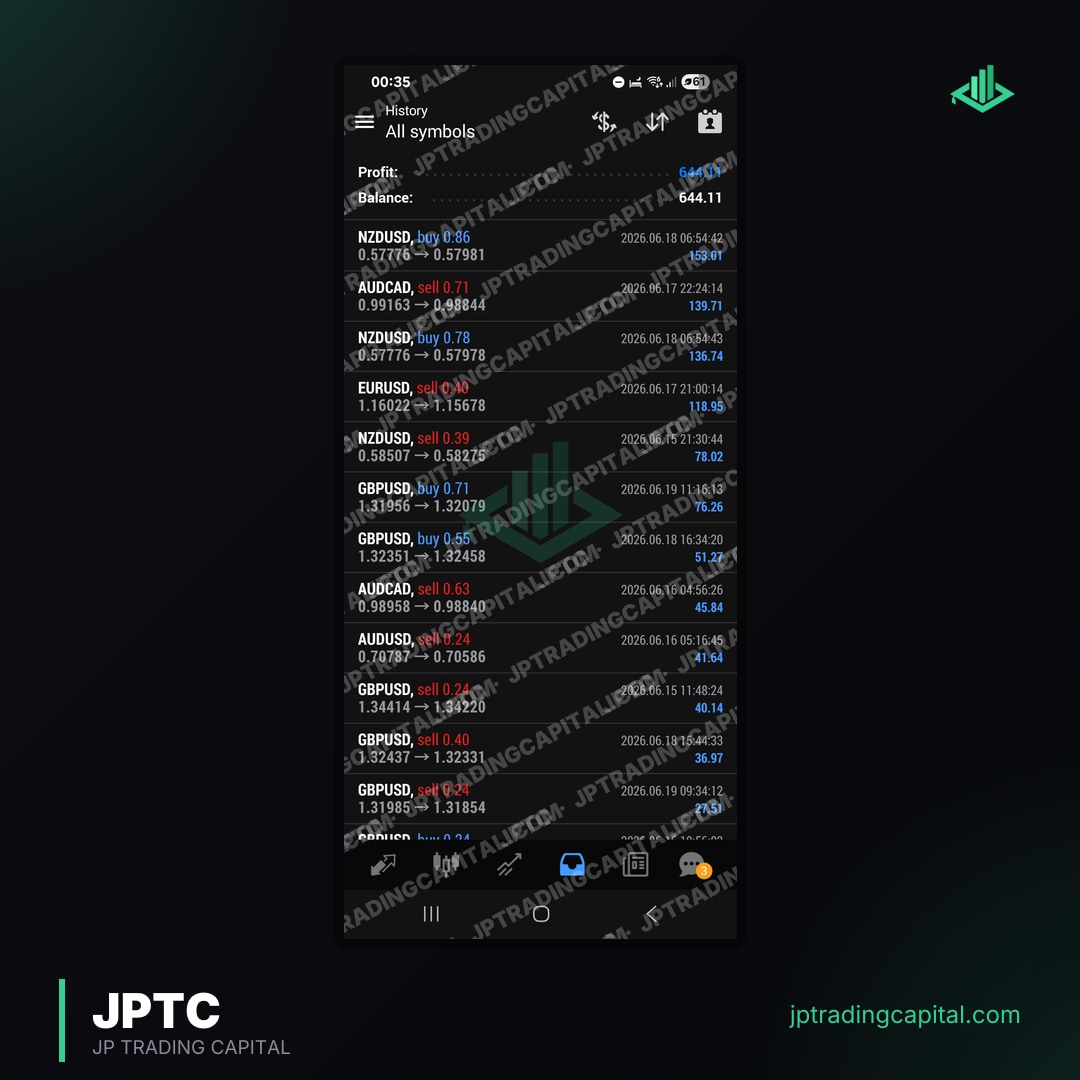



Automated trading systems, commonly known as Expert Advisors (EAs), can play a pivotal role in helping traders navigate and pass the FTMO Challenge by enforcing discipline, executing strategies consistently, and managing risk efficiently. The human element of trading, with its inherent biases and emotional responses, often leads to deviations from a well-planned strategy. EAs eliminate this variable, executing trades based purely on predefined algorithms.
The primary benefits of using EAs in the context of a prop firm challenge include:
- Consistent Execution: EAs follow the exact rules of a strategy without deviation, ensuring every trade is executed according to plan. This consistency is vital for meeting FTMO's requirements.
- 24/5 Monitoring: Unlike human traders, EAs can monitor markets and execute trades around the clock, capitalizing on opportunities even when a trader is away from their screen.
- Disciplined Risk Management: Properly configured EAs automatically apply stop-loss, take-profit, and position sizing rules, ensuring that drawdown limits are respected without human error or hesitation.
- Elimination of Emotion: Fear, greed, and impatience are common pitfalls for traders. EAs trade without emotion, sticking to the objective criteria.
For traders seeking an advantage, the JPTC EA Hub offers pre-configured Expert Advisors specifically designed with prop-firm rules in mind. These EAs are backtested with strategies that respect daily drawdown caps, maximum loss limits, and consistency requirements, making them suitable for platforms like FTMO, FundedNext, FXify, TopStep, The5ers, and E8 Funding. The JPTC EA Hub integrates seamlessly with MetaTrader 4 and MetaTrader 5, providing a powerful tool for automated execution.
When considering an EA, it is crucial to look for verified performance. For an example of what a 2-year live algo track record looks like, see JPTradingCapital's published results. This transparency allows traders to assess the credibility and effectiveness of the automated strategy. Leveraging such tools can be a game-changer for those struggling with the psychological demands or time commitment of manual trading during a challenge. Discover more about our automated solutions by visiting our EA page and reviewing our verified results.
Mastering Risk Management and Drawdown Limits
Mastering risk management, particularly in relation to FTMO's strict daily and overall drawdown limits, is arguably the single most critical factor in successfully passing the challenge. These limits are designed to assess a trader's ability to protect capital, and breaching them even once leads to immediate failure, regardless of accumulated profits.
The maximum daily loss limit typically restricts how much your account equity can fall from its starting balance at the beginning of the trading day. For example, on a $100,000 account, a 5% daily loss limit means your equity cannot drop below $95,000 at any point during the day. The maximum overall loss limit, often 10%, means your account equity cannot drop below $90,000 from the initial balance at any time during the entire challenge.
To operate within these constraints, traders must adopt meticulous practices:
- Conservative Position Sizing: As mentioned, risking no more than 0.5% to 1% of your account balance per trade is a golden rule. This ensures that even a string of consecutive losses will not quickly deplete your capital or hit the daily/overall drawdown limits.
- Strict Stop-Loss Placement: Every trade must have a stop-loss order placed immediately upon entry. This pre-defines your maximum loss on any single trade and prevents small losses from snowballing into challenge-ending drawdowns.
- Understanding Margin: While not directly a drawdown rule, understanding how margin impacts your available equity is crucial. Overleveraging can lead to margin calls and rapid equity depreciation, bringing you closer to drawdown limits.
- Trade Review and Adjustment: Regularly review your open positions and overall account performance. If you are approaching a daily drawdown limit, it's often wise to stop trading for the day rather than chasing losses.
A crucial, often overlooked angle is specific strategies to recover from drawdowns without violating rules. If you find yourself in a drawdown, the instinct might be to increase lot sizes to recover quickly. This is a common mistake. Instead, consider:
- Reducing Lot Size: Trade with even smaller positions to rebuild confidence and slowly recover. This reduces the risk of further losses.
- Taking a Break: Sometimes, the best strategy is no strategy. Step away from the charts for a few hours or even the rest of the day to clear your head and avoid emotional trading.
- Re-evaluating Your Strategy: A drawdown can indicate a flaw in your current strategy or market conditions. Review your recent trades and make necessary adjustments before continuing.
Effective risk management is not just about avoiding losses; it's about preserving your ability to continue trading and ultimately pass the challenge. It’s a core tenet of the strategies we advocate for passing prop firm evaluations.
Consistency and the "Best Day Rule"
Consistency in trading performance is a fundamental requirement for the FTMO Challenge, primarily enforced through its "Consistency Rule" and specifically the "Best Day Rule," designed to prevent traders from passing due to a single, unusually large winning trade. The Best Day Rule, as mentioned in competitive briefs, ensures that your most profitable trading day does not account for an disproportionate percentage of your total profit target. While the exact percentage can vary, it typically aims to limit the impact of an outlier day.
For example, if the profit target for Phase 1 is $10,000, and the Best Day Rule states that your best day cannot exceed 30% of the total profit target, then your single most profitable day cannot yield more than $3,000 in profit. If you make $5,000 on one day and only $7,000 total across the challenge, you would fail due to the Best Day Rule, even if you hit the overall profit target.
Achieving consistency means demonstrating a steady hand, with reasonable profits generated regularly rather than through erratic, high-risk swings. Here’s how to cultivate it:
- Trade Daily, Consistently: Aim for small, consistent gains. Even modest profits over several days accumulate and demonstrate consistency. Avoid long periods of inactivity followed by aggressive trading.
- Standardized Lot Sizes: While lot sizes can adjust with account growth, avoid drastic changes. Stick to your risk-per-trade percentage.
- Repeatable Strategy: Employ a strategy that can be consistently applied across different market conditions, producing similar risk-reward outcomes.
- Avoid "Hero" Trades: Resist the temptation to take excessively large positions to quickly hit the profit target. These often lead to violating drawdown rules or the Best Day Rule.
The JPTradingCapital team emphasizes that consistent profitability over a period is far more indicative of a skilled trader than a single, large win. Our automated EAs are specifically configured to generate consistent, smaller profits within defined risk parameters, naturally aligning with FTMO's consistency requirements and helping traders avoid triggering the Best Day Rule.
Beyond Trading: Platform and Support
Success in the FTMO Challenge extends beyond just trading acumen; it also involves effectively utilizing your trading platform and understanding the support systems available to you. Traders often overlook the operational aspects that can significantly impact their performance.
Pre-Challenge Preparation: Simulation and Backtesting
Before embarking on the live challenge, thorough preparation is indispensable. This includes extensive practice on a demo account that accurately mirrors FTMO's trading conditions. Using a demo account allows traders to:
- Test Strategies: Refine and validate trading strategies without financial risk.
- Familiarize with Platform: Become proficient with all features of MetaTrader 4 or MetaTrader 5, including order types, charting tools, and indicator settings.
- Simulate Challenge Conditions: Practice trading under the specific profit targets, daily loss limits, and overall drawdown rules of the FTMO Challenge. This builds muscle memory for risk management.
Backtesting historical data with your chosen strategy is another critical step. This involves applying your trading rules to past market movements to see how the strategy would have performed. While past performance doesn't guarantee future results, it provides valuable insights into a strategy's robustness and potential profitability under various market conditions. Tools within MT4/MT5 and third-party software can aid in this process.
Post-Challenge: Transitioning to a Funded Account
Passing the FTMO Challenge is a significant achievement, but the journey doesn't end there. The transition to a funded account, often involving a verification phase, requires continued discipline and adherence to the same core principles. A common missed angle is the importance of post-challenge planning, how to manage the funded account to maintain consistency and avoid losing it. Traders must remember that the rules, especially regarding drawdowns, still apply, and a portion of their profits will be shared with the prop firm.
The JPTradingCapital team advises traders to maintain the same risk management and consistency that led to passing the challenge. Do not become complacent or increase risk significantly just because the account is now 'funded.' Continuing to review performance, perhaps with external tools like our results page, helps maintain accountability. Understanding the profit split and withdrawal processes is also key to long-term success with a prop firm. For more details on this transition, refer to our guide on passing prop firm evaluations.
FAQ
What is the 'Best Day Rule' in the FTMO Challenge?
Can I use Expert Advisors (EAs) to pass the FTMO Challenge?
How important is risk management for passing FTMO?
What should I do if I hit a significant drawdown during the challenge?
Related Articles
- FTMO Challenge Review: What Traders Need to Know · Read more →
- How Much Does FTMO Cost? Complete Fee Breakdown 2026 · Read more →
- FXify Challenge Review 2026: Cost, Rules, and How It Compares to FTMO · Read more →
- FTMO vs FundedNext: Which Is Better for Beginners in 2026? · Read more →
- FTMO Challenge Cost: Account Sizes & Refund Explained · Read more →
- FTMO Challenge Reddit: Passing with Strategy & Discipline · Read more →
- FTMO vs FundedNext vs FXify: Complete Comparison Guide for Prop Traders · Read more →
- FTMO Challenge USA: Strategies for US Traders to Pass · Read more →
- Best EA to Pass FTMO in 2026: 5 Strategies for Success · Read more →
- Best FTMO Challenge EA in 2026: 5 Key Features for Success · Read more →
The EA built for prop firm rules
Daily drawdown guard, hard max-loss stop, consistency-aware pacing and a news pause, on MT4 and MT5. One-time €797, no monthly fee. If you would rather not run the evaluation yourself, we run it for you.
See the EA Hub