FTMO Risk Per Trade: 1% to 1.5% and Execution Limits
Material update: 7 October 2026: Corrected intended versus realised risk, slippage and daily-loss arithmetic; qualified program-specific FTMO objectives and removed unsupported JPTC trader, compatibility and performance claims.

Sources checked on 7 October 2026: FTMO describes 1% to 1.5% risk per trade as a best-practice suggestion, not a universal hard limit or a promise of passing an evaluation. See its explanation of trading behaviour monitoring. The applicable account-specific Trading Objectives remain controlling. Planned risk from a position-size calculation can differ from the loss actually realised when the trade closes.
- FTMO advises 1% to 1.5% risk per trade based on initial account size.
- This recommendation is a best practice, not a strict restriction, but vital for consistency.
- Daily drawdown limits often necessitate lower accumulated risk than 1.5% per trade.
- Accurate position sizing and stop-loss placement are essential for adherence.
- Automated trading tools can help calculate intended risk, but do not guarantee realised losses or compliance.
Understanding FTMO's Recommended Risk Per Trade (1-1.5%)
FTMO typically suggests that traders risk no more than 1% to 1.5% of their initial account balance on any single trading position. This guideline is a cornerstone of responsible trading, designed to protect capital and promote sustainable growth, especially within the structured environment of a prop firm evaluation or funded account.
The emphasis on 'initial account balance' is critical here. For example, on a $100,000 FTMO account, a 1% risk would equate to $1,000 per trade, while 1.5% would be $1,500. This percentage remains fixed to the starting balance, not your current equity, which might fluctuate significantly during trading. While FTMO states this is a recommendation and not a hard restriction, deviating significantly or inconsistently can lead to issues with consistency rules or rapid depletion of daily drawdown limits. The goal is to encourage a disciplined approach where no single trade can severely impact the overall account health. Check the applicable FTMO Trading Objectives rather than treating the suggested percentage as a complete compliance framework.
The Nuance of Daily vs. Per-Trade Risk in Prop Firms
While a 1% or 1.5% risk per trade is a common guideline, it's crucial to understand how this interacts with a prop firm's daily drawdown limits.
Checked on 7 October 2026: the FTMO 2-Step Maximum Daily Loss amount is 5% of Initial Simulated Capital. FTMO's Trading Objectives show a different 3% amount for 1-Step. The daily threshold is recalculated at midnight CE(S)T from the recorded balance. Equity includes open P/L, commissions and swaps. In a simplified 2-Step example, three losses of 1.5% total 4.5%, not 5%; other losses, costs or adverse fills could use the remaining buffer. Planned risk across positions is therefore not the same as the daily loss calculation. A self-imposed daily budget can leave room below the account's actual threshold, but cannot guarantee that the limit will not be breached.
Beyond the Percentage: Consistency and Behavioral Patterns
FTMO, like many leading prop firms, monitors trading behavior for consistency, which extends beyond just profit targets and drawdown limits.
FTMO's trading behaviour article distinguishes a risk recommendation from a universal per-trade restriction. It also discusses the wider trading pattern and the applicable Trading Objectives. A change in position size alone does not establish a rule violation, and a fixed percentage alone does not establish compliance. Evaluate combined exposure, correlated positions and remaining loss capacity before each trade. This article does not present original JPTC trader-observation data or evidence that a particular risk percentage makes an evaluation more likely to pass.
How to Calculate Your Planned Risk Per Trade for FTMO
Calculating planned risk per trade helps with position sizing. It does not establish the exact loss that will be realised or confirm compliance by itself.
This process involves determining your desired risk amount in currency, identifying your stop loss in pips, and then calculating the appropriate lot size. For example, on a $100,000 FTMO account, a 1% planned risk budget is $1,000 before trading costs and execution differences. This is a position-sizing example, not a guaranteed maximum loss. If your chosen trade setup has a stop loss of 20 pips for a standard EUR/USD pair (where 1 pip for a standard lot is $10), you would divide your planned risk budget ($1,000) by the value per pip ($10 per standard lot * 20 pips = $200 per standard lot). Before costs and rounding, this illustrative calculation ($1,000 / $200) gives 5 standard lots; it is not a position-size recommendation. For precise calculations, especially when dealing with different currency pairs or volatile instruments, it's often beneficial to use a position size calculator. This calculation estimates intended risk from the selected stop distance and pip value. Actual loss can differ because of spread, commissions, slippage, lot-size rounding and contract specifications. For more on general risk management principles, you can consult resources like Investopedia's guide to risk management.
Leveraging Automated Trading for Precise Risk Management
Automated trading systems, or Expert Advisors (EAs), can help apply a position-sizing calculation. Configuration, instrument specifications and execution limits still matter.
The JPTC EA Hub provides product information that should be checked for the specific setup under consideration. Automated position sizing can calculate a lot size from a selected risk budget and stop distance, but cannot eliminate configuration errors, slippage or trading costs. A 1% setting expresses intended risk under the calculation's assumptions; it cannot make every realised loss exactly 1%. Position sizing alone does not ensure compliance with FTMO's Trading Objectives. JPTC's own hosted algo is a separate product, built for customers' own capital and not offered for prop-firm evaluations; JPTC hosts it, so customers install nothing, run nothing and need no VPS. A customer-side MT4 installation workflow does not describe that service. Check the specific firm, program, account and supported platform before using automation. See the current product scope; this article does not establish blanket compatibility with every firm or platform.
Execution sources checked on 7 October 2026: FTMO explains that stop orders can fill away from the requested price in its slippage and order execution guide and margin trading lesson. These execution limits mean a calculated risk percentage is not a guaranteed realised loss.
Common Mistakes Traders Make with FTMO Risk Rules
Even experienced traders can stumble on common pitfalls when it comes to managing risk according to prop firm rules, especially with FTMO.
One frequent mistake is misinterpreting the 'initial account balance' for risk calculations. Traders sometimes calculate risk based on their current equity, which can fluctuate significantly. If an account has grown, risking 1% of the new, higher equity might exceed the prop firm's implicit or explicit risk thresholds relative to the initial balance. Conversely, if an account has experienced losses, risking 1% of the reduced equity might be too conservative, hindering progress. Another error is failing to account for accumulated risk across multiple open positions. While each trade might be within 1% risk individually, having several such trades open simultaneously can quickly expose the account to a much larger overall risk, potentially breaching daily or maximum drawdown limits. Lastly, some traders neglect to use a stop loss, hoping to recover losing trades, which is a direct violation of responsible risk management and can lead to rapid account failure. Our prop firm passing service page describes the service workflow; it is not research evidence that stop losses or a particular risk percentage will produce a successful evaluation.
Adapting Risk for Different Trading Styles: Scalping vs. Swing Trading
The ideal risk per trade for FTMO can vary depending on your specific trading style, requiring a nuanced approach to the 1% to 1.5% guideline.
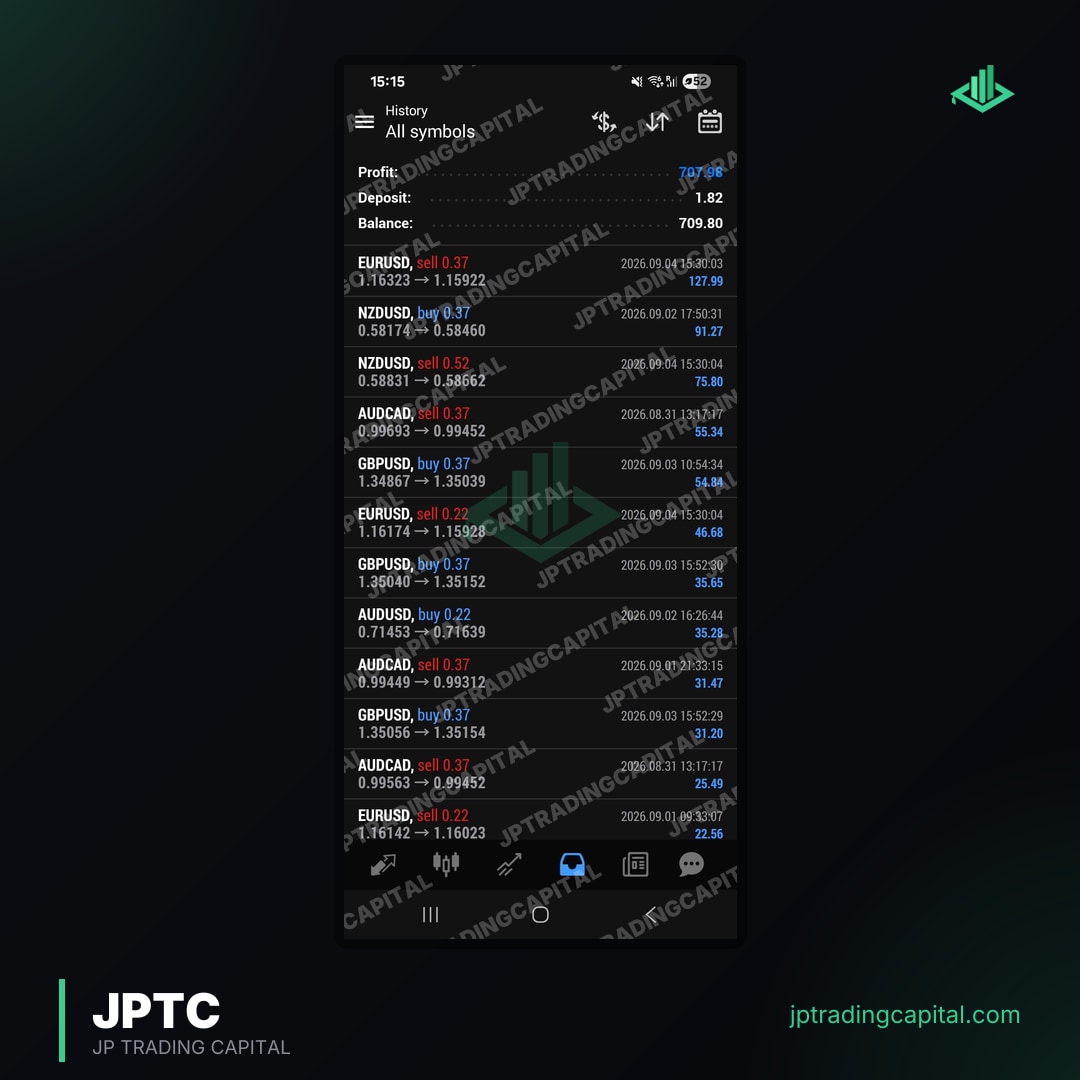
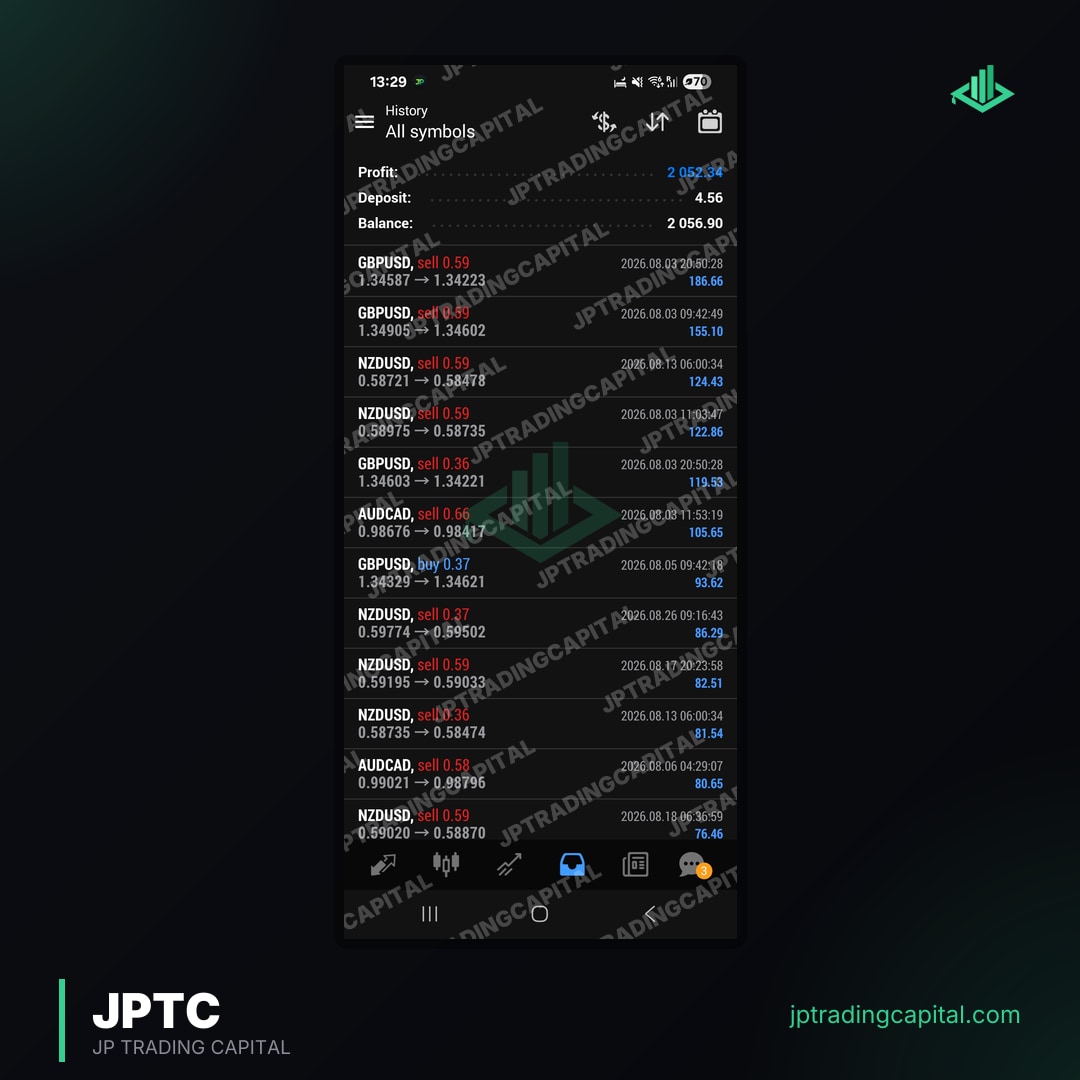
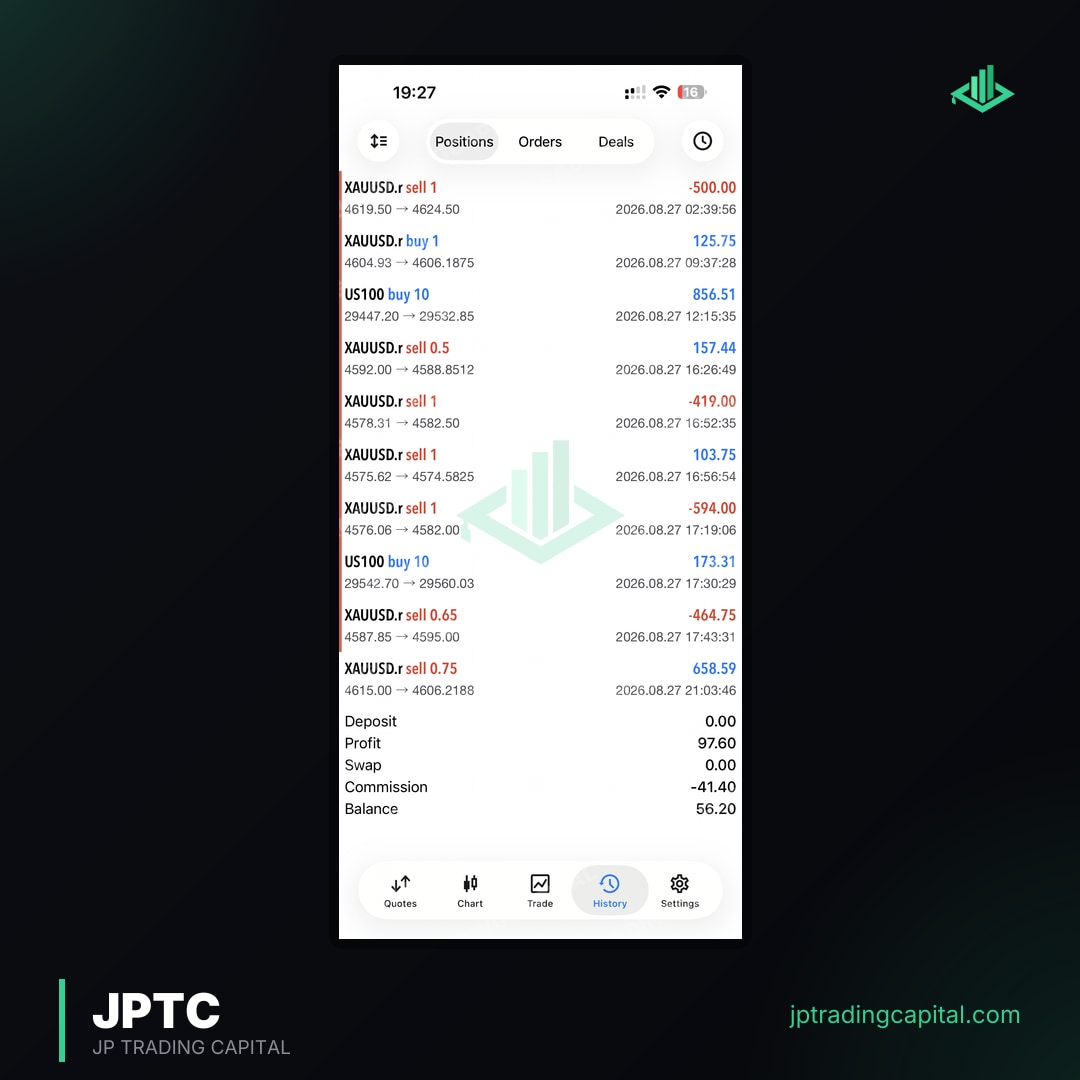
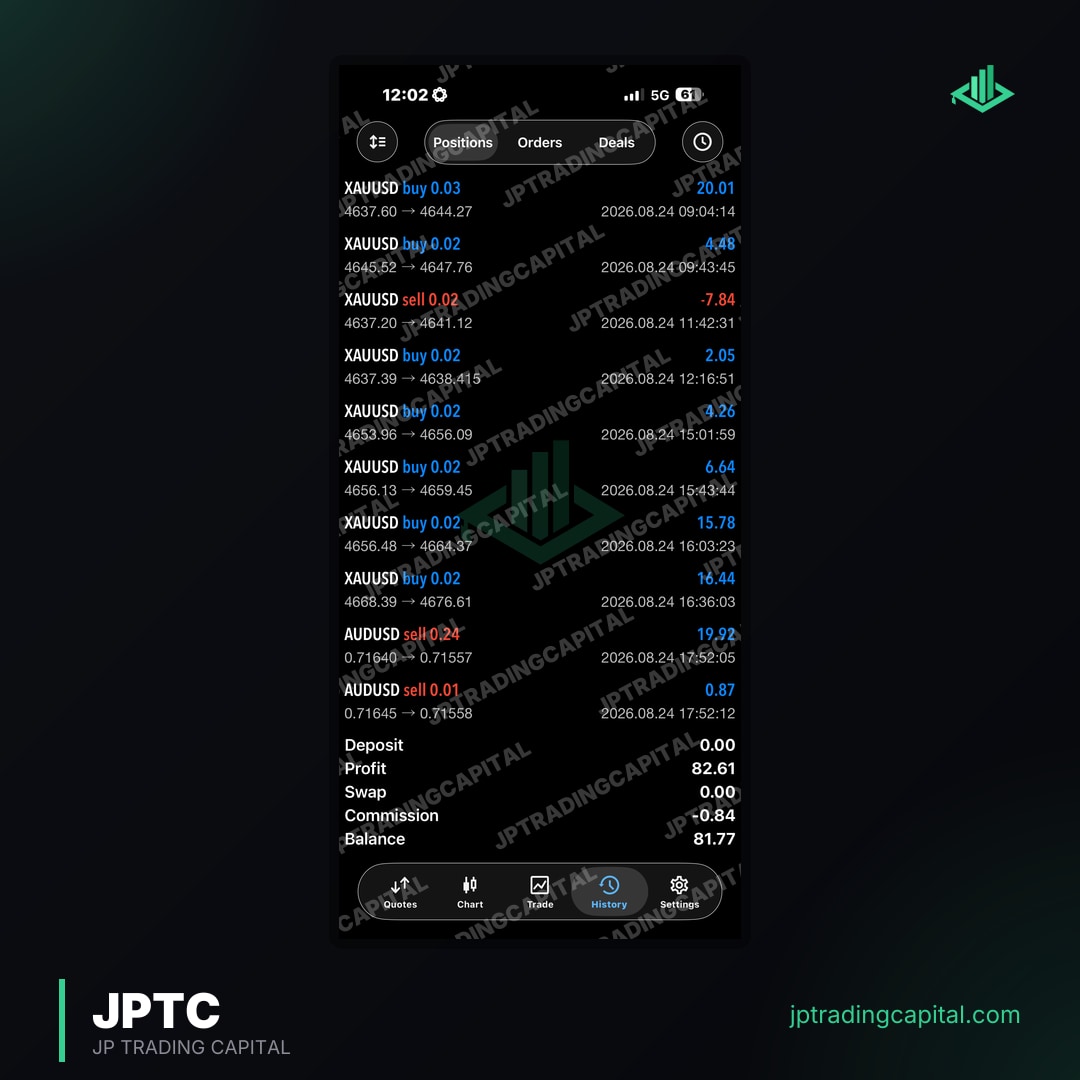
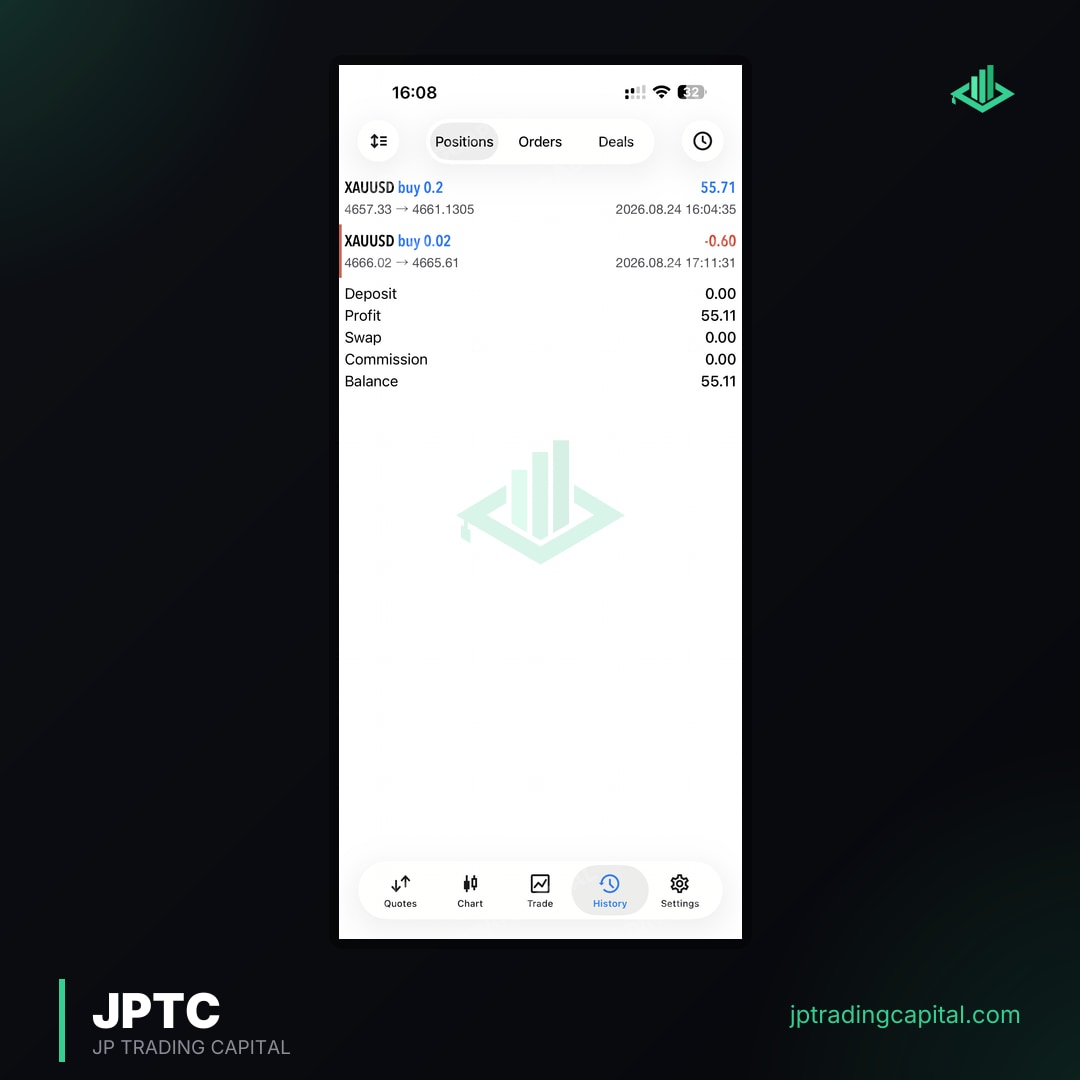
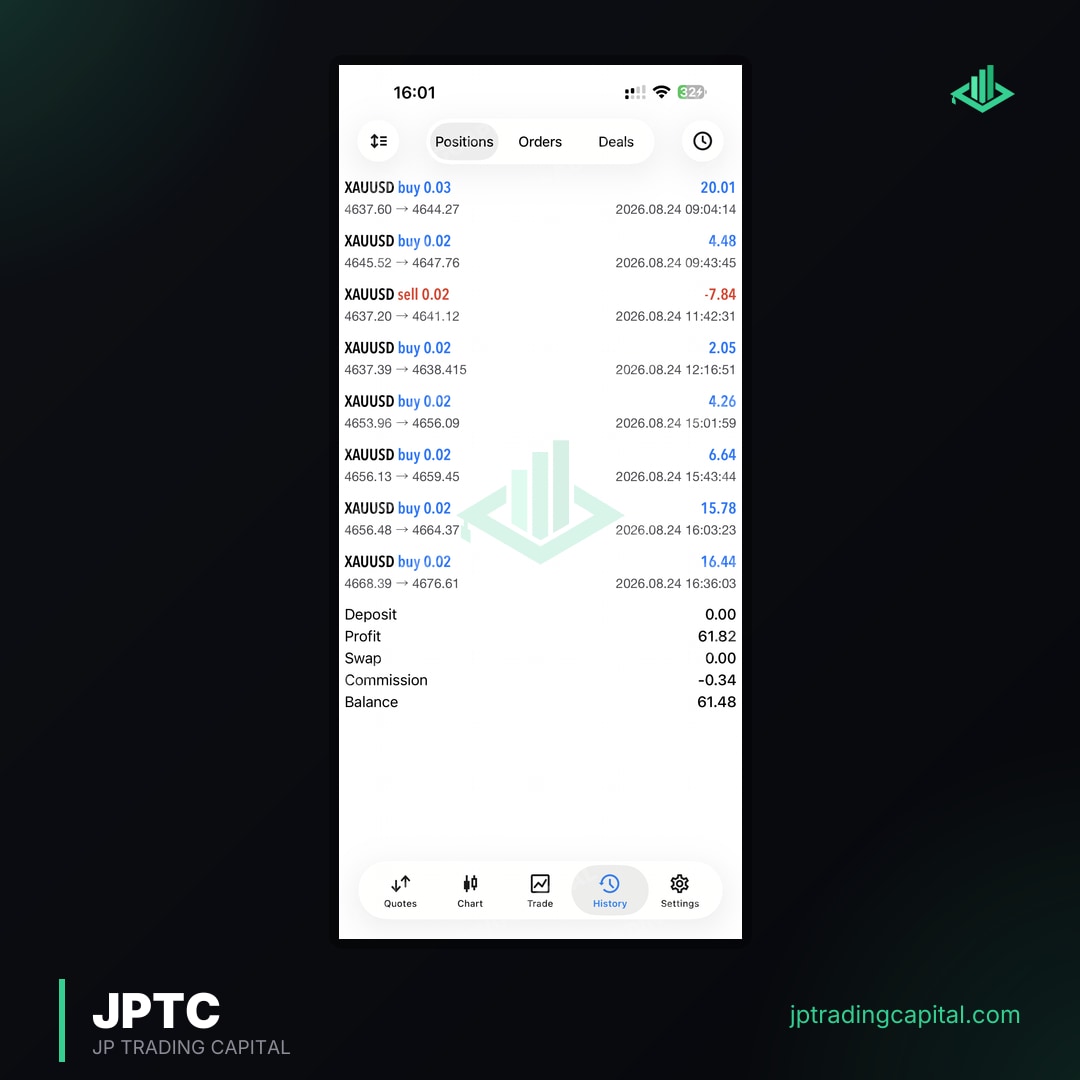
For instance, day traders and scalpers, who execute numerous trades with very tight stop losses and small profit targets, often find it more prudent to risk a lower percentage per trade, typically in the range of 0.5% to 1%. This lower individual trade risk allows them to take more trades without quickly hitting daily drawdown limits if a few trades go against them. Their high frequency necessitates smaller individual risks. On the other hand, swing traders, who hold positions for longer periods and often have wider stop losses, might lean towards the higher end of the recommended 1% to 1.5% range. Their fewer, larger moves mean each trade carries more significance. The key is consistency within your chosen style. These illustrative trading styles do not establish the capabilities of a particular JPTC product. Our broker-statement results describe a broker account, not client outcome evidence or proof that changing risk percentages causes long-term success.
Is FTMO's 1% risk per trade a strict rule?
How does the 1% risk relate to FTMO's daily drawdown?
Can I risk more than 1.5% on a single trade with FTMO?
What happens if I don't use a stop loss with FTMO?
How can automated trading help with FTMO risk management?
Related Articles
- Step-by-Step Ear Stretching: 7 Safe Practices for Healthy Gauges · Read more →
- Funding Pips vs The 5ers: 2026 Prop Firm Comparison · Read more →
- Pass Prop Firm Challenges with Automated Forex Signals [2026] · Read more →
- Best Futures Prop Firms 2026: Our Top Picks & Hidden Risks · Read more →
- Exact Prop Firms Allowing News Trading in 2026: What to Know · Read more →
- Best Prop Firms for Stock Trading in 2026: 5 Key Factors · Read more →
- Best Forex Trading Bot in 2026: Pass Prop Firm Challenges · Read more →
- FTMO Futures Prop Firm 2026: Maximize Payouts, Pass Fast · Read more →
- How Topstep Makes Money: 3 Key Revenue Streams in 2026 · Read more →
- Prop Firms India Rules 2026: 3 Hidden Compliance Steps · Read more →
Review the JPTC EA Hub
EA software with version-specific documentation and account-level risk controls. Review the selected programme’s current automation rules and test the chosen version; software does not guarantee compliance, a pass or a payout.
See the EA Hub