Funding Pips vs The 5ers: 2026 Prop Firm Comparison

Comparing Funding Pips and The 5ers reveals distinct approaches to prop firm trading, with Funding Pips offering a streamlined 2-step evaluation and account growth up to $2 million, while The 5ers provides more flexible programs, larger initial funding options up to $1,375,000, and scaling potential to $4 million. Traders should analyze their trading style and capital requirements against each firm's rules and fee structure.
- Funding Pips: $422 fee for a specific challenge, up to $400,000 initial funding, $2M scaling cap.
- The 5ers: $149 fee for a specific challenge, up to $1,375,000 initial funding, $4M scaling cap.
- Both firms primarily utilize multi-step evaluation processes for traders.
- The 5ers offers varied programs; Funding Pips focuses on one core challenge model.
Funding Pips vs The 5ers: A 2026 Overview of Key Differences
To make an informed decision between Funding Pips and The 5ers, traders must carefully examine their core offerings, including evaluation structures, fees, and the potential for capital growth.
Evaluation Structure and Challenge Fees
The initial hurdle for any prop firm trader is the evaluation phase, and both Funding Pips and The 5ers employ multi-step challenges designed to assess a trader's skill and discipline.
Funding Pips typically features a 2-step evaluation process, requiring traders to meet specific profit targets while adhering to drawdown limits. Our research indicates that a challenge with Funding Pips might cost around $422 for a particular account size, which is a one-time fee to participate in the evaluation. This straightforward model appeals to traders who prefer a clear, consistent path to a funded account.
In contrast, The 5ers offers a more diverse range of programs, each with its own evaluation structure and fee. While some programs also follow a 2-step model, The 5ers' approach is noted for its flexibility, catering to different trading styles and experience levels. For example, a specific challenge from The 5ers might be priced around $149, offering a lower entry point for traders. This variety allows traders to select a program that best aligns with their risk tolerance and trading objectives.
Account Sizes, Initial Capital, and Scaling Potential
The amount of capital a prop firm provides and the potential for scaling are critical factors for traders aiming for significant returns.
Funding Pips allows traders to secure initial funding up to $400,000 upon successful completion of their evaluation. Beyond the initial funding, traders at Funding Pips can scale their accounts up to $2 million, provided they consistently meet performance criteria. This scaling path is designed to reward profitable and disciplined traders with increasing capital over time.
The 5ers stands out with potentially larger initial funding options, with some programs offering up to $1,375,000 in initial capital. The scaling potential at The 5ers is also notably higher, allowing traders to grow their accounts up to $4 million. This substantial capital allocation makes The 5ers an attractive option for experienced traders looking to manage larger positions and generate higher absolute profits. The flexibility in their programs often means varied starting capital options, adapting to individual trader needs.
Profit Splits and Payout Mechanisms
The ultimate goal for prop firm traders is to earn a share of the profits generated, and understanding each firm's profit split and payout process is essential.
Both Funding Pips and The 5ers offer competitive profit splits, typically ranging from 80% to 90% in favor of the trader, depending on the program and performance tier. A higher profit split means traders retain a larger portion of their earnings, directly impacting their overall income. Our analysis of successful traders often highlights the importance of consistent profitability over chasing the highest possible split, as sustained performance leads to more frequent payouts.
Payout mechanisms generally involve a request process once a trader reaches a certain profit threshold. Firms typically offer various withdrawal methods, including bank transfers and cryptocurrency. It is crucial for traders to review the specific payout terms, including minimum withdrawal amounts and processing times, for both Funding Pips and The 5ers. JPTradingCapital often advises traders to understand these details thoroughly, as timely access to profits is a key aspect of successful prop firm trading. For more insights into achieving consistent payouts, visit our guide on maximizing prop firm results.
Navigating Trading Rules: Drawdowns, Consistency, and Risk Management
Proprietary trading firms enforce strict rules to protect their capital, and traders must master these to maintain their funded accounts.
Understanding Daily and Maximum Drawdown Limits
Drawdown limits are fundamental risk management tools employed by prop firms, dictating how much a trader's account balance can fall before violating the rules.
Both Funding Pips and The 5ers implement daily and maximum drawdown limits. A daily drawdown typically refers to the maximum loss allowed from the starting balance of the day or the highest equity achieved that day. Maximum drawdown, also known as overall drawdown, is the total permissible loss from the initial account balance or the highest recorded equity peak. For instance, if a prop firm sets a 5% daily drawdown on a $100,000 account, the account cannot drop below $95,000 at any point during a trading day. Similarly, a 10% maximum drawdown means the account cannot fall below $90,000 from its starting capital or peak equity. Understanding these thresholds is crucial for preventing account termination, a concept clearly explained by Investopedia's definition of drawdown.
Traders must meticulously monitor their open positions and account equity to stay within these parameters. For automated trading systems, configuring expert advisors (EAs) to respect these limits is paramount, as a single unchecked trade can lead to a rule violation.
Consistency Rules and Their Impact on Strategy Execution
Beyond simple profit and loss, many prop firms, including Funding Pips and The 5ers, incorporate consistency rules to ensure stable and reproducible trading behavior.
Consistency rules often aim to prevent 'gambling' or 'lottery trading' where a trader might achieve a profit target with one large, high-risk trade. These rules can manifest in various forms, such as requiring a minimum number of trading days, limiting the percentage of profit that can come from a single day, or ensuring that trade sizes are relatively consistent. For example, a firm might stipulate that no single day's profit can account for more than 30-50% of the total profit target. These guidelines force traders to develop robust, repeatable strategies rather than relying on sporadic high-risk events.
For traders employing automated strategies, integrating consistency checks into their EA logic is vital. The JPTC EA Hub, for instance, is designed with backtested strategies built around prop-firm rules, including daily drawdown caps, max loss limits, and consistency requirements, helping traders maintain compliance. This ensures that even automated systems contribute to a consistent trading record.
Risk Management Strategies for Both Prop Firms
Effective risk management is the cornerstone of successful prop firm trading, regardless of whether you choose Funding Pips or The 5ers.
Implementing a robust risk management plan involves setting appropriate stop-loss levels, managing position sizes relative to account equity, and never risking more than a predetermined percentage of capital per trade. For example, risking no more than 0.5-1% of the account balance per trade is a common guideline among professional traders. This disciplined approach minimizes the impact of losing trades and protects the account from rapid depletion. Understanding leverage and its implications is also critical, as it magnifies both profits and losses.
For automated traders, integrating risk management directly into the expert advisor's code is non-negotiable. This includes hard-coded stop losses, take profits, and dynamic position sizing based on available capital and drawdown limits. Our team at JPTradingCapital emphasizes that even the most profitable strategy will fail without stringent risk management protocols built into its core. For guidance on passing evaluations, explore our resources on effective strategies for passing prop firm challenges.
Platform Compatibility and Automated Trading with EAs
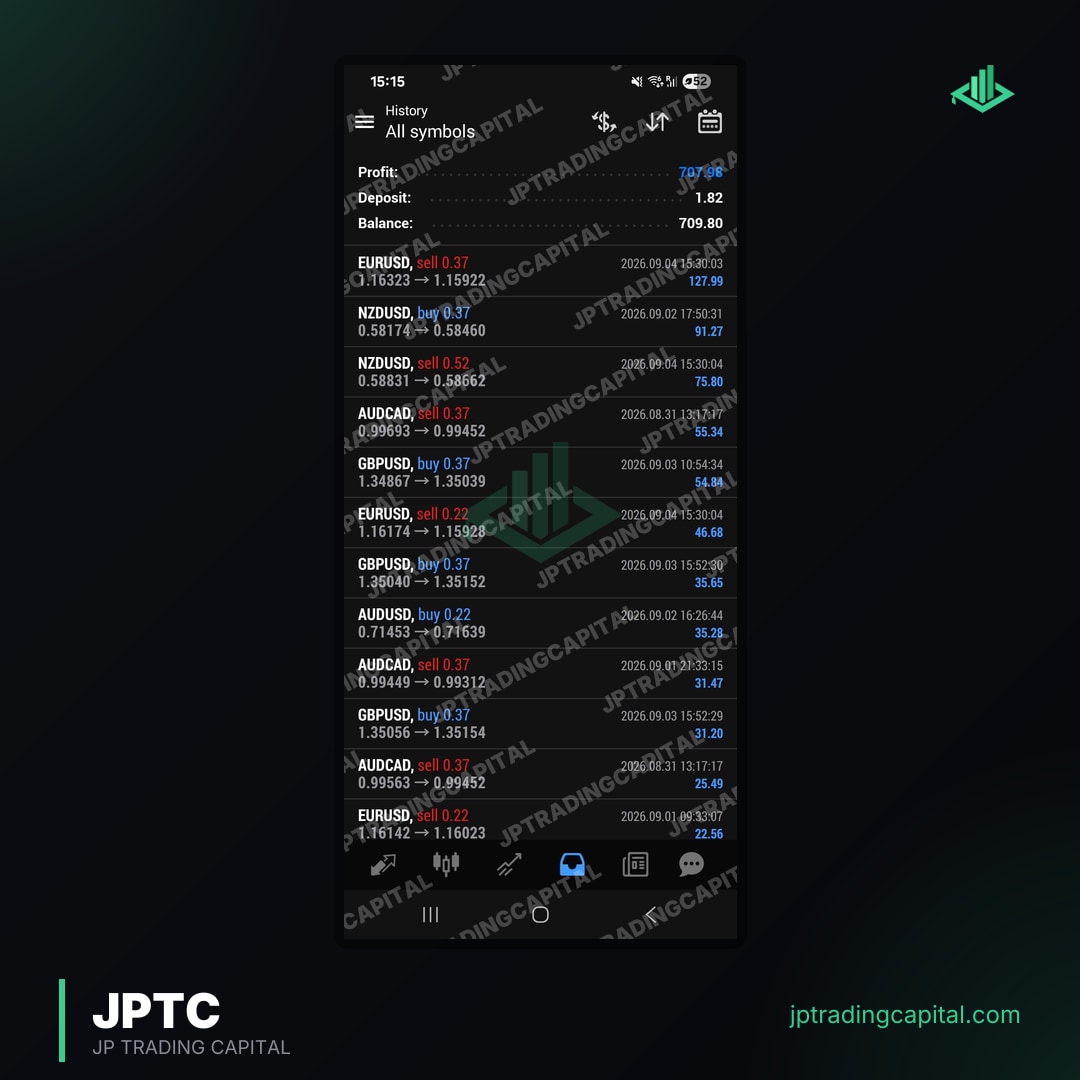
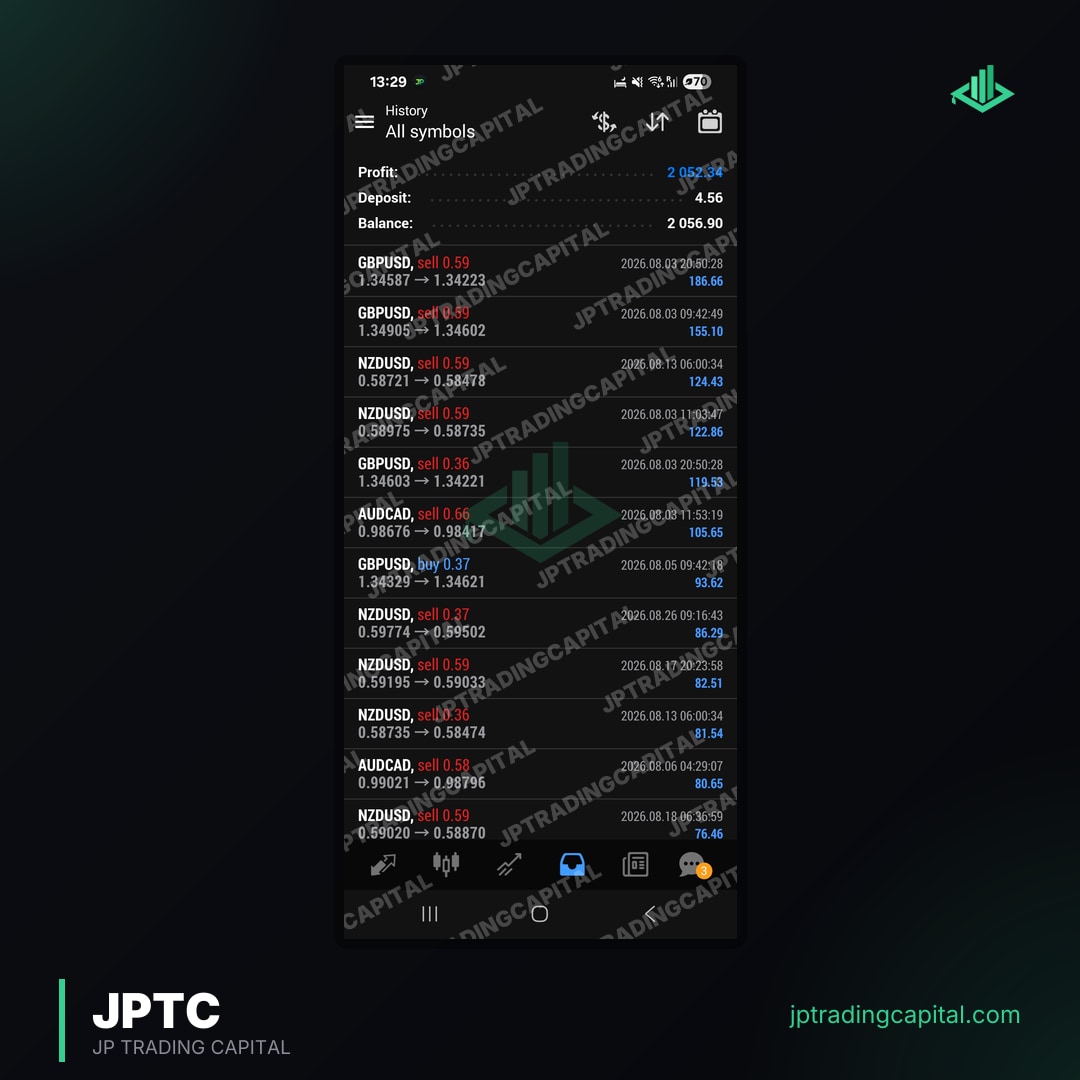
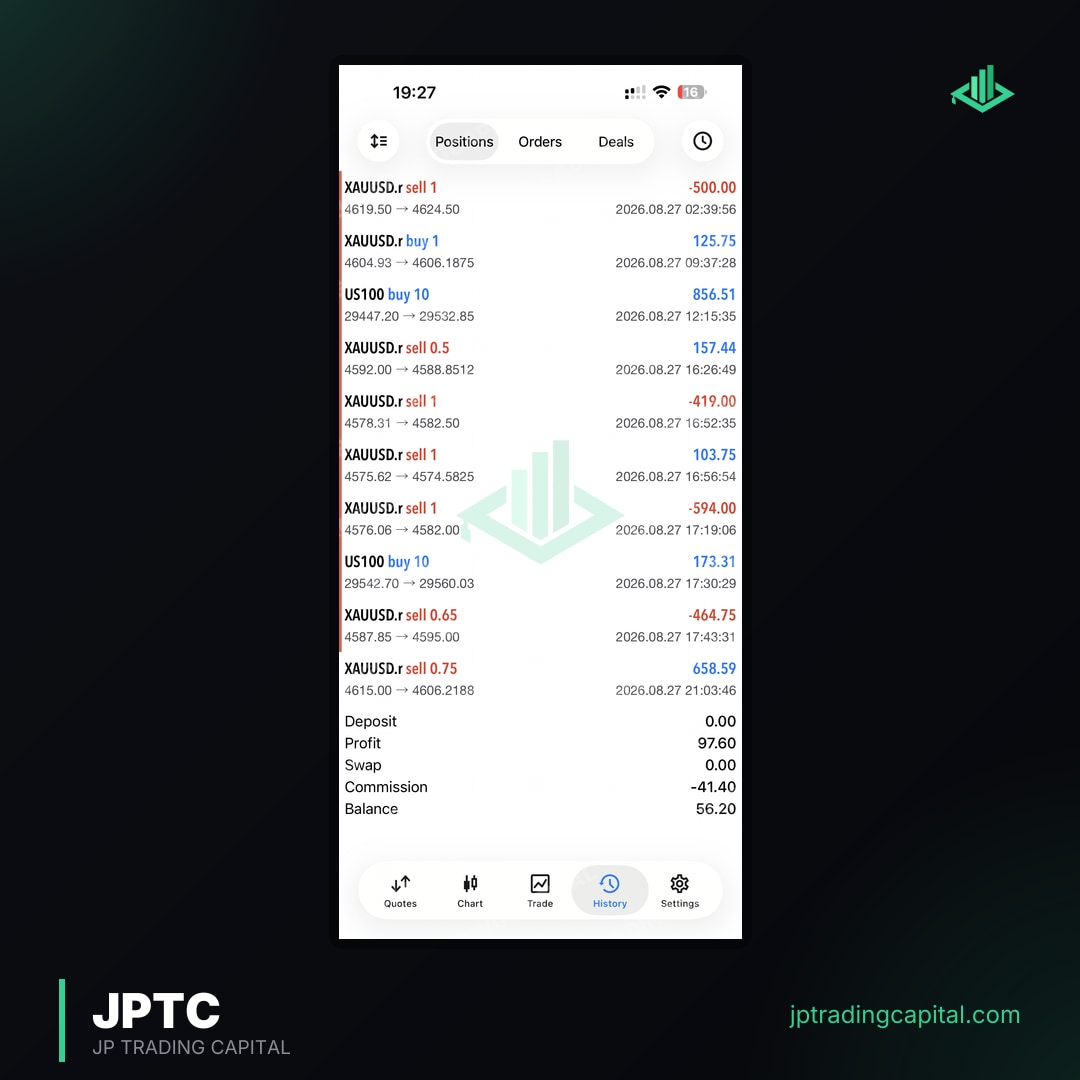
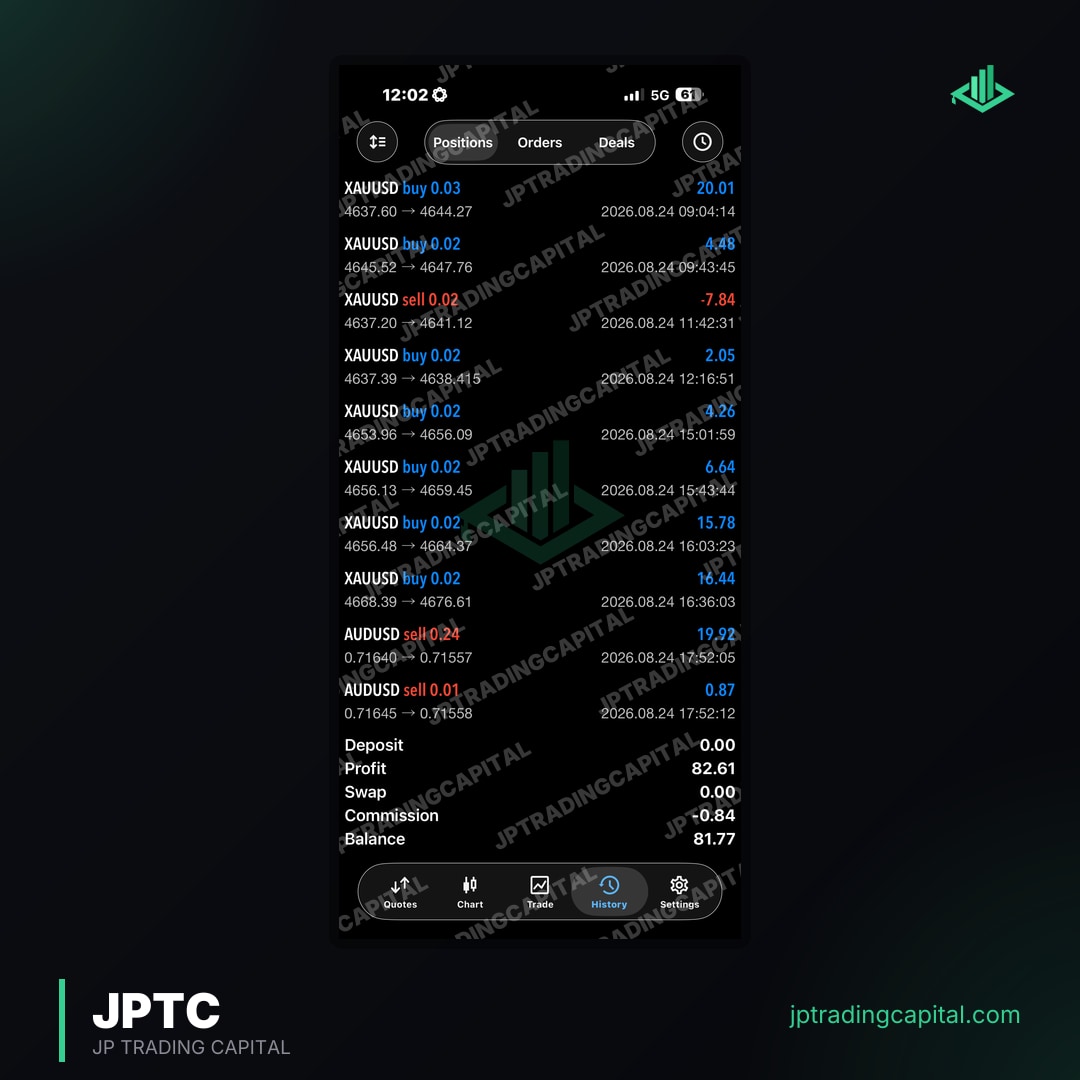
The choice of trading platform and support for automated strategies are crucial considerations for modern prop firm traders.
MT4/MT5 Support and Broker Infrastructure
The vast majority of prop firms, including Funding Pips and The 5ers, provide access through industry-standard trading platforms, primarily MetaTrader 4 (MT4) and MetaTrader 5 (MT5).
These platforms are favored for their robust charting tools, extensive customization options, and the ability to deploy Expert Advisors (EAs) for automated trading. Traders should confirm which versions of MetaTrader each firm supports, as this can influence the compatibility of specific EAs or custom indicators. The underlying broker infrastructure, including spread, commissions, and execution speed, also plays a significant role in a trader's performance. Fast and reliable execution is essential, especially for strategies that rely on precise entry and exit points. For more information on these platforms, visit the official MetaTrader 4 website.
Adapting EA Strategies to Prop Firm Rules
Automated trading with Expert Advisors offers significant advantages in consistency and discipline, but EAs must be specifically designed or adapted to adhere to prop firm rules.
Generic EAs might not account for daily drawdown limits, maximum loss limits, or consistency rules, leading to unexpected rule violations. Traders using EAs need to ensure their algorithms incorporate these constraints into their trading logic. This involves programming in specific safeguards, such as automatically closing trades if a daily drawdown limit is approached, or adjusting position sizes to avoid exceeding risk per trade percentages. Backtesting these adapted strategies under simulated prop firm conditions is vital to confirm their compliance and effectiveness. The JPTradingCapital team specializes in developing such tools; our JPTC EA Hub offers automated EAs pre-configured with backtested strategies that respect common prop-firm rules.
Enhancing Pass Rates with Automated Trading Tools
Leveraging automated trading tools can significantly improve a trader's chances of passing prop firm evaluations by removing emotional bias and ensuring strict adherence to rules.
Human error, emotional decision-making, and fatigue are common reasons traders fail evaluations. Expert Advisors, when properly configured, execute trades based on predefined parameters without emotional interference, ensuring consistent application of a strategy. This consistency is particularly beneficial for meeting profit targets while staying within drawdown limits. EAs can also manage multiple currency pairs or assets simultaneously, identifying opportunities that a human trader might miss. Our experience shows that traders who use well-designed, rule-compliant EAs often demonstrate higher levels of consistency and discipline, leading to more successful evaluation attempts and ultimately, funded accounts.
Deeper Dive into Scaling Plans and Program Flexibility
The long-term potential with a prop firm is heavily influenced by its scaling opportunities and the flexibility of its trading programs.
Funding Pips' Account Growth Path
Funding Pips offers a clear and structured path for traders to grow their capital, rewarding consistent performance with increased account size.
Once a trader secures a funded account, Funding Pips typically outlines specific profit targets that, when met, qualify the trader for an account increase. This incremental growth model encourages traders to maintain their discipline and profitability over time. For example, achieving a certain profit percentage over a set period might automatically trigger an account upgrade. The maximum scaling potential, as noted, can reach up to $2 million. This predictable growth trajectory allows traders to plan their trading career with a clear understanding of how their capital can expand.
The 5ers' Diverse Program Offerings
The 5ers distinguishes itself with a highly flexible and diverse range of programs, catering to a broader spectrum of trading preferences and experience levels.
Unlike a single, uniform challenge, The 5ers offers multiple programs, such as their "Instant Funding," "Bootcamp," or "High-Stakes" challenges. Each program is designed with different evaluation criteria, profit targets, drawdown rules, and scaling mechanisms. For instance, an Instant Funding program might provide immediate capital with less stringent evaluation but slower scaling, while a High-Stakes program might have a more rigorous evaluation but faster scaling to the impressive $4 million cap. This multi-program approach allows traders to choose an entry point and growth path that best fits their current skill level, risk appetite, and capital requirements. This flexibility is a key differentiator, appealing to traders who value customization in their prop firm journey.
Choosing the Right Prop Firm for Your Trading Style
Selecting between Funding Pips and The 5ers requires a thorough self-assessment of your trading style, financial goals, and risk tolerance.
Considering Your Capital and Risk Tolerance
The initial capital you are willing to risk for a challenge fee and your comfort level with potential losses should guide your choice of prop firm.
If you prefer a lower entry fee and a more standardized evaluation process, Funding Pips might be a suitable option, particularly if their initial funding and scaling potential align with your goals. However, if you are an experienced trader looking for higher initial capital, more diverse program options, and a greater scaling ceiling, The 5ers' offerings, despite potentially higher overall funding, might be more appealing. It is important to evaluate the fees in the context of the potential funded amount and profit split. A lower fee might seem attractive, but a firm offering a higher initial funded amount for a slightly higher fee could provide better long-term value for certain traders. Always consider the refundable nature of fees, if applicable, as this impacts the true cost of entry.
Aligning with Firm Rules for Long-Term Success
The most crucial factor for sustained success with any prop firm is how well your trading strategy aligns with the firm's specific rules and objectives.
Reviewing the daily drawdown, maximum drawdown, and consistency rules for both Funding Pips and The 5ers is paramount. Traders who have a consistent, low-volatility strategy might find Funding Pips' straightforward rules easy to navigate. Those with more aggressive or varied strategies might appreciate the flexibility offered by The 5ers' multiple programs, which could accommodate different trading styles. Ultimately, a successful partnership with a prop firm is built on adherence to their guidelines, ensuring that your trading approach is not just profitable, but also compliant. This compliance is where automated tools like the JPTC EA Hub provide significant value, by pre-configuring strategies to respect these critical rules, thereby increasing the likelihood of long-term success with a funded account.
What are the main differences in fees between Funding Pips and The 5ers?
Which firm offers higher scaling potential for traders?
Do both Funding Pips and The 5ers support automated trading with Expert Advisors (EAs)?
What kind of trading rules should I pay most attention to when comparing these firms?
Related Articles
- Pass Prop Firm Challenges with Automated Forex Signals [2026] · Read more →
- Best Futures Prop Firms 2026: Our Top Picks & Hidden Risks · Read more →
- Exact Prop Firms Allowing News Trading in 2026: What to Know · Read more →
- Best Prop Firms for Stock Trading in 2026: 5 Key Factors · Read more →
- Best Forex Trading Bot in 2026: Pass Prop Firm Challenges · Read more →
- FTMO Futures Prop Firm 2026: Maximize Payouts, Pass Fast · Read more →
- Exact Trading Signal Costs in 2026: What to Expect · Read more →
- FTMO Challenge Rules 2026: Exact Profit Target & Drawdown Defined · Read more →
- Step-by-Step Ear Stretching: 7 Safe Practices for Healthy Gauges · Read more →
- FTMO Risk: Exact 1% or 1.5% Per Trade (2026 Guide) · Read more →
Review the JPTC EA Hub
EA software with version-specific documentation and account-level risk controls. Review the selected programme’s current automation rules and test the chosen version; software does not guarantee compliance, a pass or a payout.
See the EA Hub