Best Funded Account List 2026: 7 Firms for EA Traders
Material update: 15 October 2026: Additional own-results verification/audit wording corrected to company-published broker-statement scope.

A funded account list compiles proprietary trading firms that provide capital to skilled traders who successfully pass an evaluation process, allowing them to trade a real account without risking their own personal funds. These firms offer a structured path for traders to access significant capital, typically ranging from $5,000 to $200,000 or more in simulated funds during the evaluation phase, leading to a funded account upon successful completion.
- Proprietary firms offer access to substantial trading capital after a skill evaluation.
- Evaluation phases typically involve specific profit targets and strict risk management rules.
- Traders pay a one-time, often refundable, fee to attempt a challenge or evaluation.
- Payouts for successful traders range from 70% to 90% of profits, varying by firm.
- Compatibility with MT4/MT5 and automated strategies (EAs) is crucial for many traders.
Understanding a Funded Account List: What Traders Need to Know
A funded account list provides a comprehensive overview of proprietary trading firms that offer traders capital to operate on their behalf, typically after a rigorous evaluation period. These firms act as a gateway for talented individuals to trade with larger capital pools than they might otherwise access, sharing a percentage of the profits generated. The core appeal of a funded account is the ability to trade a real account without personal capital at risk, shifting the financial burden and potential losses to the prop firm while allowing the trader to earn a significant profit split.
Traders seek funded accounts for several compelling reasons. Firstly, it removes the barrier of insufficient capital, enabling larger position sizes and potentially greater absolute profits. Secondly, it provides a structured environment with clear rules, which can foster disciplined trading habits. Thirdly, the psychological benefit of not risking personal capital can lead to more objective decision-making. However, it is crucial to distinguish between firms offering simulated trading during the evaluation and those that provide a real account immediately. Most reputable firms, such as FTMO, employ a multi-step evaluation process where traders prove their consistency and risk management skills on a simulated platform before transitioning to a funded account.
Common funding models include 1-Step, 2-Step, and Instant Funded accounts. A 1-Step evaluation typically requires a single phase to meet a profit target while adhering to drawdown limits. A 2-Step model, more common, involves two distinct phases: a Challenge phase with a higher profit target, followed by a Verification phase with a lower target, both with strict risk parameters. Instant Funded accounts, while less common, offer immediate capital access but often come with stricter rules, lower profit splits, or smaller initial capital amounts. Understanding these distinctions is vital when navigating any funded account list, as each model presents different challenges and opportunities for traders.
Key Factors for Evaluating a Prop Firm in 2026
Evaluating a proprietary trading firm requires a meticulous review of its rules, fee structure, payout terms, and technological compatibility to ensure alignment with a trader's strategy and goals. The JPTradingCapital team consistently advises traders to scrutinize these elements closely, as they significantly impact a trader's potential for success and profitability.
Rules and Risk Management: This is arguably the most critical factor. Every prop firm, including those on a funded account list, imposes strict rules on daily drawdown, maximum overall loss, and often consistency. For instance, a firm might set a 5% daily drawdown and a 10% maximum loss from the initial balance. Consistency rules often dictate that no single trading day accounts for an excessively large portion of the total profit, encouraging steady performance over high-risk gambles. Our research shows that firms like FundedNext clearly outline these parameters, which is essential for traders, especially those using automated strategies. Understanding how these rules are calculated (e.g., based on initial balance, equity, or closed trades) is paramount. For traders utilizing Expert Advisors (EAs), ensuring the chosen EA's strategy inherently respects these limits is non-negotiable. The JPTC EA Hub, for example, is specifically designed with backtested strategies that adhere to common prop firm rules, helping traders avoid common disqualifiers.
Fees and Payout Structure: Most prop firms charge an upfront fee for their evaluation or challenge, which is often refundable upon the first profit split from a funded account. These fees vary by account size, for example, a $50,000 account might cost a few hundred dollars. The profit split is another major consideration, typically ranging from 70% to 90% in favor of the trader. Some firms offer scaling plans where the profit split increases as a trader consistently performs well and the account size grows. JPTradingCapital recommends calculating the break-even point and potential earnings based on the firm's specific fee and payout structure.
Available Instruments and Platform Compatibility: Traders must confirm that a prop firm offers the instruments they specialize in, whether it's Forex, indices, commodities, or futures. Equally important is platform compatibility. The vast majority of prop firms operate on MetaTrader 4 (MT4) or MetaTrader 5 (MT5), which are standard platforms for retail and algorithmic traders. Confirming this compatibility is crucial for EA traders, as their automated strategies are built for these platforms. Our JPTC EA Hub is compatible with both MT4 and MT5, making it versatile across a wide range of prop firms.
Reputation and Support: A firm's reputation, transparency, and the quality of its customer support can significantly impact a trader's experience. While we do not rely on anecdotal evidence, consistently positive feedback regarding timely payouts and clear communication is a good indicator. Always review the firm's official documentation and terms of service thoroughly.
Navigating the Funded Account Landscape: Types and Challenges
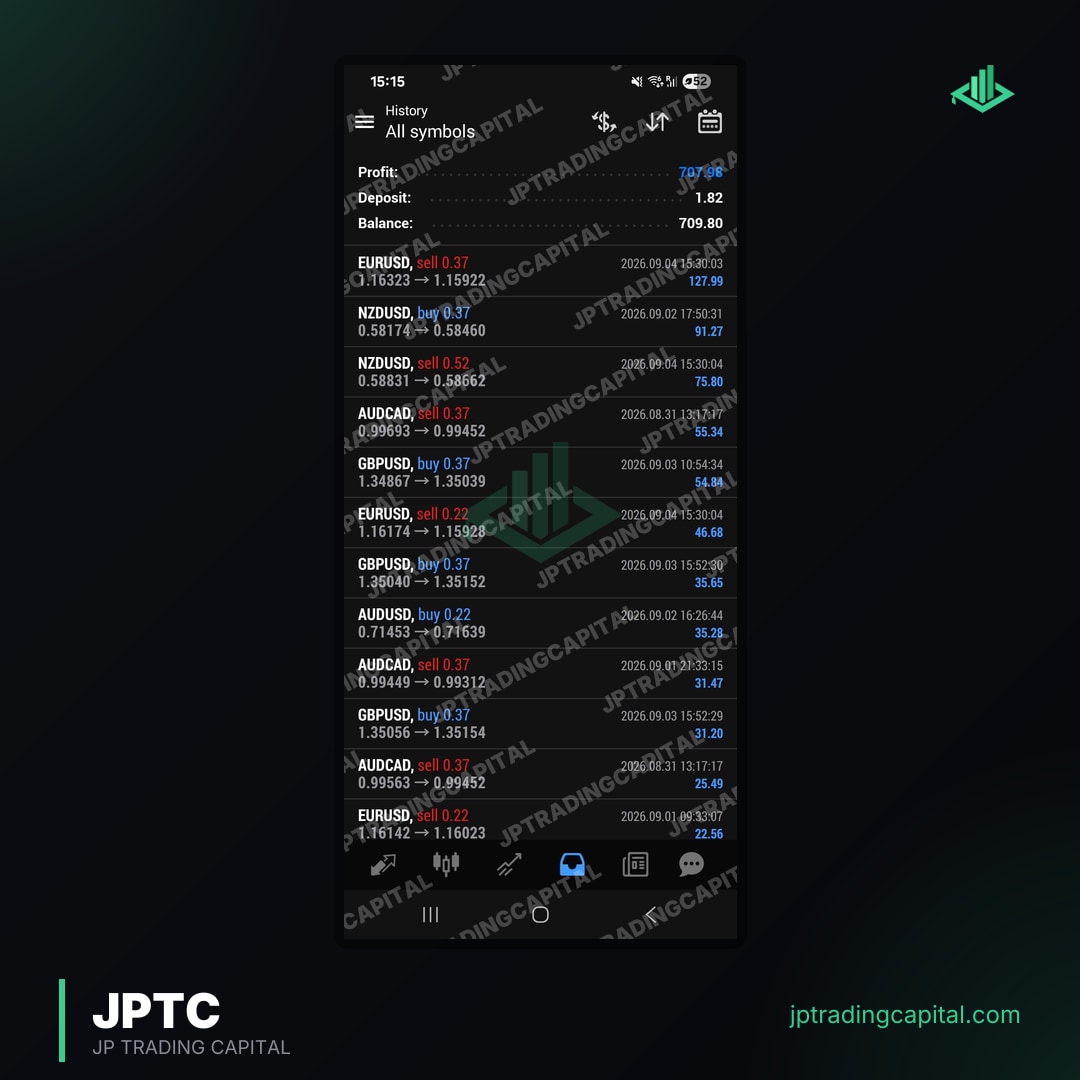
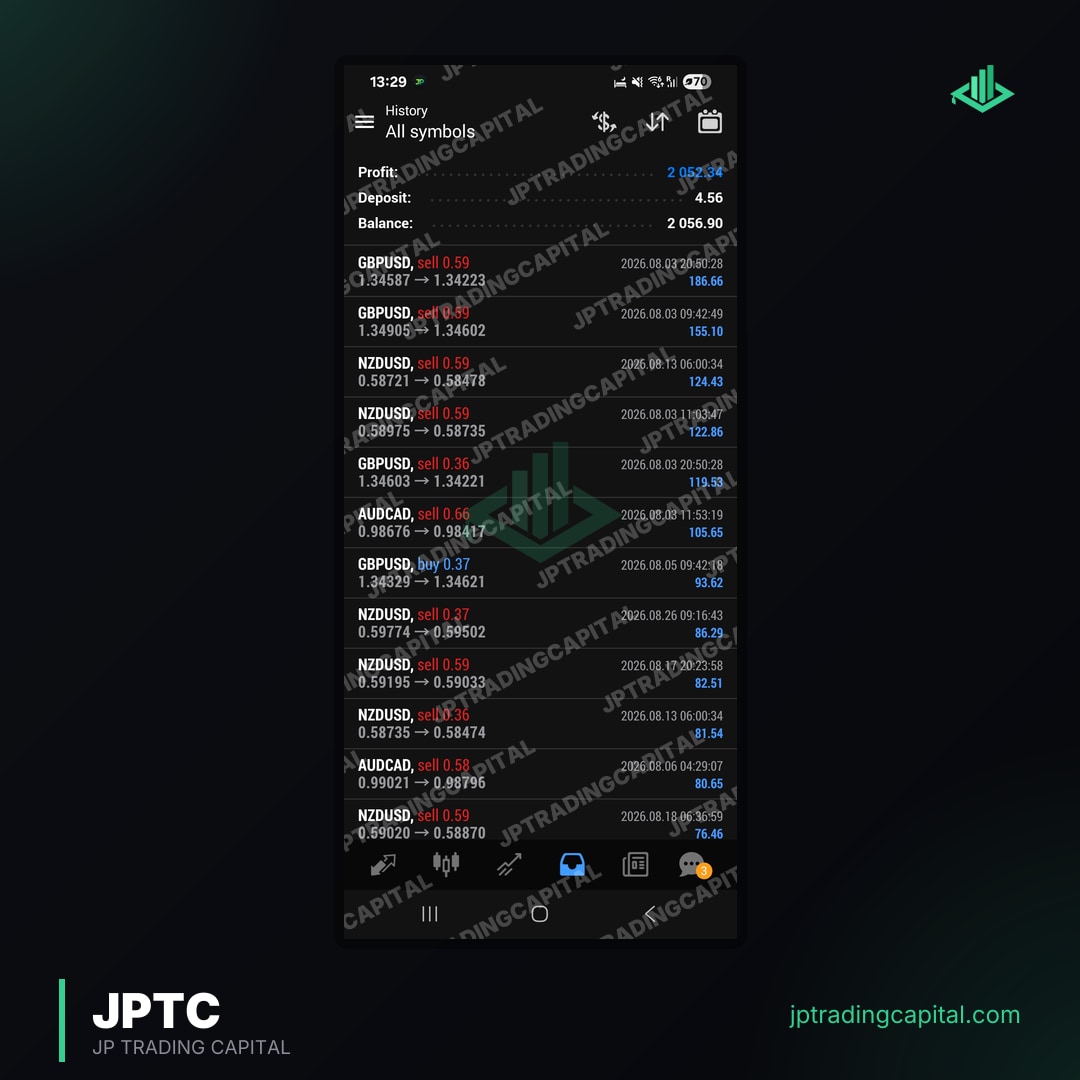
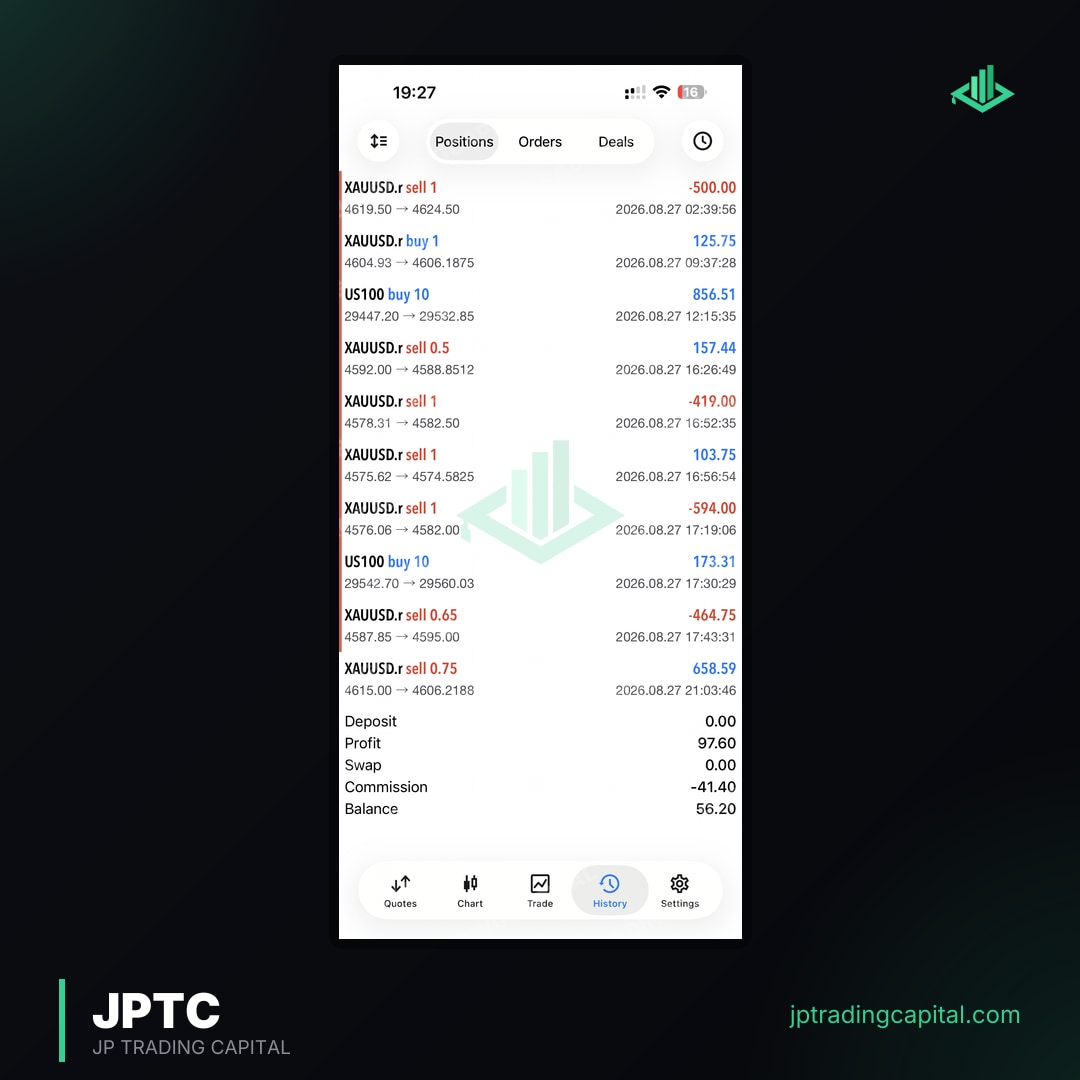
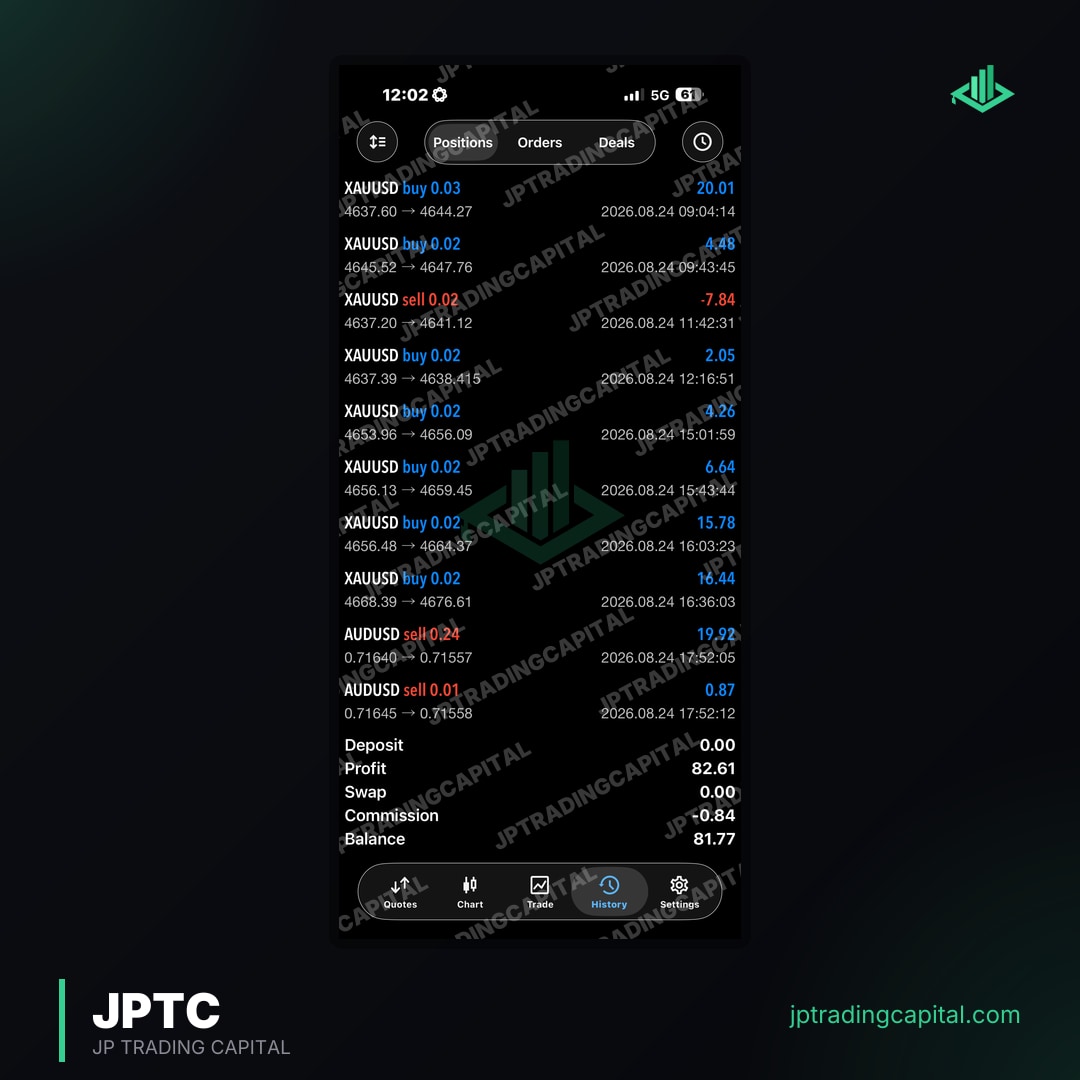
The funded account landscape presents various pathways to capital, primarily through challenge accounts, which require traders to prove their capabilities, and less commonly, through instant funding models. Understanding the nuances of these types is essential for selecting the best fit from any funded account list.
Challenge Accounts: These are the most prevalent models, designed to identify disciplined and profitable traders through a simulated trading environment. They typically involve a 1-step or 2-step evaluation process, each with specific profit targets and strict drawdown limits. For example, a 2-step challenge might require a 10% profit target in Phase 1 (Challenge) and a 5% profit target in Phase 2 (Verification), both while maintaining a daily drawdown of no more than 5% and a maximum overall loss of 10%. Failing to meet any of these rules, even by a small margin, typically results in a failed challenge, requiring the trader to reset or repurchase. This rigorous process ensures that only traders with a robust understanding of risk management and consistent strategy execution proceed to a funded account.
Scaling Plans: Many prop firms offer scaling plans, which reward consistent performance by increasing the capital allocation and sometimes improving the profit split. For example, after achieving a certain profit target over a specified period (e.g., 10% profit over three months without significant drawdown), a trader's $100,000 funded account might be scaled up to $200,000. These plans incentivize long-term, disciplined trading rather than short-term aggressive gains. JPTradingCapital's tools are designed to foster the consistent performance required for successful scaling, helping traders not just pass but thrive.
Common Pitfalls: Traders often encounter several pitfalls during evaluations. Overtrading, chasing losses, or failing to adhere to daily and maximum drawdown limits are frequent reasons for disqualification. Lack of a consistent strategy or emotional decision-making can also derail progress. For those new to prop firms, the transition from personal trading (where rules might be more flexible) to a highly regulated prop firm environment can be challenging. This is where a structured approach, often facilitated by automated trading tools, becomes invaluable. Our internal resources on passing prop firm challenges delve deeper into avoiding these common mistakes.
Beyond the Challenge: Maintaining a Funded Account with Strategy and Tools
Passing the evaluation is merely the first step; maintaining a funded account and achieving consistent payouts requires ongoing discipline, robust risk management, and often, sophisticated trading tools. The JPTradingCapital team emphasizes that sustained success hinges on a long-term perspective, not just a one-time win.
The Imperative of Risk Management: In a funded account, risk management remains paramount. The same daily drawdown and maximum loss rules that applied during the evaluation typically carry over, albeit sometimes with slight modifications. Adhering to these limits is critical to avoid account termination. This means understanding position sizing relative to account equity, setting appropriate stop-losses, and never risking more than a small percentage of the account on any single trade. For automated strategies, this involves meticulous configuration of the EA's internal risk parameters to align perfectly with the prop firm's rules.
Consistency for Long-Term Success: Prop firms value consistency. They are looking for traders who can generate steady profits over time, not those who hit a large target once and then struggle. Many firms have implicit or explicit consistency rules that prevent a trader from making, for example, 50% of their total profit in one day. This encourages a balanced approach to trading across multiple sessions and instruments. Building a track record of consistent performance is key to accessing scaling opportunities and maintaining a long-term relationship with the prop firm. This is a critical area where automated strategies, designed for specific market conditions and adhering to predefined risk parameters, can provide a significant advantage.
The Role of Automated Strategies (EAs): Expert Advisors (EAs) can be powerful allies in maintaining a funded account. By automating entry, exit, and risk management, EAs remove emotional bias and ensure consistent execution of a strategy. For instance, an EA can be programmed to automatically calculate lot sizes based on account balance, enforce daily drawdown limits by pausing trading, or ensure that no single trade exceeds a predefined risk percentage. This level of precision and discipline is incredibly difficult to achieve manually, especially during periods of market volatility or personal stress. The JPTC EA Hub is designed precisely for this purpose, offering automated strategies that inherently respect prop firm rules, helping traders maintain consistency and manage risk effectively on platforms like MT4 and MT5.
The JPTradingCapital Advantage: Automating Your Path to a Funded Account
JPTradingCapital specializes in building advanced trading tools specifically tailored for prop firm traders, offering a distinct advantage in navigating evaluations and managing funded accounts. Our flagship product, the JPTC EA Hub, stands out by providing pre-configured automated strategies designed to meet the rigorous demands of leading prop firms.
The JPTC EA Hub is an automated Expert Advisor that comes pre-configured with a suite of backtested strategies. These strategies are developed with a deep understanding of common prop firm rules, including daily drawdown caps, maximum loss limits, and consistency requirements. This means traders don't have to spend countless hours developing and testing strategies from scratch, nor do they need to worry about inadvertently violating a firm's rules. The EA's built-in logic helps ensure adherence to these critical parameters, significantly increasing the probability of passing challenges and maintaining a funded account.
One of the key benefits of the JPTC EA Hub is its compatibility and ease of use across major prop firms and trading platforms. It works seamlessly on both MT4 and MT5, making it versatile for traders operating with firms such as FTMO, FundedNext, FXify, TopStep, The5ers, and E8 Funding. Importantly, the algo is hosted by us. This means customers install nothing and run nothing on their own machines, simplifying the setup process and ensuring optimal performance without needing powerful local hardware or constant monitoring.
By leveraging the JPTC EA Hub, traders can benefit from:
- Rule Compliance: Strategies are designed to respect daily drawdown, max loss, and consistency rules, reducing the risk of disqualification.
- Automated Execution: Eliminates emotional trading and ensures precise execution of predefined strategies.
- Time Efficiency: Frees up traders' time by automating monitoring and trade management.
- Proven Methodologies: Utilizes backtested strategies to provide a data-driven approach to prop firm trading.
Choosing the Right Funded Account for Your Trading Style
Selecting the ideal funded account from a comprehensive funded account list involves more than just comparing profit splits; it requires aligning the firm's offerings with your individual trading style, preferred instruments, and long-term objectives. The JPTradingCapital team advises a holistic approach to this critical decision.
Forex vs. Futures vs. Crypto: Your choice of instrument heavily influences which prop firms will be suitable. Many firms, such as FTMO and FundedNext, primarily focus on Forex, indices, and commodities via CFDs. Other firms, like TopStep and Apex Trader Funding, specialize in futures contracts. A smaller, but growing, segment may offer crypto trading. Ensure the firm provides access to the markets you are proficient in. Trying to adapt your strategy to an unfamiliar market simply because a prop firm offers it can be a recipe for failure.
Evaluation Difficulty and Rules: While all evaluations are challenging, some firms have stricter rules or higher profit targets. A firm with a 10% profit target over 30 days and a 5% daily drawdown is inherently more challenging than one with an 8% profit target over 60 days and a 6% daily drawdown. Consider your own trading statistics and comfort level with risk before committing. If your strategy has historically generated smaller, more consistent gains, a firm with a longer evaluation period and less aggressive targets might be a better fit. Conversely, if your strategy is designed for higher volatility and quick gains, a faster-paced challenge might appeal.
Payout Frequency and Withdrawals: Investigate how often a firm processes payouts and what their minimum withdrawal thresholds are. Some firms offer bi-weekly payouts, while others are monthly. Understanding the withdrawal process and any associated fees is crucial for financial planning. Transparent firms will clearly outline these terms in their FAQs or terms of service.
Trader Support and Community: While not a direct trading factor, the quality of a firm's support and the existence of a helpful community can make a significant difference, especially for new traders. Access to educational resources, responsive customer service, and a vibrant community can provide invaluable assistance and motivation. For those interested in exploring various prop firm options and understanding their affiliate programs, resources like an affiliate guide can offer additional insights into the broader ecosystem.
Ultimately, the best funded account for you will be one that aligns with your trading methodology, offers transparent and fair rules, provides the necessary platform and instruments, and supports your long-term growth as a trader. Thorough research and a clear understanding of your own trading strengths and weaknesses are your strongest assets in this selection process.
What is a funded account?
How do prop firms make money?
Can I use Expert Advisors (EAs) with a funded account?
What are the typical profit splits for funded accounts?
Are funded account fees refundable?
Related Articles
- Exact FundedNext Account Types: 2026 Challenge Breakdown · Read more →
- Best Indicators for Futures Trading 2026: 5 Core Strategies · Read more →
- Best Immutable Trading Bot Strategies for Prop Firms in 2026 · Read more →
- Best Forex Prop Firm Strategies: 3 Ways to Get Funded [2026] · Read more →
- Best Futures Prop Firms 2026: Top Withdrawal Rules Ranked · Read more →
- Best Platforms for Automated Trading Strategies: 2026 Guide · Read more →
- Highest Gold Market Liquidity: Exact Times for XAUUSD Trading [2026] · Read more →
- 5 Proven XAUUSD Profitable Strategies: Pass Prop Firms in 2026 · Read more →
- 7 Best Forex Funded Accounts for 2026: Maximize Profits · Read more →
- Best Retail Traders in 2026: Strategies for Prop Firm Success · Read more →
Review the JPTC EA Hub
EA software with version-specific documentation and account-level risk controls. Review the selected programme’s current automation rules and test the chosen version; software does not guarantee compliance, a pass or a payout.
See the EA Hub