Exact FundedNext Account Types: 2026 Challenge Breakdown

FundedNext offers a diverse range of account types tailored for various trading styles, primarily structured around challenge models that assess a trader's ability to manage risk and generate consistent profits. These accounts vary by initial simulated capital, profit targets, daily and maximum drawdown limits, and the specific instruments available, including CFDs and Futures.
- FundedNext provides multiple challenge models with different rulesets.
- Account sizes range from smaller capital (e.g., $25K) to larger (e.g., $150K).
- Profit targets, daily drawdown, and overall maximum drawdown are key parameters.
- Traders can access CFDs (Forex, Gold, Indices) or Futures instruments.
- Successful completion leads to a funded account with up to a 95% profit share.
Understanding FundedNext Account Types in 2026
FundedNext provides a selection of challenge accounts designed to identify and support skilled traders across various markets in 2026.
At its core, FundedNext structures its offerings around challenge models, each with distinct rules and objectives that traders must meet to qualify for a funded account. These models are not merely different account sizes but often represent varying approaches to risk management and trading styles, catering to a broad spectrum of traders from beginners to seasoned professionals. The goal of these challenges is to simulate real trading conditions, allowing traders to demonstrate their proficiency in a controlled environment before managing larger sums of simulated capital.
Overview of Challenge Models
FundedNext typically offers several challenge models, each with its unique set of rules, including different phase structures, profit targets, and drawdown limits.
While the specific names and details of challenge models can evolve, common structures include two-phase evaluations that require traders to hit a profit target in the first phase while adhering to strict drawdown limits, followed by a second phase with a lower profit target. Some models might focus on consistency, while others prioritize aggressive growth within defined risk parameters. For instance, the brief mentions FundedNext offers specific challenges for CFDs and Futures, suggesting specialized models tailored to the nuances of these distinct asset classes. Understanding the nuances of each model, such as whether it emphasizes speed, consistency, or a blend of both, is paramount for traders selecting their optimal path.
Specific Account Sizes and Pricing Examples
FundedNext provides a range of account sizes, with associated one-time fees, allowing traders to choose a capital level that aligns with their experience and financial capacity.
The available account sizes typically scale from smaller options, suitable for new prop firm traders, to significantly larger accounts for those with proven strategies. For example, FundedNext Futures has offered accounts in sizes such as $25K, $50K, $100K, and $150K. The fee for each challenge account is a one-time payment, which is often refundable upon a trader's first profit split from a funded account. While specific pricing can vary, these fees reflect the access to simulated capital and the comprehensive evaluation process. Traders should carefully review the pricing structure for their chosen account size, considering it an investment in their potential to secure a funded account.
Core Features Across FundedNext Account Types
Regardless of the specific model, all FundedNext account types share core features designed to evaluate a trader's capabilities and prepare them for success in a funded environment.
These features are the fundamental pillars of any prop firm challenge, ensuring that only disciplined and profitable traders advance. Understanding these common elements is critical, as they dictate the boundaries and objectives of your trading journey. From managing risk to achieving specific performance benchmarks, these features define the path to becoming a funded trader with FundedNext.
Profit Targets and Drawdown Rules Explained
Profit targets specify the percentage gain a trader must achieve, while drawdown rules set the maximum allowable loss, both daily and overall, to maintain risk control.
FundedNext's challenge accounts typically feature a profit target for each phase of the evaluation. For instance, a common Phase 1 profit target might be 8% of the initial simulated capital, followed by a Phase 2 target of 5%. Simultaneously, strict drawdown rules are enforced. A 'Daily Drawdown' limit prevents excessive losses within a single trading day, often set at 5% of the initial balance. The 'Maximum Drawdown' represents the total allowable loss from the initial balance or highest equity point, typically around 10%. Adhering to these rules is non-negotiable; exceeding either limit results in immediate failure of the challenge. Our analysis at JPTradingCapital shows that managing these drawdown limits is often the most significant hurdle for traders, underscoring the importance of robust risk management strategies to pass prop firm challenges.
Scaling Opportunities and Growth Potential
FundedNext offers scaling plans that allow successful traders to increase their simulated capital, providing significant growth potential over time.
A key attraction of prop firms like FundedNext is the opportunity to trade with progressively larger simulated accounts without risking personal capital. Once a trader consistently meets profit targets and adheres to drawdown rules in their funded account, they become eligible for the scaling plan. This plan systematically increases the simulated capital available to the trader, rewarding consistent performance and allowing them to generate higher potential profits. For example, a trader consistently achieving a certain profit percentage over several months might see their $100K account scaled up to $200K, and so forth. This mechanism encourages long-term engagement and provides a clear career path for dedicated traders.
Supported Trading Instruments: CFDs vs. Futures
FundedNext provides access to a variety of trading instruments, broadly categorized into Contracts for Difference (CFDs) and Futures, each with distinct market characteristics.
Traders must understand the differences between these instrument types as they influence strategy and risk. CFD accounts typically offer access to Forex pairs, commodities like gold, and various indices. These instruments are popular due to their flexibility and accessibility. On the other hand, FundedNext also offers dedicated Futures accounts, as highlighted in the competitive brief. Futures trading involves standardized contracts to buy or sell an asset at a predetermined price and date, often appealing to traders focused on specific commodities, indices, or currencies with different leverage and margin requirements. The choice between CFDs and Futures often comes down to a trader's preferred market, risk appetite, and existing trading experience.
Choosing the Right FundedNext Account for Your Trading Style
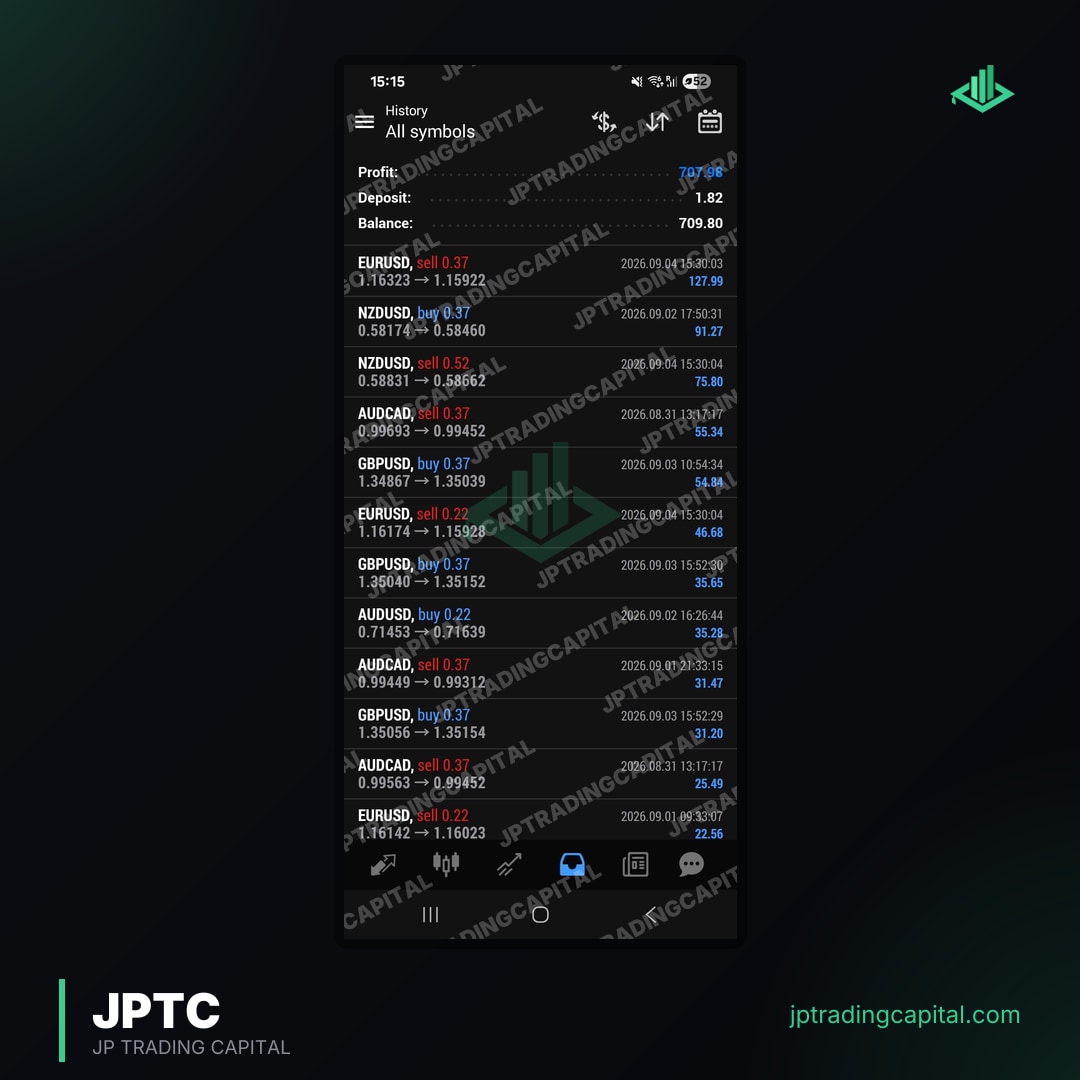
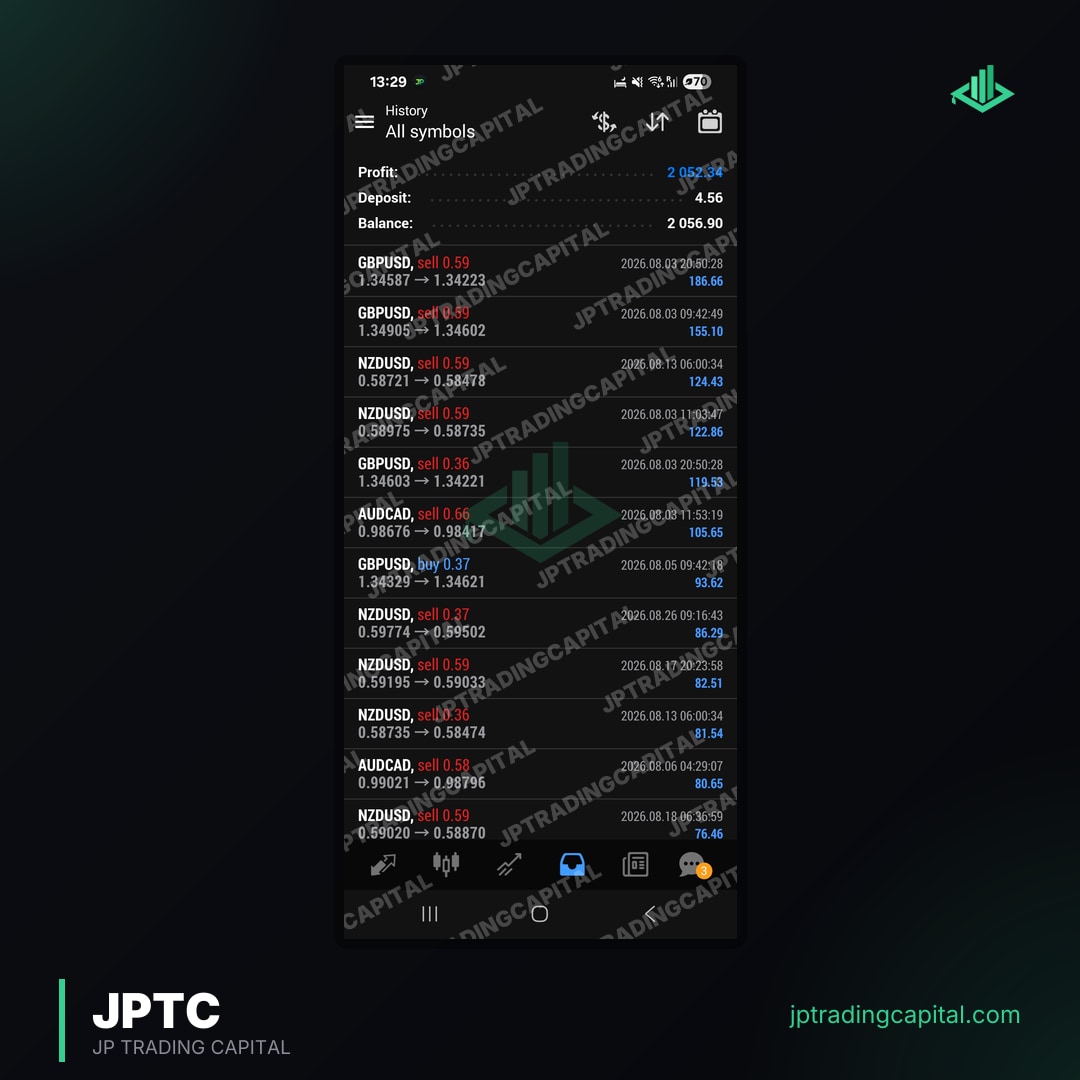
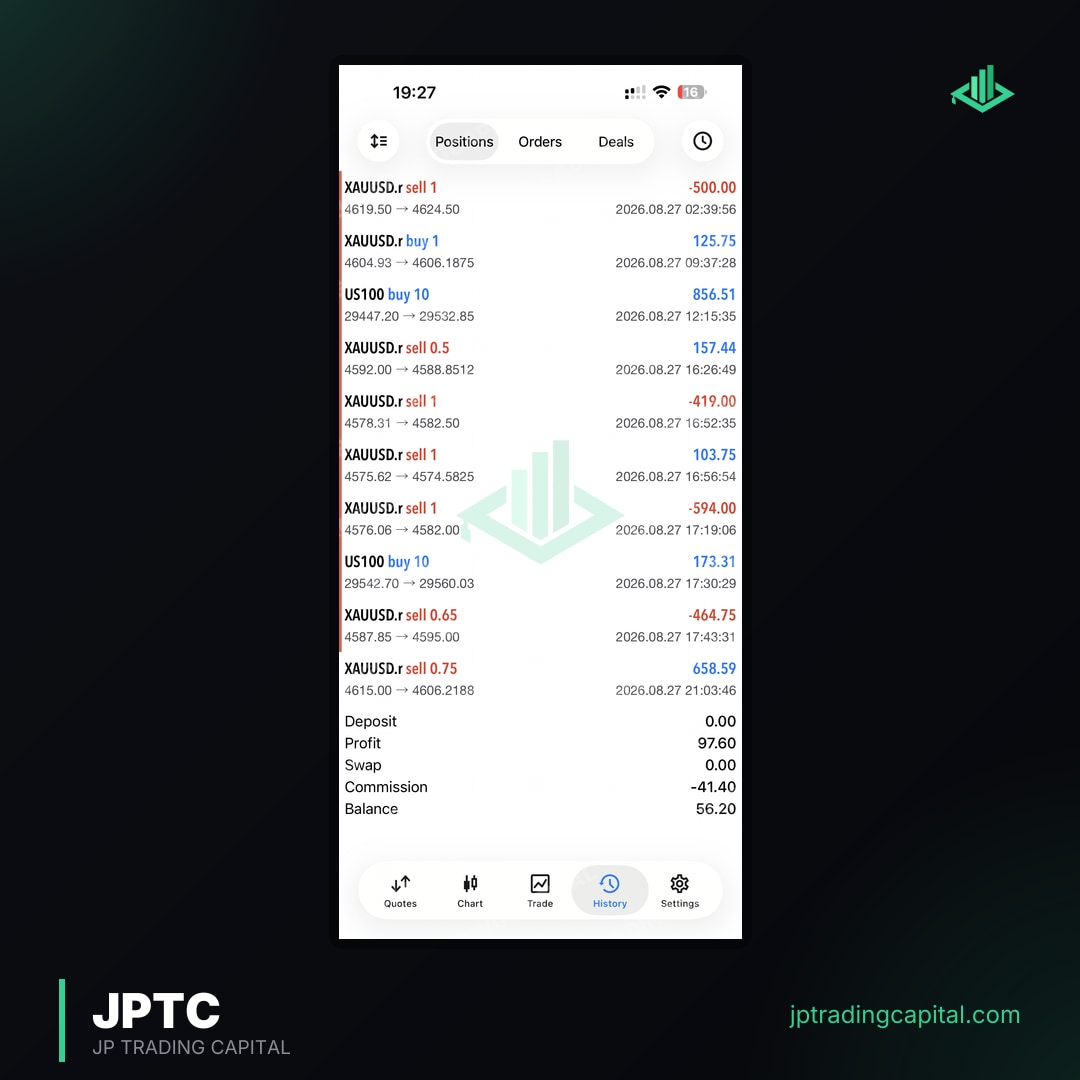
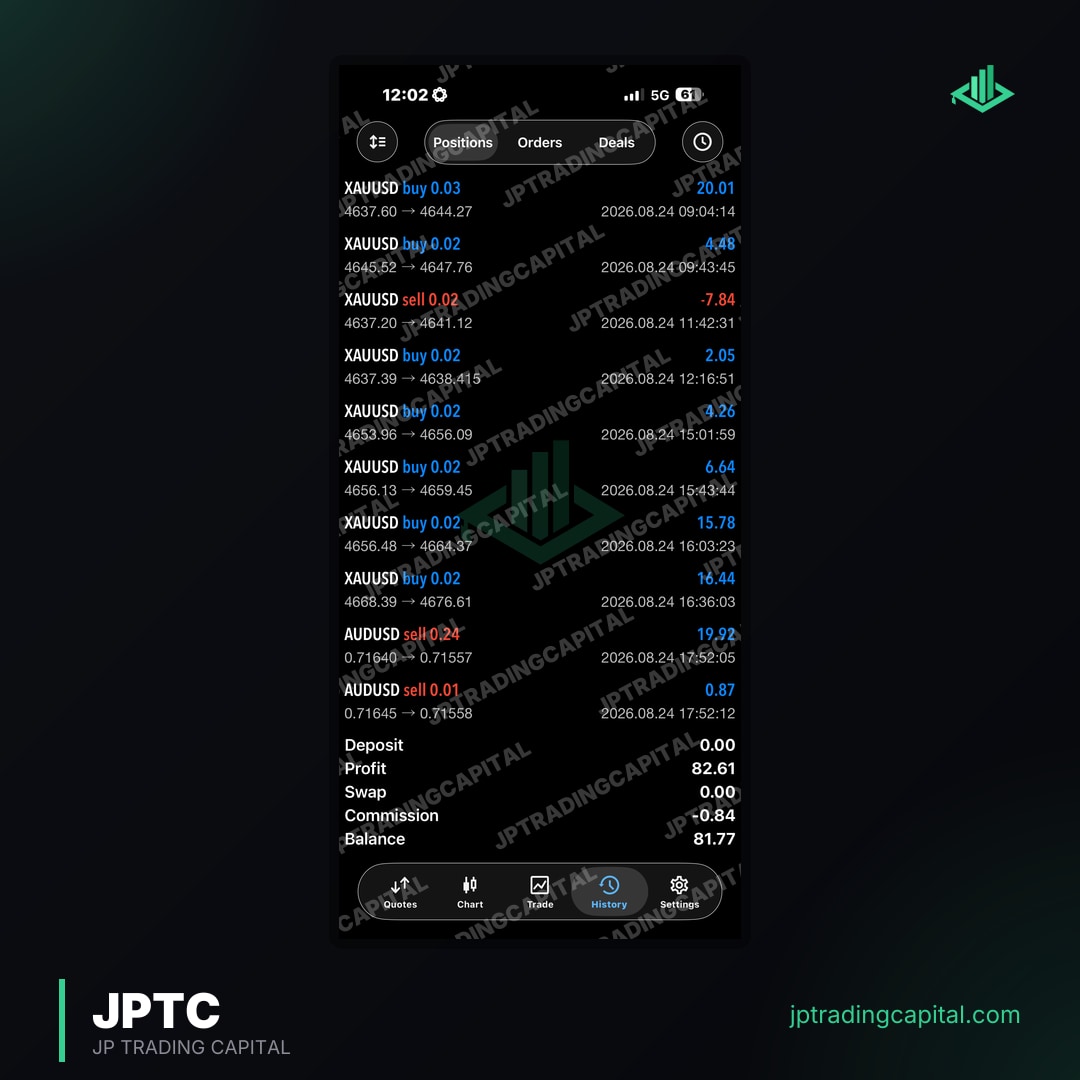
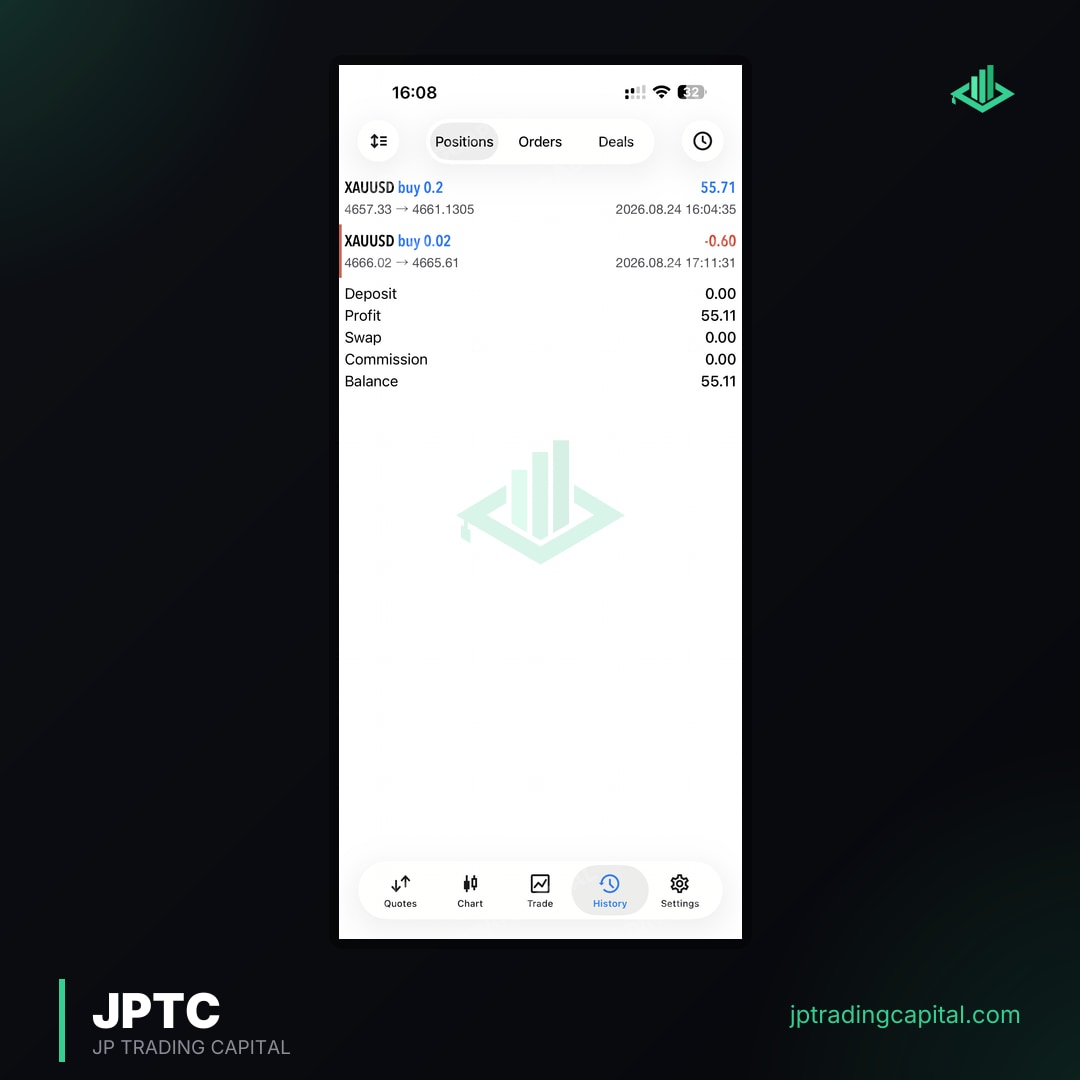
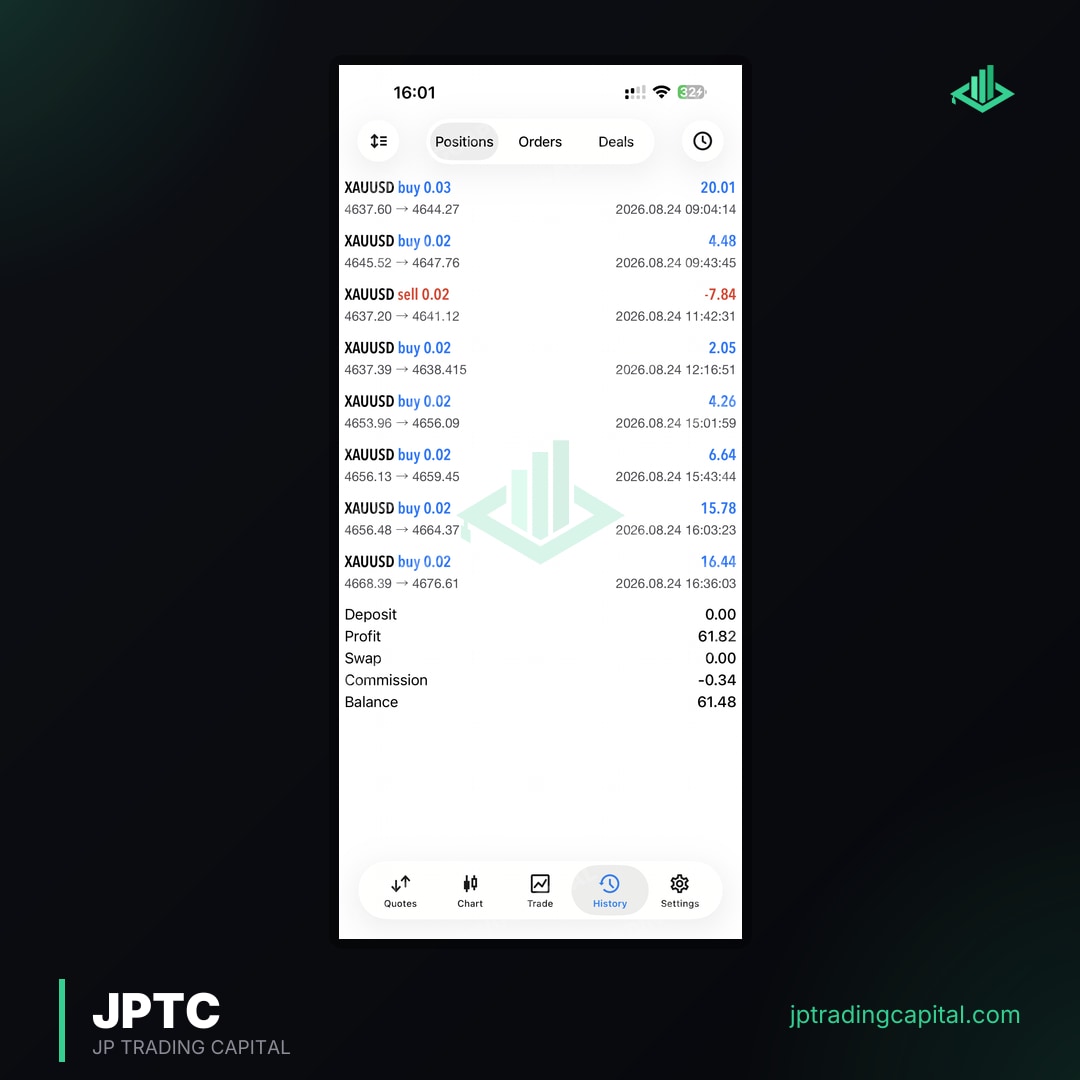
Selecting the appropriate FundedNext account type is a critical decision that should align directly with your individual trading style, risk tolerance, and capital management approach.
The varied offerings from FundedNext are not one-size-fits-all; what works for a high-frequency day trader may be entirely unsuitable for a long-term swing trader. Our research indicates that a thoughtful assessment of your own trading profile against the account's rules and instrument availability significantly increases your chances of success. This strategic selection is the first step toward effectively navigating the challenge and ultimately securing a funded account.
Considerations for Different Risk Profiles
Traders with varying risk appetites should select FundedNext account types that offer drawdown limits and profit targets commensurate with their comfort level.
For conservative traders, an account with slightly more lenient daily drawdown rules or a lower, more achievable profit target might be preferable, allowing for smaller, consistent gains without undue pressure. Conversely, aggressive traders might opt for accounts with higher profit targets, understanding that these often come with tighter drawdown limits that demand precise execution. It's crucial to remember that while the maximum drawdown is a total limit, the daily drawdown is often the more immediate challenge. Understanding how these risk parameters interact with your natural trading tendencies is vital for sustained performance and avoiding premature challenge failure.
Matching Account Types to Your Strategy (e.g., Day Trading vs. Swing)
Different FundedNext account types and their associated rules are better suited for specific trading strategies, such as day trading or swing trading.
Day traders, who often enter and exit positions multiple times within a single day, might prefer accounts with tighter daily drawdown limits but potentially quicker scaling opportunities, as their capital is often reset at the end of the day. They need an account structure that accommodates frequent, smaller trades. Swing traders, who hold positions for several days or weeks, require accounts with more flexible daily drawdown rules to absorb market fluctuations, as their trades often experience larger intraday price movements. They prioritize overall maximum drawdown and sufficient time to hit profit targets without being prematurely stopped out. Additionally, strategies involving news trading might be restricted in certain account types, so traders should always check the specific rules for their chosen account. For traders using automated strategies, ensuring the chosen account's rules are compatible with the strategy's typical holding periods and risk parameters is essential. Swing trading strategies, for instance, need sufficient room for price action to develop.
Leveraging Automated Trading for FundedNext Challenges
Automated trading, through Expert Advisors (EAs), can significantly enhance a trader's ability to consistently meet FundedNext's challenge requirements and manage risk effectively.
The structured nature of prop firm challenges, with their precise rules regarding profit targets, drawdown limits, and consistency, makes them an ideal environment for algorithmic trading. EAs can execute trades with discipline and speed, removing emotional biases that often lead to human error. For traders seeking a systematic edge, the integration of reliable automated tools is becoming an increasingly popular approach to navigating these evaluations successfully.
How EAs Address Drawdown and Consistency Rules
Expert Advisors are uniquely positioned to help traders adhere strictly to FundedNext's daily and maximum drawdown limits, as well as consistency rules, through predefined risk management parameters.
The JPTC EA Hub, for example, is pre-configured with backtested strategies specifically designed to respect prop-firm rules like daily drawdown caps and max loss limits. This means the EA will automatically cease trading or reduce risk when approaching these thresholds, preventing account violations. For consistency rules, which often require traders to avoid overly large or small trades relative to their average, an EA can execute trades of consistent size and frequency, smoothing out performance. This systematic approach helps traders avoid the emotional swings that can lead to inconsistent results, providing a disciplined method for meeting the challenge's stringent criteria. Learn more about how our trading EAs can benefit your strategy.
JPTradingCapital's EA Hub and FundedNext Compatibility
The JPTC EA Hub provides automated trading solutions specifically engineered to be compatible with prop firm environments like FundedNext, running on platforms such as MT4 and MT5.
Our flagship product is an automated EA pre-configured with strategies that respect the intricate rules of leading prop firms. The JPTC EA Hub is hosted by us, meaning customers install nothing on their own machines, ensuring seamless operation and consistent performance. This eliminates setup complexities and allows traders to focus on strategy rather than technical maintenance. Its compatibility with MetaTrader 4 and 5 means it can be deployed across various FundedNext account types, offering a powerful tool for traders aiming to achieve consistent results and reach their funded account goals.
Navigating FundedNext's Specific Rules and Consistency
Successfully passing FundedNext challenges requires a deep understanding and strict adherence to their specific operational rules, particularly regarding consistency and prohibited trading practices.
These rules are designed to foster realistic trading behavior and prevent manipulative or high-risk strategies that are unsustainable in a funded account. Traders often overlook the nuances of these regulations, leading to unexpected challenge failures. Our team emphasizes that a detailed review of all FundedNext policies before starting a challenge is not just recommended, but essential for long-term success.
Understanding the Consistency Rule and Its Impact
The consistency rule, often present in prop firm challenges, aims to ensure that a trader's performance is stable and repeatable rather than reliant on a few high-risk trades.
While the exact definition can vary, it generally means that a trader's profit on any single day should not disproportionately dominate their overall profit or that their trading volume should remain within a reasonable range. For example, if a trader makes 80% of their required profit in one day and then struggles for the rest of the period, they might violate the consistency rule. This rule encourages steady, disciplined trading, which is a hallmark of professional risk management. Traders employing automated systems like the JPTC EA Hub often find it easier to meet consistency requirements due to the systematic and controlled execution of trades.
Prohibited Trading Practices and Account Termination
FundedNext, like all reputable prop firms, has a clear set of prohibited trading practices that can lead to immediate account termination if violated.
These typically include, but are not limited to, arbitrage strategies, reverse trading on multiple accounts, tick scalping, and using external data feeds for unfair advantage. The intent behind these rules is to maintain a fair and level playing field, ensuring that trading skills, not technical exploits, determine success. Traders must thoroughly review the terms and conditions provided by FundedNext to avoid inadvertently engaging in prohibited activities. Ignorance of the rules is not an excuse, and violations can result in the loss of challenge fees and forfeiture of any accumulated profits. A disciplined approach, whether manual or automated, that focuses on genuine market analysis and execution, is always the safest path.
Maximizing Your Success with FundedNext Accounts
Maximizing your success with FundedNext accounts involves a combination of strategic planning, disciplined execution, and continuous self-assessment throughout the challenge and into the funded phase.
It's not enough to simply meet the profit target; sustained success comes from embedding robust risk management and adapting your strategy as you progress. The JPTradingCapital team consistently advises traders to approach these evaluations as a serious commitment, akin to a professional endeavor, rather than a speculative gamble.
Best Practices for Challenge Phases
To successfully navigate the challenge phases, traders should prioritize risk management, adhere strictly to drawdown limits, and focus on consistent, smaller gains rather than high-risk, large-profit trades.
Begin each phase with a clear trading plan that outlines your entry and exit criteria, position sizing, and daily risk limits. Avoid overtrading, especially when close to profit targets or drawdown limits. Utilize proper trade journaling to review your performance, identify weaknesses, and refine your strategy. Remember that the goal is to demonstrate consistent profitability under controlled risk, not to achieve explosive, unsustainable gains. Leveraging tools that automate risk management, like Expert Advisors, can be invaluable in maintaining this discipline.
Preparing for a Funded Account
Transitioning to a funded account requires continued discipline, an unwavering commitment to risk management, and the ability to adapt your trading strategy to the increased capital.
Once you pass the challenge, the real work begins. The funded account often comes with slightly different psychological pressures due to the larger simulated capital and the potential for real profit splits. Maintain the same rigorous risk management you employed during the challenge. Continuously refine your strategy based on market conditions and your performance data. Remember that consistent profitability is key to scaling your account and building a long-term career as a prop firm trader. The skills honed during the challenge phases are directly transferable and even more critical in the funded environment.
What are the primary types of FundedNext accounts?
How do FundedNext's drawdown rules work?
Can I use Expert Advisors (EAs) with FundedNext accounts?
What happens after I pass a FundedNext challenge?
Are there different FundedNext accounts for USA traders?
Related Articles
- Best Indicators for Futures Trading 2026: 5 Core Strategies · Read more →
- Best Immutable Trading Bot Strategies for Prop Firms in 2026 · Read more →
- Best Forex Prop Firm Strategies: 3 Ways to Get Funded [2026] · Read more →
- Best Futures Prop Firms 2026: Top Withdrawal Rules Ranked · Read more →
- Best Platforms for Automated Trading Strategies: 2026 Guide · Read more →
- Highest Gold Market Liquidity: Exact Times for XAUUSD Trading [2026] · Read more →
- 5 Proven XAUUSD Profitable Strategies: Pass Prop Firms in 2026 · Read more →
- FundedNext Scaling Plan 2026: Unlock $4M & 90% Profit · Read more →
- Best Funded Account List 2026: 7 Firms for EA Traders · Read more →
- 7 Best Forex Funded Accounts for 2026: Maximize Profits · Read more →
Futures Challenge Preparation
Software, reviewed setfiles, a written risk plan and community access built around common evaluation rules. No software can guarantee a pass.
Get Started