Gold London–New York Overlap: Hours and a Testable Plan
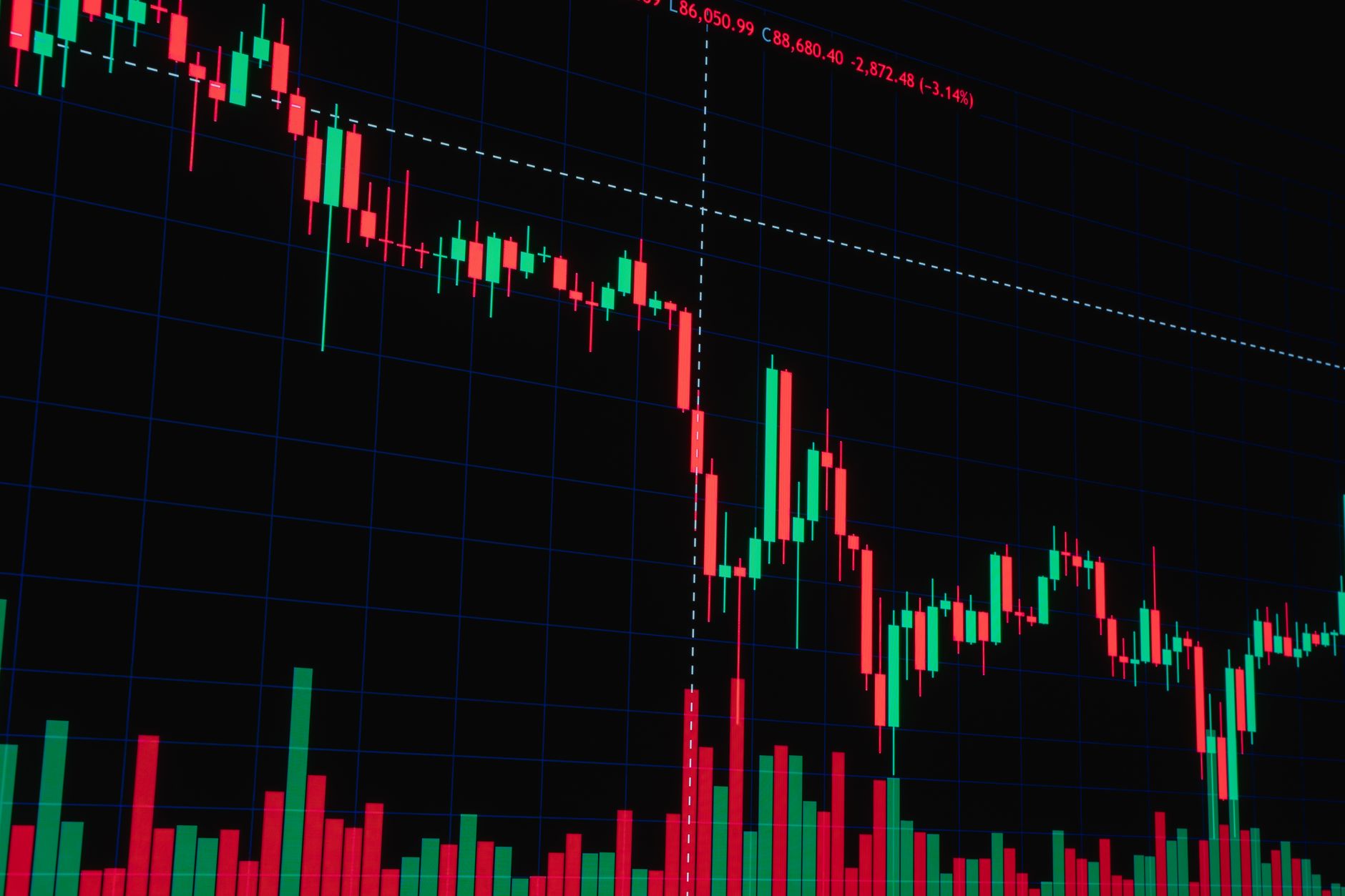
The London–New York overlap is a time-of-day research idea, not a signal that gold will move farther or fill more cheaply every day. For XAUUSD, first define the local clocks, actual symbol hours and strategy conditions. Then compare the chosen window with alternatives using the same data and costs.
Choose a clock convention before testing
“London session” and “New York session” are trader shorthand; they do not establish a single opening bell for every gold CFD. Check your provider’s symbol schedule, maintenance, holidays and platform time. An equity exchange opening or an LBMA benchmark auction is not automatically the opening of your XAUUSD symbol.
Illustrative research window: choose 08:00–12:00 in America/New_York, not fixed EST throughout the year. The UK government lists 2026 clock changes on 29 March and 25 October; NIST gives the US changes as 8 March and 1 November. The transition weeks differ. The following dated conversion is arithmetic, not a claim that these are the best or official gold hours.
| Date | New York | UTC | London local |
|---|---|---|---|
| 2026-10-16 | 08:00–12:00 | 12:00–16:00 | 13:00–17:00 |
| 2026-10-27 | 08:00–12:00 | 12:00–16:00 | 12:00–16:00 |
| 2026-11-03 | 08:00–12:00 | 13:00–17:00 | 13:00–17:00 |
Store UTC and named local zones with the date. Verify the broker-server conversion separately; a server’s offset need not follow London or New York. Test days on both sides of each change. Do not silently shift a historical sample by one hour.
Separate activity, volume and executable liquidity
A busy chart does not prove narrow spreads or a directional edge. Record bid/ask spread, rejected orders and requested versus filled prices on the actual feed. MetaQuotes explains that Forex tick volume counts price changes, unlike actual traded volume available for appropriate symbols. Check what your XAUUSD feed supplies. A tick-volume spike does not prove institutional buying or a share of global gold turnover.
LBMA’s gold benchmark is set at 10:30 and 15:00 London time. Mark relevant events as context, not guaranteed reversals or broker trading hours. Review the employment, CPI and Fed calendars for the actual date. Not every announcement falls inside your chosen window.
Write a breakout or retest hypothesis precisely
- Fix the pre-window interval, quote source and candle timeframe. Freeze its high and low before the entry window; do not redraw them after seeing the result.
- Define a breakout close or retest condition and invalidation. A candle closing outside the range is a condition to test, not confirmation of future profit.
- Define permitted order types and execution-cost limits. A buy limit above the current ask is not a generic buy-stop breakout instruction. Pending orders can trigger or fail differently from the chart.
- Specify exit, cancellation and end-of-window handling beforehand. Test continuation and reversal as separate ideas, not whichever looks better afterwards.
Fictional worksheet: pre-window range $2020–$2025; assumed executable long entry $2025.50, stop $2022.50 and target $2031.50. With an assumed 100 ounces per lot and one lot, planned price risk is $300 and gross target profit $600, or 2R before costs. A worse stop fill at $2021.50 instead loses $400 before fees. Neither the range nor a retest guarantees either fill or result. Choose size from affordable cash risk, existing positions and actual daily/total headroom, not a universal account percentage.
Apply the account rules to executions
Checked 16 October 2026: FTMO’s CFD policy restricts executions around selected releases on affected instruments, including XAUUSD for selected USD events, for two minutes before and after. Pending orders, stops and targets count. Swing accounts and Challenge/Verification stages have exceptions subject to forbidden-practice rules. Confirm the actual programme, phase and event; a session filter alone establishes no permission.
No stop, trailing stop or algorithm guarantees compliance with every equity limit during gaps or execution failures. Do not infer reduced loss from correlation or treat a broker’s leverage ratio as the cash loss of a fixed position.
Compare windows without inventing a success rate
Use the same predefined setup and cash-risk method across windows. Separate news days, holidays and transition weeks; retain skipped signals, spread, commission, adverse execution and losing periods. Keep an untouched evaluation period. Repeatedly optimizing hours or indicators on the same data can fit noise. No fixed number of months, screenshots or moving-average combination proves robustness.
The EA Hub supplies customer-operated MetaTrader-compatible files; only the separate JPTC Algo service is hosted by JPTC. Check the exact file’s session controls, time-zone behaviour and programme permission. Do not assume this specific breakout, gold module or automatic protection is included. The company-published broker-statement figures cover the reported Algo period and are not an independent audit or a session-strategy pass-rate study.
Is 13:00–17:00 GMT always the gold overlap?
Does higher tick volume prove better fills?
Can I use a buy limit to enter any upward breakout?
Does the overlap guarantee a 2R trade?
Does an EA automatically handle the clock changes and prop rules?
Related checks
Automated forex and gold trading
Runs on your own account at your own broker. We host and set it up, so there is nothing to install and no VPS. No profit share, no monthly fee.
See how it works