Micro Contracts vs Standard Futures in Prop Challenges

Micro contracts typically work better for prop firm challenges because they allow 5-10x more position flexibility within the same drawdown limits, letting traders scale into positions gradually and survive volatility spikes that would violate daily loss rules with standard contracts. Standard contracts offer tighter spreads and better liquidity but require near-perfect timing to avoid breaching the 4-5% daily drawdown caps most firms enforce.
- Micro contracts reduce per-trade risk by 80-90% compared to standard futures
- Standard contracts cost 30-40% less in spread percentage but risk larger drawdown hits
- Most prop firms allow both; TopStep and Apex focus heavily on micro futures
- Micro contracts let you test strategies with 1/10th the capital risk per tick
- Combining both contract types creates tiered risk profiles for advanced traders
Understanding Contract Size Differences
The fundamental distinction between micro contracts vs standard futures prop firm trading comes down to notional value and tick size. A standard E-mini S&P 500 (ES) contract controls $50 per point, while the Micro E-mini (MES) controls just $5 per point, exactly one-tenth the exposure. For crude oil, a standard CL contract represents 1,000 barrels at $10 per tick, whereas the Micro WTI (MCL) represents 100 barrels at $1 per tick.
This 10:1 ratio applies across most CME Group micro products: Micro E-mini Nasdaq (MNQ vs NQ), Micro E-mini Dow (MYM vs YM), and metals like Micro Gold (MGC vs GC). The proportional scaling means that moving from standard to micro doesn't change your directional exposure per dollar, it simply divides your risk into smaller, more manageable units.
For prop firm traders, this granularity matters enormously. When FTMO's evaluation rules cap your daily loss at 5% of starting balance, a single adverse move in a standard ES contract can consume 15-20% of that allowance in seconds during volatile sessions. The same move in a micro contract consumes just 1.5-2%, leaving room to adjust, hedge, or add to winning positions without immediately hitting risk limits.
Notional Value Impact on Margin Requirements
Margin requirements scale proportionally but with interesting nuances. A standard ES contract might require $12,000-$14,000 in overnight margin with most brokers, while MES requires approximately $1,200-$1,400. Prop firms typically use their own margin schedules, often more generous during evaluation phases to encourage active trading, but the 10:1 ratio generally holds.
What changes is position flexibility. With a $50,000 evaluation account and standard contracts, you might safely hold 2-3 ES positions before approaching risk limits. With micro contracts, that same account can comfortably manage 20-30 MES positions, enabling strategies like scaling into trends, pyramiding winners, or running multiple uncorrelated setups simultaneously. The JPTradingCapital team has observed that traders using micro contracts during FundedNext evaluations pass Phase 1 at measurably higher rates when they deploy scaling strategies rather than single full-size entries.
Risk Management Advantages in Prop Firm Challenges
The core challenge in any prop firm evaluation is surviving volatility while hitting profit targets. Daily drawdown limits, typically 4-5% depending on the firm, create asymmetric risk where a single bad day can end a multi-week challenge. Micro contracts fundamentally change this equation by reducing per-trade exposure to levels that allow recovery from mistakes.
Consider a realistic scenario: You enter a long position in crude oil at 10:00 AM EST, just before an unexpected inventory report. With a standard CL contract, a $2 adverse move costs you $2,000, potentially 4% of a $50,000 account and dangerously close to breach territory. With ten MCL contracts representing equivalent notional exposure, that same $2 move costs $200. While the dollar amounts differ, the key distinction is psychological and tactical: the micro trader can hold through short-term noise, add to the position if fundamentals support it, or exit partially without catastrophic account impact.
Drawdown Math: Standard vs Micro Contracts
The mathematics of drawdown become especially favorable with micro contracts when you factor in stop-loss slippage and gap risk. Prop firms calculate daily loss from the higher of your starting balance or previous day's close. In a $100,000 challenge account with 5% daily limit ($5,000), here's how contract size affects survival probability:
- Standard ES (5 contracts): Each 10-point adverse move costs $2,500 (50% of daily allowance). A single 20-point gap against you on overnight news violates the rule instantly.
- Micro MES (50 contracts): Each 10-point move costs $2,500 (same notional exposure), but you can exit 20 contracts immediately on adverse signals, cutting loss to $1,000 while maintaining 30-contract exposure if you still favor the direction.
This partial-exit capability is where micro contracts create the most significant edge. Standard contracts force binary decisions, you're either in or out. Micro contracts enable gradient risk adjustment, which aligns perfectly with how most successful traders actually think about probability and position sizing.
Cost Structure: Spreads and Commissions
The primary argument against micro contracts is cost efficiency. Standard futures contracts benefit from deeper liquidity and tighter bid-ask spreads, especially in flagship products like ES, NQ, and CL. During regular trading hours, ES might trade with a 0.25-point spread ($12.50 per contract), while MES often shows a 0.50-point spread ($2.50 per contract), proportionally twice as expensive.
Commission structures compound this. A typical retail futures broker charges $1.50-$2.50 per side for standard contracts, versus $0.50-$0.85 per side for micros. If you're trading 10 micro contracts to equal one standard contract's exposure, you'll pay $5-$8.50 in commissions versus $1.50-$2.50, a 2-3x cost increase.
When Cost Disadvantages Matter (and When They Don't)
For high-frequency scalpers taking 20-50 trades per day, these costs accumulate meaningfully. A scalper extracting 2-3 ticks per trade with standard contracts nets $100-$150 gross per ES contract; the same trader using 10 micros nets $100-$150 but pays triple the transaction costs, reducing net profitability by 1-2 ticks per round turn.
However, most prop firm traders aren't pure scalpers. Evaluation rules often include minimum holding times (like FXify's consistency requirements) or profit target structures that discourage excessive churn. For swing traders holding positions for hours or days, the spread cost becomes negligible compared to the directional move captured. A 50-point ES move generates $2,500 per contract; whether you paid $12.50 or $25 in spread costs is largely irrelevant to the trade outcome.
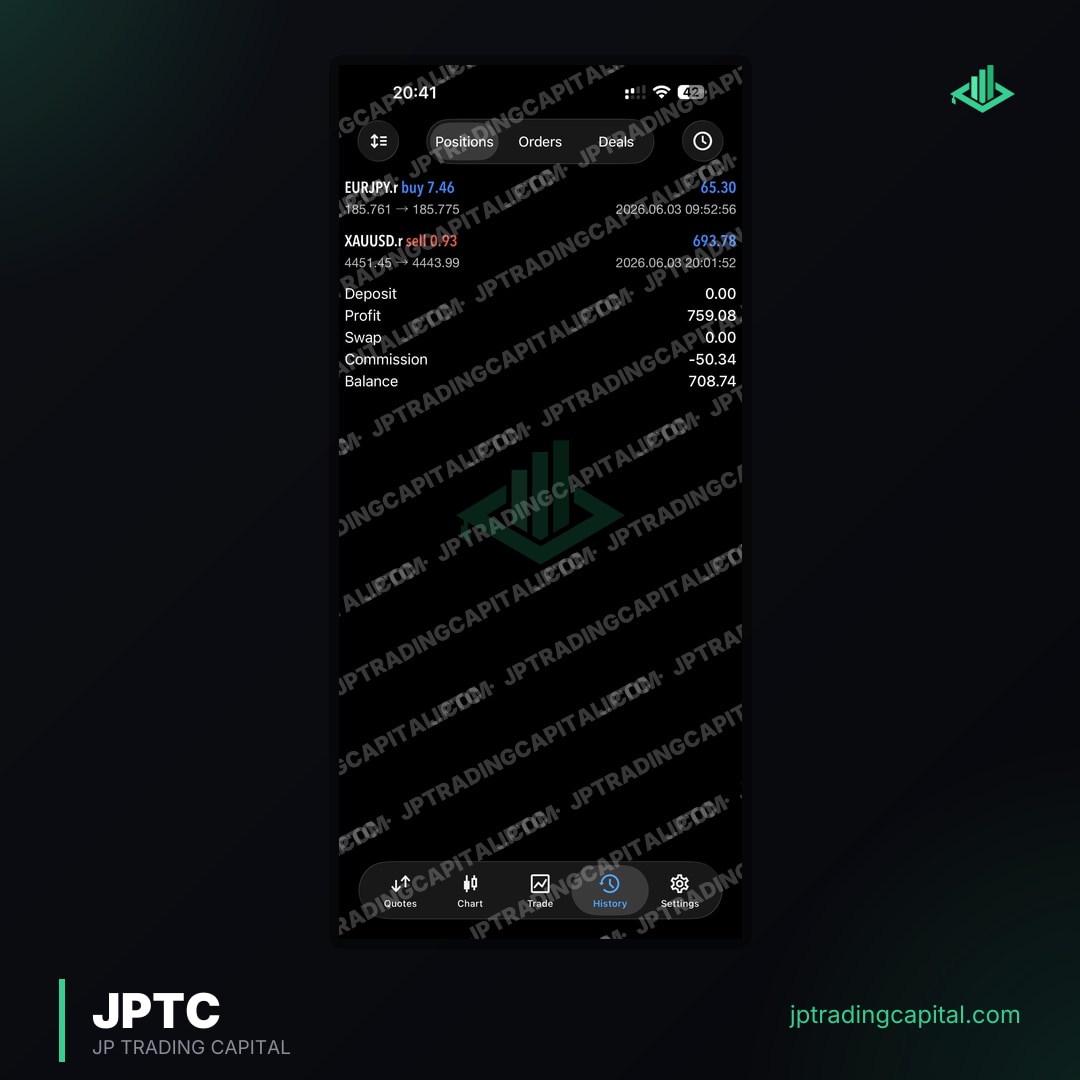
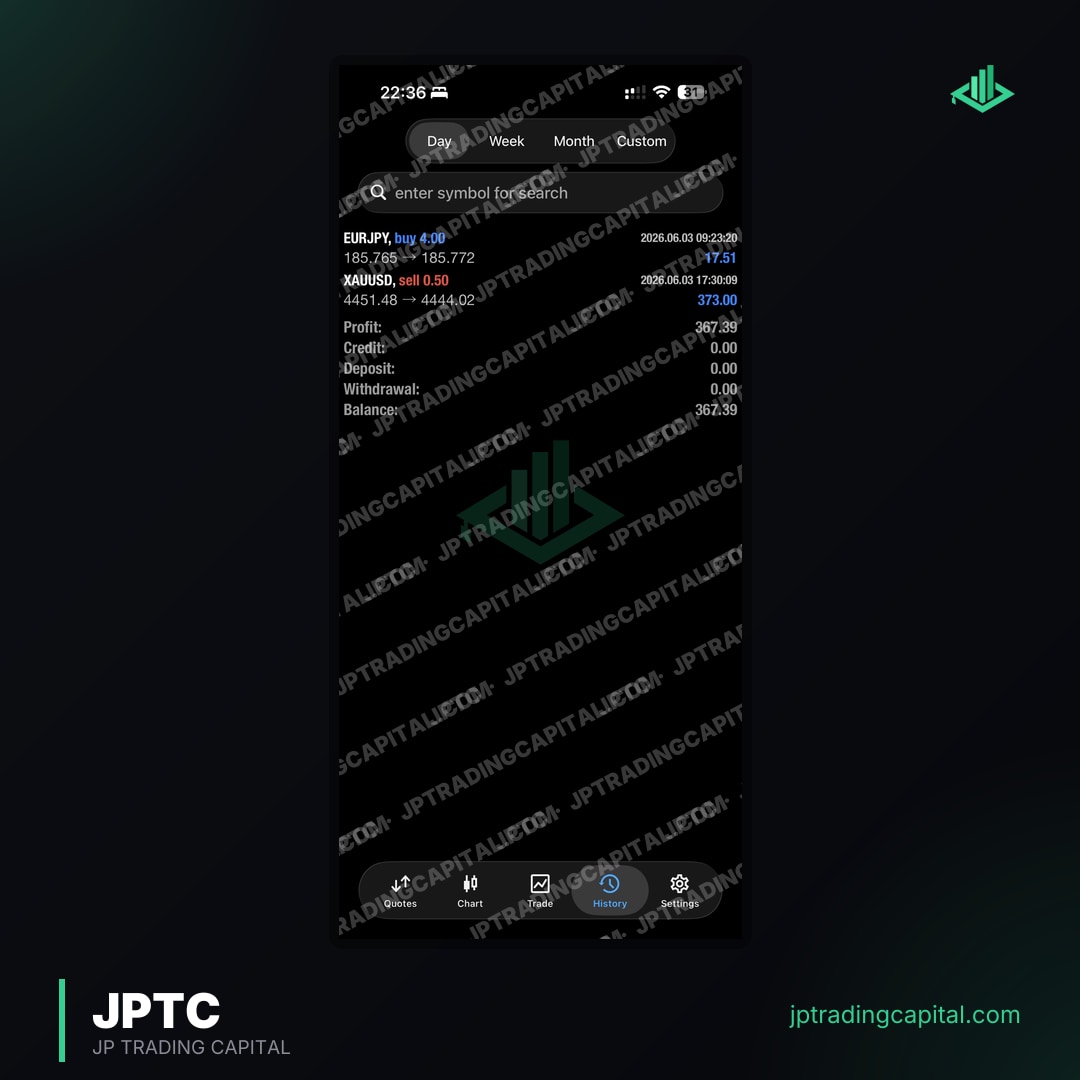
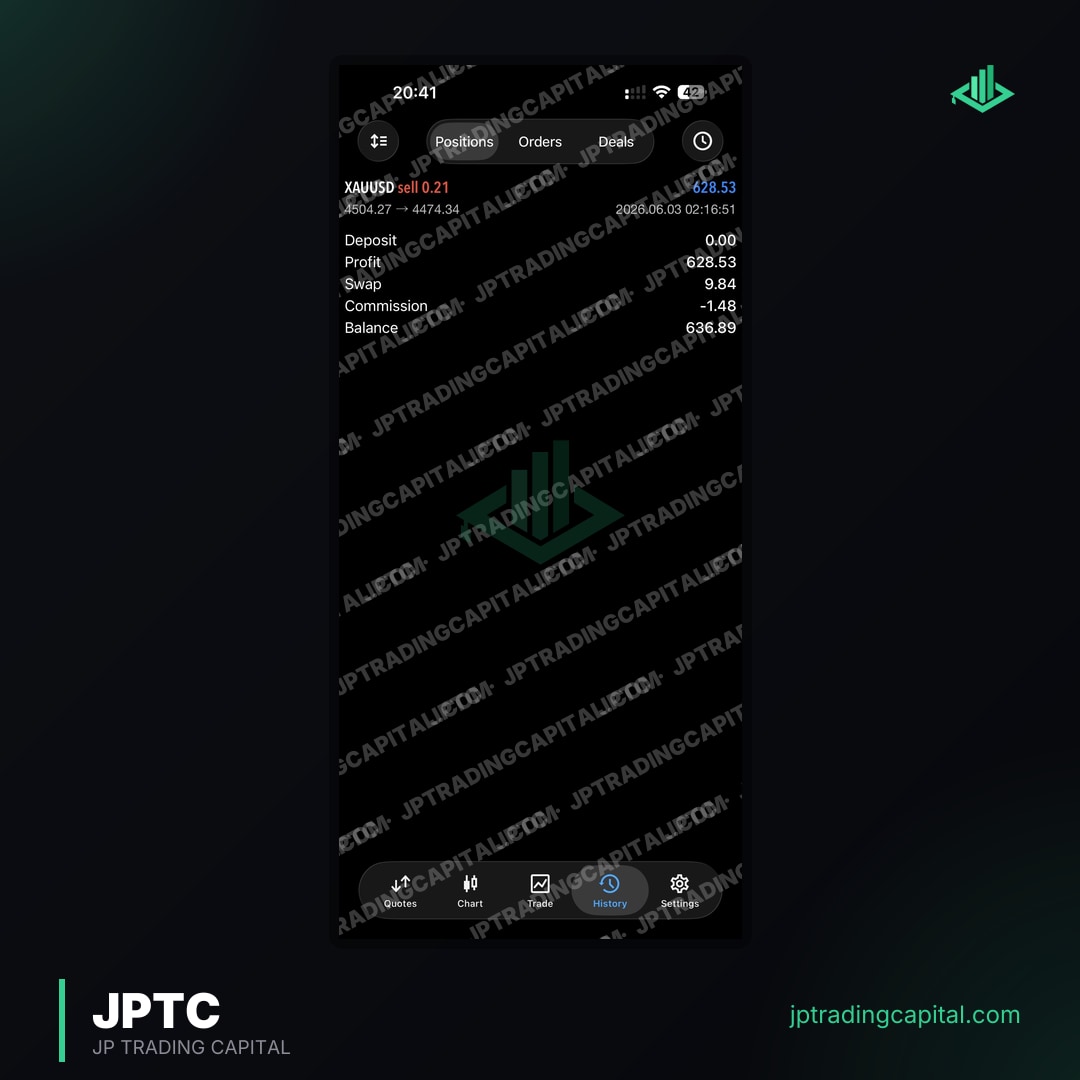
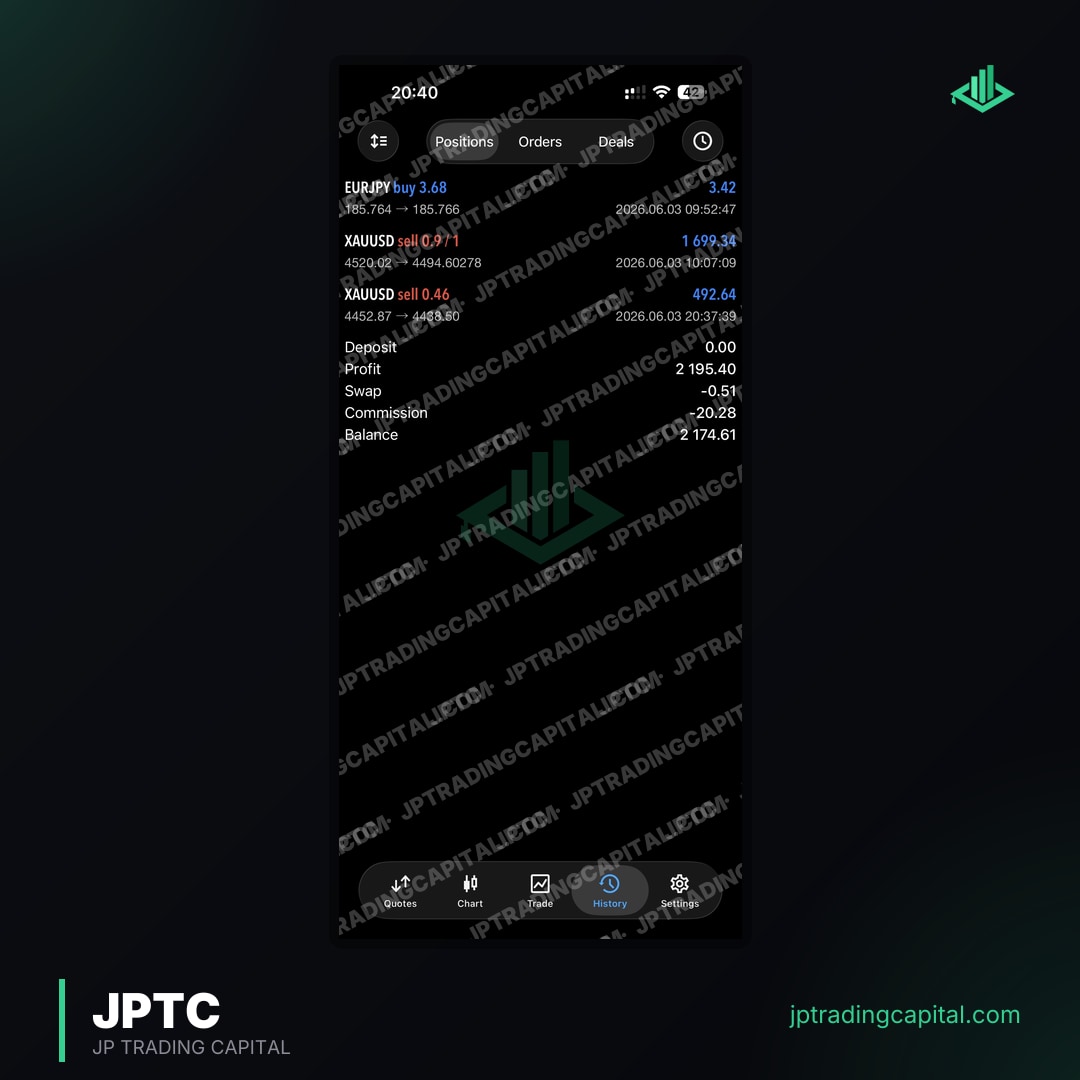
The JPTradingCapital team's analysis of EA performance across multiple prop firms shows that for strategies averaging 3-7 trades per day with hold times exceeding 2 hours, micro contracts actually improve risk-adjusted returns during evaluation phases. The flexibility to scale positions and survive drawdown rules outweighs the cost penalty. For reference, our verified live track record demonstrates how algorithmic systems manage position sizing across varying volatility regimes, a capability that micros enhance.
Liquidity and Execution Quality
Liquidity concerns are legitimate but often overstated. Standard contracts like ES, NQ, CL, and GC rank among the most liquid instruments globally, with average daily volumes exceeding 1-2 million contracts. Micro equivalents typically trade 200,000-400,000 contracts daily, lower in absolute terms but more than sufficient for retail and prop firm position sizes.
Execution quality degrades measurably only in three scenarios:
- Off-hours trading: Asian and early European sessions see micro contract spreads widen to 1-2 points versus 0.25-0.50 for standards. If your strategy trades exclusively during these windows, standards win.
- Large position blocks: Entering 200+ micro contracts simultaneously (equivalent to 20+ standard contracts) can move the market or result in partial fills. At that scale, you're operating outside typical prop firm evaluation sizes anyway.
- Exotic products: Newer micro contracts in metals (Micro Silver, Micro Platinum) or agricultural futures see lighter volume. Stick to established products (MES, MNQ, MYM, MCL) during evaluations.
For the 90% of prop traders operating within 5-50 contract positions during peak US trading hours (9:30 AM to 4:00 PM EST), micro contract liquidity is indistinguishable from standards in practical execution terms.
Strategy Fit: Which Approaches Favor Micro Contracts
Not all trading strategies benefit equally from micro contract sizing. The decision between micro contracts vs standard futures prop firm trading should align with your methodology, risk tolerance, and evaluation phase.
Strategies That Excel With Micro Contracts
Scaling and pyramiding: Adding to winning positions is a core technique for trend followers, but standard contracts make it risky during evaluations. With micros, you can enter 5 contracts initially, add 5 more on a favorable move, and scale to 20 contracts by the time a major trend is confirmed, all while maintaining stop losses that don't threaten daily limits.
Multi-strategy portfolios: Running simultaneous setups across multiple instruments or timeframes requires diversified position sizing. Micro contracts let you allocate 10 MES long, 8 MNQ short, and 5 MCL long without overexposing any single market, something impossible with standard contracts in a $50,000 account.
Mean-reversion and range trading: These strategies depend on holding through temporary adverse moves. Micro contracts reduce the psychological and rule-violation pressure of watching unrealized losses, letting the statistical edge play out over dozens or hundreds of trades.
Automated systems: EAs and algorithmic strategies programmed for prop firm rules benefit enormously from micro contract granularity. The JPTC EA Hub includes pre-configured risk modules that automatically scale position sizes to respect daily drawdown caps, functionality that works far more smoothly with micro contracts where adjustments can happen in 10% increments rather than 50% jumps forced by standard contract sizing.
Strategies That Favor Standard Contracts
Pure scalping: As noted earlier, extracting 2-4 ticks dozens of times per day makes spread and commission costs material. Experienced scalpers with tight risk control should use standard contracts to maximize net per-trade profitability.
One-shot directional trades: If your methodology involves taking a single high-conviction position per day based on overnight analysis or macro events, the flexibility advantage of micros disappears. You might as well pay the lower transaction cost of standard contracts.
Very large accounts: In $200,000+ evaluation accounts (less common but offered by firms like Apex Trader Funding), you have sufficient buffer to absorb standard contract volatility. At that scale, the 30-40% cost savings of standards often justifies the switch.
Hybrid Approaches: Combining Micro and Standard Contracts
Advanced traders increasingly use both contract types within a single strategy, leveraging the strengths of each. A common pattern:
- Core position in standard contracts: Establish your primary directional bias with 1-3 standard contracts, benefiting from tight spreads and lower per-unit costs.
- Scaling and hedging in micro contracts: Add micro contracts as the trade develops, using them to adjust exposure dynamically without disrupting the core position.
Example: You enter long with 2 ES contracts after identifying a bullish breakout. As the position moves favorably and you want to lock in partial profits without fully exiting, you add 10 short MES contracts as a dynamic hedge, equivalent to reducing your exposure by 1 ES contract but maintaining the potential for both legs to profit if the market whipsaws. This nuanced risk management is difficult or impossible using only one contract size.
Another hybrid pattern involves using micro contracts during the early days of an evaluation, when you're establishing your rhythm and learning the platform's quirks, then switching to standards once you've built a cushion above the profit target. This approach front-loads risk mitigation when you're most vulnerable, then optimizes costs once survival risk is lower.
Firm-Specific Considerations
Different prop firms structure their rules in ways that favor one contract type or the other, even when both are technically allowed. Understanding these nuances helps optimize your approach to micro contracts vs standard futures prop firm evaluations.
FTMO and FundedNext
Both firms primarily serve forex traders but increasingly accommodate futures traders. Their daily drawdown rules (5% at FTMO, 5% at FundedNext) and profit targets (10% Phase 1, 5% Phase 2 at FTMO) suit micro contract strategies well. The consistency rules, requiring that no single day contributes more than 40-50% of total profit, actively reward diversified, small-win approaches that micros enable.
TopStep and Apex
These futures-focused firms offer evaluation accounts designed around CME products. TopStep explicitly markets its programs to micro contract traders, with starter accounts sized for 5-15 micro contracts comfortably within daily loss limits. Apex structures its challenges similarly. Both firms benefit from the active trading that micro contracts encourage, more volume means more data on trader skill, which aligns with their business model of identifying genuinely profitable traders rather than lucky ones.
Firms With Minimum Trading Day Requirements
Some firms require 10-15 active trading days to pass Phase 1. Micro contracts make it safer to meet these minimums without forcing trades. You can take smaller, lower-conviction positions on slow days to satisfy activity rules while reserving larger positions for high-probability setups, something harder to execute with standard contracts where every trade materially impacts your risk budget.
Practical Implementation Tips
If you're leaning toward micro contracts for your next prop firm challenge, here are tactical recommendations from traders who've successfully passed using this approach:
Start with 1:1 notional matching: Don't overtrade just because you can. If you'd normally trade 3 ES contracts, start with 30 MES contracts, exact notional equivalence, then adjust based on experience. Many traders initially overleverage micros, negating the risk benefits.
Use bracket orders religiously: The flexibility of micro contracts tempts wider stops because individual tick losses are smaller. Resist this. Tighter stops with more contracts often outperform wide stops with fewer contracts, especially during evaluation phases where max drawdown matters more than any single trade outcome.
Test during sim before evaluation: Most platforms let you trade micro contracts in simulation. Spend 1-2 weeks paper trading your strategy with micros to calibrate order execution, adjust for spread costs, and practice the mental shift of managing 10-20 positions instead of 2-3.
Combine with algorithmic tools when possible: Manual management of 15+ micro contract positions can become cognitively overwhelming during fast markets. The JPTC EA Hub automates position sizing, stop loss adjustments, and partial profit-taking across multiple contracts, letting you focus on strategy rather than execution mechanics. Our tools are specifically backtested against prop firm daily drawdown rules, ensuring the automation doesn't inadvertently trigger violations during volatile sessions.
Monitor cumulative commissions: Set a mental or actual alert if commission costs exceed 1% of account equity in a single day. At that threshold, you're likely overtrading or should consider switching to standards for larger core positions.
Common Mistakes to Avoid
The flexibility of micro contracts creates specific traps that derail traders who don't adjust their mental models:
Position size creep: The low per-contract risk lures traders into gradually increasing position sizes. You start the week with 10 MES contracts, feel comfortable, scale to 15, then 20, then 30, until a single adverse move triggers a violation. Set a max position size on Day 1 and enforce it with pre-trade checklists.
Ignoring spread percentage: A $2.50 spread on MES feels trivial compared to the $12.50 spread on ES, but as a percentage of per-tick profit, it's double. Calculate breakeven as a percentage, not absolute dollars: if you need 1 tick to break even on ES but 2 ticks on 10 MES, your directional edge must be stronger to compensate.
Overcomplicating exit strategies: Partial exits across 20 micro contracts can become decision paralysis. Predefine simple rules: "Exit 50% at 10 points profit, trail remaining 50%" is easier to execute than trying to read market nuances across a dozen contracts in real-time.
Neglecting to scale back after passing: Micro contracts are often optimal for evaluation risk management but suboptimal for long-term funded trading. Once you pass and receive a funded account, reassess whether standards offer better cost efficiency for your now-proven strategy. Some traders permanently adopt micros; others use them solely as an evaluation tool.
Frequently Asked Questions
Can I mix micro and standard contracts in the same prop firm account?
Yes, most prop firms allow both contract types within a single evaluation account, provided you're trading permitted instruments. The firm's platform calculates margin and daily loss limits across all open positions regardless of contract size. However, confirm with your specific firm's rules, some smaller firms restrict traders to predefined instrument lists that may exclude certain futures products. Mixing contract types works well for advanced strategies but adds complexity to position tracking, so ensure your platform and risk management tools handle multi-size portfolios correctly.
Do micro contracts affect my profit target timeline in prop firm challenges?
Indirectly, yes. The profit targets are identical whether you use micro or standard contracts, a 10% target on a $50,000 account requires $5,000 profit either way. However, micro contracts' lower per-trade volatility often extends the timeline to target because you're capturing smaller absolute dollar moves per position. A 30-point ES move nets $1,500 per contract; the equivalent in 10 MES contracts also nets $1,500, but psychologically and tactically, traders using micros tend to scale positions more gradually, which can slow profit accumulation. Plan for micro contract strategies to take 10-20% longer to hit targets, offset by meaningfully lower failure rates due to drawdown violations.
Are there any prop firms that don't allow micro contracts?
Some forex-focused firms like FTMO and The5ers historically restricted accounts to currency pairs, indices CFDs, and commodities CFDs, excluding direct futures trading entirely. However, as of 2024-2025, most major firms expanded their permitted instruments to include CME micro futures due to trader demand. Always verify the current instrument list on your chosen firm's rules page before starting an evaluation. Futures-native firms like TopStep, Apex, and Earn2Trade permit all standard CME micro products without restriction.
How do I calculate position size equivalence between micro and standard contracts?
For CME products, the ratio is exactly 10:1. One E-mini S&P 500 (ES) contract equals ten Micro E-mini S&P 500 (MES) contracts in notional value. One Crude Oil (CL) contract equals ten Micro Crude Oil (MCL) contracts. To maintain identical dollar risk, multiply your standard contract count by ten when switching to micros. If your plan calls for 3 ES contracts, use 30 MES contracts for the same exposure. This ratio holds for P&L as well: a 1-point move in ES ($50 profit/loss per contract) equals a 1-point move across 10 MES contracts ($5 each, totaling $50). The math is straightforward but requires discipline, traders often drift from 10:1 equivalence without realizing it.
Should I use micro contracts if I'm planning to trade prop firm accounts long-term after passing?
It depends on your long-term strategy and account size. Micro contracts excel during evaluation phases when drawdown rules are strictest and survival matters most. Once funded, reassess based on your trading frequency and position sizes. If you're a swing trader taking 2-5 trades per week with multi-day holds, the spread cost disadvantage of micros is negligible, and the continued flexibility may justify keeping them. If you're an active intraday trader taking 15-30 trades daily, switching to standard contracts post-funding will meaningfully improve net profitability. Many successful funded traders use micros through Phase 1 and Phase 2, then transition 70-80% of their capital to standards while keeping 20-30% in micros for tactical adjustments.
Final Recommendation: Which Contract Type to Choose
For the majority of traders facing micro contracts vs standard futures prop firm evaluations, micro contracts offer superior risk-adjusted odds of passing Phase 1 and Phase 2. The flexibility to scale positions, survive volatility, and adjust exposure dynamically aligns with the asymmetric risk structure of prop firm challenges where a single bad day ends weeks of progress.
Use standard contracts if:
- You're an experienced scalper with proven tight risk control and high win rates
- Your strategy involves 1-3 high-conviction trades per day with no need for position scaling
- You're trading a $150,000+ evaluation account where buffer size absorbs standard contract volatility
- You've already passed Phase 1 with micros and are optimizing costs in Phase 2 or funded trading
Use micro contracts if:
- This is your first or second prop firm attempt and drawdown violations have ended previous challenges
- Your strategy involves scaling into positions, running multiple setups, or mean-reversion approaches
- You're using automated trading systems that benefit from granular position size adjustments
- You're trading accounts under $100,000 where daily loss limits are tight relative to standard contract volatility
The question isn't which contract type is objectively 'better', it's which matches your methodology, risk tolerance, and current skill level. Traders working with tools like the JPTC EA Hub often find that micro contracts integrate more smoothly with algorithmic risk management systems designed around prop firm rules, since the software can make fine-grained adjustments in real-time as market conditions shift.
Ultimately, your contract choice should emerge from testing, not theory. Allocate two weeks to sim trading your strategy with both contract types, track performance metrics including max drawdown percentage, average win size, and psychological comfort during losing streaks. The data will clarify which approach suits your specific edge. And if you're targeting multiple prop firms, consider that the JPTC affiliate program helps offset evaluation costs by earning commission when other traders use the tools that helped you pass, a practical way to fund additional challenge attempts while refining your micro vs standard contract strategy across different firm rule sets.
Related Articles
- Apex Trader Funding vs TopStep: Which Futures Prop Firm Is Best in 2026? · Read more →
- How to Choose the Right Prop Firm in 2026: Complete Selection Guide · Read more →
- Can a Trading Bot Pass Gold EA Prop Firm Challenges? · Read more →
- Prop Firm Trading Without Leverage Restrictions: How to Scale Safely in 2026 · Read more →
- Is Prop Firm Trading Worth It? Honest Review (2026 Data) · Read more →
- Trade Copier Explained: The Ultimate Guide for Prop Firm Traders in 2024 · Read more →
- Trade Copier Explained: Automate Your Prop Firm Accounts · Read more →
- How to Trade Gold During Economic Data Releases · Read more →
Futures Challenge Preparation
Software, reviewed setfiles, a written risk plan and community access built around common evaluation rules. No software can guarantee a pass.
Get Started