Prop Firm Copy Trading: Scale Your Funded Accounts

Prop Firm Copy Trading: Scale Your Funded Accounts Effectively
Prop firm copy trading is a strategy that enables traders to duplicate their trades, or the trades of a master account, across multiple prop firm accounts simultaneously. For traders seeking to scale their funded capital, diversify risk, or simply manage several accounts with greater efficiency, this approach offers significant advantages. However, navigating the specific rules and technical requirements of various prop firms is crucial for success.
What is Prop Firm Copy Trading and Why Do Traders Use It?
Prop firm copy trading involves using specialized software, known as a trade copier, to replicate trading activity from one primary (master) account to one or more secondary (slave) accounts. This means every entry, exit, stop loss, and take profit placed on the master account is automatically mirrored on the connected slave accounts, often with customizable lot sizes or risk parameters.
Traders employ prop firm copy trading for several key reasons:
- Scaling Capital: Once a profitable strategy or Expert Advisor (EA) is proven on one funded account, copy trading allows traders to apply that success across multiple accounts, significantly increasing their total active capital and potential profit.
- Efficiency: Instead of manually executing trades on each account, a copier automates the process, saving valuable time and reducing the chance of manual errors across a portfolio of accounts.
- Diversification: By operating multiple accounts, traders can spread their risk across different prop firms, each with its own specific rules, payout structures, or even underlying brokers. This can mitigate the impact of issues with a single firm.
- Managing Multiple Challenges: For traders who have passed or are in the process of passing several prop firm challenges, copy trading provides a streamlined way to manage all those accounts from a single trading terminal.
Navigating Prop Firm Rules with Copy Trading
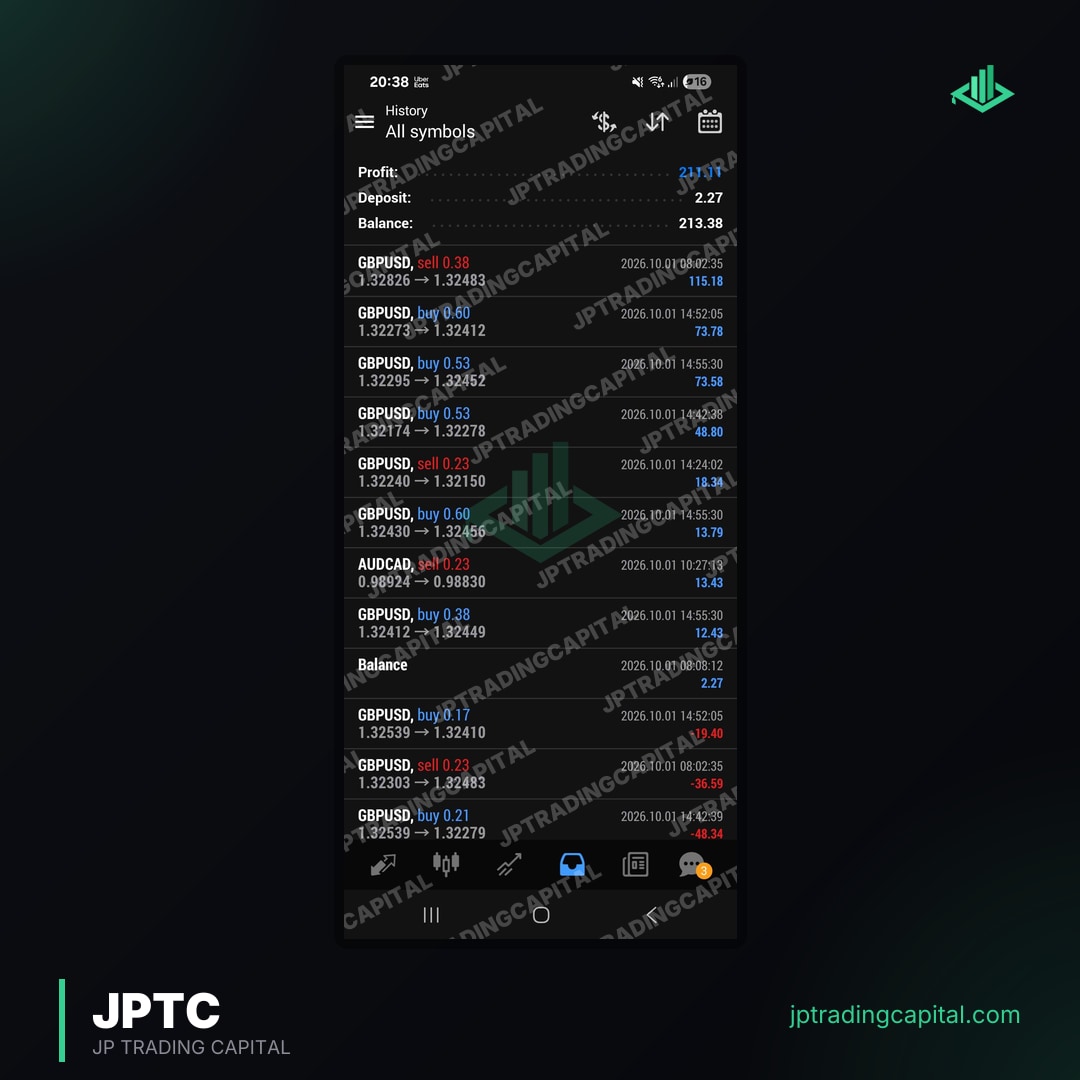
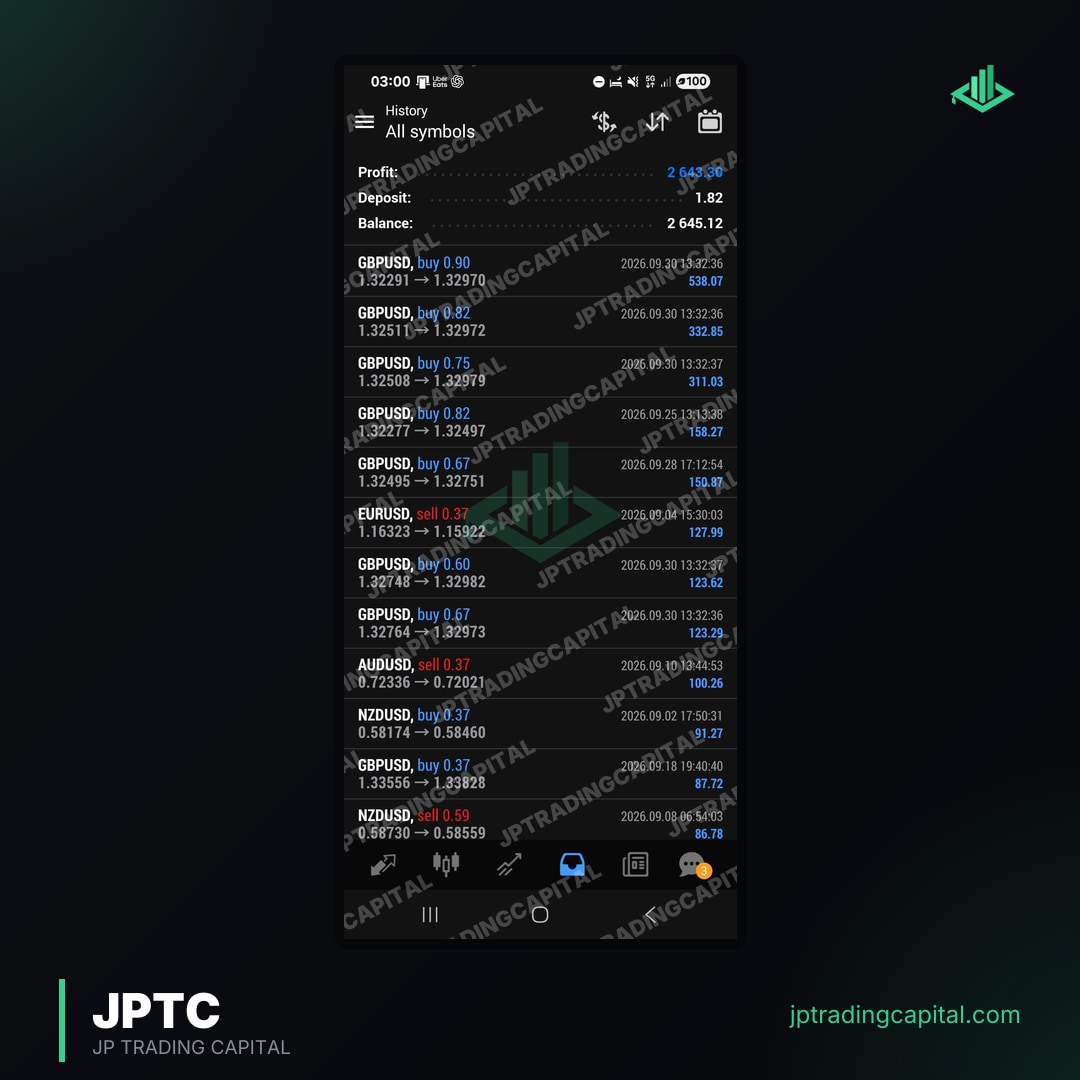
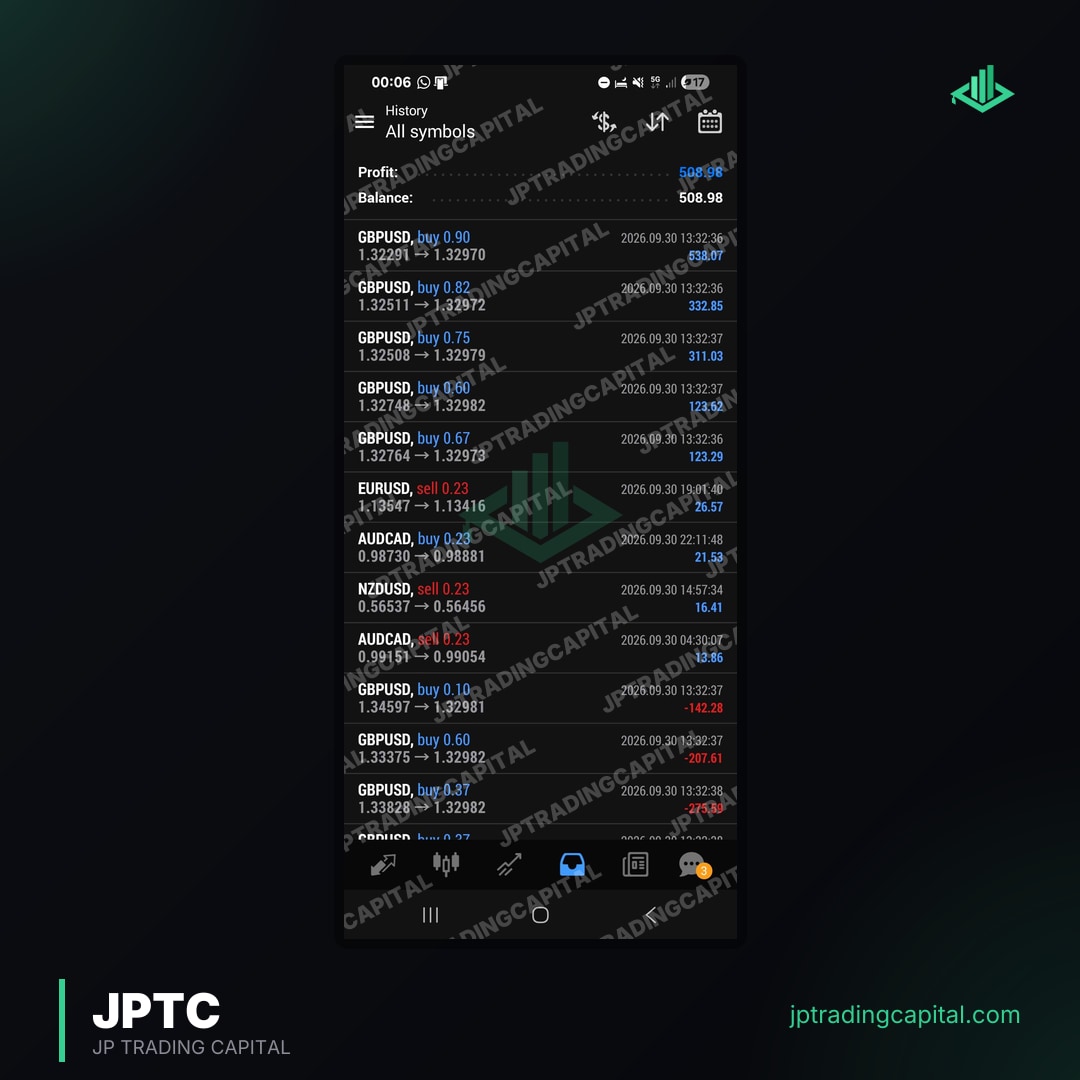
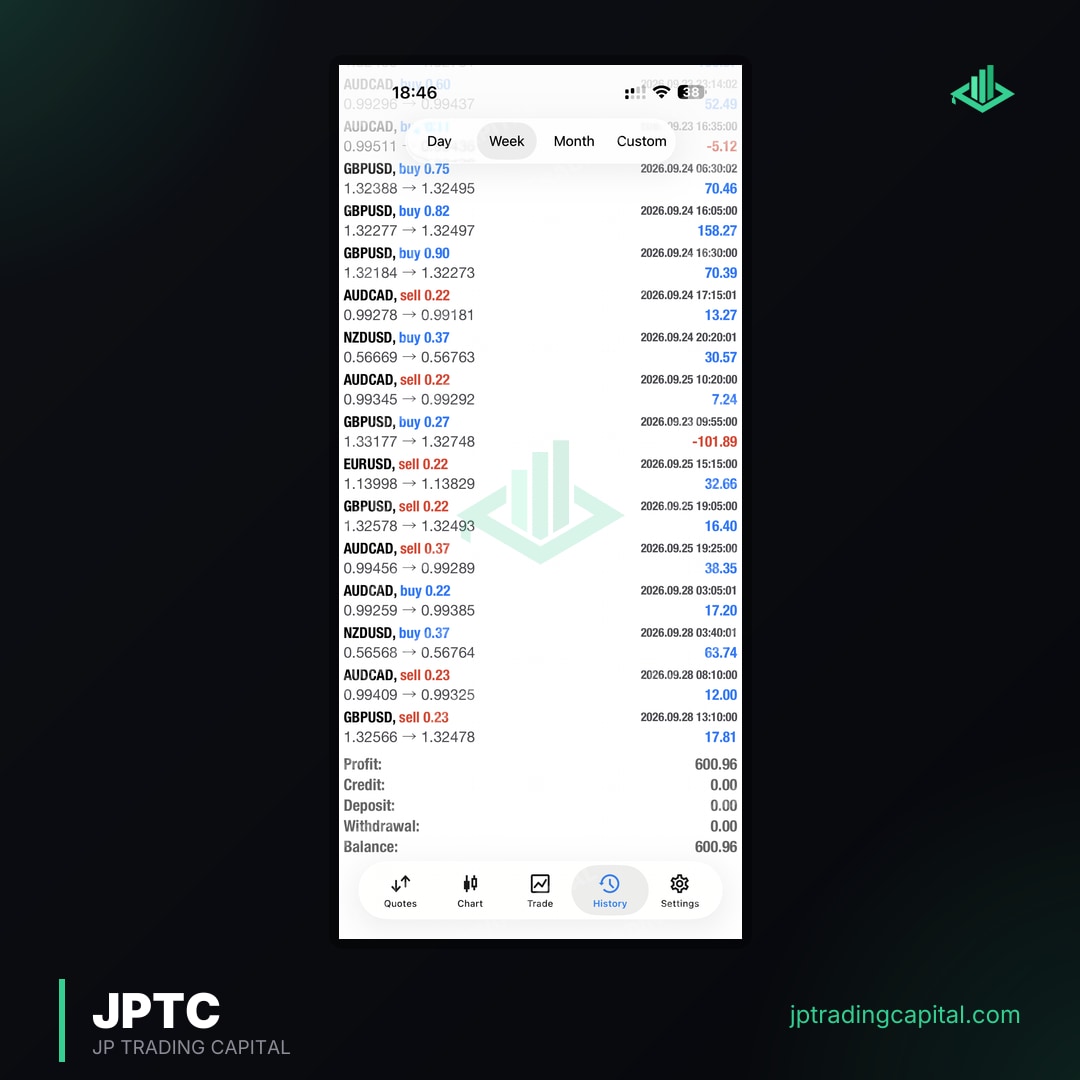
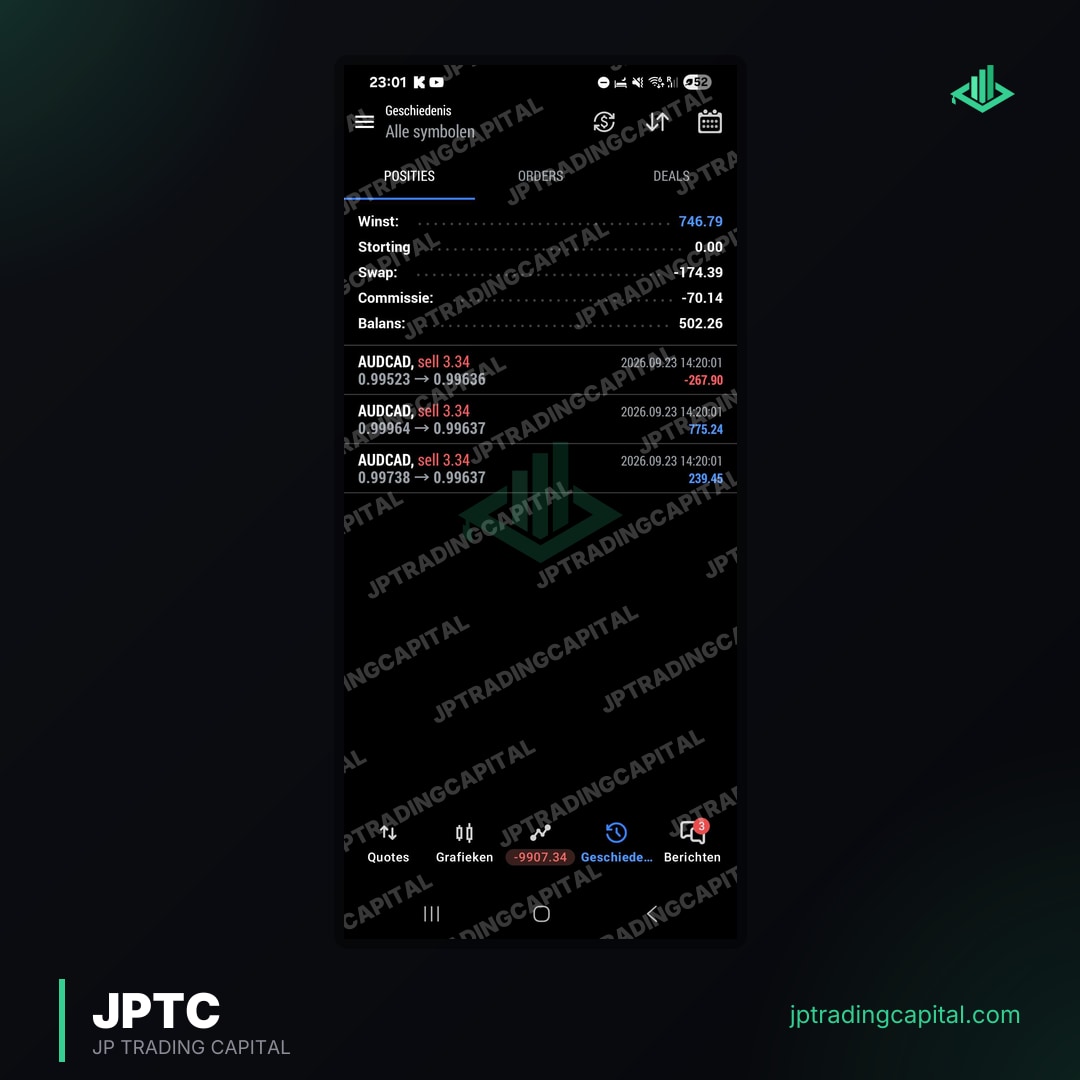
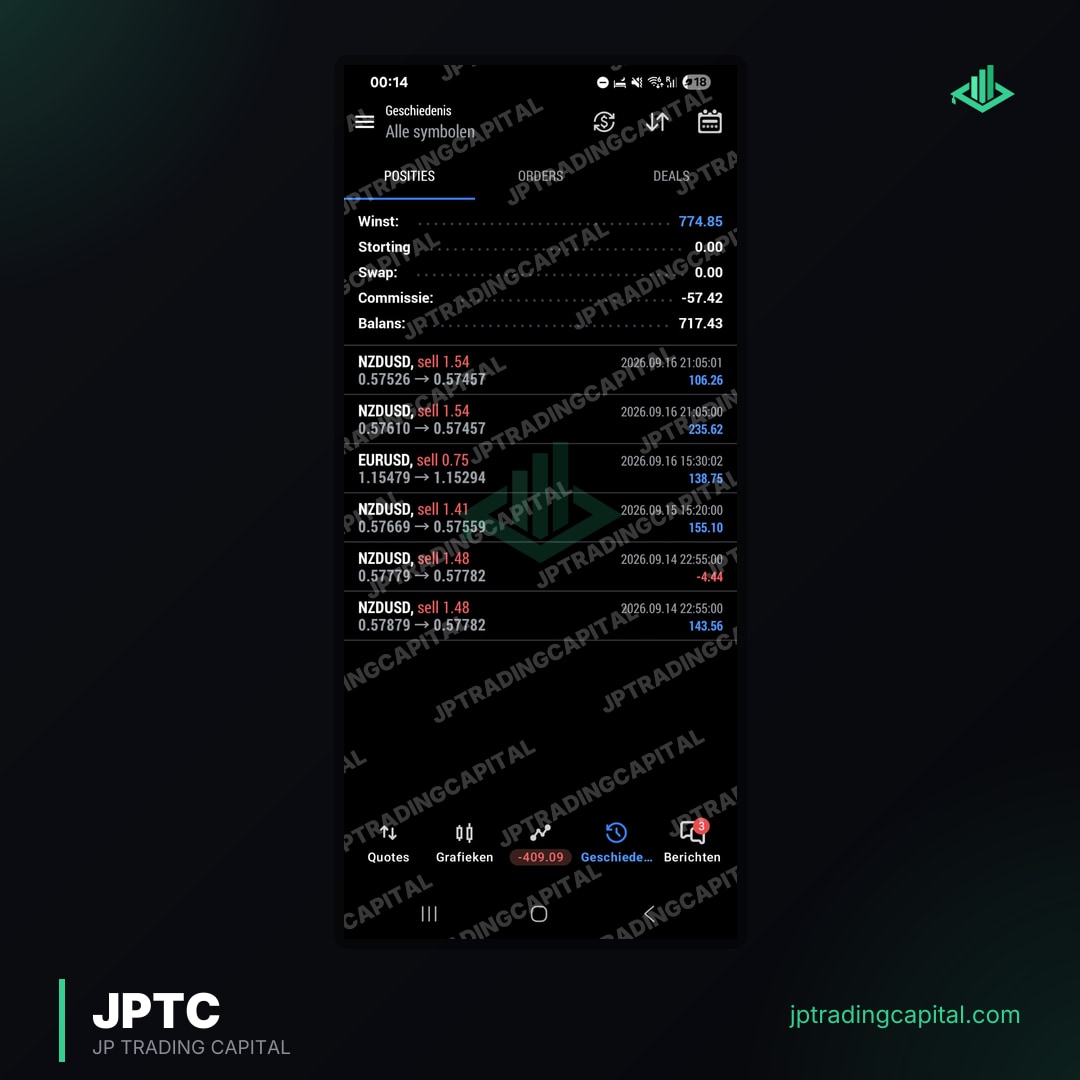
One of the most critical aspects of prop firm copy trading is ensuring compliance with each firm's specific rules. While trade copiers offer efficiency, they don't inherently guarantee rule adherence. Prop firms enforce strict regulations regarding daily loss limits, maximum drawdown, and consistency rules, which can vary significantly.
When copy trading, a single trade on your master account is replicated. If that trade causes a large loss, it will be replicated across all slave accounts. This means a single losing streak could trigger daily loss or maximum drawdown breaches on multiple accounts simultaneously. Consistency rules, which often require a minimum number of trading days or limits on single-trade profit percentages, also need careful consideration.
Our JPTC EA Hub is designed specifically to respect these prop firm rules. While the EA Hub is an Expert Advisor you run on your own MT4/MT5 terminal, not a copier itself, it generates trades that inherently comply with common prop firm parameters for daily loss, max drawdown, and consistency. If you use such an EA as your master strategy, it provides a strong foundation for a compliant copy trading setup. Always review the specific rules of each prop firm you're trading with, such as FTMO's general rules or FundedNext's policies, to ensure your overall strategy remains compliant.
Choosing the Right Trade Copier for Prop Firms
Selecting an appropriate trade copier is essential for a smooth and reliable prop firm copy trading experience. There are generally two types of copiers:
- Local Copiers: These run directly on your MetaTrader 4 (MT4) or MetaTrader 5 (MT5) terminal. They are suitable for copying trades between accounts on the same terminal or across different terminals on the same computer, often requiring a Virtual Private Server (VPS) for 24/7 operation.
- Remote/Server-Based Copiers: These solutions operate via an external server, allowing trades to be copied between accounts on different terminals, different computers, or even different geographical locations without requiring your local terminal to be constantly running.
When evaluating trade copiers, consider these key features:
- Speed and Reliability: Trades must be copied almost instantaneously to avoid significant slippage across accounts.
- Customization: Look for options to adjust lot multipliers, risk percentages, or specific trade filters for each slave account. This is crucial for managing diverse account sizes or risk tolerances.
- MT4/MT5 Compatibility: Ensure the copier supports the MetaTrader version used by your prop firms.
- Ease of Setup and Use: A user-friendly interface and clear instructions will save time and reduce errors.
- Support: Reliable customer support can be invaluable if you encounter technical issues.
While JPTradingCapital does not sell a trade copier, our products can be the source of profitable trades for your copy trading setup. For example, the JPTC EA Hub generates trades that can be used on a master account, which you then replicate.
Setting Up Your Prop Firm Copy Trading System
A successful copy trading setup requires careful planning and execution. Here are the general steps:
- Select Your Master Account: This will be the account where your primary trading strategy (manual or automated) is executed. Ensure it's with a prop firm that allows EAs and copy trading if you plan to use them.
- Choose Your Slave Accounts: These are the prop firm accounts where trades will be replicated. Confirm that each firm's rules permit external trade copying.
- Install and Configure Your Trade Copier: Follow the copier provider's instructions for installation on your MT4/MT5 terminals. This often involves attaching an Expert Advisor to the master account and another to each slave account.
- Set Risk Parameters: Crucially, configure the lot size multiplier or risk percentage for each slave account. For example, if your master account is a $100,000 challenge and a slave account is $200,000, you might set a 2.0x lot multiplier on the slave.
- Consider a VPS: For local copiers, a Virtual Private Server (VPS) is highly recommended. It ensures your MetaTrader terminals run 24/7 with minimal latency, preventing missed trades due to internet outages or computer shutdowns.
- Monitor and Adjust: Regularly monitor all accounts to ensure trades are copying correctly and that all accounts remain within their respective prop firm's rules.
The Critical Role of Risk Management in Multi-Account Trading
When copy trading, you're not just scaling trades; you're scaling risk. A common mistake is to simply replicate lot sizes without adjusting for the specific daily loss and maximum drawdown limits of each individual prop firm account. For example, if your master account has a $10,000 daily loss limit and you copy to a slave account with only a $5,000 daily loss limit at the same lot size, the slave account will hit its limit much faster.
Our advice is to use the copier's risk management features to set appropriate lot sizes or risk percentages for each slave account relative to its capital and rules. If one account hits its daily loss limit, it's often wise to pause copying to that specific account until the next trading day, rather than risking a full breach.
Beyond Copy Trading: Integrated Solutions for Prop Firm Success
While trade copiers are powerful tools, they are just one component of a comprehensive strategy for prop firm success. JPTradingCapital offers integrated solutions that can either complement your copy trading setup or provide alternative paths to achieving your funded account goals.
- JPTC EA Hub: Your Strategy Source. The JPTC EA Hub provides MT4/MT5 Expert Advisor licenses with backtested setfiles specifically designed to respect prop firm rules like daily loss, max drawdown, and consistency. Instead of relying on a manual strategy or an unproven EA, you can use the JPTC EA Hub on your master account. The reliable, compliant trades generated by our EAs can then be the perfect source for your copy trading system, allowing you to scale a proven, rule-abiding strategy across multiple funded accounts.
- Prop-Firm Challenge Passing Service: Get Funded First. If passing prop firm evaluations is your primary hurdle, our prop-firm challenge passing service can help. We pass a forex challenge bought in your own name, allowing you to secure a funded account without the stress of the evaluation phase. Once you have a funded account, you can then choose to use it as a master account for copy trading, replicating its successful trades to other accounts you acquire.
- Free VIP Forex and Gold Signals: Diversify Your Trading. For traders looking for additional strategies or diversification, our free VIP forex and gold signals are copied directly onto your own account through a partner broker. While not a copier in the traditional sense, these signals provide a ready-made stream of trading opportunities. You could potentially use an account receiving these signals as a master account (if your chosen prop firm allows external signals) or simply use them to diversify your trading portfolio outside of your prop firm activities. Get the free VIP signals.
- JPTC Live Algo: Hosted Automated Trading. For those with their own capital outside of prop firms, the JPTC Live Algo offers a hosted automated trading solution. You install nothing, and need no VPS; we host the algo on your own broker account. While not for prop firms directly, it demonstrates our expertise in automated, results-driven trading that can free you from the complexities of managing terminals and software.
The Strategic Advantage of Diversifying Your Prop Firm Portfolio
Beyond simply scaling capital, copy trading allows for strategic diversification across your prop firm portfolio. Different prop firms may have varying rules regarding news trading, weekend holding, or specific asset classes. By having accounts with multiple firms, you can:
- Optimise for Specific Rules: If one firm is more lenient on news trading, you might allocate a specific strategy or copy trades during high-impact news events to that account, while keeping other accounts with stricter rules clear.
- Mitigate Firm-Specific Risk: Relying on a single prop firm carries the risk of policy changes, technical issues, or even business model changes. Diversifying across several reputable firms reduces this concentration risk.
- Maximise Total Capital: Each prop firm typically has a maximum allocation per trader. By qualifying for and managing accounts with multiple firms, you can significantly increase your total funded capital beyond what a single firm offers.
Prop firm copy trading is a powerful tool for scaling your trading operations, but it demands a strategic approach to rule compliance and risk management. By understanding its nuances and integrating it with reliable solutions like the JPTC EA Hub or our challenge passing service, you can significantly enhance your path to consistent success in the prop trading world.
Related Articles
- Intraday Trading Signals: Your Guide to Actionable Insights · Read more →
- Best EA New York: Prop Firm Trading Solutions · Read more →
- Copy Trade Forex: Hosted Algos, EAs, and Signals for Traders · Read more →
- Gold Buy Sell Signals: How They Work for XAUUSD Traders · Read more →
- Best AI Forex Trading Bot With High Accuracy · Read more →
- Choosing Forex Copy Trading Software for Automated Results · Read more →
- Forex Signals Service: What to Expect · Read more →
- Trading Bot Hosting: What You Need to Know · Read more →
The EA built for prop firm rules
Daily drawdown guard, hard max-loss stop, consistency-aware pacing and a news pause, on MT4 and MT5. One-time €797, no monthly fee. If you would rather not run the evaluation yourself, we run it for you.
See the EA Hub