Prop Firm Trading Bot: 7 Questions to Ask Before You Buy One
Material update: Site-wide prohibited-phrase cleanup applied on 2026-08-23; editorial review status was not changed. 15 October 2026: Additional own-results verification/audit wording corrected to company-published broker-statement scope.

A prop firm trading bot is an automated Expert Advisor (EA) designed specifically to trade within proprietary firm rules, daily drawdown caps, maximum loss limits, and consistency requirements. Before investing in one, you need to ask the right questions about backtesting, compliance, and real performance.
- Most prop firm EAs fail because they ignore drawdown rules built into accounts
- Backtesting without stress-testing rarely predicts real prop firm performance
- Price alone doesn't guarantee compliance; a $50 EA can outperform a $500 one
- Check whether reported results come from account records or backtests, and whether their source and measurement period are stated.
- Regulatory compliance and strategy transparency matter more than marketing claims
Why the Right Questions Matter for Prop Firm Traders
When you're running a prop firm trading bot, the stakes are different from retail trading. You're not just trying to make money, you're trying to pass an evaluation or maintain a funded account without hitting drawdown limits. A bot that works fine in backtests can blow up a live account in hours if it doesn't respect the rules.
Too many traders buy trading bots without asking the hard questions, only to lose their challenge fee or funded account within days. The problem isn't always the EA itself; it's misalignment between what the bot was designed to do and what the prop firm actually allows.
This article walks through seven critical questions that separate legitimate EAs for prop firms from the rest, and gives you a framework for vetting any trading bot before you spend a single dollar.
Question 1: Does This Bot Respect Your Prop Firm's Daily Drawdown Rules?
Every prop firm has a daily drawdown limit. FTMO caps daily loss at 5% of account size. FundedNext allows up to 5% as well, but some firms like TopStep are stricter at 3%. If your prop firm trading bot doesn't know these numbers, it will blow your account.
Here's what to ask:
- Does the EA have built-in drawdown monitoring that pauses trading once daily loss hits the limit?
- Is this configurable for your specific firm's rules?
- Does the bot close trades at the end of the day to reset, or does it carry positions overnight?
- What happens if you're $100 away from the daily limit and a market shock hits? Does it stay flat?
If the seller can't answer these questions in writing, move on. A legitimate EA for prop firms should have documented drawdown logic, not "we recommend manual oversight." That's code for "we didn't build this in."
The JPTC EA Hub, for example, comes pre-configured with daily drawdown caps that auto-disable trading once the threshold is hit. This is table stakes for prop firm bots, not a luxury feature.
Question 2: What's the Actual Backtesting Methodology?
Backtesting data is easy to fake. You can curve-fit a strategy to 10 years of historical data and see 200% annual returns, then watch it lose 50% in the first week on a live account. This is why buying a trading bot requires you to understand *how* it was tested.
Ask for specifics:
- Date range: How many years of data? (5+ years is standard; 2-3 is a red flag)
- Market conditions: Did it test through bull markets, bear markets, ranging markets, and high-volatility periods like March 2020 or March 2023?
- Spread assumptions: What spreads did the backtest assume? Real prop firm spreads vary (FTMO averages 0.8 to 1.2 pips on EURUSD; some brokers go higher)
- Slippage: Were realistic slippage costs built in, or was this an idealized backtest?
- Out-of-sample testing: Was part of the data held back and tested on data the bot never "saw" during optimization?
Red flags: If the seller shows you a backtest report with 99% win rate, perfect equity curve, and zero drawdown, it's curve-fit to historical data. If they won't show you the backtest at all, they don't have one.
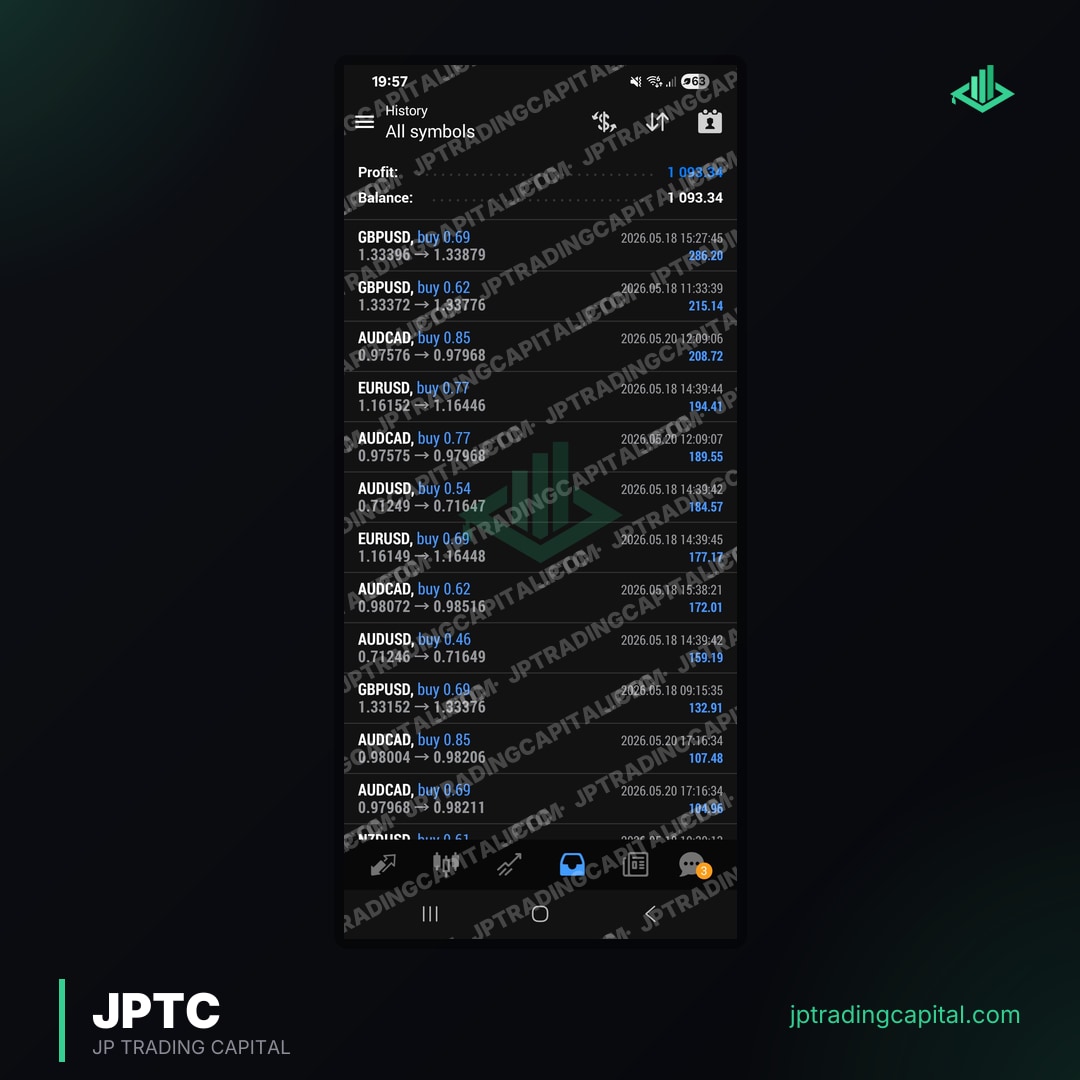
When vetting a forex EA, ask for the original MT4/MT5 backtest report files. Legitimate sellers will provide these without hesitation. Check the original account data, reporting period, drawdowns and test conditions.
Question 3: Is There Live Account Data, and Is It Verified?
Backtesting is not live trading. Market conditions, execution speed, and emotional discipline change everything when personal capital is on the line.
For a prop firm trading bot, you need to see live account proof. Here's what to ask:
- Can you see the full account history, including the drawdowns?
- How long has the bot been running live? (Less than 3 months is not enough data)
- On what account types? (Prop firm accounts, retail accounts, or both?)
- What's the account equity, starting balance, and current drawdown?
- Are the results from a single account or aggregated across multiple accounts? (Aggregate numbers hide underperformance)
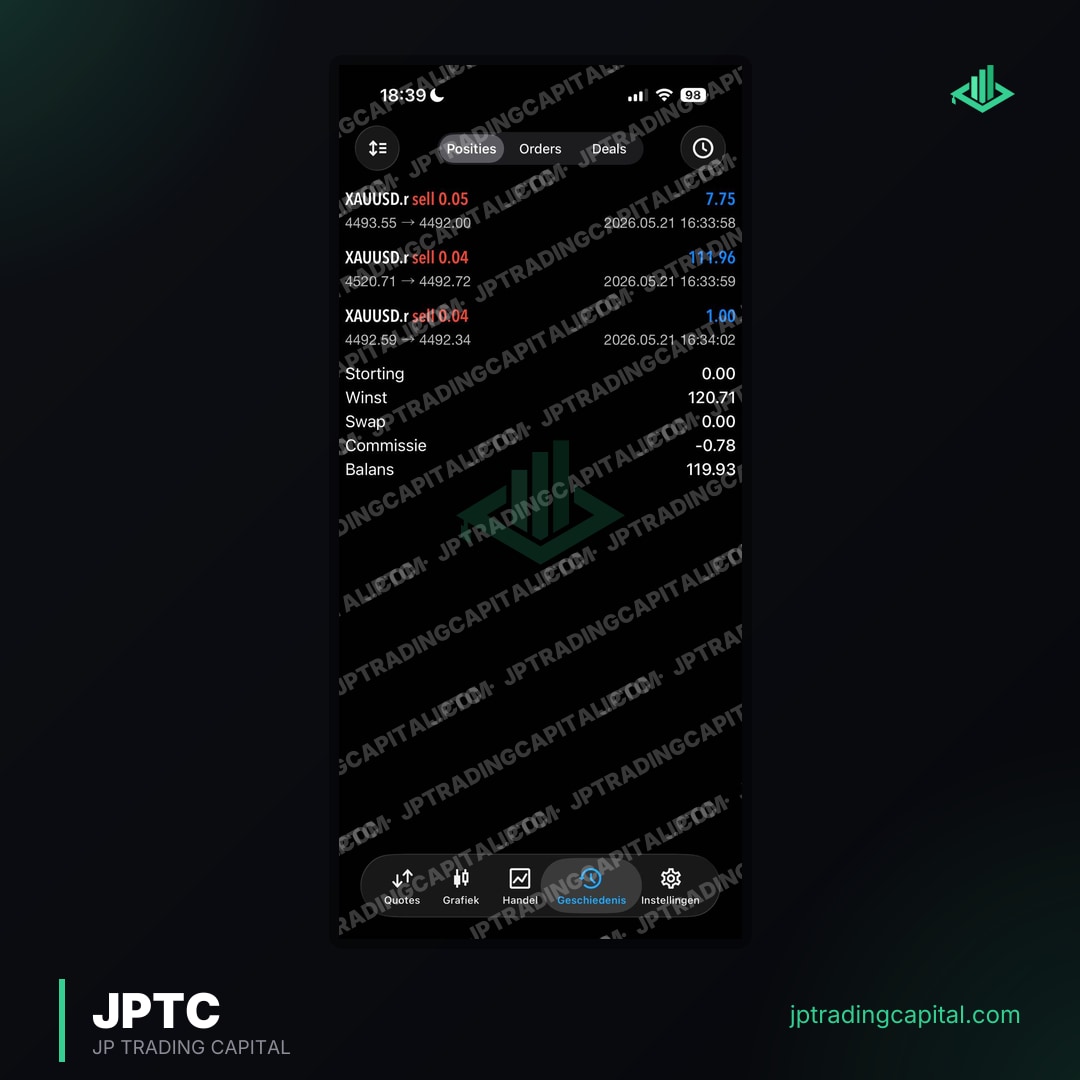
Many EAs sold online either lack verified broker-statement results or show results only from simulated or forward-tested accounts. This is massive red flag territory.
A seller who refuses to show live proof is betting you won't ask. Don't be that buyer.
Question 4: What's the Monthly Cost, and Are There Hidden Fees?
Buying a trading bot isn't just about the upfront price. Some EAs charge subscription fees, recurring licensing costs, or require you to buy signals from a specific provider.
Break down the full cost picture:
- One-time purchase: Do you own it forever, or is it a license with an expiration date?
- Monthly subscription: If yes, what if you stop using it? Can you pause without losing the license?
- Signal costs: Some bots require you to subscribe to a signal provider. That's an additional cost, often $50 to $300/month
- Broker requirements: Do you have to use a specific broker to run this bot? Some sellers get kickbacks, which can inflate spreads
- Support and updates: Are updates free, or do you pay extra for new versions?
- Refund policy: What's the guarantee period? 30 days is standard; anything less is suspicious
A $99 one-time EA can be better value than a $30/month subscription bot, especially if you're testing multiple strategies on multiple prop firm accounts. Calculate the total cost over 12 months and compare.
Question 5: What's the Strategy Logic, and Can You Customize It?
A black-box EA, one that doesn't tell you how it trades, is impossible to vet. You can't judge risk, you can't optimize for your prop firm's rules, and you can't debug problems when they arise.
When vetting a forex EA, ask:
- Will the seller describe the core strategy? (Not every detail, but the general approach: trend-following, mean reversion, scalping, etc.)
- Can you adjust key parameters like position size, lot scaling, take-profit, and stop-loss?
- Can you turn specific strategies on or off? (E.g., "I want the trend strategy but not the news scalper")
- Are there prop firm preset configurations? (E.g., "FTMO Mode," "TopStep Mode")
- Is the source code available for customization, or is it compiled and locked?
Ideally, you want a bot with transparency and flexibility. The JPTC EA Hub, for instance, comes with backtested strategy modules pre-configured for FTMO, FundedNext, The5ers, and other major firms. You can enable or disable strategies based on your account and rules.
If a seller says "you can't modify it, just use it as-is," that's a sign they're more interested in your money than your success.
Question 6: What's the Win Rate, and Does It Matter?
This might surprise you, but win rate is not the most important metric for a prop firm trading bot. A 40% win rate with a 3:1 risk-reward ratio beats a 70% win rate with a 1:1 ratio.
Ask about:
- Profit factor: (Gross profit ÷ Gross loss). Anything above 1.3 is solid; above 1.5 is excellent
- Sharpe ratio: (Average return ÷ Standard deviation). Above 1.0 is good; above 2.0 is very good. This shows risk-adjusted returns
- Maximum drawdown: The largest peak-to-trough loss. For prop firms, keep this under 30% on backtests
- Average trade duration: Is it a scalper (seconds to minutes), swing trader (hours to days), or position trader (days to weeks)? Different styles suit different prop firm time limits
- Monthly consistency: Did the bot make money every single month, or were there losing months? Prop firms value consistent, smaller gains over volatile boom-bust cycles
A bot with a 45% win rate, 1.8 profit factor, and 15% drawdown over 5 years is more trustworthy than one claiming 95% accuracy with cherry-picked data.
Question 7: What Happens If the Market Environment Changes?
Strategy decay is real. A bot optimized for 2022's choppy, ranging market might fail in 2024's trend-heavy environment. The forex market isn't static, and neither should your bot be.
Ask:
- Has the bot been updated recently? (If the last update was 2021, that's a problem)
- Does the seller adapt strategies based on current market conditions, or is it "set it and forget it"?
- What does the backtest look like in the last 6 months? Is it consistent with longer-term results, or degrading?
- Are there multiple strategies inside the bot, or just one? (Multiple strategies weather market changes better)
- Does the bot have portfolio diversification, or does it trade one pair/timeframe?
The best EAs for prop firms combine multiple proven strategies and adjust to market regimes. This is why the JPTC EA Hub includes multiple pre-backtested modules that work across different market conditions, you're not betting your account on a single idea.
Red Flags: What to Avoid When Buying a Prop Firm Trading Bot
Before you make a purchase, here are warning signs that a bot isn't worth your money:
- Promises of "promised profits" or "10% monthly returns." No bot guarantees anything. Markets are uncertain by definition
- Seller won't show live account proof or backtests. Transparency is non-negotiable
- Bot doesn't mention prop firm rules at all. If drawdown limits, daily loss caps, and consistent gains aren't discussed, the bot wasn't built for your use case
- Extremely cheap ($9 to $19) or extremely expensive ($5,000+). Sweet spot is usually $100 to $500 for a legitimate EA
- All testimonials are from the seller's own community or Discord. Find independent reviews on FPA, eBay, or Trustpilot
- Seller pressure tactics: "Only 3 licenses left!" or "Price goes up tomorrow!" Legitimate products don't need artificial scarcity
- No support channel or money-back guarantee. If they won't stand behind the product, neither should you
The Reality Check: Can a Prop Firm Trading Bot Actually Help You?
Yes, but only if you choose the right one and set realistic expectations.
A prop firm trading bot can:
- Execute a proven strategy 24/5 without emotion
- Respect drawdown rules automatically, protecting your funded account
- Backtest thousands of scenarios faster than manual trading
- Scale position size based on account balance and risk parameters
- Trade while you sleep, work, or manage other accounts
But a bot cannot:
- Guarantee profits or consistent results in every market condition
- Replace the need for money management and risk discipline
- Adapt to black swan events (geopolitical shocks, central bank surprises) without your intervention
- Make up for poor broker selection or bad account setup
- Work if you don't understand how it works (a trap many traders fall into)
The traders who succeed with automated systems are those who understand the system, test it thoroughly, and monitor it actively. You're not buying a "set it and forget it" machine, you're buying a tool that amplifies your strategy.
A Better Approach: Vetting vs. Buying
Instead of buying the first bot you find, treat buying a trading bot like due diligence:
- Define your criteria first. Which prop firm? Daily loss limit? Risk tolerance? Account size?
- Research 5 to 10 candidates. Check forums, FPA reviews, YouTube, and seller websites
- Request backtest reports and live proof. Don't settle for summaries; ask for raw data
- Ask the seven questions above in writing. A legitimate seller will answer in detail
- Test on demo first. Many sellers offer 7 to 14 day practice accounts. Use it to paper-trade and see how the bot behaves
- Check the refund policy. Buy only from sellers offering 30+ days, money-back guarantees
- Start small. Even if the bot looks good, start with a small account or paper trading before deploying capital
This process takes time, but it saves you from expensive mistakes. Rushing into a bot purchase because of marketing hype or FOMO is how traders lose challenge fees and funded accounts.
Where to Find Vetted Prop Firm Trading Bots
A few legitimate places to research EAs for prop firms:
- Forex Peace Army (FPA): Independent EA reviews and trader feedback. Check reviews before buying
- EA marketplaces: filter by strategy type and prop firm account type
- Official prop firm partner lists: FTMO, FundedNext, and others list approved tools on their websites. These have already been vetted
- EA developer communities: Verified developers on cTrader or MT4 forums often share transparent backtests
- Affiliate-reviewed resources: Honest comparison sites list pros/cons of popular bots. (Just watch for affiliate bias, read between the lines)
JPTradingCapital builds tools specifically designed for prop firm traders. If you're evaluating options, check out our EA offerings and see how we approach prop firm trading bot design, especially the documentation around compliance and backtest methodology.
FAQ: Common Questions About Prop Firm Trading Bots

Can a prop firm trading bot help me pass an FTMO evaluation?
What's the difference between a "prop firm EA" and a regular trading bot?
Should I buy an EA or build my own?
Is a more expensive prop firm trading bot always better?
What's the best way to protect myself from buying a fake or scam bot?
Final Thoughts: Know What You're Buying
A prop firm trading bot can be a legitimate tool for passing evaluations, managing funded accounts, and trading systematically. But it's only as good as the questions you ask before buying.
The seven questions in this article, about drawdown rules, backtesting, live proof, cost, customization, metrics, and market adaptation, form a complete vetting framework. Use them. Write them down. Ask every seller these questions in writing.
The traders who succeed with automated systems are methodical, cautious, and data-driven. They don't fall for marketing hype, they demand transparency, and they test thoroughly before deploying capital. That's how you separate the real tools from the hype.
If you're ready to explore vetted options designed specifically for prop firms, take a look at what's available through our affiliate resources or the JPTC EA Hub, both were built with these principles in mind: transparency, compliance, and real backtested performance.
The best bot is the one you understand, trust, and have tested. Make sure you have all three before you buy.
Related Articles
- Apex Trader Funding vs TopStep: Which Futures Prop Firm Is Best in 2026? · Read more →
- How to Choose the Right Prop Firm in 2026: Complete Selection Guide · Read more →
- How to Start Futures Trading With a Prop Firm: Complete Beginner's Guide for 2024 · Read more →
- Can a Trading Bot Pass a Prop Firm Challenge on XAUUSD (Gold)? · Read more →
- How to Trade Gold (XAUUSD) During US Economic Data Releases: Complete Strategy Guide · Read more →
- Futures Trading Micro Contracts vs Standard: Which Is Better for Prop Firm Challenges? · Read more →
- Prop Firm Trading Commissions Explained: Hidden Fees That Destroy Your Profits · Read more →
- Prop Firm Trading Without Leverage Restrictions: How to Scale Safely in 2026 · Read more →
Review the JPTC EA Hub
EA software with version-specific documentation and account-level risk controls. Review the selected programme’s current automation rules and test the chosen version; software does not guarantee compliance, a pass or a payout.
See the EA Hub