7 Steps to Verify Forex Signals Before You Follow Them (2026)
Material update: 15 October 2026: specifically identified source references, unsupported own-product/result qualifications or account-rule wording corrected. Existing publication status and URL retained. 15 October 2026: Additional own-results verification/audit wording corrected to company-published broker-statement scope.

Check the original account data, reporting period, drawdowns and test conditions. This verification process ensures transparency and accuracy, allowing traders to assess a provider's true profitability, risk management, and consistency without relying solely on self-reported claims.
- Confirm that the figures come from the account itself, not from screenshots.
- Analyze key metrics such as growth, drawdown, profit factor, and win rate.
- Identify red flags like manipulated history or inconsistent trading patterns.
- Crucial for prop firm traders to ensure signal compliance with rules.
- Ensures you follow a legit forex signal provider with proven results.
Why Verifying Forex Signals is Critical for Traders in 2026
Verifying forex signals is critical because it protects traders from fraudulent claims and helps them make informed decisions based on genuine performance data. In an industry often plagued by exaggerated promises and unproven strategies, independent verification acts as a vital safeguard. Unverified signals pose significant risks, including substantial financial losses, wasted time, and the emotional toll of failed trades. For prop firm traders, the stakes are even higher, as inconsistent or high-risk signals can lead to immediate failure of evaluation challenges due to breaches of drawdown or consistency rules. The JPTradingCapital team understands that relying on unverified data is a fast track to failing prop firm evaluations, which is why our focus is on robust, backtested strategies.
What Makes a Forex Signal "Verified"?
A verified signal comes from an account that a third-party service tracks. This process typically involves granting read-only access to the trading account, allowing the monitoring service to automatically record and display all trading activity, including open trades, closed trades, balance, equity, and various performance statistics. This verification ensures that the data presented reflects the real-world results of the trading strategy, offering transparency and accountability for the signal provider.
Step-by-Step Guide: Checking a Forex Signal Provider’s Evidence
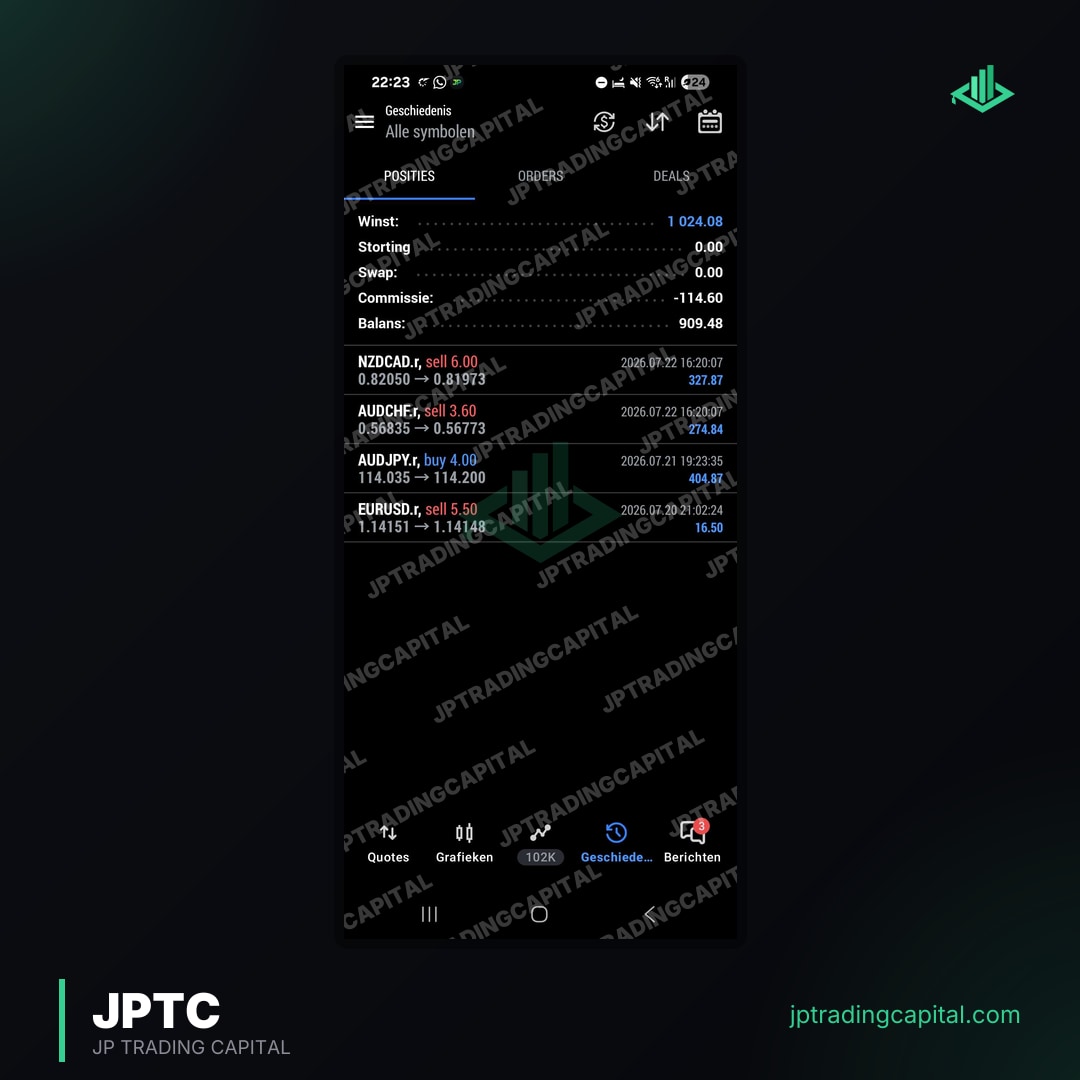
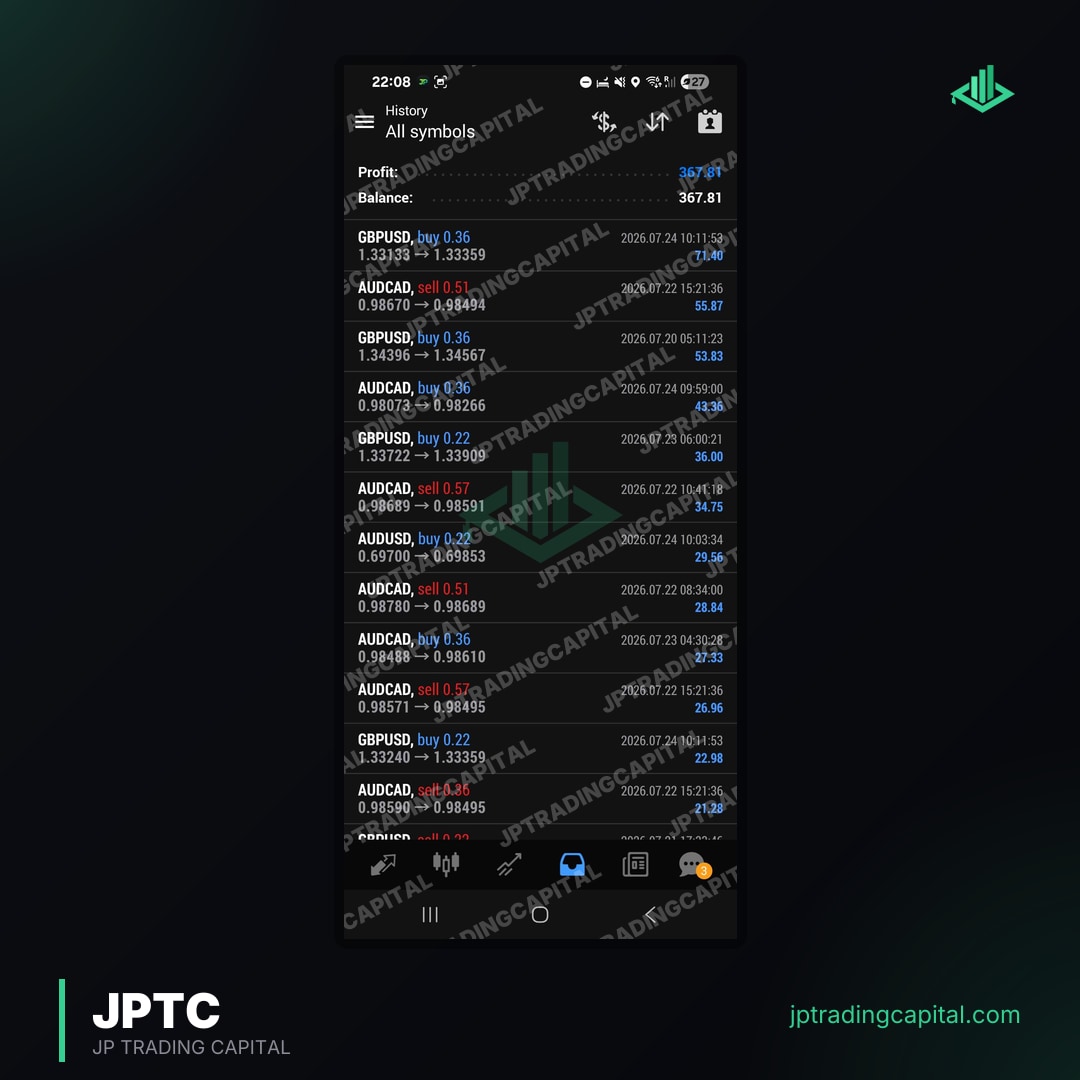
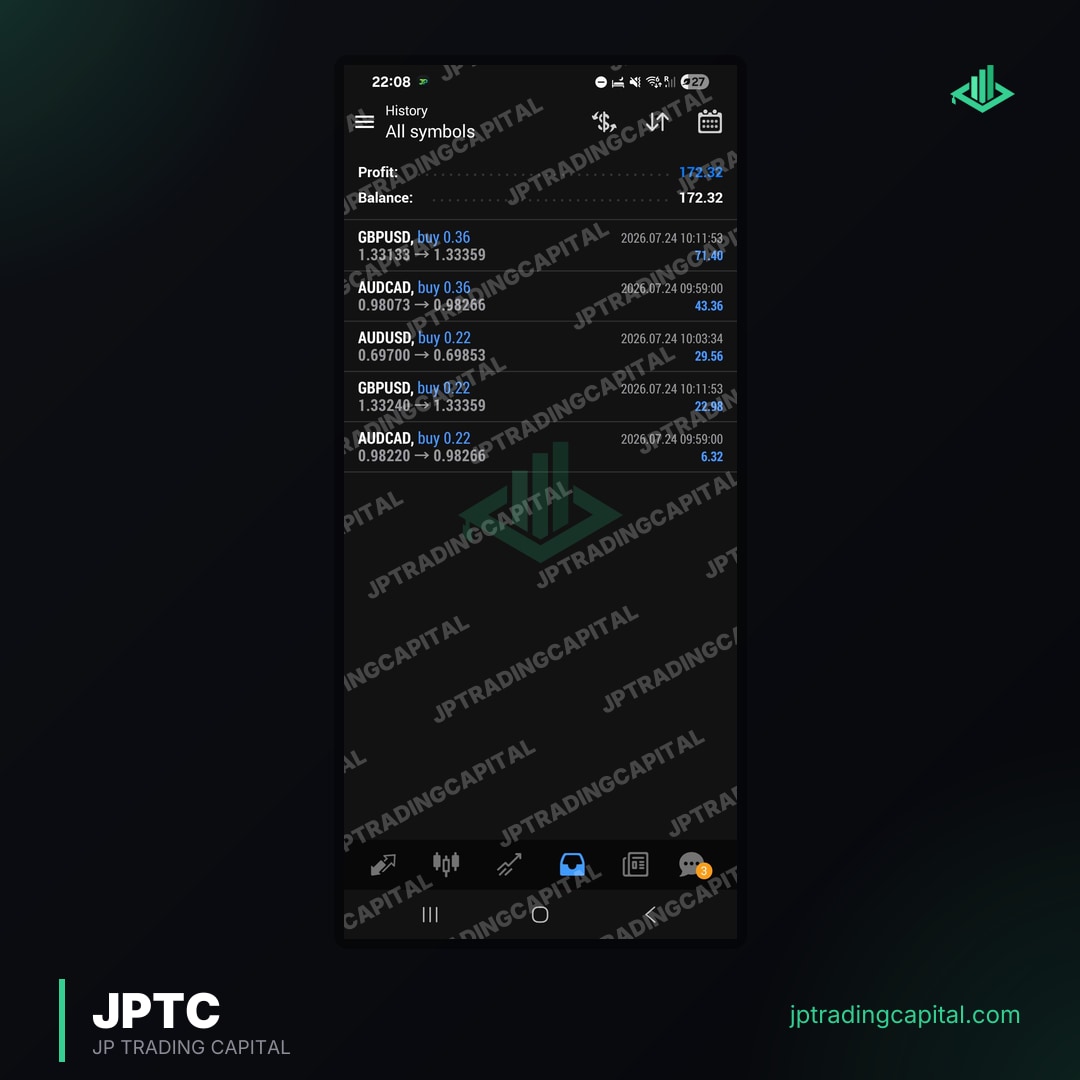
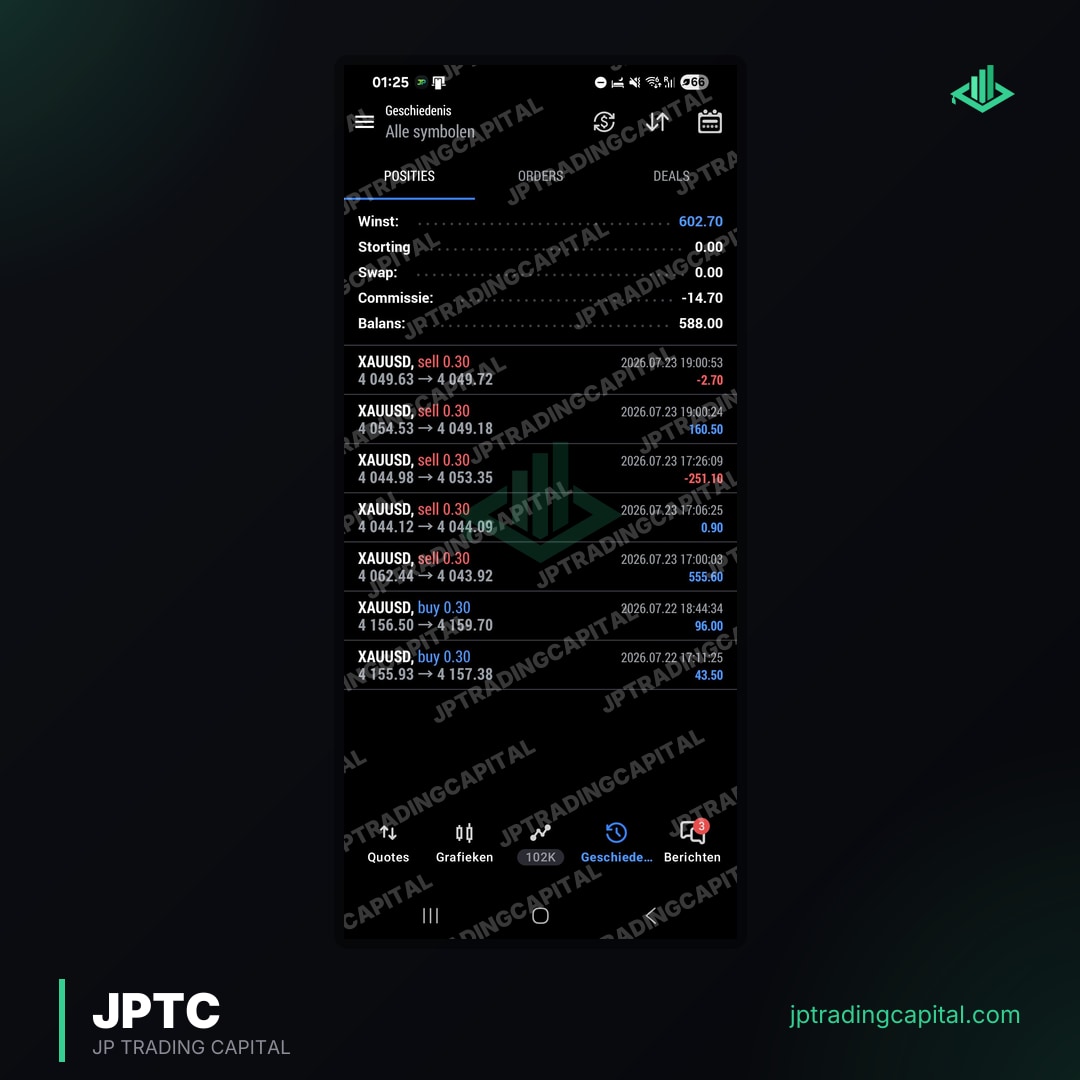
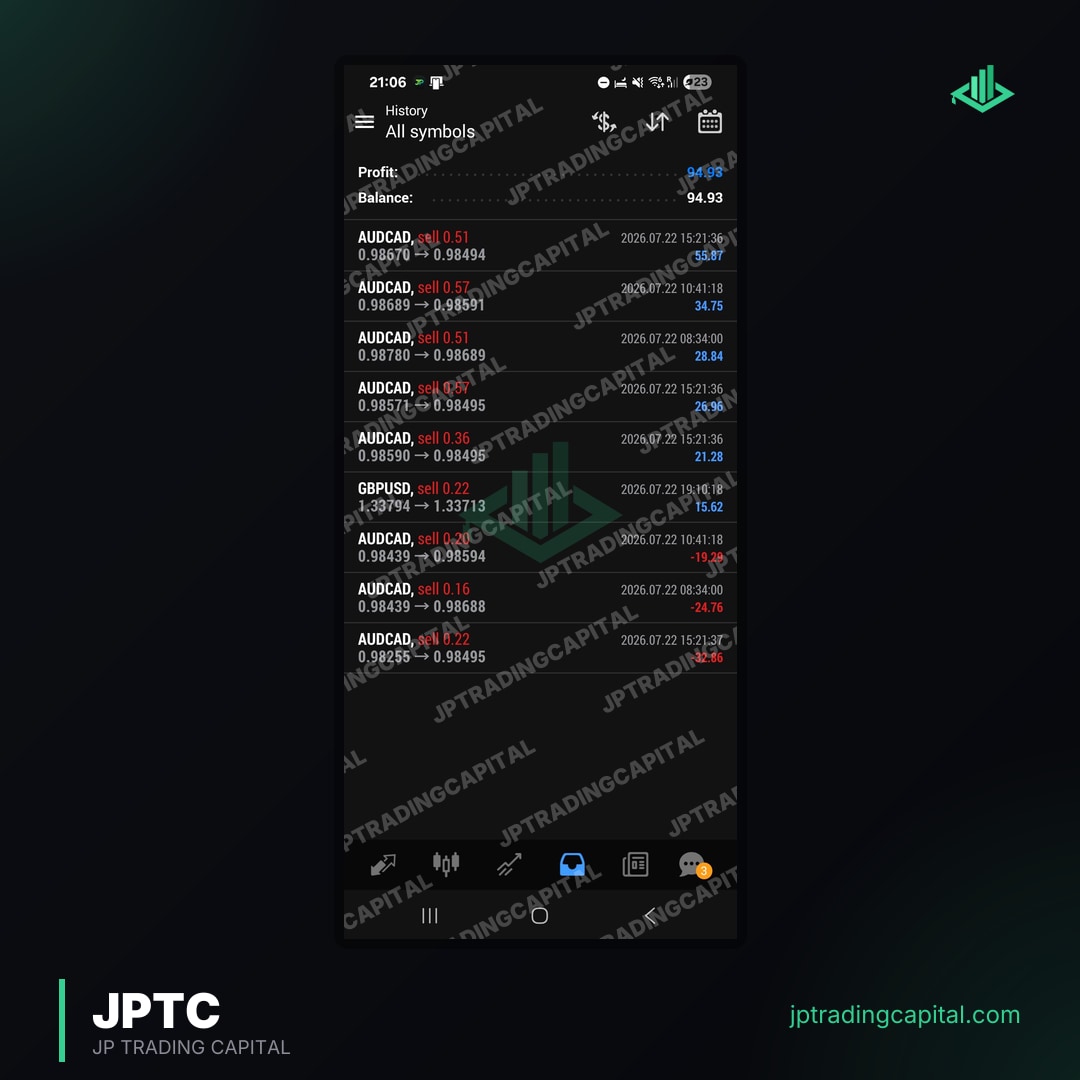
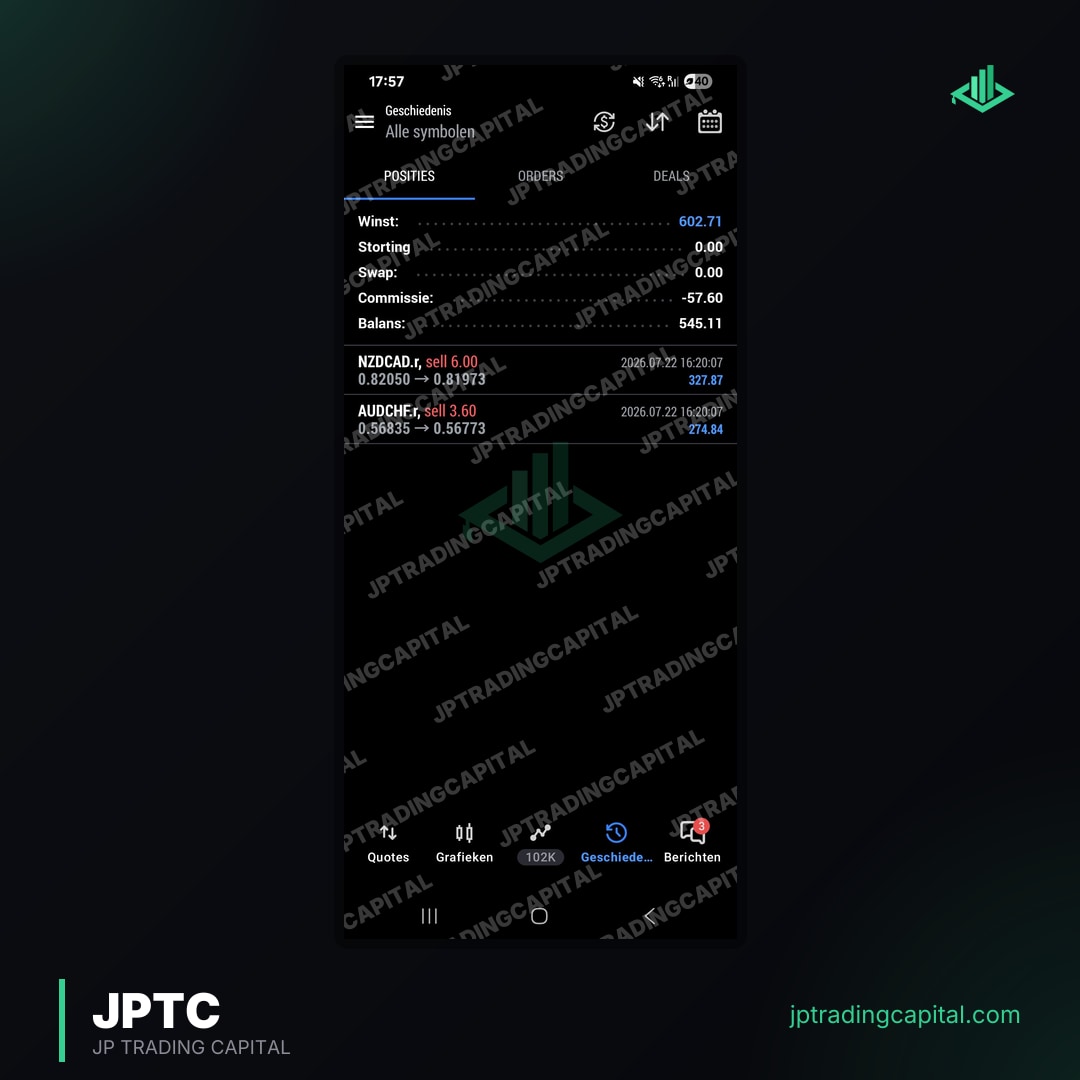
Work through the steps below in order. This process ensures you are evaluating real forex signals, not just marketing claims.
Locating the results page
The first step in verification is to find the official results page provided by the signal provider. If a provider is hesitant to share a direct, verifiable link, or only offers screenshots, it should immediately raise a red flag. Without this direct link, any claims of performance remain unproven.
Understanding the Source and Limits of Reported Data
A tracked account shows two statuses: tracking record and trading privileges. Both statuses should be present and green for a truly reliable and verified forex signals provider. Without these, the data could be selectively presented or even belong to someone else.
Analyzing Key Performance Metrics
Diving into the core statistics is where you truly evaluate the signal's viability and risk profile. A tracked account record presents a wealth of data that, when understood correctly, paints a clear picture of a provider's strategy and consistency.
- Growth: This percentage indicates the total profit generated since the account's inception. While high growth is attractive, ensure it's sustainable and not the result of excessive risk-taking.
- Drawdown (Max, Absolute, Daily): Maximum drawdown represents the largest peak-to-trough decline in equity during the account's history. Absolute drawdown is the largest drop from the initial deposit. Daily drawdown is particularly relevant for prop firm traders, as exceeding specific daily loss limits can lead to immediate challenge failure. A sustainable strategy typically maintains a maximum drawdown under 30%, though prop firms often demand much tighter limits, sometimes under 5-10% daily.
- Profit Factor: This ratio compares gross profits to gross losses. A profit factor above 1.0 indicates profitability, with anything above 1.5 generally considered good. The higher the number, the more profitable the system is relative to its losses.
- Win Rate: The percentage of winning trades. While a high win rate seems desirable, it can be misleading if losing trades are significantly larger than winning ones (low risk-reward ratio). Conversely, a lower win rate with a high risk-reward ratio can still be highly profitable.
- Average Pips/Trade: This metric gives insight into the average profit or loss per trade in pips. Consistent positive average pips suggest a robust strategy.
- Average Trade Duration: This helps identify the trading style (scalping, day trading, swing trading). Short durations might indicate scalping, which can be sensitive to spread and execution speed.
Examining Trading Style and Strategy
Beyond raw numbers, understanding the underlying trading strategy is vital. The account record shows the instruments traded, average holding times, and often, the use of Expert Advisors (EAs). Look for consistency in the pairs traded and the average duration of trades. Be wary of strategies that involve excessive grid trading, Martingale systems (where losing trades are progressively larger to recover losses), or high-frequency scalping with very small profits per trade, as these can be high-risk and difficult to scale. For example, a strategy with 100% win rate and rapidly increasing lot sizes after losses is a clear sign of Martingale, which is often unsustainable and can lead to catastrophic losses. The MetaTrader 4 and MetaTrader 5 platforms, where most signals originate, allow for diverse strategies, but not all are suitable for long-term consistency.
Checking Account Activity and History
The age and consistency of the trading history are strong indicators of reliability. A track record of at least 6-12 months is generally preferred to assess performance through various market conditions. Accounts with very short histories (e.g., less than 3 months) might just be in a lucky streak. Also, observe the trading frequency and whether there are significant gaps in activity. Irregular trading or sudden changes in strategy can be red flags. A long, consistent history, even with periods of drawdown, suggests a robust strategy managed by a legit forex signal provider. JPTradingCapital publishes monthly figures from broker statements on its results page. The broker’s own account record is not an independent audit; these figures do not establish future performance or compliance for another strategy.
Beyond the Numbers: Advanced Verification for Prop Firm Success
For prop firm traders, verifying forex signals goes beyond basic profitability; it's about evaluating a strategy's compatibility with stringent prop firm rules. Many profitable strategies fail prop firm evaluations due to a lack of consistency or an inability to manage specific drawdown limits. Understanding how a provider's account data translates to these rules is paramount. For instance, a signal provider might show excellent overall growth but frequently hit 5% daily drawdowns, making it unsuitable for firms like FTMO, which enforce strict daily loss limits. We emphasize scrutinizing the provider's "Daily Drawdown" figure, ensuring it consistently stays well within the prop firm's allowed thresholds. Consistency, as reflected in steady equity growth and controlled risk per trade, is often more valuable than aggressive, high-growth streaks for passing evaluations. This is precisely why the JPTC EA Hub is pre-configured with strategies that respect these critical prop-firm rules, focusing on sustainable growth within defined risk parameters.
Identifying Red Flags in Account Records
One major red flag is an account showing "Tracking Record Not Verified" or "Trading Privileges Not Verified," indicating incomplete or absent authentication. Be wary of accounts with a very short trading history, as this might not reflect long-term viability. Another subtle red flag is a strategy that shows rapid recovery from deep drawdowns, often indicative of Martingale or grid trading systems that can lead to catastrophic losses if the market moves against them for an extended period. Look for inconsistencies in trade frequency, lot sizes, or average trade duration that suddenly change without explanation. Finally, if a provider's results page disappears or is frequently changed, it's a strong indicator they may be hiding past poor performance. A truly legit forex signal provider maintains a stable, long-term, and fully verified record.
The Role of Automated Trading Tools in Verification
Automated trading tools, or Expert Advisors (EAs), generate signals based on predefined algorithms, and their performance can also be published from a tracked live account. This is crucial for traders looking to deploy EAs, as it moves beyond theoretical backtests to show real-world results under live market conditions. For example, the JPTradingCapital team rigorously tests and verifies its JPTC EA Hub strategies, ensuring they align with prop firm requirements. Observing an EA's live account record allows traders to assess its consistency, drawdown characteristics, and overall profitability, making it an indispensable step before committing capital. A proven, verified EA minimizes the guesswork and provides confidence in your automated trading decisions, helping you in passing prop firm challenges.
Making an Informed Decision: Following Verified Forex Signals
It's not enough to simply see green numbers; you must delve into the risk metrics, consistency, and alignment with your personal trading goals and, crucially, any prop firm rules you might be operating under. Prioritize providers with long, consistently verified track records that demonstrate controlled drawdown and a clear, understandable trading strategy. The JPTradingCapital team believes this diligent approach is the cornerstone of responsible trading and lasting profitability.
What is a verified forex signal?
Can a published signal record be manipulated?
How long should a live track record be?
Are free forex signals reliable?
Why is consistency important for prop firms?
Run the Checklist on a Live Feed
A checklist only proves itself once you point it at something live. JPTC posts forex majors and gold calls to a public Telegram channel open to anyone: t.me/JPTCSignals
Each call goes out the moment the trade is taken, not written up later, and carries the pair, the direction, the entry, the stop loss, the take profit levels and the risk on the position. Score it yourself for a few weeks and you end up with a record you watched form, on the same strategy that runs JPTC's own account. You place every trade yourself: no bot, no auto-copier, nobody logging into your account.
The channel is free because a partner broker pays JPTC a rebate on spread you were already paying, not because there is a subscription or a profit share behind it. Trading through one of those brokers also opens the VIP tier, with the full setups and the weekly watchlist. Risk is quoted as a percentage rather than fixed lots, so calls scale to an evaluation account, though check your firm's rules on copy trading and minimum holding time first. See how the signals work.
Related Articles
- Live Forex Signals Telegram: 5 Must-Haves for Prop Firm Success · Read more →
- Real Gold Trading Signals: Entries, Stops, Take Profits (XAUUSD) · Read more →
- Self-Hosted Trading Bot vs Signals: 3 Key Advantages [2026] · Read more →
- Best EA Backtesting Software: 7 Tools for Prop Firm Success [2026] · Read more →
- Pass Prop Firm Challenges: 7 EA Strategies for 2026 · Read more →
- Best Trade Copier for Prop Firms: Copy 1 to Many Accounts [2026] · Read more →
- Best Prop Firm EA 2026: 5 Automated Strategies to Pass · Read more →
- Mastering Funded Accounts: 5 MT5 EA Traits to Seek in 2026 · Read more →
- Exact 1:2 Risk-Reward: Why It's Key for Trading Signals [2026] · Read more →
- Best Gold Trading Signals: 7 Qualities for Prop Firm Success (2026) · Read more →
Forex & Gold Signals, No Monthly Fee
Every trade we take, posted the moment we take it: entry, stop loss and targets. A partner broker covers the cost, so there is no subscription. You place every trade on your own account.
Join the signals channel