Pass Prop Firm Challenges: 7 EA Strategies for 2026
Material update: 15 October 2026: specifically identified source references, unsupported own-product/result qualifications or account-rule wording corrected. Existing publication status and URL retained. 15 October 2026: Additional own-results verification/audit wording corrected to company-published broker-statement scope.

Automating your prop firm challenge with an Expert Advisor (EA) involves deploying pre-programmed trading software to execute strategies and manage risk on your behalf, ensuring strict adherence to prop firm rules like daily drawdown and maximum loss limits. This approach removes emotional biases, allowing for consistent, systematic trading essential for successful evaluation passing.
For the wider picture, see how funded trading accounts work, including the two routes in and the rules that end most of them.
- EAs eliminate emotional trading, crucial for maintaining consistency and discipline.
- Effective automated challenge passing requires EAs with robust risk management features.
- Modern EAs can manage multiple prop firm accounts simultaneously for efficiency.
- Strategic EA setup and continuous monitoring are vital for long-term success.
- JPTradingCapital's EA Hub offers pre-configured strategies for various prop firms.
Why Automate Your Prop Firm Challenge? The Edge of Expert Advisors
Automating your prop firm challenge provides a significant edge by eliminating the detrimental impact of human emotion and ensuring unwavering adherence to the stringent rules set by proprietary trading firms.
Many traders struggle with the psychological pressures of prop firm evaluations, often leading to impulsive decisions, overtrading, or revenge trading, patterns frequently observed in online trading communities discussing prop firm failures. An Expert Advisor (EA) acts as an unemotional, disciplined trading machine, executing a predefined strategy with precision. This systematic approach is a core reason why traders seek to automate prop firm challenge processes, transforming a high-stress endeavor into a calculated, consistent operation.
Overcoming Emotional Trading and Tilt
The primary benefit of using an EA is the complete removal of emotional bias from trading decisions. Human traders are susceptible to fear, greed, and the urge to chase losses, which can quickly lead to account breaches in a prop firm environment. An EA, by contrast, executes trades based purely on its programmed logic, unaffected by market volatility or previous outcomes. This means no "stupid trades" or "going on tilt," as recounted by many traders struggling with evaluations.
Ensuring Strict Adherence to Prop Firm Rules
Proprietary trading firms impose strict rules, including daily drawdown limits, maximum overall loss limits, and often consistency rules. Breaching any of these typically results in evaluation failure or account termination. Manually tracking these limits can be challenging, especially during periods of high market activity. EAs can be programmed to monitor these metrics in real-time and automatically cease trading or adjust position sizes to stay within limits. For instance, an EA can be configured to stop trading for the day if the daily drawdown limit is approached, safeguarding the account from further losses. This meticulous adherence is critical for automated challenge passing.
Key Features of a Successful Prop Firm EA Setup
A successful prop firm EA setup integrates robust risk controls, efficient execution capabilities, and strategic adaptability to navigate the specific demands of prop firm evaluations.
Beyond simply opening and closing trades, an effective EA for prop firm challenges must incorporate sophisticated functionalities. Competitors highlight the importance of strict risk controls, fast execution, and strategy rotation, all elements that the JPTradingCapital team emphasizes in our approach to building trading tools. Our research indicates that these features are non-negotiable for achieving consistent results and passing evaluations across various firms.
Robust Risk Management Beyond Basic Stop-Loss
While a simple stop-loss is fundamental, successful prop firm EAs employ advanced risk management techniques. These can include dynamic position sizing based on current account equity, trailing stops that adjust as profits accrue, and equity protection mechanisms that automatically reduce risk or close trades if the account balance falls below a certain threshold. Some EAs can even implement time-based risk management, preventing trades during high-impact news events or outside specific trading hours to avoid unexpected volatility. For instance, an EA might automatically reduce its lot size after a losing streak or increase it after a winning streak, within predefined parameters, to manage exposure effectively. The JPTC EA Hub, for example, comes pre-configured with strategies that respect critical prop-firm rules like daily drawdown caps and max loss limits, providing a solid foundation for managing risk. You can explore our robust EA solutions and their features on our EA page.
Strategy Rotation and Adaptability
Market conditions are dynamic, and an EA that can adapt or switch between strategies can significantly improve performance. While "LLM-driven agents" are often discussed as a cutting-edge solution, a well-designed deterministic EA can achieve adaptability through pre-programmed logic that identifies different market regimes (e.g., trending vs. ranging) and applies the most suitable strategy. This might involve using a trend-following strategy during strong directional moves and switching to a mean-reversion strategy in choppy, range-bound markets. This strategic flexibility is crucial for long-term consistency and can be a significant factor in automated challenge passing.
Multi-Platform and Multi-Firm Integration
For traders looking to scale their operations, an EA capable of managing trades across multiple prop firm accounts and platforms (like MT4 and MT5) is invaluable. The JPTradingCapital EA Hub is designed to work seamlessly across major prop firms, including FTMO, FundedNext, FXify, TopStep, The5ers, and E8 Funding, leveraging its compatibility with MetaTrader 4 and 5. This allows traders to apply their successful prop firm ea setup to several evaluations simultaneously, maximizing their chances of securing funded accounts. Solutions like this streamline execution and reduce the manual oversight required for each individual account.
Choosing the Right EA Strategies for Automated Challenge Passing
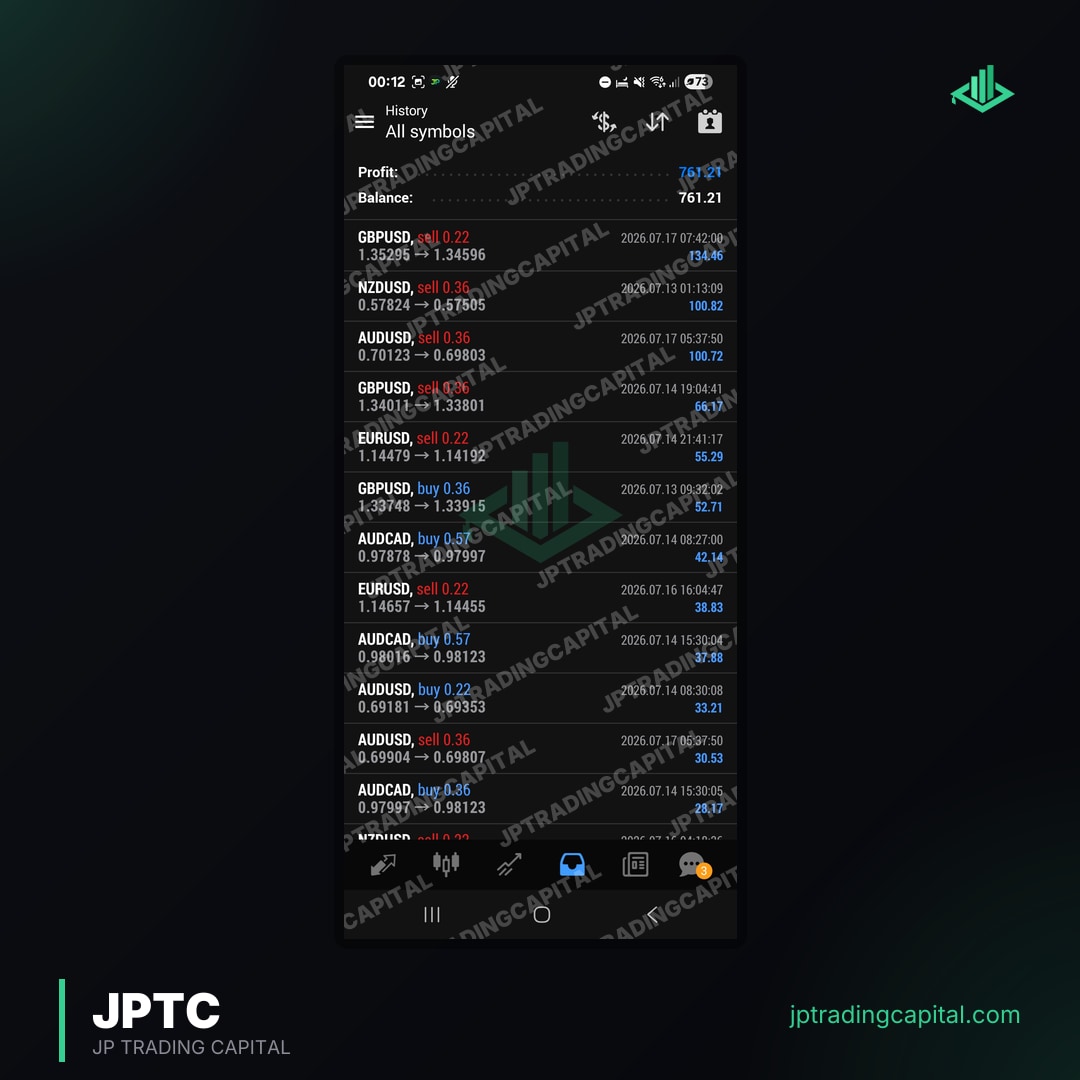
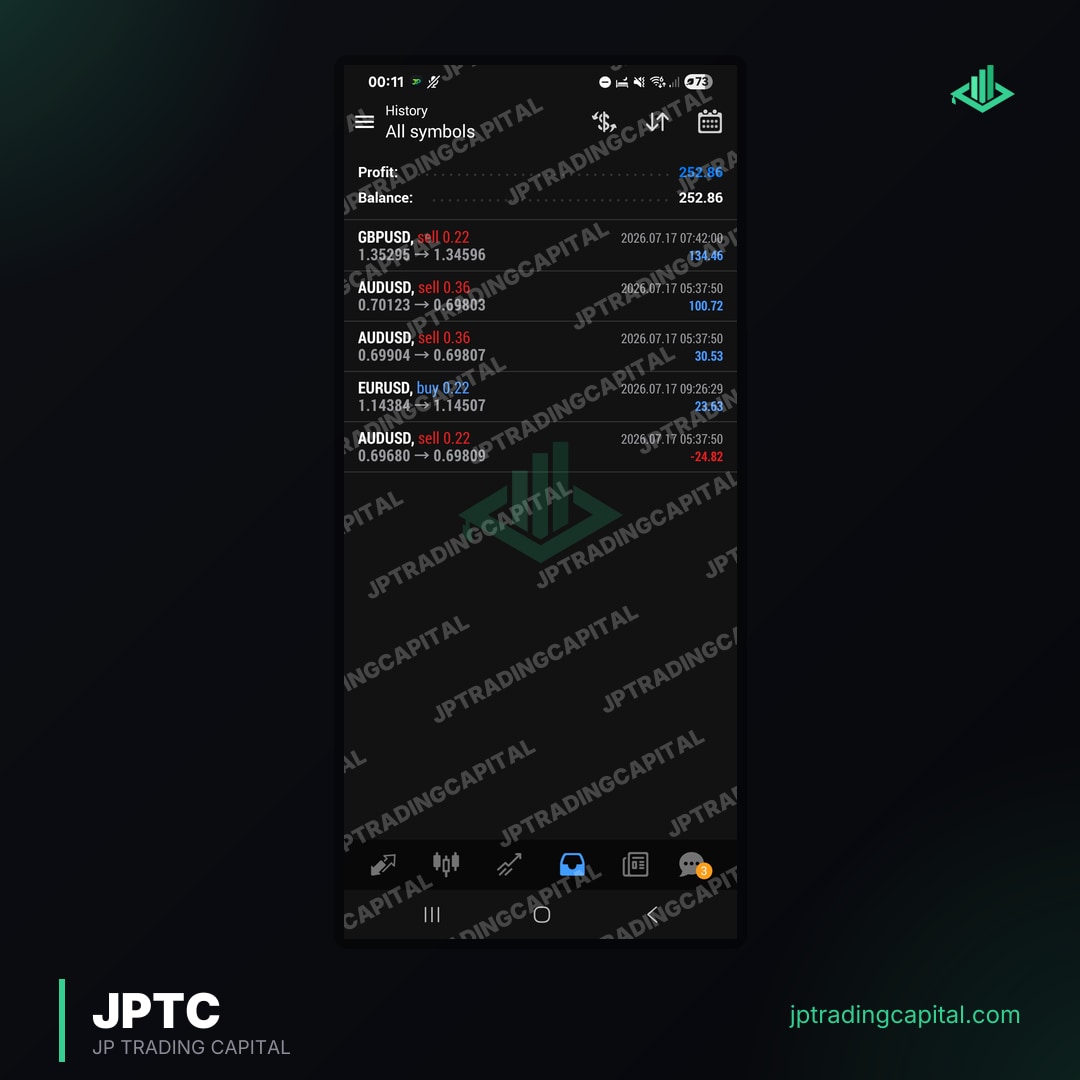
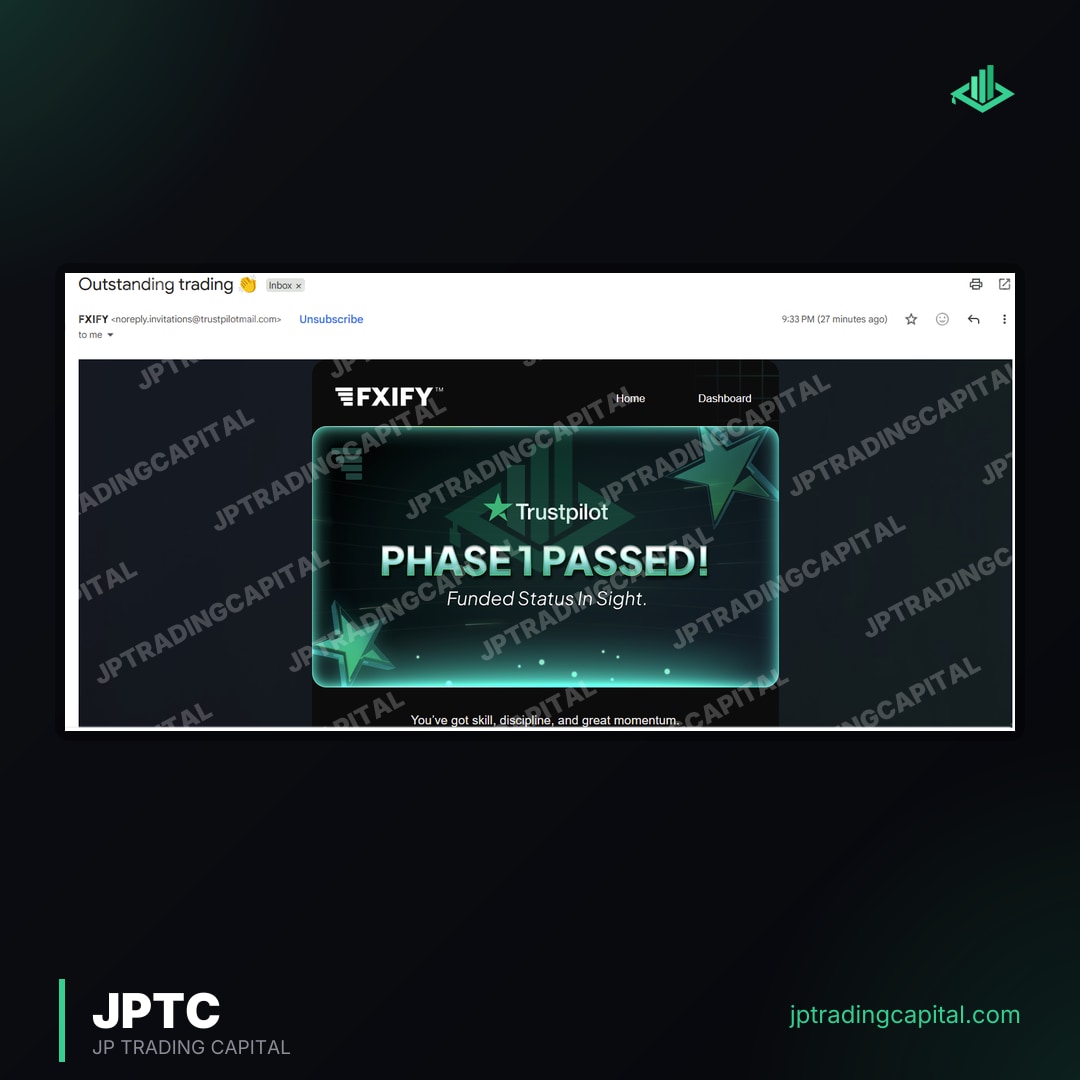
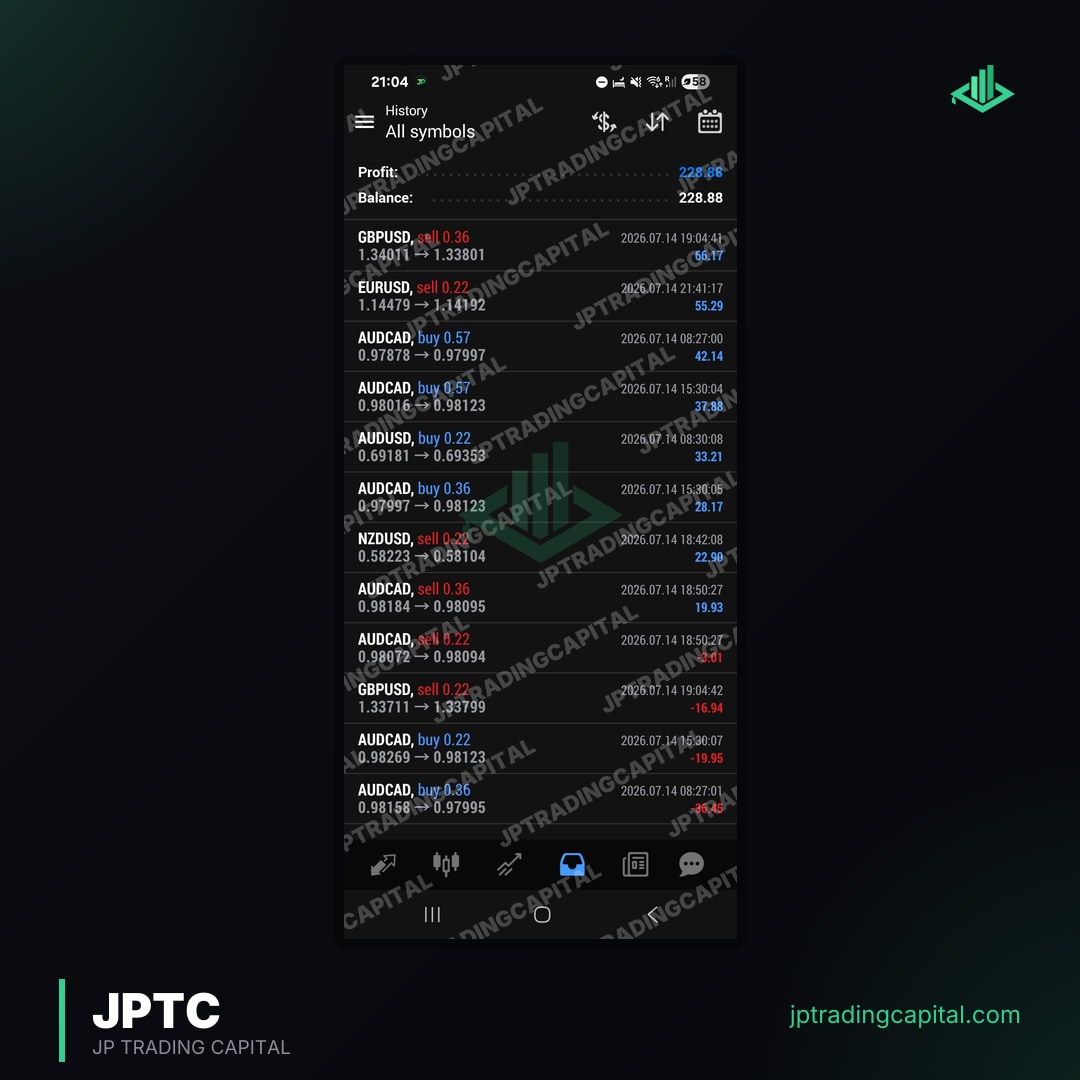
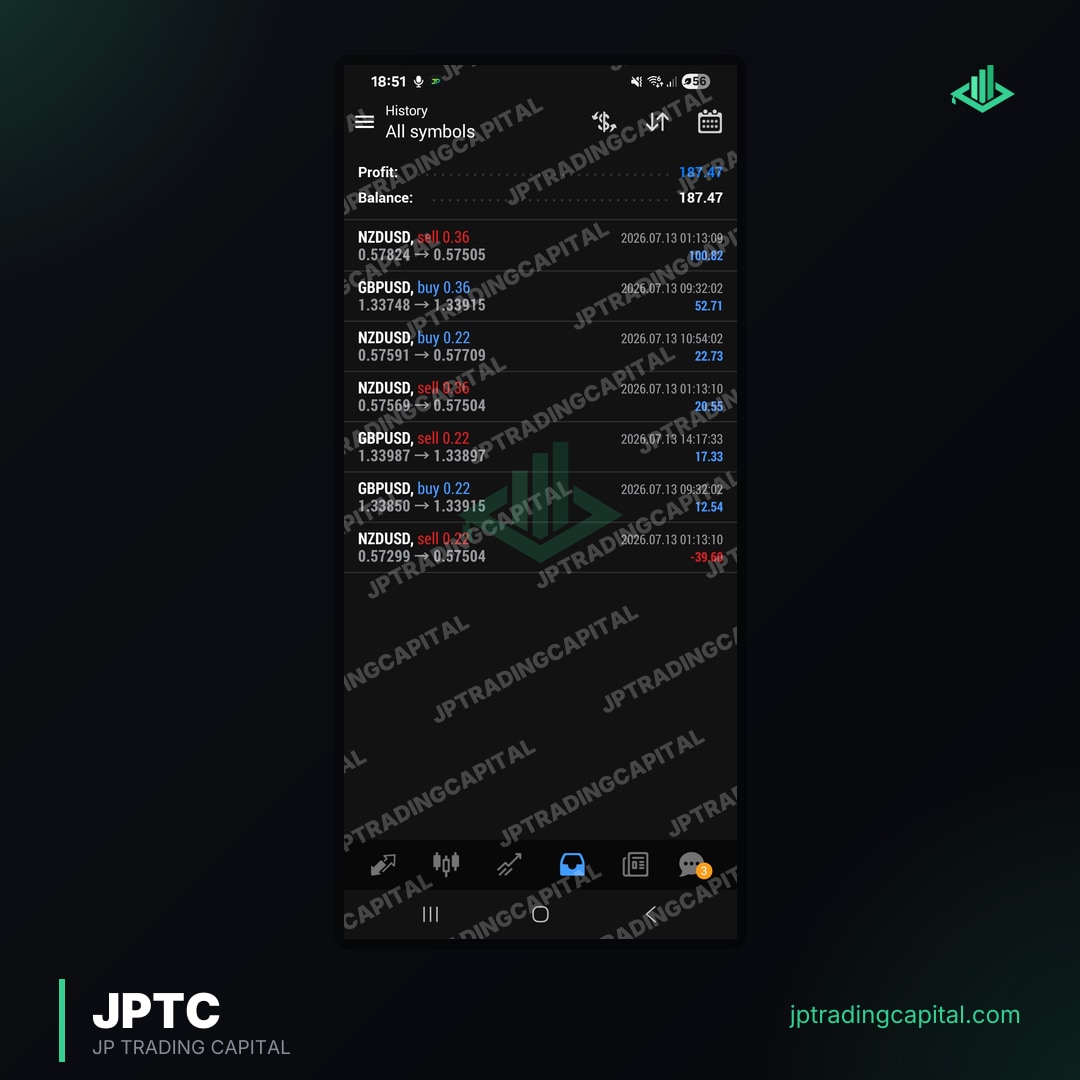
Selecting appropriate trading strategies is paramount for an EA designed to pass prop firm challenges, as certain approaches are inherently better suited to the firms' specific rules and risk parameters.
Not all Expert Advisor strategies are created equal when it comes to prop firm evaluations. While some strategies might perform well in unregulated personal accounts, they often clash with the strict drawdown and consistency rules of prop firms. Our experience and analysis of successful traders indicate a clear distinction between strategies that tend to fail and those that consistently achieve automated challenge passing.
Avoiding Problematic EA Types for Prop Firm Rules
Certain EA strategies are notorious for struggling with prop firm rules. For instance, Martingale strategies, which increase position size after losses, can quickly lead to breaching maximum drawdown limits. Grid trading EAs, while sometimes profitable, can also expose accounts to significant risk during strong trends, leading to large floating drawdowns that violate prop firm thresholds. High-frequency scalping EAs, which execute many tiny trades, might face challenges with commission costs, spread fluctuations, or even prop firm restrictions on minimum trade duration or aggressive trading styles. These strategies often prioritize high-volume trading over robust risk management, making them unsuitable for the controlled environment of a prop firm evaluation.
Effective Strategies for Prop Firm Evals
The most effective EA strategies for prop firm challenges typically prioritize consistency, controlled risk, and clear entry/exit logic. These include:
- Trend-Following Strategies: EAs that identify and follow established trends, using clear stop-loss and take-profit levels. These tend to have a lower frequency of trades but higher win rates on profitable setups.
- Mean-Reversion Strategies: Designed to trade when prices deviate from their average and are expected to return. These work well in range-bound markets but require robust filters to avoid getting caught in strong trends.
- Breakout Strategies: EAs that capitalize on price breaking out of consolidation patterns. These need tight risk management to handle false breakouts.
- Volatility-Based Strategies: EAs that adjust their trading parameters based on market volatility, ensuring position sizes and stop-loss levels are appropriate for current conditions.
The emphasis should always be on strategies that demonstrate consistent, moderate gains while strictly managing risk. JPTradingCapital's EA Hub offers pre-configured strategies that have been backtested to respect prop-firm rules, focusing on achieving steady growth rather than high-risk, high-reward plays.
The "Human Element" in EA Management: Beyond Set-and-Forget
Even with advanced Expert Advisors, successful prop firm trading requires continuous human oversight, strategic adjustments, and a deep understanding of both the EA's mechanics and evolving market conditions.
While the goal is to automate prop firm challenge processes, it is a misconception that EAs are entirely "set-and-forget" solutions. As some competitors note, "legacy bots" can fail, and while the discussion often shifts to "LLM-driven agents," the reality is that even deterministic EAs require intelligent management. The JPTradingCapital team consistently advises that an EA is a tool, not a magic wand. Traders must actively engage in backtesting, monitoring, and adapting their EA to maintain its effectiveness, especially within the specific constraints of prop firm rules.
The Importance of Backtesting and Optimization
Before deploying an EA on a live prop firm account, thorough backtesting and optimization are essential. Backtesting involves running the EA against historical market data to evaluate its performance under various conditions. This process helps identify optimal parameters (e.g., stop-loss size, entry triggers) that align with prop firm objectives. Optimization, a refinement of backtesting, fine-tunes these parameters to maximize profitability and minimize drawdown. It is crucial to perform backtests that accurately reflect prop firm rules, including commissions, spreads, and slippage. JPTradingCapital publishes monthly figures from broker statements on its results page. The broker’s own account record is not an independent audit; these figures do not establish future performance or compliance for another strategy.
Continuous Monitoring and Market Adaptation
Even a well-backtested EA needs continuous monitoring. Market conditions evolve, and an EA optimized for one environment might underperform or even fail in another. Traders should regularly review their EA's performance, checking for unexpected drawdowns, unusual trading activity, or significant changes in market behavior. Adjustments might be necessary, such as temporarily disabling the EA during major news events or updating its parameters to suit new volatility regimes. This proactive management is key to sustained automated challenge passing.
Understanding Prop Firm Rule Nuances
Prop firms often have specific nuances in their rules that go beyond general drawdown limits. These can include restrictions on news trading, maximum open positions, specific tradable instruments, or even requirements for consistency (e.g., no single trade representing too large a percentage of total profit). A trader using an EA must be fully aware of these rules and ensure their EA is either programmed to comply or is manually managed around these restrictions. For instance, FTMO's official rules page details various trading objectives and prohibited strategies that an EA user must understand.
Implementing Your Prop Firm EA Setup: A Step-by-Step Guide
Successfully implementing your prop firm EA setup involves selecting a reliable provider, configuring the software correctly, and integrating it with your chosen trading platform and prop firm account.
Getting started with an Expert Advisor for prop firm challenges doesn't have to be complicated. The process typically follows a structured approach, ensuring that your automated system is correctly installed and ready to trade. This section provides a practical walkthrough for traders, from choosing an EA to connecting it with your trading account.
Selecting a Reputable EA Provider
The first step is to choose an EA provider with a proven track record and EAs specifically designed for prop firm rules. Look for providers that offer transparent backtesting results, clear documentation, and customer support. JPTradingCapital, for example, specializes in building automated trading software for prop-firm traders. Our JPTC EA Hub provides pre-configured EAs with backtested strategies that respect common prop-firm rules like daily drawdown caps and max loss limits. We encourage you to review our verified performance and customer testimonials to ensure you're making an informed choice.
Setting Up Your EA on MT4/MT5
Most prop firms operate on the MetaTrader 4 (MT4) or MetaTrader 5 (MT5) platforms, making these the standard for EA deployment. The setup process generally involves:
- Installation: Download and install the EA file (.ex4 or .ex5) into the 'Experts' folder within your MetaTrader directory. You can find detailed instructions on the MetaTrader 4 official website or MetaTrader 5 official website.
- Configuration: Drag the EA onto the desired chart in MetaTrader. In the EA's settings, you will input specific parameters such as lot size, stop-loss/take-profit levels, risk percentage, and any other customizable inputs provided by the developer. This is where your chosen prop firm ea setup parameters come into play.
- AutoTrading Enablement: Ensure 'AutoTrading' is enabled on your MetaTrader platform (a button on the toolbar) and that the EA's 'Allow Algo Trading' option is checked in its properties.
Connecting to Your Prop Firm Account
After setting up the EA on your MetaTrader platform, connect it to your prop firm's trading server. This typically involves logging into your prop firm-provided MT4/MT5 account within the platform. It's highly recommended to use a Virtual Private Server (VPS) to host your MetaTrader platform. A VPS ensures your EA runs 24/7 without interruption, even if your local computer is off or your internet connection fails. This continuous operation is vital for capturing trading opportunities and maintaining consistency throughout the challenge period.
JPTradingCapital's Solution for Automated Challenge Passing
JPTradingCapital offers a specialized solution for traders aiming to automate their prop firm challenge, providing pre-configured Expert Advisors designed with prop firm rules in mind.
Our flagship product, the JPTC EA Hub, is specifically developed to empower prop firm traders. We understand the unique challenges and stringent rules that evaluations impose, and our EAs are crafted to address these head-on. The JPTC EA Hub comes with strategies that have been rigorously backtested to ensure compliance with common prop firm requirements, including daily drawdown caps, maximum loss limits, and consistency parameters. This means traders can focus on managing their overall strategy rather than constantly worrying about individual rule breaches.
The JPTC EA Hub supports a wide range of popular prop firms, including FTMO, FundedNext, FXify, TopStep, The5ers, and E8 Funding, and is compatible with both MT4 and MT5 platforms. This broad compatibility allows traders to utilize a consistent and reliable prop firm ea setup across multiple evaluation accounts, increasing their chances of success. We believe in transparency and performance, which is why our EAs are built on a foundation of verified strategies. To see our commitment to results, we invite you to review our performance results page.
Common Pitfalls and How to Avoid Them
Avoiding common pitfalls in EA usage is as crucial as selecting the right EA, as even the best automated systems can fail without proper management and realistic expectations.
While EAs offer significant advantages, traders must be aware of potential traps that can derail their prop firm challenge. Recognizing and mitigating these issues is a key part of successful automated challenge passing.
-
Over-Optimization: This occurs when an EA is optimized too closely to historical data, making it perform exceptionally well in backtests but poorly in live market conditions. The solution is robust out-of-sample testing and understanding that optimal parameters are often a range, not a single point.
-
Ignoring Market Conditions: No EA performs optimally in all market environments. Traders must monitor the market and be prepared to pause or adjust their EA if conditions drastically change (e.g., shift from trending to ranging, or vice-versa). An EA is a tool, not a replacement for market understanding.
-
Disregarding News Events: High-impact news releases can cause extreme volatility and unpredictable price movements, often leading to large slippage or sudden spikes that trigger drawdowns. Unless the EA is specifically designed to trade news, it's generally safer to pause automated trading during these periods.
-
Not Understanding Prop Firm Rules: A common mistake is assuming all prop firms have identical rules. Each firm has its own specific set of objectives, prohibited strategies, and consistency requirements. Always read the firm's rules thoroughly (e.g., FundedNext's guidelines) and ensure your EA strategy and management plan are fully compliant.
-
Lack of VPS: Running an EA on your home computer introduces risks like internet outages, power failures, or accidental shutdowns. A reliable VPS is essential for 24/7 uninterrupted operation, ensuring your EA can execute trades consistently.
Can any EA pass a prop firm challenge?
How much monitoring does an automated EA require?
Are "AI agents" better than traditional EAs for prop firms?
What are the typical costs associated with a prop firm EA setup?
Can I use one EA for multiple prop firm accounts?
Automating your prop firm challenge with an Expert Advisor represents a powerful strategy for traders seeking to overcome emotional hurdles and achieve consistent results. By leveraging well-designed EAs with robust risk management and strategic adaptability, traders can significantly increase their chances of successful automated challenge passing. The JPTradingCapital team is committed to providing the tools and insights necessary for this journey, offering the JPTC EA Hub as a reliable solution for navigating the complexities of prop firm evaluations. Embrace the future of systematic trading and take control of your prop firm journey today.
Automation only helps if it respects the rulebook. These go deeper on the strategies and the checks that matter:
Related Articles
- Best Trade Copier for Prop Firms: Copy 1 to Many Accounts [2026] · Read more →
- Best Prop Firm EA 2026: 5 Automated Strategies to Pass · Read more →
- Mastering Funded Accounts: 5 MT5 EA Traits to Seek in 2026 · Read more →
- Best Verified Forex Robot 2026: 5 Steps to Spot a Real Track Record · Read more →
- Best Trading Bot 2026: Which One Has a Real Verified Track Record · Read more →
- 7 Best Forex Fury Alternatives: Verified Track Records [2026] · Read more →
- XAUBOT Alternatives: Sources, Account History and Test Limits · Read more →
- 7 Best Galileo FX Alternatives: Verified Live Results [2026] · Read more →
- Best EA Backtesting Software: 7 Tools for Prop Firm Success [2026] · Read more →
- fully managed Trading Bot vs Signals: 3 Key Advantages [2026] · Read more →
Review the JPTC EA Hub
EA software with version-specific documentation and account-level risk controls. Review the selected programme’s current automation rules and test the chosen version; software does not guarantee compliance, a pass or a payout.
See the EA Hub