Exact FTMO Trader Role: How to Pass & Get Funded (2026)

An FTMO Trader is an individual who has successfully completed a rigorous evaluation process with FTMO, a prominent proprietary trading firm, to manage a funded trading account. This role allows traders to utilize significant capital provided by FTMO, eliminating the need to risk their own funds while earning a profit split from successful trades.
- An FTMO Trader manages substantial capital provided by the firm, not their personal funds.
- The journey begins with a multi-stage evaluation process, known as the FTMO Challenge.
- Traders must adhere to strict risk management parameters, including daily and maximum drawdown limits.
- Successful FTMO Traders earn a significant profit split, typically up to 90% of their generated profits.
- The contractual role is often defined as a 'Signal Provider,' reflecting the firm's operational model.
What is an FTMO Trader? The Core Definition
An FTMO Trader is a skilled individual who has proven their trading proficiency by successfully navigating FTMO's proprietary evaluation process to gain access to a funded trading account. Essentially, they become a partner with FTMO, trading the firm's capital rather than their own, with the shared goal of generating profits. This model allows talented traders to scale their operations significantly without personal financial risk, while FTMO benefits from a share of the profits generated by these traders.
FTMO, as a prop trading firm, provides the infrastructure, capital, and a structured environment for traders to perform. The firm's objective is to identify consistently profitable and disciplined traders who can effectively manage risk. Once verified, an FTMO Trader operates within predefined parameters, ensuring that risk exposure is controlled and long-term sustainability is prioritized. This relationship transforms a retail trader, often limited by personal capital, into a professional managing substantial funds.
The 'Signal Provider' Distinction: More Than Just a Trader
While commonly referred to as an FTMO Trader, the contractual relationship between the individual and FTMO is often structured under a 'Signal Provider Agreement.' This distinction is crucial and reflects FTMO's unique operational model.
FTMO positions itself not as a direct broker, but as a technology provider that identifies skilled traders. Under the Signal Provider Agreement, the verified trader is technically providing trading signals or strategies to FTMO, which the firm then replicates on its own live accounts. This framework helps FTMO manage regulatory considerations and streamline its business model. For the trader, the practical outcome is the same: they execute trades on a platform (like MetaTrader 4 or MetaTrader 5) and receive a profit split based on their performance. Understanding this underlying contractual nuance helps clarify the legal and operational structure of what is an FTMO Trader.
How to Become an FTMO Verified Prop Trader: The Evaluation Process
Becoming an FTMO Verified Prop Trader requires successfully completing a structured, two-phase evaluation designed to assess a trader's skills, discipline, and risk management capabilities.
This rigorous process ensures that only traders with a proven track record of prudent trading are entrusted with the firm's capital. The evaluation is not merely about achieving high returns but demonstrating consistency, adherence to rules, and effective risk control. The initial step involves paying a one-time, refundable fee for the Challenge, which varies based on the desired account size, as detailed on FTMO's official account size page.
Key Phases: Challenge and Verification
The journey to becoming an FTMO Trader is divided into two distinct phases:
- The FTMO Challenge: This is the first hurdle, requiring traders to achieve a specific profit target within a defined trading period while strictly adhering to daily and maximum drawdown limits. For example, a common requirement might be an 8-10% profit target with a 5% daily loss limit and a 10% maximum overall loss limit. The primary goal here is to demonstrate profitability under realistic market conditions, proving that the trader can generate returns without excessive risk.
- The Verification Phase: Once the Challenge is passed, traders enter the Verification phase. This phase has a lower profit target (often half of the Challenge target) and a longer trading period, but the same strict drawdown rules apply. The Verification phase is designed to confirm the consistency of the trader's strategy and their ability to maintain discipline over an extended period. It acts as a final filter, ensuring that the initial success wasn't a fluke.
Throughout both phases, traders are expected to manage their trades responsibly, avoid risky behaviors, and show consistent performance. The JPTradingCapital team emphasizes that passing these phases requires more than just good trades; it demands a systematic approach to risk and strategy.
Critical Rules for Success: Drawdown and Consistency
The backbone of the FTMO evaluation, and indeed life as a funded trader, lies in strict adherence to risk management rules, particularly daily and maximum drawdown limits, and the often-overlooked consistency rule.
- Daily Drawdown: This limit restricts how much capital a trader can lose within a single trading day (from the initial balance or the current day's starting equity, depending on the rule variant). Breaching this limit typically results in immediate failure of the evaluation or termination of the funded account.
- Maximum Drawdown: This is the overall loss limit for the entire account, calculated from the initial balance. Exceeding this cumulative loss threshold also leads to immediate failure. These rules are non-negotiable and are in place to protect FTMO's capital.
- Consistency Rule (or lack thereof in current FTMO rules): While some prop firms enforce strict consistency rules, FTMO has evolved its requirements. Previously, a consistency rule aimed to prevent 'gambling' by requiring traders to distribute their trading activity and profit generation across multiple days and trade sizes. While FTMO's current official rules page doesn't explicitly list a 'consistency rule' in the same way some other firms do, the spirit of consistent, disciplined trading remains paramount for long-term success and scaling opportunities. Traders should still aim for a steady equity curve rather than relying on a few large, high-risk trades.
Understanding and respecting these parameters is fundamental to becoming and remaining an FTMO Trader. Our experience shows that many traders fail not due to a lack of strategy, but due to poor risk management or emotional trading that leads to breaching these limits.
Maximizing Your Edge: Automated Trading for FTMO Success
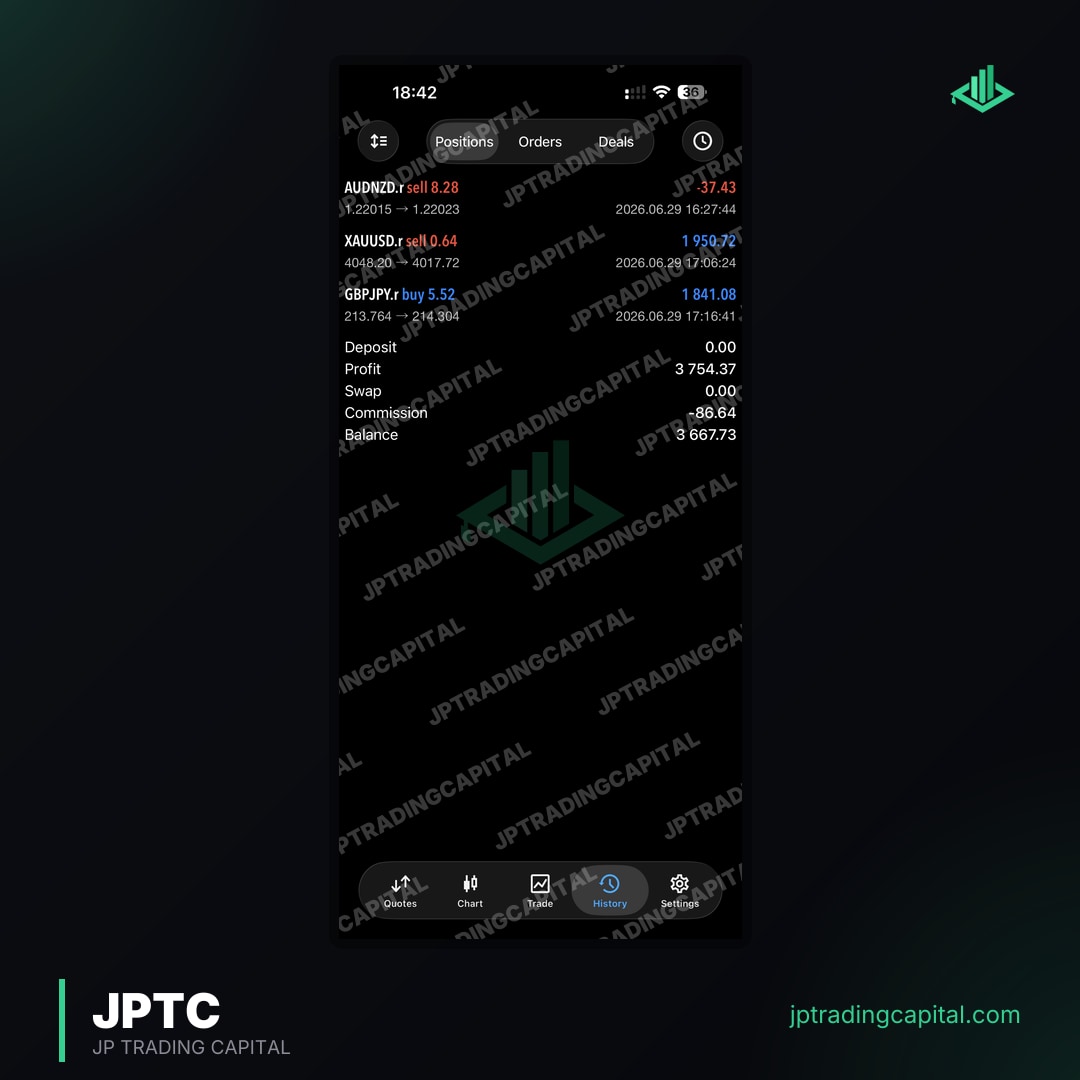
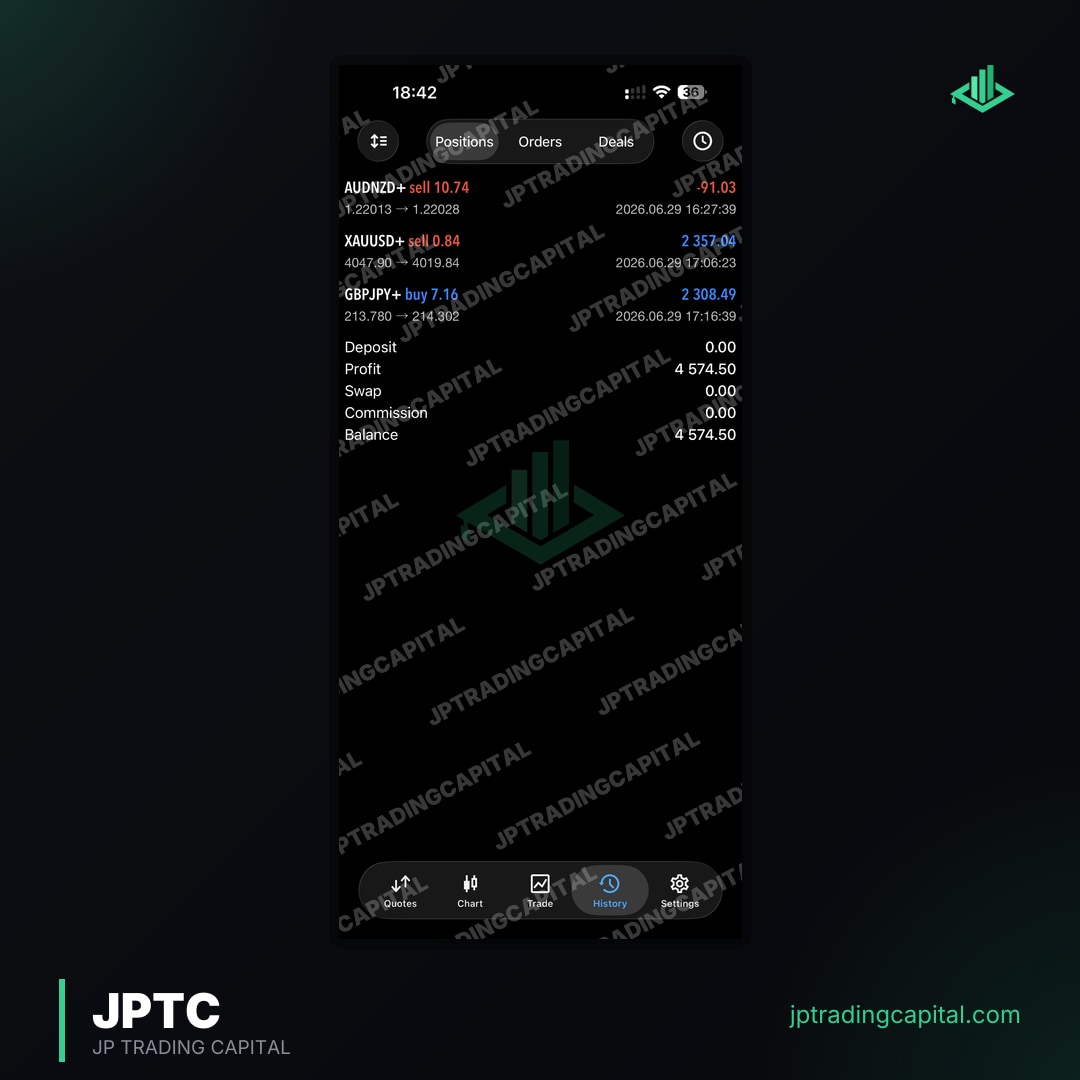
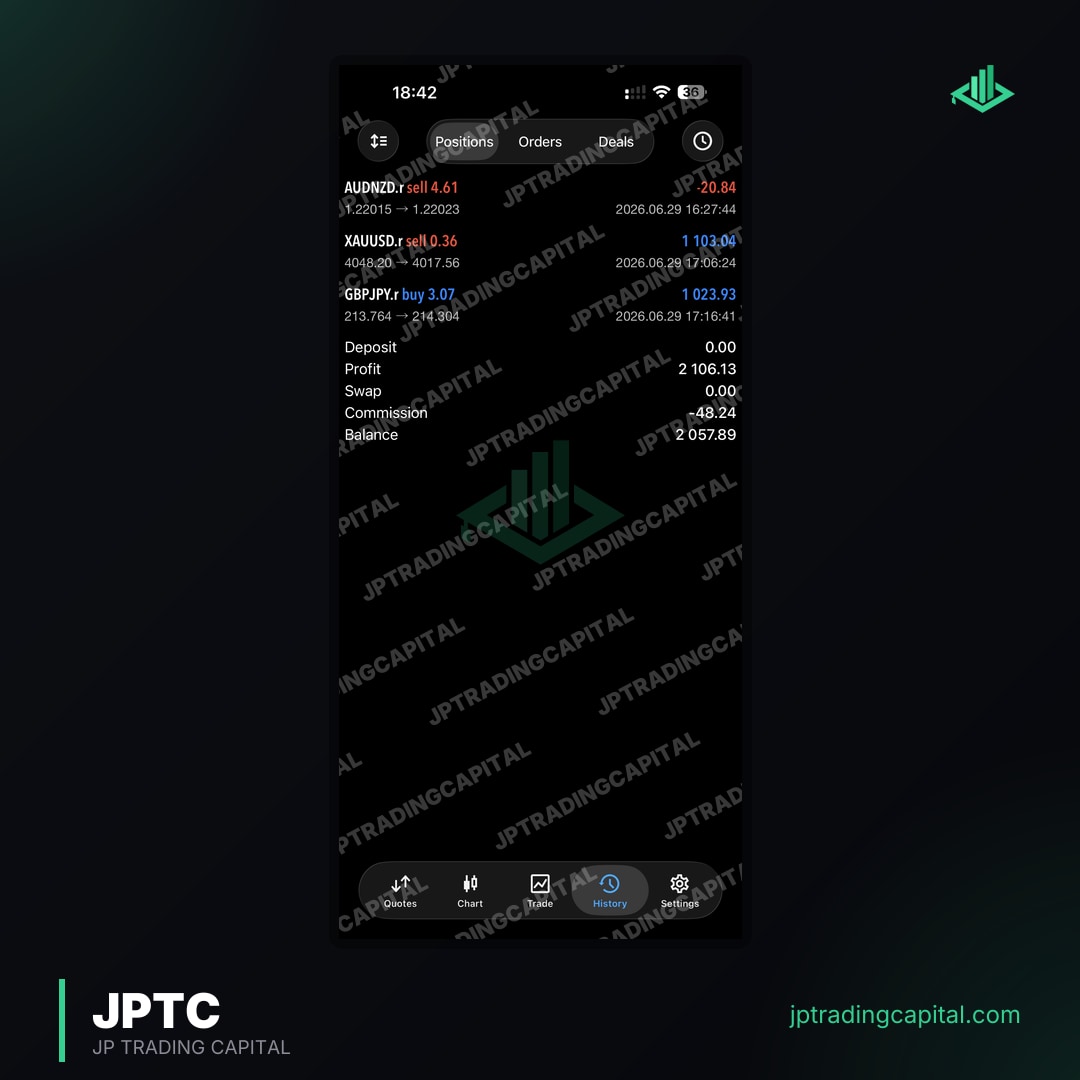
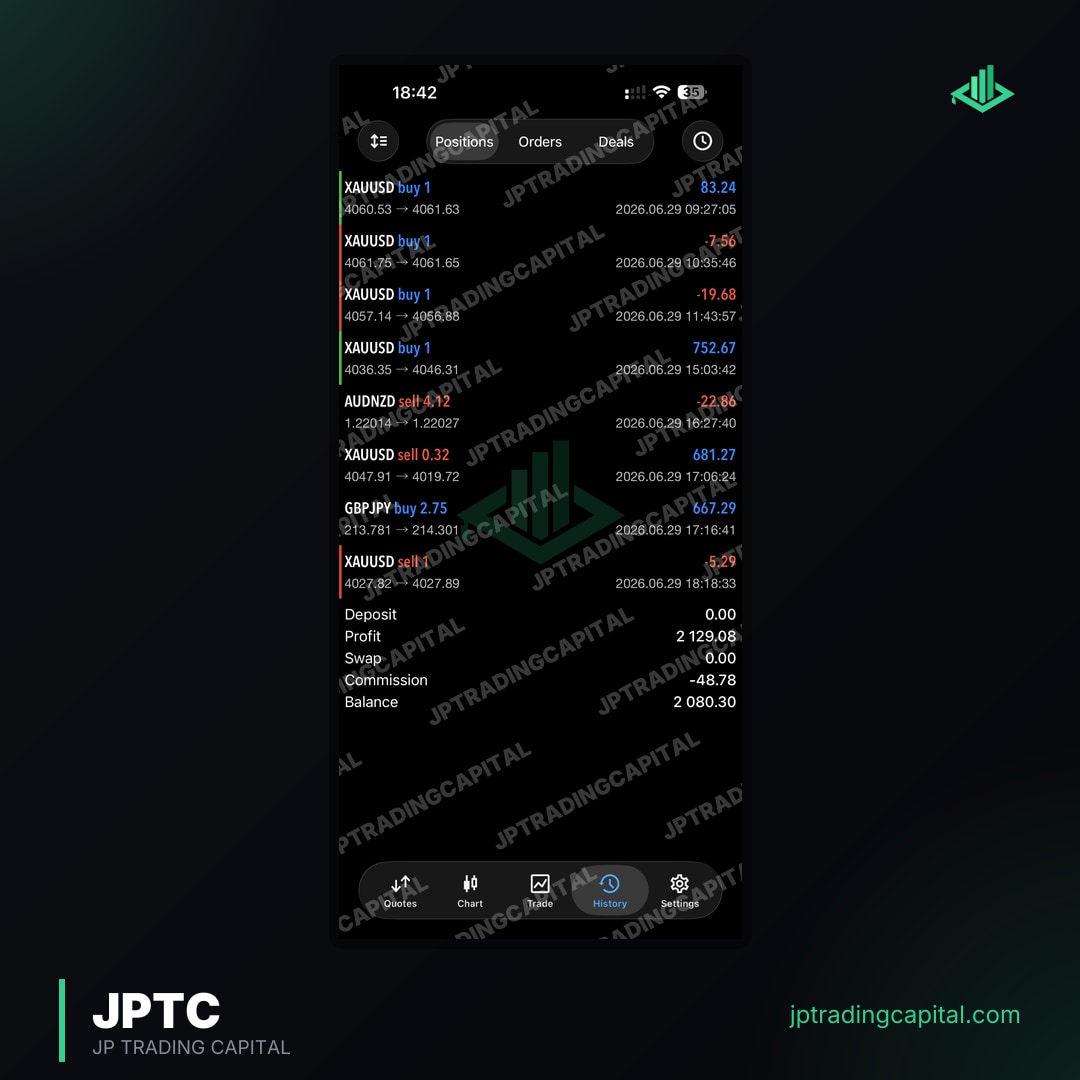
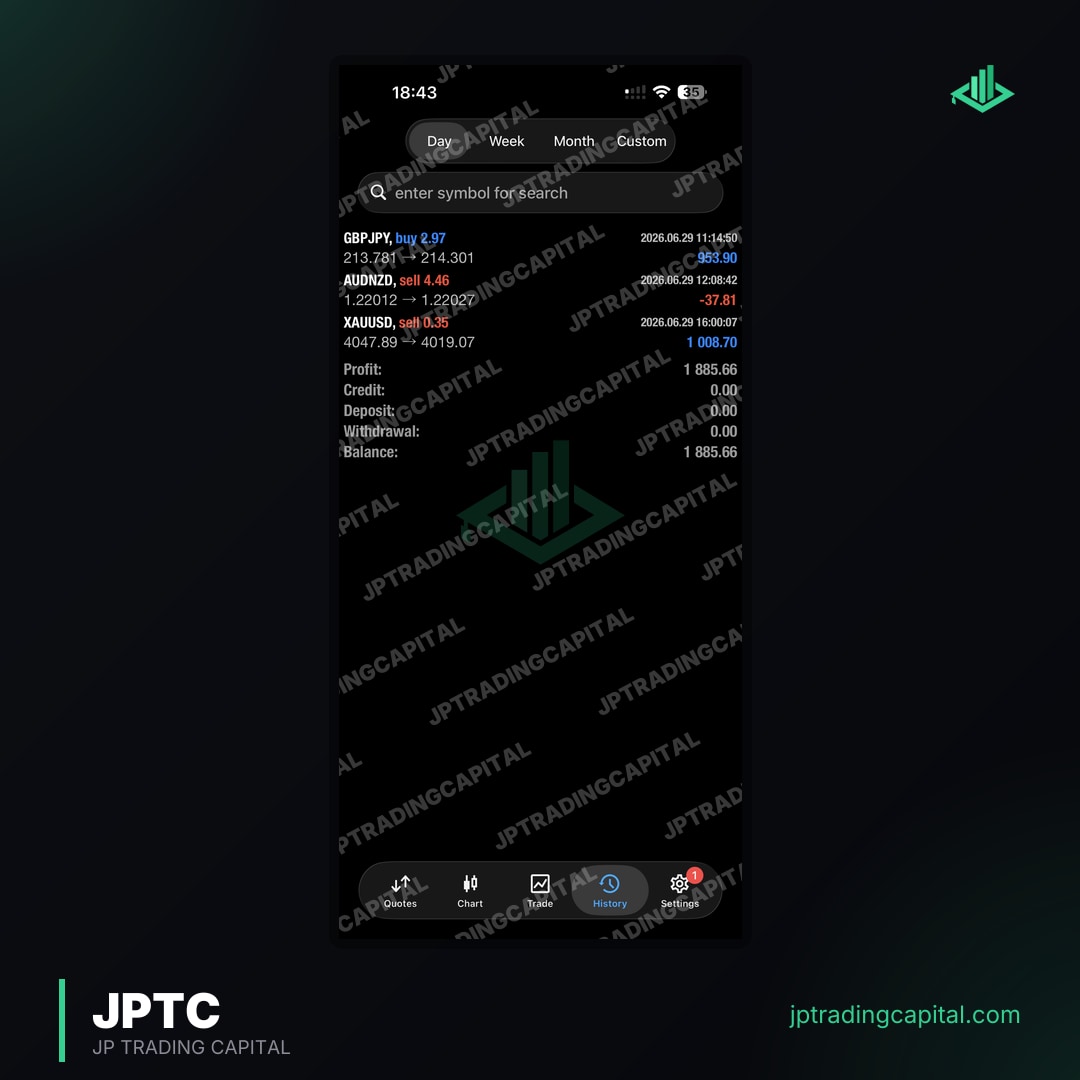
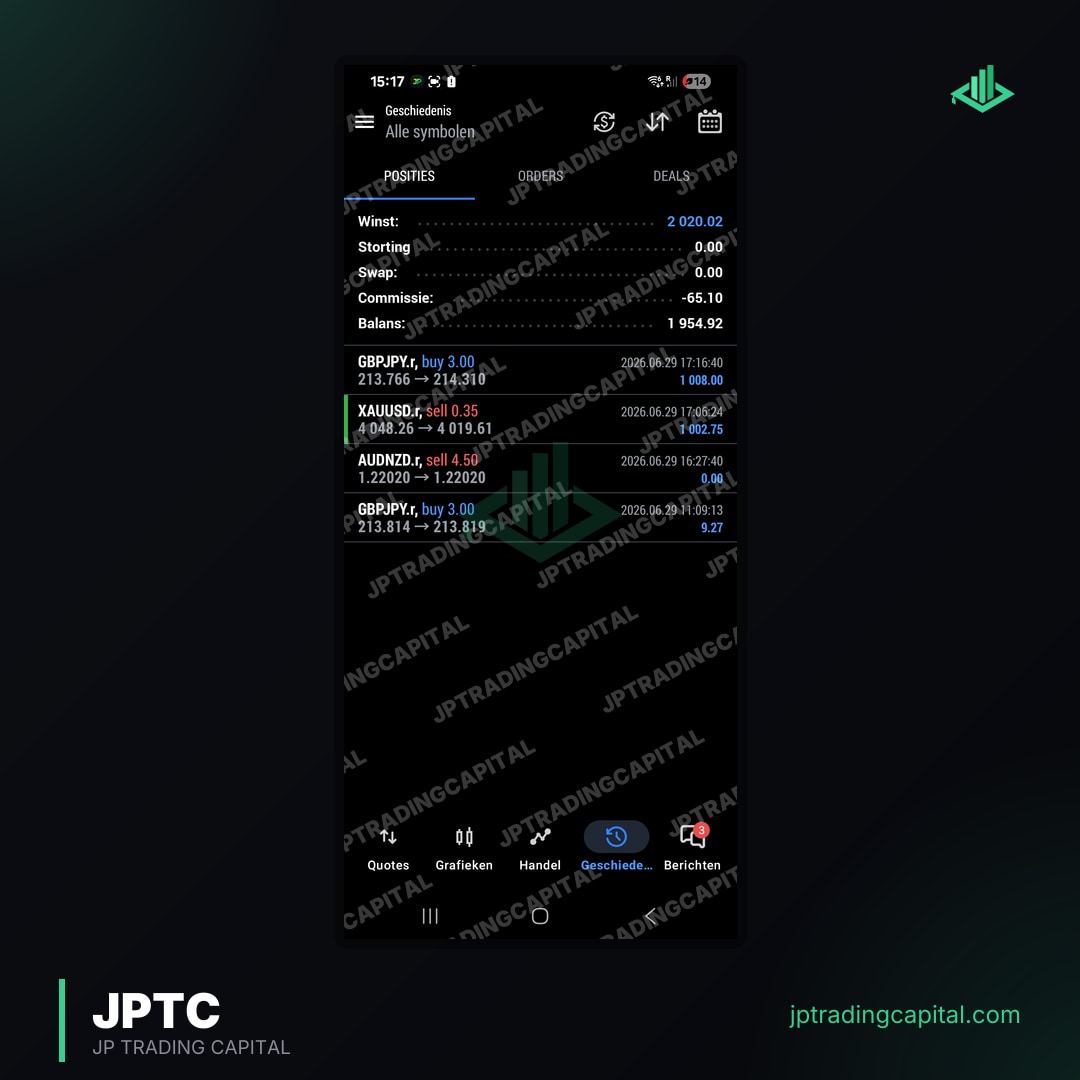
Automated trading, particularly through Expert Advisors (EAs), offers a significant advantage for traders aiming to become a successful FTMO Trader by ensuring consistent execution and adherence to strict rules.
The demanding nature of prop firm evaluations, with their precise drawdown limits and time constraints, makes human error and emotional trading significant obstacles. EAs can execute strategies with machine precision, day and night, without succumbing to the psychological pressures that often derail even experienced manual traders. This mechanical consistency is a powerful tool in meeting the rigorous requirements of what is an FTMO Trader.
The Power of Expert Advisors (EAs) in Prop Trading
Expert Advisors are software programs that automate trading decisions on platforms like MT4 and MT5. For prop firm challenges, EAs offer several compelling benefits:
- Discipline and Rule Adherence: EAs are programmed to follow rules exactly. This means daily drawdown limits, maximum loss limits, and other specific parameters can be hard-coded into the EA, preventing accidental breaches.
- Emotionless Trading: EAs remove the psychological element from trading. Fear of loss or greed for more profits, which can lead to impulsive decisions, are eliminated.
- Backtesting and Optimization: Strategies can be rigorously backtested over historical data to prove their viability and optimize parameters before risking any capital. This data-driven approach dramatically increases the probability of success.
- 24/5 Operation: EAs can trade around the clock, taking advantage of opportunities even when the trader is away from their screen, maximizing potential profit generation within the evaluation period.
The JPTradingCapital team has observed firsthand how EAs can transform a trader's performance in prop firm evaluations, particularly for those struggling with consistency or rule adherence. Our JPTC EA Hub is specifically designed with these challenges in mind, offering pre-configured, backtested strategies that respect prop-firm rules.
Navigating FTMO Rules with Automated Strategies
Integrating Expert Advisors into your FTMO strategy requires careful planning, but it can be highly effective. The key is to select or develop EAs that are specifically designed to operate within the tight constraints of prop firm rules.
For instance, an EA can be programmed to automatically stop trading for the day if the daily drawdown limit is approached, preventing a rule breach. Similarly, it can manage position sizing dynamically to ensure the overall maximum drawdown is respected. Our research and verified track records demonstrate that a well-configured EA can significantly improve a trader's chances of passing prop firm challenges.
For an example of what a 2-year live algo track record looks like, see JPTradingCapital's published results. This showcases the consistent performance and risk management possible with automated systems. When considering what is an FTMO Trader, integrating reliable automated strategies can be a game-changer for long-term success.
Beyond the Challenge: Life as a Funded FTMO Trader
Once you become an FTMO Trader, the focus shifts from passing an evaluation to consistently managing a funded account, with ongoing benefits and responsibilities.
The initial thrill of passing the Challenge and Verification phases transitions into the daily discipline of professional trading. While the pressure of evaluation might ease, the need for stringent risk management and consistent profitability remains paramount. This is where the real journey of a funded trader truly begins, offering the chance to build a substantial income stream without risking personal capital.
Profit Splits and Scaling Opportunities
One of the most attractive aspects of being an FTMO Trader is the generous profit split. FTMO offers a high percentage of the profits generated, typically starting at 80% for the trader, with the potential to reach up to 90% through their Scaling Plan.
The Scaling Plan is a mechanism designed to reward consistent performance. If a trader achieves a certain percentage of profit (e.g., 10% net profit in four consecutive payout cycles) while maintaining all risk parameters, FTMO will increase the capital in their trading account. This means a trader can progressively manage larger sums of money, amplifying their potential earnings without needing to pass another evaluation from scratch. This scaling potential is a significant draw for ambitious traders, providing a clear path for growth.
Maintaining Consistency and Managing Risk
Life as a funded FTMO Trader is about sustained performance. The same daily and maximum drawdown rules that applied during the evaluation phases continue to apply to a funded account. Breaching these rules can lead to the termination of the trading account.
Therefore, continuous adherence to a robust trading plan, disciplined execution, and active risk management are essential. Traders must view their funded account as a long-term venture, prioritizing capital preservation alongside profit generation. The JPTradingCapital team advises funded traders to regularly review their strategies, adapt to market conditions, and avoid complacency. What is an FTMO Trader in the long run is defined by their ability to maintain this high level of discipline and consistency.
Common Pitfalls and How to Avoid Them on Your FTMO Journey
Many aspiring FTMO Traders encounter common challenges that can derail their progress; understanding and proactively addressing these can significantly increase the chances of success.
The path to becoming a funded trader is not without its hurdles, and recognizing these potential pitfalls is the first step toward overcoming them. From psychological pressures to inadequate preparation, various factors can lead to failure in the FTMO Challenge and Verification phases, or even with a funded account.
Overcoming Psychological Pressures
Trading, especially under the pressure of a prop firm evaluation, is intensely psychological. Fear of failure, greed, impatience, and overconfidence are common emotions that can lead to poor decision-making.
Many traders, despite having sound strategies, succumb to these pressures, leading to overtrading, revenge trading, or deviating from their plan. To counter this, developing strong mental resilience is key. This involves:
- Sticking to a Trading Plan: A detailed plan acts as a guide, reducing the need for emotional decisions.
- Managing Expectations: Understand that not every trade will be a winner, and losses are part of the process.
- Taking Breaks: Step away from the screens to clear your mind, especially after a series of losses or intense trading.
- Journaling: Documenting trades and the emotions surrounding them can help identify patterns and areas for improvement.
As an FTMO Trader, mastering your psychology is as critical as mastering your strategy.
The Importance of a Robust Trading Plan
A lack of a well-defined and rigorously tested trading plan is another major pitfall. Many traders jump into the FTMO Challenge with vague ideas or untested strategies, hoping for the best.
A robust trading plan should outline entry and exit criteria, position sizing, risk per trade, acceptable assets, and daily limits. It should be based on thorough backtesting and consistent forward testing. Without a clear plan, traders are more likely to make impulsive decisions, violate rules, and ultimately fail the evaluation. The JPTradingCapital team emphasizes that a detailed plan, combined with disciplined execution, forms the bedrock of success for what is an FTMO Trader.
What is the difference between an FTMO Trader and a regular retail trader?
Is the FTMO Challenge fee refundable?
Can I use Expert Advisors (EAs) or automated trading systems with FTMO?
What happens if I breach the daily or maximum drawdown limit as an FTMO Trader?
How often do FTMO Traders receive payouts?
Related Articles
- Apex Trader Funding vs TopStep: Which Futures Prop Firm Is Best in 2026? · Read more →
- How to Choose the Right Prop Firm in 2026: Complete Selection Guide · Read more →
- Best Prop Firm EA MT4 in 2026: 7 Keys to Pass Challenges · Read more →
- Discord Trading Communities: Why Serious Traders Use Them · Read more →
- Can a Trading Bot Pass Gold EA Prop Firm Challenges? · Read more →
- Best MT4 Expert Advisor for Prop Firms: 7 Key Strategies (2026) · Read more →
- MT4 vs MT5 for Prop Firm Trading: Which Platform to Choose? · Read more →
- Best MT5 Expert Advisor in 2026: Pass Prop Firms Fast · Read more →
The EA built for prop firm rules
Daily drawdown guard, hard max-loss stop, consistency-aware pacing and a news pause, on MT4 and MT5. One-time €797, no monthly fee. If you would rather not run the evaluation yourself, we run it for you.
See the EA Hub