Real Automated Forex Trading: 7 Ways EAs Pass Prop Firm Challenges [2026]
Material update: Site-wide prohibited-phrase cleanup applied on 2026-08-23; editorial review status was not changed.
![Real Automated Forex Trading: 7 Ways EAs Pass Prop Firm Challenges [2026]](https://images.pexels.com/photos/38782894/pexels-photo-38782894.jpeg?auto=compress&cs=tinysrgb&dpr=2&h=650&w=940)
Automated forex trading, a frequent topic of discussion on platforms like Reddit, involves using Expert Advisors (EAs) or trading bots to execute trades based on predefined rules. For prop firm traders, well-designed EAs offer a significant advantage by enforcing strict risk management, adhering to daily drawdown and maximum loss limits, and eliminating emotional biases common in manual trading.
For the full picture of how an automated FX trading system works, what it costs to run and what breaks it on a live account, see our guide to automated forex trading.
- Expert Advisors provide consistent, disciplined execution for prop firm challenges.
- Realistic annual returns for robust EAs typically range from 10-20%, avoiding inflated promises.
- Thorough backtesting and forward testing are crucial to avoid over-optimization pitfalls.
- Automation helps mitigate the psychological stress and emotional errors of manual trading.
- Prop firm-tailored EAs automatically manage daily drawdown and maximum loss limits.
What Reddit Says About Automated Forex Trading (And What It Misses)
Discussions on Reddit about automated forex trading frequently highlight both the potential and the pitfalls, often focusing on questions of viability, realistic returns, and personal experiences with trading bots. Popular threads often ask, "Are Forex Bots working?" or "Are AI forex bots making 10 to 20% per year actually realistic?" These conversations reflect a common curiosity about the efficacy of automation and a healthy skepticism towards exaggerated claims.
Many Reddit users share experiences of transitioning from manual trading due to the emotional toll it takes, seeking the discipline that automated systems promise. They explore topics like Python QuickFIX libraries for data feeds and order placement, or simply ask for pointers on where to begin their research into trading bots. While these discussions offer valuable peer insights and a sense of community, they often miss the specific nuances required for professional trading environments, particularly prop firm challenges.
What Reddit discussions frequently gloss over are the concrete strategies for robust backtesting, the specific challenges of adhering to prop firm rules, and the ongoing human oversight required even with fully automated systems. The "automated forex trading Reddit" discourse provides a good starting point for general interest, but a deeper dive is needed for actionable, professional application.
Are Automated Forex Bots Truly Realistic? Separating Hype from Reality
The realism of automated forex bots hinges on understanding their design, testing rigor, and the specific market conditions they operate within, rather than relying on sensational claims. While some online vendors make outlandish promises, the general consensus among experienced traders, echoed in many discussions, is that a solid automated strategy can realistically aim for annual returns in the 10-20% range. This is a far cry from the "chase fast profits" schemes often seen, and it underscores the importance of a disciplined, long-term approach.
The primary challenge for many aspiring automated traders is distinguishing between genuinely robust strategies and those that are merely "over-optimized" or "hide the real problems." An over-optimized bot might show stellar performance on historical data but fail dramatically in live markets because it's been curve-fitted to past patterns rather than designed for future adaptability. The JPTradingCapital team emphasizes that true realism comes from extensive backtesting across diverse market conditions, forward testing on demo accounts, and continuous monitoring of live performance.
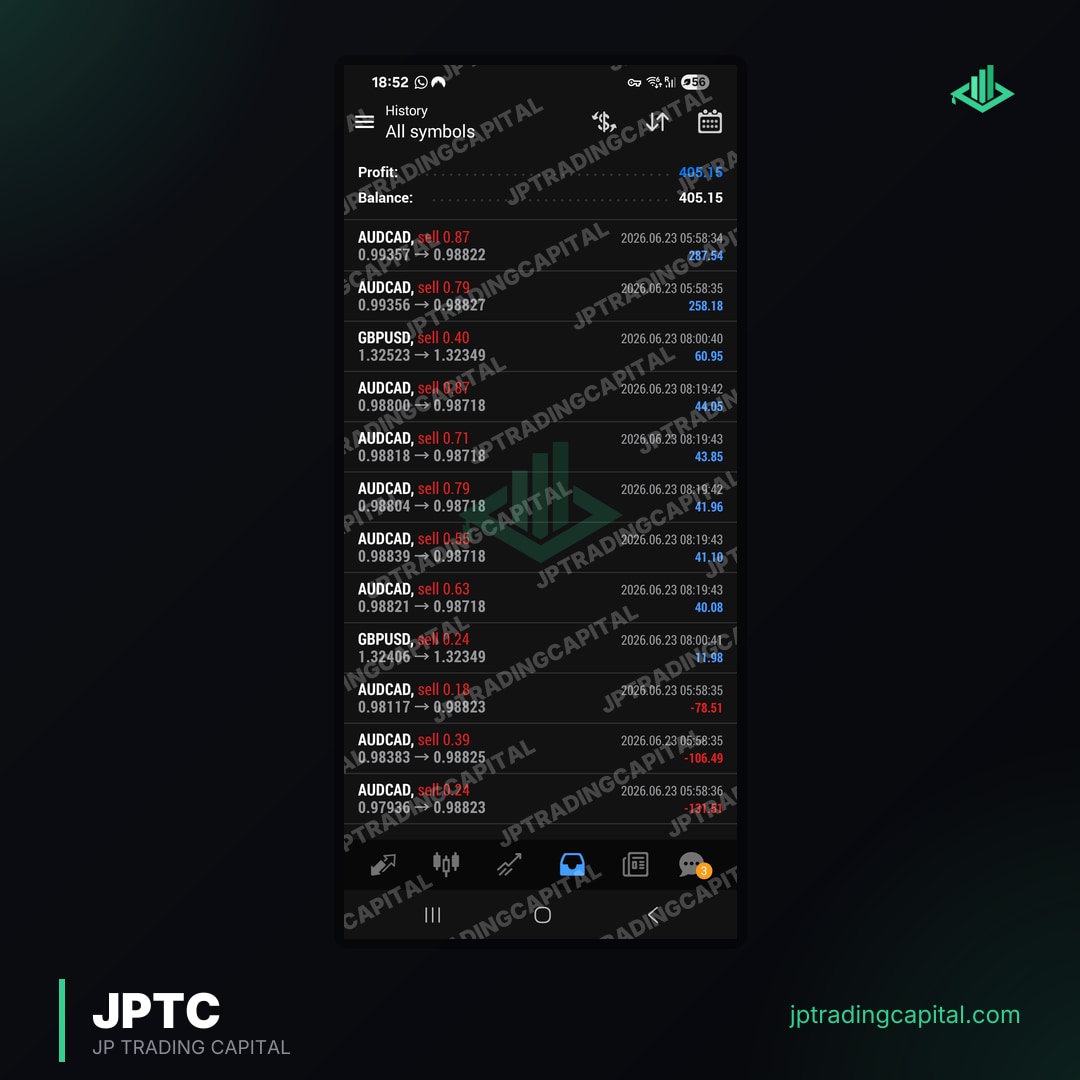
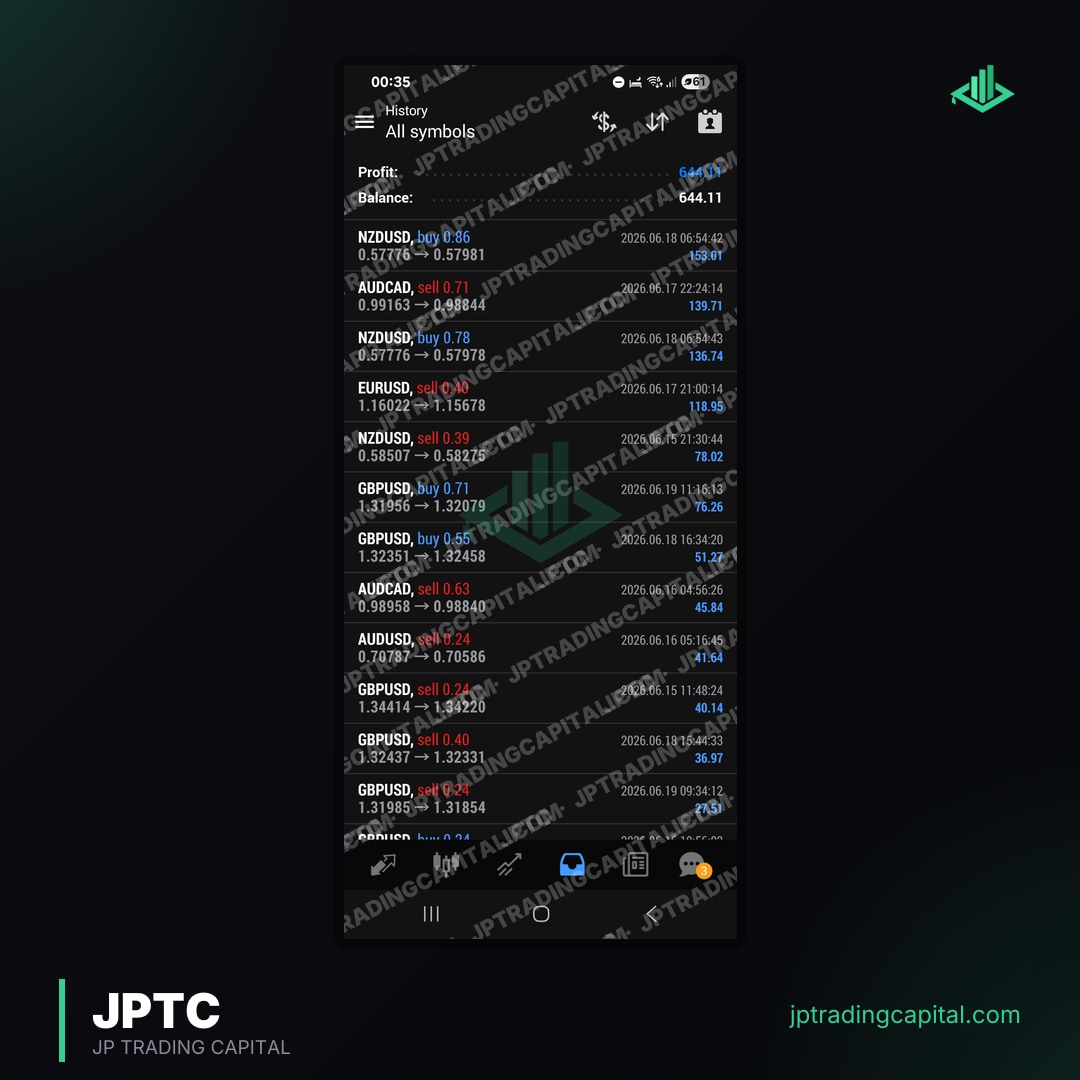
For an example of what a 2-year live algo track record looks like, see JPTradingCapital's published results. This transparency is crucial for validating the claims of any automated trading system. Relying on verified performance data, rather than anecdotal evidence or marketing hype, is fundamental to assessing the true potential of automated forex trading.
The Core Benefits of Automated Trading, Especially for Prop Firms
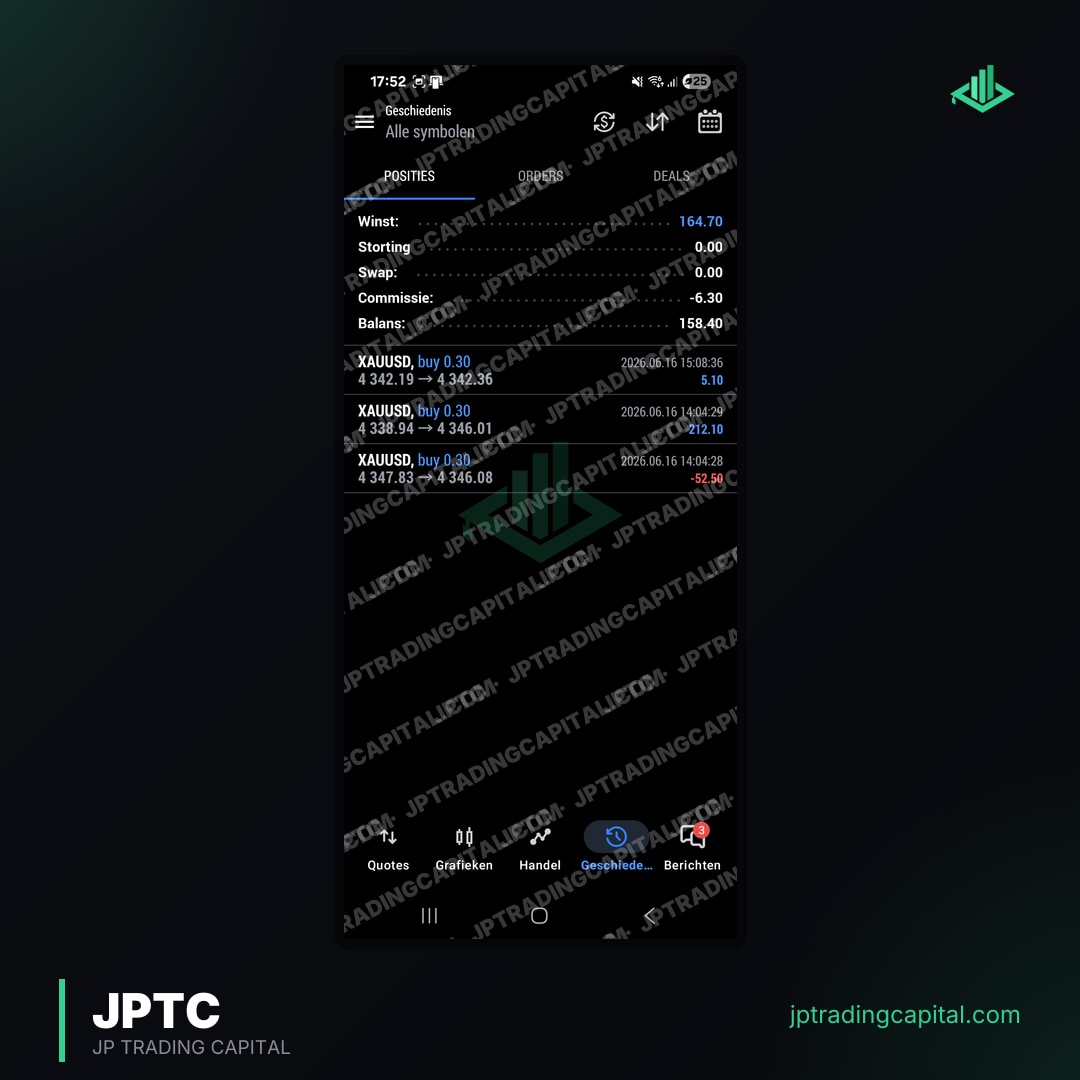
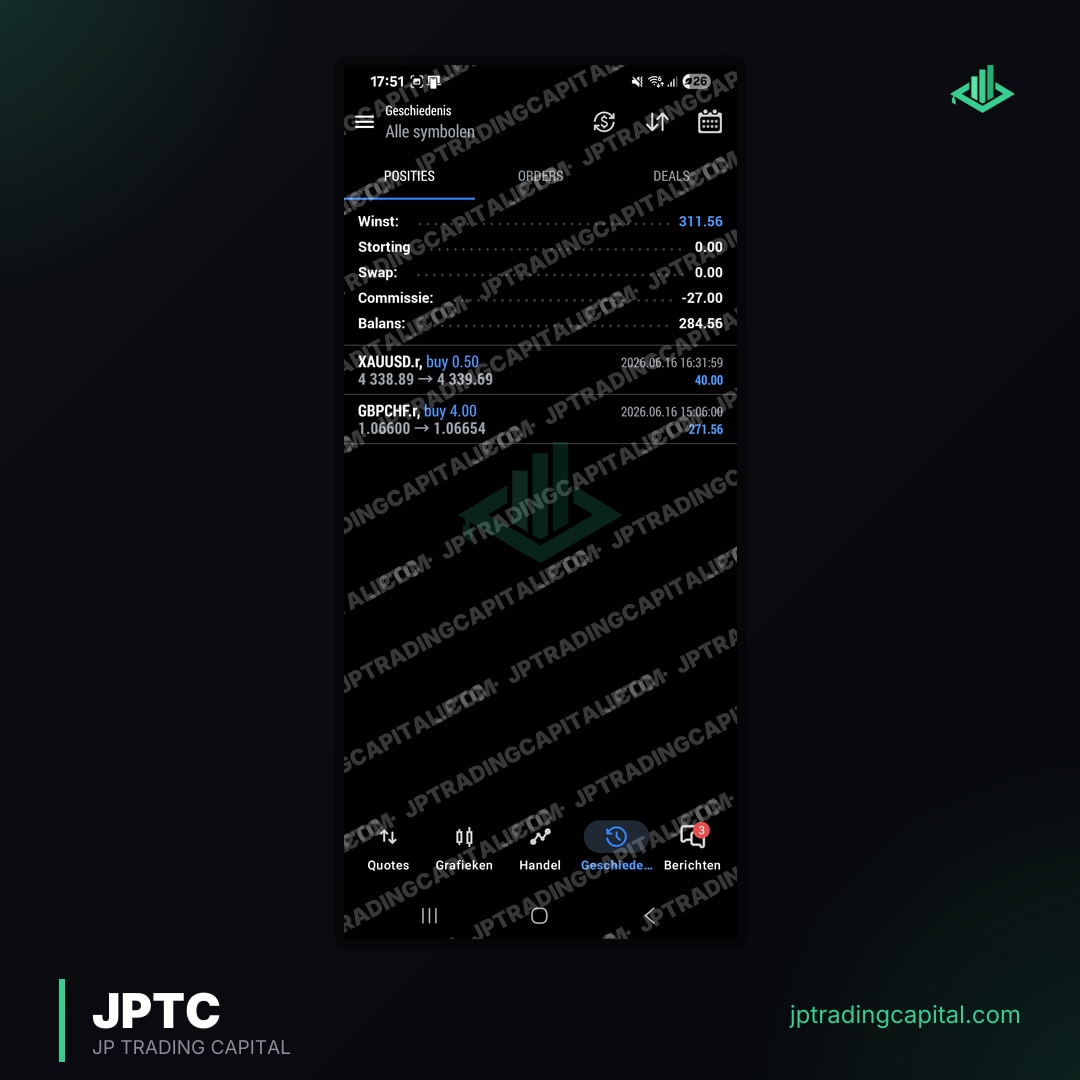
Automated trading systems offer unparalleled discipline, speed, and the ability to operate without emotional interference, which are critical advantages for traders navigating the strict rules of prop firm evaluations. Manual trading, as many Reddit users attest, can be emotionally draining. Fear of loss, greed, and impatience often lead to irrational decisions that deviate from a well-planned strategy, resulting in inconsistent performance and missed opportunities.
An Expert Advisor, by contrast, executes trades based purely on its programmed logic, impervious to market noise or personal feelings. This consistency is invaluable for prop firm challenges that demand steady, predictable performance within defined risk parameters. Automated systems can monitor multiple currency pairs or instruments simultaneously, identifying and acting on trading signals far faster than any human, ensuring no opportunity is missed due to slow reaction times.
For prop firm traders, the benefits extend directly to passing evaluations. Automated EAs ensure that daily drawdown limits, maximum overall loss, and profit targets are respected with surgical precision. This algorithmic discipline helps traders maintain composure and focus on strategy refinement, rather than battling their own psychology. Our research shows that traders using well-designed EAs often report reduced stress and improved adherence to their trading plans, leading to a higher success rate in challenging prop firm evaluations. You can explore how these tools help in passing prop firm challenges.
Navigating Prop Firm Rules with Expert Advisors: A Strategic Edge
Expert Advisors specifically designed for prop firm challenges can automatically enforce critical rules such as daily drawdown limits, maximum overall loss, and consistency objectives, significantly increasing the chances of passing evaluations. Prop firms like FTMO, FundedNext, FXify, TopStep, and E8 Funding all have stringent rules designed to test a trader's discipline and risk management capabilities. Failing to adhere to even one of these rules, such as exceeding a daily drawdown, can lead to immediate account termination.
This is where sophisticated automated forex trading systems, like the JPTC EA Hub, become indispensable. Our flagship product is built precisely for this purpose, offering automated EAs pre-configured with backtested strategies that respect these crucial prop-firm rules. For example, FTMO's official rules page specifies precise drawdown limitations. A well-programmed EA can automatically monitor your floating PnL and equity, closing trades or halting operations if a daily drawdown threshold is approached, thereby preventing a breach.
Similarly, EAs can be programmed to ensure that maximum loss limits are never exceeded over the entire evaluation period. They can also aid in meeting consistency rules by preventing over-leveraging on single trades or wildly fluctuating lot sizes. By automating these critical compliance tasks, traders can focus on strategy optimization rather than the constant, stressful monitoring of their account metrics. This strategic advantage is paramount for those serious about becoming funded traders. Learn more about our specialized Expert Advisors.
Avoiding Common Pitfalls: Over-Optimization, Data Snooping, and Unrealistic Expectations
To succeed with automated forex trading, it is crucial to actively avoid pitfalls like over-optimization, where an EA performs well only on historical data, and to manage expectations regarding returns. Over-optimization, also known as curve-fitting, is a pervasive problem. It occurs when an EA's parameters are tweaked excessively to perfectly match past market movements, making it perform poorly when faced with new, unseen data. This often leads to the disillusionment expressed by many on "automated forex trading Reddit" threads when a promising bot fails in live trading.
The JPTradingCapital team employs robust methodologies to counter this. One key approach is walk-forward optimization, where an EA is optimized on a segment of historical data, then tested on a subsequent, unseen segment. This process is repeated across the entire dataset, providing a more realistic assessment of the strategy's adaptability. Another pitfall is data snooping, where researchers unconsciously bias their strategy design by repeatedly testing and modifying it on the same dataset, leading to inflated performance metrics that don't hold up in real-time. To mitigate this, it's vital to use out-of-sample data for final validation.
Beyond technical pitfalls, managing expectations is critical. While 10-20% annual returns can be realistic for a solid strategy, expecting daily or weekly miracles is a recipe for disappointment. Automated trading is not a "set it and forget it" solution; it requires ongoing monitoring, periodic strategy review, and adaptation to evolving market conditions. Even the best EAs can encounter periods of drawdown, and understanding these cycles is part of a mature trading approach. Our verified results demonstrate consistent performance over time, emphasizing realism over hype.
Building Your Own or Choosing a Pre-Configured EA: What to Consider
Traders deciding between developing their own automated system or utilizing a pre-configured Expert Advisor must weigh the time commitment, technical expertise required, and the proven track record of available solutions. For those with programming skills, building a custom bot offers ultimate control. As seen in "automated trading : r/Forex" discussions, some traders delve into Python QuickFIX libraries for direct FIX protocol communication or use MQL4/MQL5 on MetaTrader platforms.
Developing a robust EA from scratch requires not only coding proficiency but also a deep understanding of trading strategy, risk management, and rigorous testing methodologies. It's a significant time investment that involves backtesting, optimization, and continuous refinement. The MQL5 community offers extensive resources for those embarking on this journey, including marketplaces for EAs and freelance developers.
For many prop firm traders, however, the time and expertise required for custom development are prohibitive. This is where pre-configured, tested EAs offer a compelling alternative. Solutions like the JPTC EA Hub provide ready-to-use Expert Advisors with strategies already backtested and optimized to respect prop firm rules. This allows traders to quickly deploy proven automation without the development overhead, focusing instead on learning to manage the EA effectively and understanding its underlying logic. The key is to choose solutions from reputable providers that offer transparency, verified track records, and clear documentation, ensuring you understand how the EA operates and its inherent risks.
The Future of Automated Forex Trading: AI and Beyond
The landscape of automated forex trading continues to evolve rapidly with advancements in artificial intelligence and machine learning, promising more adaptive and sophisticated trading strategies. The mention of using tools like ChatGPT in developing forex bots, as noted in Reddit discussions, points to a growing trend towards leveraging advanced AI for strategy generation, market analysis, and even code development. While current AI models may not fully replace human intuition in complex market scenarios, their capacity to process vast amounts of data and identify subtle patterns far exceeds human capabilities.
Future developments in automated forex trading are likely to focus on EAs that can dynamically adapt to changing market conditions rather than relying on static rulesets. This includes machine learning models that can learn from new data, refine their strategies in real-time, and even predict shifts in market sentiment with greater accuracy. However, this also introduces new complexities, such as the need for robust data pipelines, ethical AI considerations, and the challenge of preventing AI models from over-optimizing to transient market noise.
As these technologies mature, the barrier to entry for sophisticated automated trading may lower, allowing more traders to access powerful tools previously reserved for institutional players. For prop firm traders, this means even more refined EAs capable of navigating complex rule sets with enhanced precision and adaptability, offering an ever-sharper edge in competitive trading environments.
Are forex bots legal?
Yes, forex bots (Expert Advisors) are legal in most jurisdictions. They are simply software programs that automate trading decisions based on predefined rules. The legality typically depends on the broker's terms of service and local financial regulations regarding automated trading, which generally permit their use.
Can an EA pass a prop firm challenge?
Absolutely. Many traders successfully use EAs to pass prop firm challenges. The key is using an EA specifically designed to adhere to the prop firm's rules, such as daily drawdown, maximum loss, and consistency objectives. The JPTC EA Hub, for example, is built with these rules in mind to help traders navigate evaluations.
What's the best platform for automated forex trading?
MetaTrader 4 (MT4) and MetaTrader 5 (MT5) are widely considered the industry standard platforms for automated forex trading. They offer robust charting tools, extensive backtesting capabilities, and a dedicated environment for running Expert Advisors (EAs).
How much capital do I need to start automated trading?
The capital needed varies. For retail trading, you might start with a small account (e.g., $100-$500) with a broker, though this offers limited room for error. For prop firm trading, you pay a one-time fee for an evaluation account (e.g., €99 for a $5,000 account with FTMO), but you don't risk your own trading capital beyond that fee.
What is the main risk of automated forex trading?
The main risk is using an Expert Advisor that is not robustly tested or is over-optimized. Such EAs might perform well on historical data but fail in live market conditions, leading to significant losses. Other risks include technical failures, internet connectivity issues, or unexpected market events that the EA is not programmed to handle.
Related Articles
- Forex Trading Bots: Automate Your Strategy · Read more →
- Forex Bot Trading: Master Automated Prop Firm Challenges · Read more →
- Forex Trading Bot: Your Automated Profit Partner · Read more →
- Forex Trading Bot AI: Master Prop Firms & Maximize Profits · Read more →
- Forex Trading Bot for Android: Your Guide · Read more →
- Forex Trading Bot GitHub: Your Open-Source Guide · Read more →
- Forex Trading Bot MT5: Your Prop Firm Edge · Read more →
- Forex Trading Bot Reddit: Are They Real or Just Hype? · Read more →
The EA built for prop firm rules
Daily drawdown guard, hard max-loss stop, consistency-aware pacing and a news pause, on MT4 and MT5. One-time €797, no monthly fee. If you would rather not run the evaluation yourself, we run it for you.
See the EA Hub