Best Trading Bot 2026: Which One Has a Real Verified Track Record
Material update: Site-wide prohibited-phrase cleanup applied on 2026-08-23; editorial review status was not changed. 15 October 2026: specifically identified source references, unsupported own-product/result qualifications or account-rule wording corrected. Existing publication status and URL retained. 15 October 2026: Additional own-results verification/audit wording corrected to company-published broker-statement scope.
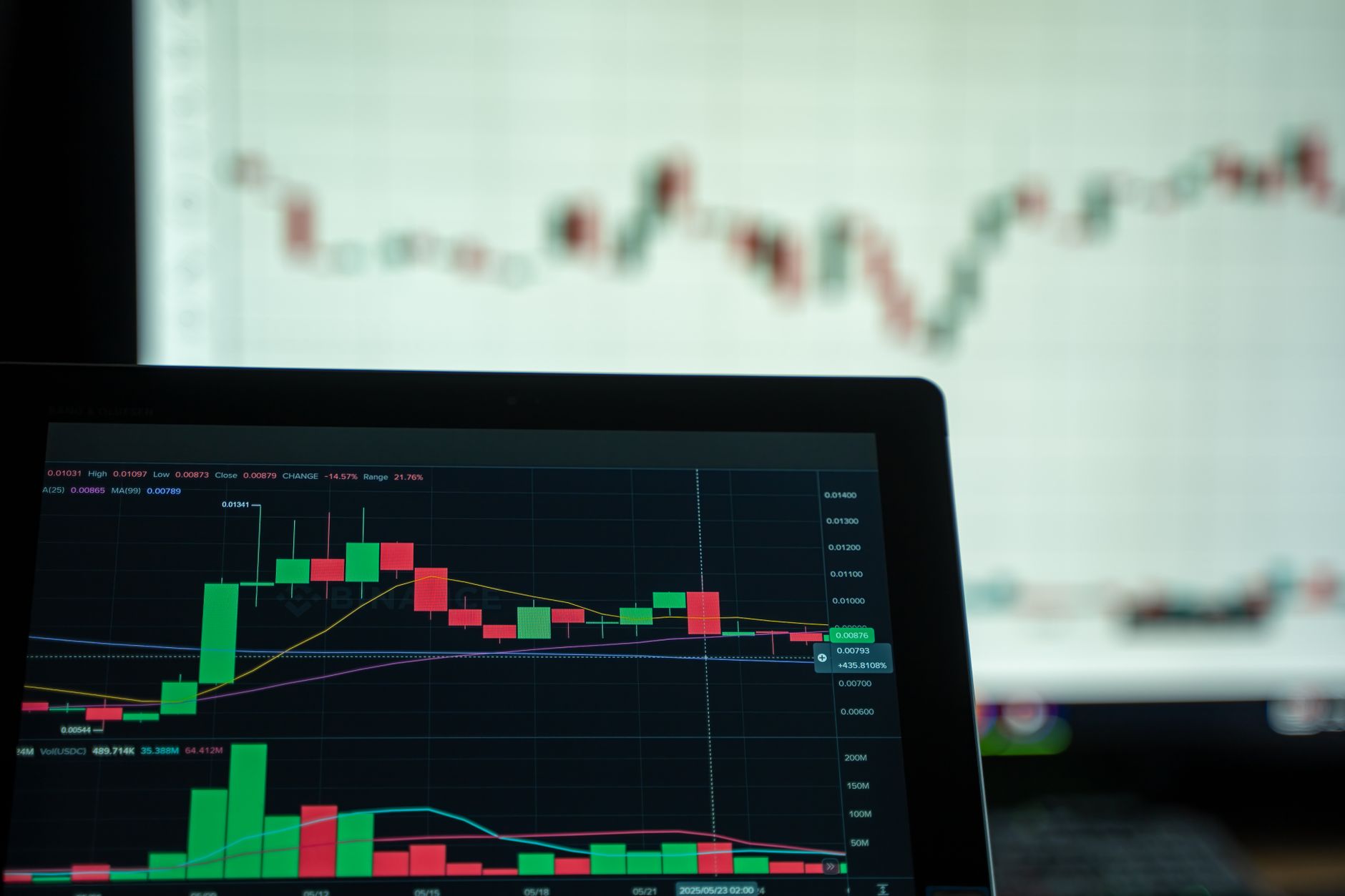
Check the original account data, reporting period, drawdowns and test conditions. For prop firm traders, it must also adhere strictly to challenge rules, ensuring long-term viability and funding.
- Check the original account data, reporting period, drawdowns and test conditions.
- Prop firm rule compliance (drawdown, max loss) is essential for funded accounts.
- Robust risk management and adaptive strategies define top-tier bots in 2026.
- Multi-platform support (MT4/MT5) and strategy customization enhance utility.
Why a Verified Track Record is Non-Negotiable for Trading Bots in 2026
A verified track record serves as the ultimate proof of a trading bot's performance, moving beyond theoretical backtests to demonstrate real-world results.
In the competitive landscape of automated trading, countless bots claim impressive returns, but without independent verification, these claims remain unsubstantiated. A truly effective trading bot will have its performance transparently displayed on third-party platforms, providing an immutable record of its trading activity. This includes critical metrics like profit factor, maximum drawdown, monthly gains, and trade history, all audited by a trusted service.
For instance, our results page is a widely recognized platform that connects directly to trading accounts, verifying trades, balances, and performance data. When evaluating a trading bot, the JPTradingCapital team strongly recommends scrutinizing its results page for at least one to two years of live trading data. Look for consistent profitability, a manageable maximum drawdown (ideally below 20-30% for a robust system, much lower for prop firm compliance), and a profit factor above 1.5. A high profit factor indicates that the bot's winning trades significantly outweigh its losing trades.
Without this level of transparency, traders are essentially investing in a black box, vulnerable to inflated claims and potential losses. JPTradingCapital publishes monthly figures from broker statements on its results page. The broker’s own account record is not an independent audit; these figures do not establish future performance or compliance for another strategy.
Beyond Backtesting: The Reality of Live Trading Performance
While backtesting is a crucial initial step in strategy development, it cannot fully replicate the complexities and unpredictable nature of live market conditions.
Backtests utilize historical data to simulate how a trading bot would have performed, and while essential for validating a strategy's core logic, they often fail to account for real-world variables. Factors like slippage, latency, broker spreads, and unexpected market events (e.g., flash crashes, geopolitical news) can significantly impact actual performance. A strategy that looks stellar in a backtest might struggle to maintain profitability when exposed to live market friction.
This is where forward testing and a verified live track record become invaluable. Forward testing involves running the bot on a demo account or a small live account for a period to observe its behavior under current market conditions without significant capital risk. Only after successful forward testing and a demonstrable live track record should a bot be considered for serious capital deployment. The JPTradingCapital team emphasizes that continuous optimization, based on live performance data, is key to maintaining a bot's edge over time. Markets evolve, and a static strategy risks becoming obsolete. A top best trading bot in 2026 will have mechanisms for ongoing adaptation and refinement.
The Best Trading Bots for Prop Firm Challenges in 2026
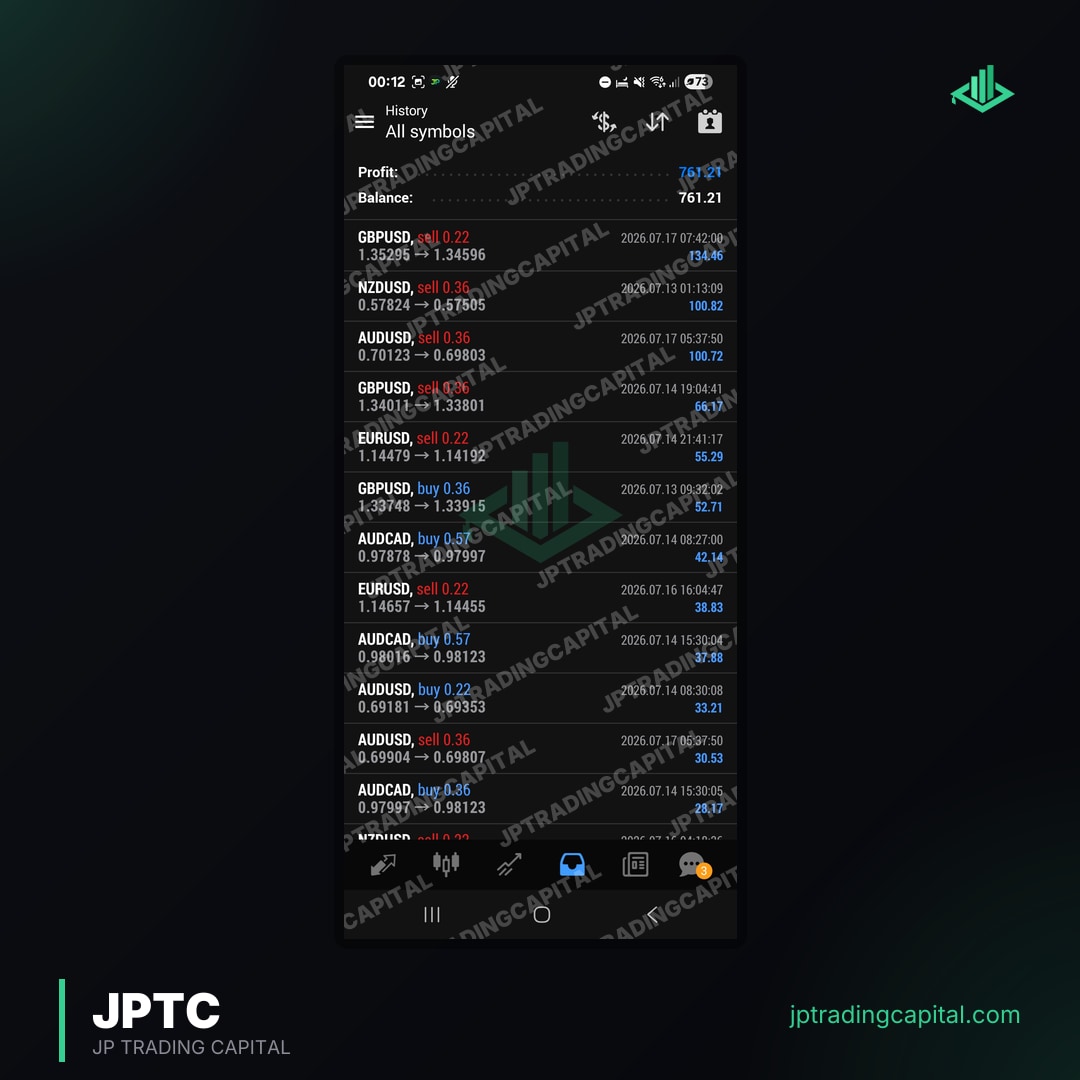
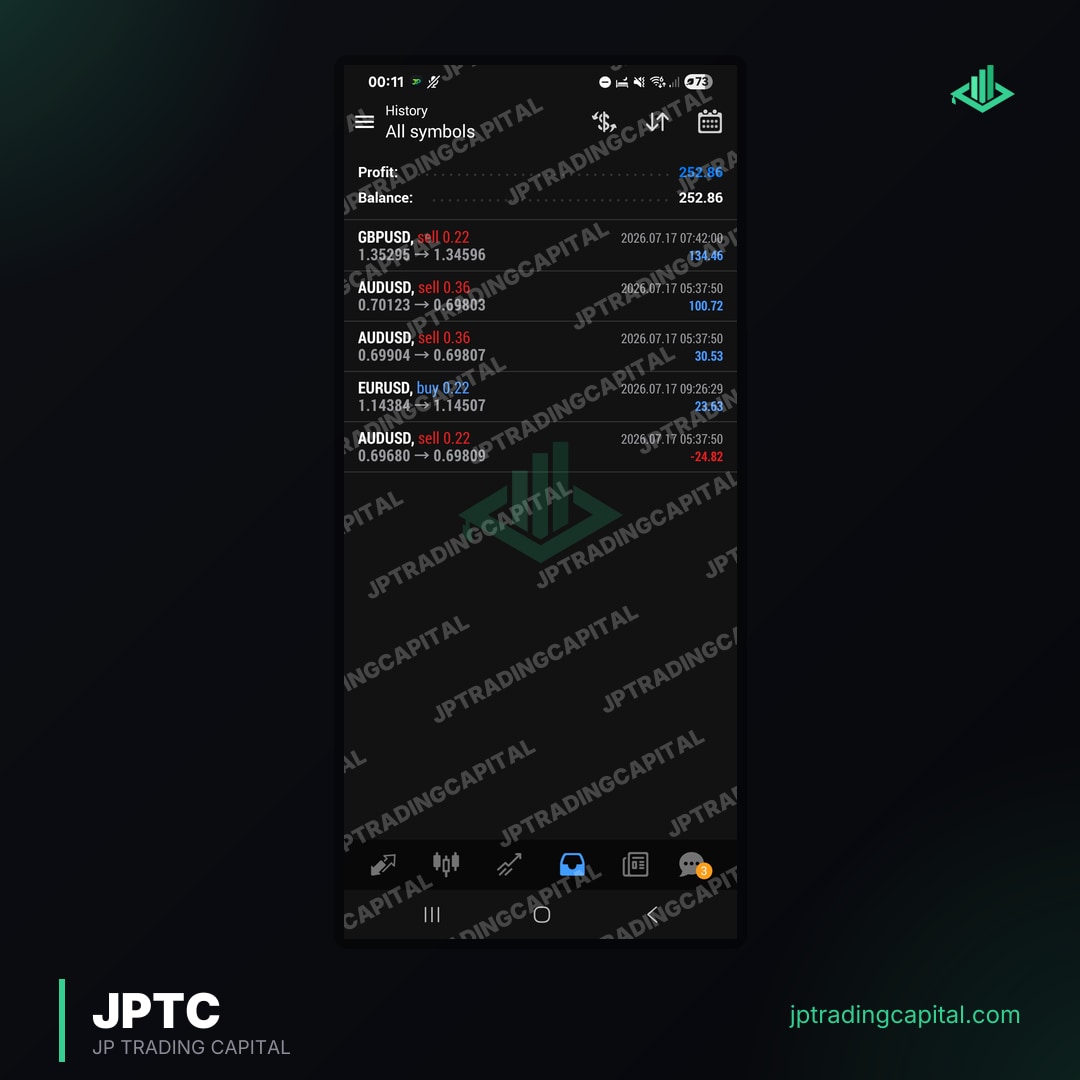
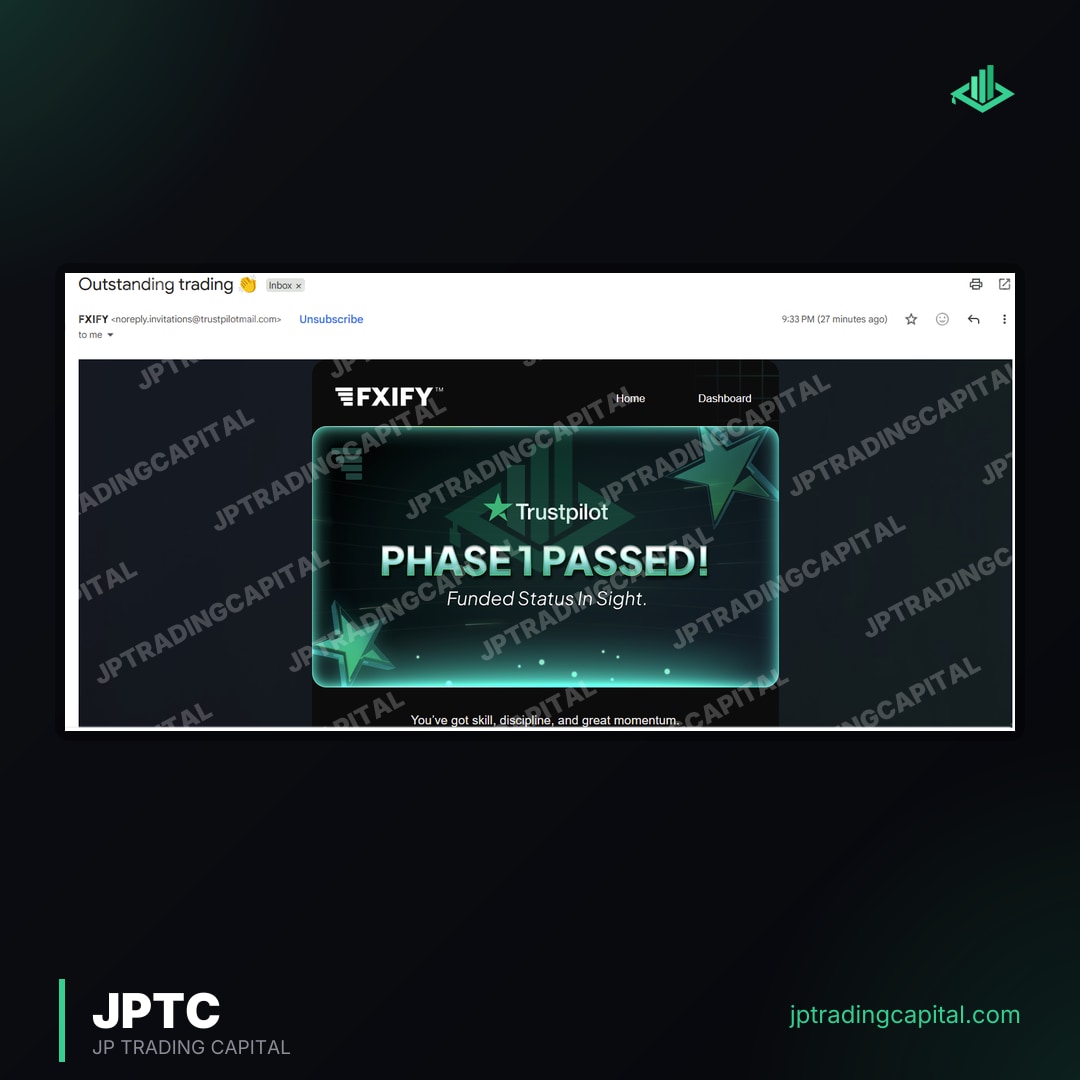
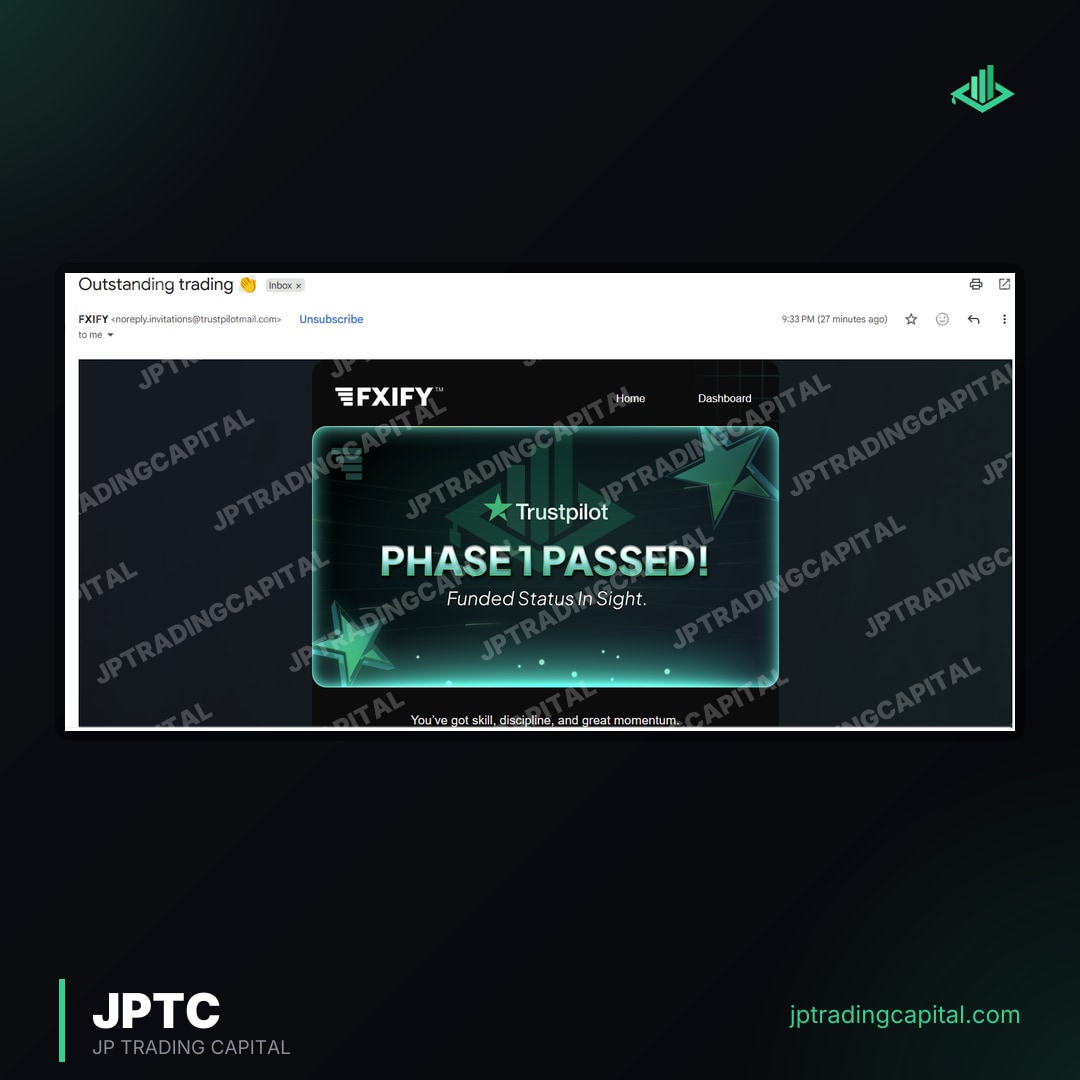
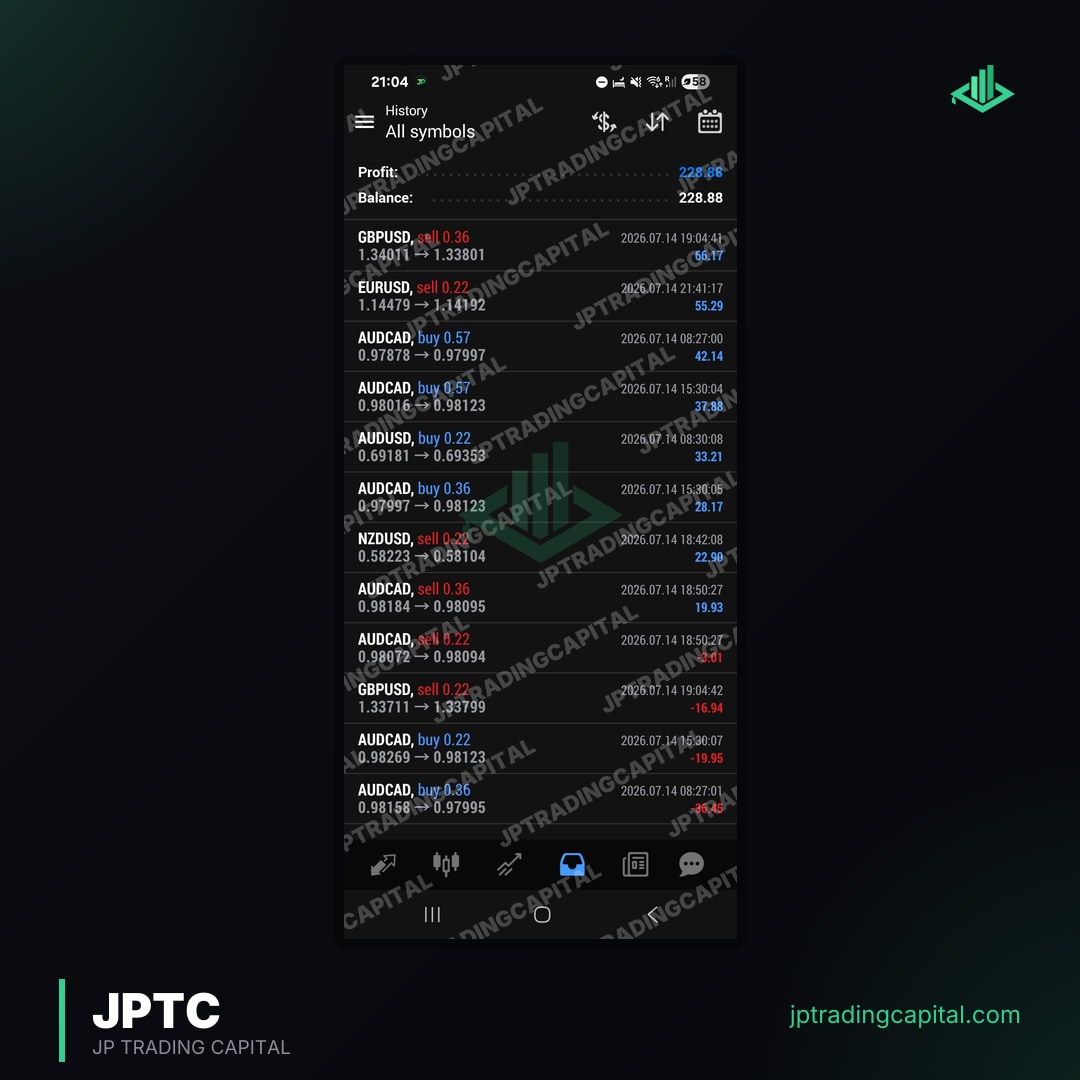
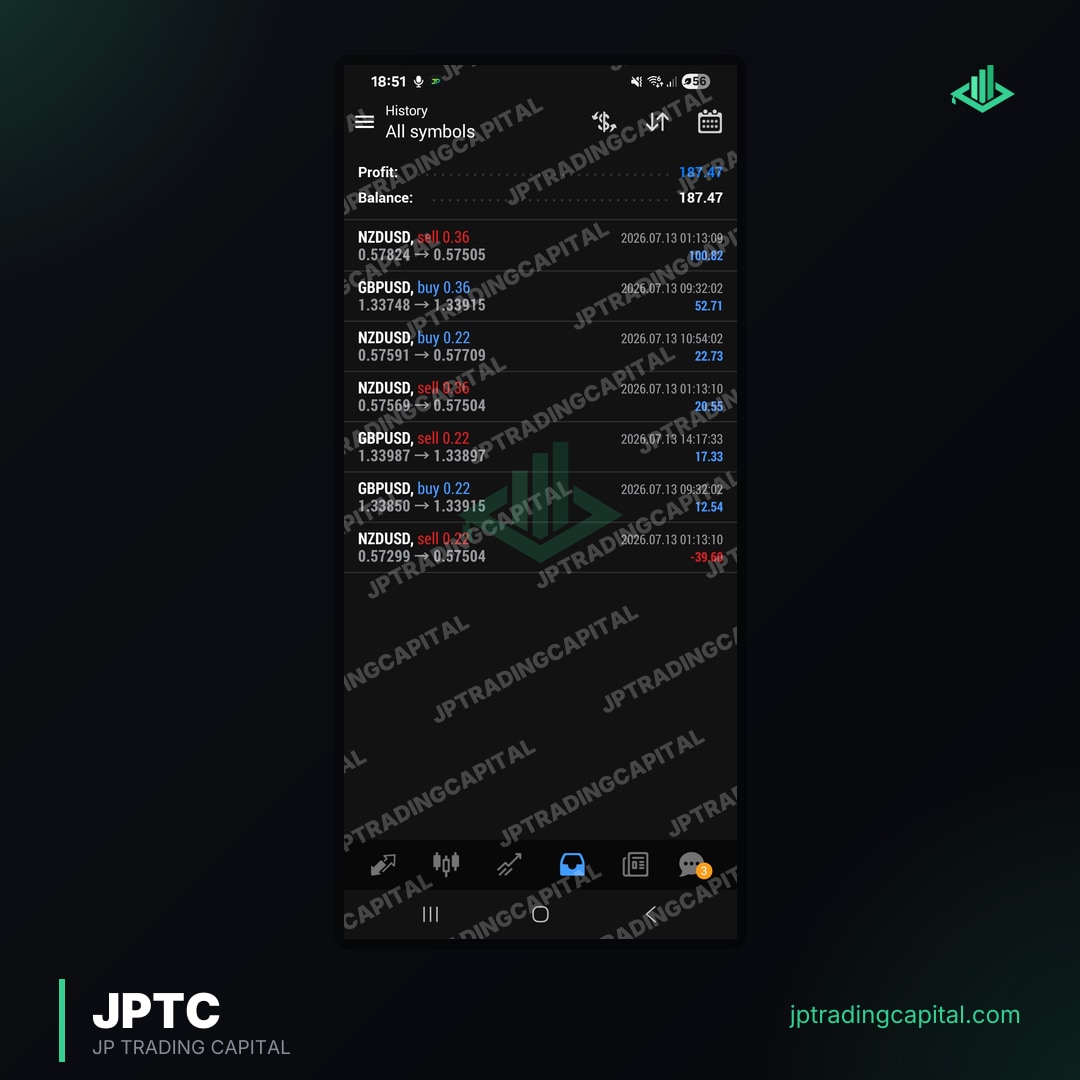
For prop firm traders, the best trading bots are those specifically designed and optimized to navigate the stringent rules and performance targets set by funding companies.
Proprietary trading firms like FTMO, FundedNext, and FXIFY offer significant capital to skilled traders, but they impose strict rules to protect their capital. These typically include daily drawdown limits, maximum overall drawdown limits, and often consistency rules. A generic trading bot, even if profitable, may fail a challenge simply by breaching a single daily drawdown limit during a volatile period.
The JPTradingCapital team understands these unique challenges intimately. Our flagship JPTC EA Hub is an example of an automated trading solution pre-configured with strategies specifically backtested and optimized to respect these prop firm rules. For instance, our EAs are designed to manage risk aggressively, incorporating dynamic stop-losses and position sizing to stay within daily and overall drawdown thresholds. This focus on compliance is paramount for traders aiming to pass evaluations and secure funded accounts.
When evaluating a best trading bot for prop firm use in 2026, look for features that directly address these constraints: adaptive risk management, explicit drawdown control mechanisms, and strategies that aim for consistent, smaller gains rather than high-risk, high-reward trades. Our experience shows that EAs built with these parameters significantly increase the probability of passing challenges and achieving payouts. You can learn more about how our tools aid in passing these evaluations on our prop firm passing strategies page.
Key Features to Look for in a Top Trading Bot in 2026
Identifying a top-tier trading bot in 2026 involves evaluating a combination of technical features, strategic capabilities, and user-centric design.
1. Platform Compatibility: The vast majority of retail and prop firm trading occurs on MetaTrader 4 (MT4) or MetaTrader 5 (MT5). A best trading bot should be compatible with these platforms, ensuring seamless integration with your broker. The official MetaTrader platforms provide the robust infrastructure needed for Expert Advisors (EAs).
2. Strategy Types: Different bots employ various strategies. Some utilize grid trading, DCA (Dollar-Cost Averaging), or a combination (COMBO bots) often seen in crypto, while others focus on trend-following, mean reversion, or breakout strategies in forex. Understanding the underlying strategy helps align the bot with your risk tolerance and market outlook. The JPTC EA Hub, for example, comes pre-configured with diverse backtested strategies suitable for various market conditions.
3. Customization and Flexibility: While some bots are 'set and forget,' the most effective ones offer a degree of customization. This allows traders to adjust parameters like lot size, risk per trade, stop-loss levels, and take-profit targets to suit their specific capital, risk appetite, and prop firm rules. The ability to fine-tune an EA can be the difference between failure and success in a challenge.
4. Robust Risk Management: Beyond prop firm rules, a good bot incorporates internal risk management. This includes clear stop-loss and take-profit mechanisms, trailing stops, and intelligent position sizing. Effective risk management is the cornerstone of long-term profitability and capital preservation.
5. Community and Support: A strong community and responsive support team are invaluable. Platforms like MQL5 offer extensive communities where traders can share insights and troubleshoot. For proprietary tools like the JPTC EA Hub, dedicated support ensures users can maximize the bot's potential. Explore our range of automated tools on our EA product page.
Avoiding Pitfalls: What to Watch Out For When Choosing a Trading Bot
While the promise of automated trading is enticing, traders must exercise caution to avoid common pitfalls that can lead to significant losses.
1. Over-optimization/Curve Fitting: A common trap in bot development is creating a strategy that performs exceptionally well on historical data but fails miserably in live markets. This 'curve fitting' occurs when a bot is excessively optimized to past data, making it brittle and unable to adapt to new market conditions. Always demand a verified trading bot track record, not just backtest results.
2. Unrealistic Promises: Be wary of bots promising promised high returns with minimal risk. Trading involves inherent risk, and any claim of 'chase fast profits' without acknowledging potential losses is a major red flag. Realistic expectations are crucial for sustainable trading.
3. Hidden Fees and Subscriptions: Some bot providers may have opaque pricing structures, including hidden fees, monthly subscriptions, or profit-sharing agreements that eat into your returns. Always understand the total cost of ownership before committing.
4. Lack of Transparency: If a vendor is unwilling to provide a verified track record, detailed strategy explanations, or answer technical questions, it's a sign to proceed with extreme caution. Transparency is a hallmark of legitimate providers.
5. The 'Set It and Forget It' Myth: While trading bots automate execution, they are not entirely 'set and forget' solutions. Markets change, and even the best trading bot requires occasional monitoring, parameter adjustments, and updates to remain effective. Active management and understanding of your bot's logic are essential.
Integrating Your Trading Bot with Prop Firm Platforms
Successfully integrating a trading bot with a prop firm platform requires careful attention to detail, ensuring seamless operation within the firm's specific trading environment.
Firstly, ensure your chosen bot is compatible with the MetaTrader 4 or MetaTrader 5 platform, which is standard across most prop firms, including FTMO, FundedNext, and FXIFY. Once compatible, the process typically involves installing the Expert Advisor (EA) files into your MetaTrader terminal's 'Experts' folder. After restarting MetaTrader, the EA can be dragged onto the desired chart, and its parameters configured.
Critically, verify that your bot's internal risk management settings are aligned with the prop firm's daily and maximum drawdown rules. For example, if a firm has a 5% daily drawdown limit, your bot should ideally have a mechanism to cease trading for the day or significantly reduce risk if it approaches this threshold. The JPTradingCapital EA Hub is specifically designed with these considerations, helping traders manage risk proactively to stay within prop firm boundaries. Monitoring performance is also crucial; regularly check your account equity, open trades, and ensure the bot is operating as expected. Some traders choose to use VPS (Virtual Private Server) services to ensure continuous operation of their bots without interruption. For insights into how our tools perform, visit our results page.
What is a verified trading bot track record?
Can a trading bot pass prop firm challenges in 2026?
How much does a good trading bot cost?
What's the difference between an AI bot and an Expert Advisor (EA)?
Do I need to monitor my trading bot constantly?
Related Articles
- 7 Best Forex Fury Alternatives: Verified Track Records [2026] · Read more →
- XAUBOT Alternatives: Sources, Account History and Test Limits · Read more →
- 7 Best Galileo FX Alternatives: Verified Live Results [2026] · Read more →
- Nurp Alternative 2026: A Verified Algo You Can Inspect · Read more →
- Forex Algo Trading Your Own Account: 7 Steps to Automation [2026] · Read more →
- 7 Best Automated Trading Software MT5 Options for Prop Firms [2026] · Read more →
- Best EA for Prop Firm Challenge in 2026: 7 Crucial Features · Read more →
- Can You Use EAs on Topstep in 2026? Rules & Strategies · Read more →
- Best Verified Forex Robot 2026: 5 Steps to Spot a Real Track Record · Read more →
- Mastering Funded Accounts: 5 MT5 EA Traits to Seek in 2026 · Read more →
Automated forex and gold trading
Runs on your own account at your own broker. We host and set it up, so there is nothing to install and no VPS. No profit share, no monthly fee.
See how it works