Automated Performance Fee Collection Forex: 5 Ways to Boost Your Net Profits [2026]
![Automated Performance Fee Collection Forex: 5 Ways to Boost Your Net Profits [2026]](https://images.pexels.com/photos/38905596/pexels-photo-38905596.jpeg?auto=compress&cs=tinysrgb&dpr=2&h=650&w=940)
Automated performance fee collection in forex involves systems that automatically calculate, track, and transfer fees owed to traders or fund managers based on predefined profit-sharing agreements, significantly streamlining financial operations in the trading landscape.
- Automated systems ensure precise calculation of performance-based fees.
- Prop firm traders benefit from seamless profit-split reconciliation with their firms.
- Expert Advisors (EAs) can be designed to generate consistent profits, facilitating fee collection.
- Enhanced transparency and real-time reporting improve financial oversight for all parties.
- Automation helps align trader incentives with profitable, rule-compliant trading strategies.
What is Automated Performance Fee Collection in Forex?
Automated performance fee collection in forex involves systems that automatically calculate and transfer fees owed to traders or fund managers based on predefined profit-sharing agreements, removing the complexities and potential errors of manual processes.
In the dynamic world of forex trading, performance fees are compensation structures designed to align the interests of fund managers or skilled traders with those of investors or proprietary trading firms. As Investopedia explains, these fees are typically a percentage of the profits generated above a certain benchmark or high-water mark. Historically, calculating and collecting these fees has been a labor-intensive process, prone to delays and disputes, especially when dealing with multiple accounts or complex fee structures.
The advent of automation has revolutionized this aspect of trading. Automated performance fee collection systems integrate directly with trading platforms to monitor account activity, track realized profits, and apply the agreed-upon fee percentages in real-time or at specified billing intervals. This means that instead of manual reconciliation at the end of a month or quarter, the system handles the calculations and often initiates the transfer of funds automatically. For instance, a system might be configured to transfer a 20% performance fee on all profits above the initial balance at the close of each trading period, ensuring prompt and accurate settlement.
This automation brings several critical benefits: it reduces administrative overhead, minimizes human error, and provides a clear audit trail for all transactions. For traders operating with Expert Advisors (EAs) or those managing multiple client accounts, automating fee collection becomes an indispensable tool, allowing them to focus on strategy development and execution rather than administrative tasks.
How Automated Fee Systems Work for Prop Firm Traders
For prop firm traders, automated fee systems integrate with trading platforms to track profits, calculate the prop firm's share, and facilitate payouts according to specific program rules, ensuring compliance and efficiency in profit distribution.
Proprietary trading firms, such as FTMO, FundedNext, and FXify, offer traders the opportunity to trade with significant capital after passing a rigorous evaluation phase. Once a trader passes and receives a funded account, they enter into a profit-sharing agreement. This is where automated performance fee collection becomes particularly relevant. Prop firms typically have clear rules regarding profit splits (e.g., 80/20 in favor of the trader) and payout schedules. Our research indicates that manually tracking these splits across various funded accounts and payout requests can be cumbersome for both the trader and the prop firm.
Automated systems streamline this process by providing real-time visibility into the account's profit and loss (P&L). When a trader requests a payout, the automated system can instantly calculate the prop firm's share based on the established profit split and the trader's total profit since the last payout. For example, if a trader with a $100,000 funded account generates $5,000 in profit and has an 80% profit split, the system would automatically calculate an $800 payment to the prop firm (20% of $4,000, assuming the initial $1,000 might be a buffer or part of a first withdrawal threshold, depending on the firm's specific terms). This ensures that the prop firm receives its due share without delay, and the trader receives their net profit promptly.
The JPTC EA Hub, for instance, is designed with prop firm rules in mind, including daily drawdown caps and max loss limits. By adhering strictly to these parameters, our automated strategies aim for consistent profitability, which is key to triggering regular payouts from prop firms. When an EA consistently generates profit, the automated performance fee collection process is activated more frequently, leading to a smoother and more predictable income stream for the trader. This also ensures that traders remain compliant with their prop firm's rules, preventing violations that could jeopardize their funded account. Traders can explore how our EAs are built for success on prop firms by visiting our EA solutions page.
Key Features of Effective Automated Performance Fee Solutions
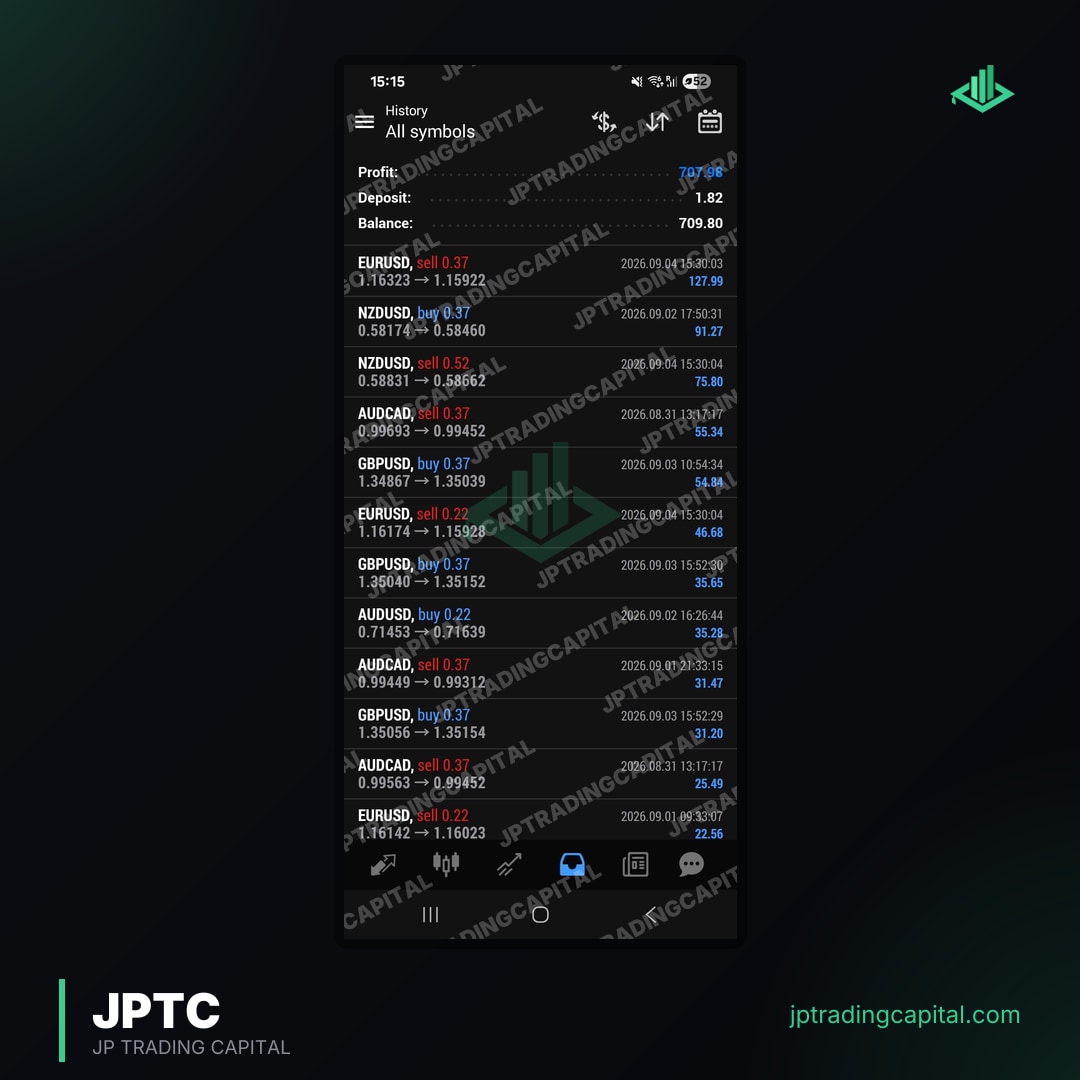
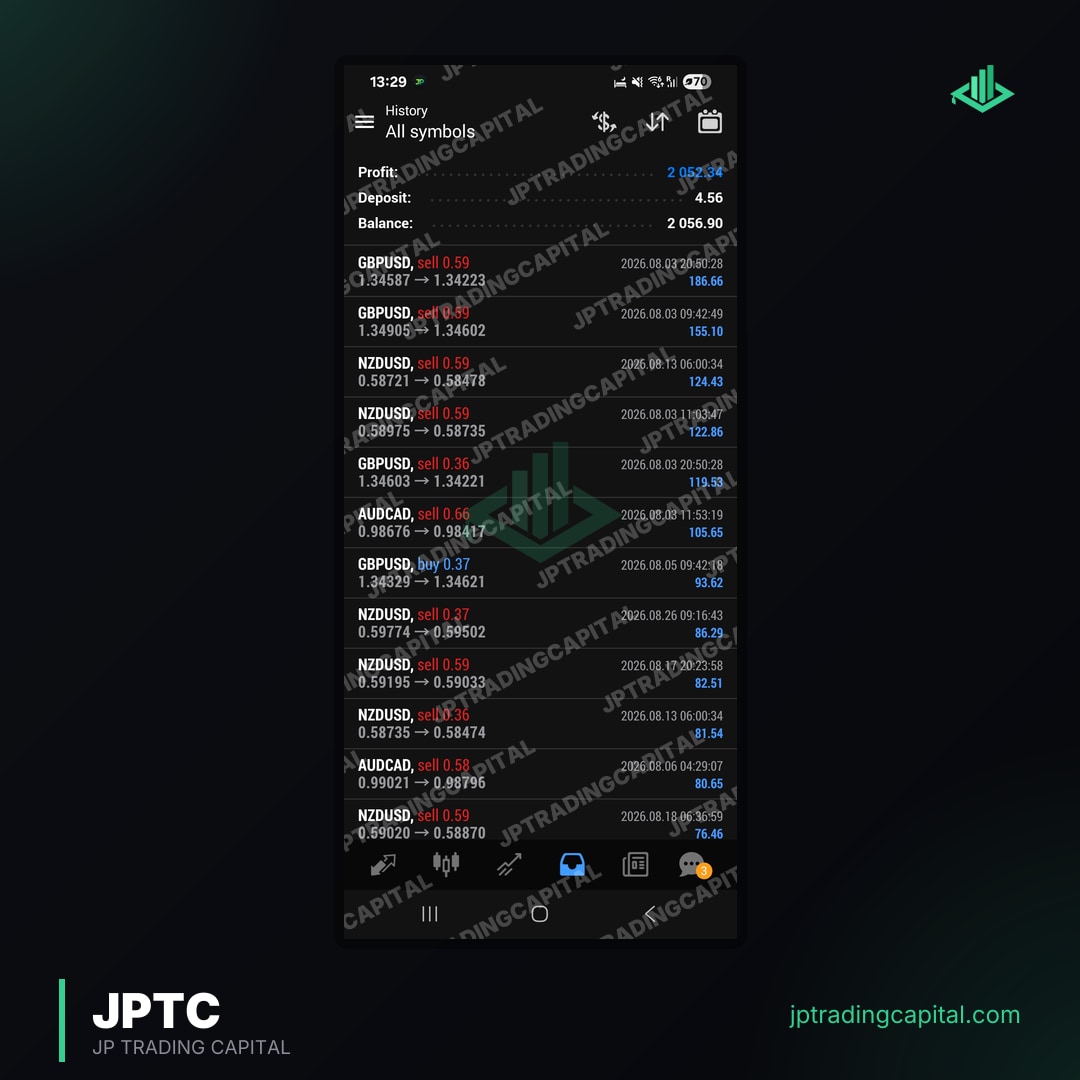
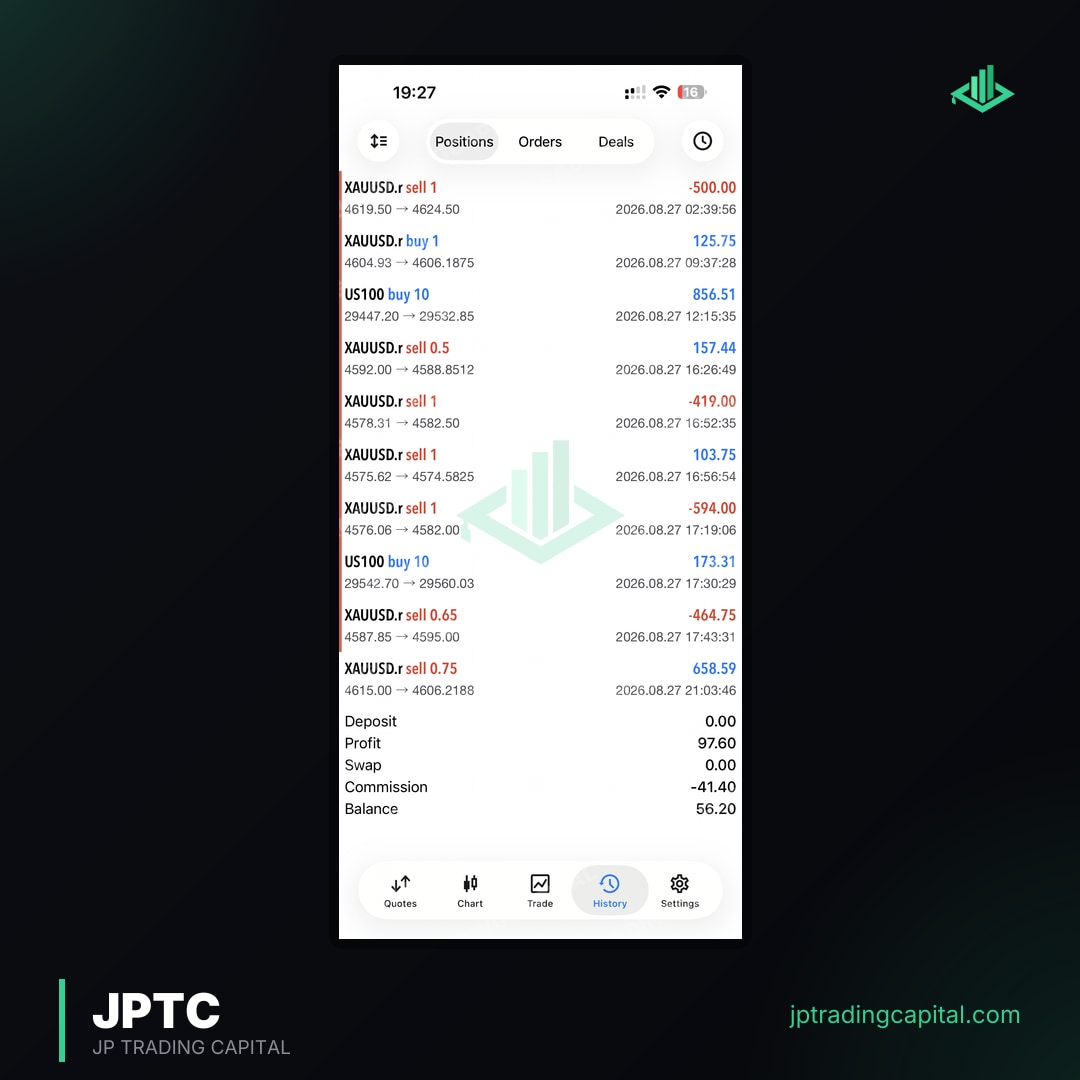
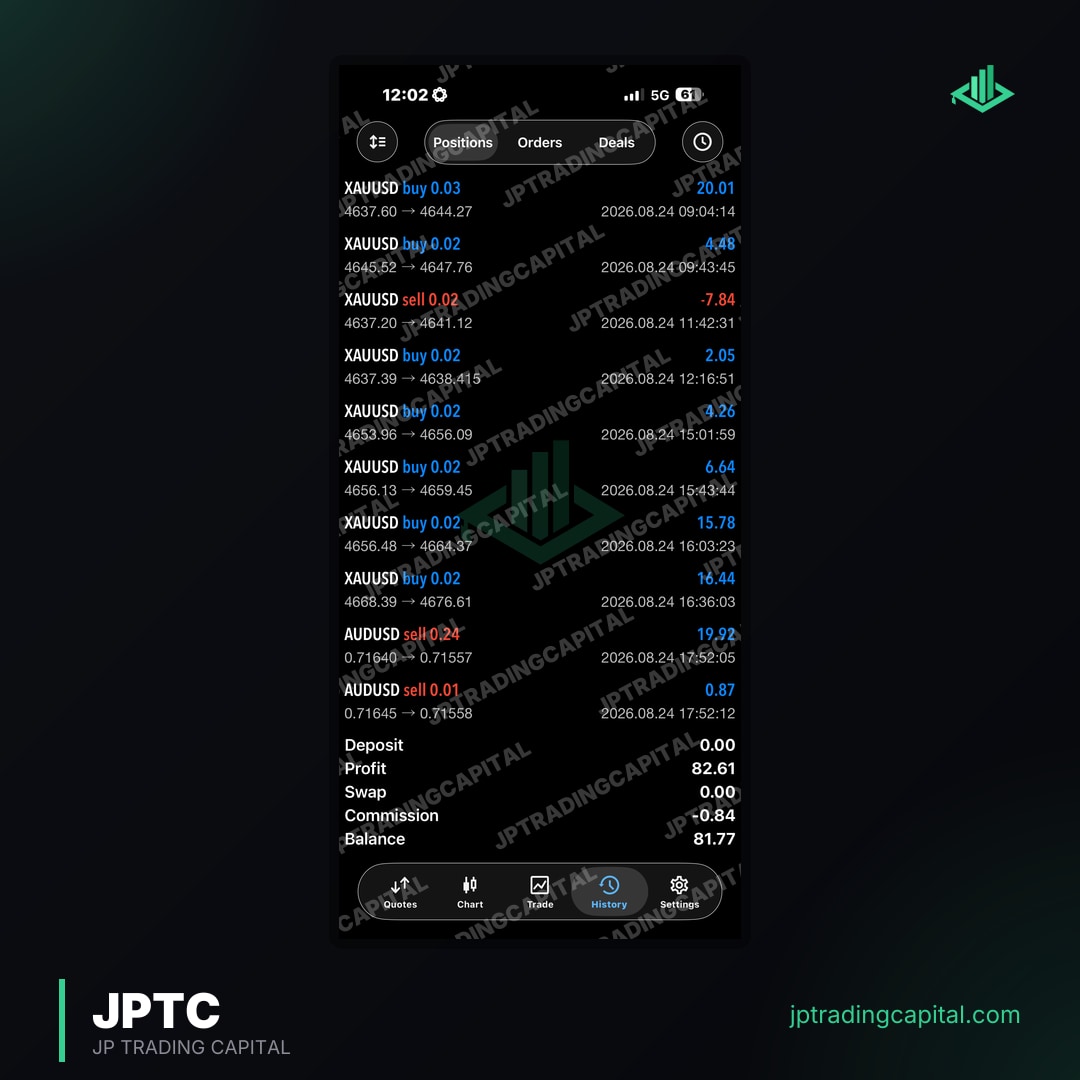
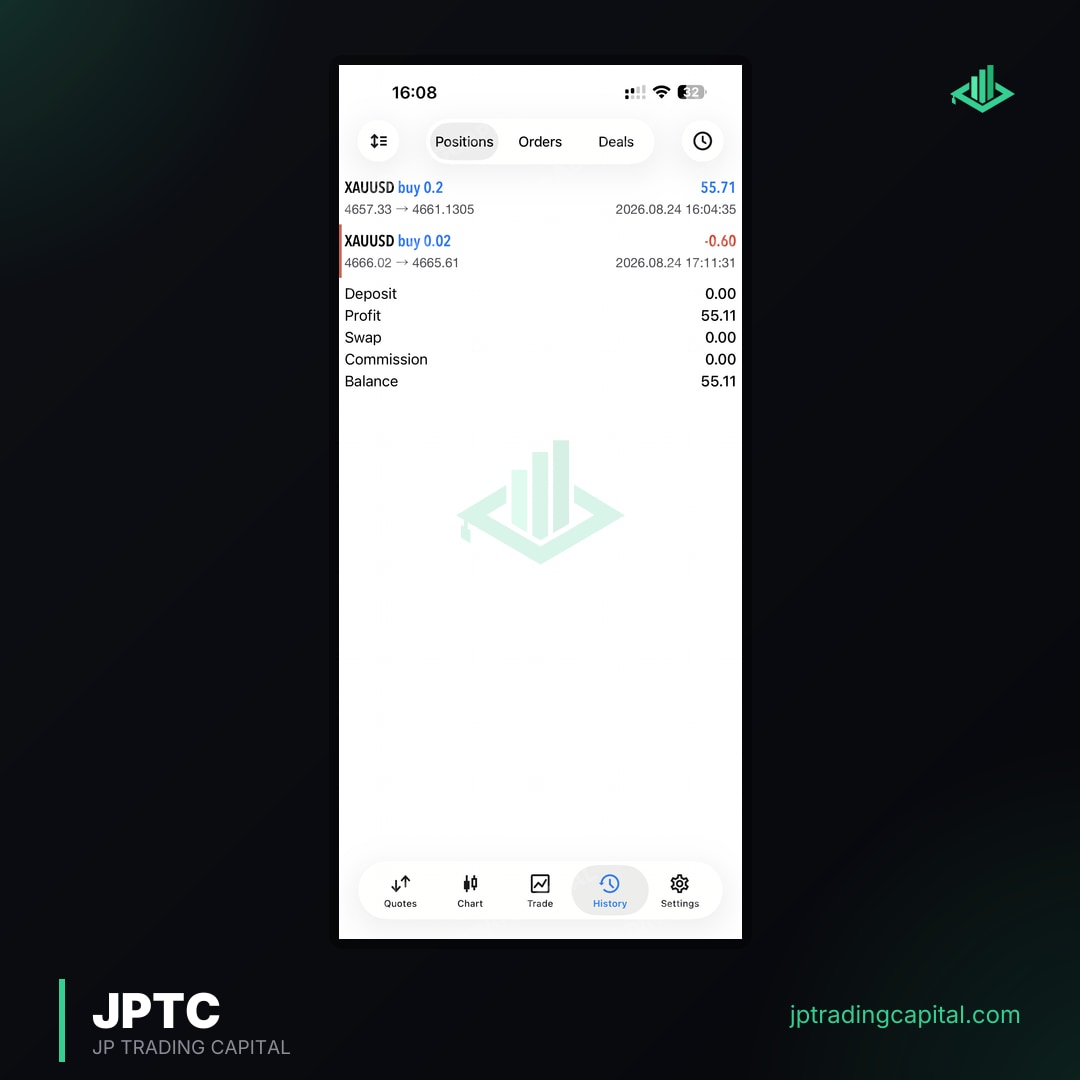
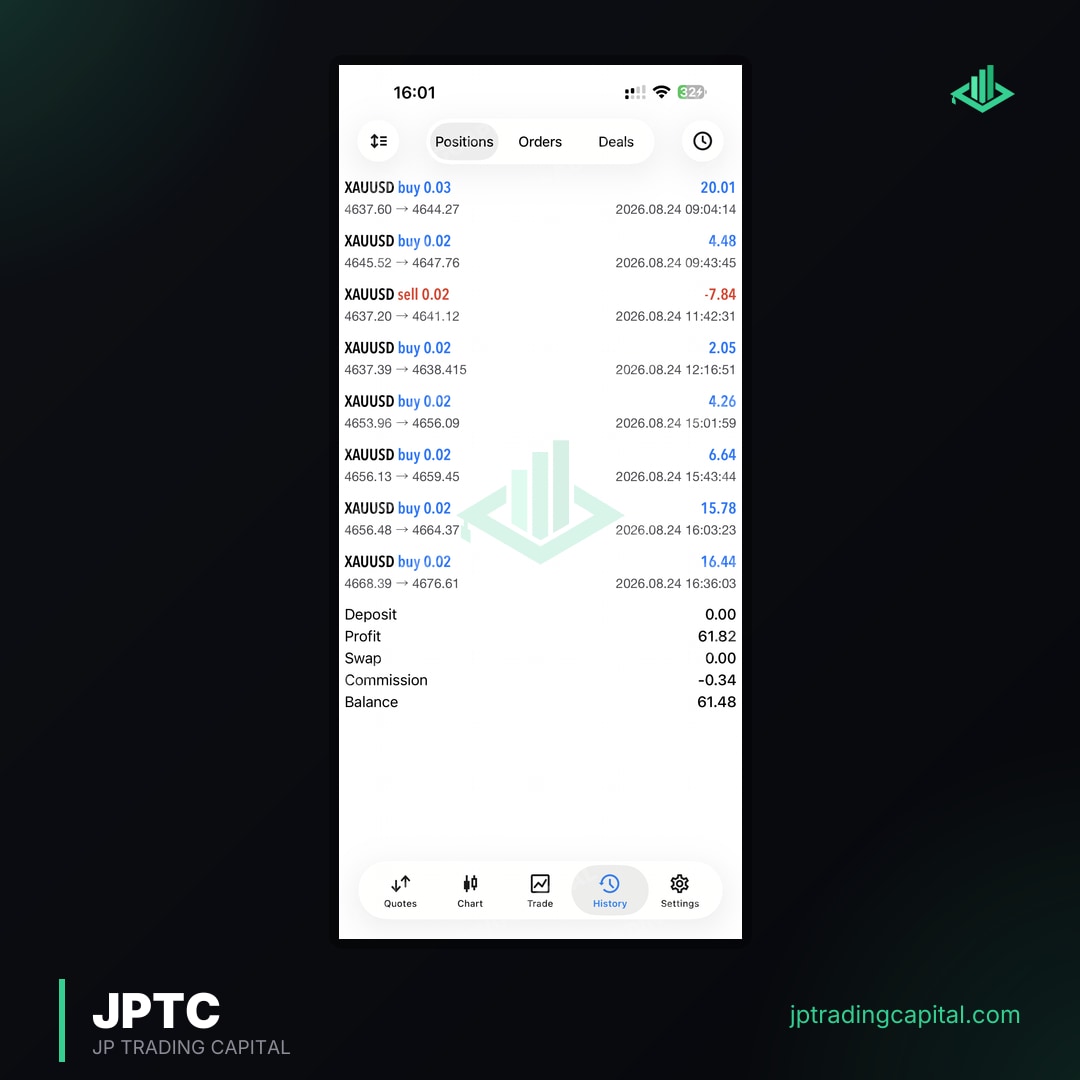
Effective automated performance fee solutions offer real-time tracking, transparent reporting, customizable fee structures, and seamless integration with trading platforms like MT4/MT5, providing a comprehensive tool for financial management.
When evaluating an automated system for performance fee collection, several features stand out as crucial for efficiency, transparency, and reliability:
-
Real-Time P&L Tracking: The system must connect directly to the trading account to monitor profit and loss in real-time. This ensures that fee calculations are based on the most up-to-date performance data, crucial for volatile forex markets. JPTradingCapital's EA Hub, for example, includes performance tracking, which is a prerequisite for accurate fee calculation.
-
Transparent Reporting and Audit Trails: A robust solution provides detailed reports that clearly break down profit generation, fee calculations, and transfers. This transparency is vital for all parties involved, fostering trust and simplifying any audits or reconciliations. Traders need to see exactly how their net profit is derived after fees. Our team emphasizes clear reporting to ensure traders understand their financial outcomes.
-
Customizable Fee Structures: Different prop firms, investors, or managed accounts may have varied fee agreements. The system should allow for flexible configuration of performance fee percentages, high-water marks, hurdle rates (if applicable), and billing cycles. This adaptability ensures the system can accommodate a wide range of contractual obligations.
-
Seamless Platform Integration: For forex traders, compatibility with popular platforms like MetaTrader 4 (MT4) and MetaTrader 5 (MT5) is non-negotiable. The solution should integrate smoothly without requiring complex setup or interfering with trading operations. JPTradingCapital's EA Hub is designed for seamless operation on both MT4 and MT5, across multiple prop firms.
-
Security and Compliance: Handling financial transactions requires the highest level of security. The system must employ robust encryption and comply with relevant financial regulations to protect sensitive data and ensure secure fund transfers. Our solutions prioritize the security of your trading data and financial interactions.
Navigating Performance Fees with Automated Trading Strategies
Automated trading strategies, particularly Expert Advisors (EAs), can be optimized to account for performance fees by aiming for consistent profitability that exceeds fee thresholds, thereby maximizing a trader's net earnings.
The synergy between automated performance fee collection and automated trading strategies is profound. Expert Advisors (EAs) are designed to execute trades based on predefined algorithms, removing emotional bias and ensuring consistent strategy application. When these EAs are developed with an understanding of performance fee structures, they can become even more effective tools for maximizing net profits.
Consider a prop firm trader using an EA. The EA's objective is not just to generate gross profit, but to generate profit that translates into significant net profit after the prop firm's share is deducted. This involves designing strategies that prioritize consistent, manageable gains over high-risk, sporadic wins. For example, an EA might be programmed to target a daily profit of 1% with a strict 0.5% daily drawdown limit. If the prop firm takes a 20% performance fee, the EA's performance goal should implicitly factor in this deduction, ensuring that the 0.8% net daily gain is still substantial and contributes to the overall profit target for a payout.
JPTradingCapital's JPTC EA Hub exemplifies this approach. Our EAs are pre-configured with backtested strategies that rigorously respect prop-firm rules, including daily drawdown caps and maximum loss limits. This disciplined approach minimizes the risk of account breaches and fosters the consistent performance necessary for regular profit splits. Our EAs aim for a stable profit curve. Understanding how our EAs help traders achieve consistency can be found on our passing evaluations page.
Furthermore, automated fee calculations influence a trader's effective profit and risk management. If a trader knows that a portion of their profit will be taken as a fee, their effective profit target for hitting a certain withdrawal amount needs to be higher. Similarly, their risk management needs to be even more stringent to ensure that drawdowns do not eat into the profit threshold that triggers fee collection. This integrated perspective allows traders to optimize their strategies not just for gross returns, but for sustainable net profitability.
Choosing the Right Automated Performance Fee Collection Solution
Selecting the right automated performance fee collection solution requires evaluating its compatibility with your trading platform, transparency in reporting, and alignment with your trading goals and prop firm requirements.
With a growing number of tools available, making an informed decision is crucial for any serious forex trader or fund manager. Here are key criteria to consider:
-
Platform Compatibility: Ensure the solution integrates seamlessly with your preferred trading platforms (MT4/MT5). A lack of compatibility can lead to manual workarounds, defeating the purpose of automation.
-
Fee Structure Flexibility: Look for systems that allow you to define and adjust various fee parameters, such as performance percentages, high-water marks, and management fees. This adaptability is essential as your trading relationships or prop firm agreements may evolve.
-
Reporting and Analytics: Opt for a solution that provides clear, comprehensive reports on performance, fee calculations, and payment statuses. Detailed analytics help you monitor your trading effectiveness and understand your net profitability.
-
Security and Reliability: The system must be secure, protecting your financial data and ensuring the integrity of transactions. Reliability means consistent operation without downtime or errors.
-
Ease of Use: A user-friendly interface and straightforward setup process will save you time and reduce the learning curve. JPTradingCapital's EA Hub, for example, comes with ready-made setfiles that load into your own MT4 or MT5 terminal, which keeps setup short. Customers who want nothing to run themselves can choose the separate JPTC Algo, which JPTC hosts.
-
Support and Documentation: Access to responsive customer support and clear documentation can be invaluable when you encounter issues or have questions about the system's functionality.
For prop firm traders specifically, choosing a solution that understands and respects the intricacies of prop firm rules is paramount. JPTradingCapital builds trading tools for prop firm traders, with the JPTC EA Hub being a prime example. Our automated EA is pre-configured with strategies that adhere to rules like daily drawdown caps and max loss limits, directly contributing to the consistent performance needed for successful profit splits where fees are collected. You can review our own algo's monthly broker-statement figures on our results page.
The Future of Automated Fee Management in Forex Trading
The future of automated fee management in forex trading points towards more sophisticated AI-driven analytics, enhanced transparency tools, and deeper integration with blockchain for immutable records, promising even greater efficiency and trust.
As technology continues to advance, the landscape of automated performance fee collection in forex is set to evolve even further. We anticipate several key trends:
-
AI and Machine Learning Integration: Future systems will likely leverage AI and machine learning to predict optimal payout schedules, analyze performance trends more deeply, and even suggest adjustments to fee structures based on market conditions or trader performance. This could lead to more dynamic and fair fee models.
-
Enhanced Transparency with Blockchain: The use of blockchain technology could provide an immutable and transparent record of all trades, profits, and fee calculations. This would eliminate any disputes over figures, offering an unprecedented level of trust and verifiability in the automated performance fee collection process.
-
Cross-Platform and Cross-Asset Unification: While many solutions currently focus on specific platforms or asset classes, the future may bring more unified systems capable of managing performance fees across various trading platforms and even different asset classes (forex, commodities, crypto) from a single dashboard.
-
Personalized Fee Structures: With advanced data analytics, systems could offer highly personalized fee structures tailored to individual trader performance, risk profiles, and historical profitability, further aligning incentives.
For prop firm traders and EA developers, staying abreast of these developments will be crucial. Solutions like the JPTC EA Hub are continuously evolving to incorporate best practices and leverage new technologies, ensuring that traders have the most effective tools to manage their financial operations and maximize their profit splits.
FAQ on Automated Performance Fee Collection Forex
What is a performance fee in forex trading?
How do prop firms collect their share of profits?
Can an Expert Advisor (EA) help manage performance fees?
Is automated performance fee collection secure?
What are the main benefits of automating fee collection in forex?
Related Articles
- 7 Proven Types of Gold Signals for Prop Traders (XAUUSD 2026) · Read more →
- Secure Your Prop Firm Account: 7 Steps to Funding in 2026 · Read more →
- Exact FTMO One-Step Challenge 10k Account Rules 2026 · Read more →
- 7 Exact FTMO Rules to Pass Your Challenge in 2026 · Read more →
- Best Copy Trader for Prop Firms: Pass Challenges in 2026 · Read more →
- FTMO Expert Advisors Allowed: Official Rules & Best Practices [2026] · Read more →
- Best MT5 Experts for Prop Firm Trading: 2026 Tested Strategies · Read more →
- Do AI Trading Bots Work for Forex in 2026: Real Results & Prop Firm Edge · Read more →
- FTMO Challenge Rules 2026: Exact Profit Target & Drawdown Defined · Read more →
- Exact Trading Signal Costs in 2026: What to Expect · Read more →
Automated forex and gold trading
Runs on your own account at your own broker. We host and set it up, so there is nothing to install and no VPS. No profit share, no monthly fee.
See how it works