Best Options Prop Firms 2026: Top 5 for Funded Traders

The best prop firms for options trading offer robust capital, flexible trading platforms, and clear profit-sharing models tailored for options strategies. Key firms often provide access to advanced tools and training, enabling traders to leverage significant capital while managing risk effectively within their structured guidelines.
- Maverick Trading leads with options and crypto access since 1997.
- Look for firms supporting options-specific platforms beyond MT4/MT5.
- Evaluation processes assess options risk management and strategy consistency.
- Profit splits typically range from 70% to 90% in the trader's favor.
- Consider drawdown rules and maximum loss limits specific to options portfolios.
What Makes a Prop Firm Ideal for Options Trading?
An ideal prop firm for options trading provides substantial capital, suitable platforms, and a clear framework for managing the unique risks of options. Unlike spot forex or futures, options trading involves unique complexities such as time decay, volatility, and various multi-leg strategies, demanding a prop firm environment that understands and supports these nuances. The JPTradingCapital team consistently advises traders to scrutinize a firm's offerings beyond just the headline capital amount.
Capital Allocation and Leverage
Prop firms offer traders access to significant capital, often far exceeding what a retail trader could deploy independently. For options trading, this means the ability to manage larger positions, diversify across multiple underlying assets, and execute sophisticated strategies that require substantial margin. The availability of capital allows traders to scale their successful strategies without being constrained by personal account size. We've observed that firms with higher capital allocations often also have more stringent evaluation criteria, reflecting the increased risk exposure they undertake.
Profit Splits and Payouts
A crucial factor in choosing a prop firm is the profit-sharing agreement. Most reputable options prop firms offer attractive profit splits, typically ranging from 70% to 90% in favor of the trader. This structure provides a strong incentive for performance, as traders retain the majority of their gains. Payout frequency and methods are also important considerations; some firms offer weekly payouts, while others operate on a monthly cycle. Understanding these terms upfront is essential for managing your trading income expectations.
Risk Management Frameworks (Drawdown, Max Loss)
Prop firms implement strict risk management rules, including daily drawdown limits and overall maximum loss limits, to protect their capital. For options trading, these rules can be particularly complex. A 5% daily drawdown might apply to the portfolio's net liquidation value, or it might be calculated based on the maximum open position risk. Understanding how these limits are applied to options positions, especially those with dynamic risk profiles like straddles or iron condors, is paramount. Our research indicates that firms with clear, options-specific risk parameters are generally preferred by experienced options traders, as they prevent unexpected breaches.
Supported Platforms and Brokers
One of the most significant differentiators for options prop firms is their supported trading platforms and brokers. While many prop firms in the Forex and Futures space utilize MetaTrader 4 or MetaTrader 5, options trading typically requires specialized platforms like Interactive Brokers' Trader Workstation (TWS), tastytrade, or proprietary interfaces. These platforms offer advanced options analytics, complex order types, and real-time data essential for effective options trading. JPTradingCapital's EA Hub is designed for MT4/MT5, excelling in Forex and Futures challenges. While automated options trading is possible, it often requires API access to options-specific brokers rather than the standard MT4/MT5 setup, highlighting a key difference in platform needs for options traders.
Navigating the Options Prop Firm Evaluation Process
The evaluation process for options prop firms assesses a trader's ability to consistently generate profits and manage risk within predefined parameters, often over a specific period. These evaluations are designed to identify skilled traders who can adhere to strict risk management protocols while demonstrating profitability. Passing an evaluation is your gateway to trading with the firm's capital.
Phases and Objectives
Most prop firm evaluations consist of one or two phases, each with specific profit targets and maximum drawdown limits. For options trading, these objectives might include demonstrating consistent positive returns over several weeks, managing a diversified options portfolio, or proving proficiency in specific options strategies. The objectives are designed to gauge a trader's discipline, strategic thinking, and ability to perform under realistic market conditions.
Performance Metrics for Options
Prop firms use various metrics to evaluate options traders. Beyond simple profit/loss, they often look at consistency rules, which might limit the percentage of total profit that can come from a single day or a single trade. Drawdown is typically calculated on the net liquidation value of the account, but some firms might also monitor intraday drawdowns based on open positions. Understanding how a firm calculates and applies these metrics to options portfolios, especially those with varying delta exposures or expiring contracts, is crucial for success. For example, a firm might assess your ability to manage the Greeks (Delta, Gamma, Theta, Vega) effectively to stay within risk limits.
Time Limits and Trading Days
Evaluations usually have time limits, ranging from 30 to 60 days, during which traders must meet their objectives. There might also be a minimum number of trading days required, ensuring that performance isn't just a fluke from one or two lucky trades. For options traders, this means consistently executing strategies and managing risk over a sustained period, rather than relying on high-risk, high-reward plays that could quickly violate rules. Our insights from helping traders pass prop firm evaluations emphasize the importance of consistent, disciplined trading over aggressive, short-term gambles.
Key Prop Firms Offering Options Trading
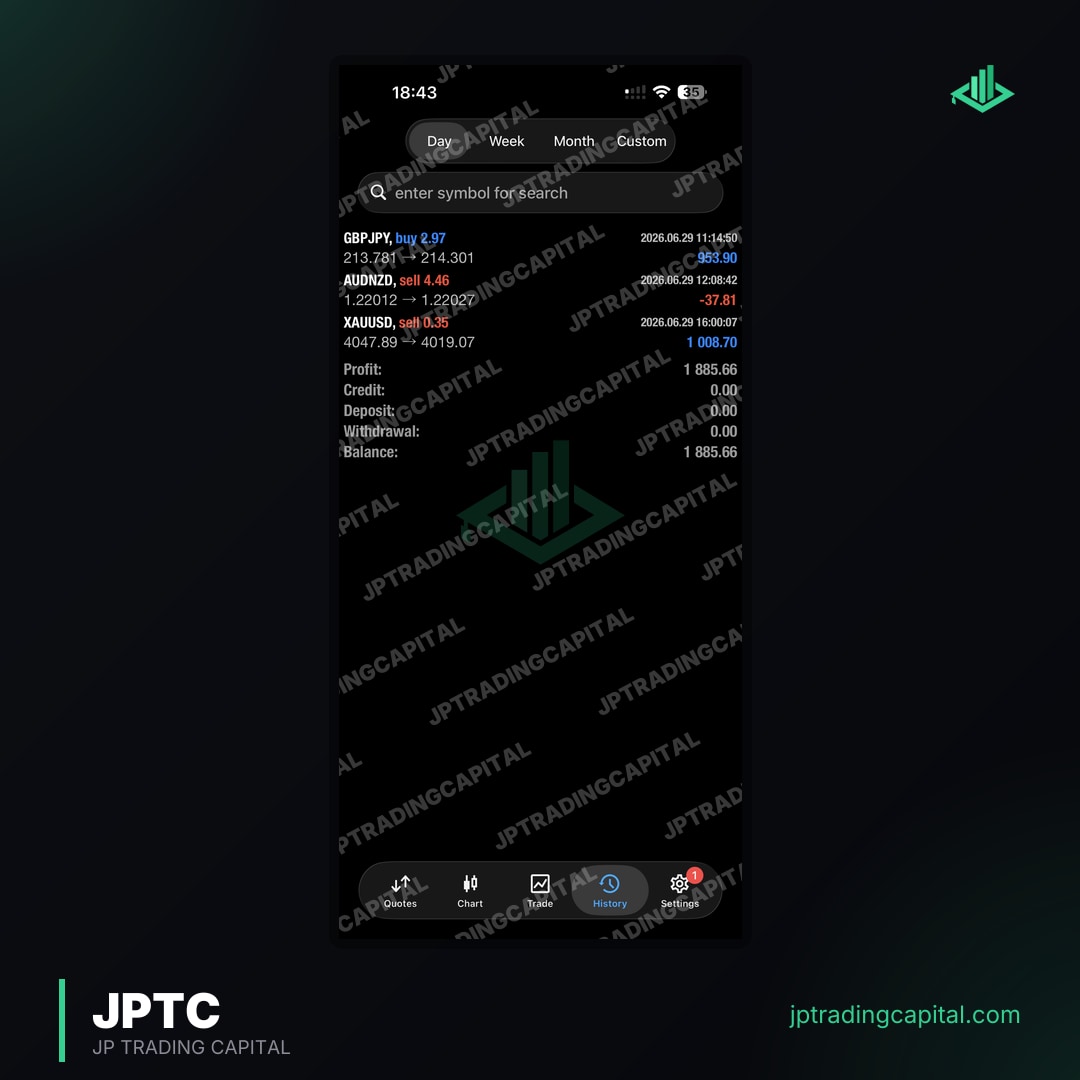
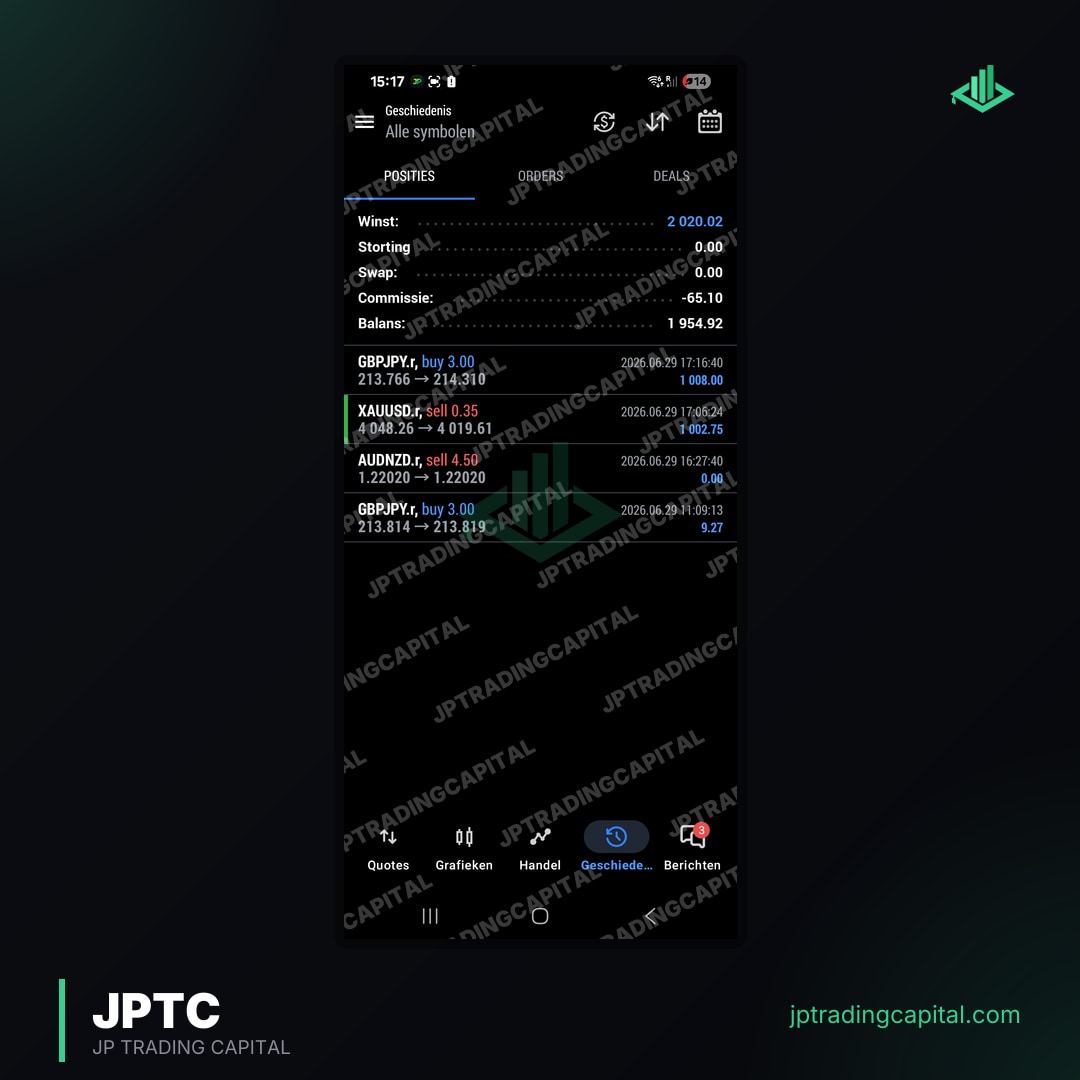
Several reputable prop firms provide opportunities for options traders, each with unique offerings in terms of capital, profit splits, and supported instruments. While the landscape is dynamic, certain firms have established themselves as strong contenders for those looking to trade options with funded capital.
One prominent example mentioned in competitive briefs is Maverick Trading. Founded in 1997, Maverick Trading has a long history of offering capital to traders across various asset classes, including options, forex, and crypto. Their longevity in the industry suggests a robust model and a commitment to nurturing trading talent. When evaluating firms like Maverick, traders should closely examine their specific options programs, including available capital, profit split percentages, and the trading platforms they support for options strategies.
Beyond specific firms, the JPTradingCapital team encourages traders to look for general characteristics in any prop firm claiming to support options trading: transparency in rules, clear communication channels, and a supportive trading community. It's also vital to ensure the firm's technology infrastructure can handle the real-time data and execution speed required for options strategies. Always verify the firm's reputation through independent reviews and forums, as the prop trading industry can have varying standards.
Automated Options Trading and Prop Firms: A JPTradingCapital Perspective
Automated options trading with prop firms presents unique opportunities and challenges, primarily due to platform compatibility and the complexity of options strategies. While algorithmic trading is highly prevalent in Forex and Futures markets, its application to options within a prop firm context requires careful consideration.
Many prop firms, particularly those focusing on Forex and Futures, are built around MetaTrader 4 and 5 platforms, which are highly conducive to Expert Advisors (EAs). Our JPTC EA Hub, for instance, is specifically designed for MT4/MT5, pre-configured with backtested strategies that respect prop-firm rules like daily drawdown caps and max loss limits. This makes passing evaluations with firms like FTMO, FundedNext, and TopStep more achievable for Forex/Futures traders.
However, options trading typically occurs on different platforms that may not natively support MT4/MT5 EAs. Automated options strategies often require direct API access to brokers like Interactive Brokers, allowing traders to programmatically send orders and manage positions. This means that while the *concept* of automated, rule-abiding trading is universal, the *implementation* for options is distinct.
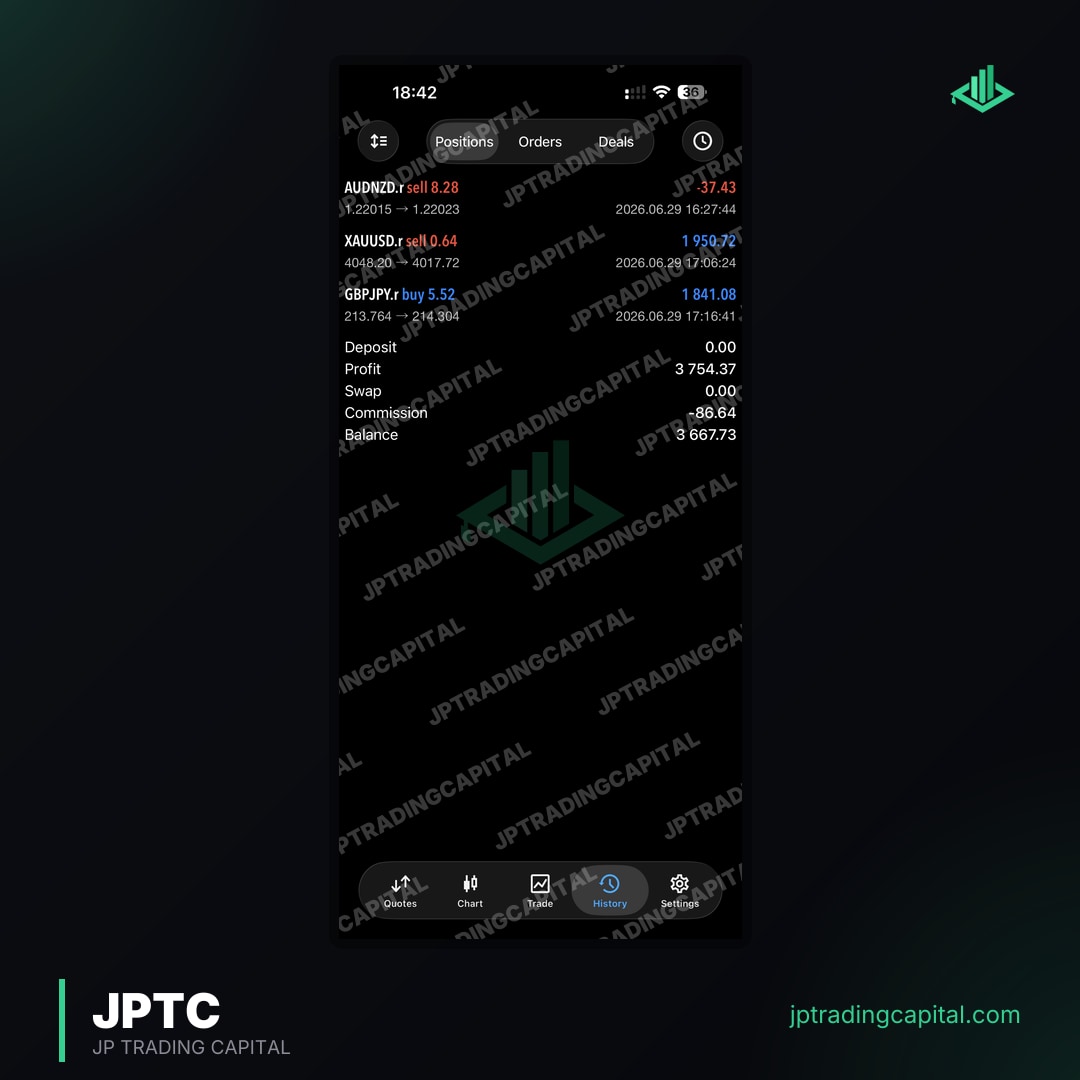
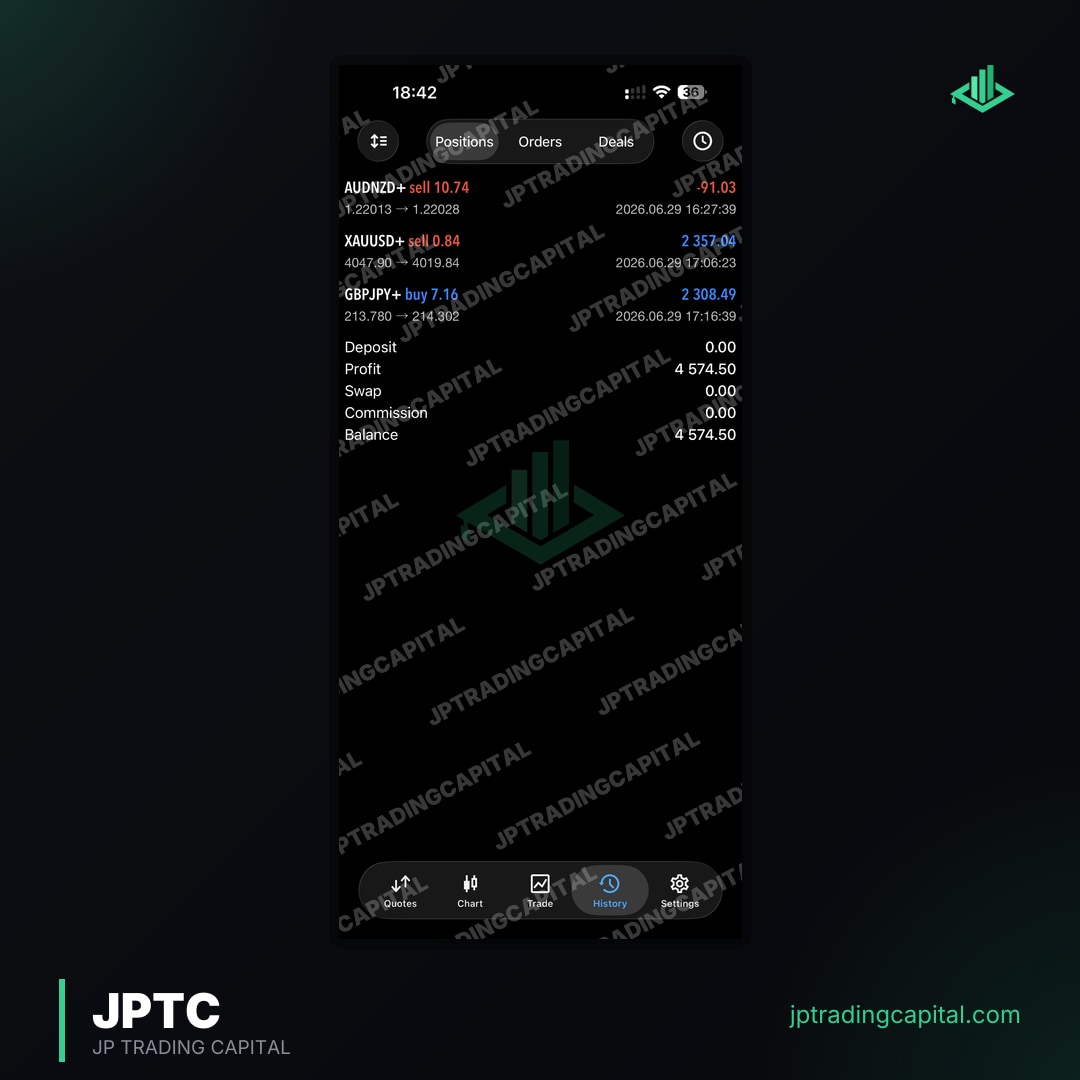
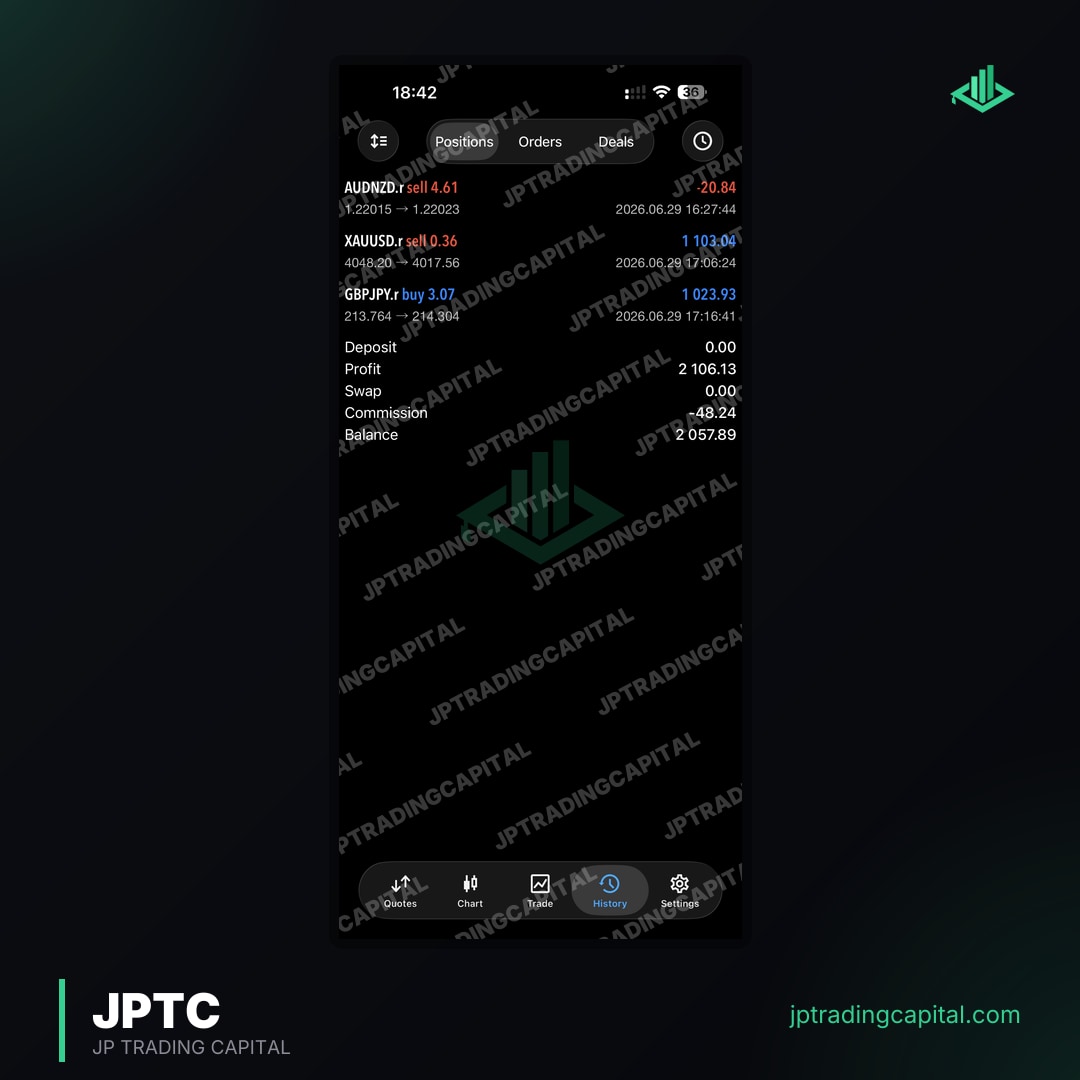
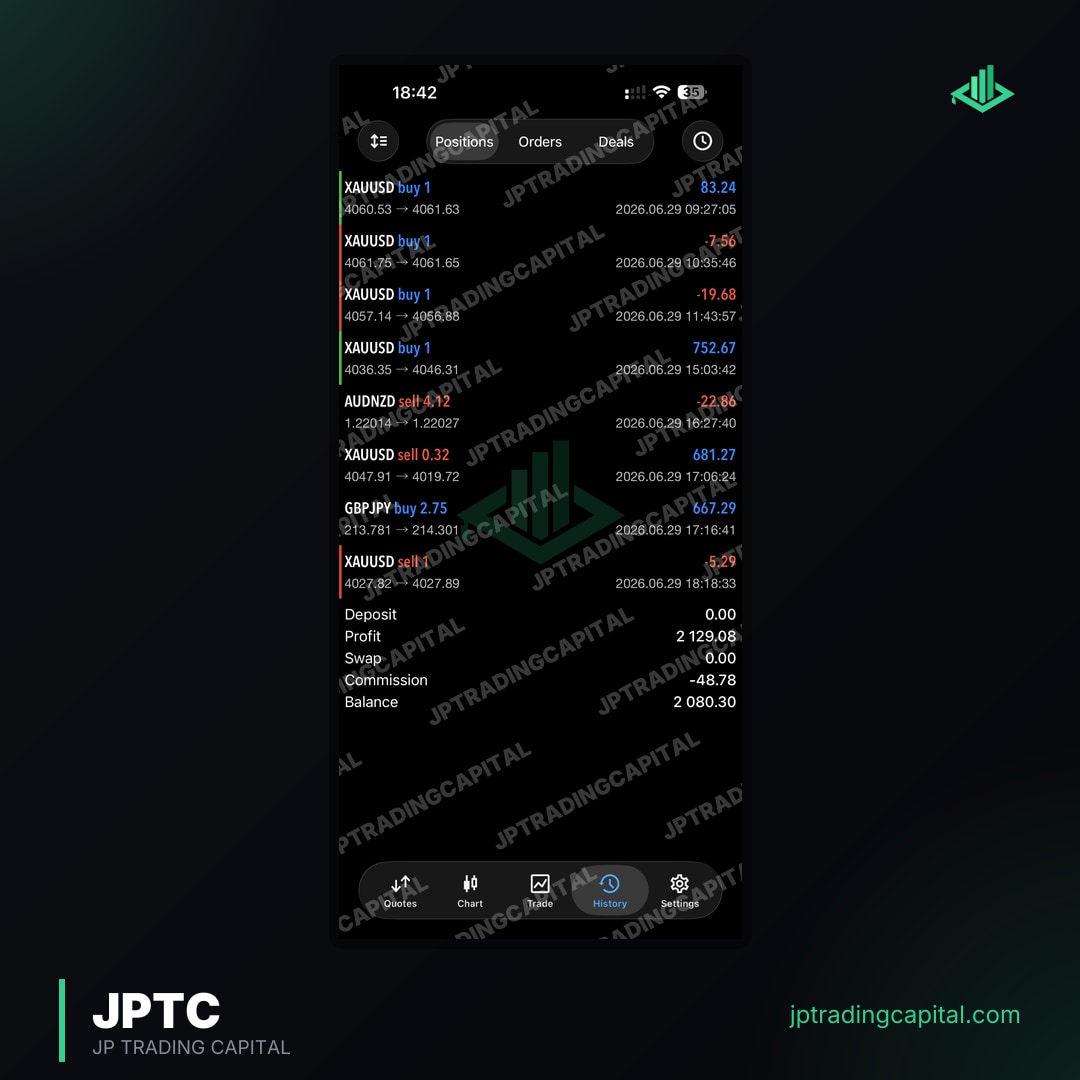
For options traders considering automation, the challenge lies in finding prop firms that either provide API access to options brokers or integrate with specialized options trading software that supports algorithmic execution. The underlying principles of disciplined, backtested strategy application, as demonstrated by JPTradingCapital's verified live track record, remain invaluable. Traders can adapt these principles to options by developing or acquiring algorithms that respect prop firm risk parameters within an options-specific trading environment. It's about translating the logic of consistency and drawdown management into the language of options contracts and platforms.
Advanced Considerations for Options Traders in Prop Firms
Options traders engaging with prop firms must consider advanced aspects like portfolio margin, specific risk metrics, and the implications of complex multi-leg strategies on firm rules. These factors differentiate options trading from simpler instruments and demand a deeper understanding to succeed within a funded environment.
Portfolio Margin vs. Standard Margin
Many advanced options strategies utilize portfolio margin, which assesses the overall risk of a portfolio rather than treating each position in isolation. This often results in lower margin requirements compared to standard Reg T margin, allowing for greater capital efficiency. Prop firms that offer portfolio margin can be highly advantageous for options traders, as it enables them to deploy more capital and execute more sophisticated, capital-intensive strategies like spreads, straddles, and iron condors without hitting margin calls prematurely. Always confirm if a firm provides portfolio margin capabilities.
Managing Greeks within Drawdown Limits
The "Greeks" (Delta, Gamma, Theta, Vega) are critical risk management tools for options traders. Delta measures directional exposure, Theta measures time decay, Gamma measures delta's change, and Vega measures volatility exposure. Within a prop firm's drawdown limits, options traders must actively manage their Greeks to control risk. For example, a high negative Theta could quickly erode profits if positions are held too long, while unchecked Delta could lead to rapid drawdown during adverse market moves. Our analysis shows that successful options prop traders integrate Greek management directly into their daily risk assessments to prevent breaches. For a deeper dive into these concepts, Investopedia offers excellent resources on options Greeks.
Assignment Risk and Early Exercise
A unique risk in options trading is assignment risk, particularly for short options positions. If an option is exercised against a trader, it can result in an unexpected position in the underlying stock or future, potentially leading to significant margin calls or rule violations within a prop firm. Prop firms typically have clear policies on how to manage assignment risk, often requiring traders to close positions before expiration or to roll them over. Understanding these rules and actively managing positions to avoid early exercise is paramount for options traders.
News Trading and Holding Over Weekends
Many prop firms have restrictions on trading during high-impact news events or holding positions over weekends, especially for instruments prone to significant gap risk. For options, this can be particularly relevant as earnings announcements or geopolitical events can cause massive volatility swings that dramatically impact option prices. Traders must verify a firm's policies regarding news trading and weekend holds to ensure their options strategies comply, as a sudden gap can easily trigger drawdown limits.
Choosing the Right Prop Firm for Your Options Strategy
Selecting the ideal prop firm involves a careful assessment of your trading style, capital requirements, risk tolerance, and the firm's specific rules and offerings. This decision is critical for your long-term success as a funded options trader. The JPTradingCapital team advocates for a methodical approach to due diligence.
Assess Your Strategy and Risk Profile
Before even looking at firms, clearly define your options trading strategy. Are you a short-term scalper, a long-term directional trader, or do you focus on volatility strategies like iron condors? Your strategy will dictate the capital you need, the platforms you prefer, and the risk management rules you can comfortably adhere to. For example, a high-frequency options trader will prioritize execution speed and API access, while a longer-term spread trader might focus more on portfolio margin capabilities.
Research Firm Reputation and Support
Thoroughly research any potential prop firm's reputation. Look for transparent reviews, testimonials, and active communities where traders discuss their experiences. A firm with a strong track record of consistent payouts, responsive customer support, and clear communication regarding rule changes is highly desirable. JPTradingCapital encourages traders to seek out firms that prioritize trader success through educational resources and robust infrastructure.
Understand the Fee Structure and Payout Process
Beyond the profit split, understand all fees involved: evaluation fees, monthly subscription fees, data fees, or platform access fees. While some evaluation fees are refundable upon first payout, others are not. Also, clarify the payout process, how often, what methods are available, and if there are any minimum payout thresholds. Transparency in financial dealings builds trust and avoids unpleasant surprises down the line.
For those exploring different firms or needing tools to manage their trading, consider how our affiliate program might connect you with resources and opportunities to enhance your trading journey.
Can I trade options with an EA at prop firms?
What is the typical profit split for options prop traders?
Are there specific platforms required for options prop trading?
How do prop firms calculate drawdown for options portfolios?
Is options prop trading suitable for beginners?
Related Articles
- Best Future Prop Firm: Complete 2026 Comparison for Traders & EA Developers · Read more →
- Best Futures Trading Indicators for ES, NQ & Micro Contracts · Read more →
- Best Futures Trading Prop Firms 2026: 5 Top Choices for Traders · Read more →
- Prop Firm Trading Minimum Account Size: What's the Cheapest Way to Get Funded in 2026? · Read more →
- FundedNext Futures Prop Firm: 7 Key Benefits & Payouts [2026] · Read more →
- FundedNext Futures Review 2026: 7 Key Insights for Prop Traders · Read more →
- Prop Firm Trading Without Deposit: How to Get Funded Accounts Free in 2026 · Read more →
- Scaling Your Funded Account: How to Get Larger Accounts After First Success · Read more →
The EA built for prop firm rules
Daily drawdown guard, hard max-loss stop, consistency-aware pacing and a news pause, on MT4 and MT5. One-time €797, no monthly fee. If you would rather not run the evaluation yourself, we run it for you.
See the EA Hub