Best Scalping EAs for Prop Firms: 5 Top Choices in 2026

The best scalping EAs are automated trading systems designed for rapid, short-term trades, excelling in volatile markets by capitalizing on small price movements while adhering to strict risk management. For prop firm traders, the ideal scalping EA must also be compliant with daily drawdown, maximum loss, and consistency rules.
- Scalping EAs thrive on low spreads and high liquidity for optimal performance.
- Prop firm compliance is paramount, requiring EAs to respect drawdown and loss limits.
- Ready-made setfiles and a reliable VPS keep local setup and maintenance simple.
- Backtesting and forward testing on demo accounts are essential before real account use.
- Specialized EAs, like those for XAUUSD, can offer focused short-term opportunities.
What is a Scalping EA and Why Use One?
A Scalping Expert Advisor (EA) is an automated trading program that executes numerous short-term trades to profit from small price fluctuations in financial markets. These EAs are designed to open and close positions within seconds or minutes, aiming to accumulate many small profits rather than fewer large ones. This high-frequency trading approach requires precision, speed, and robust risk management to be effective.
For traders participating in prop firm evaluations or managing funded accounts, scalping EAs can offer a distinct advantage. Their ability to execute trades without human emotion and around the clock means potential opportunities are rarely missed. However, the success of a scalping EA hinges on its design, the market conditions it operates in, and its compatibility with the specific rules of the prop firm.
The Appeal of Automated Scalping
The primary appeal of automated scalping lies in its potential for consistency and efficiency. Unlike manual scalping, which demands intense focus and rapid decision-making, an EA can process market data and execute trades far faster than any human. This allows traders to capitalize on fleeting opportunities that might otherwise be missed. Furthermore, EAs eliminate emotional biases, ensuring that trading decisions are based purely on predefined algorithms and technical analysis. This can be particularly beneficial in the high-pressure environment of prop firm challenges, where emotional trading can quickly lead to costly mistakes and account violations.
Scalping EAs are also ideal for traders seeking to diversify their strategies or those who prefer a hands-off approach to trading. By automating the process, traders can free up time while still actively participating in the market. The ability to backtest strategies extensively on historical data also provides a level of confidence, allowing traders to refine settings and understand potential performance before deploying an EA on a real account.
Inherent Risks and Challenges
Despite their advantages, scalping EAs come with inherent risks and challenges that traders must understand. The high frequency of trades means that even small per-trade costs, such as spreads and commissions, can accumulate rapidly and significantly impact overall profitability. A broker with competitive pricing and low latency is crucial for any scalping strategy.
Market volatility can also pose a significant challenge. While scalping EAs aim to profit from small movements, sudden, large price swings can lead to unexpected losses if not managed properly. Slippage, where the execution price differs from the requested price, is another common issue in fast-moving markets, potentially eroding profits or increasing losses. Furthermore, the performance of a scalping EA can deteriorate if market conditions change significantly from those it was optimized for. What works well in a ranging market might fail in a trending one, necessitating continuous monitoring and adaptation.
Finally, the technical requirements for running a scalping EA are often higher than for other types of EAs. A stable internet connection, a reliable trading platform like MetaTrader 4 or MetaTrader 5, and potentially a Virtual Private Server (VPS) are essential to minimize latency and ensure uninterrupted operation. The JPTradingCapital EA Hub keeps the setup short with ready-made setfiles that load into your own MT4 or MT5 terminal.
Key Characteristics of the Best Scalping EAs
The most effective scalping EAs share several core characteristics that enable them to navigate fast-paced markets and manage risk efficiently. These features are critical for maintaining profitability and, crucially, for adhering to the strict rules imposed by prop firms.
Low-Spread Sensitivity and Broker Selection
Scalping EAs are inherently sensitive to trading costs, especially spreads. Since they aim for small profits on each trade, even a slightly wider spread can turn a profitable strategy into a losing one. The best scalping EAs are designed to operate optimally with minimal spreads, often requiring brokers that offer ECN (Electronic Communication Network) accounts or similar low-spread environments. When evaluating a scalping EA, it is vital to understand its spread tolerance and to choose a broker that can consistently provide tight spreads, particularly during peak trading hours for your chosen instruments.
Beyond spreads, commission structures and execution speed are equally important. A broker with lightning-fast execution can minimize slippage, ensuring that trades are opened and closed at or very close to the intended prices. Our research indicates that prop firm traders often benefit from brokers known for their robust infrastructure and competitive pricing, which directly impacts the viability of a scalping strategy.
Advanced Risk Management Features
Effective risk management is the cornerstone of any successful trading strategy, and it is even more critical for scalping EAs due to their high trade frequency. The best scalping EAs incorporate sophisticated risk management features such as dynamic stop-loss and take-profit levels, trailing stops, and position sizing based on account equity. They should also include mechanisms to limit daily losses, total drawdown, and maximum open positions, which are directly relevant to prop firm rules.
For instance, an EA might automatically adjust its lot size to ensure that any single trade's potential loss does not exceed a predefined percentage of the account balance. Some advanced EAs also feature time filters, preventing trading during high-impact news events or periods of low liquidity, where slippage and wider spreads are more likely. These robust risk controls are not just about protecting capital; they are essential for passing prop firm evaluations that enforce strict drawdown limits.
Adaptability to Market Conditions
The financial markets are dynamic, constantly shifting between trending, ranging, and volatile phases. A truly superior scalping EA possesses a degree of adaptability, meaning it can perform reasonably well across various market conditions or includes filters to only trade when specific conditions are met. While some EAs are designed for very specific market states (e.g., quiet periods), the most robust ones can identify and adjust to changes, or at least cease trading when conditions become unfavorable.
This adaptability often comes from complex algorithms that analyze multiple indicators and price action patterns, rather than relying on a single, rigid set of rules. For a scalping EA to be considered among the best, it should demonstrate consistent performance across different historical periods during backtesting, indicating its resilience to varied market environments. This flexibility is key to long-term viability and avoiding periods of prolonged underperformance.
Robust Backtesting and Optimization
Before deploying any scalping EA on a funded account, extensive backtesting and optimization are non-negotiable. The best EAs come with detailed performance reports from rigorous backtests, often spanning several years of historical data. These tests should use high-quality tick data with realistic spread and commission simulations to provide an accurate representation of how the EA would have performed in the past.
Optimization involves fine-tuning the EA's parameters to achieve the best balance of profitability and risk. This process helps identify settings that are robust and not merely curve-fitted to a specific period of data. Traders should look for EAs that show consistent performance across a range of settings, rather than those that are highly sensitive to minor parameter changes. JPTradingCapital's EA Hub offers pre-configured strategies that have already undergone extensive backtesting and optimization, specifically designed to comply with prop firm rules, streamlining this critical step for traders. You can find more information on our robust testing methodologies on our results page.
Navigating Prop Firm Rules with a Scalping EA
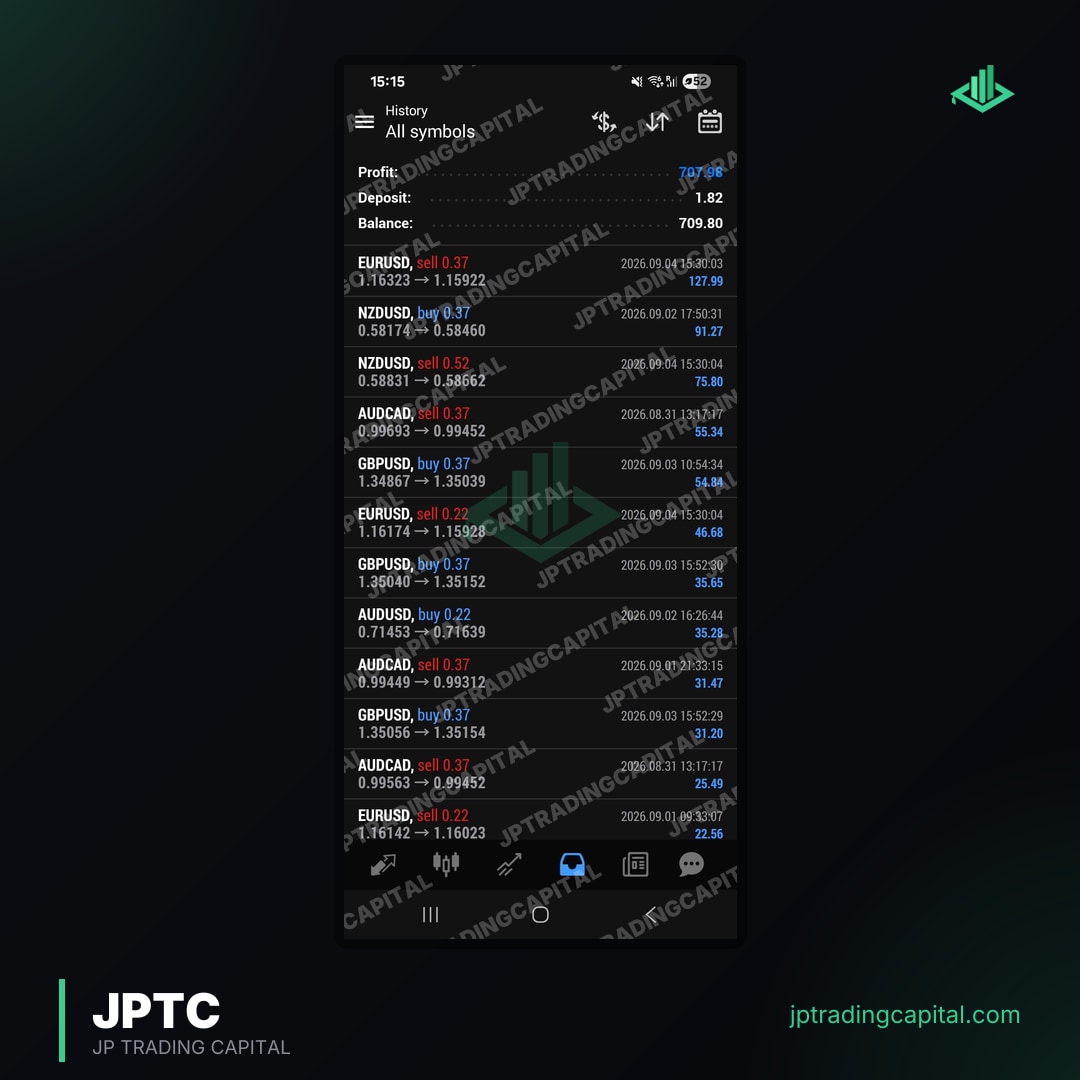
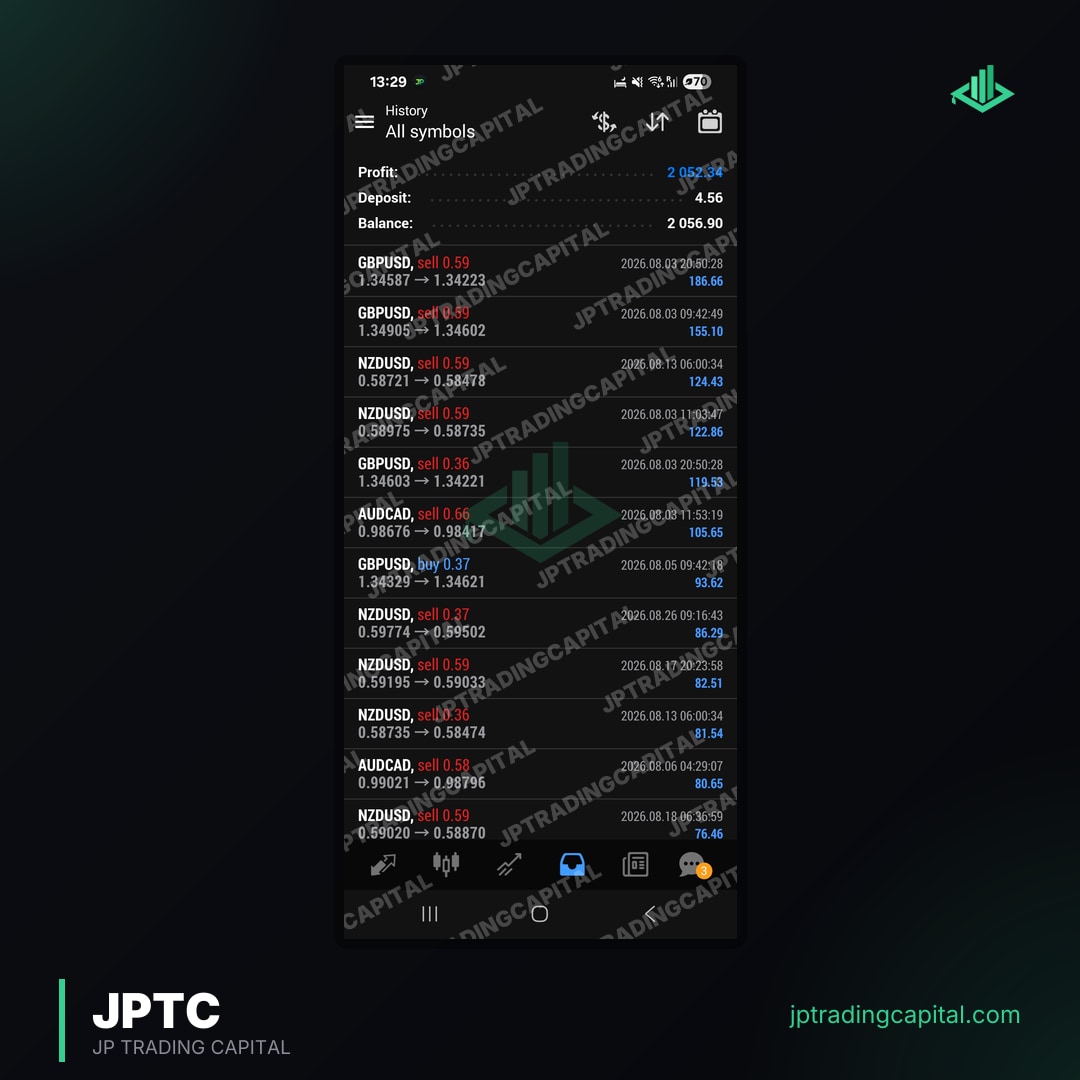
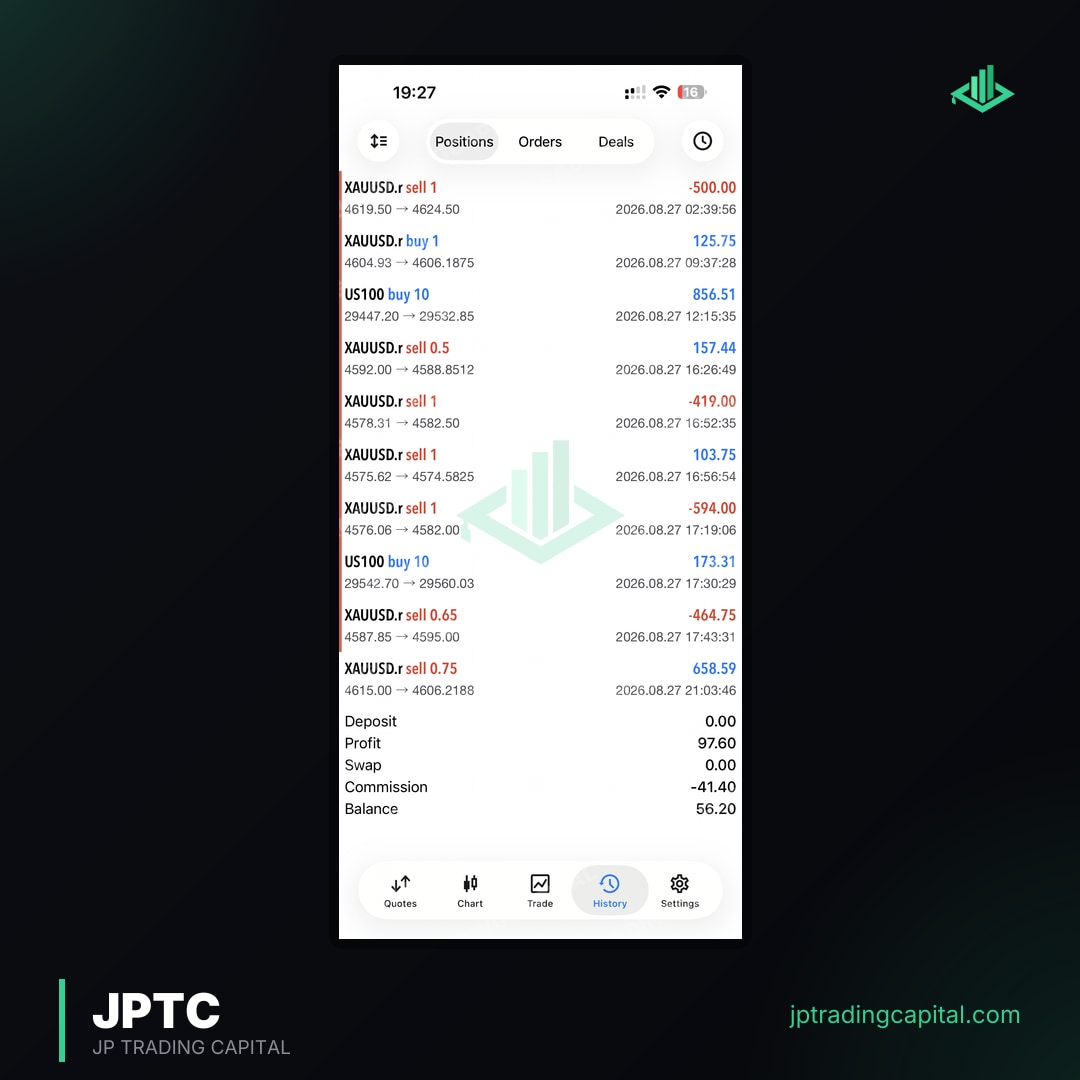
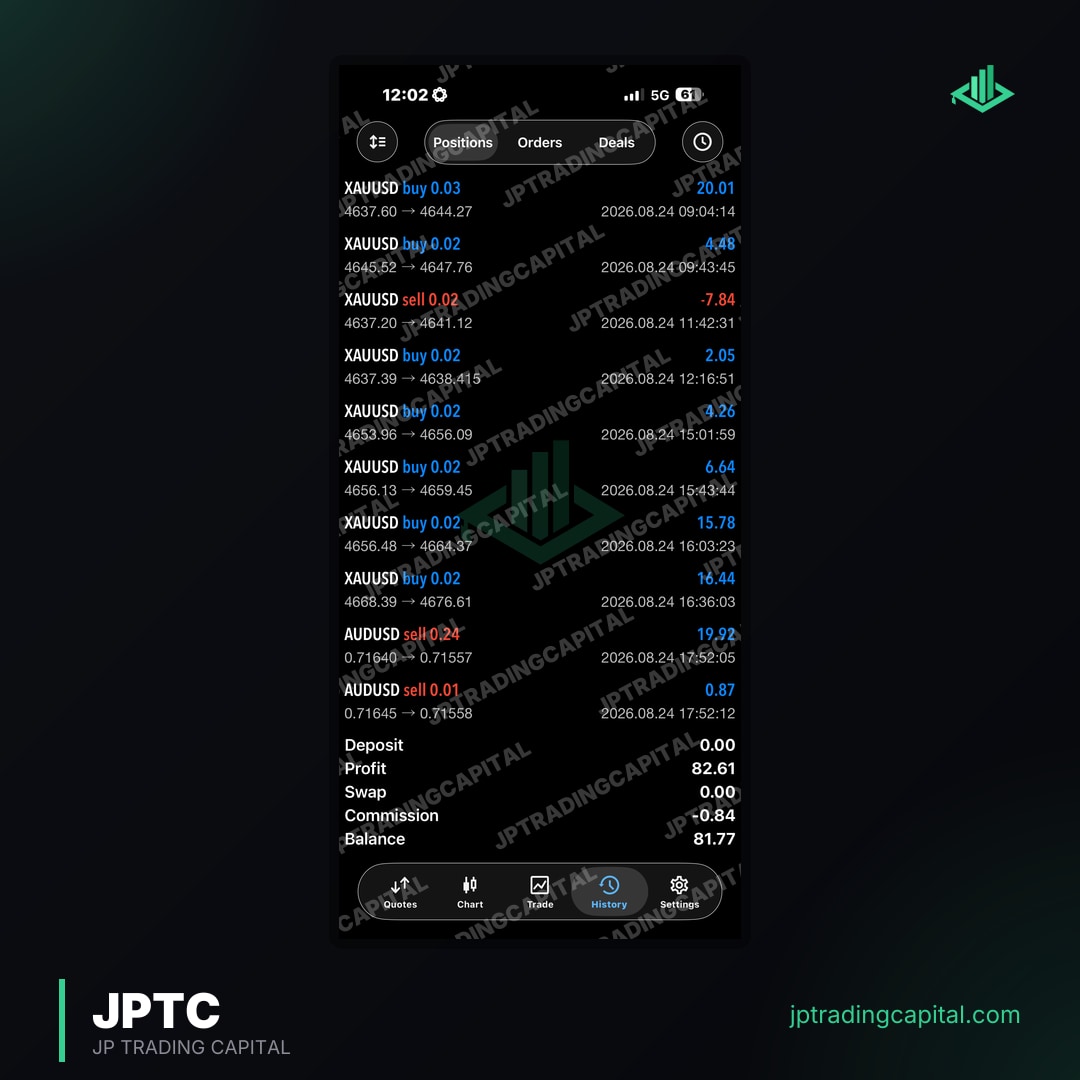
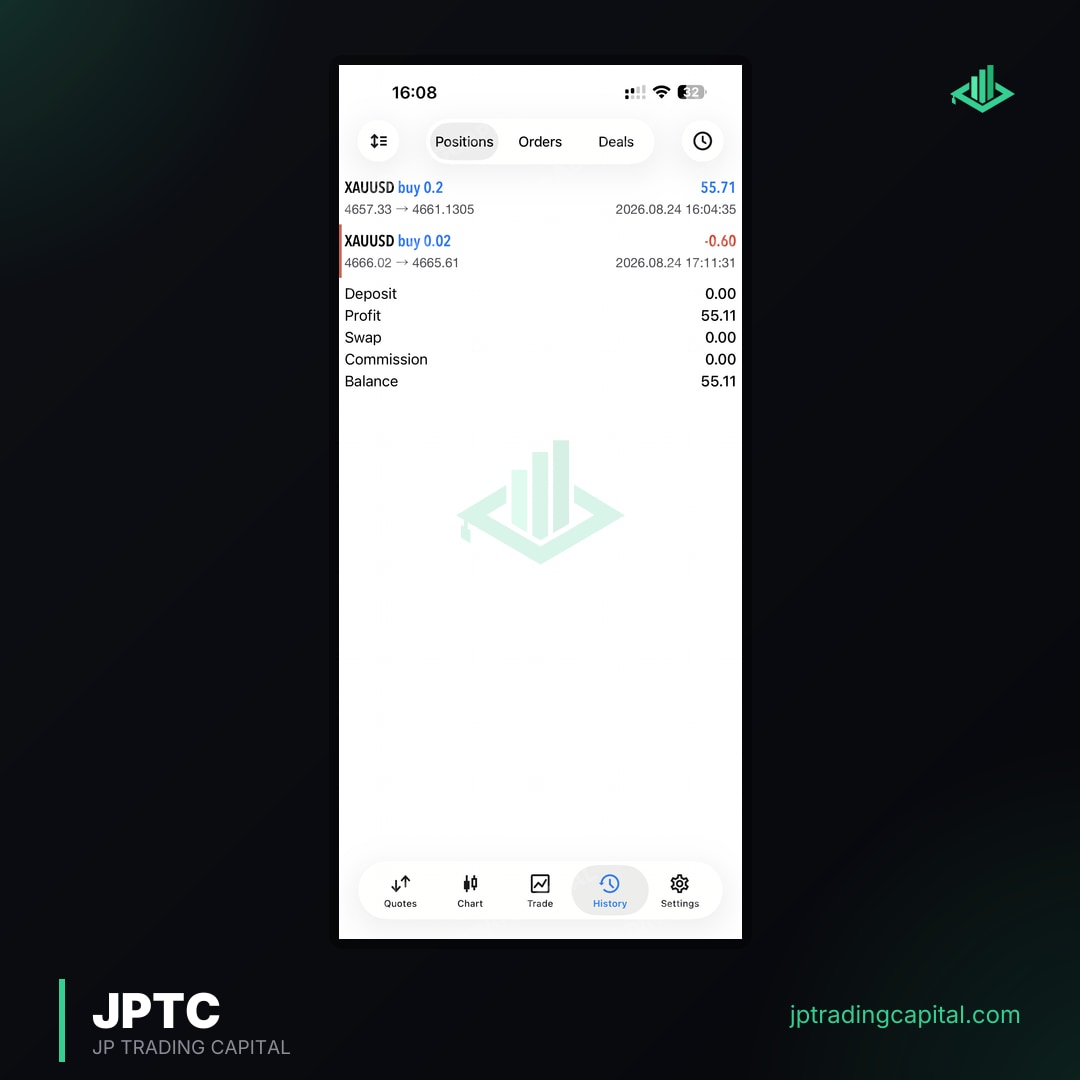
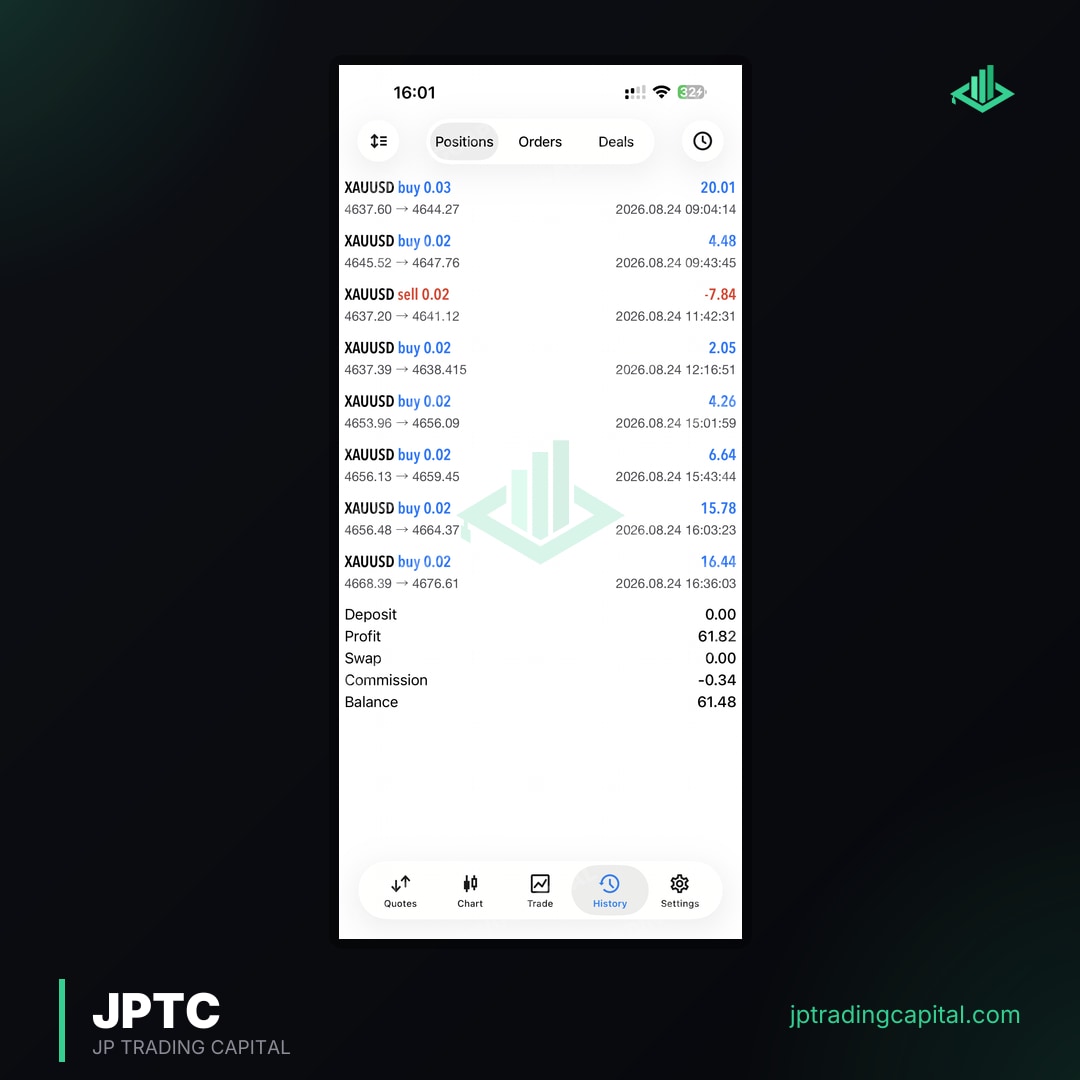
Successfully passing prop firm challenges requires a scalping EA that is not only profitable but also meticulously designed to operate within strict trading parameters. Prop firms have specific rules regarding daily drawdown, maximum loss, and consistency, which can be particularly challenging for high-frequency scalping strategies.
Daily Drawdown and Max Loss Compliance
One of the most critical aspects for prop firm traders is adhering to daily drawdown and maximum loss limits. For example, a firm might impose a 5% maximum daily drawdown and a 10% overall maximum loss. A scalping EA must be programmed with these limits in mind, ideally incorporating internal mechanisms to stop trading or reduce risk once these thresholds are approached.
The best scalping EAs for prop firms will have configurable settings that allow traders to set these limits directly within the EA, or the EA itself will be designed with an inherent risk profile that naturally respects such boundaries. Our experience shows that EAs that are too aggressive without these built-in safeguards often lead to rapid account violations. JPTradingCapital's EA Hub is specifically engineered with pre-configured strategies that respect these crucial prop firm rules, offering a safer approach to automated trading for evaluation phases and funded accounts alike. For more insights on how our EAs help traders succeed, visit our passing evaluations page.
Consistency Rules and Trading Frequency
Many prop firms implement consistency rules, which require traders to maintain a relatively even performance over time, preventing them from passing an evaluation with just one or two lucky trades. This can be tricky for scalping EAs, which inherently make many trades. A common consistency rule might stipulate that the profit on any single day or week should not exceed a certain percentage of the total profit target, or that trading activity must be consistent across different trading days.
The best scalping EAs for prop firm challenges are designed to spread their profitability more evenly, avoiding huge spikes in daily profits that could violate consistency rules. This often involves strategies that take smaller, more frequent profits rather than aiming for large single-day gains. Traders using such EAs need to understand their prop firm's specific consistency requirements and choose an EA whose trading pattern aligns with these rules.
The Importance of Responsible Leverage
While prop firms often provide high leverage, responsible use of leverage is paramount, especially with scalping EAs. High leverage amplifies both profits and losses. An overly aggressive position size, even if aiming for small pips, can quickly lead to a drawdown violation in volatile markets. The best scalping EAs will incorporate intelligent position sizing algorithms that calculate lot sizes based on the account's available equity and the defined risk per trade, ensuring that leverage is used prudently.
Traders should aim to use leverage as a tool to manage capital efficiency, not as a means to take excessive risk. Understanding the relationship between leverage, position size, and potential drawdown is a key component of successful automated trading with a scalping EA in a prop firm environment. Our EAs are designed with prudent leverage in mind, ensuring that positions are sized appropriately to manage risk within prop firm parameters.
Top Strategies and Considerations for Scalping EAs in 2026
While specific EA names vary, successful scalping strategies in 2026 often focus on exploiting specific market conditions or asset classes, requiring careful configuration and an understanding of market dynamics. The JPTradingCapital team continuously researches and refines strategies to adapt to evolving market landscapes.
Gold (XAUUSD) Scalping Strategies
Gold (XAUUSD) is a popular instrument for scalping due to its high volatility and liquidity, especially during specific trading sessions. Many of the best scalping EAs are specifically optimized for XAUUSD, capitalizing on its unique price action characteristics. These EAs often employ strategies that identify short-term trends, reversals, or range-bound opportunities within the gold market.
Scalping Gold requires an EA that can handle rapid price swings and potentially wider spreads during news events. The focus is often on quick entries and exits, sometimes holding trades for only a few seconds to capture minor price movements. When considering a Gold scalping EA, it's crucial to verify its performance specifically on XAUUSD data and ensure it has robust filters to avoid trading during periods of extreme volatility or illiquidity, which can lead to significant slippage.
Currency Pair Volatility and Liquidity
Beyond gold, certain currency pairs offer excellent opportunities for scalping EAs due to their consistent volatility and deep liquidity. Major pairs like EUR/USD, GBP/USD, and USD/JPY are frequently targeted by scalping EAs because of their tight spreads and high trading volume, which minimizes execution risk. Cross-currency pairs with high daily ranges, such as GBP/JPY, can also be attractive, though they often come with slightly wider spreads.
The choice of currency pair often dictates the optimal trading session for a scalping EA. For example, EUR/USD scalping is often most effective during the London and New York sessions when liquidity is highest. An EA designed for a specific currency pair should be backtested thoroughly on that pair, with consideration for its typical volatility patterns and trading hours. The best scalping EAs for currency pairs often include time filters to ensure they only operate during periods conducive to their strategy.
Avoiding News Events with Scalping EAs
Economic news releases can introduce extreme volatility and unpredictable price movements, often leading to wider spreads and significant slippage. For scalping EAs, which rely on precise entries and exits, trading during high-impact news events is generally ill-advised. Many of the best scalping EAs incorporate news filters that automatically pause trading a certain period before and after major economic announcements.
Traders should always be aware of upcoming news events and ensure their EA is configured to avoid these periods. While some EAs might attempt to trade news, this is typically a much riskier strategy and often not suitable for prop firm challenges due to the potential for large drawdowns. A conservative approach, where the EA stands aside during high-impact news, is usually the safest and most consistent path to long-term profitability and prop firm compliance.
The JPTradingCapital Advantage: Ready-Made EA Solutions for Prop Firms
JPTradingCapital offers a distinct advantage for prop firm traders through its EA Hub, providing pre-configured strategies built around prop-firm rules that run on your own MT4 or MT5 terminal. Our approach simplifies automated trading, so traders can focus on their goals.
Seamless Setup and Maintenance
One of the significant hurdles for many traders using EAs is the technical setup and ongoing maintenance. This includes configuring a VPS, installing MetaTrader, uploading the EA, and ensuring continuous operation. JPTradingCapital's EA Hub shortens this work with ready-made setfiles, so you load a tested configuration instead of building one. The EA then runs on your own terminal; a VPS close to your broker's server keeps a scalping EA running with low latency and a reliable connection.
A stable setup minimizes technical glitches, latency issues, and downtime, which are critical for high-frequency scalping strategies. Traders choose their desired strategy and setfile, then follow performance in their own MT4 or MT5 terminal. This convenience matters for busy prop firm traders.
Pre-Configured Strategies Built Around Prop-Firm Rules
The core of the JPTradingCapital advantage lies in our pre-configured, backtested strategies that are specifically designed to respect prop firm rules. Our EA Hub offers a selection of automated strategies engineered to comply with daily drawdown caps, maximum loss limits, and consistency requirements across various prop firms like FTMO, FundedNext, FXify, The5ers, and E8 Funding.
This means traders don't have to spend countless hours backtesting and optimizing an EA to fit prop firm parameters. Our expert team has already done the heavy lifting, providing strategies that are proven to operate within these strict boundaries. This significantly reduces the risk of account violations and increases the likelihood of passing evaluations and maintaining funded accounts. Our focus is on providing reliable, rule-abiding automation that empowers prop firm traders to succeed.
Dedicated Support
Beyond the pre-configured strategies, JPTradingCapital provides dedicated support. Should any issues arise with your EA or setfile, our support is readily available to address them, providing peace of mind to our clients.
Low-latency execution is vital for scalping EAs, so run them on a VPS or PC with a fast, stable connection to your broker. Combined with ready-made setfiles and support, this gives our clients a solid environment for automated trading. For more information on our EA offerings, explore our EA solutions page.
How to Select and Implement Your Scalping EA
Choosing and effectively deploying a scalping EA involves a systematic process of research, testing, and understanding your trading environment. This methodical approach is essential for maximizing your chances of success, especially within the demanding framework of prop firm evaluations.
Thorough Due Diligence and Testing Protocols
Before committing to any scalping EA, thorough due diligence is paramount. This includes scrutinizing its historical performance, not just through vendor-provided backtests, but also through independent analysis if possible. Look for comprehensive reports that detail maximum drawdown, profit factor, win rate, and consistency over various market conditions.
Once an EA shows promise, the next step is extensive forward testing on a demo account. This real-time simulation allows you to observe how the EA performs under current market conditions, identifying any discrepancies between backtested results and live performance. Pay close attention to execution quality, spread impact, and how the EA handles volatility. This testing phase is crucial for building confidence in the EA's capabilities and understanding its operational nuances.
Optimizing Settings for Your Prop Firm Account
Even the best scalping EA requires careful optimization of its settings to align with your specific prop firm's rules and your personal risk tolerance. This involves adjusting parameters such as lot size, stop-loss and take-profit levels, time filters, and any built-in drawdown limits. For example, if your prop firm has a 5% daily drawdown limit, your EA's risk per trade and overall exposure should be calibrated to stay well within this boundary.
The optimization process should not be rushed. It often involves iterative adjustments and further testing on a demo account until you find a configuration that consistently meets the prop firm's requirements while generating acceptable profits. JPTradingCapital's pre-configured strategies simplify this significantly by providing settings already optimized for common prop firm rules, reducing the time and effort required for individual traders to fine-tune their EAs.
Monitoring Performance and Adapting
Deploying a scalping EA, even a highly optimized one, is not a set-and-forget operation. Continuous monitoring of its performance is essential. Regularly review trade history, profitability, and drawdown metrics. Compare real account performance against your expectations from backtesting and forward testing. Market conditions can change, and an EA that performed well in one environment might struggle in another.
Be prepared to adapt. This might involve pausing the EA during periods of high market uncertainty, adjusting its settings, or even switching to a different strategy if the current one is no longer viable. The goal is to maintain consistent profitability and strict adherence to prop firm rules. By diligently monitoring and adapting, traders can ensure their scalping EA remains a valuable tool in their automated trading arsenal.
Are scalping EAs allowed by prop firms?
Most prop firms allow the use of Expert Advisors, including scalping EAs, provided they adhere to the firm's specific trading rules, particularly regarding daily drawdown, maximum loss, and consistency. It's crucial to review each prop firm's terms and conditions carefully.
How important is low latency for scalping EAs?
Low latency is extremely important for scalping EAs. Because these EAs make numerous rapid trades, even milliseconds of delay can lead to slippage, impacting profitability. Using a reliable VPS close to your broker's server can significantly reduce latency.
Can a scalping EA work on any currency pair?
While a scalping EA might technically run on any pair, the best performance is typically achieved on highly liquid pairs with tight spreads, such as major forex pairs (e.g., EUR/USD) or instruments like XAUUSD. EAs are often optimized for specific instruments and market conditions.
What's the difference between a hosted EA and a self-installed one?
A self-installed EA requires the trader to set up and maintain their own trading platform and infrastructure (e.g., VPS). A hosted service runs on the provider's servers, eliminating the need for client-side installation and maintenance. JPTradingCapital's EA Hub EAs are self-run on your own terminal; only the separate JPTC Algo is hosted by JPTC.
How do I ensure my scalping EA complies with consistency rules?
Ensuring compliance with consistency rules involves choosing an EA designed to spread profits evenly rather than relying on large, infrequent gains. Additionally, configuring the EA's risk parameters to avoid excessive daily profits relative to the overall target, and continuous monitoring, are key.
Related Articles
- FundedNext Instant Account Rules 2026: 7 Key Updates for Traders · Read more →
- FundedNext Payouts 2026: 3 Fastest Ways to Get Paid · Read more →
- FundedNext Payment Methods 2026: Exact Fees & Payouts · Read more →
- Real Prop Firm Pass Rates 2026: What Percentage Succeed? · Read more →
- FundedNext Trustpilot Reviews: Real Trader Insights for 2026 · Read more →
- Gold Trading Strategies for Beginners: XAUUSD Trading Guide (2026) · Read more →
- Best Gold Trading Times 2026: Unlock Peak Volatility · Read more →
- Best Strategy for XAUUSD: 5 Proven Setups for Gold [2026] · Read more →
- How Long Do Prop Firm Withdrawals Take? Exact 2026 Guide · Read more →
- Winning Prop Firms: 3 Hidden Drawdown Rules to Master in 2026 · Read more →
Review the JPTC EA Hub
EA software with version-specific documentation and account-level risk controls. Review the selected programme’s current automation rules and test the chosen version; software does not guarantee compliance, a pass or a payout.
See the EA Hub