FundedNext Payment Methods 2026: Exact Fees & Payouts

FundedNext offers diverse payment methods including card payments, digital wallets, cryptocurrencies, and localized options, with challenge fees varying by account size and generally refundable upon a trader's first profit split. While FundedNext sets the core challenge fees, external transaction costs, currency conversion rates, and network fees can influence the total financial outlay and payout efficiency for traders.
- FundedNext accepts major cards (Visa, MasterCard), popular digital wallets (PayPal, Skrill, Apple Pay, Google Pay), various cryptocurrencies, and country-specific local payment methods.
- Challenge fees are a one-time upfront cost, determined by the chosen account size, and are typically refunded with the first successful profit payout.
- Potential additional costs include payment provider transaction fees, cryptocurrency network fees, and currency conversion charges if paying in a different currency than the challenge fee.
- The chosen payment method can affect the speed of initial account funding and, critically, the efficiency and timing of subsequent profit withdrawals.
- Localized payment options offer convenience in specific regions but may have unique processing times or fee structures to consider.
Understanding FundedNext Payment Methods and Fees Comparison
For traders considering a prop firm challenge, a comprehensive understanding of FundedNext's payment methods and fees comparison is essential for financial planning and operational efficiency. The JPTradingCapital team recognizes that navigating initial challenge costs and subsequent payout processes can be as critical as the trading strategy itself. FundedNext provides a range of options to accommodate a global user base, each with its own advantages and potential considerations regarding speed, security, and cost.
Our research indicates that FundedNext aims to offer flexibility, but traders must look beyond the advertised challenge fee to understand the full financial picture. This includes scrutinizing potential transaction fees imposed by third-party payment processors, currency conversion rates, and the impact of chosen methods on the speed of both deposits and withdrawals.
Detailed Breakdown of FundedNext Payment Options
FundedNext supports a variety of payment gateways to facilitate easy access to their trading challenges, catering to different preferences and regional availabilities.
Credit/Debit Card Payments (Visa, MasterCard)
Card payments, primarily through Visa and MasterCard, offer a widely accepted and often instantaneous method for funding a FundedNext challenge account. This method is familiar to most traders globally and typically involves straightforward processing.
- Pros: High acceptance rate, immediate processing for challenge fees, robust security features provided by card networks.
- Cons: Some banks may flag large international transactions, potential for foreign transaction fees if the card currency differs from the challenge fee currency.
Digital Wallets (PayPal, Skrill, Apple Pay, Google Pay)
Digital wallets provide a convenient and often secure way to manage online transactions, with FundedNext supporting several popular options like PayPal, Skrill, Apple Pay, and Google Pay. These methods often bridge the gap between bank accounts and online services, adding an extra layer of privacy.
- Pros: Fast transactions, enhanced security without directly sharing bank details, often user-friendly interfaces.
- Cons: Some digital wallets may impose their own transaction fees or currency conversion rates, availability can vary by region.
Cryptocurrency Payments
For traders seeking decentralized and often lower-fee options for their FundedNext payment methods and fees comparison, cryptocurrency payments offer a modern alternative. FundedNext accepts various cryptocurrencies, providing flexibility for those comfortable with digital assets.
- Pros: Can offer lower transaction fees compared to traditional banking, increased privacy, faster international transfers.
- Cons: Price volatility of cryptocurrencies can be a factor, network congestion can lead to higher gas/network fees or slower processing times, requires familiarity with crypto wallets and transactions.
Localized Payment Solutions
Recognizing the diverse global market, FundedNext offers specific local payment methods tailored to various countries, enhancing accessibility for traders in those regions. These methods are designed to integrate seamlessly with local banking and consumer habits.
For example, in Indonesia, traders can use Alfamart, Dana, LinkAja, QRIS, and OVO. In Kenya, Airtel Money is available. These options reflect a commitment to regional convenience.
- Pros: Extremely convenient for local traders, often avoids international transaction complexities, familiar interfaces.
- Cons: Limited to specific countries, may have unique daily limits or processing times, potential for local currency conversion fees.
Navigating FundedNext Challenge Fees and Hidden Costs
When evaluating the true cost within a FundedNext payment methods and fees comparison, it's vital to understand both the explicit challenge fees and any potential hidden costs. The JPTradingCapital team emphasizes that a clear understanding helps prevent unexpected financial outlays.
Initial Challenge Fees
Check the evaluation fee, any refund conditions and the qualifying payout milestone for the exact FundedNext program you choose. Read that account's official refund policy before including a refund in your cost calculation.
Our JPTC EA Hub is designed to help traders navigate these challenges effectively, respecting rules like daily drawdown caps and max loss limits, which directly contributes to the goal of passing and getting that initial fee refunded. For more insights on how to approach these evaluations, consider exploring our resources on passing prop firm challenges.
Potential Payment Processing Fees
While FundedNext's challenge fee is clearly stated, the payment method chosen can introduce additional costs from the payment processor itself. These are not fees charged by FundedNext but by the service facilitating the transaction.
- Credit Card Fees: While less common for the payer, some international transactions might incur small fees from your bank or card issuer.
- Digital Wallet Fees: Services like PayPal or Skrill might charge fees for certain types of transactions, especially if currency conversion is involved.
- Cryptocurrency Network Fees: Every cryptocurrency transaction incurs a network fee (gas fee), which varies based on network congestion and the specific cryptocurrency. These fees are paid to miners/validators, not FundedNext. Traders should account for these variable costs when funding with crypto.
Currency Conversion and Exchange Rate Impacts
One of the most overlooked aspects in a FundedNext payment methods and fees comparison is the impact of currency conversion. If your local currency differs from the currency in which FundedNext charges its challenge fees, you will incur conversion costs. These are typically applied by your bank, card issuer, or digital wallet provider at their prevailing exchange rates, which often include a spread or markup.
For example, if the challenge fee is stated in USD, but you pay with a Euro-denominated card, your bank will convert the Euros to USD, applying their own exchange rate and potentially a foreign transaction fee. These seemingly small percentages can add up, making the effective cost of the challenge slightly higher than the advertised amount.
Impact of Payment Methods on Payouts and Withdrawals
The choice of payment method for funding your FundedNext account can also significantly influence the speed and efficiency of receiving your profit payouts once you're trading with a funded account. The JPTradingCapital team understands that timely access to profits is paramount for successful traders.
Typically, prop firms prefer to process withdrawals back to the original method of deposit where possible, or to a verified bank account. Understanding this linkage is key.
- Speed: Digital wallets and cryptocurrencies often facilitate faster payout processing compared to traditional bank transfers, which can take several business days due to interbank clearing processes.
- Fees on Payouts: While FundedNext aims for transparent payouts, the method chosen for withdrawal may incur fees from the receiving bank or payment processor. For instance, international bank wires often have fixed fees, and crypto withdrawals will again involve network fees.
- Limits: Some payment methods may have daily or transaction limits, which could impact how quickly larger profit splits can be withdrawn. Traders should verify these limits with their chosen payment provider.
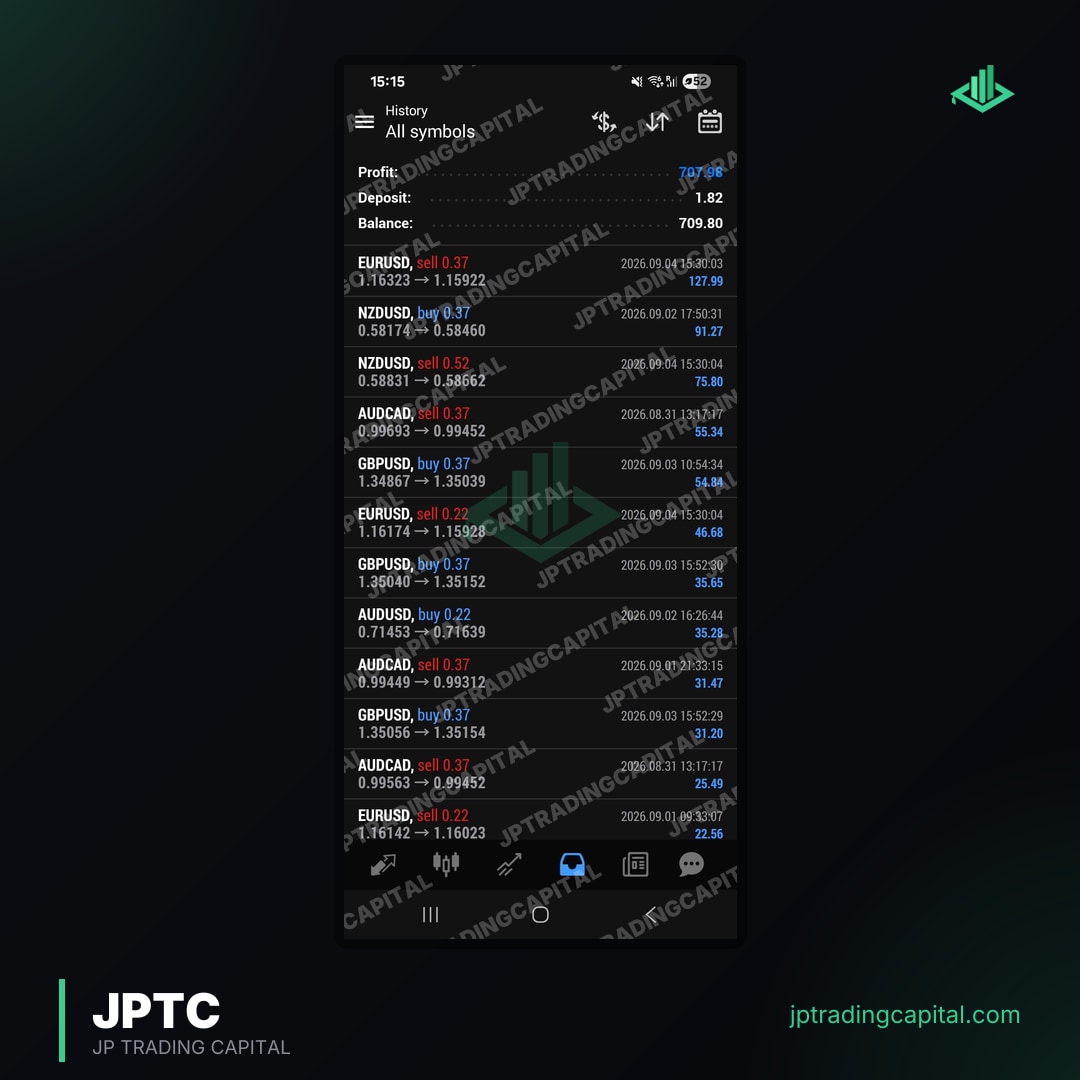
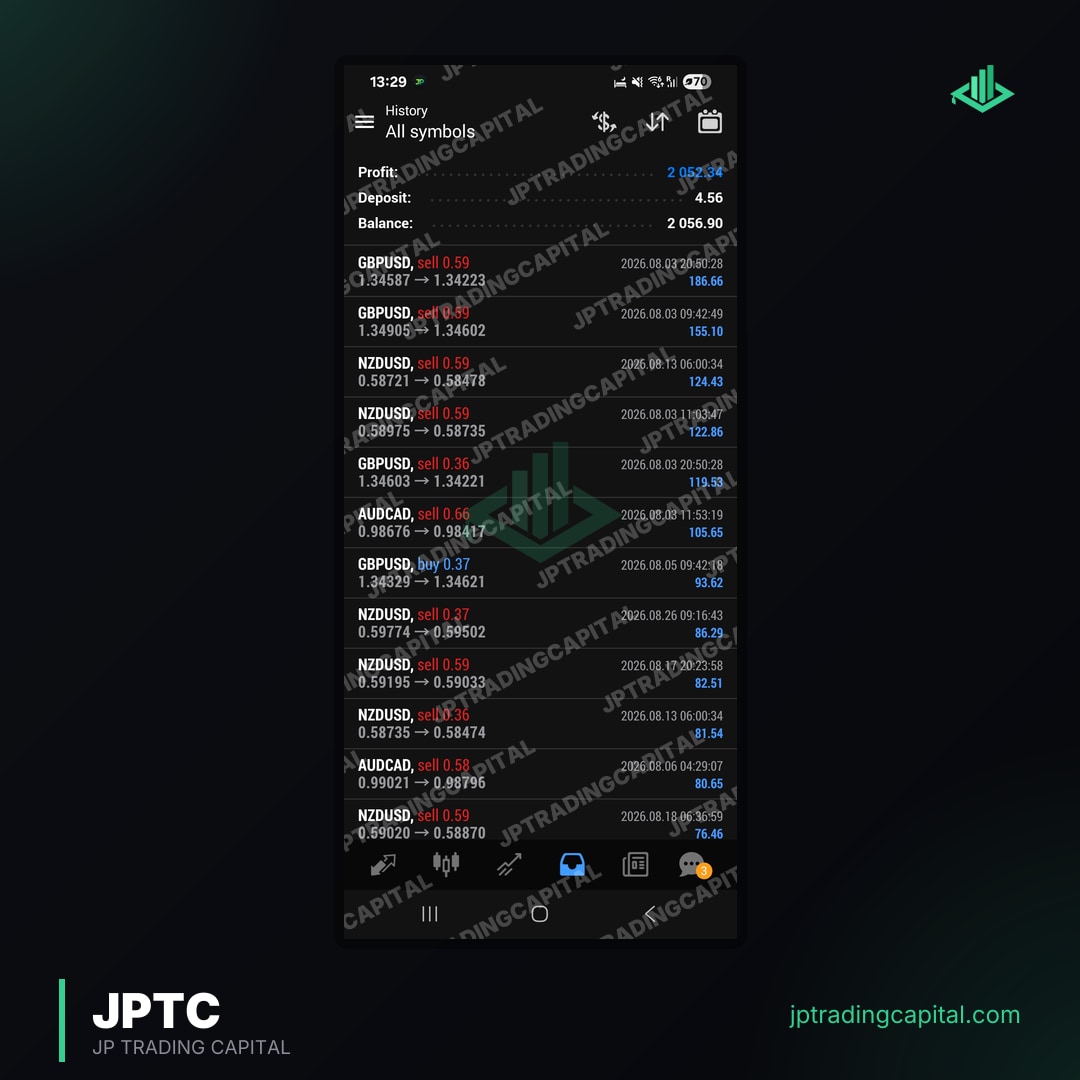
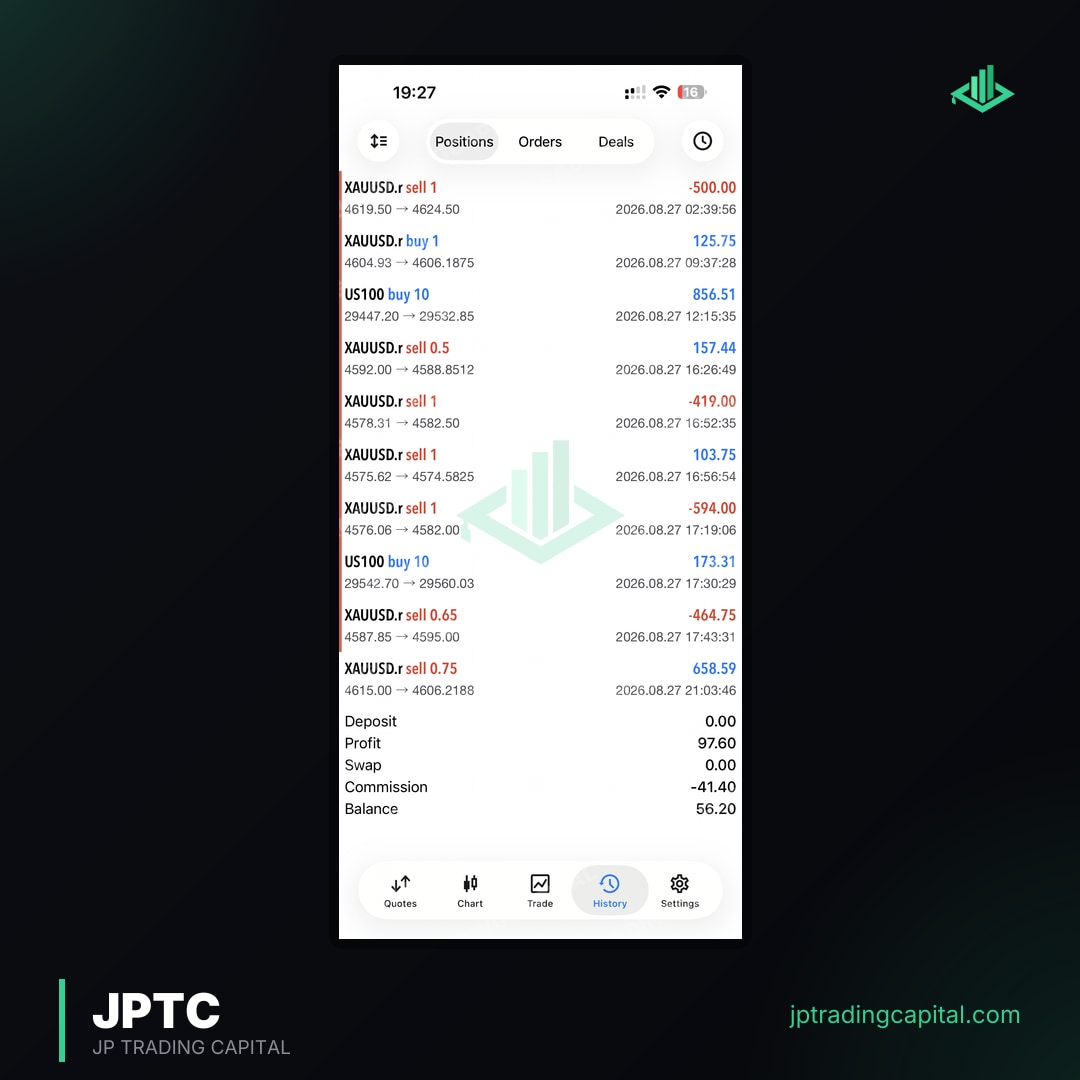
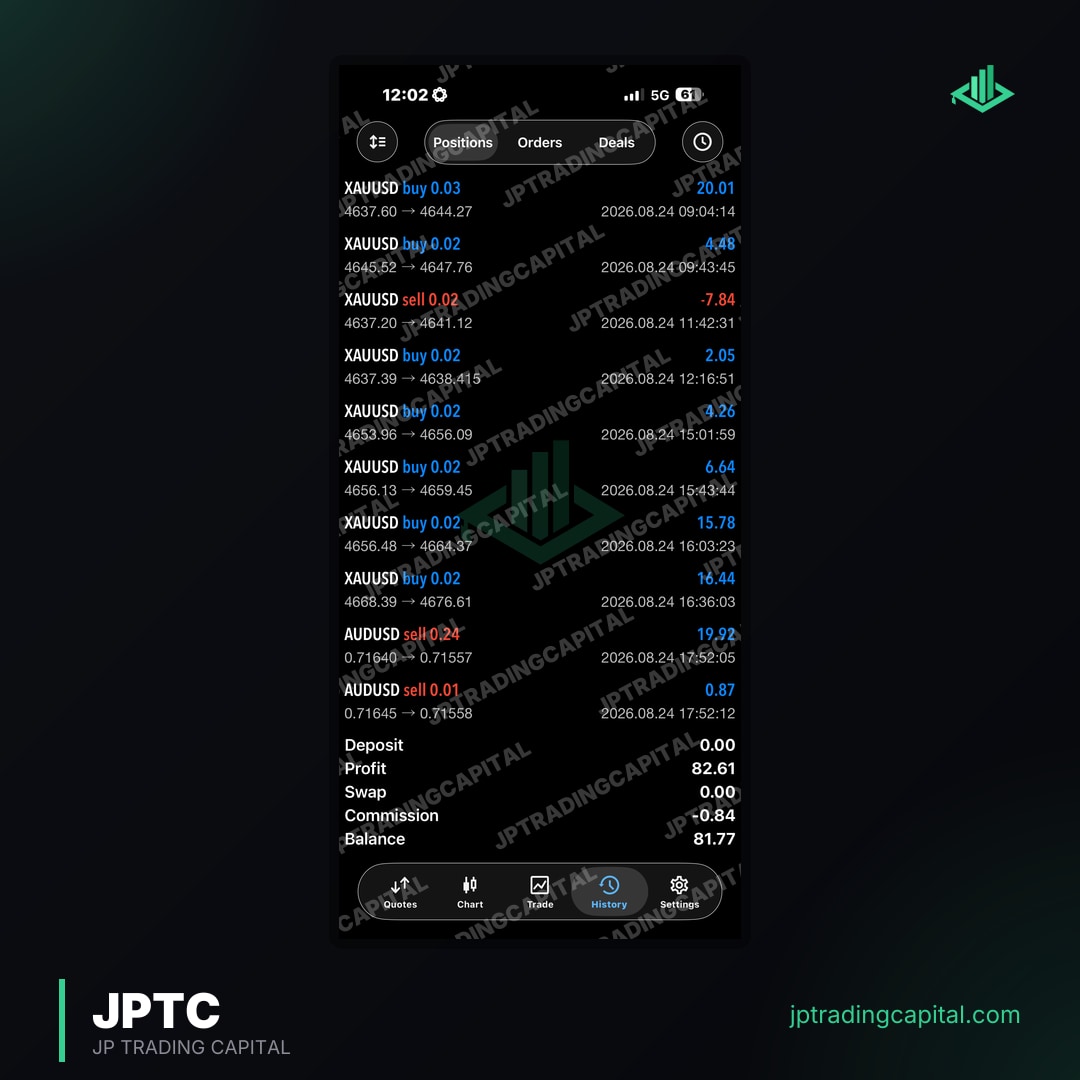
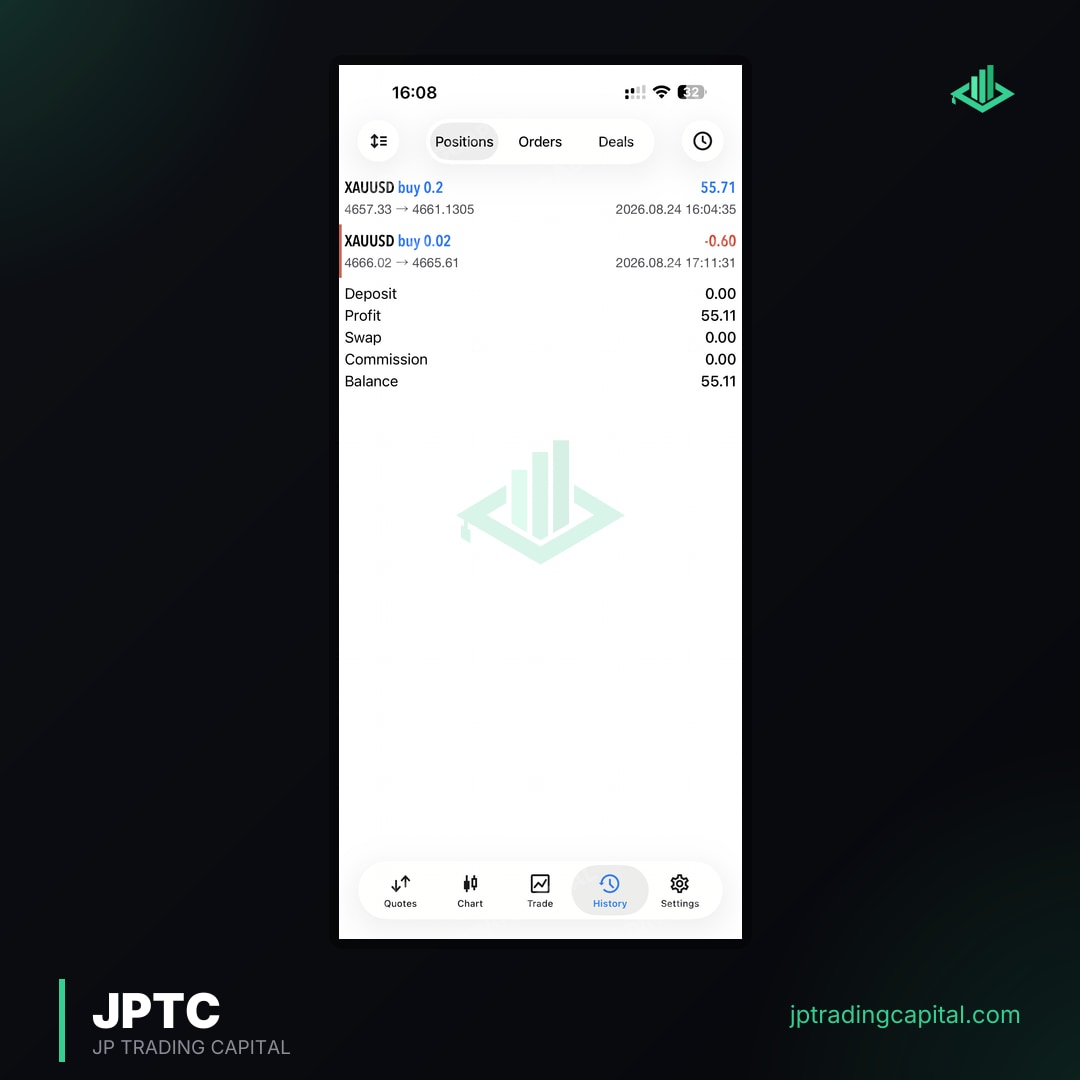
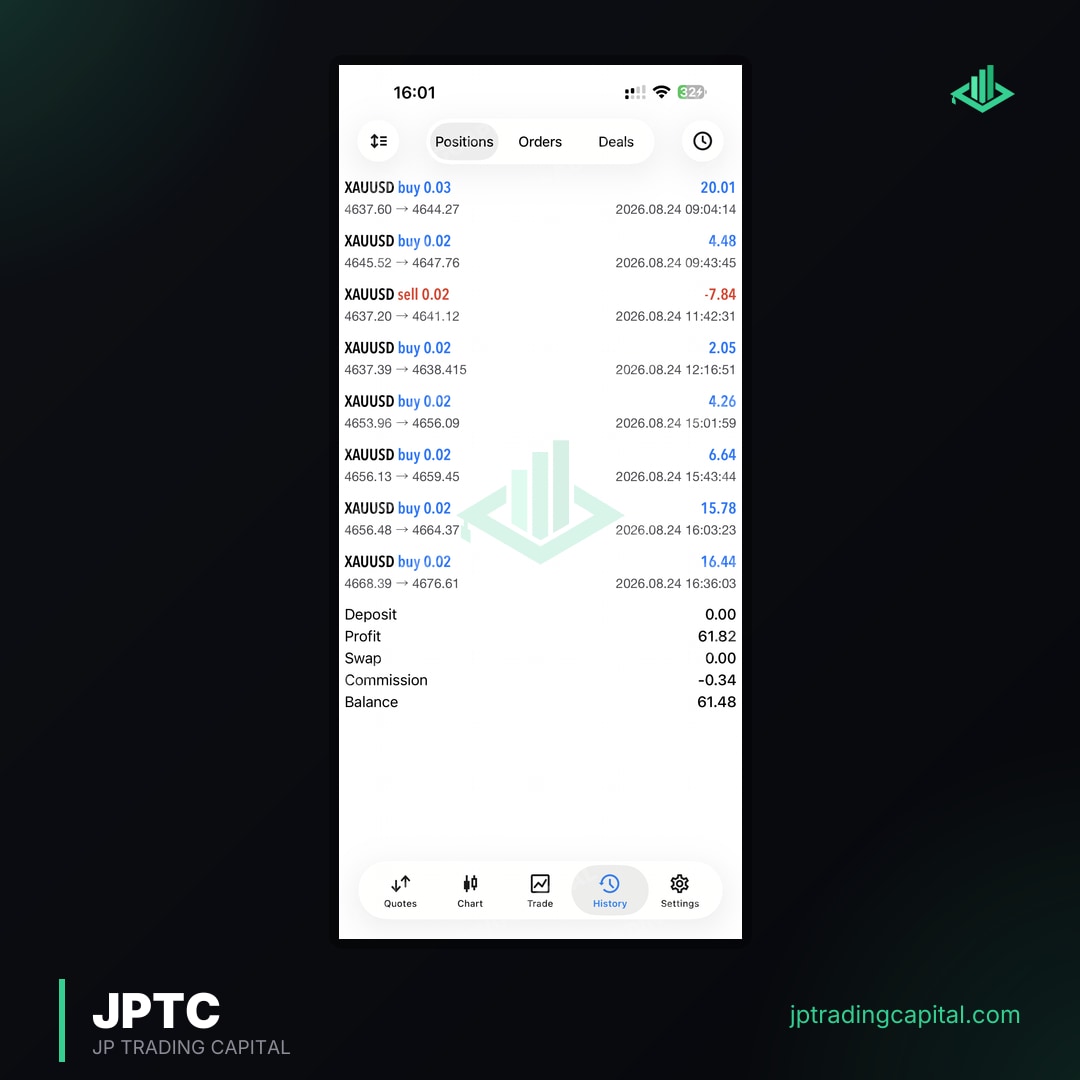
For traders who consistently achieve profit targets, understanding these payout dynamics is crucial for managing cash flow. Tools like the JPTC EA Hub are designed for consistent performance, potentially leading to regular payouts. JPTradingCapital publishes monthly figures from broker statements on its results page. The broker’s own account record is not an independent audit; these figures do not establish future performance or compliance for another strategy.
Regional Specifics: Local Payment Methods and Restrictions
Related Articles
- Real Prop Firm Pass Rates 2026: What Percentage Succeed? · Read more →
- FundedNext Trustpilot Reviews: Real Trader Insights for 2026 · Read more →
- Gold Trading Strategies for Beginners: XAUUSD Trading Guide (2026) · Read more →
- Best Gold Trading Times 2026: Unlock Peak Volatility · Read more →
- Best Strategy for XAUUSD: 5 Proven Setups for Gold [2026] · Read more →
- Funded Account Withdrawal: 5 Critical Rules Traders Miss [2026] · Read more →
- Real Famous Day Traders: 5 Masters & Their Strategies [2026] · Read more →
- Best Prop Trading Firms for Beginners: 7 Steps to Get Funded [2026] · Read more →
- FundedNext Payouts 2026: 3 Fastest Ways to Get Paid · Read more →
- FundedNext Instant Account Rules 2026: 7 Key Updates for Traders · Read more →
Review the JPTC EA Hub
EA software with version-specific documentation and account-level risk controls. Review the selected programme’s current automation rules and test the chosen version; software does not guarantee compliance, a pass or a payout.
See the EA Hub