FTMO Challenge Price 2026: Exact Costs & Hidden Fees
The FTMO Challenge costs range from €99 to €1,080 for the 2-Step evaluation, and similar for the 1-Step Challenge, depending on the chosen simulated account size. This fee is a one-time payment and is fully refunded to the trader with their first profit split after successfully passing both evaluation phases.
- €99 for the $10,000 FTMO 2-Step Challenge, fully refundable on payout.
- €250 for the $50,000 FTMO 2-Step Challenge, a popular choice among traders.
- €540 for the $100,000 FTMO 2-Step Challenge, offering significant trading capital.
- €1,080 for the $200,000 FTMO 2-Step Challenge, the largest account size available.
How much does the FTMO Challenge cost?
The FTMO Challenge costs a one-time fee of €99 to €1,080, depending on the chosen simulated account size and whether you take the 2-Step or the newer 1-Step evaluation model. Both evaluation models are designed to suit different trading styles and risk tolerances.
FTMO, a leading prop trading firm, structures its evaluation fees as a one-time payment, which is fully refundable once a trader successfully passes the challenge and receives their first profit split. This model aims to incentivize serious traders while mitigating initial financial risk once successful. The specific FTMO Challenge price is tied directly to the simulated capital you wish to manage, ranging from smaller accounts suitable for beginners to larger sums for experienced professionals.
FTMO 2-Step Challenge Costs and Account Sizes
The 2-Step FTMO Challenge is the firm's traditional and most recognized evaluation program, requiring traders to pass two distinct phases: the Challenge and the Verification. The fees for these accounts are denominated in Euros, reflecting FTMO's European base, though payment can be made in various currencies.
Here's a breakdown of the 2-Step FTMO Challenge prices:
- $10,000 Simulated Account: €99 one-time refundable fee. This tier is often chosen by newer traders looking to gain experience with prop firm rules.
- $25,000 Simulated Account: €155 one-time refundable fee. A step up, offering more capital for a relatively modest increase in cost.
- $50,000 Simulated Account: €250 one-time refundable fee. This account size strikes a balance between capital and accessibility, making it very popular.
- $100,000 Simulated Account: €540 one-time refundable fee. For serious traders aiming for substantial capital, this offers excellent value.
- $200,000 Simulated Account: €1,080 one-time refundable fee. The largest individual account, designed for highly confident and experienced traders.
These fees are not recurring; you pay once per challenge attempt. If you fail, you must purchase a new challenge to re-attempt. However, the refund policy means that if you pass and achieve your first payout, your initial investment is returned, essentially making the evaluation free in the long run.
FTMO 1-Step Challenge Costs and Account Sizes
Introduced to offer a faster path to funding, the 1-Step FTMO Challenge condenses the evaluation into a single, more intensive phase. While the rules are different, the pricing structure generally mirrors the 2-Step model, with slight variations due to the unique evaluation parameters.
The 1-Step FTMO Challenge price points are:
- $10,000 Simulated Account: €99 one-time refundable fee.
- $25,000 Simulated Account: €155 one-time refundable fee.
- $50,000 Simulated Account: €250 one-time refundable fee.
- $100,000 Simulated Account: €540 one-time refundable fee.
- $200,000 Simulated Account: €1,080 one-time refundable fee.
When comparing the two, the 1-Step Challenge typically appeals to traders who prefer a more direct path and are confident in meeting a higher profit target within a single evaluation phase. While the initial FTMO Challenge price might be identical for corresponding account sizes, the perceived value can differ based on a trader's personal preference for a shorter, more intense evaluation versus a two-phase approach with slightly more lenient daily profit targets.
What does an FTMO Challenge really cost beyond the fee?
Beyond the refundable fee, an FTMO Challenge costs the time, effort, and potential capital tied up during the evaluation process, which can be substantial even if the initial fee is recouped. Preparation, tools, and repeated attempts all add to that total investment.
Many traders focus solely on the upfront FTMO Challenge price, but a more holistic view reveals other significant investments. The journey to becoming an FTMO Funded Trader involves more than just a monetary payment; it demands dedication, consistent performance, and often, an investment in tools and education. Overlooking these 'hidden' costs can lead to frustration and repeated attempts, increasing the overall investment in time and energy.
Time Investment and Opportunity Cost
Passing an FTMO Challenge is not an overnight task for most traders. While some exceptional individuals might pass in a few days, as seen in some online communities, the average trader spends weeks or even months navigating the evaluation phases. This time represents a significant investment.
- Time for Strategy Development: Refining a trading strategy that consistently meets profit targets while adhering to strict drawdown rules takes considerable time.
- Monitoring and Execution: Actively trading and monitoring positions during market hours is a commitment. For many, this means sacrificing personal time or other income-generating activities.
- Learning Curve: Even experienced traders need time to adapt to FTMO's specific rules, such as maximum daily loss and overall drawdown limits, which differ from personal trading accounts.
The opportunity cost is also a factor. The capital used for the challenge fee, however refundable, is tied up. More importantly, the time spent on the challenge could potentially be used for other endeavors, including trading personal capital or pursuing other professional development. Recognizing this broadens the understanding of the true FTMO Challenge price.
The Cost of Preparation and Tools
Successful prop firm trading rarely happens without adequate preparation and the right tools. These often come with their own costs, which are part of the overall investment in passing the challenge.
- Trading Education: Courses, mentorships, and educational materials can be invaluable for developing the necessary skills and discipline.
- Software and Data: Access to advanced charting platforms, market data subscriptions, and analytical tools can provide an edge. While MetaTrader 4 and 5 are free, specific indicators or expert advisors may incur costs.
- Automated Trading Systems: For many, the consistency required to pass prop firm challenges makes automated trading systems (Expert Advisors or EAs) a compelling option. Tools like the JPTC EA Hub are specifically designed with prop firm rules in mind, helping traders maintain discipline with daily drawdown caps and maximum loss limits. Investing in such a system can be a significant part of a trader's preparation budget.
These investments, while not directly part of the FTMO fee, are crucial for increasing the probability of success and thus reducing the overall 'cost' of repeated attempts. For an example of what a 2-year live algo track record looks like, see JPTradingCapital's published results, demonstrating the potential of well-managed automated strategies.
How do you pass the FTMO Challenge efficiently?
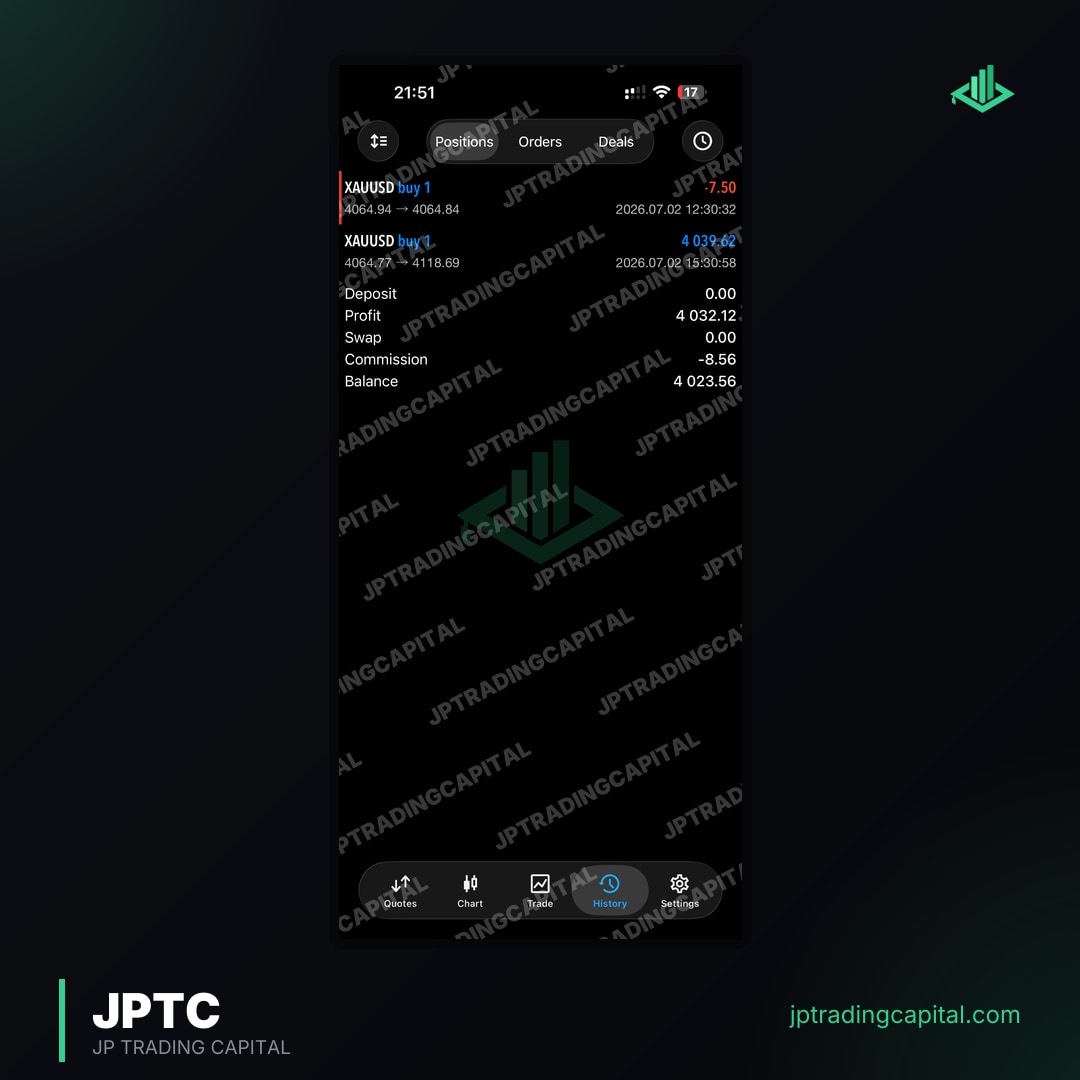
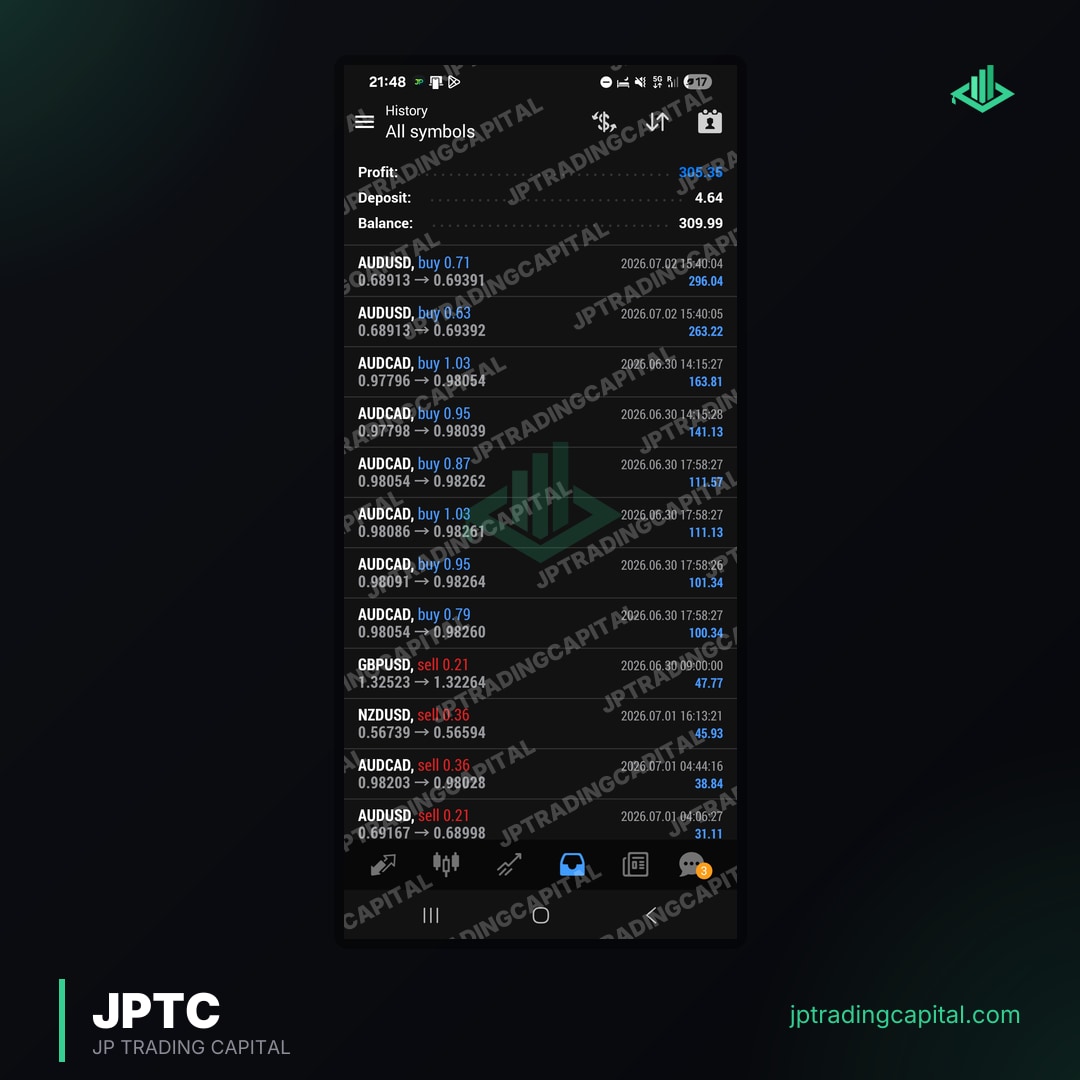
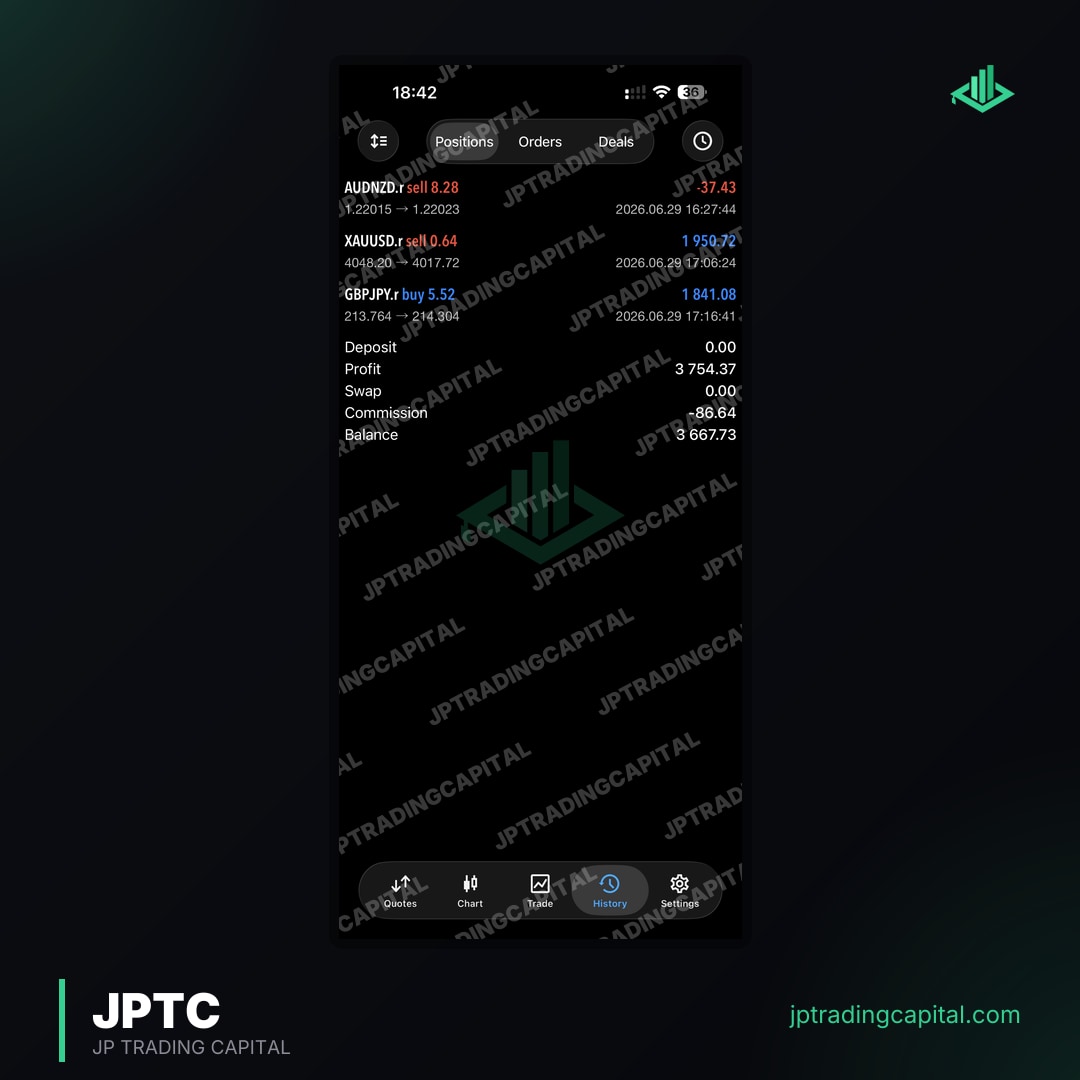
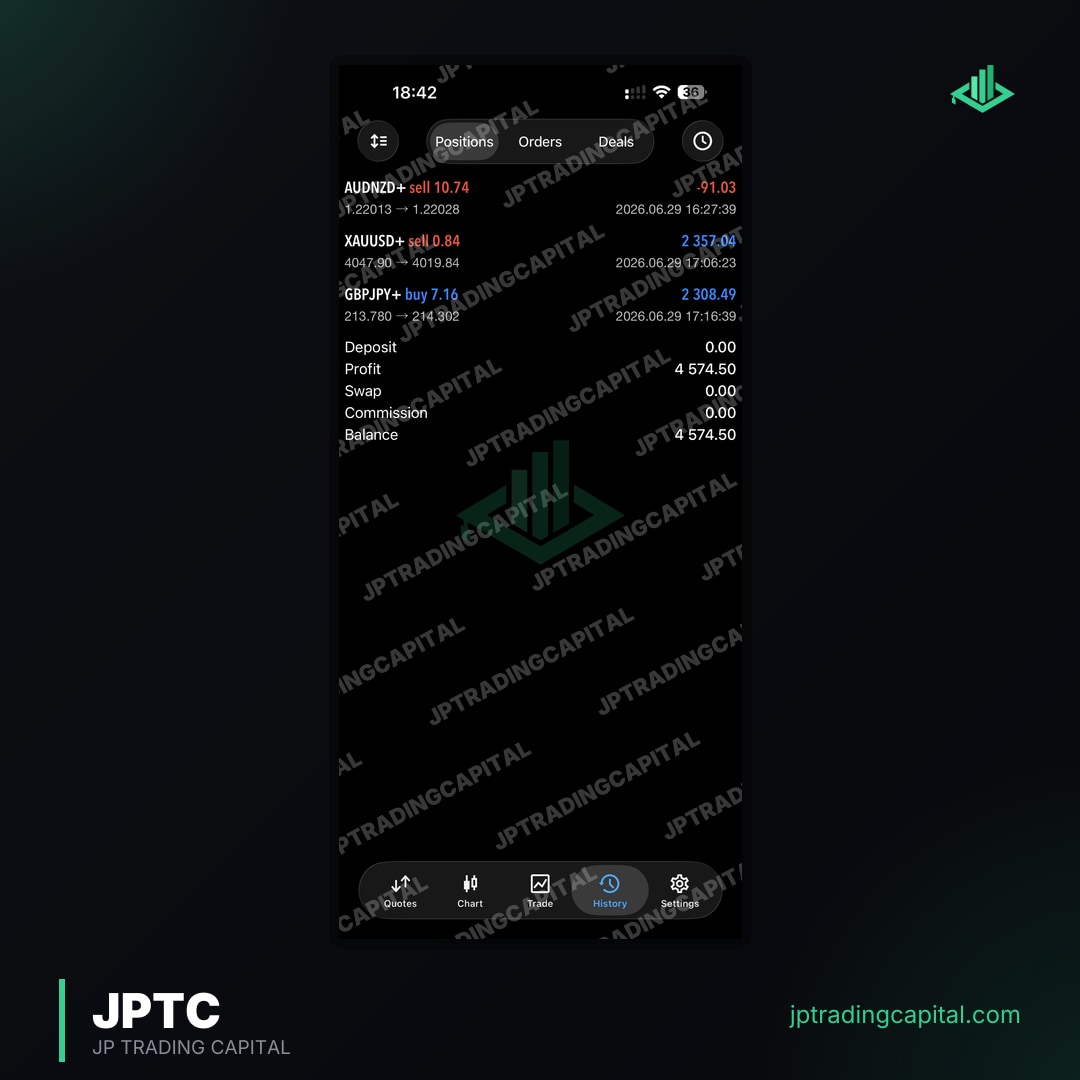
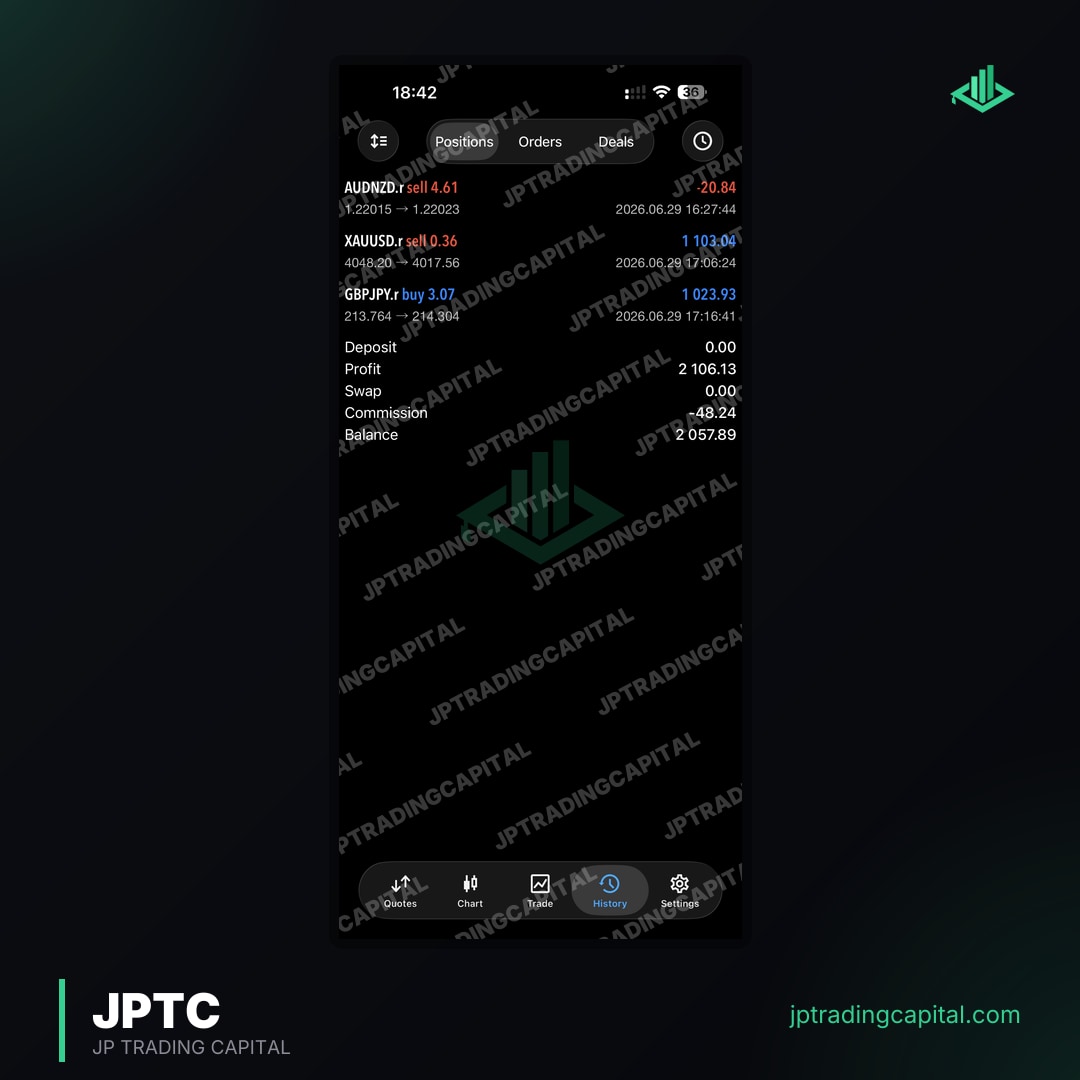
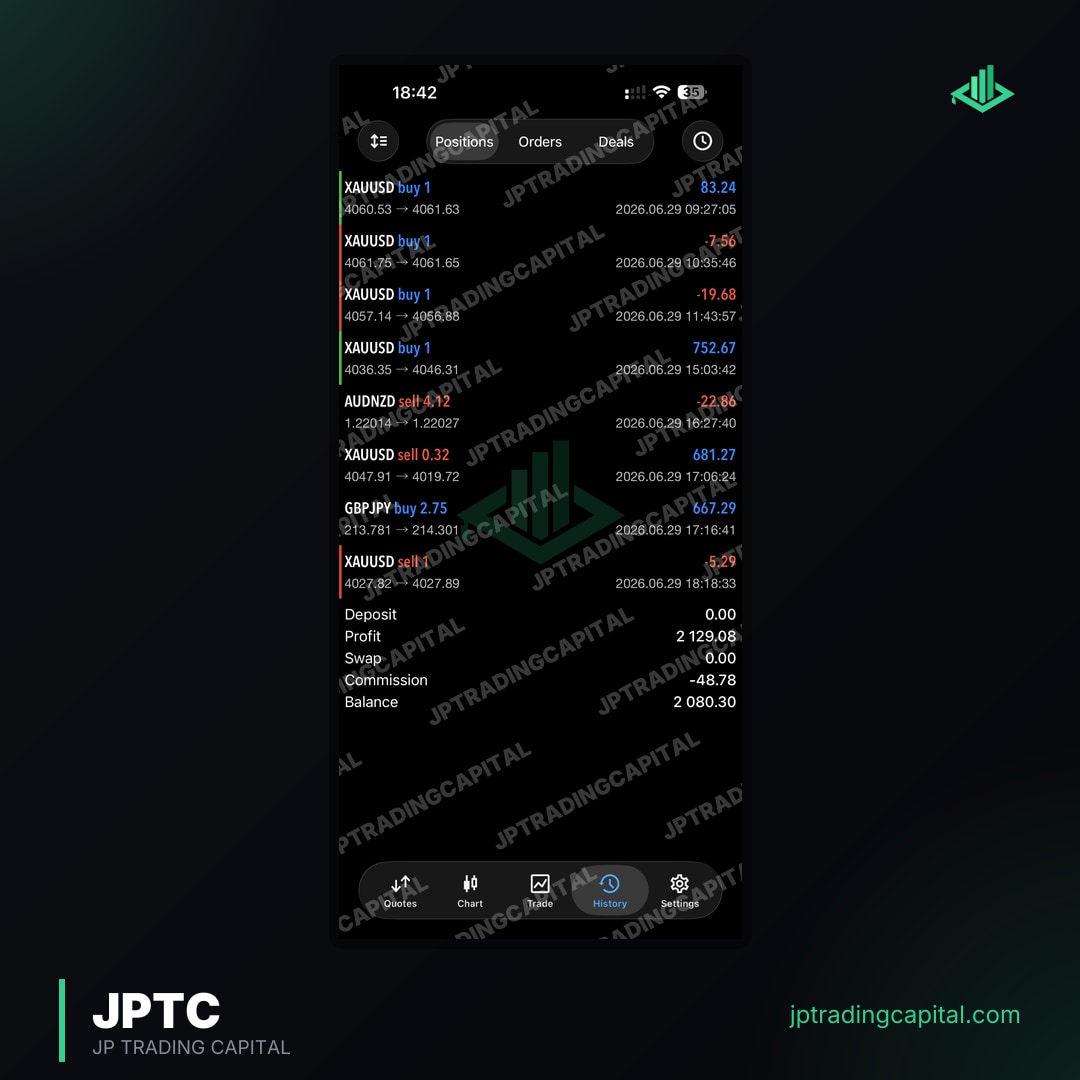
Passing the FTMO Challenge efficiently requires a robust trading strategy, disciplined risk management, and potentially leveraging automated tools to navigate the strict rules, ensuring your initial fee leads to funded status. Understanding the profit targets, drawdown limits, and consistency requirements before you start is the foundation of that approach.
Passing the FTMO Challenge isn't just about paying the FTMO Challenge price; it's about executing a strategy that aligns perfectly with their trading objectives and risk parameters. The JPTradingCapital team emphasizes a proactive approach to preparation, focusing on understanding the rules, utilizing appropriate tools, and selecting the right account size for your trading style.
Understanding FTMO Rules: Profit Target, Drawdown, and Consistency
FTMO's rules are the cornerstone of their evaluation process. Traders must achieve a specific profit target while staying within strict drawdown limits and demonstrating consistency. Failure to adhere to any of these rules results in failing the challenge.
- Profit Target: For the 2-Step Challenge, Phase 1 (Challenge) typically requires an 8% profit, and Phase 2 (Verification) requires a 5% profit. The 1-Step Challenge has a higher, single-phase profit target, often around 10%.
- Maximum Daily Loss: This is a critical rule, usually set at 5% of the initial account balance. For a $100,000 account, this means a maximum loss of $5,000 in a single trading day.
- Maximum Loss: The overall maximum loss is typically 10% of the initial account balance. For a $100,000 account, this means the account equity cannot drop below $90,000 at any point.
- Consistency Rules: FTMO also assesses consistency, ensuring traders don't achieve targets through sheer luck or excessively risky trades.
Adhering to these rules is paramount. Our research shows that many traders struggle not with profitability, but with managing drawdowns and maintaining consistency under pressure. It's essential to internalize these FTMO General Rules before entering the challenge.
The Role of Automated Trading Systems (EAs)
For many prop firm traders, especially those aiming for consistent performance within strict parameters, Expert Advisors (EAs) offer a significant advantage. EAs can automate trading decisions, execute trades precisely, and, most importantly, enforce strict risk management rules without emotional interference.
The JPTC EA Hub is specifically designed to help traders navigate the rigorous rules of prop firms like FTMO. Our automated EAs are pre-configured with backtested strategies that respect daily drawdown caps, max loss limits, and consistency requirements, working seamlessly on MT4 and MT5. This can be a game-changer for traders struggling to manually adhere to all rules, thereby optimizing their FTMO Challenge price investment by increasing the likelihood of a pass.
By using an EA, traders can:
- Ensure Discipline: EAs follow predefined rules, preventing emotional trading decisions that often lead to breaches of drawdown limits.
- Achieve Consistency: Automated systems can execute the same strategy repeatedly, leading to more consistent results over time.
- Save Time: EAs can trade 24/5 without constant supervision, freeing up the trader's time and reducing the 'opportunity cost' discussed earlier.
For insights into successful strategies and verified performance, exploring resources like our results page can provide valuable context on how automated systems perform in real-world scenarios, including prop firm evaluations.
Choosing the Right Account Size for Your Capital and Strategy
Selecting the appropriate account size is a strategic decision that goes beyond just the initial FTMO Challenge price. It should align with your trading experience, risk tolerance, and the capital you're comfortable investing in the fee.
- For Beginners: Starting with a smaller account, like the $10,000 or $25,000 challenge, can be a prudent approach. The lower fee means less capital at risk, allowing you to learn FTMO's specific rules and system without immense pressure.
- For Experienced Traders: If you have a proven track record and robust strategy, larger accounts ($50,000 to $200,000) offer greater profit potential relative to their fees. However, the absolute drawdown limits are also larger, requiring precise risk management.
Consider your personal trading edge and how well it translates into a prop firm environment. Our guidance for passing prop firm challenges often emphasizes that a smaller, successfully managed account is far better than a larger account that results in repeated failures. Each failed attempt, even with a refundable fee, represents lost time and effort.
Will FTMO Challenge prices change in 2026?
FTMO Challenge prices in 2026 are expected to remain consistent with the established one-time refundable fee model, with potential minor adjustments based on market conditions or new offerings. Prop firm pricing can still fluctuate, so the official FTMO website remains the reference for current figures.
FTMO has maintained a relatively stable pricing structure for its Challenge programs over the years, which has contributed to its reputation as a reliable prop firm. The model of a one-time, refundable fee for simulated accounts has proven effective in attracting serious traders. As of 2026, the JPTradingCapital team anticipates this core pricing strategy to continue, offering predictability for traders planning their journey.
However, the prop trading landscape is dynamic. New account sizes, challenge types, or promotional offers may emerge. Traders should always refer to the official FTMO website for the most current and precise FTMO Challenge price information. It's also worth noting that while the fees are in Euros, currency exchange rates can impact the final cost for traders paying in other currencies, such as USD or GBP.
Ultimately, the investment in an FTMO Challenge is not merely about the initial fee. It's about investing in a potential future as a funded trader. By understanding all aspects of the cost, monetary, time, and emotional, and preparing thoroughly with effective strategies, traders can significantly increase their chances of success and make their FTMO Challenge price a worthwhile investment.
Is the FTMO Challenge fee refundable?
What's the cheapest FTMO Challenge account?
What's the difference between 1-Step and 2-Step FTMO Challenge pricing?
Can I use an EA to pass the FTMO Challenge?
How long does it typically take to pass an FTMO Challenge?
If you plan to run an algorithm on this challenge, these break down what actually works inside the rules:
The EA built for prop firm rules
Daily drawdown guard, hard max-loss stop, consistency-aware pacing and a news pause, on MT4 and MT5. One-time €797, no monthly fee. If you would rather not run the evaluation yourself, we run it for you.
See the EA Hub