Best Straight to Funded Prop Firms: 5 Key Rules for 2026 Success
Material update: 15 October 2026: specifically identified source references, unsupported own-product/result qualifications or account-rule wording corrected. Existing publication status and URL retained.

Straight to funded prop firms provide traders with immediate access to live trading capital without requiring them to pass a multi-phase evaluation or challenge. This model allows experienced traders to bypass lengthy assessment periods, moving directly to a funded account where they can earn profit splits from day one.
- Instant funding bypasses traditional evaluation challenges.
- Access live capital immediately, often within hours of signing up.
- Profit splits typically range from 70% to 90% in favor of the trader.
- Firms like Topstep Express and FundedNext Stellar offer direct funding options.
- Requires strict adherence to specific drawdown and consistency rules.
What Are Straight to Funded Prop Firms and How Do They Differ?
Straight to funded prop firms are companies that offer traders capital to trade with, immediately after an initial setup or subscription, without requiring them to pass a simulated trading challenge first.
Unlike traditional prop firms such as FTMO or The5ers, which mandate a rigorous multi-step evaluation process to prove a trader's consistency and risk management skills, straight to funded models remove this barrier. The core appeal of these proprietary trading firms lies in their speed; traders can begin generating profits from live markets almost instantly. This rapid access to capital is particularly attractive to traders confident in their strategy and eager to avoid the psychological and time investment of an evaluation phase. However, this speed often comes with a different set of stringent rules and conditions designed to protect the firm's capital, which traders must meticulously understand and follow.
The Allure of Instant Funding: Benefits for Traders
The primary benefit of straight to funded prop firms is the unparalleled speed with which traders can access substantial trading capital and begin earning profit splits.
For many skilled traders, the traditional evaluation phase, while valuable for some, can feel like an unnecessary hurdle. Straight to funded models eliminate this waiting period, allowing traders to deploy their strategies on live markets almost immediately. This means faster access to potential profits and quicker returns on any initial fees paid. Furthermore, the psychological pressure of an evaluation, where every trade is scrutinized for passing criteria, is replaced by the real-world pressure of managing live capital, which some traders prefer. Firms offering instant funding often cater to specific trading styles or asset classes, providing tailored environments. For example, some like Topstep Express focus heavily on futures, while others might offer forex or indices, allowing traders to specialize immediately.
Navigating the Fine Print: Common Rules and Restrictions

While offering immediate funding, straight to funded prop firms typically implement a comprehensive set of strict rules and restrictions designed to safeguard their capital and ensure responsible trading.
These rules often include daily drawdown limits, which cap the maximum loss a trader can incur within a single trading day, and overall maximum loss limits, which define the total permissible drawdown from the initial account balance. For example, a firm might impose a 5% daily drawdown and a 10% maximum trailing drawdown. Consistency rules are also prevalent, preventing traders from relying on single large trades for profit and encouraging a more stable, systematic approach. This might mean that no single trade can account for more than a certain percentage of the overall profit target or that profits must be distributed across a minimum number of trading days. News trading restrictions are common, prohibiting opening new trades or holding existing ones during high-impact economic announcements to mitigate volatility risk. Payout schedules and minimum thresholds can vary significantly; some firms offer weekly payouts with a minimum profit target, while others might have bi-weekly or monthly cycles. The JPTradingCapital team emphasizes that understanding these nuances is critical, as violating any rule typically results in account termination or suspension, often requiring a new subscription fee to restart. Firms like FundedNext and Tradeify, while offering attractive options, still have detailed terms that demand careful review.
Key Rules to Master for 2026 Success
- Daily Drawdown Limits: Understand if this is based on initial balance, equity at start of day, or a trailing high watermark. A 5% daily limit on a $100,000 account means a maximum loss of $5,000 in a single day.
- Maximum Loss Limits: Often a trailing drawdown, meaning it follows your account's highest equity point. If your account grows, your maximum loss point also moves up, protecting profits but also requiring careful management.
- Consistency Rules: Some firms require a balanced profit distribution, preventing 'gambling' on one large trade. This might involve a maximum percentage of total profit from a single day or a minimum number of profitable trading days.
- News Trading Restrictions: Be aware of specific times around major economic news releases when trading might be prohibited or subject to higher risk. This requires careful planning and potentially using an economic calendar.
- Scaling Plans: Understand how and when your account size can be increased. Many straight to funded firms have specific performance criteria that must be met consistently over a period before scaling up.
The Hidden Challenges: Beyond the \"Fast Track\" Myth
While the immediate access to capital is enticing, the "fast track" offered by straight to funded prop firms can sometimes conceal significant challenges that impact a trader's long-term profitability and mental well-being.
One primary hidden cost is the psychological pressure of managing real capital from day one, often without the buffer of a learning phase. Traders might feel compelled to overtrade or chase losses due to the immediate financial implications, leading to emotional decisions that violate stringent rules. Furthermore, the strictness of rules, particularly around consistency and drawdown, can be more unforgiving than in evaluation stages. A minor slip-up that might be recoverable in a challenge could lead to an immediate account breach with a direct funded account. This can result in frequent account resets, meaning traders incur repeated subscription fees and lose their accumulated progress, making the initial "instant" funding potentially more expensive in the long run. The JPTradingCapital team advises traders to assess whether the firm's rules genuinely align with their trading style and risk tolerance, rather than solely focusing on the speed of funding. Sometimes, the path that seems quickest can be the most arduous if not approached with careful planning and robust risk management.
Optimizing Your Strategy: Straight to Funded Firms for Automated Trading
Automated trading, particularly with Expert Advisors (EAs), can be a highly effective approach for navigating the strict rules and consistency requirements of straight to funded prop firms.
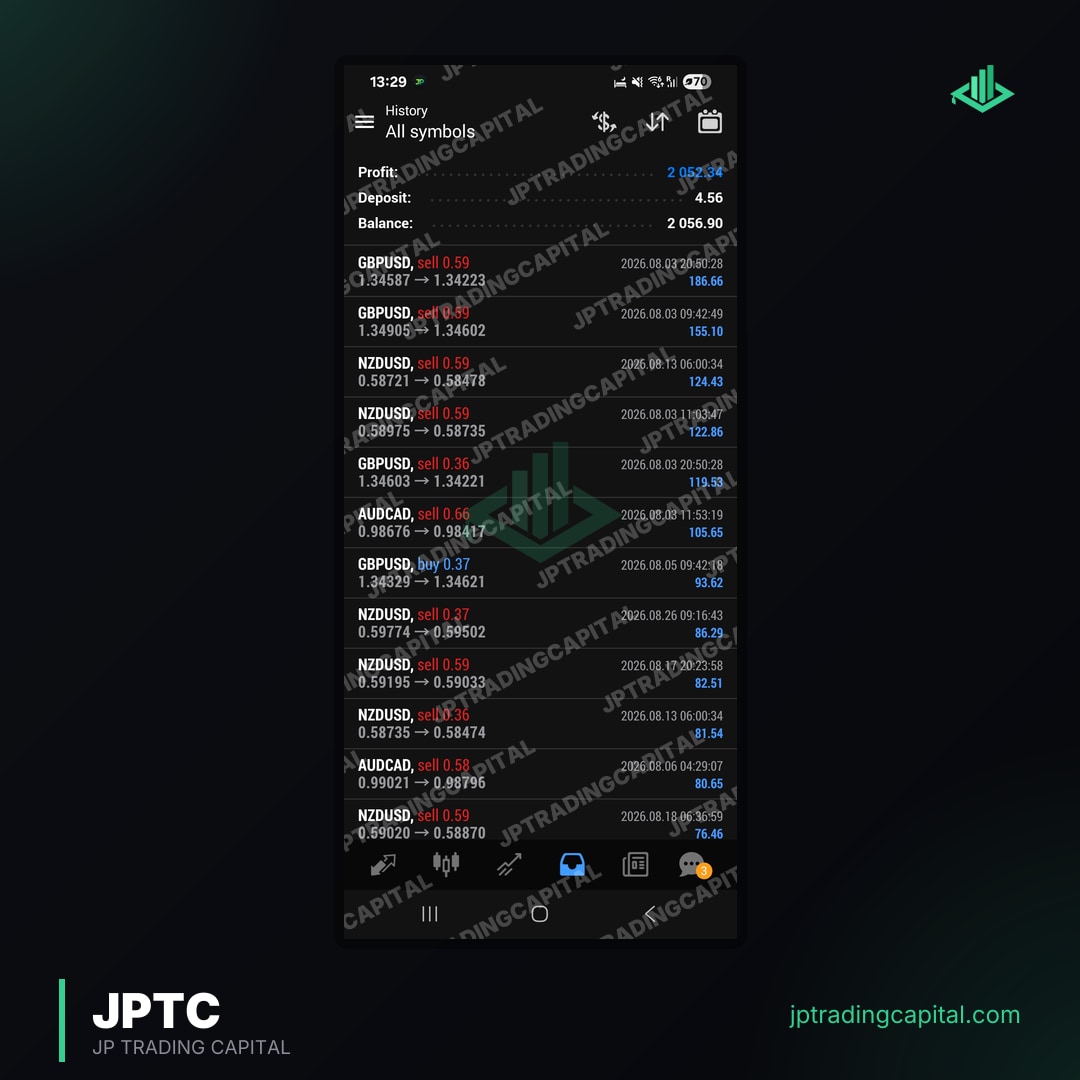
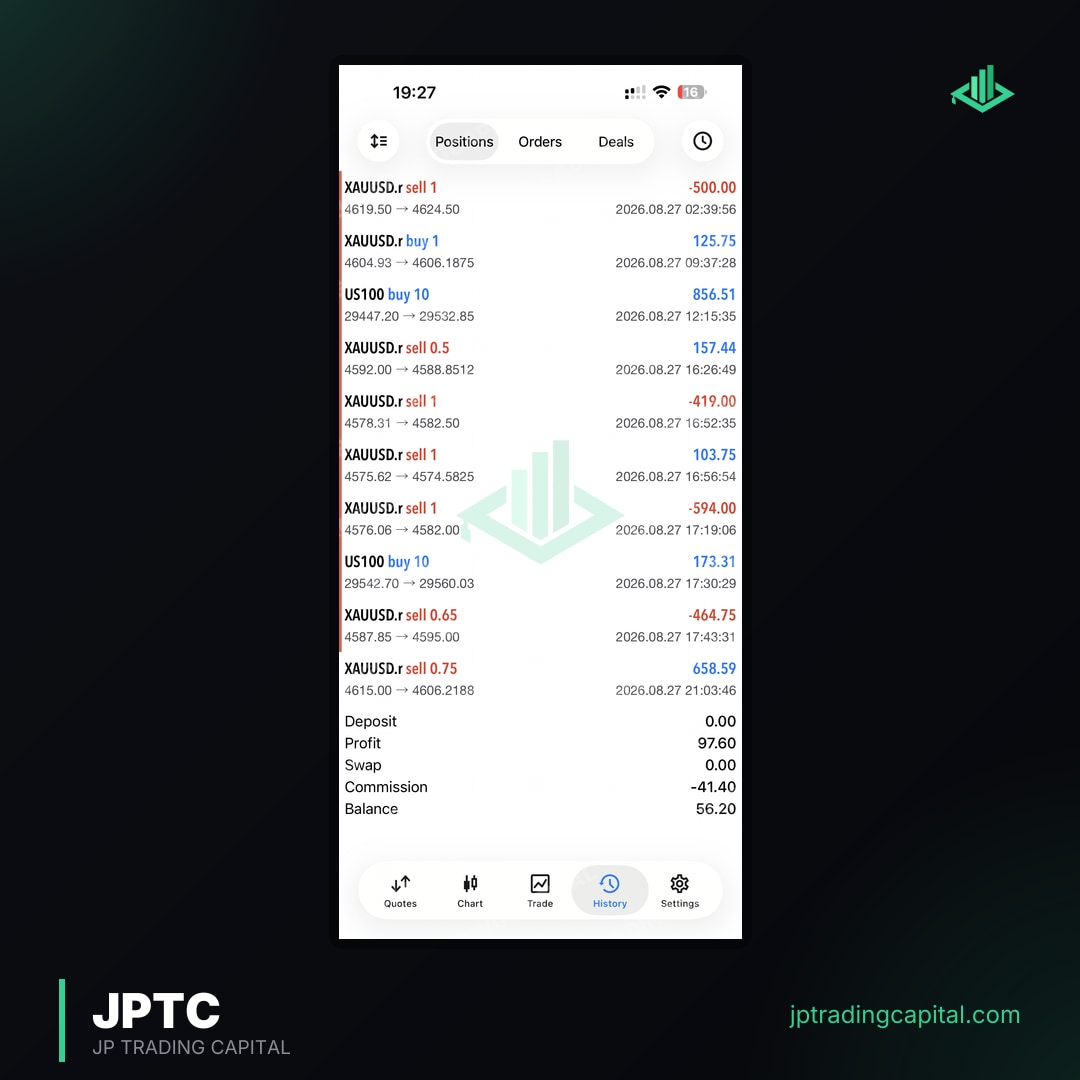
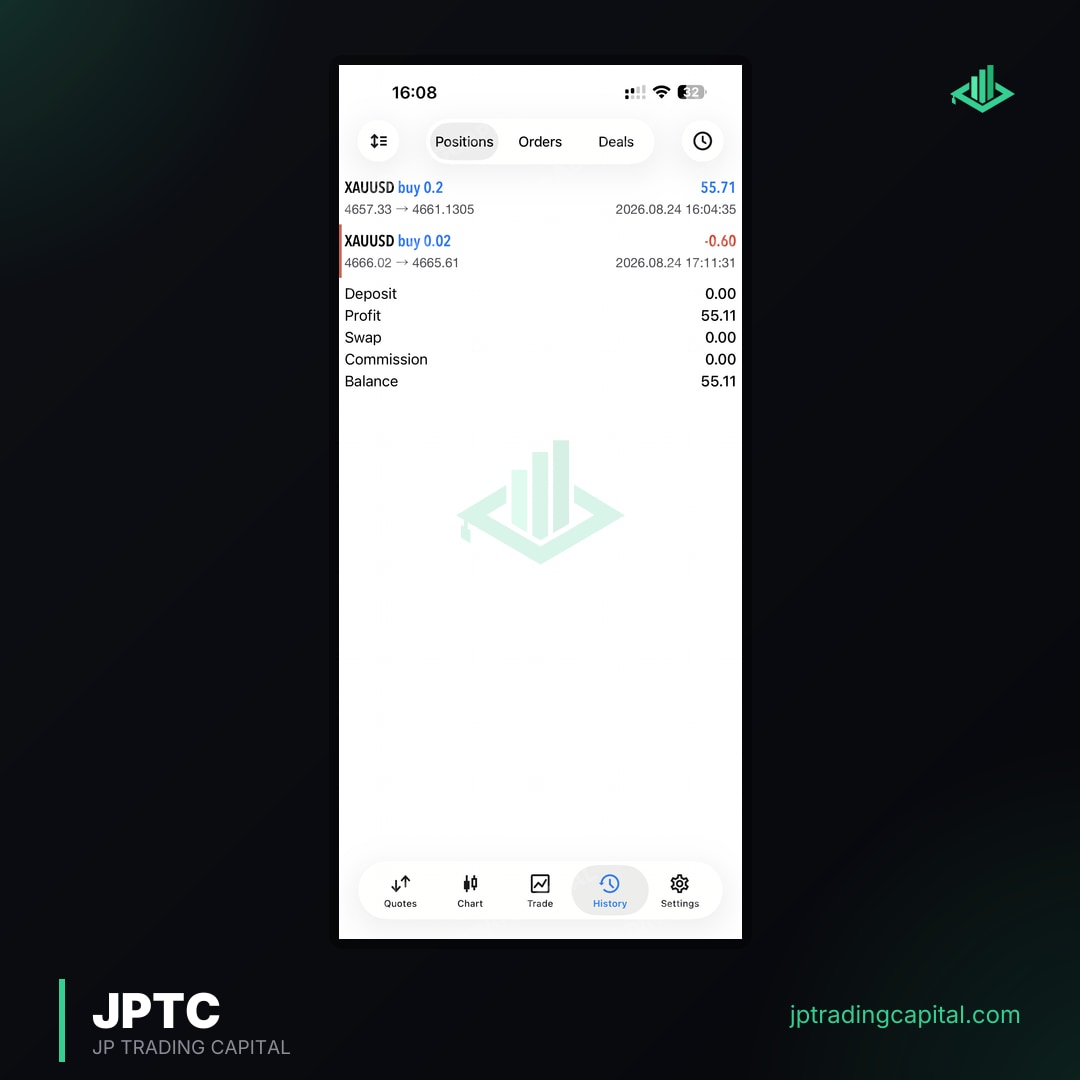
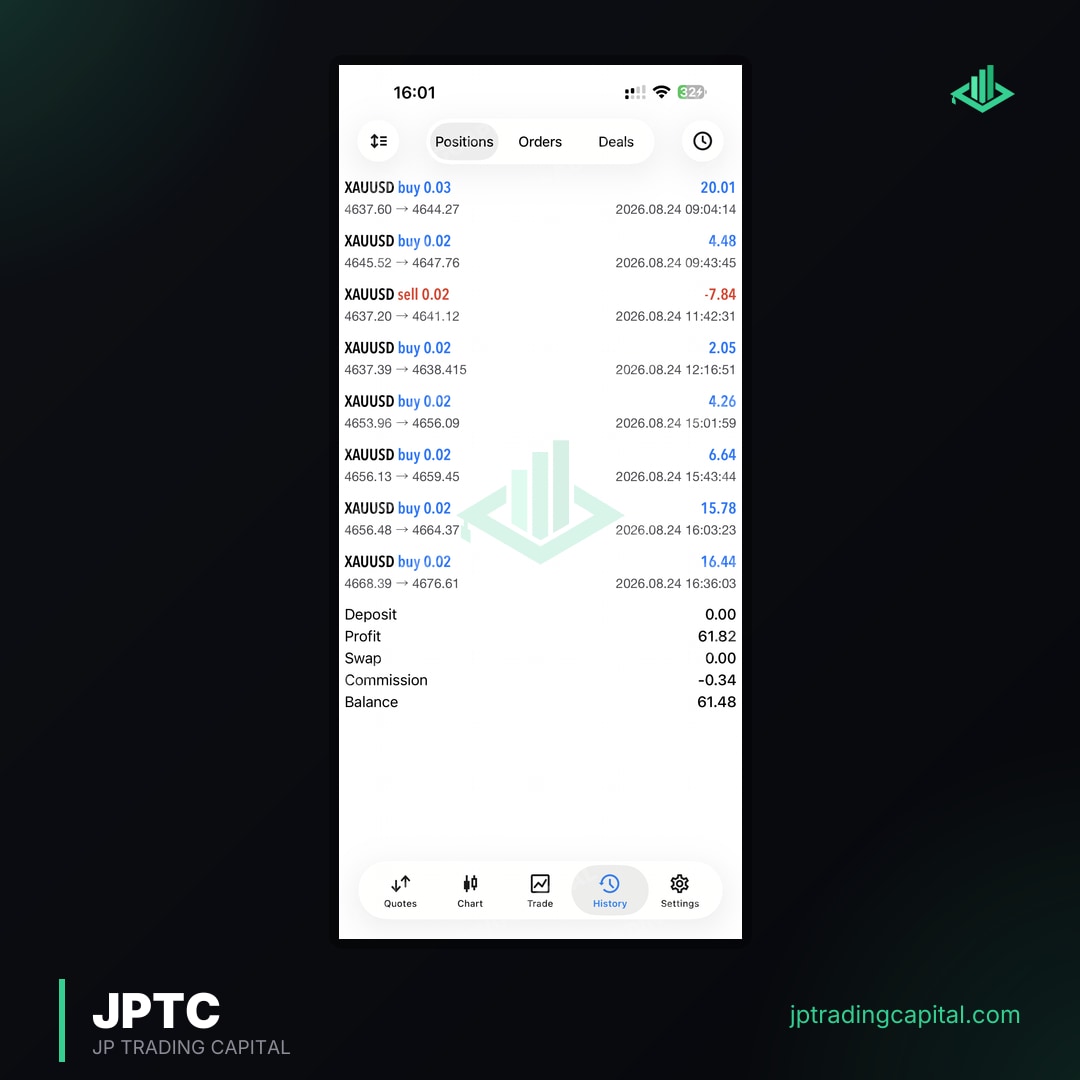
EAs offer unparalleled discipline, executing trades based on predefined algorithms without emotional interference, which is crucial for adhering to precise drawdown limits and consistency rules. However, successfully deploying an EA requires careful adaptation to the specific parameters of each prop firm. This includes configuring the EA to respect daily drawdown caps, maximum loss limits, and even consistency ratios that might penalize overly aggressive trading or single large gains. The JPTC EA Hub, for instance, is designed with these prop-firm rules in mind, offering automated strategies pre-configured to operate within the boundaries set by firms like TopStep, FundedNext, and FXify across platforms like MetaTrader 4 and MetaTrader 5. Our research shows that successful automated trading in these environments hinges on extensive backtesting and forward testing to ensure the EA's strategy remains profitable and compliant under real-world, prop-firm conditions. JPTradingCapital publishes monthly figures from broker statements on its results page. The broker’s own account record is not an independent audit; these figures do not establish future performance or compliance for another strategy. Traders interested in leveraging automation can explore our tools for Expert Advisors and strategies for passing prop firm challenges, which are equally applicable to maintaining direct funded accounts. This strategic approach minimizes human error and maximizes the chances of long-term success with straight to funded prop firms.
Choosing the Right Straight to Funded Prop Firm in 2026: A Comparison Guide
Selecting the optimal straight to funded prop firm requires a thorough comparison of key factors beyond just the appeal of immediate capital.
Traders should evaluate the initial funding amount available, the profit split percentage (which can range from 70% to 90%), and crucially, the specific rules regarding daily and maximum drawdown, consistency, and news trading. The asset classes offered (forex, futures, indices, crypto) and the available trading platforms (MT4, MT5, cTrader, proprietary platforms) must align with your trading style and tools. For example, firms like For Traders Instant Funding, Topstep Express, FundedNext Stellar, Goat Funded Trader, Blue Guardian, and Bright are frequently mentioned in 2026 for their direct funding options, but their individual terms can vary significantly. The JPTradingCapital team advises meticulously reading the firm's terms and conditions, understanding their scaling plan for increasing capital, and checking for any hidden fees or restrictive payout conditions. Comparing these aspects helps identify a firm that not only provides immediate funding but also supports your long-term trading goals and risk management approach. For those looking for a structured comparison, our affiliate resources might offer valuable insights into various prop firm offerings.
Practical Tips for Success with Straight to Funded Accounts
Achieving sustained success with straight to funded prop firms demands a disciplined approach and meticulous adherence to their specific operational guidelines.
First, develop a robust trading plan that incorporates the firm's drawdown and consistency rules directly into your strategy. This means knowing your maximum risk per trade and per day before you even open your platform. Second, practice strict risk management; never risk more than a small percentage of your allowed drawdown on any single trade. Third, thoroughly understand every rule in the firm's terms and conditions, ignorance is not an excuse for a breach. Fourth, consider starting with a smaller account size to get accustomed to the firm's environment before committing to larger capital. Finally, leverage automated trading tools like the JPTC EA Hub, which are specifically designed to respect prop-firm rules, to maintain consistency and discipline, which are paramount in these direct funded models.
What is a straight to funded prop firm?
Are straight to funded prop firms legitimate?
What are the main differences from challenge-based prop firms?
Can I use Expert Advisors (EAs) with these firms?
What are the typical profit splits for straight to funded accounts?
Related Articles
- 7 Best Indicators for Futures Prediction: Prop Firm Edge (2026) · Read more →
- Exact ES Micro Swing MR4 System: Pass Prop Firms in 2026 · Read more →
- Nyao Scalper MT5: Source Review and Test Limits · Read more →
- Trading Algorithm Portfolio Diversification Beyond Setfile Count · Read more →
- Trade Copier Offset Stop Loss and Take Profit · Read more →
- Trade Copier Broker Price Differences Explained · Read more →
- Multi-Market EA Validation Without Curve Fitting · Read more →
- Maximum Stagnation in an EA Backtest · Read more →
- Exact FundedNext Futures Restricted Countries: 2026 Update · Read more →
- Prop Firms Funded Futures: Flexible Rules 2026 · Read more →
Review the JPTC EA Hub
EA software with version-specific documentation and account-level risk controls. Review the selected programme’s current automation rules and test the chosen version; software does not guarantee compliance, a pass or a payout.
See the EA Hub