MQL5 Best Expert Advisor: 7 Key Criteria for Prop Firms [2026]
![MQL5 Best Expert Advisor: 7 Key Criteria for Prop Firms [2026]](https://images.pexels.com/photos/5784804/pexels-photo-5784804.jpeg?auto=compress&cs=tinysrgb&dpr=2&h=650&w=940)
Identifying the 'best' MQL5 Expert Advisor hinges on individual trading goals, risk tolerance, and crucially, compatibility with prop firm rules. While no single EA fits all, top contenders excel in verifiable performance, robust backtesting, and adaptability to specific market conditions, prioritizing consistent gains over aggressive, high-risk strategies.
- The 'best' MQL5 EA prioritizes consistent, verifiable performance over speculative gains.
- Strict adherence to prop firm daily and maximum drawdown limits is non-negotiable for success.
- Thorough backtesting on high-quality data and forward testing on demo accounts are essential.
- Transparency in vendor claims and a public, verified track record are critical for trust.
- Adaptability to various market conditions and customizable risk parameters enhance an EA's utility.
What Makes an MQL5 Expert Advisor "Best" for Prop Firms?
The MQL5 best expert advisor for prop firm challenges is defined not just by profit potential, but by its ability to consistently navigate and respect stringent risk parameters.
For prop firm traders, an EA's 'best' status is intrinsically linked to its capacity to pass evaluations and maintain funded accounts. This means looking beyond simple profit percentages and delving into its operational characteristics under pressure. The JPTradingCapital team understands these unique demands, designing our tools with these critical factors in mind.
Consistency in Performance
A truly effective EA for prop firms demonstrates consistent, incremental gains rather than sporadic, high-risk spikes. Prop firms like FTMO and FundedNext value stability, as it indicates a robust strategy less prone to catastrophic losses. Our research shows that EAs with a smoother equity curve and lower standard deviation in returns tend to perform better in evaluation phases.
Strict Drawdown Management
One of the most critical aspects for prop firm traders is an EA's ability to manage drawdown. Daily drawdown and maximum drawdown limits are non-negotiable rules. The MQL5 best expert advisor for this environment will have built-in mechanisms to respect these limits, either through intelligent stop-loss placement, dynamic position sizing, or temporary cessation of trading activity when limits are approached. JPTradingCapital's EA Hub is specifically pre-configured with strategies that respect these crucial prop-firm rules.
Adherence to Max Loss Limits
Similar to drawdown, maximum loss limits are paramount. An EA that can manage its overall exposure and prevent account breaches is invaluable. This often involves sophisticated risk management modules that calculate risk per trade based on account equity and remaining drawdown capacity, ensuring the EA does not violate the firm's terms, such as those found on FXify or TopStep.
Efficient Profit Target Achievement
While managing risk, the MQL5 best expert advisor must also efficiently work towards profit targets. This involves strategies that capture profits effectively, allow trades to run when appropriate, and avoid over-trading or under-trading. Balance between risk control and profit generation is key to passing prop firm evaluations.
Navigating the MQL5 Marketplace: Beyond the Hype
Successfully finding a top-tier MQL5 Expert Advisor requires a critical approach, moving beyond marketing claims to scrutinize actual performance data and verification.
The MQL5 community marketplace offers thousands of EAs, making selection daunting. Our team advises a meticulous due diligence process to filter out underperforming or risky options.
Scrutinizing Vendor Claims
Many MQL5 EA vendors present impressive backtest results. However, traders must look beyond headline numbers. Investigate the backtesting period, the quality of historical data used (99% modeling quality is ideal), and whether the results are based on real ticks or synthetic data. Over-optimized EAs often show stellar backtest results but fail in live trading.
Understanding Performance Metrics
Key metrics to evaluate include:
- Max Drawdown: The highest peak-to-trough decline in an account. Lower is generally better, especially for prop firms.
- Profit Factor: Total gross profit divided by total gross loss. A factor above 1.75 is often considered good; above 2.0 is excellent.
- Recovery Factor: Net profit divided by maximum drawdown. Higher indicates better recovery from losses.
- Average Trade Profit/Loss: Consistency in positive trades.
- Expected Payoff: Average profit/loss per trade.
These metrics, when viewed holistically, provide a clearer picture of an EA's true potential and risk profile.
The Importance of Real-World Verification
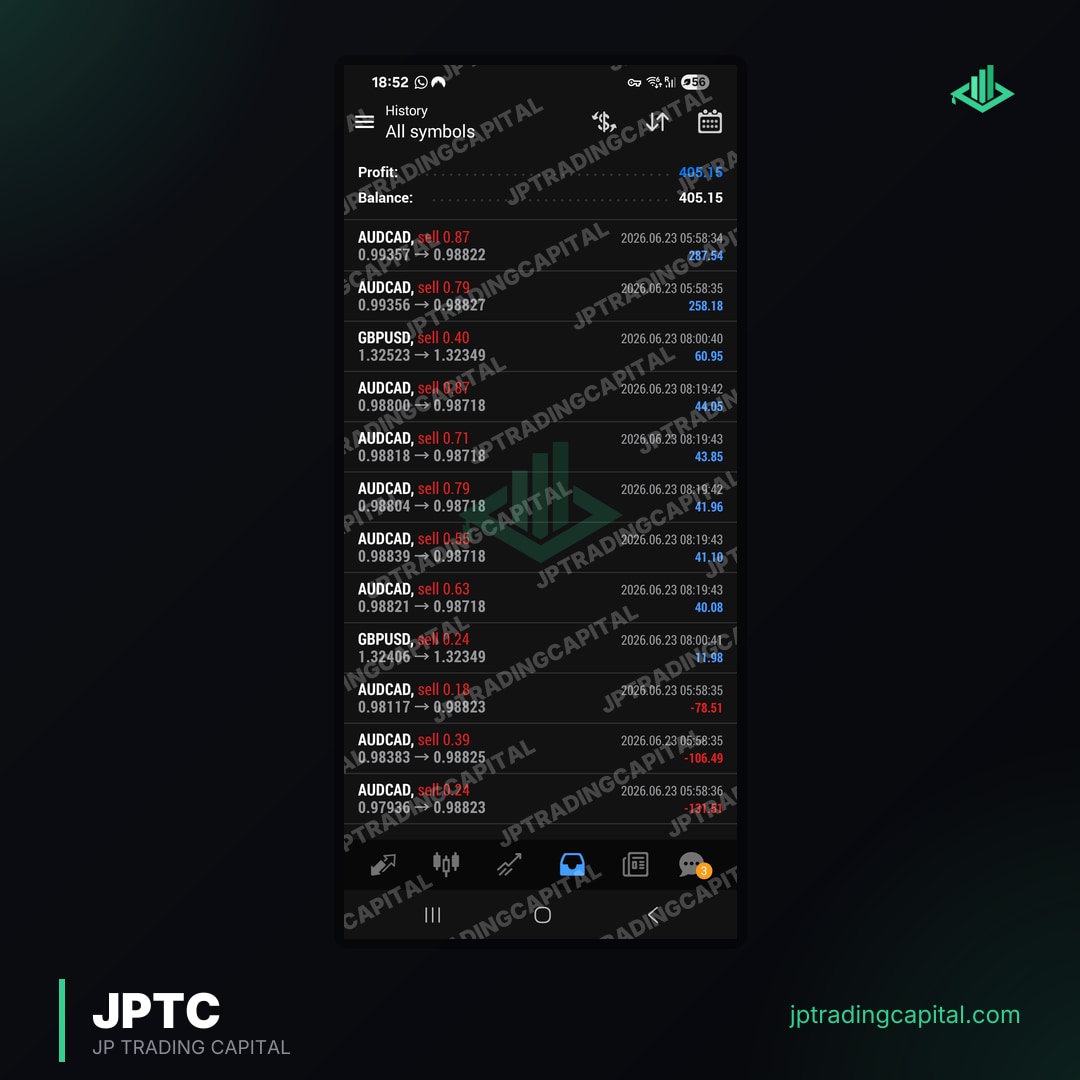
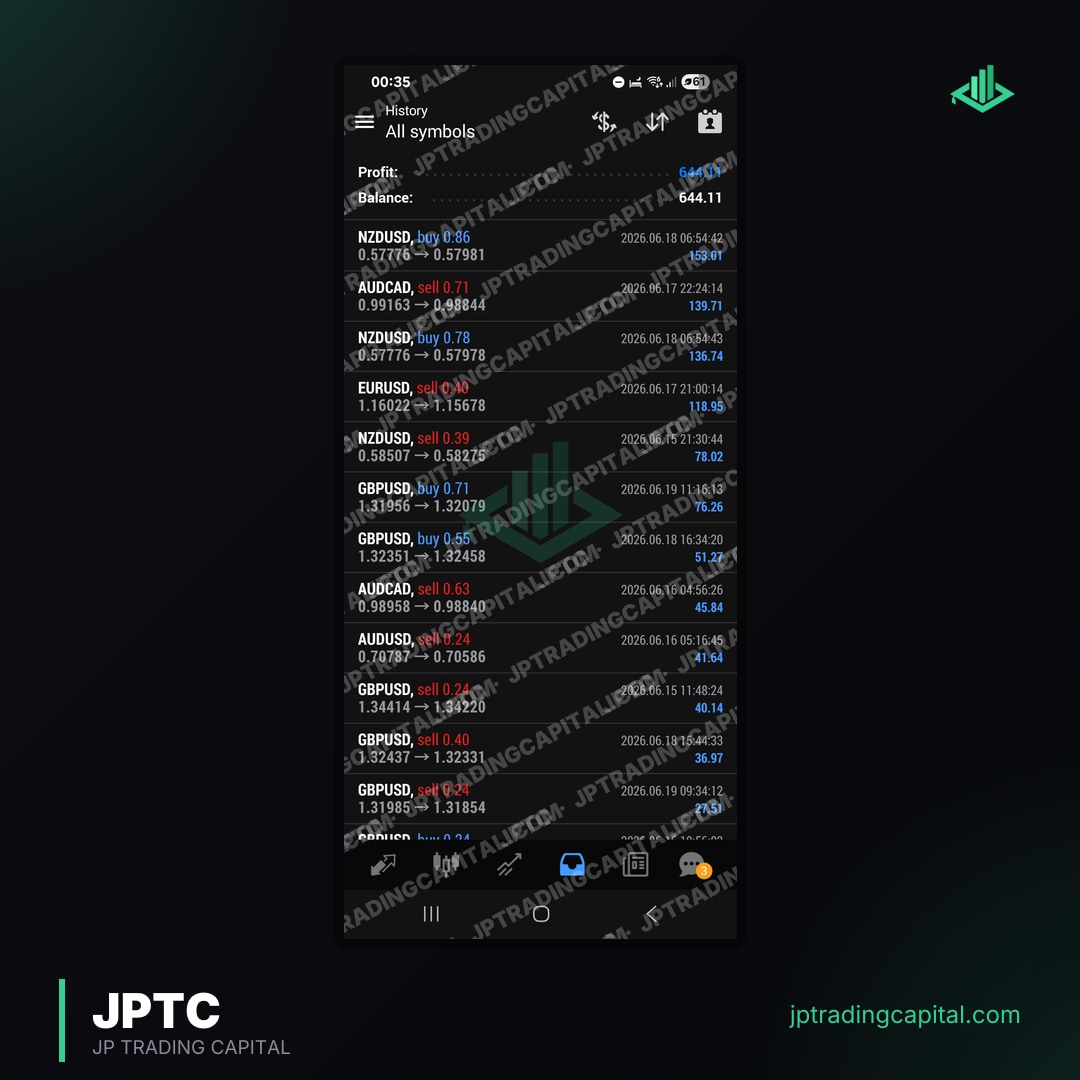
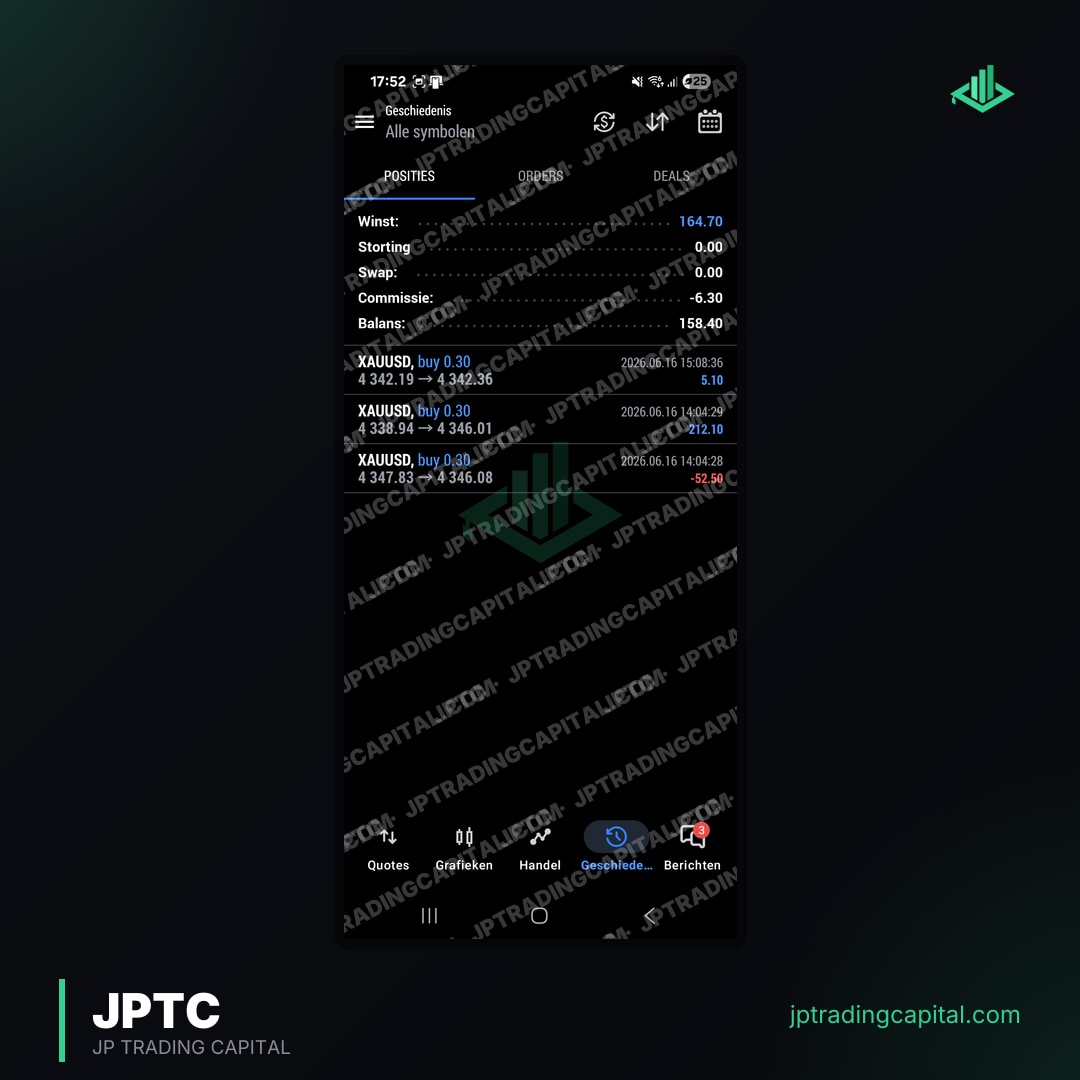
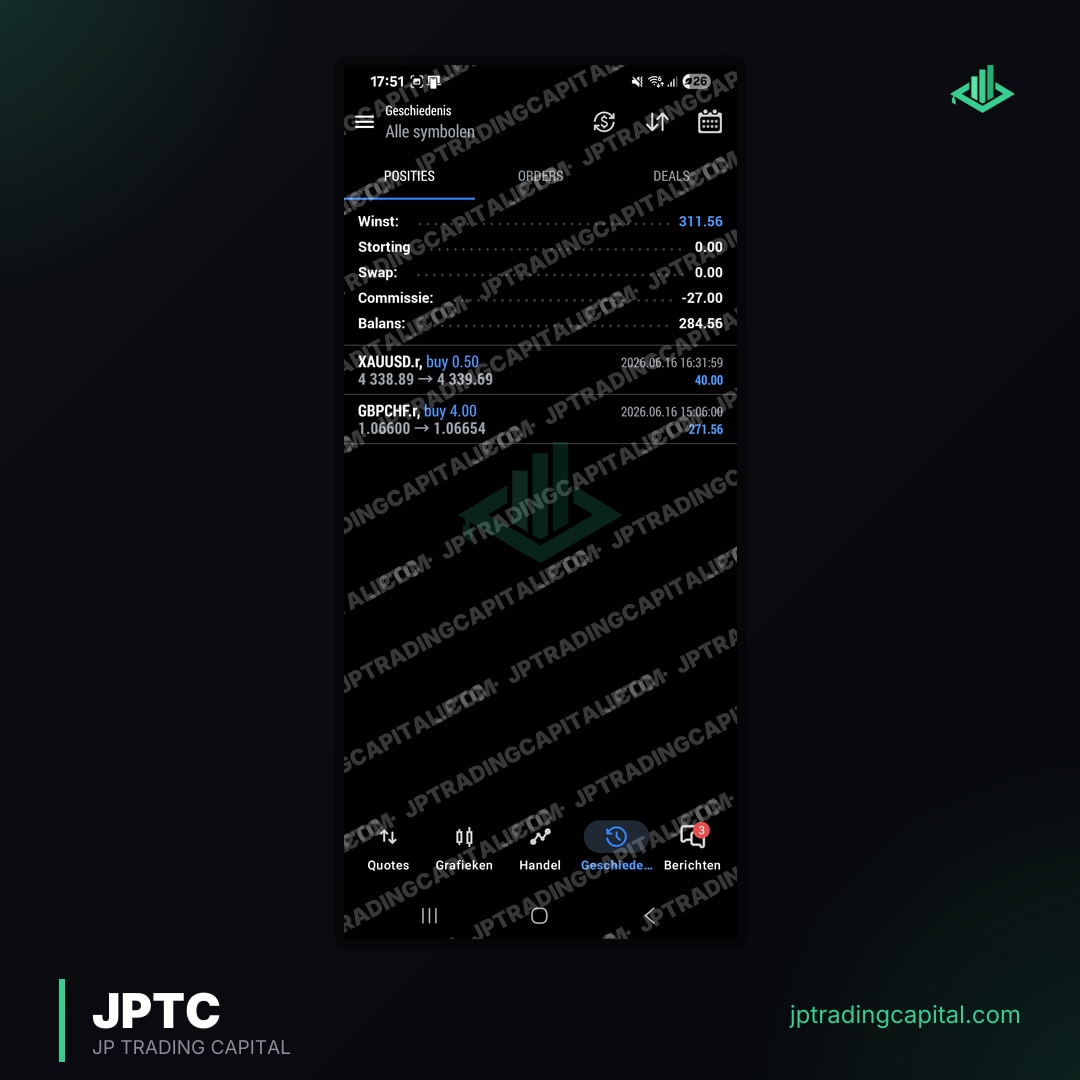
While backtests are useful, live performance is the ultimate arbiter. Seek out vendors who provide links to verified live trading accounts on platforms like our results page. These accounts offer transparent, third-party verified data on an EA's actual performance, including drawdown, profit, and consistency. For an example of what a 2-year live algo track record looks like, see JPTradingCapital's published results, which showcases our commitment to verifiable results.
Common Pitfalls When Choosing an MQL5 EA

Traders often fall into several traps when selecting an MQL5 Expert Advisor, leading to frustration and capital loss, especially in the demanding prop firm environment.
Understanding these common mistakes can help traders make more informed decisions and avoid costly errors. The JPTradingCapital team frequently observes these issues among traders seeking to optimize their automated strategies.
Over-optimization and Curve Fitting
Many EAs are heavily optimized for past data, leading to perfect backtest results that fail dramatically in live markets. This 'curve fitting' means the EA is tailored to historical anomalies rather than robust underlying logic. Always prioritize EAs with simpler logic and consistent performance across varied market conditions over those with excessively complex parameters.
Ignoring Prop Firm Rules
A common mistake is selecting an MQL5 EA solely based on its profit potential, without considering its compatibility with prop firm rules. An EA designed for aggressive retail trading might generate high returns but will likely violate daily drawdown or maximum loss limits within a prop firm challenge. This is where JPTradingCapital excels; our EAs are specifically configured to respect these critical boundaries, helping traders in their journey to pass prop firm challenges.
Lack of Adaptability and Customization
Markets are dynamic. An EA that performs well in one market phase (e.g., trending) might struggle in another (e.g., ranging). The MQL5 best expert advisor offers parameters that allow for adaptation, such as adjustable risk settings, time filters, or instrument-specific configurations. EAs that are 'set and forget' without any user input often lack the flexibility needed for long-term success.
Unrealistic Expectations
No EA is a magic bullet. Expecting an EA to generate unrealistic returns without any drawdowns or losing periods is a recipe for disappointment. Automated trading is about statistical edge over time. Traders must approach EA usage with realistic expectations and integrate them into a broader risk management strategy.
How JPTradingCapital Approaches MQL5 EA Selection and Development
At JPTradingCapital, our approach to MQL5 Expert Advisors is rooted in the specific needs of prop firm traders, focusing on reliable performance within strict risk parameters.
We understand that the MQL5 best expert advisor for a prop firm isn't just about high profits; it's about intelligent, rule-abiding automation. Our methodology is designed to bridge the gap between powerful trading algorithms and the unique requirements of proprietary trading firms.
Pre-configured for Prop Firm Rules
Our flagship product, the JPTC EA Hub, is distinct because its automated EAs are not just profitable but are also pre-configured with backtested strategies that inherently respect prop-firm rules. This includes daily drawdown caps, maximum loss limits, and consistency requirements. This meticulous configuration saves traders countless hours of optimization and reduces the risk of challenge failure due to rule violations.
Robust Backtesting and Forward Testing
Every strategy within the JPTC EA Hub undergoes rigorous backtesting on high-quality historical data, ensuring its robustness across various market conditions. Furthermore, we emphasize forward testing on demo accounts to validate performance in real-time market environments before deployment on live accounts. This multi-stage testing process builds confidence in the EA's capabilities.
Focus on Consistency and Risk Management
Instead of chasing aggressive, high-risk returns, our EAs prioritize consistent, measured growth. This aligns perfectly with the evaluation criteria of major prop firms. Our strategies integrate advanced money management techniques, ensuring that risk per trade is carefully controlled and overall account exposure remains within acceptable limits. You can explore more about our robust verified results and see how our EAs perform.
Compatibility Across Platforms and Firms
The JPTC EA Hub is designed to work seamlessly on both MT4 and MT5, offering flexibility to traders. It supports a wide array of leading prop firms, including FTMO, FundedNext, FXify, TopStep, The5ers, and E8 Funding, making it a versatile tool for any serious prop firm trader. We also offer an affiliate program for those interested in partnering with us.
Implementing Your Chosen MQL5 EA: Setup & Risk Management
Proper implementation and diligent risk management are paramount to maximizing the potential of any MQL5 Expert Advisor, even the MQL5 best expert advisor.
Simply purchasing an EA is only the first step. The JPTradingCapital team stresses the importance of correct setup, parameter optimization, and continuous monitoring to ensure the EA operates effectively and safely within your trading environment.
Installation and Configuration on MetaTrader
Once you have an EA, the first step is correct installation on your MetaTrader 4 or 5 platform. This typically involves placing the .ex4 or .ex5 file in the 'Experts' folder within your MT installation directory. After restarting MT, attach the EA to the appropriate charts, ensuring 'Algo Trading' (or 'AutoTrading') is enabled. Always start on a demo account to verify functionality.
Parameter Optimization and Customization
Most EAs come with customizable parameters. While some EAs, like those in the JPTC EA Hub, are pre-configured, others require user-defined settings. This might include lot size, stop-loss/take-profit levels, time filters, or indicator settings. It's crucial to understand what each parameter does and how it impacts the EA's behavior. Small adjustments can significantly alter performance, so test thoroughly on a demo account before applying to a live prop firm challenge.
Dynamic Money Management
Effective money management is the backbone of successful automated trading. This involves setting appropriate lot sizes based on your account equity and desired risk per trade. For prop firms, this is even more critical, as you must stay within daily and maximum drawdown limits. Consider implementing dynamic lot sizing, where the EA adjusts trade size based on current equity and remaining drawdown capacity, a feature often found in the MQL5 best expert advisor for prop environments.
Continuous Monitoring and Adaptation
Even the most robust EA requires monitoring. Market conditions change, and an EA's performance can fluctuate. Regularly check your EA's performance, compare it against its expected behavior, and be prepared to pause or adjust it if market conditions deviate significantly from those it was optimized for. This active management is key to long-term success with automated systems.
The Future of Automated Trading with MQL5 EAs
The landscape of MQL5 Expert Advisors is continuously evolving, driven by technological advancements and the increasing sophistication of trading strategies.
The JPTradingCapital team anticipates several key trends that will shape the future of automated trading, particularly for prop firm traders, making the MQL5 best expert advisor even more powerful and adaptable.
Integration of Advanced AI and Machine Learning
Future MQL5 EAs will likely incorporate more advanced artificial intelligence and machine learning algorithms. This will enable EAs to adapt to changing market conditions in real-time, identify complex patterns, and make more nuanced trading decisions than traditional rule-based systems. This adaptive capability will be invaluable for maintaining consistency across diverse market cycles.
Enhanced Risk Management Protocols
As prop firm rules become more refined, EAs will need even more sophisticated built-in risk management. We expect to see EAs with predictive drawdown analysis, dynamic capital allocation, and advanced psychological filters that mimic human trader decision-making under stress, all designed to keep accounts within strict limits.
Greater Transparency and Verification Tools
The demand for transparency will continue to grow. More MQL5 EA vendors will provide extensive, verified live track records, and platforms like our results page will become even more integral to the EA selection process. This increased transparency will help traders more easily identify the MQL5 best expert advisor by providing undeniable proof of performance.
Focus on Portfolio Diversification
Instead of relying on a single 'best' EA, future trends will emphasize building a diversified portfolio of EAs, each trading different instruments or strategies. This approach reduces overall portfolio risk and smooths out equity curves, a critical advantage for prop firm traders aiming for long-term consistency and growth across multiple funded accounts.
Can MQL5 EAs truly pass prop firm challenges?
How do I verify an MQL5 EA's performance claims?
What is the difference between an MT4 and MT5 Expert Advisor?
Are free MQL5 Expert Advisors worth considering?
How often should I update my MQL5 Expert Advisor?
Related Articles
- Apex Trader Funding vs TopStep: Which Futures Prop Firm Is Best in 2026? · Read more →
- How to Choose the Right Prop Firm in 2026: Complete Selection Guide · Read more →
- Best Prop Firm EA MT4 in 2026: 7 Keys to Pass Challenges · Read more →
- Discord Trading Communities: Why Serious Traders Use Them · Read more →
- Can a Trading Bot Pass Gold EA Prop Firm Challenges? · Read more →
- Best MT4 Expert Advisor for Prop Firms: 7 Key Strategies (2026) · Read more →
- MT4 vs MT5 for Prop Firm Trading: Which Platform to Choose? · Read more →
- Best MT5 Expert Advisor in 2026: Pass Prop Firms Fast · Read more →
Forex & Gold Signals, No Monthly Fee
Entry, stop loss and targets on every trade we take. It costs you nothing: open an account through one of our partner brokers and they cover it for you. You place every trade on your own account.
Join the signals channel