Pass Prop Firms with AI Forex Bots: 5 Key Strategies [2026]
An AI Forex trading bot is an automated software program that uses artificial intelligence, such as machine learning and deep learning algorithms, to analyze real-time market data, identify trading opportunities, and execute trades in the foreign exchange market without human intervention. These bots aim to enhance trading efficiency, remove emotional bias, and potentially generate profits by leveraging complex data analysis beyond human capacity.
- AI bots automate forex trading using machine learning to analyze data.
- They identify patterns and execute trades based on pre-programmed strategies.
- Key benefits include speed, efficiency, and elimination of emotional trading.
- Prop firm traders can use AI bots to adhere to strict drawdown and loss limits.
- Verification of performance through backtesting and live track records is crucial.
What is an AI Forex Trading Bot?
An AI forex trading bot is a sophisticated piece of software designed to autonomously execute trading strategies in the foreign exchange market by harnessing the power of artificial intelligence. Unlike traditional rule-based Expert Advisors (EAs), which operate on fixed, pre-programmed conditions, AI-driven bots can learn, adapt, and make decisions based on evolving market dynamics. They process vast amounts of data, including price action, technical indicators, and even sentiment analysis, to identify high-probability trade setups and manage positions.
These automated systems aim to remove human emotion from trading decisions, allowing for consistent execution of strategies around the clock. The core appeal of an AI trading bot lies in its ability to operate with speed and precision, capitalizing on opportunities that human traders might miss or react to too slowly. For serious traders, particularly those navigating the challenges of prop firm evaluations, an AI forex trading bot represents a tool for achieving consistent performance while adhering to stringent trading rules.
How AI Forex Trading Bots Work: Beyond Basic Automation
AI forex trading bots function by employing advanced computational methods to analyze market data, predict future price movements, and execute trades. This goes beyond simple if-then statements, leveraging machine learning to understand complex market behavior.
Real-time Market Analysis and Pattern Recognition
One of the primary functions of an AI forex trading bot is its capacity for real-time market analysis and sophisticated pattern recognition. These bots continuously monitor currency pairs, processing live data streams to identify recurring patterns, trends, and anomalies that might signal potential trading opportunities. Using algorithms trained on historical data, the AI can detect subtle shifts in momentum, support and resistance levels, and candlestick formations with a speed and accuracy that manual traders cannot match. This analytical prowess allows the bot to react instantaneously to market changes, providing a significant edge in fast-moving forex markets.
Predictive Capabilities and Signal Generation
Beyond identifying current patterns, many AI trading bots possess predictive capabilities, leveraging machine learning models to forecast future price movements based on past data. By analyzing relationships between various market indicators, economic news, and historical price action, the AI can generate high-probability trading signals. These signals might suggest optimal entry and exit points, ideal stop-loss placements, or take-profit targets. For instance, an AI might detect a strong correlation between a specific economic report and subsequent price action on EUR/USD, using this insight to issue a buy or sell signal with calculated confidence. This predictive power is a key differentiator from simpler automated systems.
Algorithmic Execution and Risk Management
Once a trading signal is generated, the AI forex trading bot takes over the execution, placing orders directly with the broker through platforms like MetaTrader 4 or MetaTrader 5. This algorithmic execution ensures trades are entered and exited precisely according to the strategy, eliminating slippage and emotional interference. Crucially, sophisticated AI bots also incorporate advanced risk management protocols. These can include dynamic position sizing based on account equity, automatic adjustment of stop-loss and take-profit levels, and even pausing trading during periods of extreme volatility. This integrated approach to execution and risk management is vital for protecting capital and maintaining consistency, especially for traders operating under strict prop firm rules.
The Benefits of Using an AI Forex Trading Bot
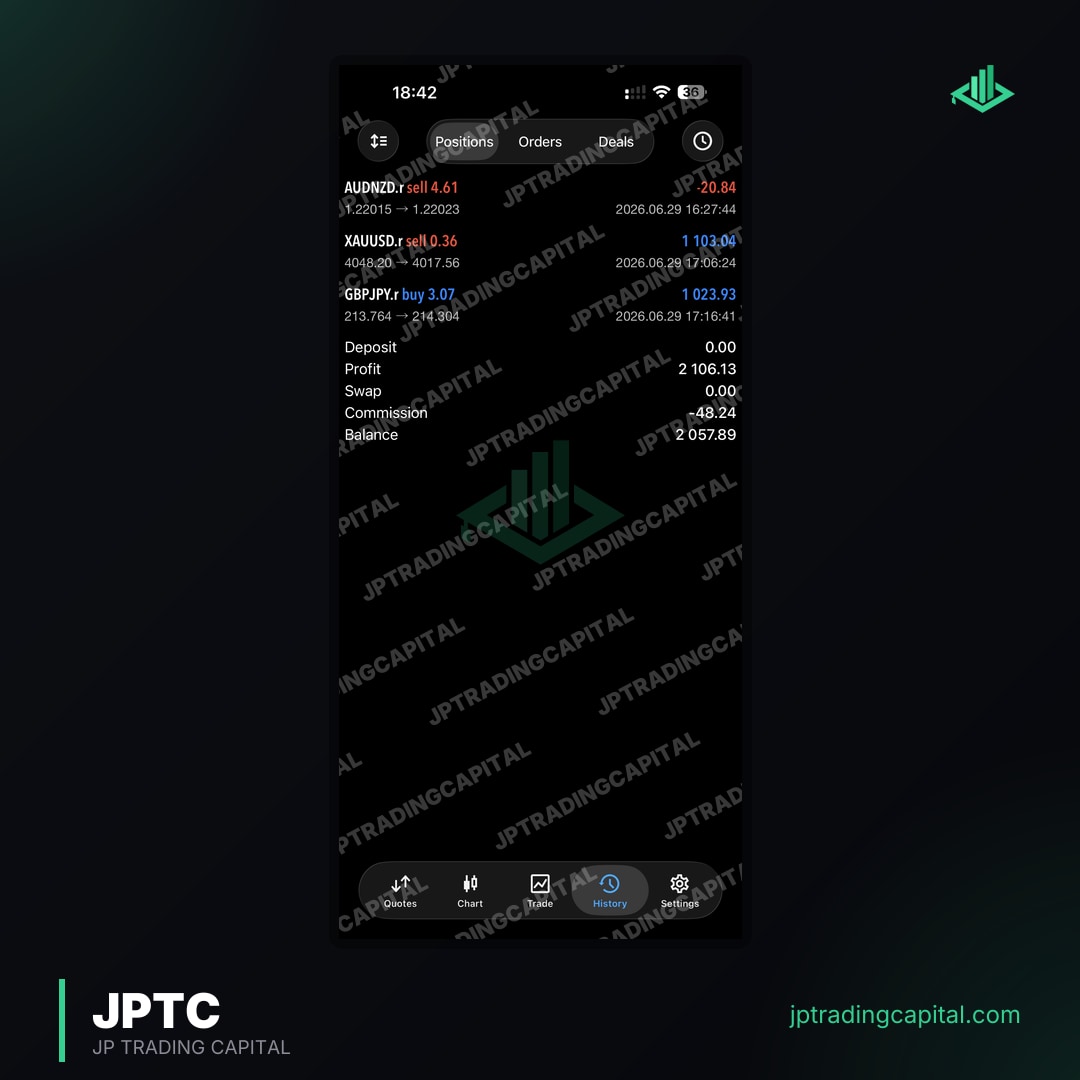
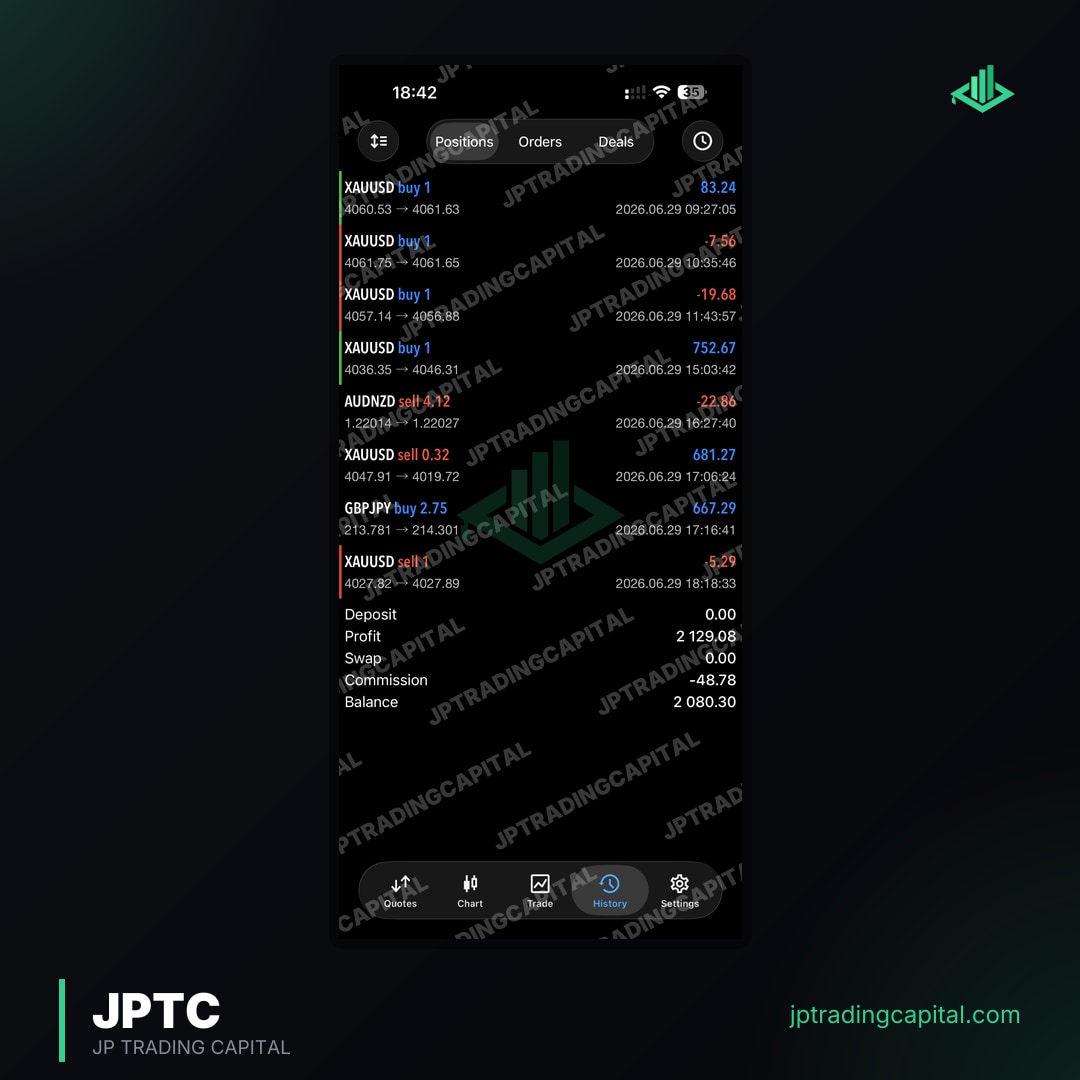
Employing an AI forex trading bot offers several significant advantages that can improve a trader's performance and experience.
Firstly, AI bots provide unparalleled efficiency and speed. They can monitor countless currency pairs simultaneously, identify opportunities, and execute trades in milliseconds, far exceeding human capabilities. This allows traders to capitalize on fleeting market inefficiencies and maintain constant market presence without needing to be glued to their screens.
Secondly, the elimination of emotional bias is a cornerstone benefit. Fear, greed, and impatience are common pitfalls for manual traders, often leading to impulsive decisions and suboptimal outcomes. An AI trading bot operates purely on logic and predefined rules, ensuring disciplined execution regardless of market sentiment or personal feelings. This consistency is invaluable for long-term trading success.
Lastly, AI bots offer the potential for backtesting and optimization. Before deploying a bot live, traders can rigorously test its strategies against years of historical data to assess its potential profitability and robustness. This allows for fine-tuning parameters and identifying strategies that perform well across various market conditions, providing a data-driven approach to strategy development. For example, a bot can be backtested to see how it would have handled specific market events, like a major news release, over the past five years.
Crucial Considerations Before Deploying an AI Forex Trading Bot
While the benefits of an AI forex trading bot are compelling, careful consideration of several factors is essential before deployment to ensure its suitability and reliability.
The Importance of Backtesting and Live Performance Verification
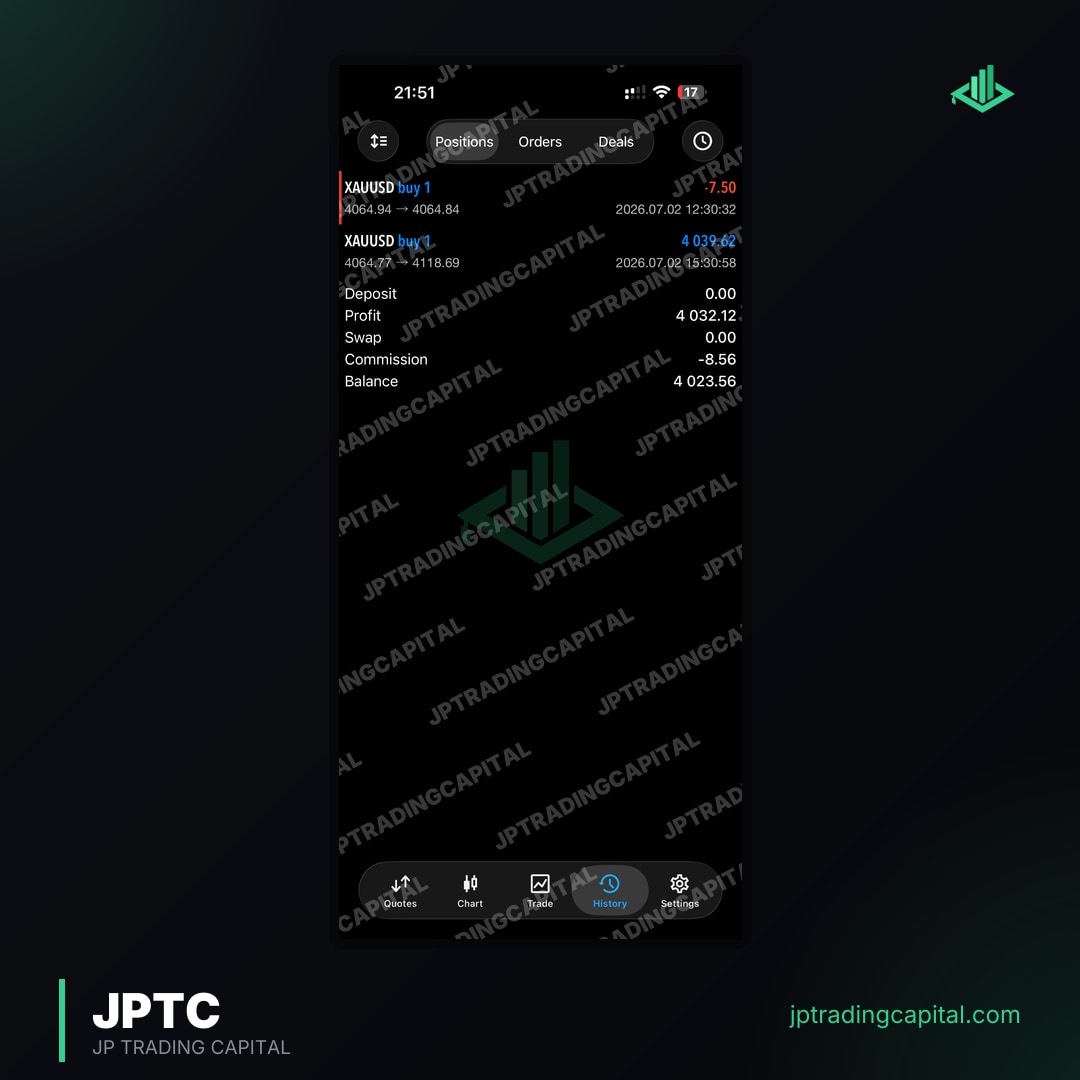
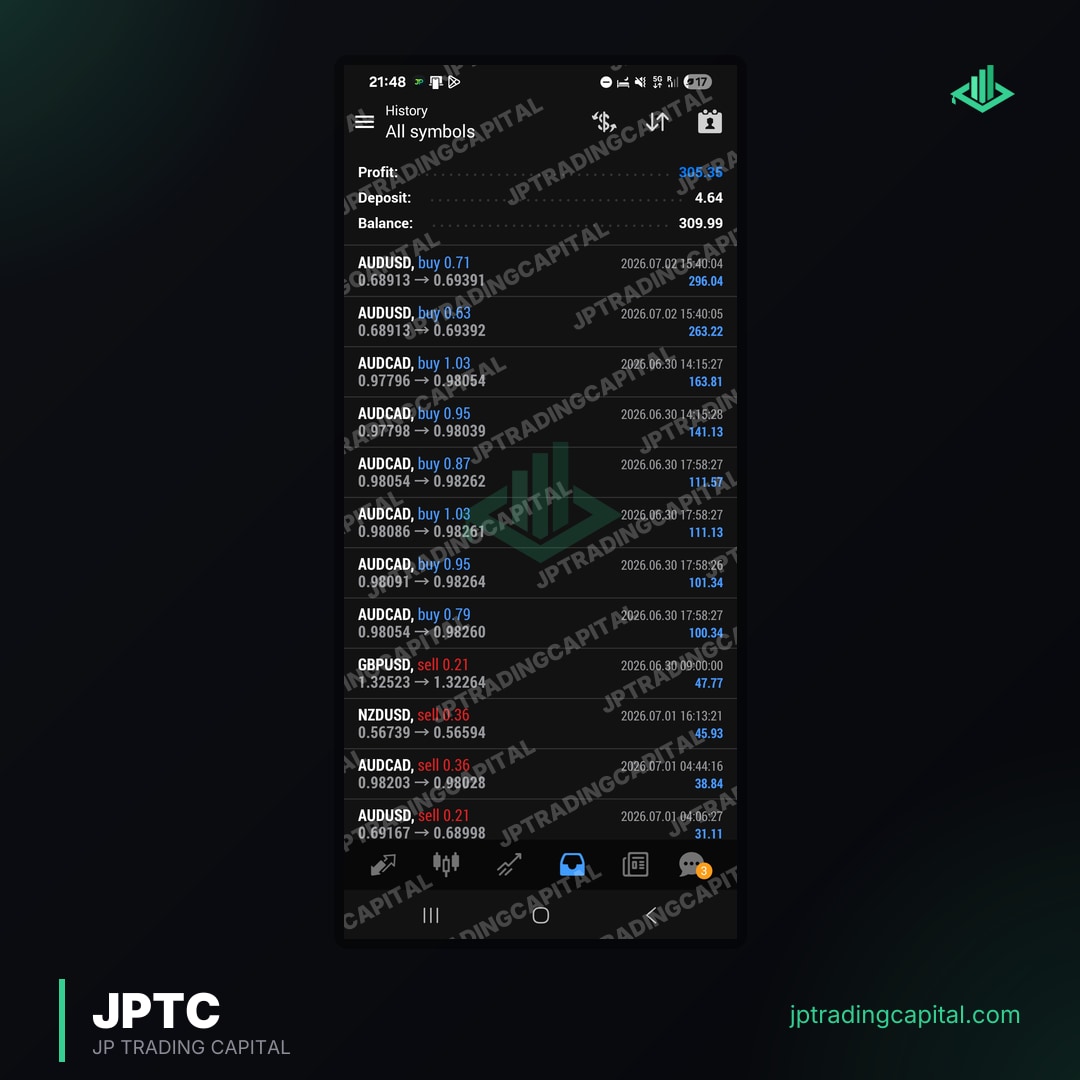
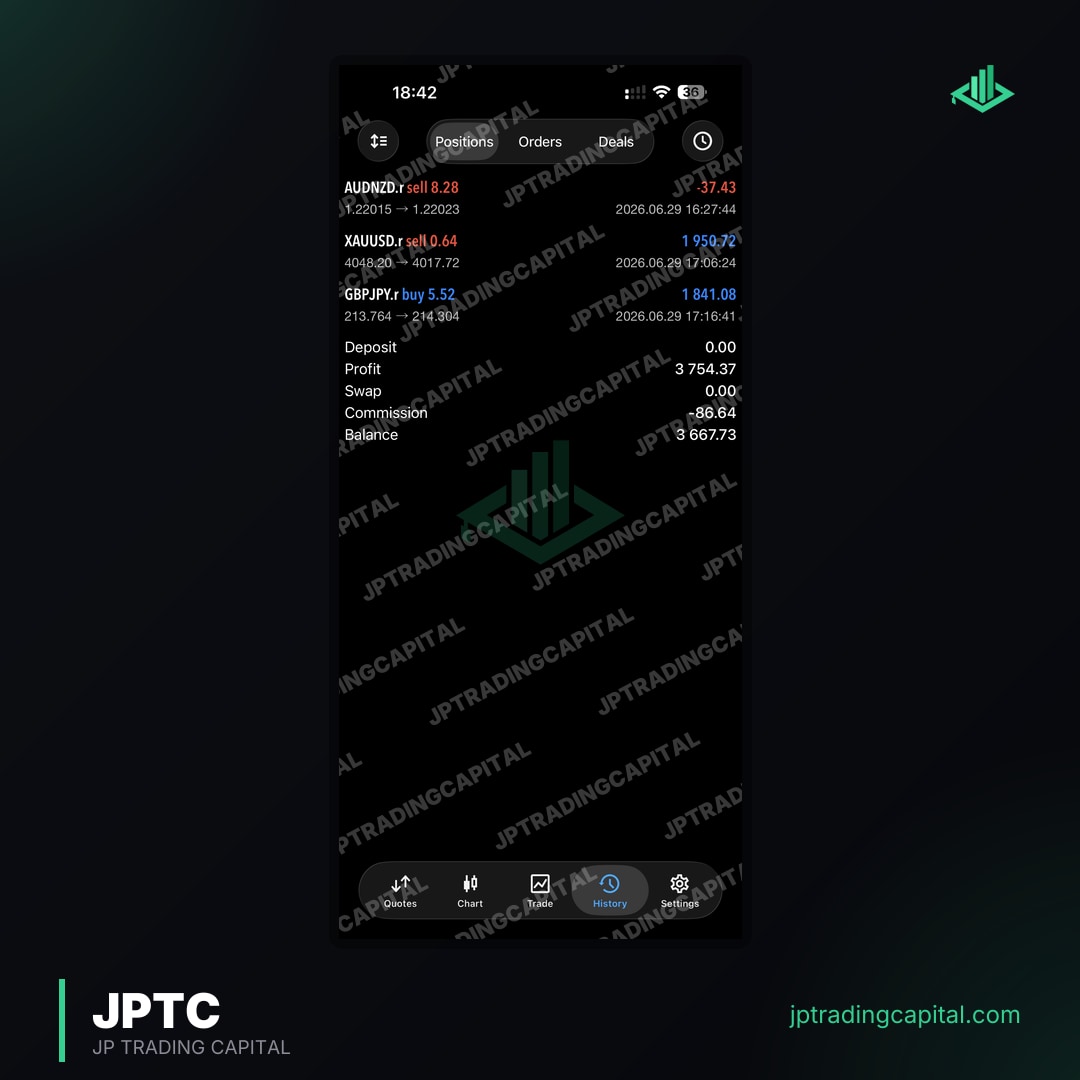
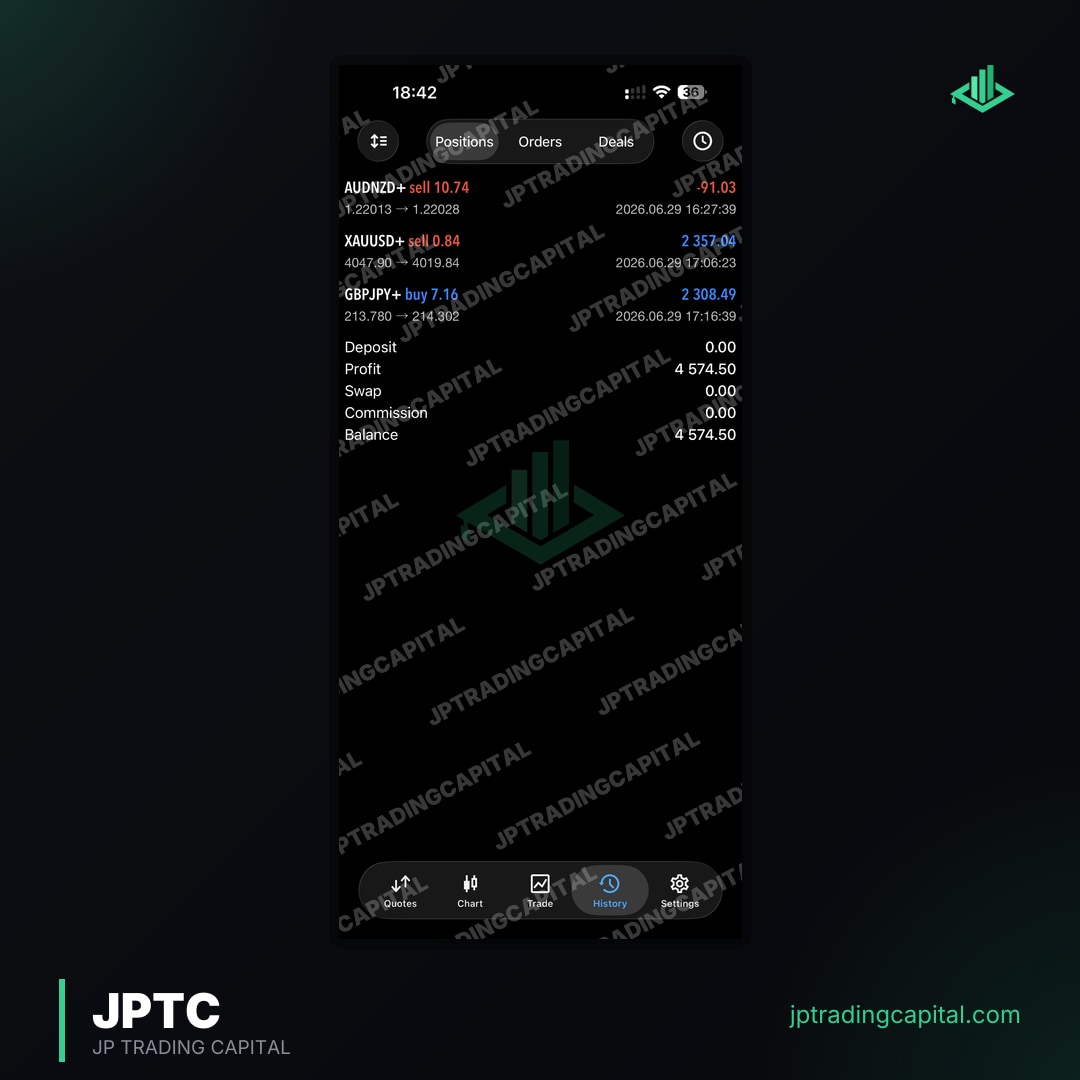
Before entrusting capital to any automated system, comprehensive backtesting is non-negotiable. Backtesting involves running the bot's strategy against historical market data to evaluate its hypothetical performance. However, backtesting alone isn't enough; traders must also look for verified live performance. This means examining real-money trading accounts that track the bot's actual performance over time, ideally through independent platforms like our results page. For an example of what a 2-year live algo track record looks like, see JPTradingCapital's published results. This provides transparency and tangible evidence of a bot's capability, differentiating robust systems from mere theoretical claims. Our research shows that many AI bots perform well in backtests but struggle in live markets due to factors like slippage, latency, and unforeseen market shifts.
Understanding Risk Management Features
A truly effective AI forex trading bot must incorporate robust risk management features that align with a trader's individual risk tolerance and capital preservation goals. This includes customizable parameters for stop-loss and take-profit levels, maximum daily drawdown limits, and overall account exposure. Traders should ensure they can configure these settings to prevent catastrophic losses and maintain capital stability. For instance, a well-designed bot will allow a user to set a maximum daily loss percentage, automatically halting trading if that threshold is reached. This is particularly vital for prop firm traders who face strict drawdown rules.
AI Forex Bots for Prop Firm Traders: Navigating Strict Rules
AI forex trading bots offer a unique advantage for prop firm traders, enabling them to navigate the stringent rules and targets set by firms like FTMO, FundedNext, and FXify. The JPTradingCapital team understands these challenges intimately, as our flagship product, the JPTC EA Hub, is specifically designed to respect prop-firm rules.
Adhering to Daily Drawdown and Max Loss Limits
One of the most critical aspects of prop firm trading is adhering to strict daily and maximum drawdown limits, as outlined on pages like FTMO's official rules page. An AI forex trading bot excels here by executing trades with unwavering discipline, preventing emotional overtrading that often leads to breaches. These bots can be programmed with hard limits that automatically close positions or cease trading for the day if a certain drawdown percentage is hit. For example, if a prop firm imposes a 5% daily drawdown, a well-configured AI bot can be set to stop trading once a 4.5% loss is realized, ensuring the trader remains within the firm's guidelines and avoids a failed evaluation. This automated adherence is a significant stress reliever and a powerful tool for consistency.
Maintaining Consistency for Evaluation Success
Prop firms often look for consistent performance, not just sporadic large gains. An AI trading bot, by its very nature, promotes consistency by executing strategies uniformly without human fatigue or emotional swings. This steady application of a proven methodology, such as those pre-configured in the JPTC EA Hub, helps traders demonstrate the reliable performance required to pass evaluation phases and secure funded accounts. Manual traders often struggle with consistency due to psychological factors, but a well-optimized AI bot maintains a steady hand, which is crucial for achieving consistent profit targets and passing evaluation challenges. Our own experience with traders passing evaluations highlights the importance of this automated consistency.
Leveraging AI for Optimized Strategy Adaptation
Advanced AI forex trading bots can also contribute to evaluation success by dynamically adapting strategies within predefined risk parameters. While core strategies remain consistent, an AI can subtly adjust entry/exit logic or position sizing based on real-time market volatility or liquidity, optimizing performance without violating prop firm rules. This adaptive capability allows for nuanced responses to changing market conditions, potentially enhancing profitability while staying within risk limits. The ability to fine-tune an AI's parameters for specific prop firm challenges is a key feature of robust platforms like the JPTC EA Hub, which provides strategies tailored for passing prop firm evaluations across various firms like FTMO, FundedNext, FXify, TopStep, The5ers, and E8 Funding.
Choosing the Right AI Forex Trading Bot
Selecting an appropriate AI forex trading bot requires diligent research and a focus on transparency, verifiable performance, and customization.
First, prioritize transparency and a clear understanding of the bot's underlying strategy. Avoid systems that promise unrealistic returns without explaining their methodology. A reputable provider will offer detailed information about how their AI works, what data it uses, and its risk management protocols. We strongly advise against any bot that lacks clear documentation or relies solely on hype.
Second, always look for verifiable track records. As discussed, backtesting is a start, but live performance data from independent sources like our results page is paramount. This provides irrefutable evidence of how the bot performs under actual market conditions. JPTradingCapital offers verified results and detailed insights into our EA performance, encouraging traders to scrutinize real data.
Third, consider the level of customization and support offered. Can you adjust the bot's settings to match your personal risk tolerance and prop firm requirements? Does the provider offer reliable customer support and educational resources? The ability to fine-tune an EA's parameters, such as lot size, daily drawdown limits, and trading hours, is crucial for optimizing its performance within specific trading environments.
Finally, ensure compatibility with your trading platform (e.g., MT4 or MT5) and broker. Some bots are designed for specific environments, and compatibility issues can hinder performance. By focusing on these critical aspects, traders can make an informed decision and select an AI forex trading bot that genuinely supports their trading goals.
Are AI forex trading bots profitable?
Can AI trading bots pass prop firm challenges?
How do AI bots handle market news and volatility?
What's the difference between an AI forex bot and a regular EA?
Do I need coding knowledge to use an AI forex trading bot?
The EA built for prop firm rules
Daily drawdown guard, hard max-loss stop, consistency-aware pacing and a news pause, on MT4 and MT5. One-time €797, no monthly fee. If you would rather not run the evaluation yourself, we run it for you.
See the EA Hub