Best Forex Trading Bots 2026: Prop Firm EA Setups & Risks

The best forex trading bot for 2026 is an Expert Advisor (EA) that consistently executes profitable strategies while rigorously adhering to predefined risk parameters, especially crucial for traders operating under prop firm rules.
- Automates trading based on predefined rules to remove emotional bias.
- Essential for prop firm challenges, respecting daily drawdown and max loss limits.
- Requires thorough backtesting and live track record verification for reliability.
- Operates primarily on MetaTrader 4 (MT4) and MetaTrader 5 (MT5) platforms.
- Effective risk management and continuous monitoring are vital for long-term success.
Understanding Forex Trading Bots: What Are EAs?
A forex trading bot, also known as an Expert Advisor (EA), is an automated software program designed to execute trades in the forex market based on predefined rules and strategies. These sophisticated algorithms monitor market conditions 24/5, identify trading opportunities, and execute buy or sell orders without human intervention. The primary appeal of an EA lies in its ability to remove emotional decision-making, operate continuously, and enforce strict discipline across numerous currency pairs or assets.
EAs function by analyzing various technical indicators, price action patterns, and custom criteria. Once a setup matches the programmed conditions, the bot automatically places a trade, manages it with stop-loss and take-profit orders, and can even implement trailing stops or partial closes. The core benefit is the consistent application of a strategy, which, when properly developed and optimized, can lead to more disciplined and potentially profitable trading over time. Traders typically install and run these bots on popular platforms like MetaTrader 4 (MT4) or MetaTrader 5 (MT5), which provide the necessary infrastructure for automated execution and backtesting.
The Evolution of Automated Trading in Forex
Automated trading has evolved significantly from simple indicator-based systems to complex algorithms that incorporate machine learning and artificial intelligence. Early forex trading bots often relied on straightforward crossover strategies or basic support/resistance levels. Today, the best forex trading bot might utilize intricate correlations, news event analysis, or even sentiment indicators. This evolution has made EAs more adaptable to dynamic market conditions, though it also increases the complexity of their design and optimization. For traders, this means a wider range of strategies are available, from scalping and day trading to swing trading and long-term position holding, all executed with precision.
Benefits and Drawbacks of Using a Forex Robot
The benefits of using a forex trading bot are compelling. They include the elimination of emotional trading, the ability to trade 24/5 without manual oversight, faster execution speeds, and the capacity to backtest strategies against historical data. This allows traders to analyze performance under various market conditions before risking real capital. Furthermore, EAs can manage multiple currency pairs or accounts simultaneously, a feat impossible for a human trader.
However, drawbacks exist. A poorly designed or optimized bot can lead to significant losses, especially during unexpected market events or periods of high volatility. EAs require regular monitoring and occasional adjustments to remain effective. They are susceptible to technical issues like internet outages or server downtime, and the 'set it and forget it' mentality is a common pitfall. Moreover, the market is constantly evolving, meaning a strategy that worked yesterday may not work tomorrow without adaptation. Understanding these pros and cons is crucial for anyone considering an automated approach to forex trading.
How to Choose the Best Forex Trading Bot for Your Goals
Choosing the best forex trading bot involves evaluating its strategy, risk management capabilities, and suitability for your specific trading goals, whether you are a retail trader or aiming to pass a prop firm evaluation. The selection process should be systematic, focusing on verifiable performance and transparent methodology rather than exaggerated claims.
Evaluating Bot Performance: Backtesting vs. Live Track Records
When assessing a forex trading bot, distinguishing between backtested results and live track records is paramount. Backtesting involves running the EA against historical market data to see how it would have performed. While useful for initial strategy validation, backtests can be misleading due to data quality issues, curve-fitting, or a lack of real-world slippage and spread variations. A robust backtest should span multiple years, include various market conditions, and demonstrate consistent profitability.
Live track records, however, offer a more accurate picture of an EA's performance. These are typically verified by third-party services like our results page, which connect directly to a live trading account and independently track all trades, equity, and drawdowns. A verified live track record provides transparency and confidence, showing how the bot performs with real market data, real brokers, and real money. For an example of what a 2-year live algo track record looks like, see JPTradingCapital's published results, demonstrating consistent performance under live market conditions.
Key Features of a Reliable Forex Trading Bot
A reliable forex trading bot should possess several key features:
- Robust Risk Management: This is non-negotiable. The bot must include parameters for stop-loss, take-profit, maximum daily drawdown, and overall maximum loss. These features protect your capital and ensure compliance with critical rules, especially for passing prop firm challenges.
- Adaptability: While some EAs are designed for specific market conditions, the best forex trading bot often includes features that allow it to adapt or be optimized for different market phases (trending vs. ranging).
- Customization Options: The ability to adjust parameters like lot size, risk per trade, timeframes, and specific indicator settings allows traders to fine-tune the bot to their risk appetite and trading style.
- Low Drawdown: A bot with a history of low maximum drawdowns indicates a more stable and less risky strategy.
- Positive Risk-Reward Ratio: The system should aim for trades where the potential profit significantly outweighs the potential loss.
- User-Friendly Interface: Ease of installation and configuration, even for complex EAs, enhances usability.
- Developer Support: Ongoing support, updates, and community engagement from the developer are crucial for long-term success.
When evaluating, always look for transparency in performance reporting and a clear explanation of the underlying strategy. Avoid bots that promise unrealistic returns or lack verifiable track records.
The Critical Angle: Forex Bots for Prop Firm Challenges in 2026
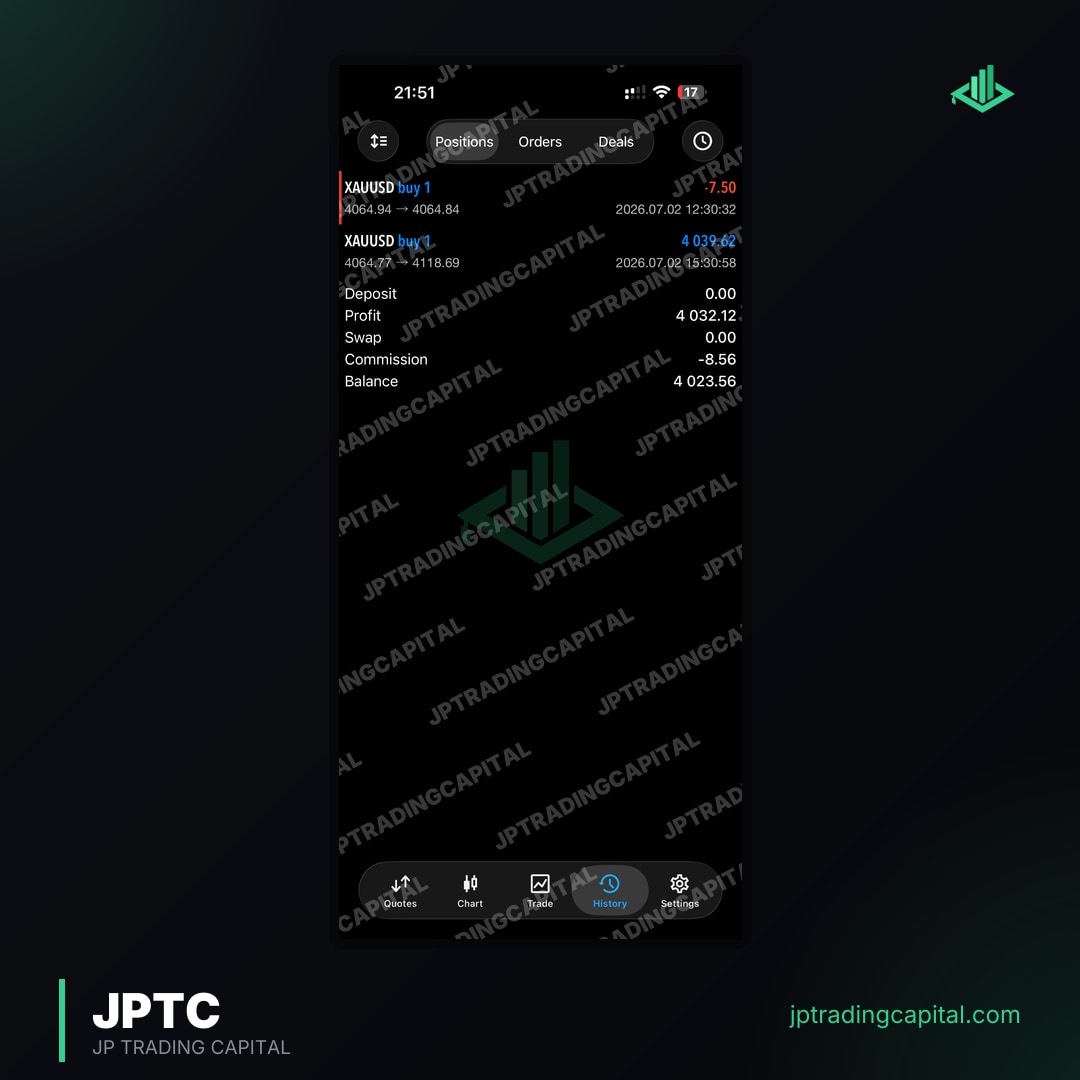
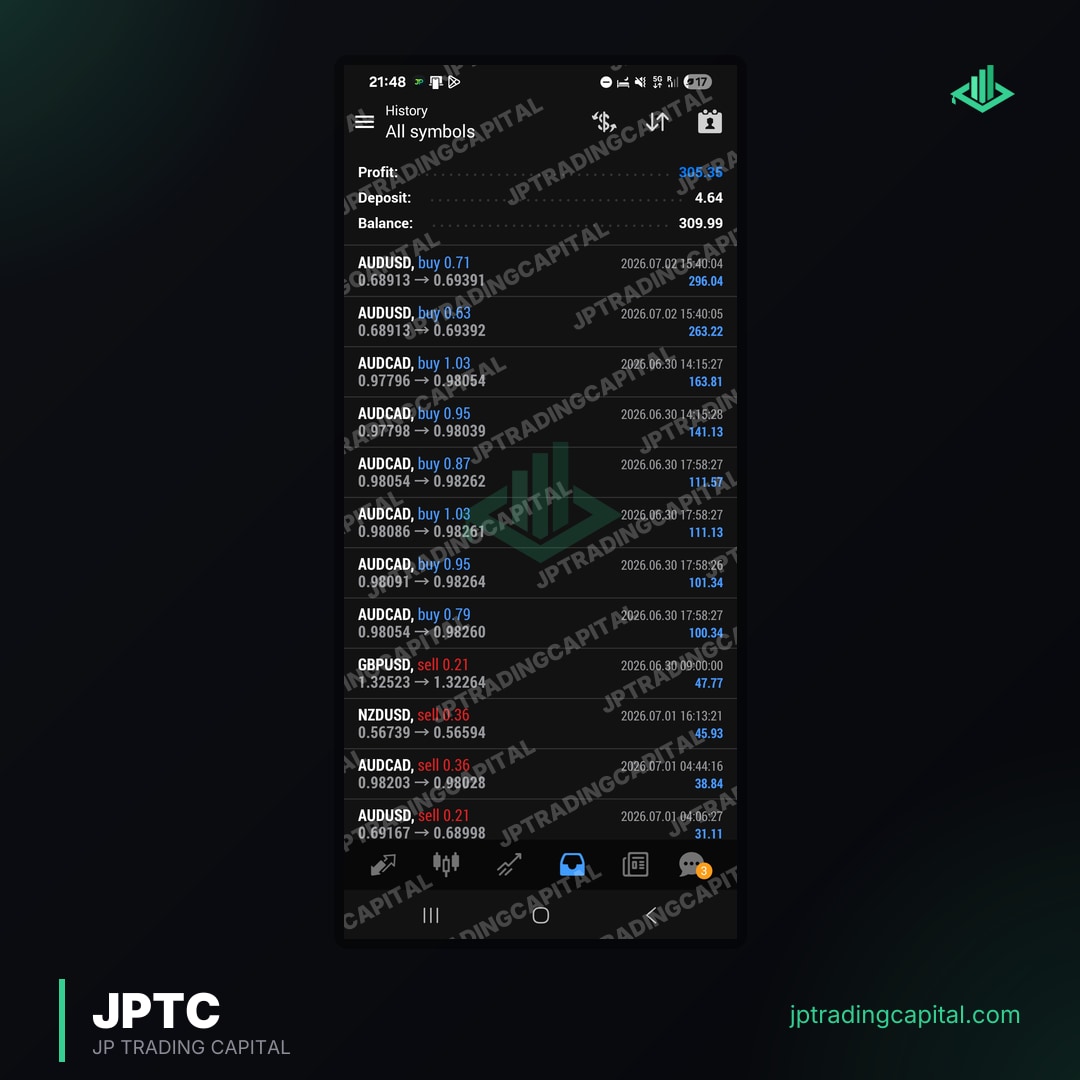
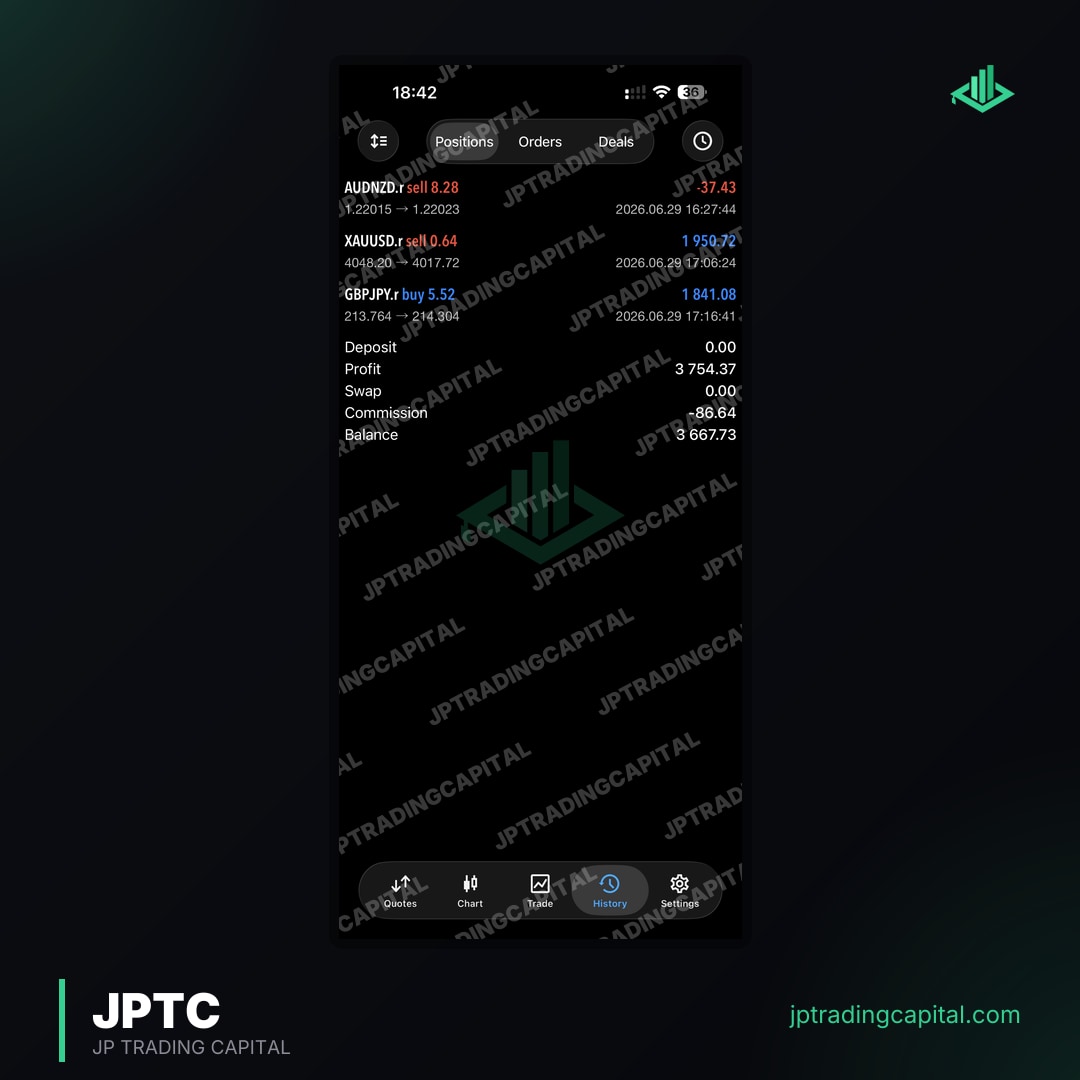
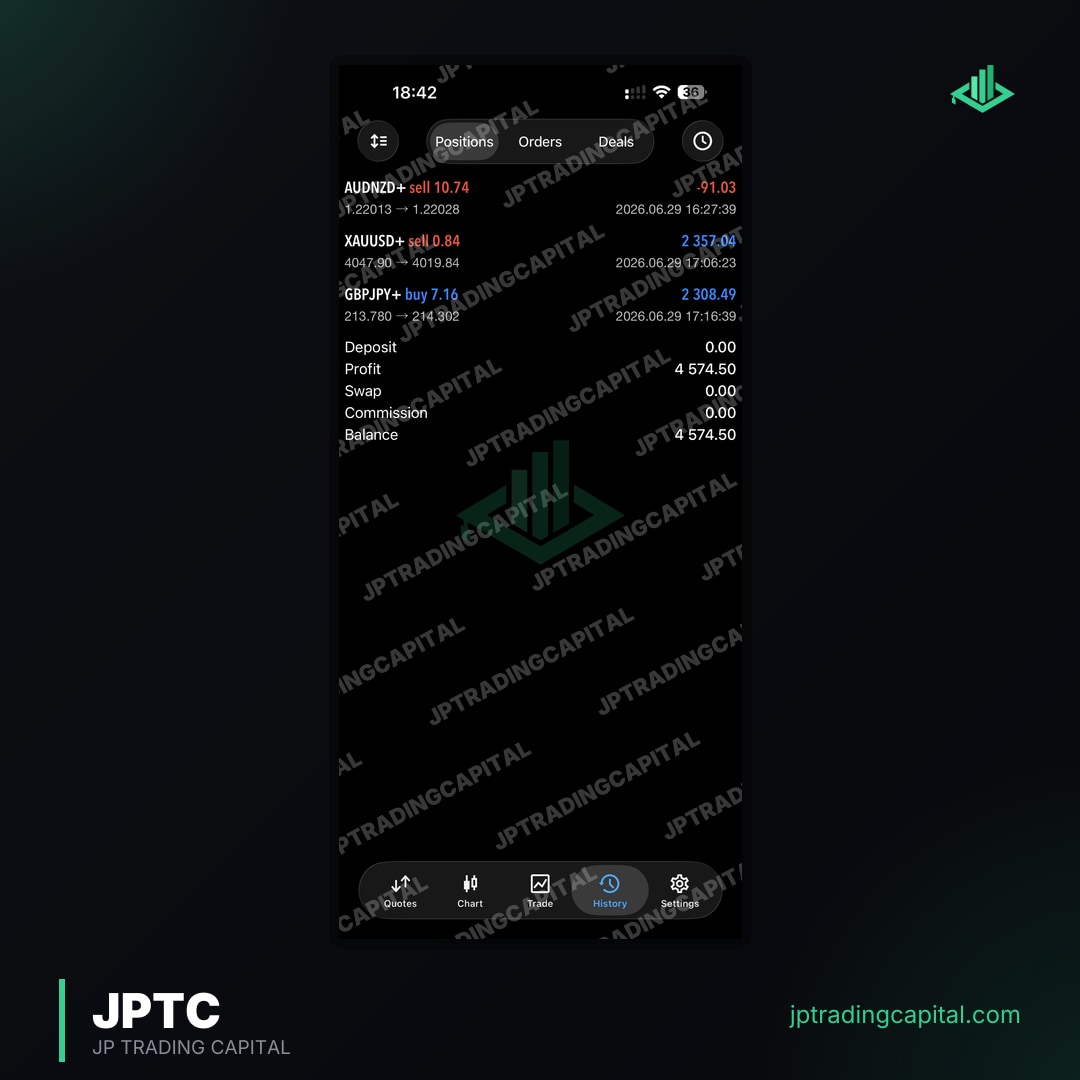
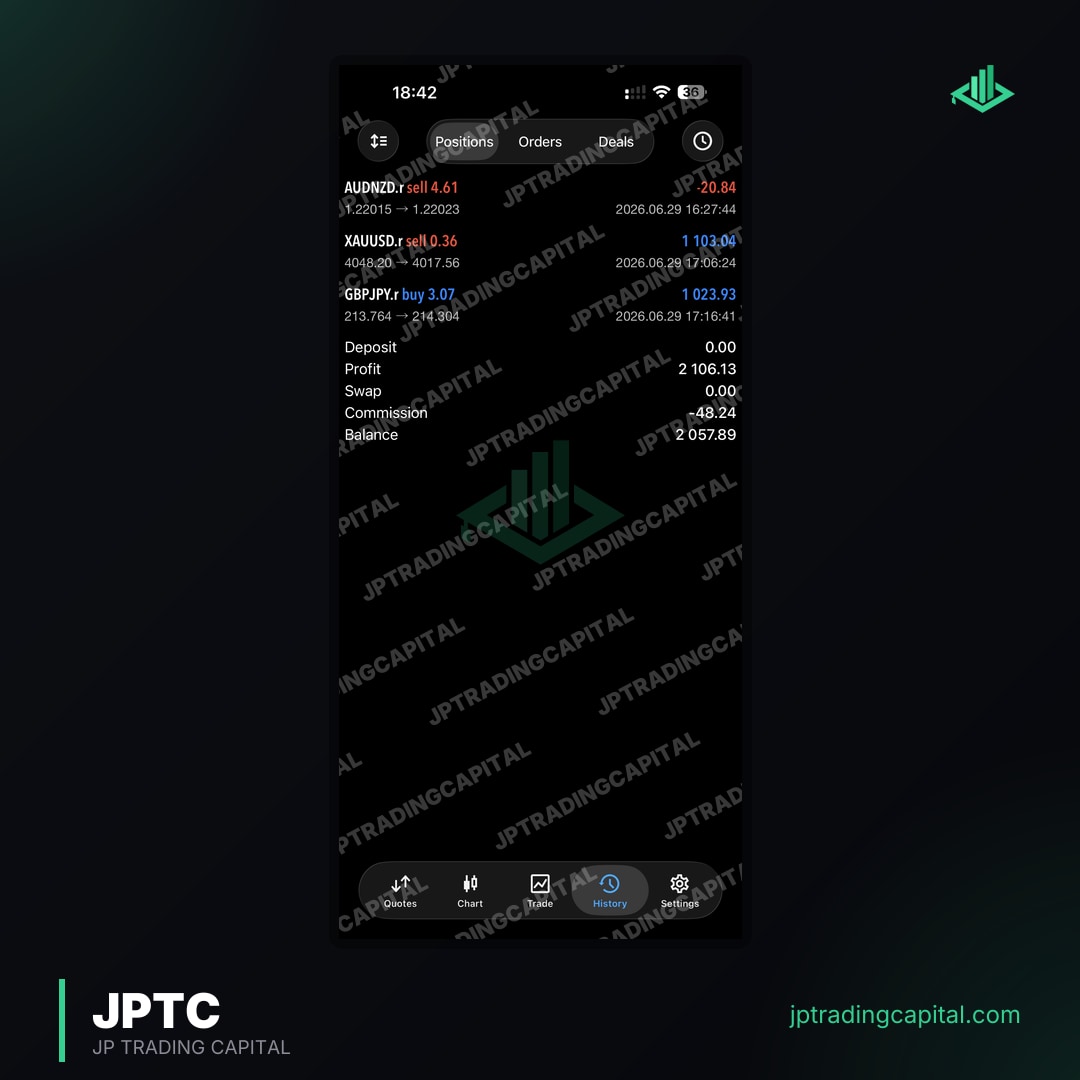
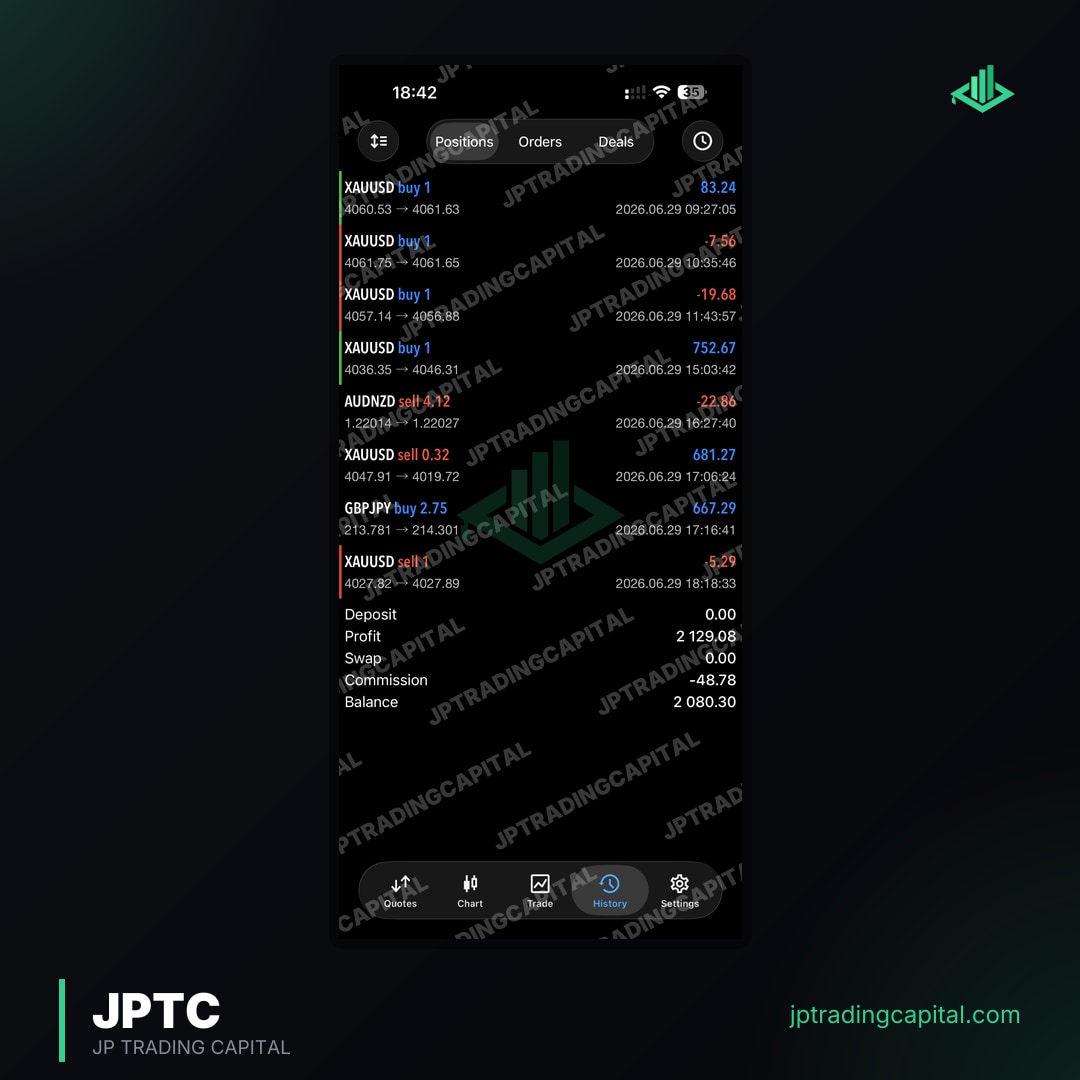
Successfully using forex bots for prop firm challenges in 2026 requires EAs explicitly designed to adhere to strict rules like daily drawdown, max loss, and consistency. Prop firms offer significant capital to traders who can prove their ability to manage risk and generate consistent profits. However, their rules are stringent, making traditional retail EAs often unsuitable without careful modification.
JPTradingCapital specializes in building trading tools for prop firm traders, understanding these unique demands. Our flagship, the JPTC EA Hub, is an automated EA pre-configured with backtested strategies that respect prop-firm rules across various platforms like FTMO, FundedNext, FXify, TopStep, The5ers, and E8 Funding. This focus on compliance is what sets a specialized prop firm EA apart from a generic retail bot.
Navigating Daily Drawdown and Max Loss Limits with EAs
Prop firms like FTMO impose strict daily drawdown and maximum loss limits. For example, a common rule is a 5% daily drawdown and a 10% maximum total loss. An EA not specifically configured for these rules could easily breach them, leading to immediate failure of the challenge. The best forex trading bot for prop firms must incorporate advanced risk management modules that:
- Monitor Real-time Equity: Continuously track the floating profit/loss of all open trades and closed trades for the day.
- Hard Stop-Losses: Implement strict stop-losses on every trade to limit individual trade risk.
- Dynamic Lot Sizing: Adjust lot sizes based on account equity and remaining drawdown allowance.
- Daily Reset Mechanism: Automatically cease trading or adjust risk at the daily drawdown limit.
These features transform a generic profitable EA into a compliant prop firm passing machine, ensuring that even during volatile periods, the bot respects the firm's non-negotiable boundaries. Our team's research shows that EAs explicitly designed with these parameters have a significantly higher success rate in prop firm evaluations.
Ensuring Consistency with Automated Strategies
Prop firms also look for consistency, often measured by avoiding erratic profit curves or overleveraging. An EA designed for consistency will:
- Distribute Risk: Avoid putting too much capital at risk on a single trade or asset.
- Maintain a Steady Equity Curve: Aim for gradual, steady growth rather than large, infrequent spikes.
- Avoid Martingale or Grid Systems: While potentially profitable in some retail settings, these strategies often incur large drawdowns that violate prop firm rules.
- Trade Across Diverse Conditions: A consistent EA should demonstrate robust performance across various market conditions, not just specific trends or ranges.
The JPTradingCapital approach to developing automated strategies focuses on this very consistency, leveraging backtested setups that prioritize stable growth within defined risk parameters. This helps traders achieve the smooth equity curve that prop firms value.
The JPTC EA Hub: Tailored for Prop Firm Success
The JPTC EA Hub represents our commitment to providing traders with tools specifically engineered for prop firm environments. Unlike generic EAs, our bots are pre-configured with strategies that inherently respect daily drawdown caps, maximum loss limits, and consistency requirements. This means traders can focus on managing their overall strategy rather than constantly adjusting their bot to avoid rule breaches. Our verified results showcase the effectiveness of these tailored setups in passing and managing prop firm accounts.
Setting Up and Optimizing Your Forex Trading Bot
Setting up and optimizing a forex trading bot involves installing it on a platform like MetaTrader, configuring its parameters, and continuously monitoring its performance in changing market conditions. Proper setup ensures the bot operates as intended, while optimization maximizes its potential profitability and risk efficiency.
Installation and Configuration on MT4/MT5
The majority of forex trading bots are designed to run on MetaTrader 4 (MT4) or MetaTrader 5 (MT5). The installation process is generally straightforward:
- Download the EA: Obtain the .ex4 (for MT4) or .ex5 (for MT5) file from your provider.
- Open MetaTrader: Launch your MT4/MT5 platform.
- Access Data Folder: Go to 'File' -> 'Open Data Folder'.
- Navigate to Experts: Open 'MQL4' (or 'MQL5') -> 'Experts'.
- Paste EA File: Copy and paste the EA file into the 'Experts' folder.
- Refresh/Restart: Close the data folder, refresh your 'Navigator' panel in MetaTrader (right-click 'Expert Advisors' -> 'Refresh'), or restart the platform.
- Attach to Chart: Drag the EA from the 'Navigator' panel onto the desired currency pair chart and timeframe.
- Configure Settings: In the EA's properties window, adjust input parameters (lot size, risk, stop-loss, take-profit, specific strategy settings) according to your strategy and prop firm rules. Ensure 'Allow Algo Trading' (or 'Allow Live Trading') is checked.
Always start with a demo account to test the configuration thoroughly before deploying on a live account, especially when using a new best forex trading bot or strategy.
Common Optimization Mistakes to Avoid
Optimization is the process of finding the best input parameters for an EA. While powerful, it's prone to errors:
- Curve-Fitting: Over-optimizing an EA to perfectly fit past data. This results in a bot that performs exceptionally well on historical data but fails in live trading because it's too specific to past market noise. Always test optimized settings on out-of-sample data.
- Ignoring Walk-Forward Optimization: Instead of optimizing once, walk-forward optimization involves periodically re-optimizing the EA on a new segment of historical data and then testing it on the subsequent, unseen segment. This simulates real-world conditions more accurately.
- Lack of Robustness Testing: Not testing the EA with slightly different parameters, spreads, or slippage. A truly robust EA should perform well even with minor variations in its inputs.
- Chasing High Profits: Focusing solely on maximizing profit in optimization often leads to increased risk and higher drawdowns. Prioritize stable equity growth and controlled risk over aggressive returns.
- Ignoring Broker Conditions: Different brokers have different spreads, commissions, and execution speeds. Optimize and test your EA under conditions that closely mimic your live broker's environment.
Our experience at JPTradingCapital emphasizes the importance of a balanced approach to optimization, focusing on long-term stability and risk management rather than short-term gains. This ensures the best forex trading bot performs reliably under diverse market conditions.
Risk Management and Psychological Discipline with Automated Trading
Even with automated trading, effective risk management and psychological discipline are crucial, requiring traders to understand their bot's strategy, set appropriate risk parameters, and avoid emotional interference. Automation removes the human element from execution, but human oversight and strategic decisions remain vital.
Defining Your Risk Appetite Before Automation
Before deploying any best forex trading bot, clearly define your personal risk appetite. This involves determining:
- Maximum Tolerable Drawdown: The largest percentage loss you are willing to accept on your account before re-evaluating or stopping the bot. For prop firm traders, this is dictated by the firm's rules.
- Risk Per Trade: The percentage of your capital you are willing to risk on a single trade (e.g., 0.5% to 2% is common).
- Overall Portfolio Risk: How much of your entire trading capital you are willing to allocate to automated strategies.
Once defined, configure your EA's settings to align with these parameters. For instance, if your maximum daily drawdown is 5% for a prop firm, your bot's internal risk settings must never allow it to exceed this limit. This proactive approach to risk management is fundamental to the long-term success of any automated trading venture.
Monitoring and Intervening: When to Step In (and When Not To)
The idea of 'set it and forget it' with EAs is a myth. Continuous monitoring is essential. This doesn't mean micromanaging every trade, but rather regularly checking the bot's overall performance, equity curve, and open positions. Look for significant deviations from its expected performance or unusual market conditions that might impact its strategy.
Knowing when to intervene is a delicate balance. Generally, avoid intervening during expected drawdowns, as these are a normal part of any trading strategy. However, intervention may be necessary if:
- The market environment fundamentally changes, rendering the bot's strategy obsolete (e.g., a bot designed for trending markets during a prolonged ranging period).
- The bot consistently breaches your predefined risk limits or prop firm rules.
- There are technical issues with your broker, platform, or internet connection.
- Unexpected high-impact news events occur that the bot is not programmed to handle.
Conversely, avoid pulling the plug prematurely during a minor losing streak. Every strategy experiences drawdowns, and patience is key. Emotional decisions to stop an EA during a temporary dip can lead to missing subsequent profitable trades. Trust your initial analysis and the bot's verified track record, intervening only when there's clear, objective evidence of a systemic problem or rule breach.
Verifying Performance and Avoiding Scams
Verifying the performance of a forex trading bot is essential to avoid scams and involves scrutinizing third-party verified track records, like those found on our results page. The automated trading landscape is unfortunately ripe with exaggerated claims and fraudulent schemes, making due diligence critical.
The Importance of Third-Party Verification
Claims of high returns and minimal drawdowns are common in the EA market. Without independent verification, these claims are often baseless. Third-party verification services, such as our results page, offer an invaluable layer of transparency. They connect directly to a trading account (live or demo) and track all trading activity in real-time, providing unbiased statistics on:
- Profitability: Total gain, monthly gain, and average daily gain.
- Drawdown: Maximum drawdown and absolute drawdown.
- Risk Metrics: Risk of ruin, average win/loss, and profit factor.
- Trading Activity: Number of trades, average trade length, and traded pairs.
A published live track record cannot be manipulated, providing a true reflection of an EA's performance over time. Always look for a track record that spans at least 6-12 months, ideally longer, to assess consistency across different market conditions. For an example of a robust, transparent track record, consider JPTradingCapital's published results, which offers over two years of live data, demonstrating the credibility and performance of our automated systems.
Red Flags to Watch Out For
When searching for the best forex trading bot, be vigilant for these common red flags:
- Unrealistic Guarantees: Any promise of guaranteed profits, especially high daily or weekly returns, is a major warning sign. Forex trading involves inherent risk, and no system can guarantee returns.
- Lack of Verified Track Record: If a vendor only provides screenshots, unverified statements, or backtest reports without a live, third-party verified results page, proceed with extreme caution.
- Over-Optimized Backtests: Backtests that show perfect equity curves with virtually no drawdowns are often curve-fitted and will likely fail in live trading.
- Aggressive Marketing Tactics: High-pressure sales, limited-time offers, and testimonials from anonymous sources should raise suspicion.
- Low Price for High Claims: Be wary of EAs sold for suspiciously low prices while promising astronomical returns. Quality development and support cost money.
- Martingale or Grid Strategies Without Warnings: While some traders use these, EAs employing Martingale (doubling lot size after losses) or Grid (placing multiple orders at fixed intervals) strategies carry extreme risk and can quickly wipe out an account if not managed with explicit understanding and caution. They are generally incompatible with prop firm rules due to high drawdown potential.
By focusing on transparency, verifiable performance, and realistic expectations, traders can significantly reduce their risk of falling victim to scams and find a genuinely effective forex trading bot.
FAQ: Best Forex Trading Bot
Is a forex trading bot profitable?
Can a forex bot pass a prop firm challenge?
What is the best platform for running a forex trading bot?
How often should I monitor my forex trading bot?
Are free forex trading bots reliable?
The EA built for prop firm rules
Daily drawdown guard, hard max-loss stop, consistency-aware pacing and a news pause, on MT4 and MT5. One-time €797, no monthly fee. If you would rather not run the evaluation yourself, we run it for you.
See the EA Hub