Exact Apex Prop Firm Rules: Avoid 3 Hidden Traps

Apex Trader Funding's rules are designed to assess a trader's risk management and profitability, primarily revolving around specific drawdown and daily loss limits that vary between evaluation and performance accounts. Adhering to these precise guidelines, from understanding the nuances of trailing drawdown to mandatory stop-loss usage, is fundamental for any trader aiming to successfully navigate the challenges and secure a funded account.
- Apex uses both End-of-Day (EOD) and Intraday Trailing Drawdown, depending on the account type.
- A strict Daily Loss Limit is enforced to manage intraday risk exposure.
- Mandatory stop-loss placement is a critical, often overlooked rule for active trading.
- Prohibited strategies include high-frequency trading (HFT) and certain forms of copy trading.
- Rules can differ slightly between Evaluation, Performance, and Legacy PA accounts.
Understanding Apex Prop Firm Rules: The Core Principles
The core of Apex Trader Funding's framework relies on clear risk management parameters, primarily through its drawdown and daily loss rules, which are fundamental for all traders to grasp.
Apex Trader Funding, a prominent player in the prop firm landscape, outlines a comprehensive set of rules for traders seeking to obtain funding. These rules are non-negotiable and are designed to ensure traders demonstrate consistent profitability while managing risk effectively. Success hinges on a precise understanding of these guidelines, as even minor deviations can lead to account termination. The JPTradingCapital team consistently advises traders to review the official Apex Trader Funding website for the most up-to-date policies, as rules can be subject to periodic updates.
EOD Drawdown: Your Daily Safety Net
The End-of-Day (EOD) Drawdown rule dictates that your account balance must not fall below a specific threshold at the end of the trading day, providing a clear boundary for overall capital preservation.
In certain Apex account types, particularly their EOD Drawdown accounts, the maximum drawdown is calculated based on your balance at the end of each trading day. This means your highest balance achieved by the end of any trading day sets the reference point for your maximum permissible drawdown. For example, if you start with a $50,000 account and your highest EOD balance reaches $52,000, your drawdown limit will be a fixed amount below that $52,000, regardless of intraday fluctuations. This rule emphasizes closing positions responsibly and managing overnight risk, as your balance at the market close is what counts. Understanding this distinction is crucial for traders who hold positions or manage trades across multiple days, requiring strategic planning to ensure the EOD balance remains above the critical threshold.
Intraday Trailing Drawdown: The Dynamic Challenge
The Intraday Trailing Drawdown is a dynamic rule that adjusts in real-time with your account's highest achieved profit level, making it one of the most challenging aspects of Apex prop firm rules for many traders.
Unlike EOD drawdown, the intraday trailing drawdown follows your highest *realized or unrealized* profit peak during the trading day. This means as your account's open equity (balance + unrealized P&L) increases, your drawdown limit also moves up. The drawdown stops trailing once your account reaches the initial starting balance plus the trailing drawdown amount. For instance, on a $50,000 account with a $2,500 trailing drawdown, the drawdown limit would initially be $47,500. If your open equity peaks at $51,000, your new drawdown limit would be $48,500 ($51,000 - $2,500). If your account equity then drops to $48,499, the account would be terminated. This dynamic nature demands constant vigilance and proactive risk management, as a single large winning trade followed by a significant retracement can trigger a violation, even if the account is still in overall profit relative to its starting balance. Many traders find this rule particularly challenging, as it requires a different mindset than simply managing a fixed stop loss.
Daily Loss Limit: Immediate Risk Control
A Daily Loss Limit sets a maximum amount a trader can lose within a single trading day, providing an immediate safety net to prevent excessive capital depletion.
This rule is straightforward: if your account's open equity (balance + unrealized P&L) drops by a predefined amount from your starting balance for the day, your account is considered in violation, and trading privileges are revoked. For example, a $50,000 account might have a daily loss limit of $1,000. If your open equity falls to $49,000 at any point during the day, the account is terminated. This rule is designed to prevent traders from taking on excessive risk or attempting to recover large losses within a single session. It acts as a crucial circuit breaker, forcing traders to step away and re-evaluate their strategy if they hit their daily threshold. Effective risk management strategies, including appropriate position sizing and strict stop losses, are essential to remain within this daily boundary.
Beyond the Basics: Uncovering Apex's Less Obvious Rules
While the core drawdown rules are well-known, Apex also enforces several less obvious yet critical rules that traders often overlook, leading to unexpected account violations.
Many traders focus intensely on the trailing drawdown but miss other crucial elements of the Apex Trader Funding rules. Our analysis of common account violations indicates that these 'hidden' or less emphasized rules are often the culprits. Understanding them is vital for comprehensive risk management and sustainable trading within the prop firm environment. This is where precision in reading the terms and conditions truly pays off, rather than relying solely on high-level summaries.
The Stop-Loss Requirement: A Mandatory Practice
Apex mandates the use of stop-loss orders for all trades, a critical rule designed to promote disciplined risk management and prevent catastrophic losses.
The requirement to always use a stop loss is a significant rule that some traders, especially those accustomed to discretionary trading without immediate stops, might find restrictive. This rule isn't just a recommendation; it's a mandatory policy. While the exact wording might vary, the spirit is clear: every open position must have a corresponding stop-loss order placed to limit potential downside. This rule applies across all account types, from evaluation to performance accounts. Neglecting to place a stop loss, even momentarily, can lead to account termination. For traders using Expert Advisors (EAs), this means ensuring their algorithms are programmed to automatically attach stop losses to every trade upon execution. The JPTradingCapital EA Hub is specifically designed with these prop-firm requirements in mind, automatically managing stop losses to comply with such rules, helping traders avoid this common pitfall. For more on how EAs can help meet prop firm rules, see our guide on EA usage.
News Trading and Weekend Holds: What's Allowed?
Apex generally permits news trading and holding trades over the weekend, but always with the caveat that all other risk management rules, particularly drawdown limits, must be respected.
Unlike some other prop firms that impose strict restrictions on trading during high-impact news events or holding positions over weekends, Apex Trader Funding generally allows these activities. However, this freedom comes with significant responsibility. Any volatility or market gaps resulting from news releases or weekend breaks that cause your account to violate its daily loss limit or trailing drawdown will still lead to account termination. This means while the activity itself isn't prohibited, the consequences of poor risk management during these periods are unchanged. Traders must exercise extreme caution and ensure their positions are appropriately sized and protected, especially when anticipating market-moving events or facing illiquid weekend markets. Our research indicates that many traders underestimate the impact of unexpected market movements during these times, leading to violations.
Prohibited Strategies: Copy Trading, HFT, and More
Apex strictly prohibits certain trading strategies, including high-frequency trading (HFT), reverse trading, and specific forms of copy trading, to ensure fair play and genuine skill demonstration.
To maintain a fair and level playing field, Apex has a list of prohibited trading practices. High-frequency trading (HFT), which relies on extremely fast execution and exploiting micro-market inefficiencies, is generally not allowed. Similarly, reverse trading (simultaneously buying and selling the same instrument in different accounts) and various forms of arbitrage are typically forbidden. The rules around copy trading are particularly nuanced; while personal management of multiple accounts is often allowed, copying trades from external signals or other traders without proper authorization or specific account setup can be prohibited. Traders must ensure their trading methods are unique and do not fall into these banned categories. This also extends to certain forms of group trading on platforms like Tradovate, where shared logins or coordinated strategies could be flagged. Always clarify with Apex support if your strategy borders on any of these gray areas to avoid accidental violations. For those leveraging automated strategies, ensuring your EA's logic does not inadvertently mimic prohibited HFT or arbitrage techniques is critical. We build our EAs to ensure compliance, focusing on robust strategies that respect all prop firm guidelines. For examples of successful, compliant strategies, explore our verified trading results.
Apex Evaluation vs. Performance Accounts: Key Rule Distinctions
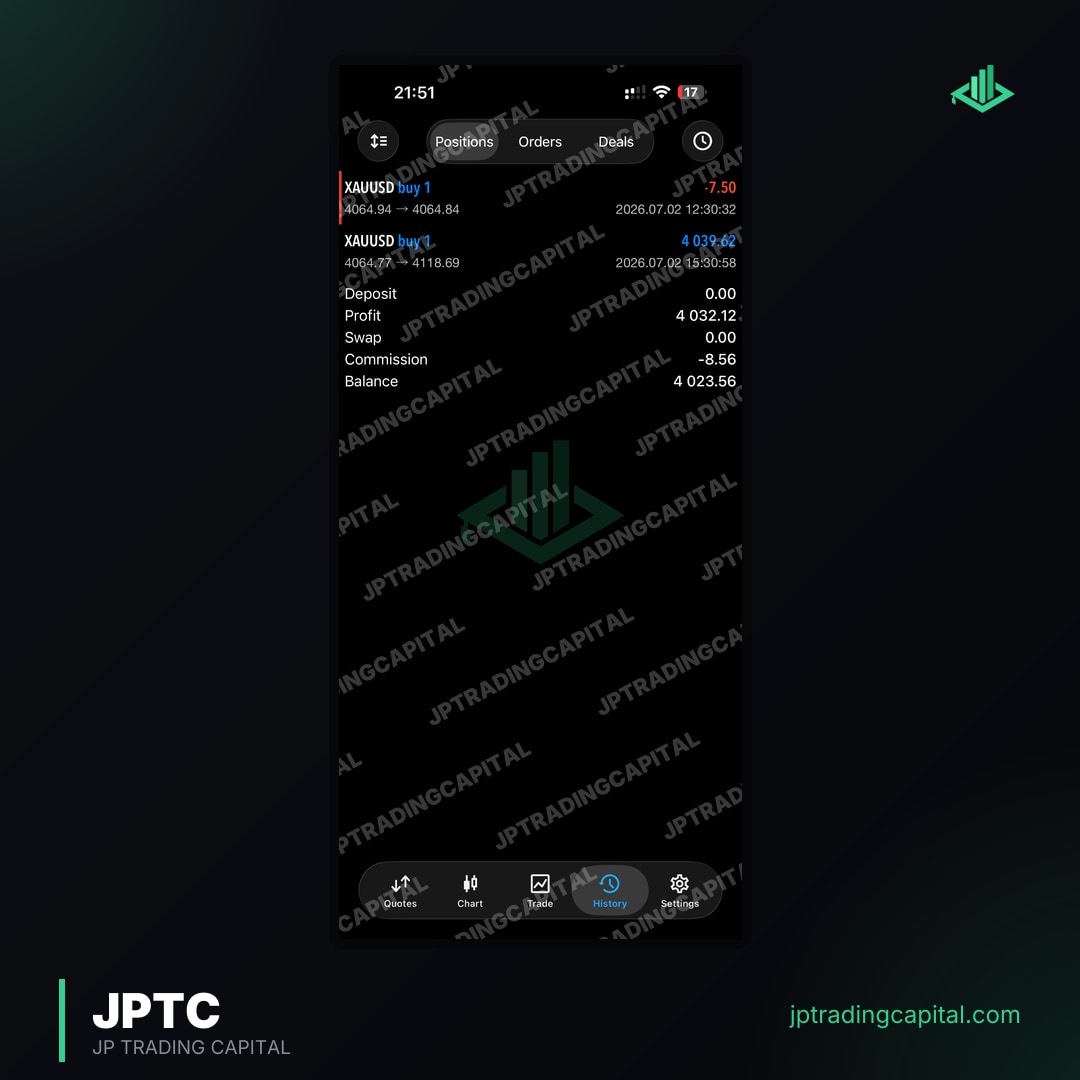
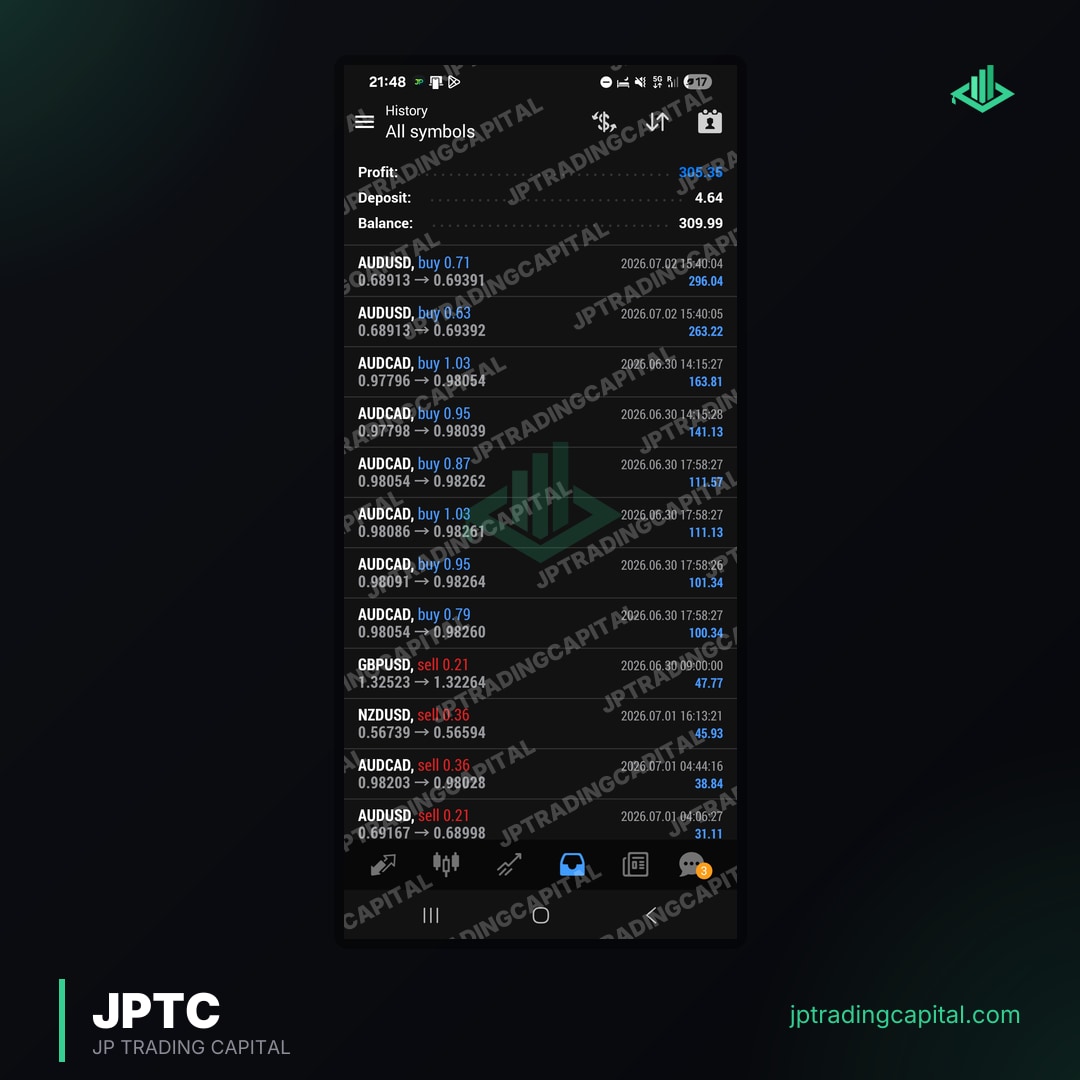
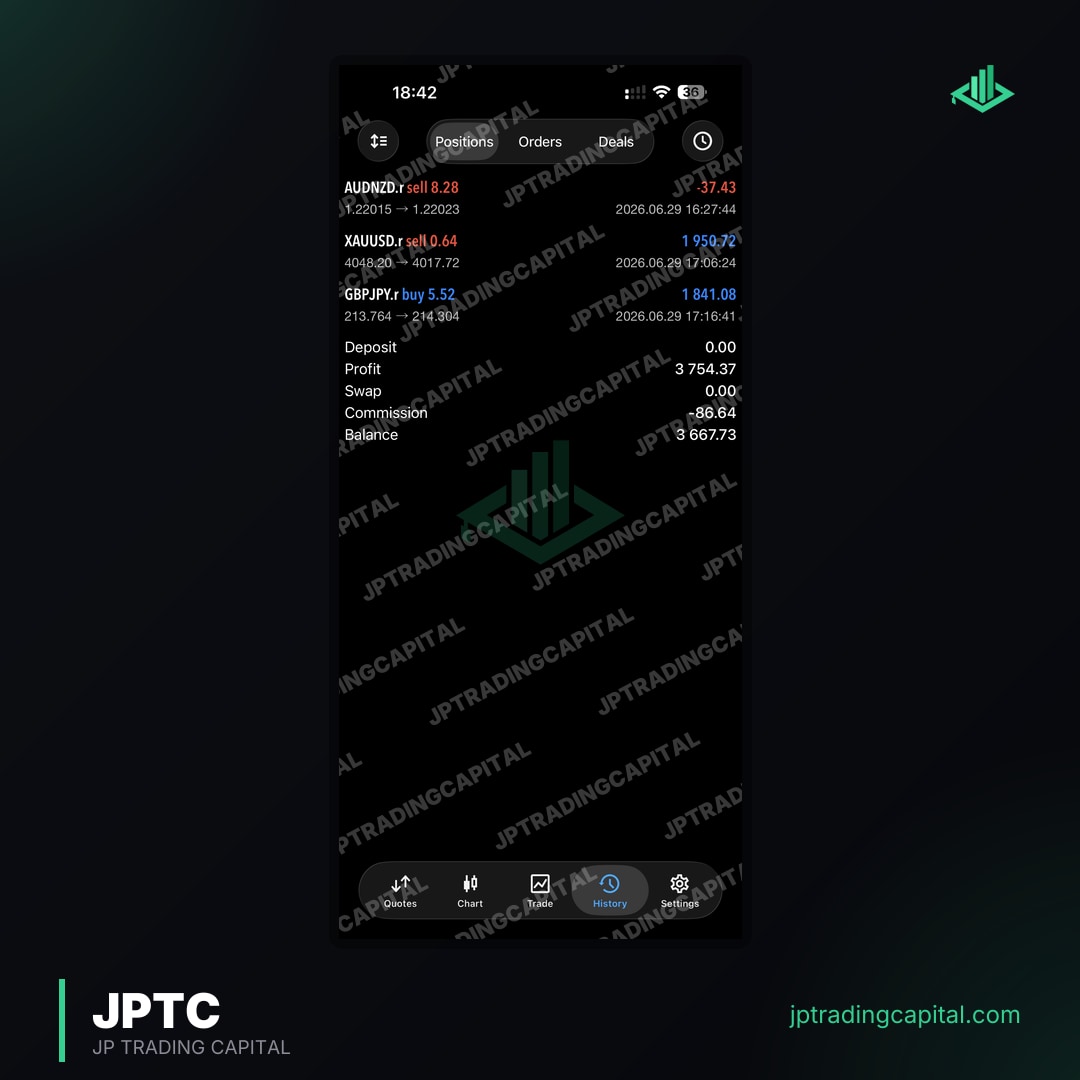
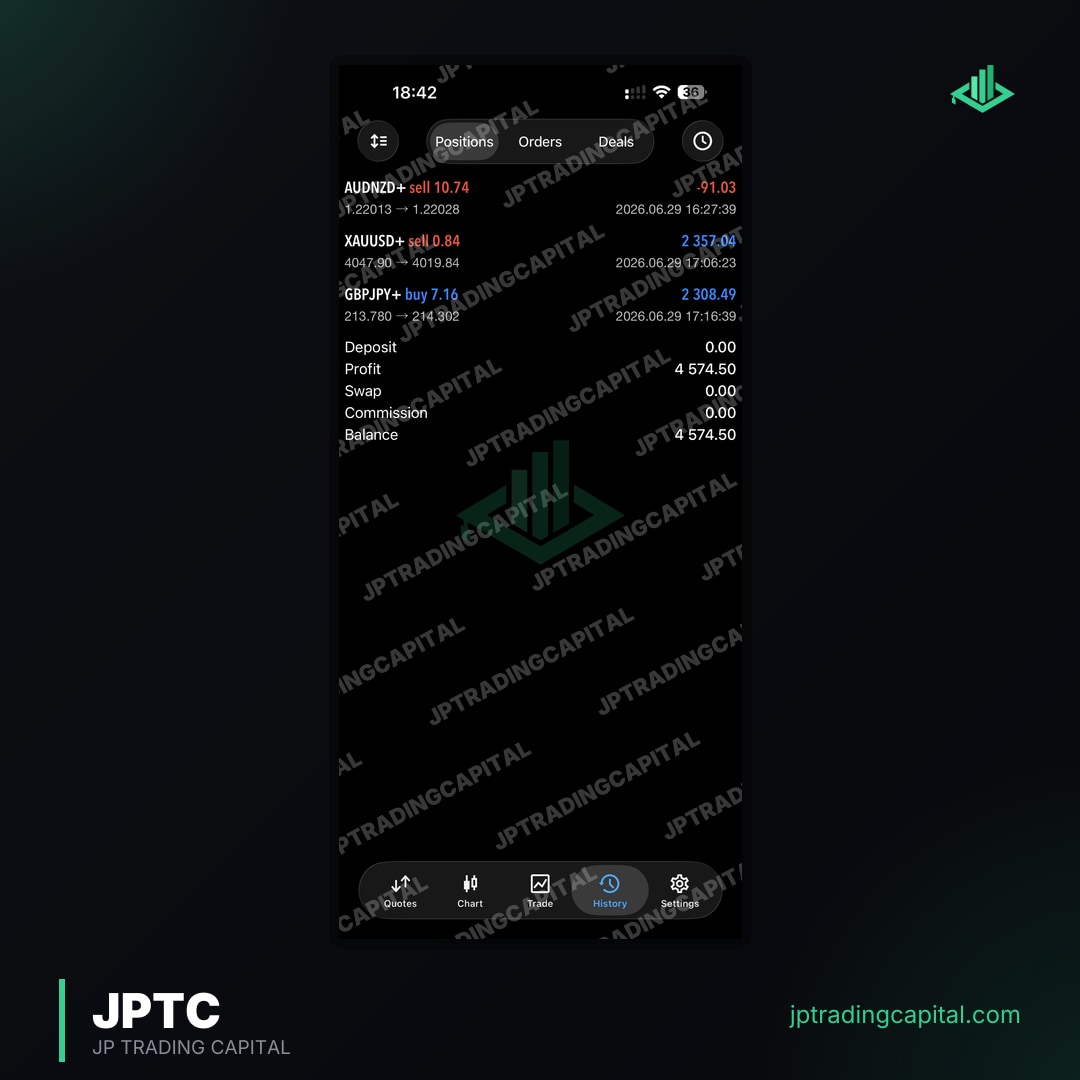
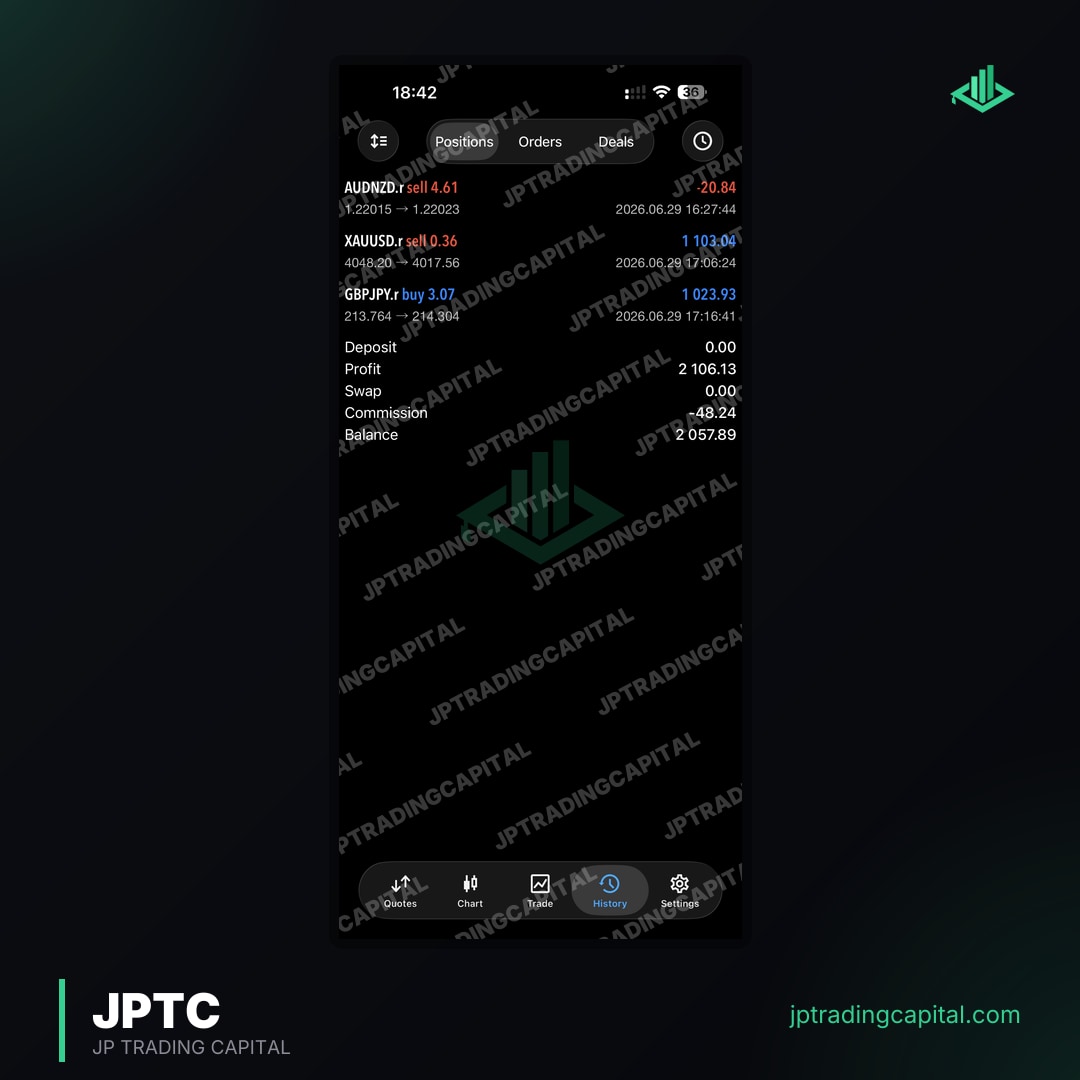
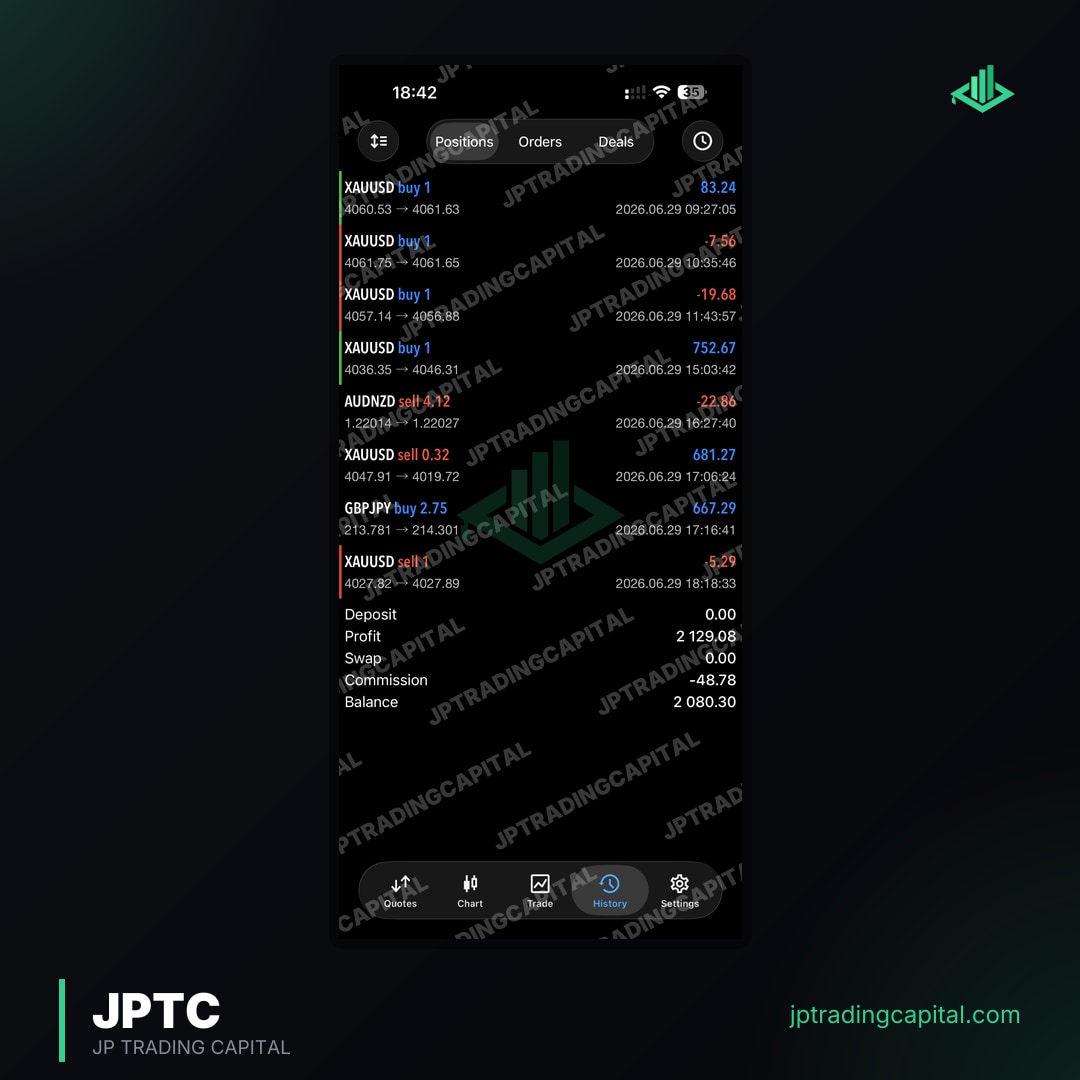
While many rules overlap, there are subtle yet critical differences in how Apex applies and monitors rules between its Evaluation and Performance (PA) accounts, impacting a trader's approach to each phase.
Understanding the transition from an evaluation account to a funded performance account is paramount, as the environment and expectations can shift. While the core risk parameters like drawdown remain, the implications of a violation can differ significantly, and traders must adapt their mindset and strategy accordingly.
Evaluation Phase: Proving Consistency
The Evaluation Phase is designed to assess a trader's ability to consistently generate profits while adhering to strict risk management protocols, proving their readiness for a funded account.
During the evaluation, traders must demonstrate their proficiency in meeting profit targets while staying within the defined drawdown and daily loss limits. The primary goal here is to prove consistency and discipline. The trailing drawdown is particularly stringent in this phase, often stopping its trail once the initial capital plus the drawdown amount is reached, making it challenging to manage. Traders must focus on clean, repeatable strategies. This phase is less about maximizing profit and more about minimizing risk and proving a solid trading methodology. For strategies focused on passing these challenges, our guide on passing prop firm challenges offers valuable insights.
Performance Account: Managing Risk for Payouts
Once funded, the Performance Account shifts focus from proving consistency to managing risk for sustainable payouts, with rules often designed to protect both the trader and the firm's capital.
Upon successfully passing the evaluation, traders move to a Performance Account. While the underlying risk rules like drawdown and daily loss limits persist, the emphasis shifts to generating consistent profits for payout. In some cases, the trailing drawdown might behave slightly differently, or there might be specific scaling plans that allow for increased capital as a trader demonstrates further profitability. The consequences of a rule violation in a PA account are more direct, as it means losing access to live capital and potential payouts. Traders should be acutely aware of any specific nuances for their particular PA account, including any profit split schedules or withdrawal policies. Traders often find that maintaining a detailed trading journal and regularly reviewing their performance against Apex's rules is indispensable for long-term success in a funded account.
Legacy PA Accounts: Specific Considerations
Legacy PA accounts may operate under slightly different terms than newer performance accounts, requiring traders with these older accounts to be aware of their specific, grandfathered rules.
Apex Trader Funding, like many evolving prop firms, may have introduced new account structures or updated rules over time. Traders who obtained their Performance Accounts under older terms might be operating under what are referred to as 'Legacy PA' rules. These accounts often retain the original terms and conditions under which they were acquired. It is imperative for traders with Legacy PA accounts to consult their specific agreement or reach out to Apex support to confirm their exact rules, as they may differ from the currently published guidelines for newer accounts. Assuming that current rules apply universally can lead to unexpected violations. Our team always recommends verifying specific terms for any account type, especially if it's not a recently opened one.
Navigating Apex Rules with Automated Trading
Automated trading, when properly configured, can be a powerful tool for adhering to Apex prop firm rules, ensuring consistent execution and disciplined risk management.
For many prop firm traders, especially those aiming for precision and consistency, Expert Advisors (EAs) or automated trading systems offer a significant advantage. The challenge lies in developing or configuring these EAs to strictly comply with all Apex rules, particularly the dynamic drawdown mechanisms. JPTradingCapital specializes in building trading tools that respect these stringent requirements, enabling traders to leverage automation without fear of rule violations. For an example of what a 2-year live algo track record looks like, see JPTradingCapital's published results, demonstrating our commitment to transparent and compliant automated trading.
Designing EAs for Apex Drawdown Rules
EAs must be meticulously designed to monitor and respond to Apex's EOD and Intraday Trailing Drawdown rules in real-time, preventing automated violations.
The most critical aspect for an EA operating on Apex accounts is its ability to understand and react to the trailing drawdown. This requires the EA to track the account's highest equity peak and calculate the current drawdown limit dynamically. If the EA's internal logic determines that the next trade, or current open trades, risk violating this limit, it must either refrain from opening new positions or manage existing ones to mitigate the risk. Similarly, the EA needs to monitor the daily loss limit and cease trading for the day if the threshold is approached. Our JPTC EA Hub is pre-configured with strategies that incorporate these dynamic monitoring capabilities, allowing traders to automate their approach while staying compliant. Developing such robust EAs requires a deep understanding of MetaTrader's MQL programming language and extensive backtesting against prop firm conditions.
Ensuring Consistency and Max Loss Adherence
Automated systems must be programmed to adhere to consistency parameters and strict maximum loss limits, providing a disciplined approach to trade execution and risk control.
Beyond the drawdown, EAs must respect other critical rules, such as the daily loss limit and the mandatory stop-loss placement. An effective EA will place a stop loss with every trade, ensure position sizing is appropriate to the account size and volatility, and manage open positions to avoid hitting the daily loss threshold. Consistency, while not always explicitly a rule at Apex in the same way it is for some other firms, is a natural outcome of a well-designed EA that adheres to a predefined strategy and risk management plan. By automating these processes, traders can eliminate emotional decisions and ensure that every trade respects the firm's parameters, significantly increasing their chances of passing evaluations and maintaining funded status.
Leveraging Technology to Pass Apex Challenges
Utilizing advanced trading tools, like the JPTC EA Hub, can significantly enhance a trader's ability to navigate Apex challenges by enforcing rules automatically and executing strategies with precision.
The complexity of Apex's rules, especially the dynamic trailing drawdown, can be overwhelming for manual traders. Automated solutions like the JPTC EA Hub are designed to handle this complexity. By pre-configuring backtested strategies that inherently respect daily drawdown caps, max loss limits, and other essential prop firm rules, our EAs allow traders to focus on strategy development rather than constant rule monitoring. This technological advantage minimizes human error, enforces discipline, and provides a systematic approach to passing evaluations. Whether you are a retail trader running EAs or an EA developer researching strategy patterns, leveraging such tools can be a game-changer for navigating the intricate world of prop firm trading.
Practical Tips for Passing Apex Challenges
Successfully navigating Apex challenges requires a blend of strategic planning, disciplined execution, and a thorough understanding of all the rules.
- Master the Trailing Drawdown: This is often the biggest hurdle. Understand exactly how it moves and where your current limit stands. Consider reducing position sizes as you approach profit targets to give more buffer.
- Prioritize Risk Management: Always use stop losses, and ensure they are placed immediately upon trade entry. Never risk more than a small percentage of your allowed drawdown on any single trade.
- Review All Rules Regularly: Apex rules can be updated. Make it a habit to check the official Apex website periodically for any changes, especially to their EOD drawdown or intraday trailing policies.
- Trade with a Plan: Stick to a well-defined trading strategy. Avoid impulsive decisions, especially when approaching your daily loss limit or drawdown threshold.
- Utilize Automation Wisely: If using EAs, ensure they are rigorously tested and configured to respect every single Apex rule. Tools like the JPTC EA Hub can provide pre-configured, compliant strategies, but understanding their mechanics is still vital.
- Understand Account Differences: Be aware of the specific rules for Evaluation, Performance, and any Legacy PA accounts you might hold. Do not assume universal application of rules across all account types.
- Practice in a Demo Environment: Before attempting a live evaluation, thoroughly test your strategy and your understanding of the rules in a simulated environment. This helps build confidence and identify potential pitfalls without financial risk.
What is the main difference between EOD and Intraday Trailing Drawdown at Apex?
Does Apex require a stop loss on every trade?
Can I trade news events or hold trades over the weekend with Apex?
Are there any prohibited trading strategies at Apex?
How does JPTradingCapital help traders with Apex rules?
Related Articles
- Apex Trader Funding vs TopStep: Which Futures Prop Firm Is Best in 2026? · Read more →
- Best Free MT5 Expert Advisors: Pass Prop Firms [2026] · Read more →
- How to Choose the Right Prop Firm in 2026: Complete Selection Guide · Read more →
- Best Prop Firm EA MT4 in 2026: 7 Keys to Pass Challenges · Read more →
- Discord Trading Communities: Why Serious Traders Use Them · Read more →
- Can a Trading Bot Pass Gold EA Prop Firm Challenges? · Read more →
- Best MT4 Expert Advisor for Prop Firms: 7 Key Strategies (2026) · Read more →
- MT4 vs MT5 for Prop Firm Trading: Which Platform to Choose? · Read more →
- Best FundedNext Challenge: A Trader's Guide · Read more →
- 5 Prop Trading Rules to Master in 2026: Exact Limits & How to Comply · Read more →
Futures Challenge Preparation
Software, reviewed setfiles, a written risk plan and community access built around common evaluation rules. No software can guarantee a pass.
Get Started