Take Profit Trader Rules: What Actually Ends a Funded Account
Material update: Site-wide prohibited-phrase cleanup applied on 2026-08-23; editorial review status was not changed.
![Exact Take Profit Trader Funded Rules: 5 Key Points [2026]](https://images.pexels.com/photos/7567222/pexels-photo-7567222.jpeg?auto=compress&cs=tinysrgb&dpr=2&h=650&w=940)
Take Profit Trader funded account rules primarily govern profit splits, withdrawal procedures, maximum drawdown, daily drawdown limits, and a specific 50% consistency rule. Traders can typically withdraw 80% of their profits once they reach a 'buffer zone' above their initial maximum drawdown, with minimum payouts and specific fee structures for withdrawals.
- Profit split is 80% to the trader after reaching a buffer zone.
- Withdrawals are available daily from day one of the funded account.
- A minimum payout of $250 applies, with fees for exact $250 withdrawals.
- The 50% consistency rule is critical for maintaining your funded account.
- Traders can manage up to five funded accounts simultaneously.
Understanding Take Profit Trader Funded Account Rules
To succeed with a Take Profit Trader funded account, a thorough understanding of its operational rules is paramount. These rules are designed to ensure responsible trading and protect both the trader and the prop firm's capital, covering everything from how much profit you keep to how you manage risk.
Key Rules for Profit Splits and Withdrawals
The profit split and withdrawal process are often the most anticipated aspects for any funded trader. Take Profit Trader offers a competitive profit split and clear withdrawal guidelines.
Traders on a Take Profit Trader funded account receive an 80% profit split. This means for every $100 in profit generated, $80 goes directly to the trader. However, this profit split becomes available for withdrawal once the trader reaches what Take Profit Trader refers to as the 'buffer zone,' which we will detail further below.
Withdrawals are notably flexible, available daily from the very first day a funded account is active. This immediate access to profits is a significant advantage for many traders. There is a minimum payout threshold of $250. For withdrawals exceeding $250, there are typically no associated fees. However, if a trader requests an exact $250 withdrawal, a small fee, for example $7, may apply. It is always wise to confirm current fee structures directly with Take Profit Trader.
Navigating Drawdown Limits: Daily and Maximum
Managing drawdown is fundamental to maintaining a funded account and demonstrates a trader's risk management capabilities. Take Profit Trader, like most prop firms, implements strict drawdown limits.
There are typically two primary types of drawdown to consider: daily drawdown and maximum drawdown. The daily drawdown limits the amount of loss a trader can incur within a single trading day, usually resetting at the end of the trading session. For instance, a $100,000 account might have a $2,000 daily drawdown limit, meaning your equity cannot drop more than $2,000 from its starting balance for that day.
The maximum drawdown, often a trailing drawdown, represents the absolute lowest equity level your account can reach before it is considered breached. This trailing drawdown moves up with your profits but never moves down. For example, on a $100,000 account with a $5,000 maximum trailing drawdown, your account cannot drop below $95,000 initially. If your account equity increases to $103,000, your maximum drawdown level would then trail to $98,000, meaning your account cannot drop below $98,000. Understanding these limits is crucial for strategic position sizing and risk control.
The 50% Consistency Rule Explained
The 50% consistency rule is a critical component of Take Profit Trader's requirements, designed to promote disciplined and consistent trading behavior rather than reliance on single, high-risk trades. This rule stipulates that no single trading day or individual trade should account for more than 50% of the total profit generated for a withdrawal or account milestone.
For example, if a trader makes a total profit of $10,000, no more than $5,000 of that profit should have come from a single day's trading activity or one exceptionally large trade. This rule encourages traders to distribute their risk and profits across multiple trades and sessions, fostering a more sustainable and professional trading approach. Failure to adhere to the consistency rule can jeopardize profit withdrawals or even lead to account termination.
Managing Multiple Funded Accounts
Take Profit Trader offers flexibility for experienced traders by allowing them to manage multiple funded accounts simultaneously. According to their guidelines, a trader can operate up to five funded accounts. This includes a combination of PRO accounts and PRO+ live-market accounts.
This opportunity allows traders to scale their capital and diversify strategies across different accounts. For instance, one account might focus on specific currency pairs, while another targets commodities. However, managing multiple accounts requires excellent organizational skills and robust risk management to ensure compliance with all rules across each individual account. It's not simply about multiplying your potential; it's about multiplying your responsibilities.
Beyond the Basics: Critical Angles for Success
While the core rules provide the framework, successful prop firm trading often hinges on understanding the nuances and less-obvious implications of these rules. JPTradingCapital's research shows that addressing these critical angles can significantly improve a trader's longevity and profitability.
Demystifying the 'Buffer Zone'
The 'buffer zone' is a term Take Profit Trader uses in conjunction with profit withdrawals. As mentioned, profits become withdrawable once you reach this zone. Essentially, the buffer zone refers to the point where your account's current equity has grown sufficiently above your initial starting capital that your maximum drawdown limit no longer poses an immediate threat to your original balance. This creates a 'buffer' of profit that can be withdrawn safely.
Consider a $100,000 account with a $5,000 maximum trailing drawdown (meaning you cannot drop below $95,000). If your account grows to $106,000, your trailing maximum drawdown level would have moved up to $101,000. At this point, your current equity ($106,000) is $5,000 above your trailing maximum drawdown level ($101,000). This $5,000 represents your 'buffer' of profit that is now eligible for withdrawal without immediate risk to your base capital. This mechanism ensures that the firm's initial capital is protected, even after a withdrawal.
Trading with EAs: Compliance and Strategy
For many modern traders, especially those looking to automate their strategies, the use of Expert Advisors (EAs) is a key consideration. Prop firms often have specific policies regarding automated trading. Generally, EAs are permitted on platforms like MetaTrader 4 and MetaTrader 5, provided they do not violate other core rules such as consistency, daily drawdown, or maximum drawdown limits.
However, certain types of EA strategies, like high-frequency trading (HFT) or arbitrage, are typically prohibited due to their potential to exploit market inefficiencies or platform latencies. JPTradingCapital specializes in building automated trading software, like the JPTC EA Hub, which is specifically pre-configured with backtested strategies designed to respect common prop-firm rules, including daily drawdown caps, max loss limits, and consistency requirements. This can be a significant advantage for traders aiming to pass evaluations and manage funded accounts efficiently.
When using an EA, it's crucial to ensure its parameters align with Take Profit Trader's rules. Our research and development focus on ensuring EAs can generate consistent results while staying within these parameters. For an example of what a 2-year live algo track record looks like, see JPTradingCapital's published results.
For more insights into how EAs can help you navigate prop firm challenges, explore our resources on Expert Advisors.
What Happens After an Account Breach?
Even the most disciplined traders can face an account breach due to unexpected market movements or errors. Understanding the consequences and available options after a breach is crucial for planning your trading journey.
Typically, if a Take Profit Trader funded account breaches a rule (e.g., exceeding daily or maximum drawdown), the account is closed. This means the trader loses access to that specific funded account. However, this does not necessarily mean the end of your journey with Take Profit Trader.
Most prop firms, including Take Profit Trader, offer options for a 'reset' or a new evaluation. A reset might allow you to restart the evaluation or funded account for a fee, bringing your balance back to the initial starting point. Alternatively, traders can often purchase a new evaluation to attempt to qualify for another funded account. It's important to review Take Profit Trader's specific policies on resets and re-evaluations, as terms and costs can vary. This foresight allows traders to develop a contingency plan and avoid being blindsided by an account closure.
Practical Strategies for Rule Compliance
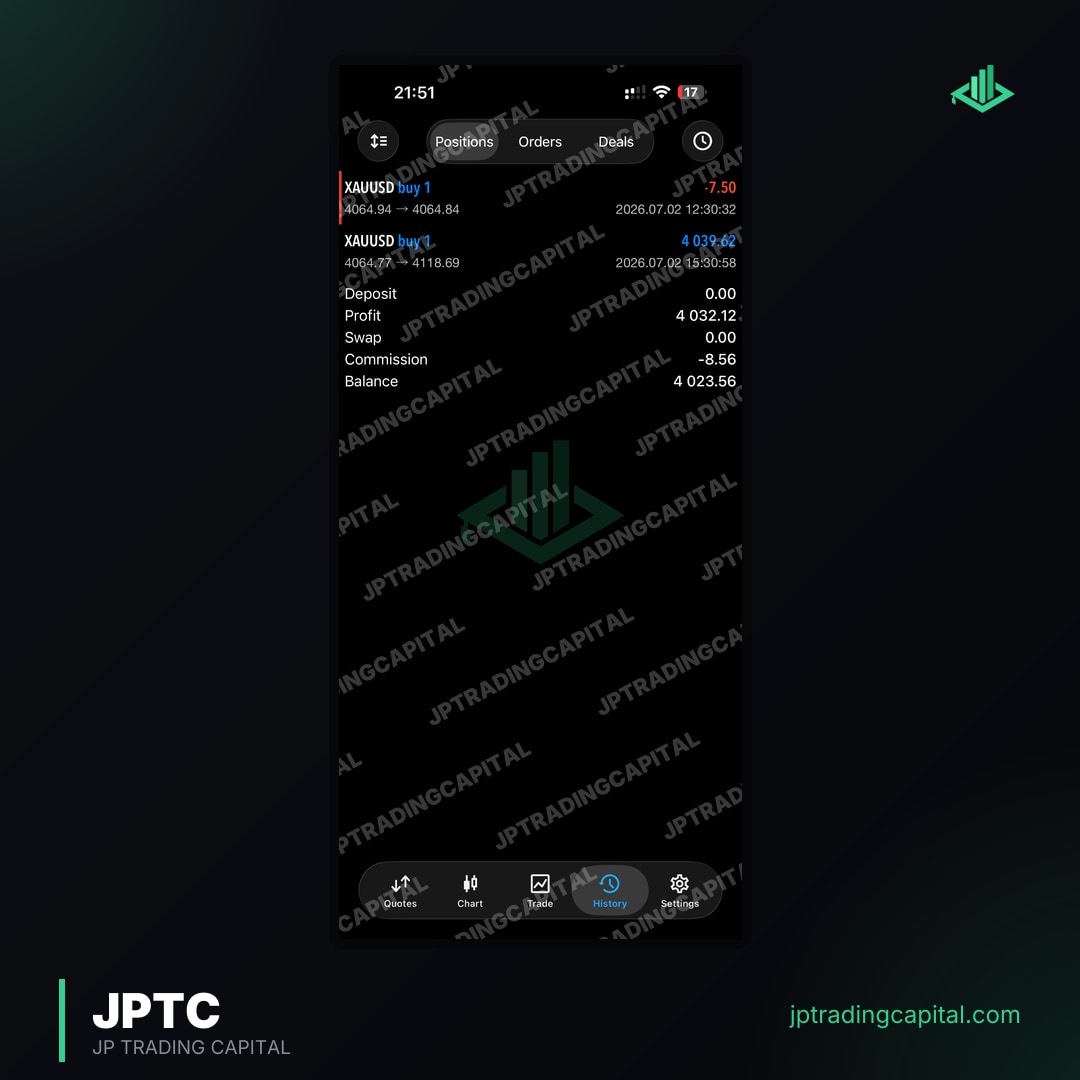
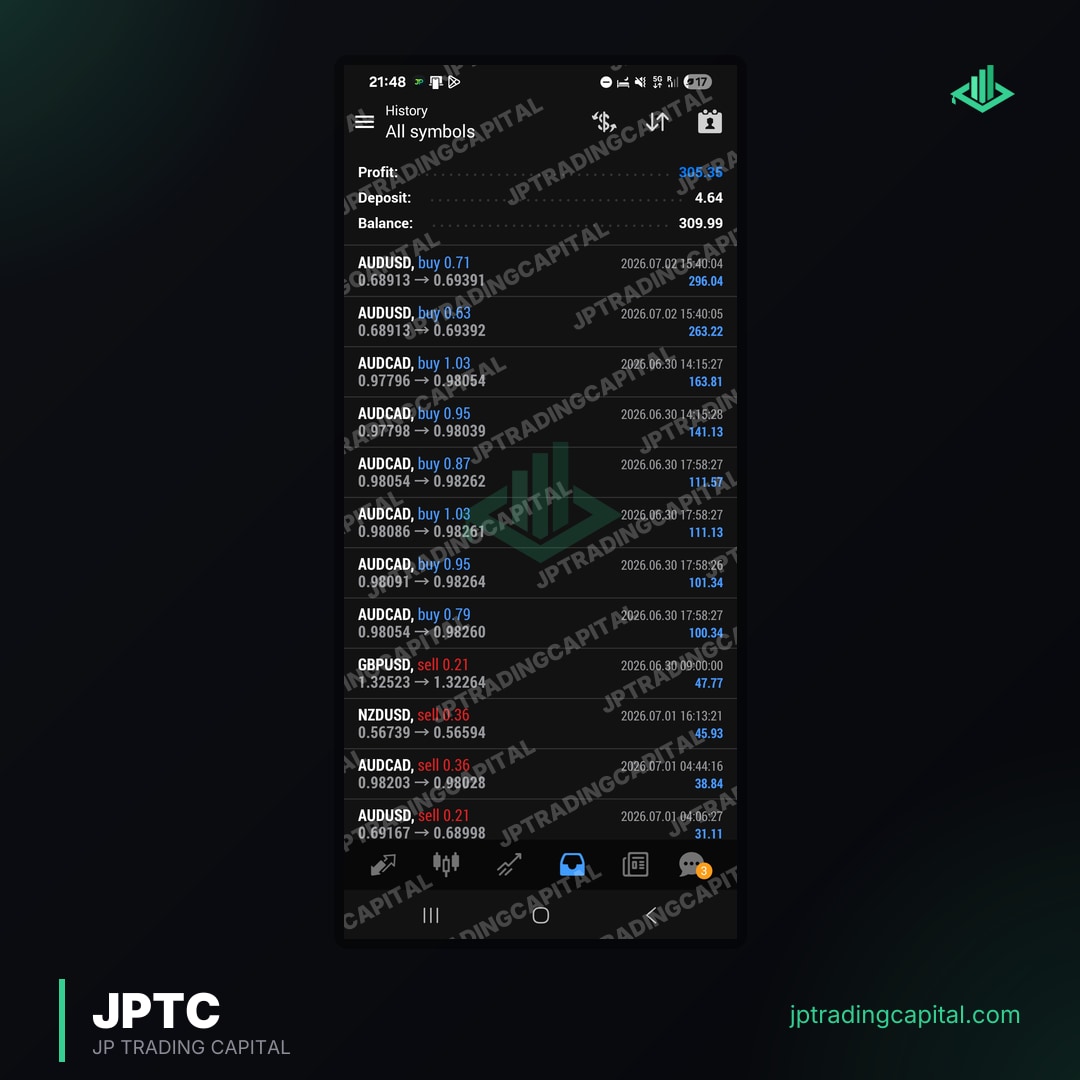
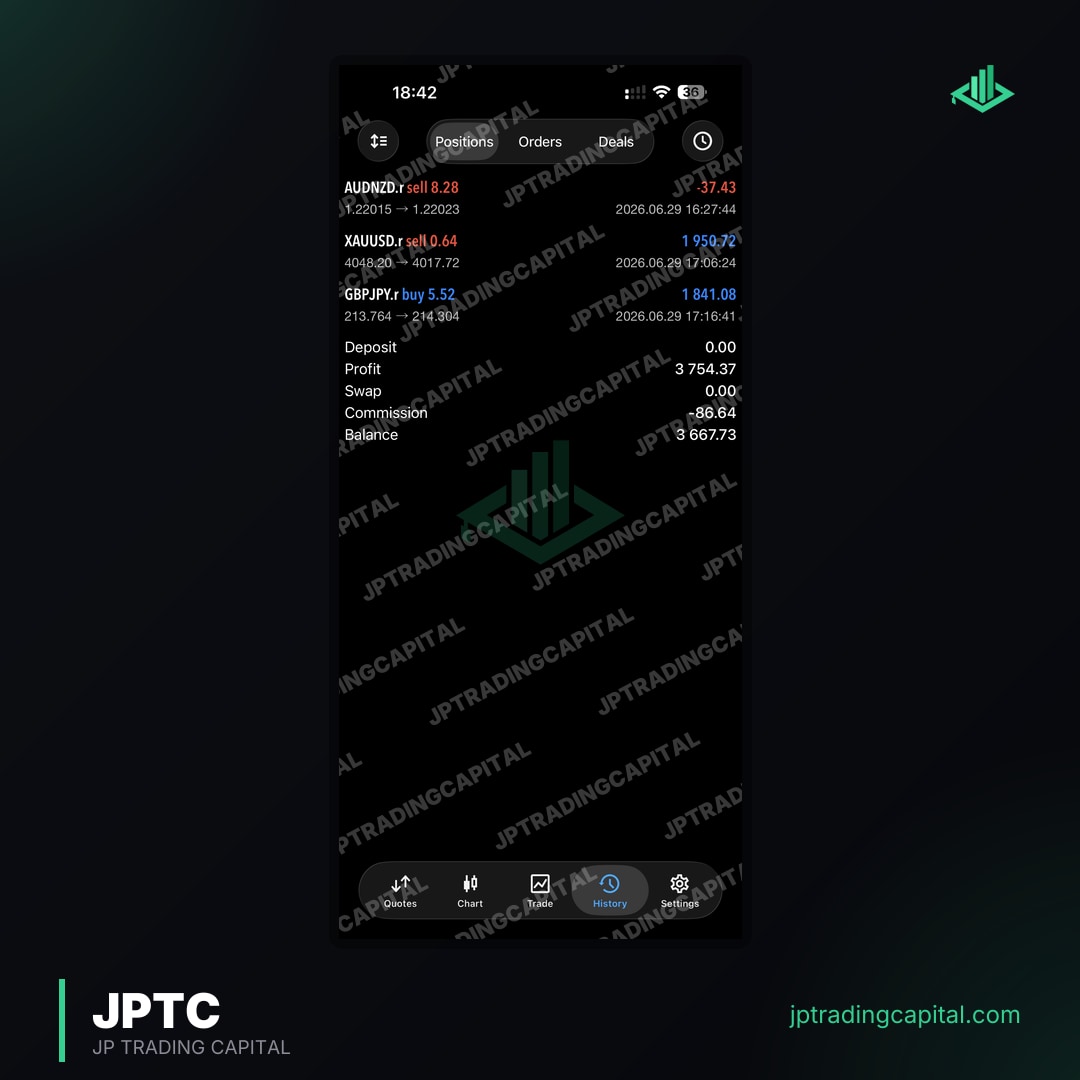
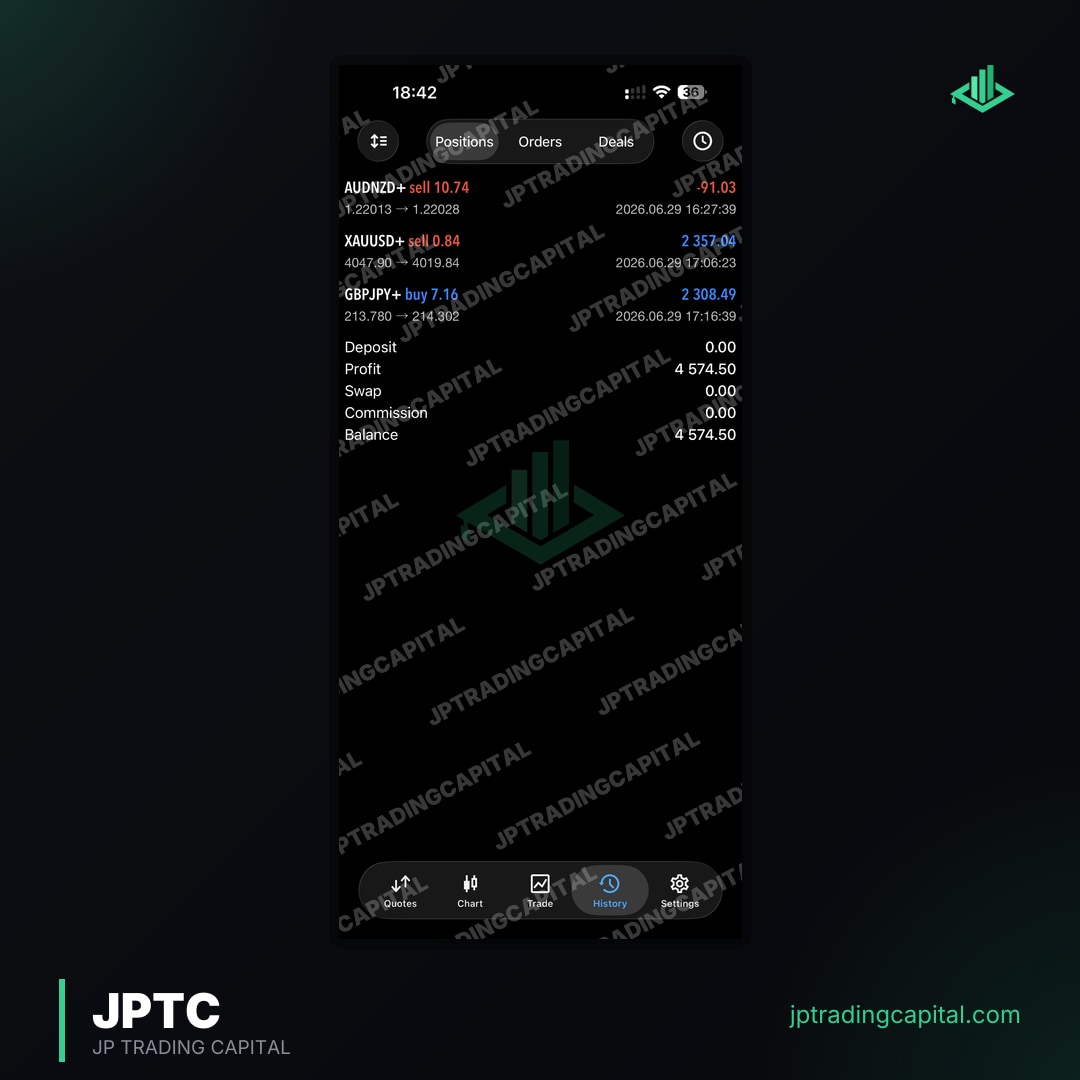
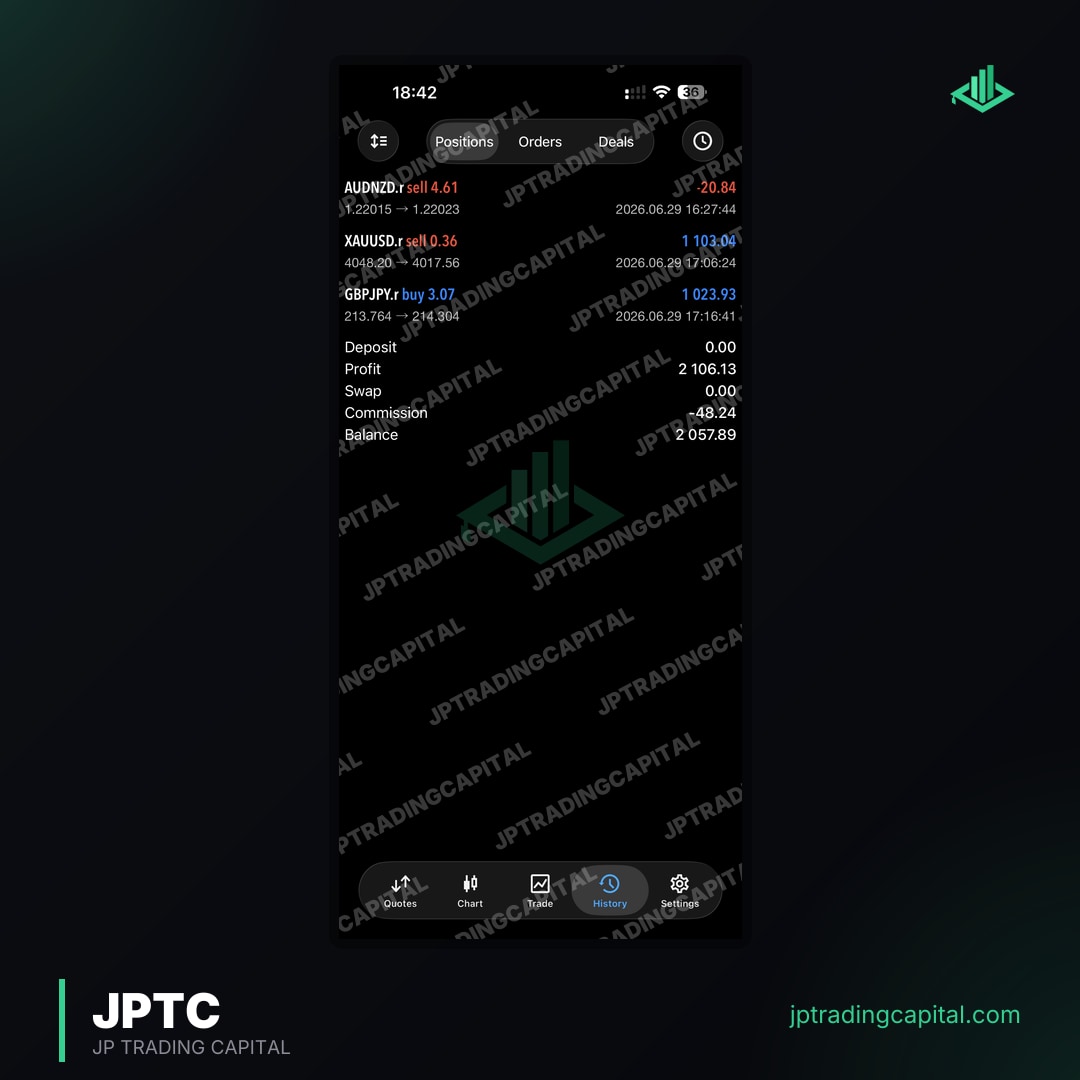
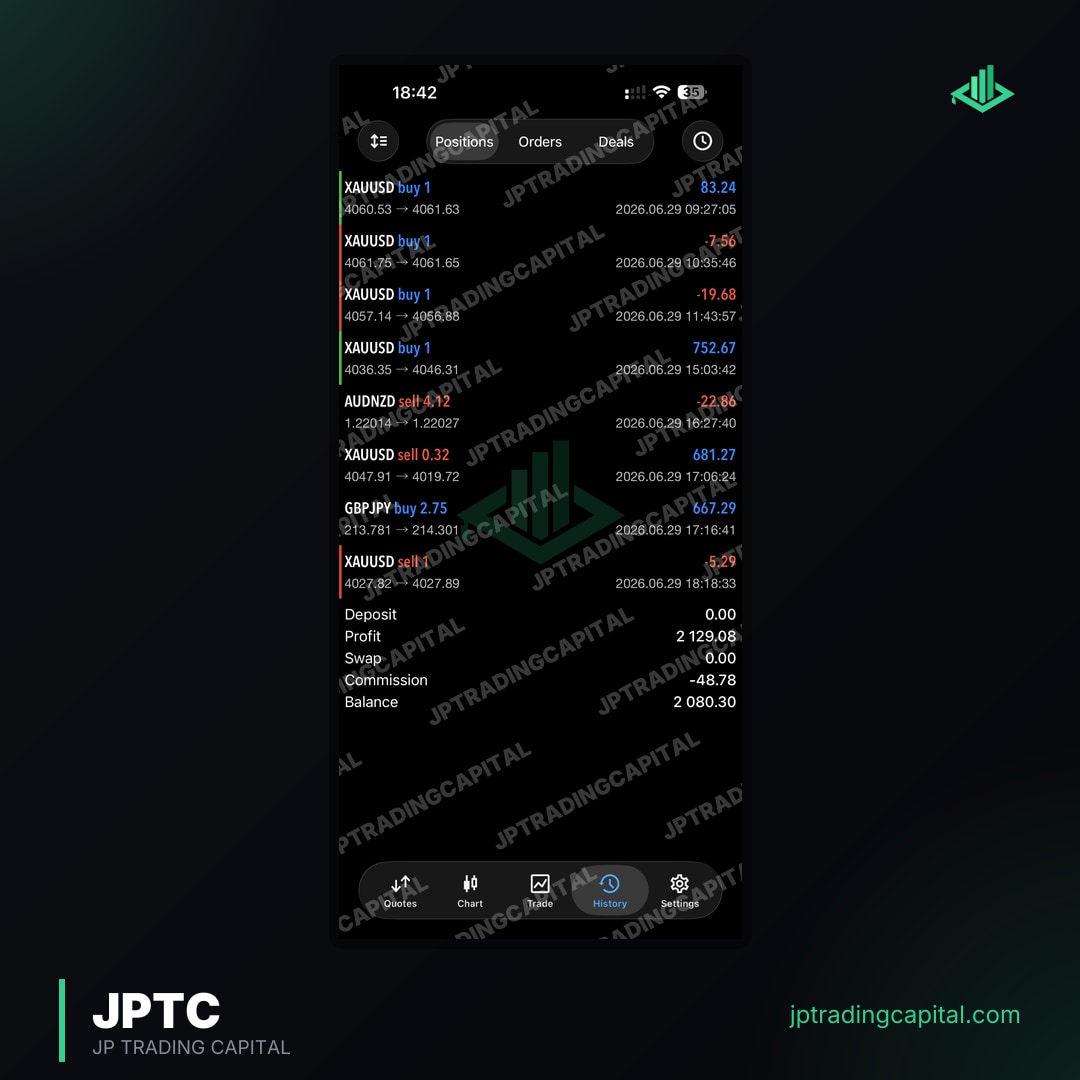
Adhering to Take Profit Trader's rules requires more than just knowing them; it demands strategic execution and consistent discipline. The JPTradingCapital team consistently advises traders to integrate robust risk management practices into every trade.
- Position Sizing: Always size your trades appropriately relative to your account balance and daily drawdown limit. A good rule of thumb is to risk a small percentage of your account per trade, typically 0.5% to 1%, to absorb potential losses without hitting your limits quickly.
- Stop-Loss Orders: Utilize hard stop-loss orders on every trade. This is non-negotiable for protecting capital and staying within drawdown limits. Understanding how drawdown is calculated can help you place these strategically.
- Profit Targets: Define clear profit targets and use take-profit orders. This helps in securing gains and contributes to consistent profitability, which is essential for the 50% consistency rule.
- Trade Journaling: Maintain a detailed trade journal. This helps you analyze your performance, identify patterns, and ensure you are meeting consistency requirements over time. It's an invaluable tool for self-correction.
- Automated Assistance: Consider using automated trading tools like the JPTC EA Hub. These tools can be configured to automatically adhere to daily drawdown, max loss, and consistency parameters, significantly reducing human error and emotional trading. Our guide on passing prop firm challenges with EAs offers further insights.
By integrating these strategies, traders can significantly increase their chances of long-term success with Take Profit Trader funded accounts, ensuring compliance and maximizing profit potential.
Frequently Asked Questions
What is the Take Profit Trader buffer zone?
Can I use Expert Advisors (EAs) with Take Profit Trader?
How often can I withdraw profits from Take Profit Trader?
What is the 50% consistency rule at Take Profit Trader?
What happens if I breach a Take Profit Trader funded account rule?
Related Articles
- Best Future Prop Firm: Complete 2026 Comparison for Traders & EA Developers · Read more →
- Best Futures Trading Indicators for ES, NQ & Micro Contracts · Read more →
- Best Futures Trading Prop Firms 2026: 5 Top Choices for Traders · Read more →
- Prop Firm Trading Minimum Account Size: What's the Cheapest Way to Get Funded in 2026? · Read more →
- Real Funded Trading Accounts: 7 Steps to Get Started in 2026 · Read more →
- FundedNext: Complete Guide to Prop Trading Challenges, Rules & Passing Strategies · Read more →
- Best FundedNext Discount Codes 2026: Up to 47% Off · Read more →
- FundedNext practice account 2026: Exact Rules & Benefits for Traders · Read more →
- Pass FTMO Challenge 2026: 7 Tested Steps (Full Guide) · Read more →
- Best FundedNext Challenge: A Trader's Guide · Read more →
The EA built for prop firm rules
Daily drawdown guard, hard max-loss stop, consistency-aware pacing and a news pause, on MT4 and MT5. One-time €797, no monthly fee. If you would rather not run the evaluation yourself, we run it for you.
See the EA Hub