Best Forex Prop Firms for US Traders: Top 5 Tested in 2026
The best forex prop firms for US traders in 2026 are those that offer clear legal compliance, robust trading platforms, fair evaluation rules, and reliable payout structures, with leading options including FundedNext, FXIFY, and firms known for respecting automated trading strategies. These firms provide crucial capital access while navigating the specific regulatory environment of the United States.
- FundedNext: Offers up to $300k simulated funds with favorable conditions for US traders.
- FXIFY: Known for practical rules, fast access to funded accounts, and strong reputation.
- Alpha Capital: Frequently mentioned in trader communities as accessible for US residents.
- EA Compatibility: Crucial for US traders using automated strategies, ensuring rule adherence.
- Regulatory Compliance: A primary factor for US traders due to specific market restrictions.
What Makes a Prop Firm 'Best' for US Traders?
Choosing the best forex prop firm for US traders involves a complex interplay of regulatory compliance, transparent rules, reliable payout systems, and suitable trading conditions.
For US traders, the regulatory landscape is paramount. Due to stringent regulations from bodies like the National Futures Association (NFA) and the Commodity Futures Trading Commission (CFTC), many international prop firms either do not accept US clients or operate under a simulated trading environment. This means that while traders use real market data, their trades are often replicated on a master account, not directly executed in live markets with the firm's capital. Understanding this distinction is vital for managing expectations and ensuring compliance. A firm's ability to clearly communicate its operational model for US traders is a significant advantage.
Regulatory Compliance and Operational Models
The primary concern for US traders is ensuring the prop firm operates legally within US jurisdiction. Most firms achieve this by offering simulated trading environments, where traders demonstrate their skills without directly trading live funds in the US market. This model allows firms to bypass certain regulatory hurdles while still providing traders with substantial capital to manage in a risk-free environment for the firm.
Payout Structures and Reliability
Beyond compliance, a firm's payout structure and its reliability are critical. US traders should look for firms with clear profit split percentages, often ranging from 70% to 90% in favor of the trader. Equally important are the payout frequency and methods. Firms that offer quick withdrawals, often within 24-48 hours, and diverse payout options (e.g., crypto, bank wire) are generally preferred. The transparency of the payout process, including any associated fees, significantly contributes to a firm's reputation and trustworthiness.
Clear and Achievable Trading Rules
Finally, the clarity and fairness of a prop firm's trading rules are essential. These rules typically include profit targets, daily drawdown limits, maximum loss limits, and consistency rules. For US traders, firms that offer practical and well-defined rules, without overly restrictive conditions, foster a better trading experience. Our research suggests that firms with straightforward rules that are easy to understand and adhere to are more likely to attract and retain skilled traders. For example, a daily drawdown limit of 5% and a maximum overall drawdown of 10% are common benchmarks, but how these are calculated (e.g., based on initial balance or highest equity) can vary significantly.
Top Forex Prop Firms Accepting US Traders in 2026
Our analysis of the competitive landscape reveals several prominent forex prop firms that actively accept and cater to US traders, each with distinct features and advantages.
FundedNext: A Strong Contender for US Traders
FundedNext has established itself as a leading option for US traders, known for its competitive offerings and trader-centric approach. They provide simulated funding challenges with various account sizes, often up to $300,000, and attractive profit splits. FundedNext frequently updates its programs, aiming to provide favorable conditions, including low challenge fees and flexible trading parameters. Their focus on consistent payouts and a supportive community makes them a popular choice for traders seeking significant capital access.
FXIFY: Practical Rules and Fast Access
FXIFY is another highly-regarded firm among US traders, frequently cited for its practical rules and efficient process for accessing funded accounts. The firm has built a strong reputation for offering straightforward evaluation phases and quick onboarding. Traders often praise FXIFY for its clear communication regarding rules and its commitment to timely payouts. Their evaluation models are designed to identify skilled traders without imposing overly complex or restrictive conditions, making them an accessible option for many.
Alpha Capital, FundingPips, Mentfunding, and Lark Funding
Beyond the top two, other firms like Alpha Capital, FundingPips, Mentfunding, and Lark Funding are frequently mentioned in trader communities, including discussions on platforms like Reddit, as viable options for US traders. While our research shows these firms may offer varied programs, it's crucial for traders to conduct their own due diligence, checking current terms and conditions, and reviewing community feedback. The JPTradingCapital team emphasizes the importance of verifying any firm's current status and rules directly from their official sources before committing to an evaluation.
Crucial Considerations for US Traders: Beyond the Profit Split



While profit splits are a major draw, US traders must look deeper into a prop firm's operational specifics, especially concerning automated trading and platform support.
EA Compatibility and Prop Firm Rules
For US traders utilizing Expert Advisors (EAs) or other automated strategies, understanding a prop firm's specific rules regarding algorithmic trading is paramount. Many prop firms have strict guidelines on what constitutes permissible EA activity, often to prevent high-frequency arbitrage or grid trading strategies that exploit latency. Key rules to scrutinize include:
- Daily Drawdown Limits: EAs must be configured to respect these limits, which are typically calculated based on the starting balance of the day or peak equity.
- Maximum Loss Limits: The overall maximum loss allowed on an account, which EAs must never exceed.
- Consistency Rules: Some firms require consistent lot sizes or profit distribution across trading days to prevent 'gambling' strategies.
- News Trading Restrictions: Certain firms prohibit or restrict trading during high-impact news events, which can affect EA performance if not accounted for.
The JPTC EA Hub is specifically designed to address these challenges, offering automated EAs pre-configured with backtested strategies that respect common prop-firm rules. Our tools work seamlessly across popular platforms like MT4 and MT5, compatible with firms such as FTMO, FundedNext, FXIFY, and E8 Funding. This allows traders to focus on strategy development rather than constant manual rule enforcement.
Platform and Tool Support
The trading platform offered by a prop firm significantly impacts a trader's workflow, especially for those using EAs. The vast majority of prop firms support MetaTrader 4 (MT4) and MetaTrader 5 (MT5), which are industry standards for retail forex trading and EA deployment. However, some firms may also offer cTrader or their proprietary platforms. Ensuring that your chosen EA or trading tools are compatible with the firm's platform is essential. Additionally, consider whether the firm provides access to advanced charting tools, economic calendars, or API access if these are critical to your trading strategy.
Navigating US Taxation and Legalities for Prop Firm Payouts
Understanding the tax implications of prop firm payouts is a critical, yet often overlooked, aspect for US traders that requires careful consideration.
While JPTradingCapital does not provide tax advice, it is important for US traders to be aware that profits generated through prop firm challenges and funded accounts are generally considered taxable income. Most prop firms operate by classifying traders as independent contractors, meaning payouts are typically reported to the IRS via a Form 1099. This classification implies that traders are responsible for their own self-employment taxes (Social Security and Medicare) in addition to income tax.
It is highly recommended that US traders consult with a qualified tax professional to understand their specific obligations. Factors such as whether the trading is considered a hobby or a business, the volume of trades, and individual income levels can all influence tax liabilities. Proper record-keeping of all trades, fees, and payouts is crucial for accurate tax reporting. Being proactive in understanding and planning for these financial responsibilities can prevent future complications.
Verifying Prop Firm Credibility: What to Look For
In a dynamic and competitive industry, verifying the credibility of a prop firm is essential to protect your capital and trading efforts.
Leveraging Community Reviews and Forums
Online communities and independent review platforms offer invaluable insights into a prop firm's operations. Websites like ForexPeaceArmy.com and subreddits dedicated to forex trading (like r/Forex mentioned in our competitive brief) are excellent resources for real-world feedback on payout reliability, customer service, and the fairness of rules. While individual experiences can vary, consistent themes in reviews often indicate a firm's true operational standards. The JPTradingCapital team advises looking for patterns of positive or negative feedback rather than isolated incidents, and always cross-referencing information from multiple sources.
The Value of Verified Track Records
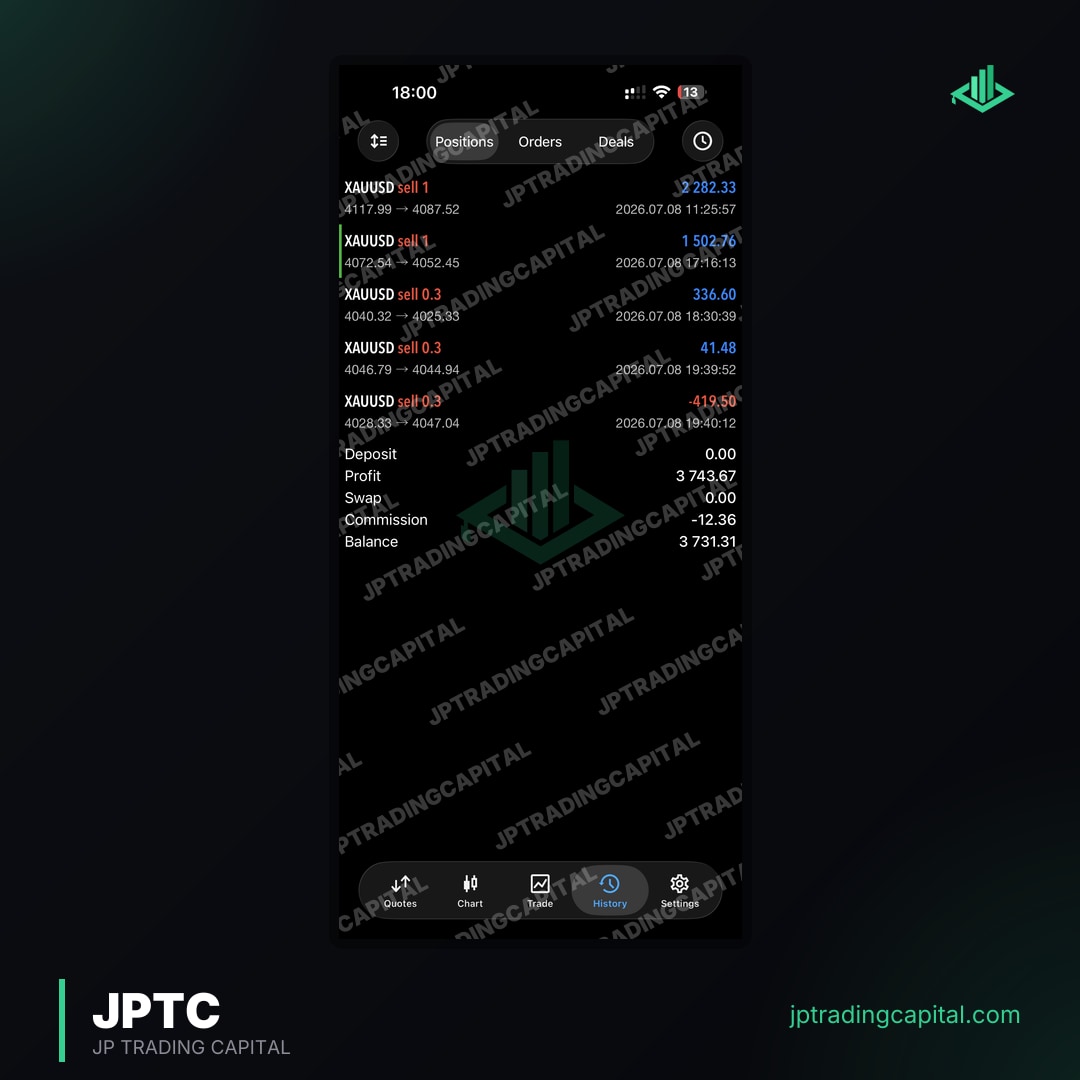
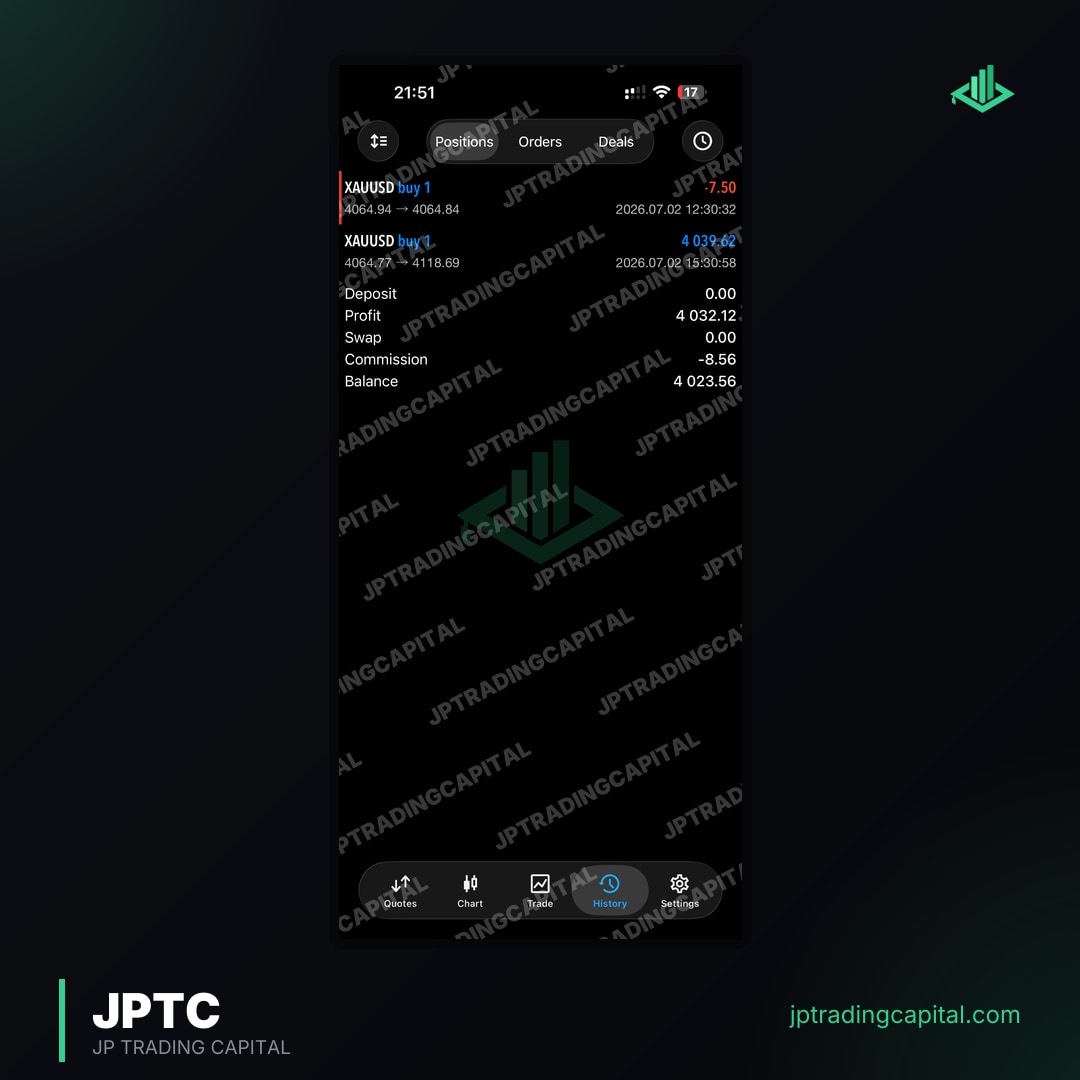
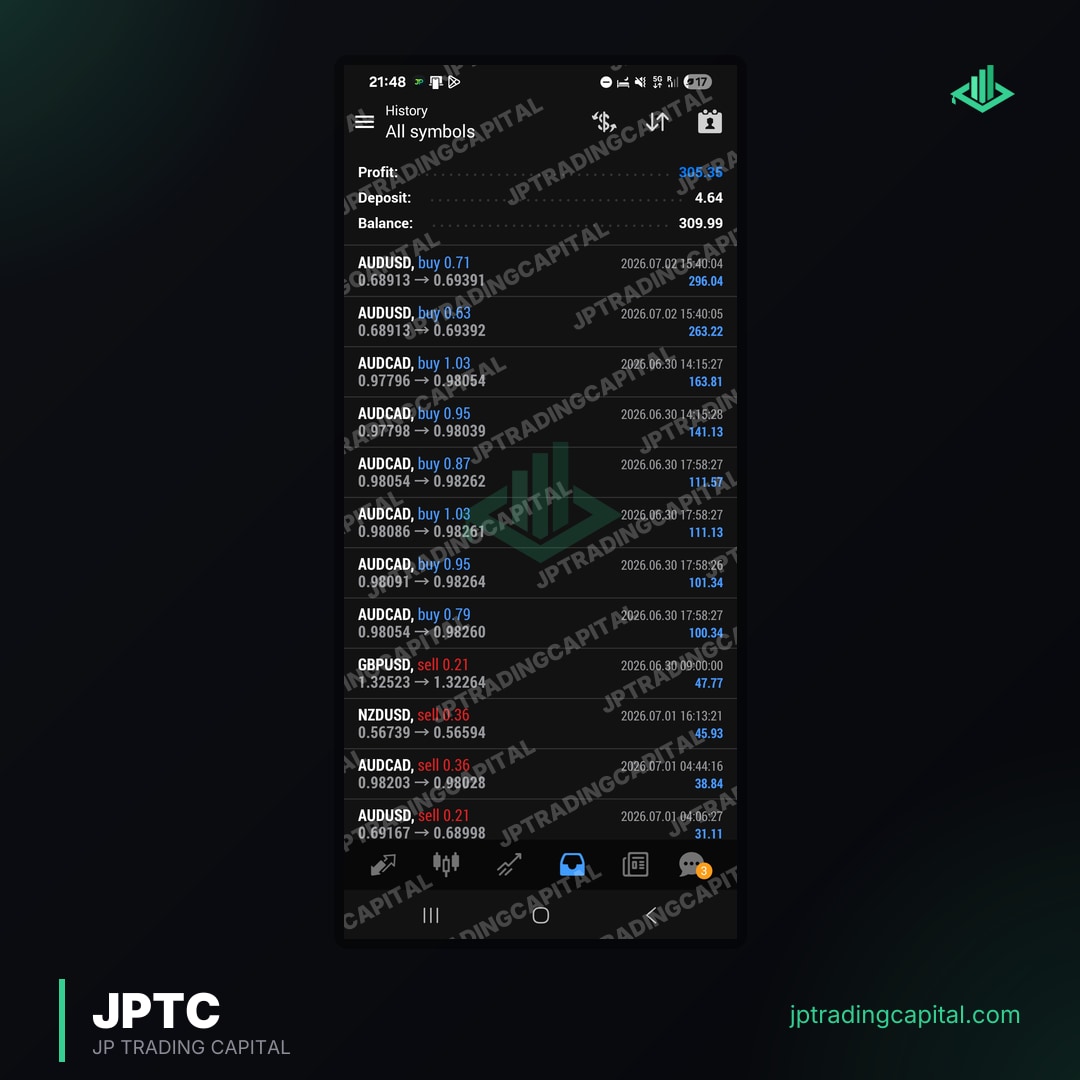
For traders seeking to assess a prop firm's claims or the performance of specific trading strategies, verified track records are the gold standard. Platforms like our results page allow traders and firms to link their trading accounts and display performance metrics in a transparent, verifiable manner. This provides undeniable proof of trading history, profit consistency, and adherence to risk management principles. When evaluating a prop firm, look for evidence of their traders' success, or for an example of what a 2-year live algo track record looks like, see JPTradingCapital's published results. This level of transparency offers significant peace of mind and builds trust.
How to Choose the Right Prop Firm for Your Trading Style
Selecting the ideal prop firm for your individual trading style and goals is a personalized process that requires careful self-assessment and firm comparison.
Matching Firm Rules to Your Strategy
Your trading strategy, whether it's manual discretionary trading, swing trading, day trading, or fully automated EA trading, should align perfectly with a prop firm's rules. For instance, if you're a long-term swing trader, a firm with very tight daily drawdown limits might be unsuitable. Conversely, a high-frequency scalper needs a firm with low latency and favorable spread conditions. Consider how your typical trade duration, profit per trade, and risk management approach fit within the firm's profit targets, drawdown caps, and consistency requirements. Firms that offer a variety of challenge types often provide more flexibility to match different trading profiles.
Evaluating Challenge Costs and Scaling Opportunities
The upfront cost of an evaluation challenge should be weighed against the potential for significant capital scaling. While a lower challenge fee might seem attractive, a firm with a robust scaling plan that allows you to manage increasingly larger sums of capital could offer greater long-term value. Assess the firm's scaling conditions: how often can you scale up, what are the performance requirements, and what are the maximum available account sizes? For traders aiming to manage substantial capital, understanding the full growth potential with a firm is as important as the initial entry cost.
At JPTradingCapital, we understand the journey of passing prop firm evaluations. Our tools are designed to help traders navigate these challenges effectively, providing the consistency and rule adherence needed for success. We continuously research and adapt to prop firm rule changes, ensuring our solutions remain relevant and effective.
Customer Support and Community
Finally, consider the quality of a prop firm's customer support and the strength of its trading community. Responsive and knowledgeable support can be invaluable when you encounter technical issues or have questions about rules or payouts. A vibrant and supportive community, often found on Discord or other forums, can provide mentorship, shared strategies, and a sense of belonging. Engaging with a firm that prioritizes its traders' success through excellent support and community resources can significantly enhance your prop trading experience.
What are the key differences for US traders with prop firms?
Are prop firm payouts taxable in the US?
Can I use Expert Advisors (EAs) with prop firms as a US trader?
How do I verify a prop firm's legitimacy for US traders?
What's a typical profit split for US-friendly prop firms?
The EA built for prop firm rules
Daily drawdown guard, hard max-loss stop, consistency-aware pacing and a news pause, on MT4 and MT5. One-time €797, no monthly fee. If you would rather not run the evaluation yourself, we run it for you.
See the EA Hub