Finding the Best Prop Firm Without Rules in 2026: 3 Key Angles

Finding the best prop firm without rules typically means identifying firms that offer significant flexibility and fewer trading restrictions compared to industry standards, rather than an absolute absence of all guidelines. While no legitimate prop firm operates without any risk management parameters, some provide greater freedom regarding trading styles, news trading, or consistency rules, catering to experienced traders seeking minimal interference.
- Absolute 'no rules' prop firms are a myth due to essential risk management.
- Traders often seek firms with flexible rules on news trading, consistency, or holding periods.
- 'No challenge' firms still impose rules post-funding, often related to drawdown.
- Automation tools can help adhere to core risk rules, even with fewer restrictions.
The Myth of "No Rules" Prop Firms: Understanding Reality
While the idea of a prop firm without rules is appealing, the reality is that no legitimate proprietary trading firm can operate without some form of risk management. Proprietary trading involves a firm investing its own capital, or capital it manages, into the markets. To protect this capital, Investopedia defines proprietary trading as requiring strict risk protocols. This means firms always implement guidelines to prevent excessive losses and ensure the longevity of their trading capital.
What traders often mean by seeking a "no rules" prop firm is a desire for fewer or less stringent restrictions on their trading style. Common rules that can frustrate traders include:
- Consistency Rules: Requiring similar trade sizes or profit distribution across trading days.
- News Trading Restrictions: Prohibiting opening or closing trades during high-impact news events.
- Weekend Holding: Not allowing positions to be held over the weekend.
- Lot Size Limits: Capping the maximum lot size per trade, sometimes irrespective of account equity.
- Specific Instrument Restrictions: Limiting trading to certain pairs or asset classes.
The competitive brief shows traders, especially on platforms like Reddit, express frustration with rules they perceive as "money grabs." Our research indicates these frustrations stem from rules that seem to hinder successful strategies rather than promote sound risk management. For instance, a firm like FTMO, while offering a clear path to funding, outlines general rules that include maximum daily loss and overall drawdown, which are fundamental to risk control. However, they also detail rules around consistency and news trading that some find restrictive.
One angle often missed by competitors is the crucial distinction between a "no challenge" prop firm and a "no rules" prop firm. While firms like Goat Funded Trader advertise "no challenge" options, this typically means bypassing an evaluation phase. It does not imply an absence of rules once funded. These firms will still have stringent drawdown limits, profit targets for scaling, and often other operational guidelines to protect their capital. A trader seeking a best prop firm without rules must understand this nuance: bypassing a challenge doesn't equate to unregulated trading.
What to Look For in a Prop Firm with Fewer Restrictions in 2026
When searching for a prop firm that offers greater trading freedom, focus on specific rule sets rather than a blanket "no rules" expectation. The JPTradingCapital team advises traders to scrutinize a firm's policies regarding the most common restrictions that impact their specific strategy. In 2026, several prop trading firms differentiate themselves by offering more flexible environments.
Consider firms that explicitly state they allow:
- News Trading: For strategies that capitalize on volatility around economic announcements.
- Weekend Holding: Essential for swing traders or those using longer-term strategies.
- No Consistency Rule: Allowing traders to scale positions based on market conditions rather than arbitrary daily averages.
- Flexible Lot Sizing: Granting traders more control over their position sizing, provided it adheres to overall drawdown limits.
A key angle often overlooked is the trade-off for fewer rules. Prop firms offering significant flexibility might impose higher fees, require larger initial capital, or offer smaller profit splits initially. For example, some firms might offer "instant funding" but with a higher upfront cost or a more aggressive daily drawdown limit than a firm with a multi-phase evaluation. It's a balance between freedom and the cost/risk associated with it.
Another factor to consider is the platform support. Most prop firms operate on MetaTrader 4 or MetaTrader 5. The flexibility of the platform itself can contribute to a feeling of "fewer rules" if it allows for advanced order types or custom indicators that support a trader's unique strategy. Our JPTC EA Hub, for instance, is designed for MT4/MT5 and helps traders manage risk within prop firm guidelines, even those with more flexible rules, by automating adherence to drawdown caps and max loss limits. This allows traders to focus on strategy while the EA handles compliance.
Evaluating "No Challenge" Prop Firms: A Closer Look
The term "no challenge prop firms" has gained significant traction, promising instant access to funded accounts without the often-rigorous evaluation phases. While appealing, it's crucial to understand that "no challenge" does not equate to a prop firm without rules. These firms simply structure their funding differently, often replacing the traditional challenge with a direct funding model or a simplified one-step evaluation.
Firms like Goat Funded Trader, as mentioned in the competitive brief, are examples of those promoting "no challenge" options. These models often involve:
- Direct Funding: Traders pay a fee and are immediately funded, subject to specific, ongoing trading rules.
- One-Step Evaluations: A single phase combining profit targets and drawdown limits, often less restrictive than two-phase models.
- Simulated Trading with Instant Capital: Some models fund a simulated account instantly, with real capital allocated upon consistent profitability.
Even with "no challenge" funding, firms like FundedNext or Apex Trader Funding, while offering distinct models, still maintain clear rules regarding maximum daily loss, overall drawdown, and often minimum trading days. For instance, FundedNext outlines its various models with specific objectives and rules that traders must respect, regardless of whether it's a 1-step, 2-step, or Stellar challenge. The absence of an evaluation phase shifts the focus to ongoing performance under specific risk parameters rather than removing rules entirely.
The JPTradingCapital team emphasizes that traders should meticulously review the terms and conditions of any "no challenge" firm. Pay close attention to:
- Scaling Plans: How quickly and under what conditions can your capital increase?
- Payout Structure: What are the profit splits and payout frequencies?
- Hidden Fees: Are there monthly fees, inactivity fees, or platform fees once funded?
- Withdrawal Process: How easy and reliable are withdrawals?
Key Factors Beyond Rules: What Truly Matters for Traders
While seeking the best prop firm without rules is a common goal, successful prop trading involves much more than just minimal restrictions. A holistic approach to evaluating a prop firm considers several critical factors that impact a trader's long-term success and profitability.
- Profit Splits and Scaling: A generous profit split (e.g., 80/20 or 90/10 in favor of the trader) combined with a clear, achievable scaling plan is vital. How quickly can you grow your account?
- Available Instruments: Does the firm offer the assets you specialize in (Forex, indices, commodities, crypto)?
- Trading Platform: Reliability and familiarity with the platform (MT4/MT5) are crucial for execution.
- Customer Support: Responsive and knowledgeable support can be invaluable when issues arise.
- Payout Speed and Reliability: Fast and consistent payouts build trust and ensure you receive your earnings promptly.
- Credibility and Reputation: Research the firm's track record, read reviews, and look for transparency. A firm's longevity and public presence often speak volumes.
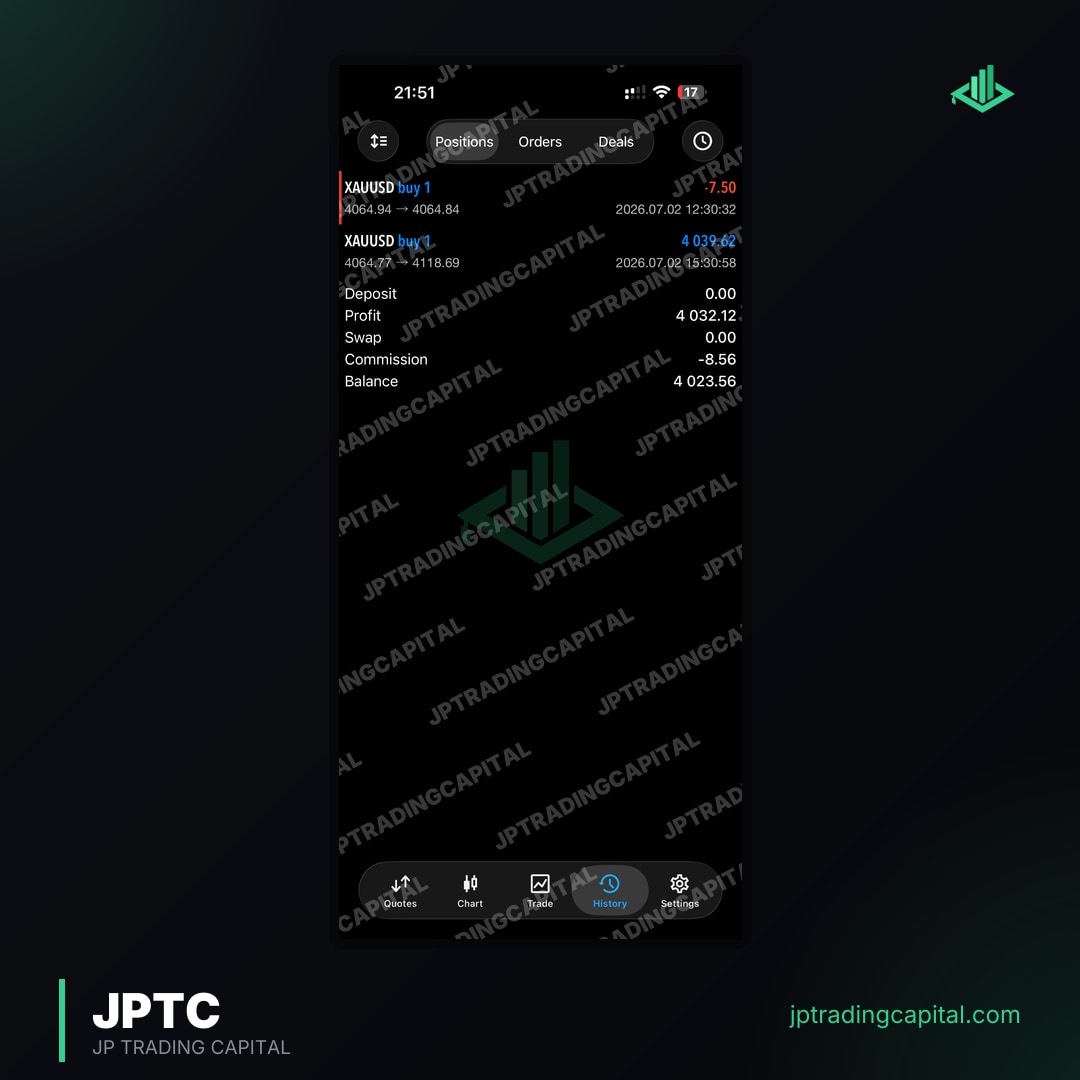
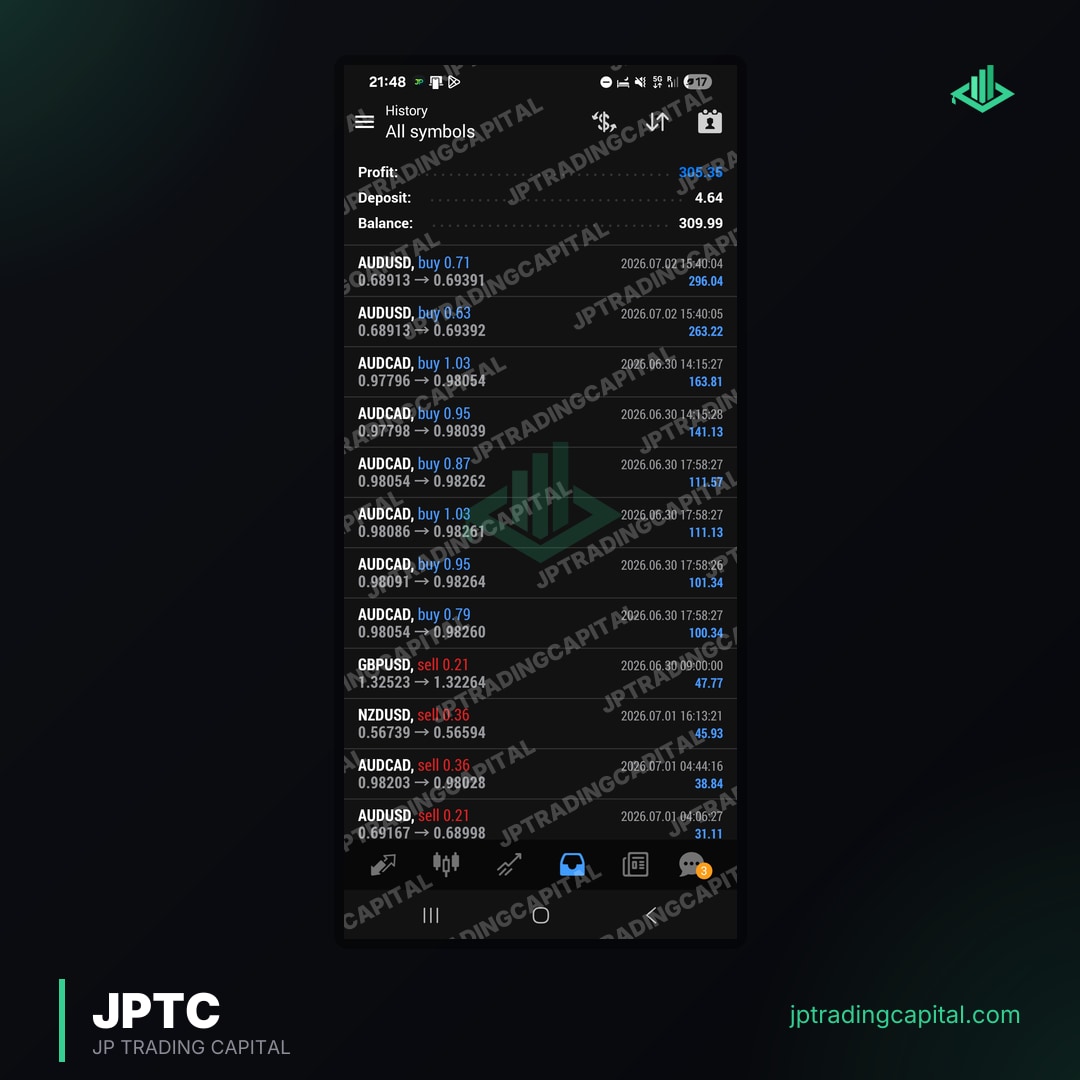
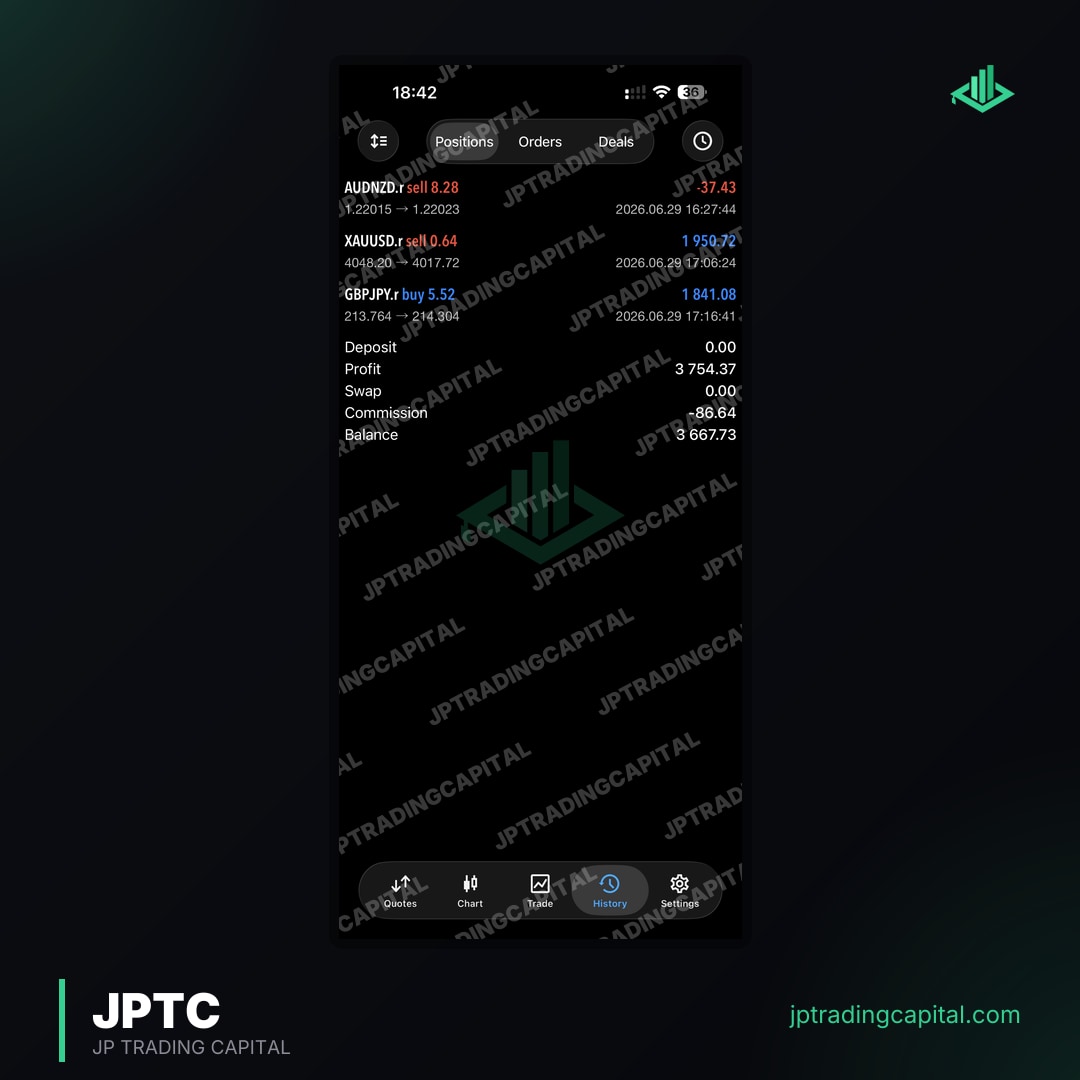
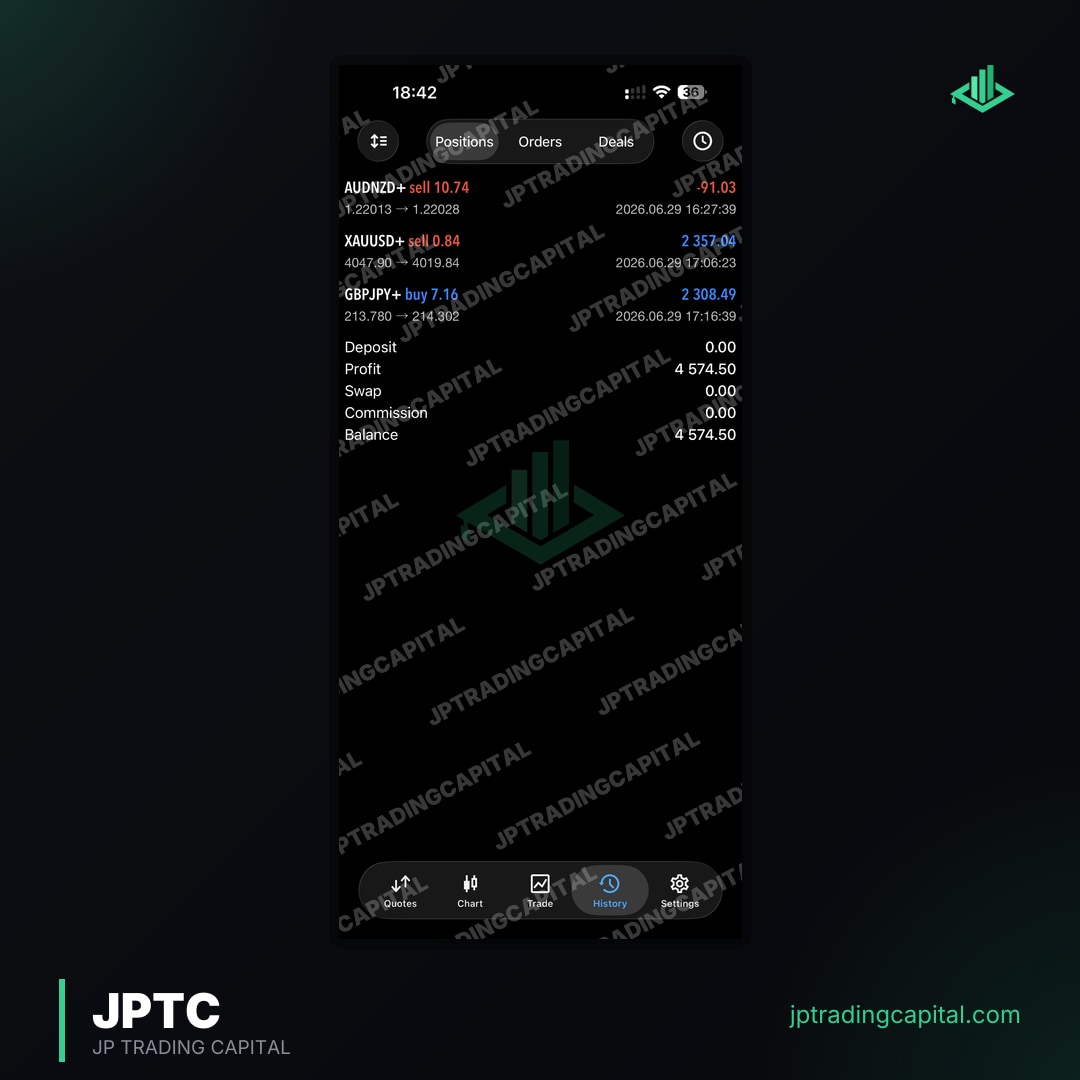
For traders employing automated strategies, verifiable track records are paramount. Our research shows that firms with a strong reputation for clear rules and reliable payouts, even if they have more rules, often provide a more stable environment. For an example of what a 2-year live algo track record looks like, see JPTradingCapital's published results. This level of transparency is what traders should seek when evaluating any prop firm's claims. You can also explore various verified results from strategies designed to navigate prop firm challenges successfully.
Navigating Prop Firm Rules with Automated Trading (JPTC's Approach)
Even when a prop firm offers significant flexibility, managing risk and maintaining consistency remains paramount for long-term success. This is where automated trading solutions, like those offered by JPTradingCapital, provide a distinct advantage. Our flagship product, the JPTC EA Hub, is an automated trading software pre-configured with backtested strategies specifically designed to respect common prop-firm rules, including daily drawdown caps, max loss limits, and consistency requirements.
A critical angle often overlooked is how technology can grant traders a form of "freedom" by automating rule adherence. Instead of constantly monitoring their trades to ensure compliance with a firm's guidelines, traders can deploy an EA that inherently understands and respects these parameters. This allows traders to focus on strategy development and refinement, rather than the tedious and error-prone task of manual rule enforcement. The JPTC EA Hub works seamlessly across popular platforms like MT4 and MT5 and is compatible with leading prop firms such as FTMO, FundedNext, FXify, TopStep, The5ers, and E8 Funding.
Even if you find a prop firm without rules that are overly restrictive, smart risk management is still your responsibility. Our EAs are built to enforce discipline, ensuring that even in a flexible environment, your capital is protected and your trading remains sustainable. This approach helps traders not only to pass evaluations but also to manage funded accounts effectively. Learn more about how our EAs help traders pass prop firm challenges by consistently adhering to rules.
What does "no rules" mean for a prop firm?
Are there truly prop firms with no trading restrictions?
What is the difference between "no challenge" and "no rules"?
How can automated trading help with prop firm rules?
What factors should I consider beyond rules when choosing a prop firm?
Related Articles
- Apex Trader Funding vs TopStep: Which Futures Prop Firm Is Best in 2026? · Read more →
- Best Free MT5 Expert Advisors: Pass Prop Firms [2026] · Read more →
- How to Choose the Right Prop Firm in 2026: Complete Selection Guide · Read more →
- Best Prop Firm EA MT4 in 2026: 7 Keys to Pass Challenges · Read more →
- Discord Trading Communities: Why Serious Traders Use Them · Read more →
- Can a Trading Bot Pass Gold EA Prop Firm Challenges? · Read more →
- Best MT4 Expert Advisor for Prop Firms: 7 Key Strategies (2026) · Read more →
- MT4 vs MT5 for Prop Firm Trading: Which Platform to Choose? · Read more →
The EA built for prop firm rules
Daily drawdown guard, hard max-loss stop, consistency-aware pacing and a news pause, on MT4 and MT5. One-time €797, no monthly fee. If you would rather not run the evaluation yourself, we run it for you.
See the EA Hub