Best Retail Traders in 2026: Strategies for Prop Firm Success
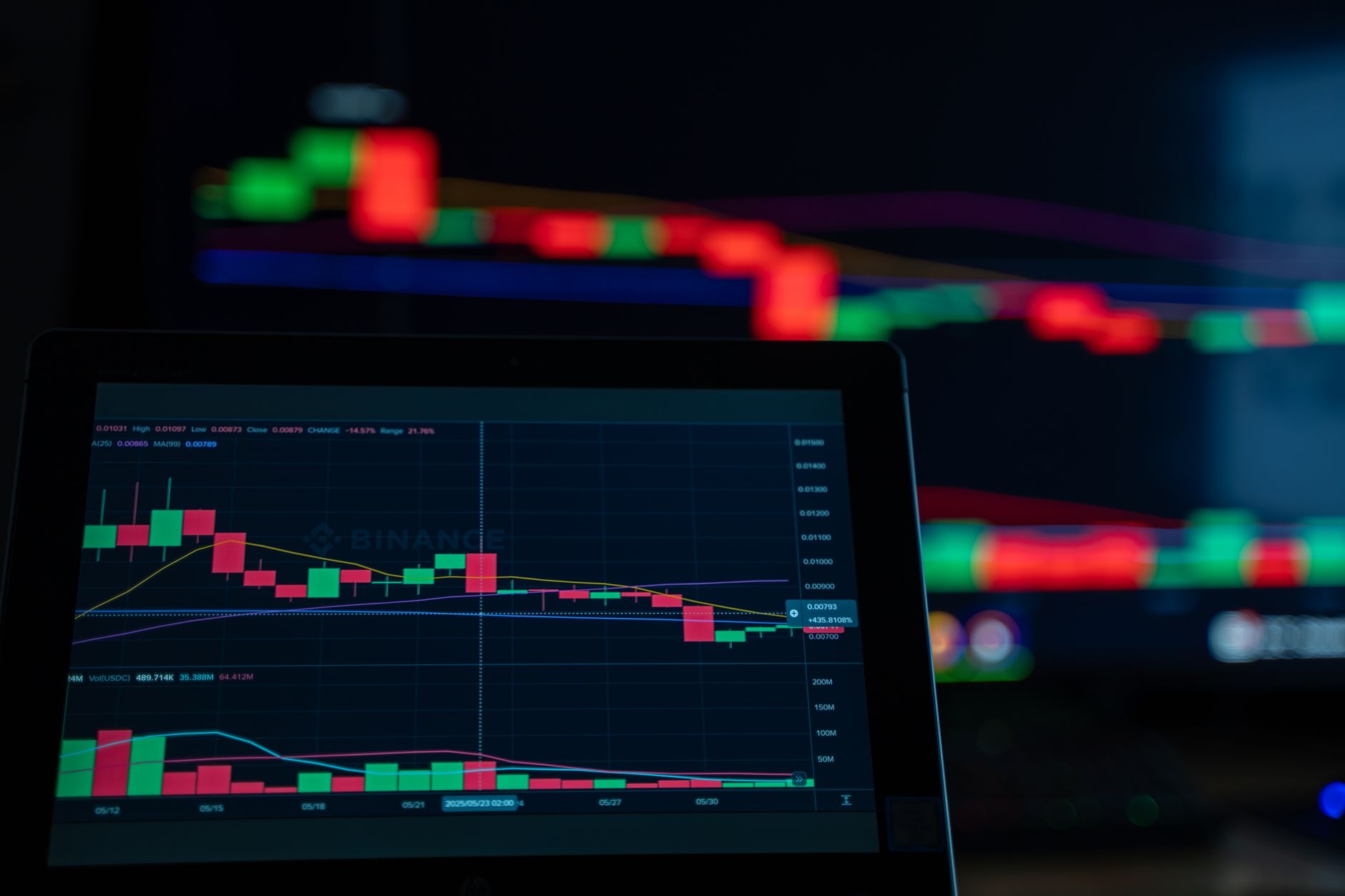
The best retail traders in the world are distinguished by their unwavering discipline, sophisticated risk management, and an adaptive approach to market conditions, often leveraging technology and structured funding opportunities like prop firms to scale their operations.
- Top retail traders prioritize consistent, risk-adjusted returns over high-risk, sporadic wins.
- Success often stems from disciplined execution of a well-defined trading plan.
- Proprietary trading firms provide capital, enabling retail traders to operate with larger account sizes.
- Automated trading systems (EAs) help enforce discipline and manage risk according to strict rules.
- Continuous learning and adaptability to market changes are crucial for long-term profitability.
What Defines the Best Retail Traders in the World?
The best retail traders in the world are defined not by flashy wins, but by their consistent profitability, robust risk management, and psychological resilience in dynamic markets.
While stories of legendary traders like George Soros or Jesse Livermore often dominate discussions, the landscape for retail traders has evolved significantly. Today, success is less about outsmarting the entire market and more about executing a proven edge with unwavering discipline. Our research indicates that the core traits of top-tier retail traders include:
-
Ironclad Discipline: Adhering strictly to a trading plan, even when emotions suggest otherwise. This means respecting stop-losses, taking profits at predefined levels, and avoiding impulsive decisions.
-
Superior Risk Management: Understanding and implementing strategies to protect capital. This involves calculating position sizes based on account equity and clearly defined risk per trade, ensuring that no single loss can significantly impair the trading account. For prop firm traders, this also means meticulously respecting daily drawdown caps and maximum loss limits set by firms like FTMO or FundedNext.
-
Adaptability: Markets are constantly changing, and successful traders must evolve their strategies. This doesn't mean chasing every new trend, but rather understanding when their existing edge might be diminishing and being prepared to refine or adjust their approach.
-
Continuous Learning: The financial markets offer an endless educational journey. The best traders are perpetual students, analyzing their performance, studying market mechanics, and refining their understanding of economic indicators and technical patterns.
-
Consistency Over Spectacle: True success in trading comes from consistent, repeatable profits, not from a few massive wins that might be followed by significant losses. This emphasis on consistency is particularly vital for passing prop firm evaluations and maintaining a funded account.
Iconic Traders and Their Lessons for Retail Success
Lessons from iconic traders, while often derived from institutional or large-scale operations, offer foundational principles that remain highly relevant for aspiring retail traders seeking to become the best retail traders in the world.
While many famous traders operated with immense capital or within institutional frameworks, their core philosophies provide invaluable insights. For instance:
George Soros: Macro Understanding and Reflexivity
Known for his "reflexivity" theory and large-scale macroeconomic trades, Soros demonstrated the power of understanding global economic trends. For retail traders, this translates to paying attention to the broader market context, rather than just isolated charts. While most retail traders won't move markets, understanding prevailing sentiment and significant economic data can inform better entry and exit points.
Jesse Livermore: Market Timing and Capital Preservation
Often considered one of the greatest stock traders, Livermore's emphasis on waiting for confirmation, cutting losses quickly, and preserving capital are timeless. His experiences underscore the psychological challenges of trading and the importance of a systematic approach to risk. Retail traders can learn from his meticulous observation of price action and volume to identify opportune moments, rather than trading impulsively.
Paul Tudor Jones: Risk Management and Capital Protection
Paul Tudor Jones is renowned for his extraordinary risk management, always emphasizing capital preservation above all else. He famously stated, 'Don't ever average losers.' This principle is paramount for retail traders, especially those managing prop firm accounts where strict daily drawdown and maximum loss rules are in place. His approach reinforces that controlling downside risk is the most critical element of long-term survival and success.
The Rise of Prop Firms and the Modern Retail Trader
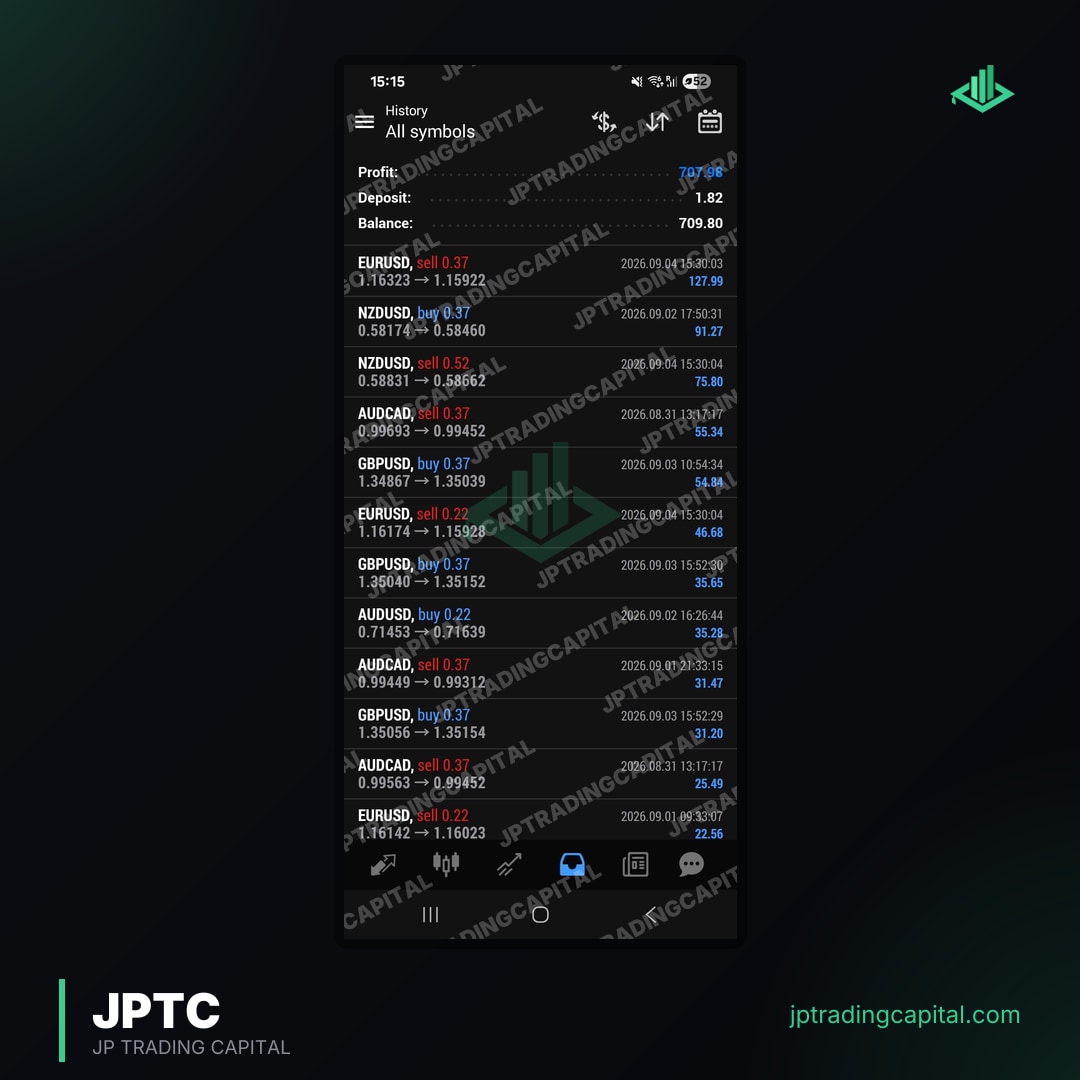
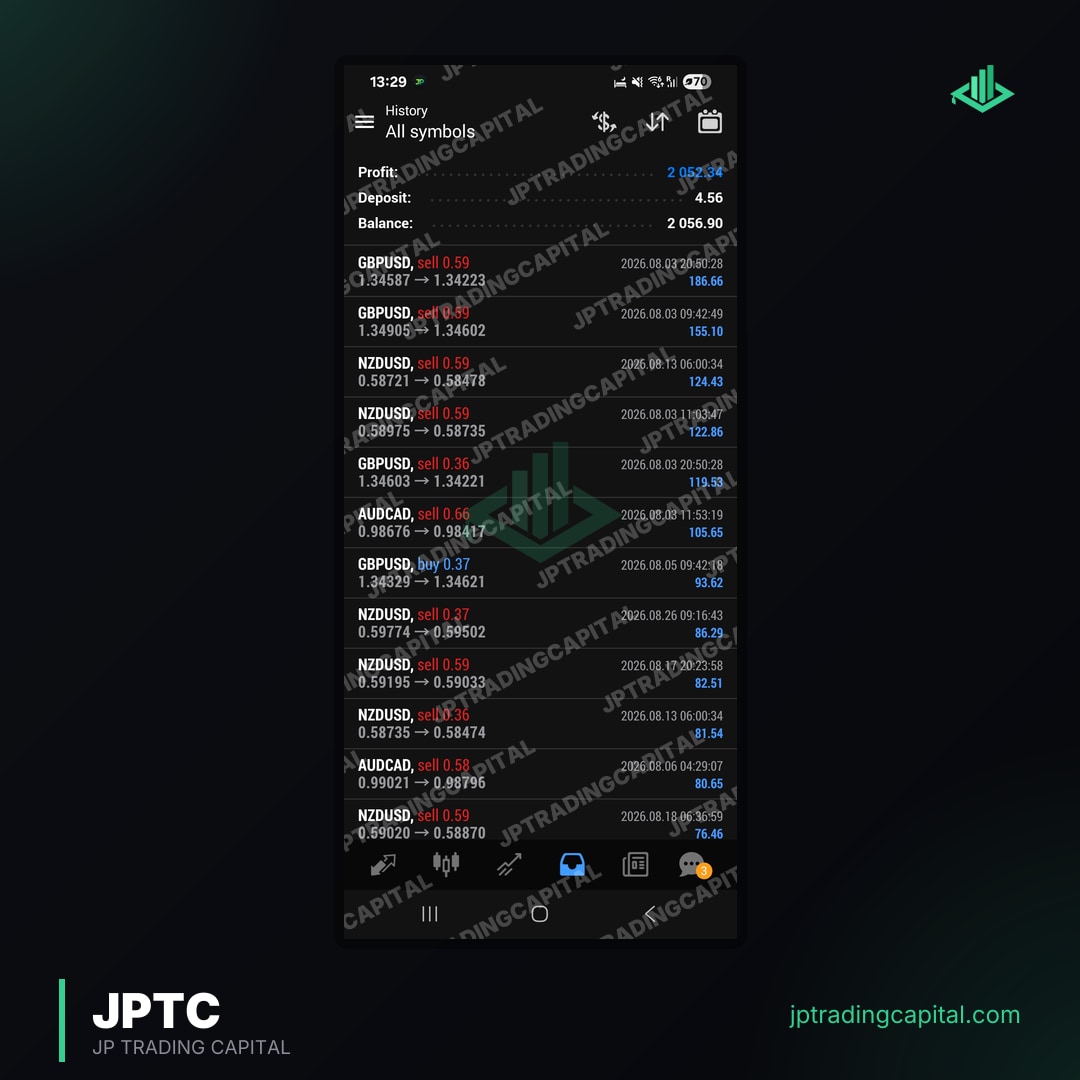
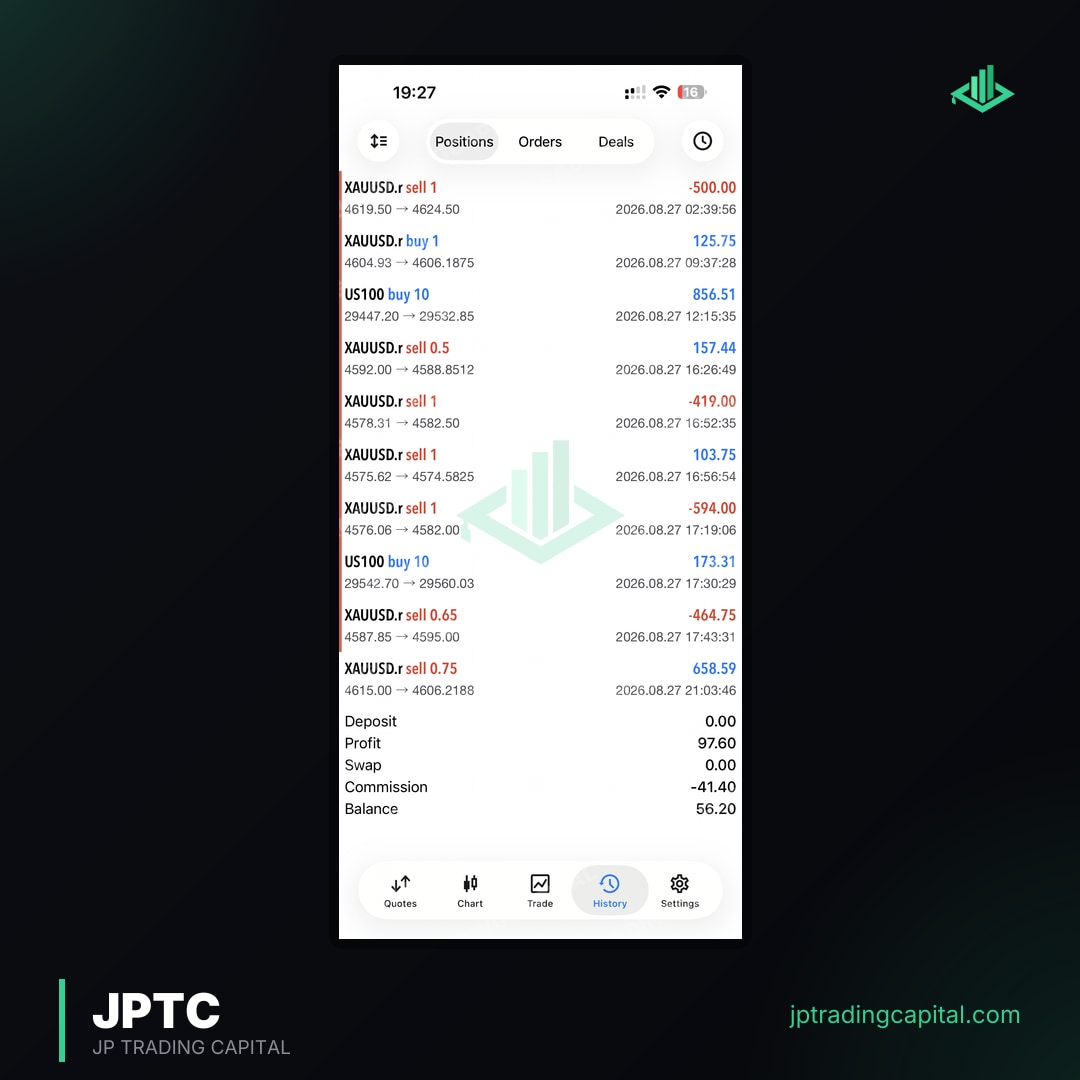
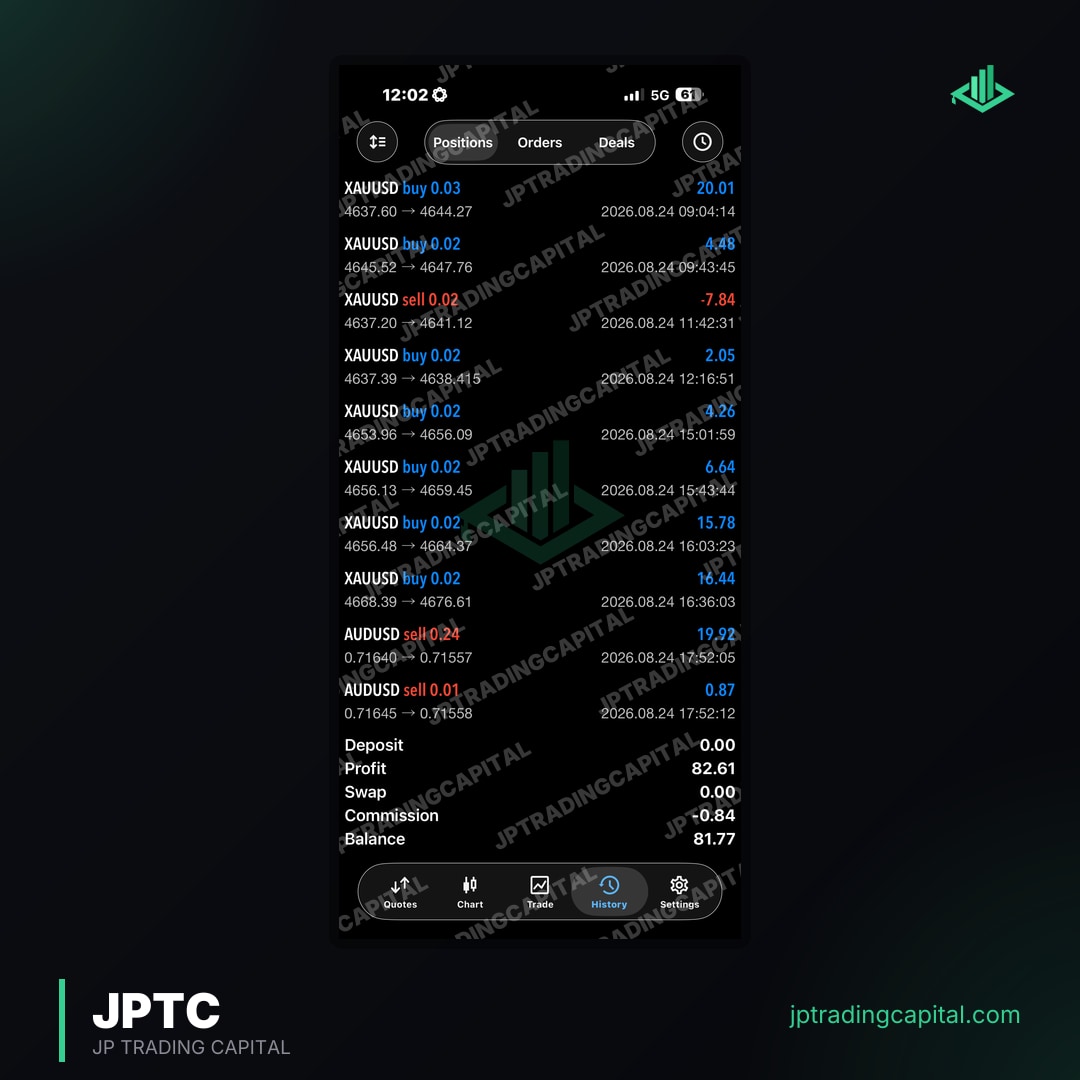
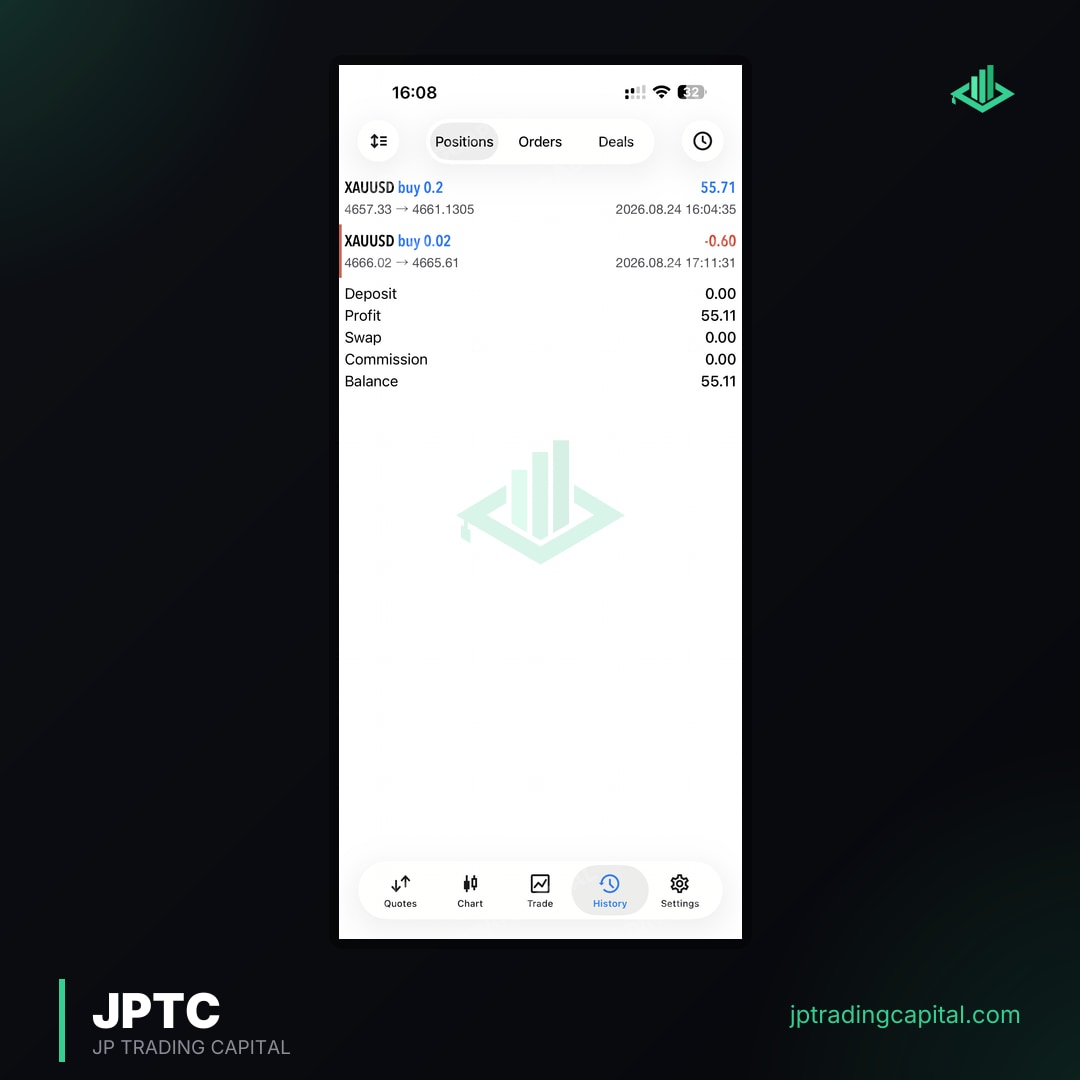
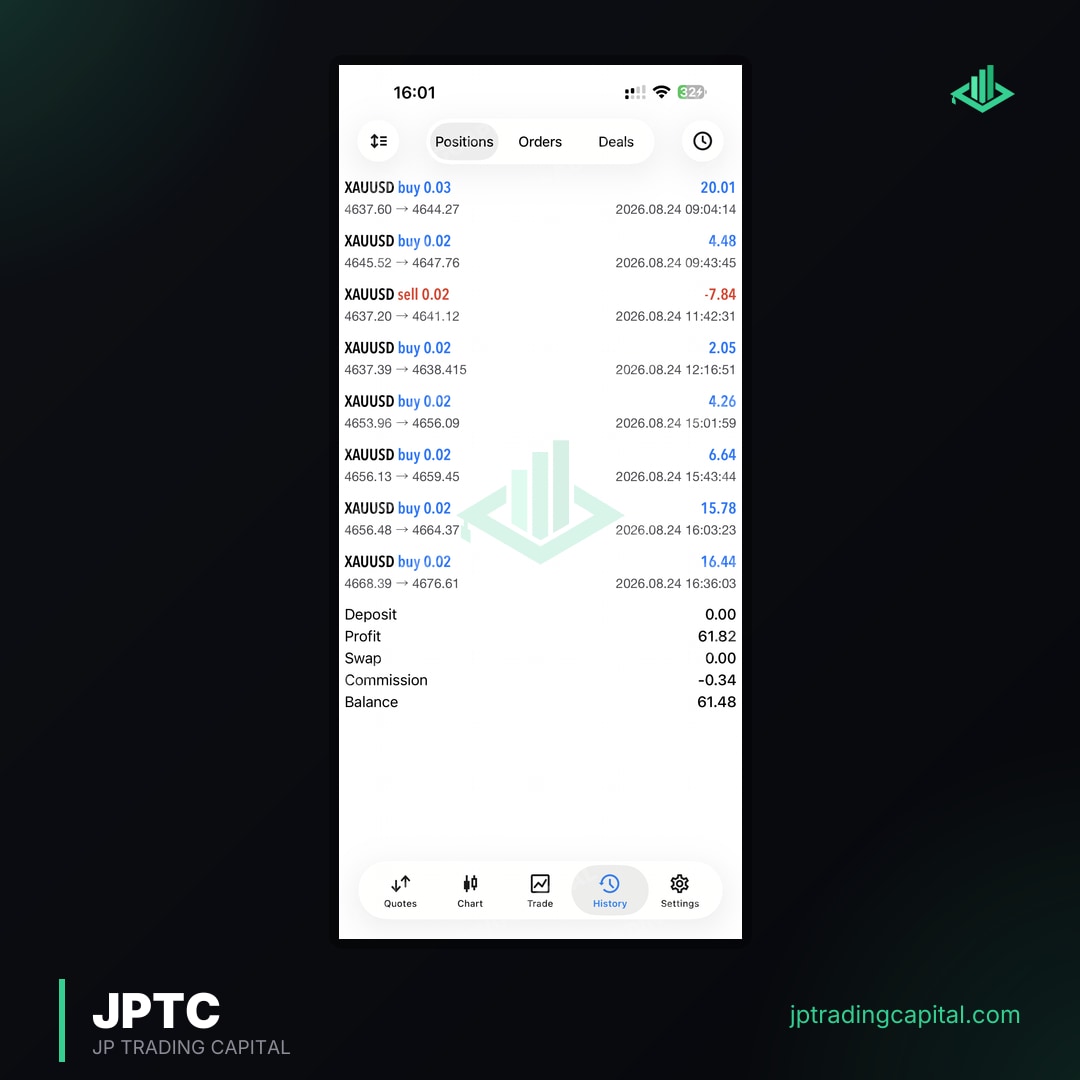
Proprietary trading firms have fundamentally reshaped the landscape for modern retail traders, offering access to significant capital without requiring personal large-scale investment.
Historically, becoming a well-funded trader required substantial personal capital or a position at an institutional firm. Today, prop firms like FTMO, FundedNext, FXify, and TopStep provide a pathway for skilled retail traders to manage funded accounts. This model empowers individuals to leverage professional-level capital, significantly amplifying potential returns compared to trading with smaller personal accounts.
However, this opportunity comes with stringent rules designed to protect the firm's capital. These include:
-
Daily Drawdown Limits: A maximum percentage or fixed amount an account can lose within a single trading day.
-
Maximum Loss Limits: The total allowable loss an account can incur before the evaluation or funded account is terminated.
-
Profit Targets: Specific profit goals that must be achieved within a set timeframe during evaluation phases.
-
Consistency Rules: Some firms require traders to avoid overly aggressive, single-trade profits, ensuring a more consistent trading style.
Navigating these rules successfully is a critical skill for any retail trader aiming for a funded account. It shifts the focus from purely generating profits to generating profits *within a defined risk framework*. This is where tools and strategies that enforce discipline and consistency become invaluable. For insights into mastering these challenges, explore our resources on passing prop firm evaluations.
Leveraging Technology: How Automated Trading Levels the Playing Field
Automated trading, through Expert Advisors (EAs), provides retail traders with a powerful technological edge, enabling consistent execution and disciplined adherence to complex strategies.
In the quest to become one of the best retail traders in the world, technology plays an increasingly pivotal role. Manual trading, while offering flexibility, is susceptible to human emotions, fatigue, and inconsistent execution. Automated trading systems, commonly known as Expert Advisors (EAs) on platforms like MetaTrader 4 or MetaTrader 5, address these challenges directly.
The benefits of EAs for retail traders are substantial:
-
Emotional Detachment: EAs execute trades based on predefined rules, eliminating the emotional biases of fear and greed that often lead to poor decisions.
-
Consistent Execution: An EA will execute a strategy precisely every time, without hesitation or error, ensuring that every trade adheres to the system's logic.
-
Backtesting and Optimization: Strategies can be rigorously backtested against historical data to assess their viability and optimized for various market conditions before being deployed on a real account.
-
24/5 Monitoring: EAs can monitor markets and execute trades around the clock, allowing traders to capitalize on opportunities even when they are not actively watching the charts.
JPTradingCapital specializes in building sophisticated trading tools for prop firm traders. Our flagship JPTC EA Hub provides automated EAs pre-configured with backtested strategies specifically designed to respect prop-firm rules, including daily drawdown caps, max loss limits, and consistency requirements. This means our algos are hosted by us, requiring no installation on the customer's machine, and are optimized for firms like FTMO, FundedNext, FXify, TopStep, The5ers, and E8 Funding. Learn more about our automated trading solutions.
Crafting a Winning Strategy: Beyond Just P&L
Crafting a winning trading strategy extends beyond merely seeking profit and encompasses a holistic approach to risk management, systematic execution, and verifiable performance.
For a retail trader to truly excel, their strategy must be comprehensive. It's not enough to simply have a method for identifying entries and exits. A robust strategy includes:
-
Clear Entry and Exit Rules: Precisely defined conditions for opening and closing trades.
-
Position Sizing: A consistent methodology for determining how much capital to allocate to each trade, directly linked to risk management principles.
-
Risk-Reward Ratios: Ensuring that potential profits outweigh potential losses on average. For example, aiming for a 2:1 or 3:1 risk-reward on winning trades.
-
Market Context Analysis: Understanding the broader market conditions (e.g., trending, ranging, volatile) and how they might impact the strategy's effectiveness.
-
Performance Tracking: Meticulously logging all trades and regularly reviewing performance to identify strengths, weaknesses, and areas for improvement. This tracking should focus on verifiable results, such as prop-firm certificates or broker statements, rather than unverified third-party platforms.
The JPTradingCapital team emphasizes that a strategy's true value is proven through consistent, verifiable results. Our internal research and development focus on strategies that demonstrate consistent performance under strict risk parameters, which is essential for successfully navigating prop firm challenges and maintaining a funded account. Explore how to achieve verifiable trading results with robust strategies.
Consistency and Discipline: The Hallmarks of Long-Term Success
Consistency and discipline are the paramount virtues that differentiate fleeting success from sustained, long-term profitability for the best retail traders in the world.
Many retail traders can have a lucky streak or a single big win, but few maintain profitability over months and years. The distinguishing factor is consistency, born from unwavering discipline. This means:
Adhering to Your Trading Plan, No Exceptions
Your trading plan is your roadmap. Deviating from it, even once, opens the door to emotional trading. This is especially critical when dealing with prop firm rules. A single impulsive trade that breaches a daily drawdown limit can invalidate an entire evaluation or cost a funded account. For further reading on trading psychology and discipline, Investopedia offers insights into the traits of successful traders.
Managing Drawdowns Proactively
Every trader experiences drawdowns. The difference lies in how they are managed. Proactive drawdown management involves not just setting stop-losses, but also understanding when to reduce position size or even step away from the market during periods of underperformance. This prevents small losses from snowballing into account-ending events, a vital skill for maintaining prop firm eligibility.
Avoiding Overtrading
The desire to make up for losses or to capitalize on every perceived opportunity often leads to overtrading, which increases transaction costs and exposure to risk. Disciplined traders wait for high-probability setups that align with their strategy, understanding that quality trumps quantity.
The Role of Automation in Enforcing Discipline
This is where automated trading systems like the JPTC EA Hub shine. By hard-coding your strategy and risk parameters into an EA, you essentially automate discipline. The system will not deviate, will not get emotional, and will always respect your predefined daily drawdown and max loss limits. This makes it an indispensable tool for retail traders aiming for consistency in their prop firm journey.
Can retail traders truly compete with institutional traders?
What role does a trading plan play in becoming a top retail trader?
How do prop firm rules specifically help in developing better retail traders?
Is automated trading suitable for all retail traders aspiring to be the best?
Related Articles
- 7 Best Forex Funded Accounts for 2026: Maximize Profits · Read more →
- Best Funded Account List 2026: 7 Firms for EA Traders · Read more →
- Exact FundedNext Account Types: 2026 Challenge Breakdown · Read more →
- Best Indicators for Futures Trading 2026: 5 Core Strategies · Read more →
- Best Immutable Trading Bot Strategies for Prop Firms in 2026 · Read more →
- Best Forex Prop Firm Strategies: 3 Ways to Get Funded [2026] · Read more →
- Best Futures Prop Firms 2026: Top Withdrawal Rules Ranked · Read more →
- Best Platforms for Automated Trading Strategies: 2026 Guide · Read more →
- Best Futures Prop Firms 2026: Reddit Insights & EA Strategies · Read more →
- 5 Top Futures Prop Firms Like Topstep in 2026: Expert Review · Read more →
Review the JPTC EA Hub
EA software with version-specific documentation and account-level risk controls. Review the selected programme’s current automation rules and test the chosen version; software does not guarantee compliance, a pass or a payout.
See the EA Hub