Choosing the Right Funded Forex Account: 7 Key Steps for 2026

Selecting the right funded forex account involves a multi-faceted assessment of a prop firm's rules, trading conditions, and alignment with your strategy, especially for automated systems. This crucial decision impacts your potential for profit, the longevity of your trading career, and the overall stress of navigating evaluation phases and real accounts.
- Key metrics like drawdown limits, profit splits, available leverage, and consistency rules are paramount.
- Consider platform compatibility, potential hidden fees, and the firm's scaling plan for long-term growth.
- Automated traders must diligently verify Expert Advisor (EA) compatibility and specific rule interpretations.
- Aligning a firm's offerings with your trading style is essential for sustained success.
Understanding Funded Forex Accounts
Funded forex accounts provide traders with access to significant capital, allowing them to trade larger positions and achieve greater profit potential without risking their personal funds. These accounts are offered by proprietary trading firms, commonly known as prop firms, which enable skilled traders to trade the firm's capital in exchange for a share of the profits. The journey typically begins with an evaluation phase, often called a challenge, where traders must demonstrate consistent profitability and adherence to strict risk management rules.
For many retail traders, the opportunity to trade with substantial capital, such as a $50,000 or $100,000 account, is a game-changer. It removes the barrier of having to self-fund large accounts, allowing traders to focus purely on strategy and execution. Once the evaluation is passed, traders transition to a funded account, where they manage real capital under the firm's guidelines. The appeal lies in the potential for substantial profit splits, often ranging from 70% to 90% in favor of the trader.
Core Metrics for Comparing Prop Firms
Evaluating funded forex accounts requires a close examination of fundamental metrics such as profit targets, maximum drawdown limits, profit splits, and available leverage. These parameters define the playing field for any trader, manual or automated, and directly influence the feasibility of passing an evaluation and maintaining a funded account.
Profit Targets and Trading Days
Profit targets are the percentage gains you must achieve during the evaluation phase to qualify for a funded account. These typically range from 8% to 10% for Phase 1 and 4% to 5% for Phase 2. Alongside profit targets, firms often specify minimum trading days, ensuring consistency rather than a single lucky trade. For example, a firm might require you to trade for at least 5-10 separate days during an evaluation phase, regardless of how quickly you hit your profit target.
Drawdown Limits: Daily vs. Overall Max
Drawdown limits are arguably the most critical risk management rules. They protect the prop firm's capital and ensure traders maintain discipline. Understanding the difference between daily and overall maximum drawdown is crucial:
- Daily Drawdown: This is the maximum amount your account equity can fall from its starting balance at the beginning of the trading day. For instance, if your account starts the day at $100,000 and has a 5% daily drawdown, your equity cannot drop below $95,000 at any point during that day. This limit resets daily.
- Overall Maximum Drawdown: This is the absolute maximum your account equity can fall from its highest historical balance. If your account reaches $105,000 at one point, and the maximum drawdown is 10%, your account cannot drop below $94,500 ($105,000 - 10%) at any time during the evaluation or funded period. Investopedia provides a detailed explanation of drawdowns in trading.
The type and calculation of drawdown significantly impact strategy. For instance, a trailing drawdown, common in some futures prop firms, can be more restrictive than a fixed drawdown based on the initial balance, making it harder to scale up successfully with certain strategies.
Profit Splits and Payouts
Once funded, you'll share your profits with the prop firm. Initial profit splits often start at 70/30 or 80/20 in the trader's favor, with the potential to scale up to 90/10 or even 100% for a period with some firms. Check the payout frequency (weekly, bi-weekly, monthly) and the minimum withdrawal amounts. Some firms, like FundedNext, offer scaling plans that progressively increase your profit split and account size as you consistently perform.
Leverage, Spreads, and Commissions
The available leverage determines the size of positions you can open. While high leverage can amplify profits, it also magnifies losses. Be realistic about the leverage you need for your strategy. Spreads and commissions directly impact your trading costs. Lower spreads and reasonable commissions are preferable, especially for scalpers or high-frequency traders. Some firms offer raw spreads with commissions, while others have slightly wider spreads with no commission.
Tradable Instruments
Ensure the firm offers the asset classes you intend to trade. Most firms offer major and minor forex pairs, but some also include indices, commodities (like gold and oil), and cryptocurrencies. If your strategy is specific to one asset class, confirm its availability.
Refundable Fees and Account Sizes
Most prop firms charge a one-time, refundable fee for the evaluation. This fee varies based on the account size you choose. For example, FTMO's challenge fees range from €89 for a $10,000 account up to €1,080 for a $200,000 account on the 2-Step, with that fee refunded with your first reward. The 1-Step fee is not refunded. Always verify the refund policy and whether the fee is truly one-time or recurring.
Beyond the Basics: Hidden Factors for Automated Trading Success
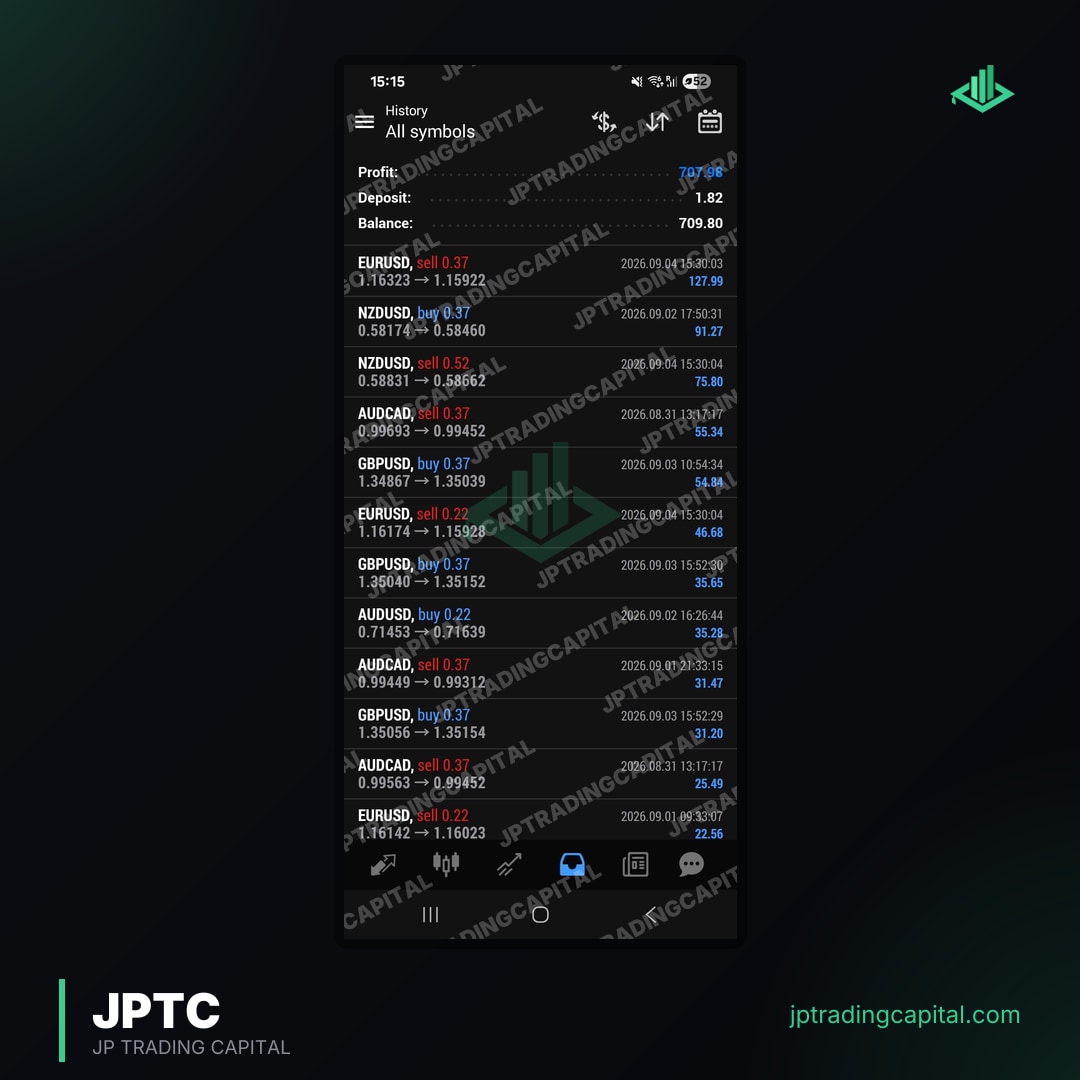
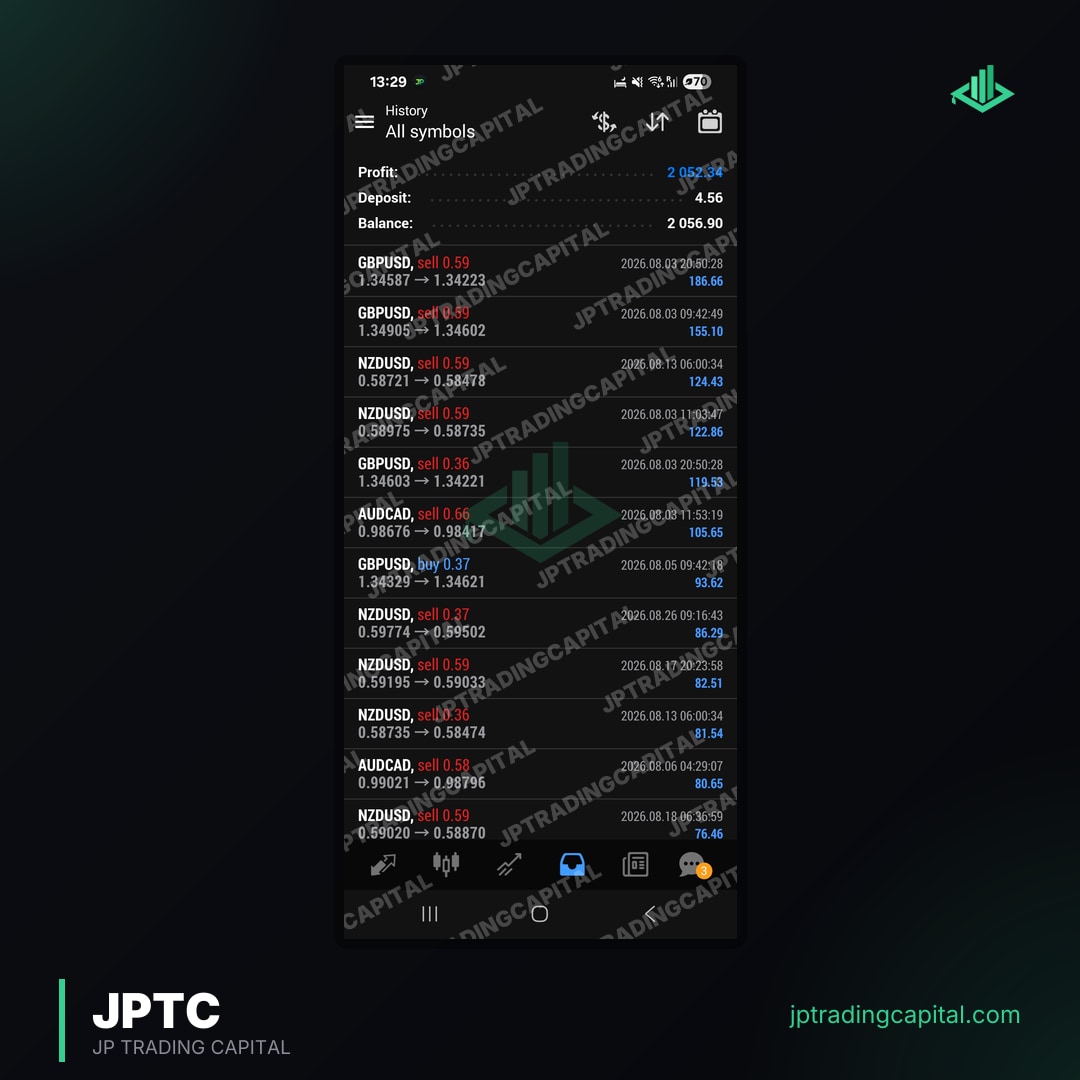
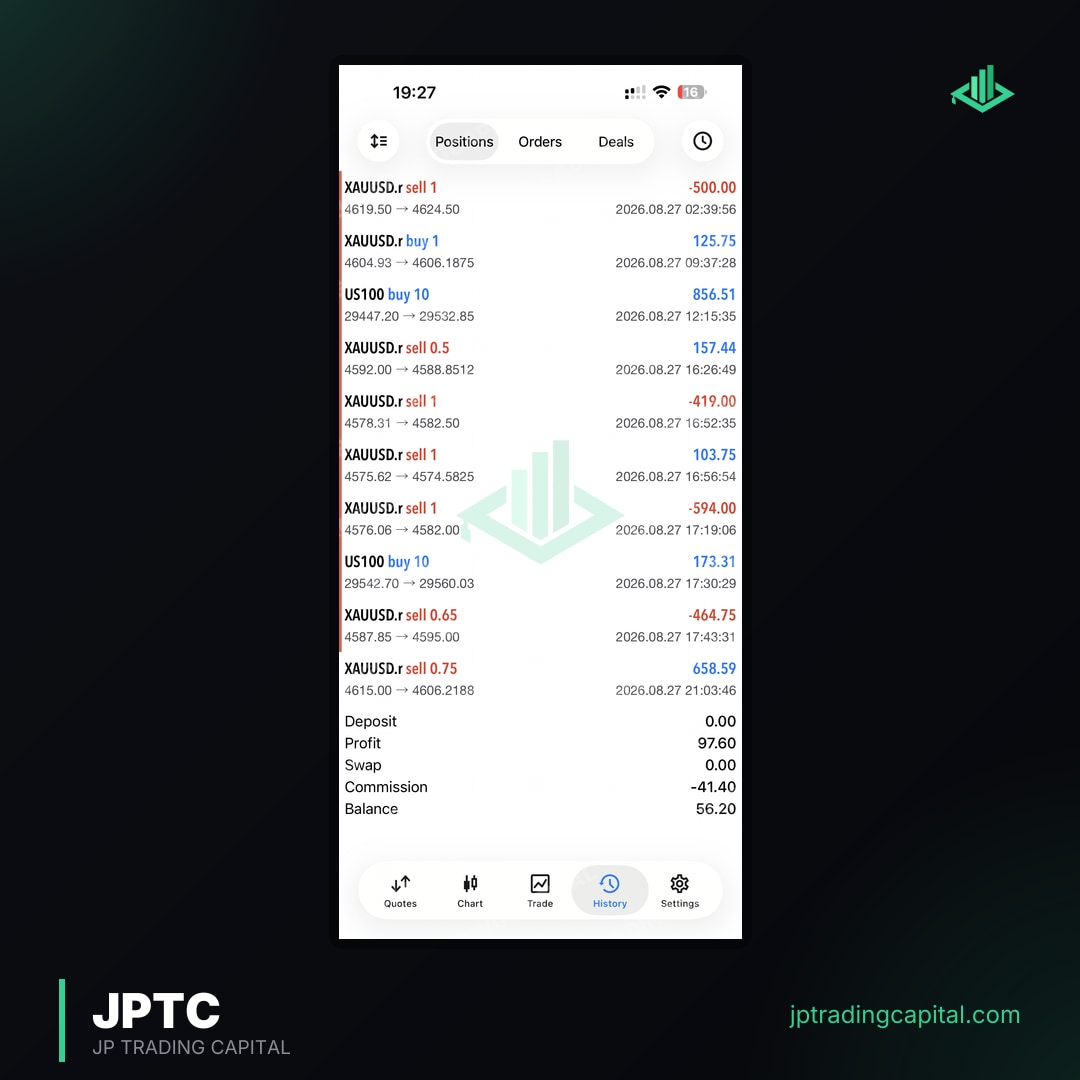
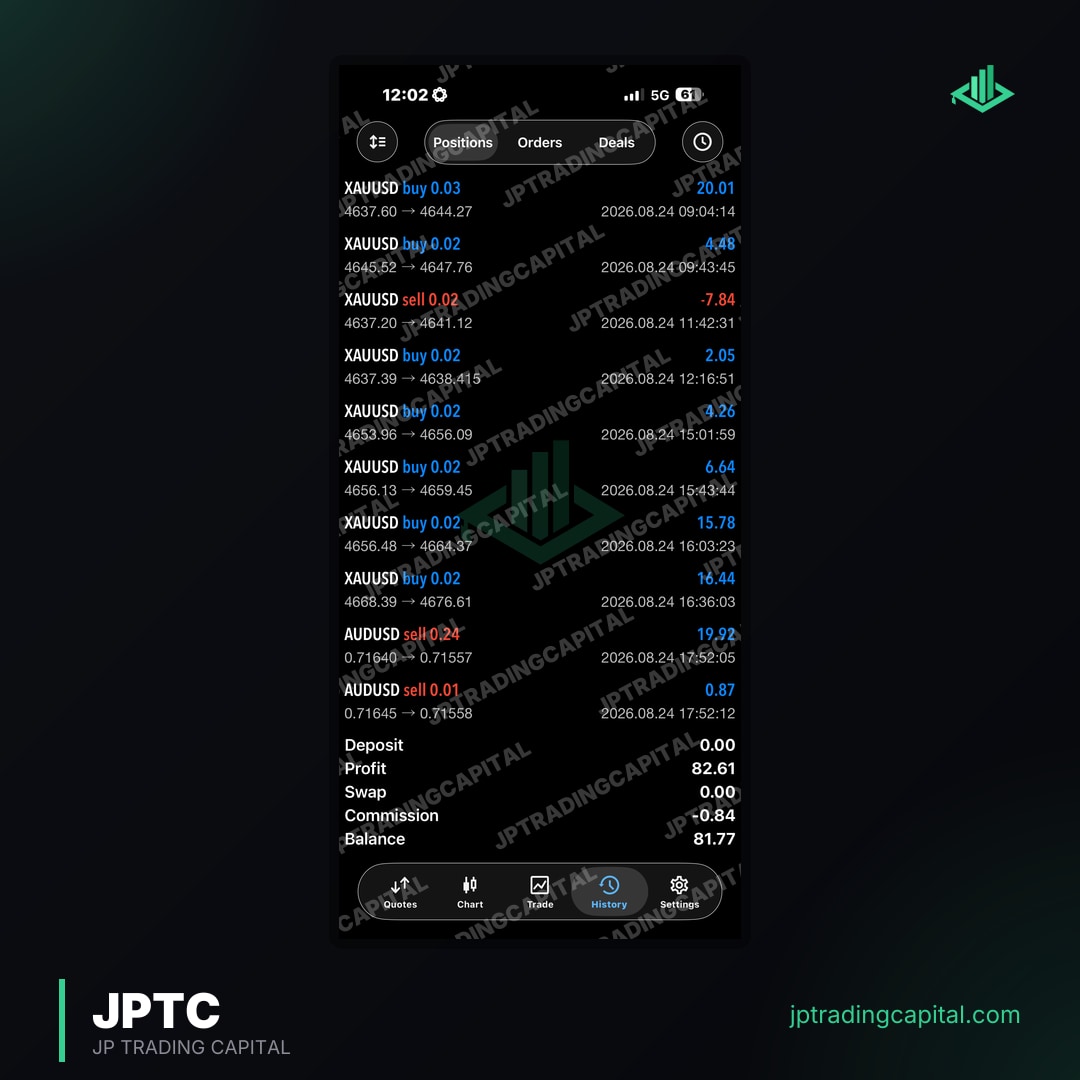
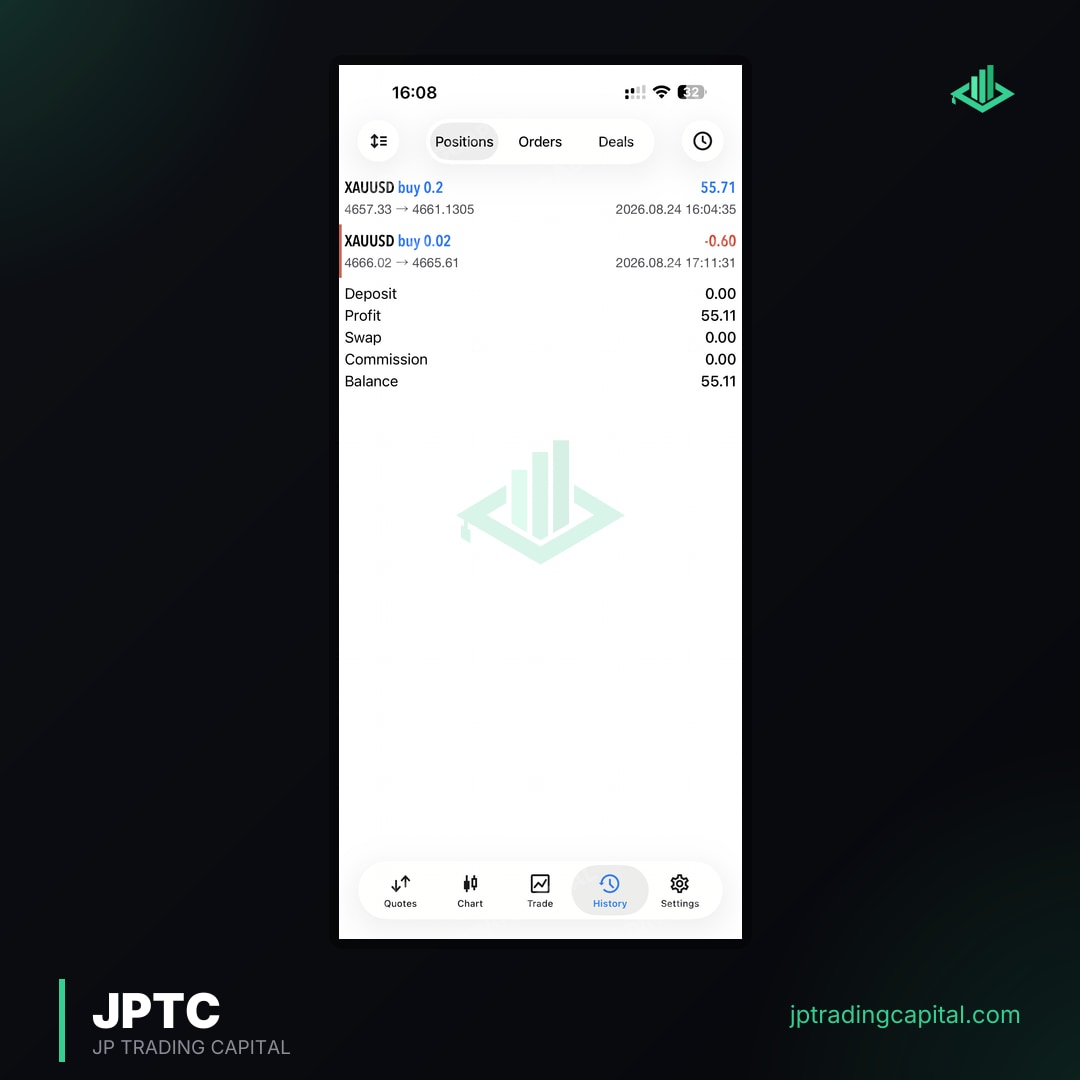
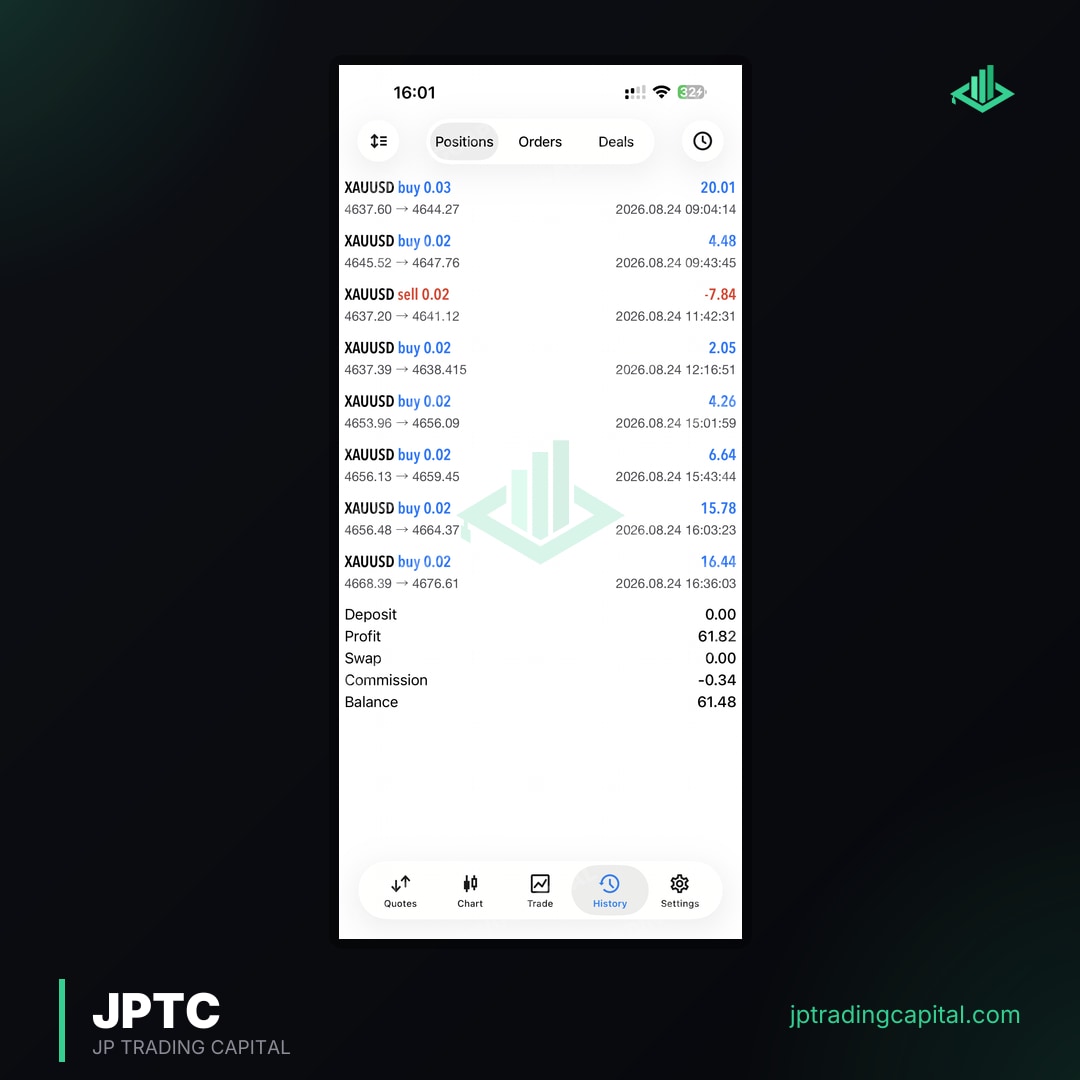
For automated trading, success in a funded account hinges on understanding a prop firm's specific rules regarding Expert Advisors (EAs), platform compatibility, and consistency requirements. Many traders overlook these nuances, leading to failed evaluations or account terminations.
EA Compatibility and Restrictions
Not all prop firms are equally friendly to Expert Advisors. While many allow EAs, they often impose specific restrictions:
- High-Frequency Trading (HFT) / Tick Scalping: Some firms explicitly ban strategies that rely on extremely high frequency or very short-term tick-level scalping due to potential server strain or perceived market manipulation.
- Martingale/Arbitrage: Strategies involving dangerous martingale approaches or latency arbitrage are almost universally prohibited.
- Copy Trading: Using EAs to copy trades from other accounts, especially across multiple prop firm accounts, can lead to violations.
- News Trading: Some firms restrict trading during high-impact news events. If your EA trades news, this is a critical check.
- Overnight/Weekend Holding: Verify if your EA can hold positions over weekends or overnight. Some firms have rules against this, especially for certain assets.
The JPTradingCapital EA Hub is specifically designed with these prop firm rules in mind, offering automated strategies that respect daily drawdown caps, max loss limits, and consistency requirements. Our EAs are pre-configured and backtested to navigate these complex landscapes, helping traders pass evaluations efficiently and manage funded accounts effectively.
Consistency Rules and Their Impact on EAs
Many prop firms enforce "consistency rules" to prevent traders from passing evaluations with a single lucky trade or erratic trading patterns. These rules often aim to ensure that trade sizes, frequency, and profit distribution are relatively stable. For EAs, this means avoiding:
- A single massive trade that hits the profit target.
- Highly volatile lot sizes that change drastically between trades.
- Trading only on specific, infrequent market events.
An EA needs to demonstrate steady, proportionate trading activity. Our research at JPTradingCapital indicates that EAs which manage risk per trade consistently and distribute profit over a reasonable number of trades tend to fare better under these rules. This is why our EA solutions focus on balanced, rule-compliant strategies.
IP Address, Account Linking, and VPNs
Prop firms are vigilant about traders attempting to pass multiple challenges using the same strategy or IP address, or linking accounts in unauthorized ways. If you run multiple accounts, ensure you understand the firm's policy on:
- Using the same IP address for different accounts.
- Using VPNs: Some firms allow them, some don't, and some have specific VPN server requirements.
- Sharing strategies: If your EA is custom, ensure you are the sole user or have explicit permission to use it across accounts.
Navigating Firm-Specific Rules: Drawdowns, Consistency, and Scaling
The nuanced interpretation and application of drawdown, consistency, and scaling rules by prop firms significantly influence a trader's strategy and long-term viability in a funded account. These rules are not merely numerical limits but define the operational framework for your trading.
Trailing Drawdown vs. Fixed Drawdown: A Critical Distinction
While we touched on drawdowns earlier, the specifics of how they are calculated are paramount, especially for automated systems. Many prop firms, particularly those focused on futures trading, implement a "trailing drawdown" that follows your account's highest equity point. This means your maximum allowable loss limit continuously adjusts upwards as your account grows, but never falls below your initial balance.
For example, if you start with a $100,000 account and a $5,000 trailing drawdown, your account cannot drop below $95,000. If your account equity then rises to $103,000, your trailing drawdown level would move up to $98,000 ($103,000 - $5,000). This can be much more challenging for EAs designed for aggressive scaling, as the safety net constantly moves closer to your current equity, requiring very tight risk management. In contrast, a fixed drawdown based on the initial balance (e.g., maximum loss from initial balance is $10,000) offers a more static and predictable risk boundary.
Daily Loss Limits: Shaping Trade Management
Daily loss limits are a powerful tool for enforcing discipline. They dictate the maximum amount your account can lose within a single trading day, calculated from the starting balance or equity at the beginning of the day. This rule directly impacts how an EA should manage risk. An automated strategy must be programmed to respect this limit, potentially stopping all trading once the threshold is approached. This prevents a single bad trading day from blowing the entire account and forces traders to re-evaluate their positions and market conditions.
Consistency Rules: Beyond the Numbers
Beyond simple profit targets, many firms implement consistency rules to ensure traders are not merely getting lucky. These rules often look at:
- Trade Size Consistency: Avoiding wildly fluctuating lot sizes.
- Number of Trades: Ensuring a reasonable number of trades rather than one large, high-risk trade.
- Profit Distribution: Preventing a situation where 80% of the profit comes from 5% of the trades.
For EAs, this means developing strategies that generate consistent, albeit smaller, gains over time, rather than relying on high-risk, high-reward plays. The JPTradingCapital team's strategies are built to generate stable returns that satisfy these consistency metrics, which is crucial for long-term success with prop firms.
Scaling Plans and Long-Term Growth
A prop firm's scaling plan outlines how your funded account size can increase over time, often tied to consistent profitability and specific profit targets. Understanding these plans is vital for your long-term trading goals. Some firms offer rapid scaling, while others are more conservative. Key questions to ask:
- What are the profit targets required to scale up?
- How often can I request a scale-up?
- Does the profit split change as my account scales?
- Are there additional fees associated with scaling?
A well-structured scaling plan can significantly boost your earning potential over time, making it a critical factor when choosing the right funded forex account.
Platform and Tool Compatibility: Why It Matters
The choice of trading platform, typically MetaTrader 4 or 5, and its compatibility with essential trading tools like Expert Advisors, is a foundational aspect of selecting a funded forex account. Your platform is your interface to the market, and its capabilities directly impact your trading efficiency and the performance of automated systems.
MetaTrader 4 (MT4) and MetaTrader 5 (MT5)
MetaTrader 4 (MT4) and MetaTrader 5 (MT5) are the industry-standard trading platforms for forex and CFD trading. Most prop firms exclusively use one or both of these platforms due to their robustness, wide range of features, and extensive community support. MetaTrader 4 is renowned for its stability and vast library of custom indicators and EAs, while MetaTrader 5 offers more asset classes, advanced charting, and multi-threaded strategy tester. Ensure the prop firm supports the MT platform you are most comfortable with and that your EAs are compatible with.
Expert Advisors (EAs) and Custom Indicators
For automated traders, the ability to run Expert Advisors (EAs) is non-negotiable. Beyond basic compatibility, consider:
- Server Environment: Prop firms often use dedicated servers. Ensure their environment is stable for EA execution.
- Data Feed Quality: EAs rely on accurate and fast data feeds. Poor quality data can lead to missed trades or incorrect entries/exits.
- VPS Requirements: If you run EAs, including those from the JPTC EA Hub, some firms may require or recommend a Virtual Private Server (VPS) for continuous, low-latency operation.
The JPTradingCapital EA Hub provides automated EA solutions pre-configured with backtested strategies that respect common prop-firm rules. You run these EAs on your own MT4 or MT5 terminal, on a reliable PC or VPS, while the ready-made setfiles keep setup simple.
Additional Tools and Features
Consider any other tools or features that are important to your trading style. This might include advanced charting packages, economic calendars, trading journals, or performance analytics dashboards provided by the firm. While these are often secondary to the core platform, they can enhance your overall trading experience.
Making Your Final Decision: A Step-by-Step Approach
A systematic approach to choosing the right funded forex account involves self-assessment, thorough research, rule comparison, and a clear understanding of your trading strategy's compatibility. By following these steps, you can significantly increase your chances of finding a firm that aligns with your goals and trading style.
Step 1: Assess Your Trading Style and Goals
Before looking at firms, understand yourself. Are you a scalper, day trader, swing trader, or long-term investor? Do you trade manually or rely on Expert Advisors? What are your capital requirements and profit expectations? This self-assessment will narrow down your options considerably.
Step 2: Define Your Risk Tolerance
Your personal risk tolerance should guide your choice of drawdown limits. If you prefer tighter stops and smaller losses, a firm with a more generous daily drawdown might give you more breathing room. Conversely, if you run EAs that might experience temporary larger drawdowns before recovery, a fixed maximum drawdown might be more suitable than a trailing one.
Step 3: Research Firms Thoroughly
Don't rely solely on marketing. Dive deep into the official rules and FAQs of each prop firm. Pay attention to the fine print regarding trading hours, restricted strategies, and news trading policies. Look for transparency and clear communication from the firm. Use reputable sources and community forums for unbiased reviews, but always cross-reference with the firm's official documentation.
Step 4: Compare Key Metrics Side-by-Side
Create a comparison checklist for each potential firm, including:
- Profit targets (Phase 1 & 2)
- Daily and overall maximum drawdown limits
- Profit split percentages (initial and scaled)
- Evaluation fee and refund policy
- Available leverage and typical spreads/commissions
- Tradable instruments
- Minimum/maximum trading days
Step 5: Verify EA/Strategy Compatibility
This is paramount for automated traders. Explicitly confirm that your Expert Advisor's strategy is allowed. If you're using the JPTradingCapital EA Hub, our solutions are already designed for compliance, but if you have custom EAs, reach out to the prop firm's support for clarification on specific rules like HFT, martingale, or news trading. This step can save you significant time and money.
Step 6: Consider Long-Term Growth and Support
Look beyond the initial challenge. What does the firm offer in terms of scaling your account? How good is their customer support? Do they provide educational resources or a supportive community? A firm that invests in its traders' long-term success is often a better partner.
Step 7: Start Small and Scale Up
For those new to funded trading or a particular prop firm, consider starting with a smaller account size. This allows you to familiarise yourself with the firm's specific rules, platform, and trading conditions with a lower upfront fee. Once you've successfully passed and demonstrated consistency, you can then consider scaling up to larger accounts. This mitigates risk and builds confidence.
Frequently Asked Questions (FAQ)
What is the difference between a daily drawdown and an overall maximum drawdown?
A daily drawdown is the maximum amount your account equity can drop from its starting balance at the beginning of a trading day, resetting each day. An overall maximum drawdown is the absolute maximum your account equity can fall from its highest historical balance at any point during the evaluation or funded period.
Can I use Expert Advisors (EAs) with a funded forex account?
Many prop firms allow EAs, but often with specific restrictions. Common prohibitions include high-frequency trading, arbitrage, martingale strategies, and certain news trading approaches. Always review the prop firm's official rules regarding automated trading before using an EA. JPTradingCapital's EA Hub is built around these rules.
How do prop firm consistency rules affect my trading?
Consistency rules aim to ensure your trading results are stable and replicable, preventing success based on a single lucky trade. They often assess trade size, frequency, and profit distribution. For EAs, this means strategies should generate steady, proportionate gains rather than erratic, high-risk outcomes.
Related Articles
- Exact FundedNext Scalping Rules for 2026: Avoid Policy Violations · Read more →
- Winning Prop Firms: 3 Hidden Drawdown Rules to Master in 2026 · Read more →
- How Long Do Prop Firm Withdrawals Take? Exact 2026 Guide · Read more →
- Best Scalping EAs for Prop Firms: 5 Top Choices in 2026 · Read more →
- FundedNext Instant Account Rules 2026: 7 Key Updates for Traders · Read more →
- FundedNext Payouts 2026: 3 Fastest Ways to Get Paid · Read more →
- FundedNext Payment Methods 2026: Exact Fees & Payouts · Read more →
- Real Prop Firm Pass Rates 2026: What Percentage Succeed? · Read more →
- Maven Trading EA Policy 2026: Why Automated Trading Is Banned · Read more →
- Topstep Bot Trading 2026: Exact Rules for Automated EAs · Read more →
Automated forex and gold trading
Runs on your own account at your own broker. We host and set it up, so there is nothing to install and no VPS. No profit share, no monthly fee.
See how it works