Exact FundedNext Scalping Rules for 2026: Avoid Policy Violations

FundedNext permits scalping, which involves entering and exiting trades quickly to profit from small price movements, but imposes strict limitations on 'micro-scalping' and manipulative practices. Traders must ensure their strategies comply with minimum holding periods, often exceeding 10 seconds, to avoid policy violations and protect their funded accounts.
- Scalping is generally allowed, but micro-scalping is strictly prohibited.
- Micro-scalping is defined as trades opened and closed within 10 seconds.
- Manipulative or exploitative strategies are strictly forbidden across all accounts.
- Focus on consistency and genuine market participation, not rapid tick-grabbing.
Understanding FundedNext's Stance on Scalping
FundedNext generally permits scalping, recognizing it as a legitimate short-term trading strategy, provided it adheres to specific operational guidelines and avoids prohibited practices. The prop firm aims to foster a fair and stable trading environment, which necessitates clear boundaries around high-frequency and ultra-short-term trading to prevent market disruption or exploitation.
Many traders are drawn to scalping for its potential to generate frequent, small profits, which can compound over time. FundedNext acknowledges this appeal but emphasizes that all trading, including scalping, must reflect genuine market participation. This means strategies should be based on observable market movements and executed with the intention of capturing price changes over a reasonable duration, rather than exploiting system latencies or engaging in manipulative tactics.
The JPTradingCapital team consistently advises traders to thoroughly review the official FundedNext terms and conditions, as policies can evolve. Our research indicates that clear communication from prop firms, like the information available on the FundedNext website, is crucial for traders to maintain compliance and avoid unexpected account violations.
The Critical Distinction: Scalping vs. Micro-Scalping
The core difference lies in trade duration, with FundedNext specifically defining micro-scalping as opening and closing trades within a very short timeframe, typically 10 seconds. This explicit time-based rule is a critical parameter that FundedNext uses to differentiate acceptable rapid trading from prohibited high-frequency, tick-level exploitation.
While general scalping strategies, where positions are held for several minutes, are often permissible, the concern for prop firms like FundedNext arises with trades that are initiated and closed almost instantaneously. Such micro-scalping activities are often associated with attempts to exploit tiny price discrepancies, latency arbitrage, or other strategies that can be disruptive to liquidity providers and the overall market infrastructure.
For example, a trade opened and closed within 5 seconds to capture a one-pip movement would likely fall under the micro-scalping prohibition. Conversely, a trade held for 30 seconds to capture a 5-pip move, even if it's considered a fast trade, would generally align with acceptable FundedNext scalping rules. Our automated trading solutions, such as the JPTC EA Hub, are engineered with these time constraints in mind, helping traders execute strategies that respect prop firm guidelines. You can explore how our EAs are designed for compliance on our EA product page.
Prohibited Strategies Beyond Micro-Scalping
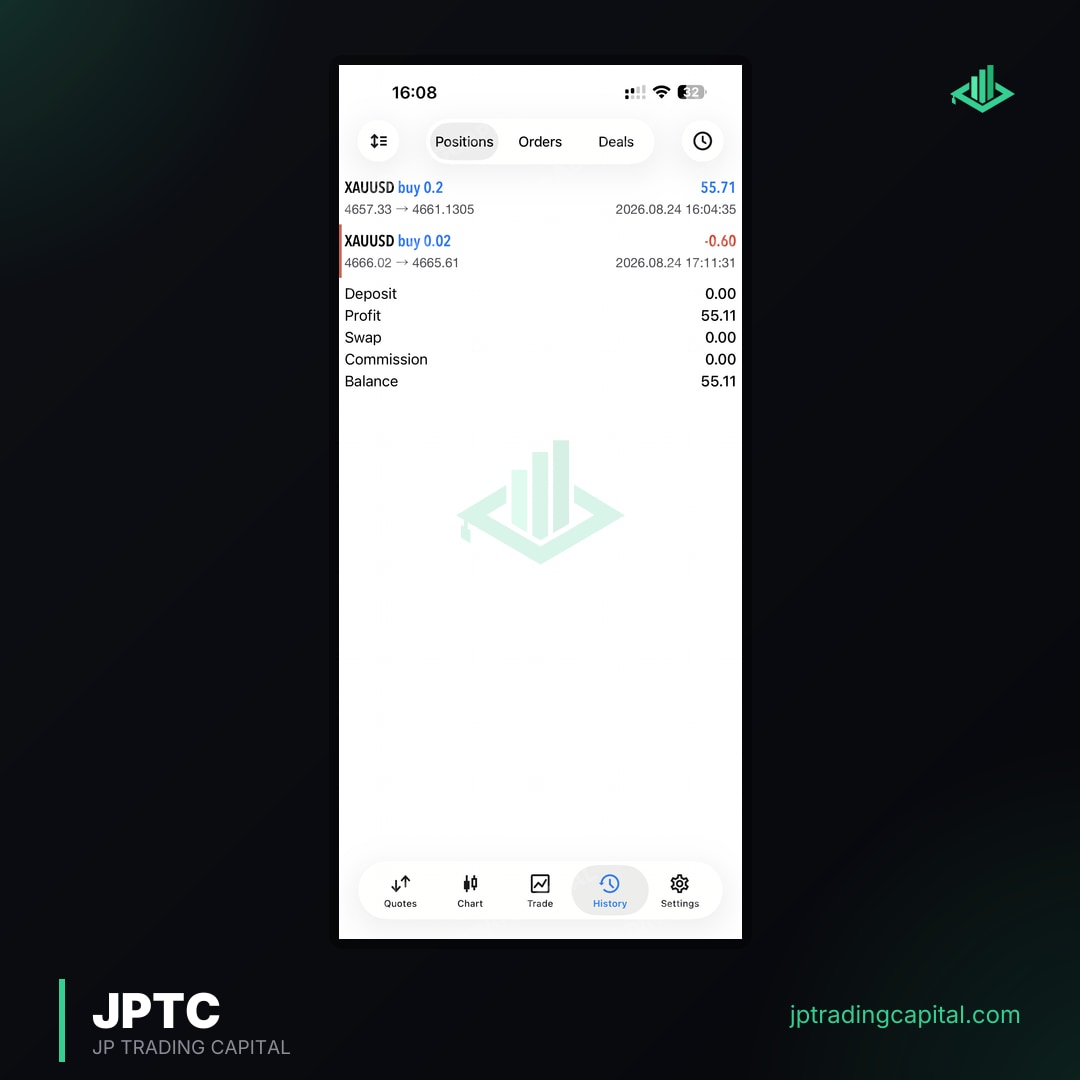
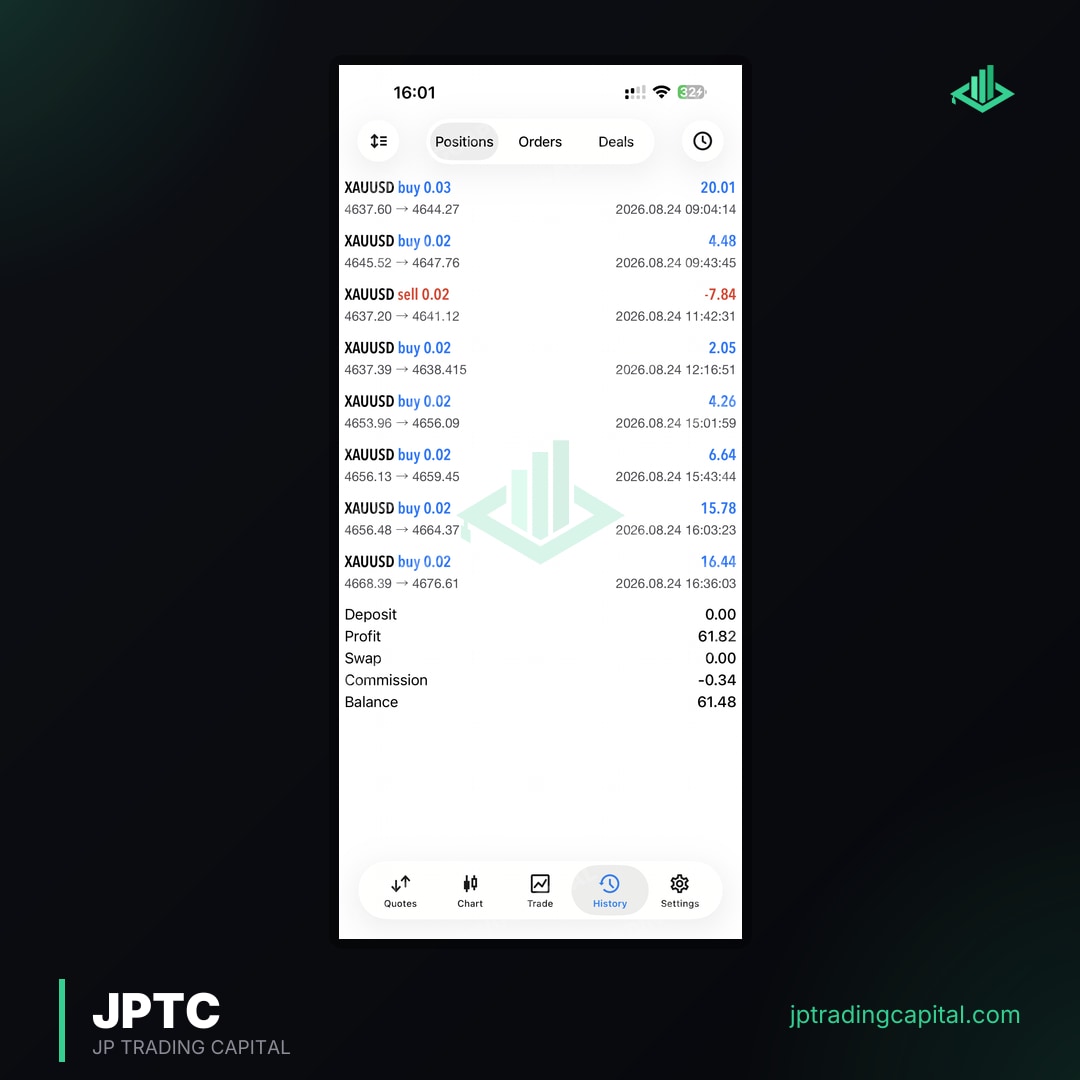
Beyond the strict 10-second micro-scalping rule, FundedNext prohibits a range of manipulative or exploitative strategies designed to unfairly profit from latency or arbitrage. These restrictions are in place to ensure fair play and prevent trading practices that could harm the integrity of the trading environment or the liquidity providers.
Common prohibited strategies include:
-
Tick Scalping: Rapidly opening and closing trades to profit from minuscule, often temporary, price fluctuations or 'ticks', which may not reflect genuine market movement but rather data feed discrepancies.
-
Latency Arbitrage: Exploiting delays in price feeds between different brokers or platforms. This involves using a faster feed to anticipate price movements on a slower feed, which is considered an unfair advantage.
-
Reverse Arbitrage / Hedging Across Accounts: Opening opposing trades on two separate accounts (e.g., one long, one short) to profit from price discrepancies or guarantee a win regardless of market direction. FundedNext prohibits trading multiple accounts in a way that creates an unfair advantage or mitigates risk across different entities.
-
Exploiting Demo Account Characteristics: Engaging in strategies that would not be viable on a real account, such as using pending orders to take advantage of specific conditions that exist only on demo servers.
-
High-Frequency Trading (HFT) that Mimics Manipulation: While not all HFT is prohibited, strategies that generate an extremely high volume of trades with very short holding times, especially if they appear to 'game' the system rather than respond to genuine market dynamics, are closely monitored.
The underlying principle for FundedNext is that trading should reflect actual market participation. Strategies that rely on technical loopholes, data feed delays, or cross-account manipulation are seen as exploitative and will lead to policy violations. Our team at JPTradingCapital consistently emphasizes the importance of understanding not just the letter, but also the spirit, of these rules to ensure long-term success with prop firms.
Adapting Scalping Strategies for FundedNext Compliance
To comply with FundedNext's scalping rules, traders should focus on increasing their minimum trade holding times, diversifying entry/exit criteria, and ensuring their overall trading activity reflects genuine market interaction. This proactive approach helps avoid the pitfalls of micro-scalping and other prohibited practices.
Here are actionable steps for adapting your scalping strategy:
-
Extend Minimum Hold Times: Aim for trades to be open for at least 30 seconds, or ideally, a minute or more. This moves your strategy away from the 10-second micro-scalping threshold. For example, instead of targeting a 2-pip scalp within seconds, aim for a 5-10 pip move over a minute or two.
-
Integrate Multiple Confirmation Signals: Instead of entering purely on a single tick movement, use a combination of indicators or price action patterns (e.g., support/resistance, moving average crosses, candlestick formations) that require slightly more time to develop. This naturally lengthens the decision-making and holding period.
-
Avoid News Trading for Instant Exits: While trading during high-impact news events can offer volatility, attempting to enter and exit within seconds of a news release to capture immediate spikes is risky and often triggers micro-scalping flags. If trading news, aim for positions held for several minutes as the market digests the information.
-
Vary Trade Sizes and Frequencies: Avoid a consistent pattern of identical trade sizes and extremely high frequency if it appears mechanical and non-market-driven. Introduce some variability to reflect more natural trading behavior.
-
Focus on Consistency Rules: Beyond scalping, FundedNext, like many prop firms, has consistency rules. Ensure your adapted scalping strategy contributes to a consistent profit curve rather than erratic spikes. Our articles on passing prop firm challenges delve deeper into consistency.
By consciously adjusting these aspects of your scalping strategy, you can continue to pursue short-term opportunities while staying firmly within the boundaries of the FundedNext scalping rules. This thoughtful adaptation is key to long-term success in a funded account.
Leveraging Automated Trading for Compliant Scalping
Automated trading systems can be highly effective for scalping within FundedNext's rules when they are specifically designed and configured to respect minimum holding times, consistency parameters, and avoid prohibited micro-scalping patterns. Expert Advisors (EAs) running on platforms like MetaTrader 4 or MetaTrader 5 offer precision and discipline that manual scalping often lacks.
The JPTradingCapital team specializes in building such tools. Our flagship product, the JPTC EA Hub, is pre-configured with backtested strategies built around prop-firm rules, including those related to scalping. This means our EAs are developed to:
-
Enforce Minimum Hold Times: Our algorithms can be set to ensure trades are held for a predefined duration, preventing accidental micro-scalping. For instance, an EA might be programmed to only close a trade after a minimum of 30 seconds, regardless of immediate profit targets.
-
Manage Drawdown and Max Loss: Beyond scalping, our EAs are designed to adhere to daily drawdown caps and overall maximum loss limits, crucial for passing evaluations and managing a funded account.
-
Promote Consistency: Consistent trading results are vital for prop firm challenges. Our EAs aim for steady, rules-compliant performance rather than erratic, high-risk gains that could flag an account for review.
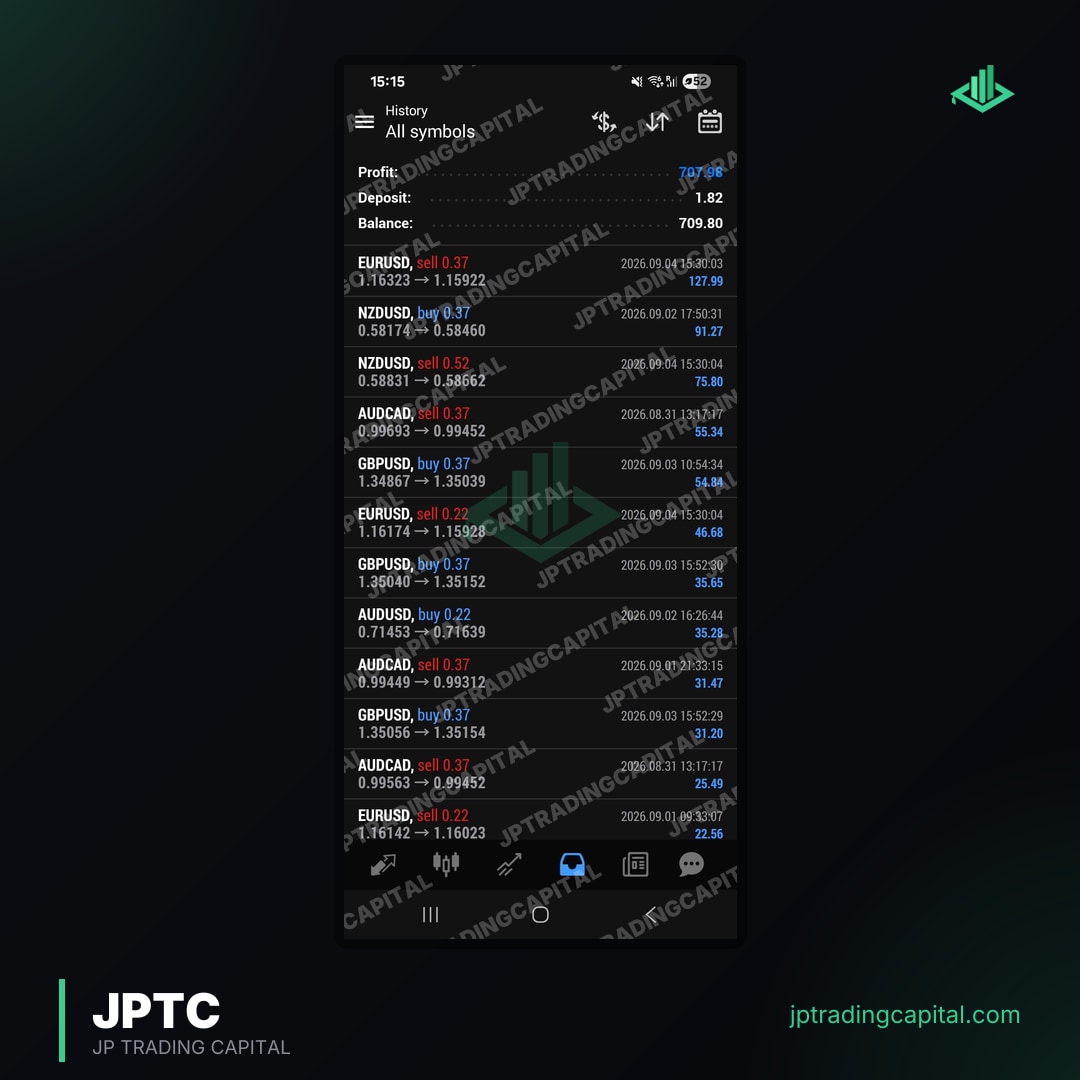
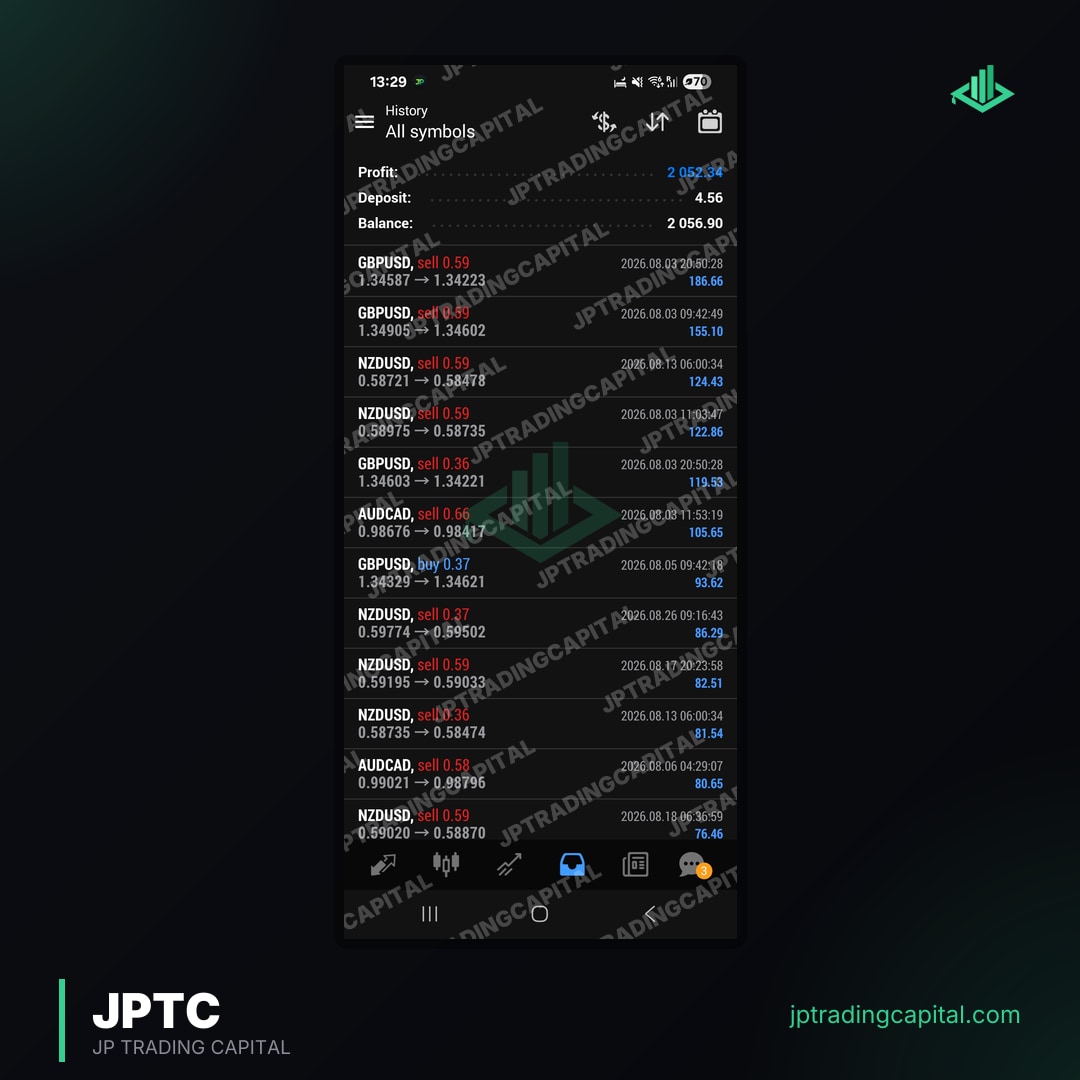
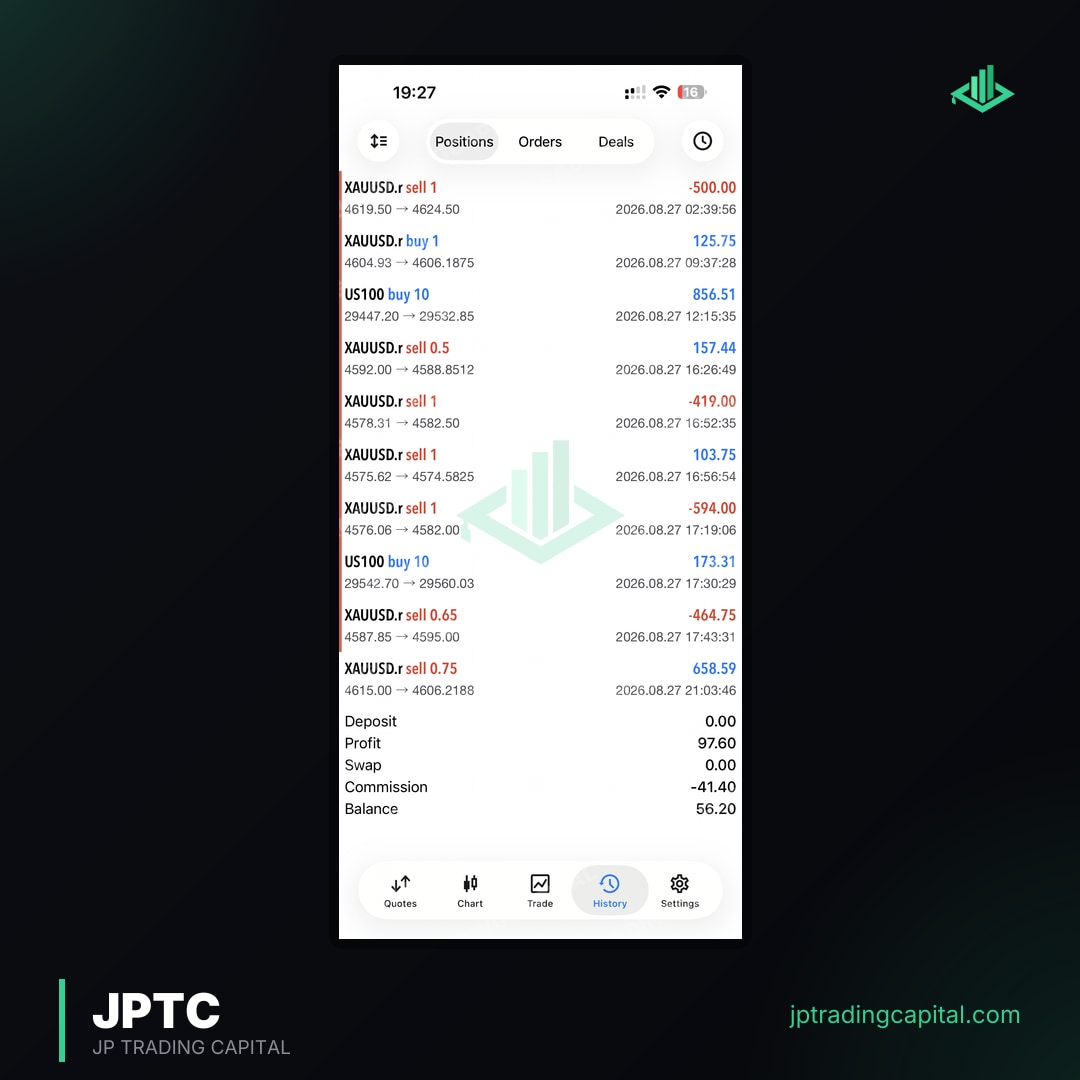
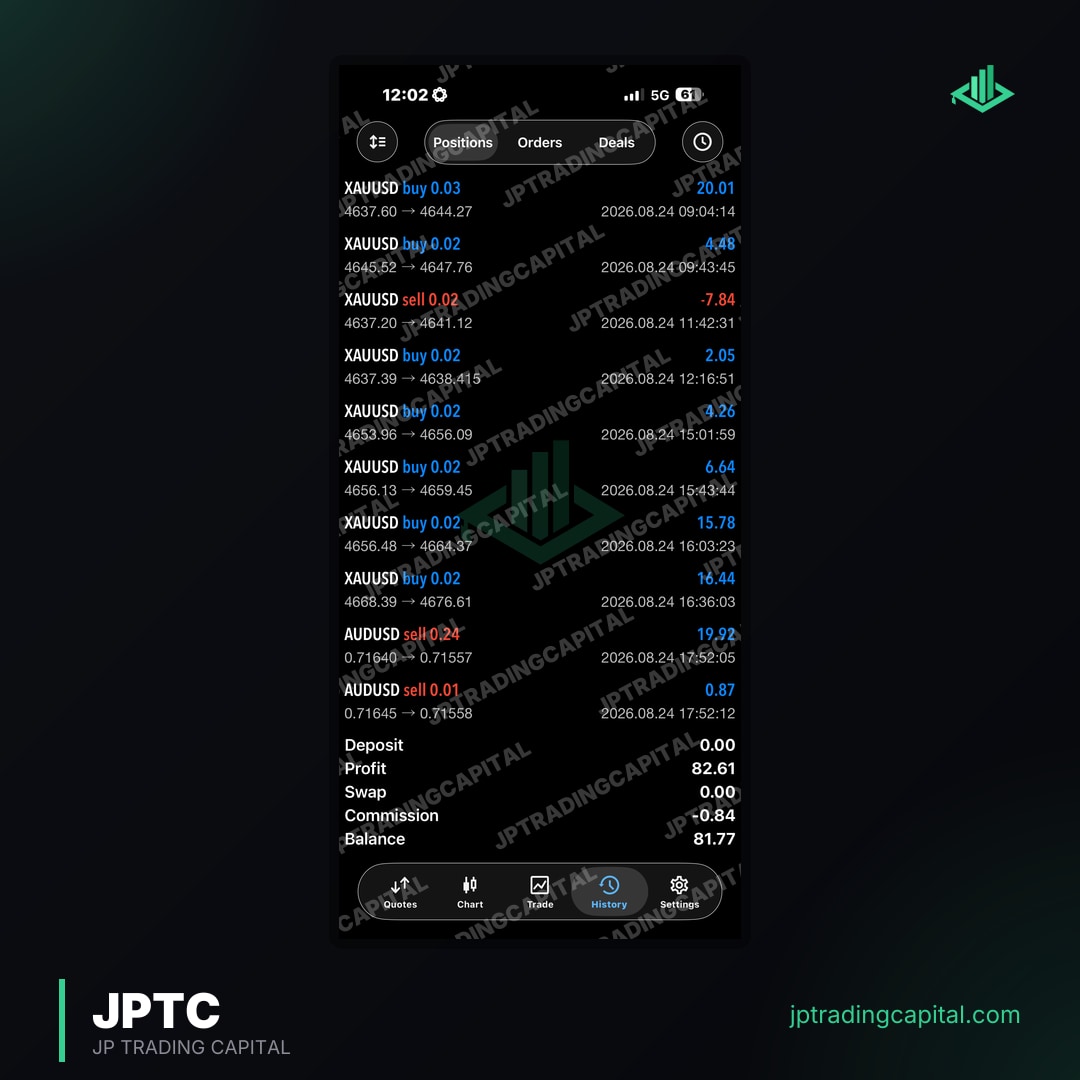
For traders using EAs, the key is not just automation but *intelligent* automation. A poorly designed or configured EA can quickly lead to rule violations. The JPTC EA Hub removes this burden by providing strategies that are already optimized for prop firm environments. This allows traders to benefit from automated scalping opportunities while remaining confident in their compliance with FundedNext scalping rules. You can view our monthly broker-statement figures on our results page.
Ensuring Long-Term Success with FundedNext Scalping
Achieving long-term success with FundedNext scalping requires a deep understanding of their rules, continuous monitoring of trading activity, and a commitment to ethical, compliant trading practices. It's not just about making profits, but doing so in a way that aligns with the prop firm's operational guidelines.
Here are key elements for sustainable success:
-
Regular Rule Review: Prop firm rules can be updated. Periodically revisit the official FundedNext documentation to ensure your strategies remain compliant with the latest FundedNext scalping rules and other policies.
-
Self-Audit Your Trading: Regularly review your trade history. Look for patterns that might inadvertently resemble micro-scalping or other prohibited activities. If you use an EA, review its logs and performance metrics.
-
Focus on Risk Management: Scalping, by nature, involves frequent trades. Robust risk management, including appropriate position sizing and strict stop-loss orders, is paramount to protect your capital and ensure longevity in your funded account.
-
Continuous Learning and Adaptation: Markets evolve, and so should your strategies. Stay informed about market dynamics and be prepared to adapt your scalping approach to maintain effectiveness and compliance.
-
Community Engagement: Engaging with other prop firm traders can provide valuable insights and help identify potential pitfalls or best practices. Consider sharing your journey and learning from others, perhaps through an affiliate program that rewards community building.
By integrating these practices into your trading routine, you can navigate the FundedNext scalping rules successfully, build a robust trading career, and maintain a positive relationship with your prop firm.
Is scalping allowed on FundedNext for all account types?
Yes, scalping is generally allowed across FundedNext account types, but it is subject to the specific limitations regarding micro-scalping and prohibited manipulative strategies, regardless of whether it's a challenge or a funded account.
What is the minimum holding time for trades to avoid micro-scalping?
FundedNext defines micro-scalping as opening and closing trades within 10 seconds. To avoid violating this policy, traders should aim for a minimum holding time of at least 10 seconds, and ideally longer (e.g., 30 seconds to a minute or more), to clearly distinguish their trades from prohibited micro-scalping.
Can I use an Expert Advisor (EA) for scalping on FundedNext?
Yes, you can use Expert Advisors for scalping on FundedNext, provided the EA's strategy and execution comply with all FundedNext trading rules, especially those concerning micro-scalping and manipulative practices. The JPTC EA Hub, for instance, is designed with prop firm rule compliance in mind.
How does FundedNext detect prohibited scalping strategies?
FundedNext employs sophisticated monitoring systems that analyze trade duration, frequency, volume, and patterns across all accounts. These systems can identify rapid, ultra-short-term trades indicative of micro-scalping, as well as other unusual or exploitative trading behaviors that deviate from genuine market participation.
What happens if I accidentally violate FundedNext's scalping rules?
If you violate FundedNext's scalping rules, especially regarding micro-scalping or manipulative strategies, your account may be flagged for review. Depending on the severity and frequency of the violation, FundedNext may issue a warning, reset your account, or ultimately terminate your challenge or funded account. It's crucial to understand and adhere to the rules to protect your trading privileges.
Related Articles
- Winning Prop Firms: 3 Hidden Drawdown Rules to Master in 2026 · Read more →
- How Long Do Prop Firm Withdrawals Take? Exact 2026 Guide · Read more →
- Best Scalping EAs for Prop Firms: 5 Top Choices in 2026 · Read more →
- FundedNext Instant Account Rules 2026: 7 Key Updates for Traders · Read more →
- FundedNext Payouts 2026: 3 Fastest Ways to Get Paid · Read more →
- FundedNext Payment Methods 2026: Exact Fees & Payouts · Read more →
- Real Prop Firm Pass Rates 2026: What Percentage Succeed? · Read more →
- FundedNext Trustpilot Reviews: Real Trader Insights for 2026 · Read more →
- Choosing the Right Funded Forex Account: 7 Key Steps for 2026 · Read more →
- Maven Trading EA Policy 2026: Why Automated Trading Is Banned · Read more →
Review the JPTC EA Hub
EA software with version-specific documentation and account-level risk controls. Review the selected programme’s current automation rules and test the chosen version; software does not guarantee compliance, a pass or a payout.
See the EA Hub