Passing FTMO Challenge: 5 Key Rules for Automated Trading

The FTMO Challenge rules are a set of structured trading objectives designed to evaluate a trader's skill in managing risk and generating consistent profits, covering parameters like profit targets, maximum daily loss, overall maximum loss, and consistency requirements.
- Profit targets are set at 10% for the 1-Step Challenge and 10% (Challenge) and 5% (Verification) for the 2-Step.
- Strict daily and maximum loss limits are enforced to prevent excessive risk-taking.
- Consistency rules ensure trading activity is not based on single high-risk trades.
- Two challenge types, 1-Step and 2-Step, offer different evaluation structures.
- Understanding these rules is crucial for both manual and automated trading success.
Understanding the Core FTMO Challenge Rules for Success
Successfully navigating the FTMO Challenge hinges on a thorough understanding and disciplined adherence to its core trading objectives, which are designed to identify proficient and consistent traders.
The FTMO Challenge, whether the 1-Step or 2-Step variant, establishes clear parameters that traders must meet to qualify for a funded account. These parameters are not merely hurdles; they are fundamental principles of responsible trading that prop firms like FTMO expect. Our research shows that traders who internalize these rules, rather than just memorize them, are significantly more likely to succeed.
Profit Target: The Goal to Aim For
The profit target is the minimum gross profit a trader must achieve to pass a phase of the FTMO Challenge. For instance, in the FTMO Challenge: 1-Step, the profit target is typically set at 10% of the initial simulated capital. For a $100,000 account, this would mean achieving $10,000 in profit. The 2-Step Challenge has a 10% profit target for the initial Challenge phase and a 5% target for the subsequent Verification phase. This objective encourages traders to focus on strategic, profitable trades rather than erratic, high-risk endeavors.
Daily Loss Limit: Managing Intraday Risk
The daily loss limit is a critical rule that restricts the maximum amount a trader can lose in a single trading day, calculated based on the initial account balance or the previous day's equity. This limit is designed to prevent significant intraday drawdowns and encourages prudent risk management. For example, if a $100,000 account has a 5% daily loss limit, the maximum loss allowed on any given day would be $5,000. Breaching this rule, even momentarily, results in an immediate failure of the Challenge. This rule is particularly important for automated trading systems, which must incorporate robust stop-loss mechanisms and risk controls to prevent over-exposure during volatile market conditions.
Maximum Loss: The Ultimate Safety Net
The maximum loss rule represents the absolute highest loss allowed from the initial account balance throughout the entire Challenge period. This limit acts as the ultimate safety net for the prop firm and a crucial risk management parameter for the trader. If a $100,000 account has a 10% maximum loss limit, the total equity (including open positions) must not fall below $90,000 at any point during the Challenge. This rule emphasizes capital preservation and the ability to recover from drawdowns without jeopardizing the entire simulated capital. Adhering to this limit requires strategic position sizing and a clear understanding of potential downside risk.
Minimum Trading Days: Demonstrating Consistency
While not a direct loss or profit target, the minimum trading days rule is integral for demonstrating consistent performance. This rule requires a trader to place trades on a specified number of separate trading days within the evaluation period. This prevents traders from passing the Challenge with a single lucky trade or by holding positions for extended periods without active management. It ensures that the evaluation reflects a sustained ability to trade profitably and manage risk across various market conditions.
Navigating the FTMO Challenge: 1-Step vs. 2-Step Rules
FTMO offers two distinct evaluation paths, the 1-Step and 2-Step Challenges, each with a unique structure and set of rules designed to suit different trading styles and risk appetites.
Understanding the fundamental differences between these two options is vital for selecting the path that best aligns with a trader's strategy and psychological approach. While both aim to identify skilled traders, their specific objectives and timeframes vary, impacting how one might approach the FTMO Challenge regels.
FTMO Challenge: 1-Step Specifics
The 1-Step Challenge is designed for traders who prefer a more direct and potentially faster route to a funded account. It involves a single evaluation phase where the trader must achieve a profit target, for example, 10% of the initial simulated capital, while adhering to the daily and maximum loss limits. There is no separate verification phase. This streamlined approach means that once the profit target is met and all other rules are respected, the trader moves directly to becoming an FTMO Trader. This structure can be appealing for experienced traders confident in their strategy and risk management, as it reduces the overall time commitment for evaluation. However, it also means there's less room for error, as failure to meet any rule at any point leads to a failed Challenge.
FTMO Challenge: 2-Step Specifics
The 2-Step Challenge is the more traditional and widely recognized evaluation path, consisting of two distinct phases: the FTMO Challenge and the Verification. The initial Challenge phase requires a profit target, typically 10%, within a specified timeframe (e.g., 30 calendar days), alongside daily and maximum loss limits. Upon successful completion of the Challenge, traders proceed to the Verification phase. The Verification phase has a lower profit target, for example, 5%, and a longer timeframe (e.g., 60 calendar days), while still maintaining the daily and maximum loss limits. This two-phase structure allows traders more time to demonstrate consistency and adaptability, with the Verification phase serving as a final confirmation of their trading capabilities under slightly less pressure. The two-step process provides a more gradual progression, which can be beneficial for traders refining their strategies or those who prefer a longer evaluation period.
Strategic Implications for Choosing a Challenge Type
The choice between the 1-Step and 2-Step Challenge should be a strategic one, based on a trader's experience, risk tolerance, and trading strategy. The 1-Step Challenge demands quick execution and robust performance in a shorter period, making it suitable for high-conviction strategies. Conversely, the 2-Step Challenge offers a more forgiving timeline and a chance to solidify a strategy over two distinct phases, which might be preferable for those employing more consistent, lower-frequency approaches or automated systems that require more data points to prove their edge. Our team often advises traders using automated strategies to consider the 2-Step Challenge initially, as it provides a broader window to demonstrate the EA's consistency and adherence to FTMO Challenge regels under varying market conditions.
Crucial Consistency and News Trading Rules Often Overlooked
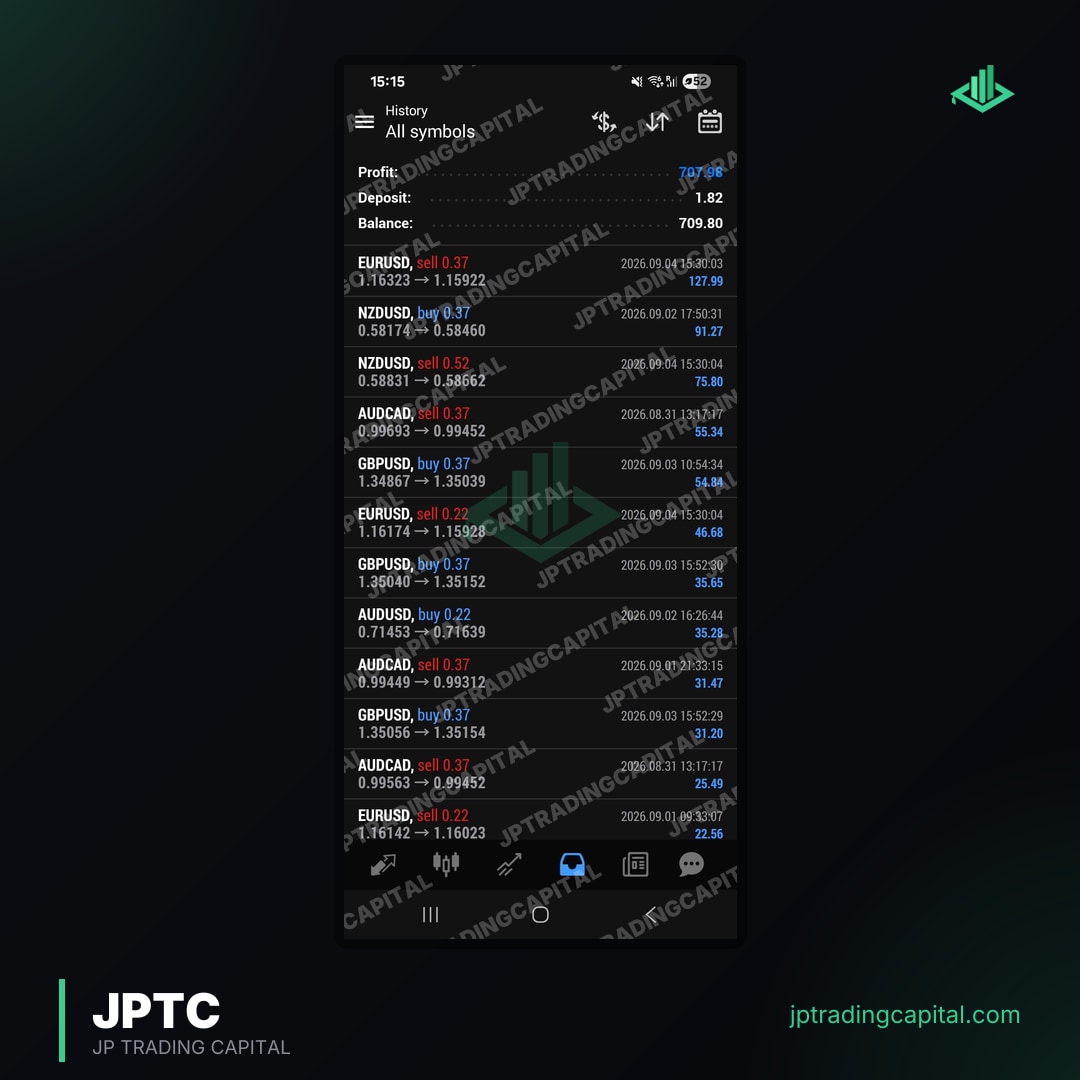
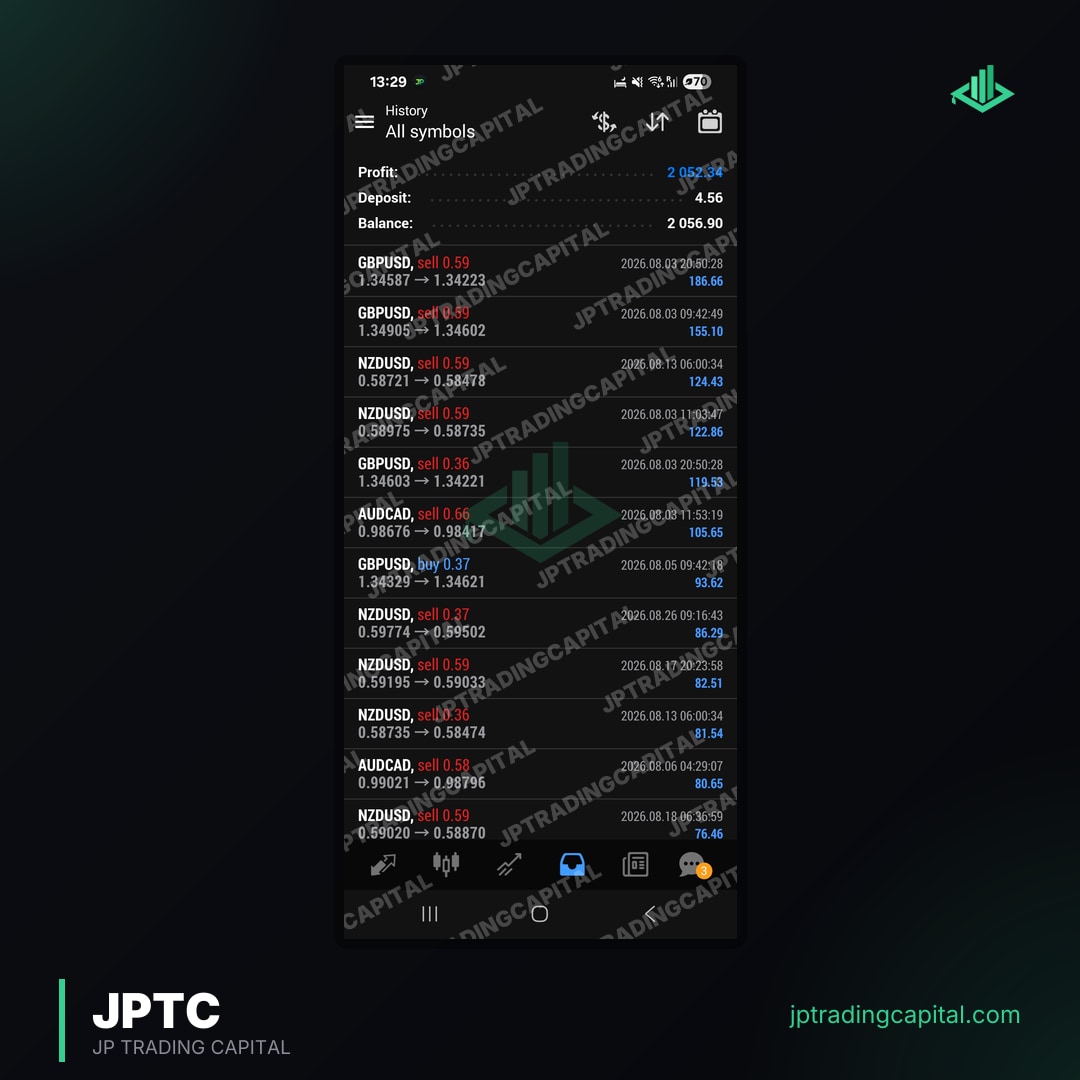
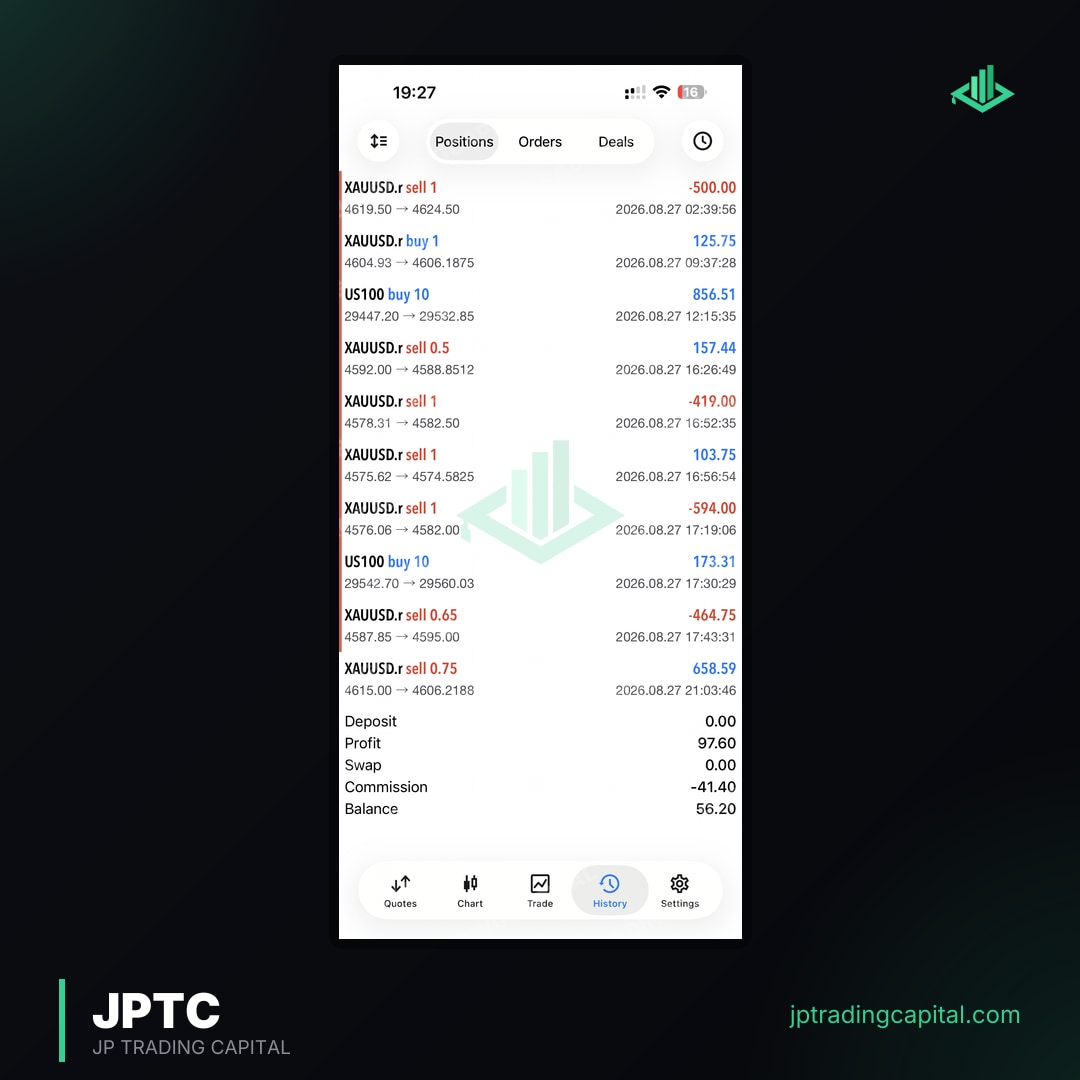
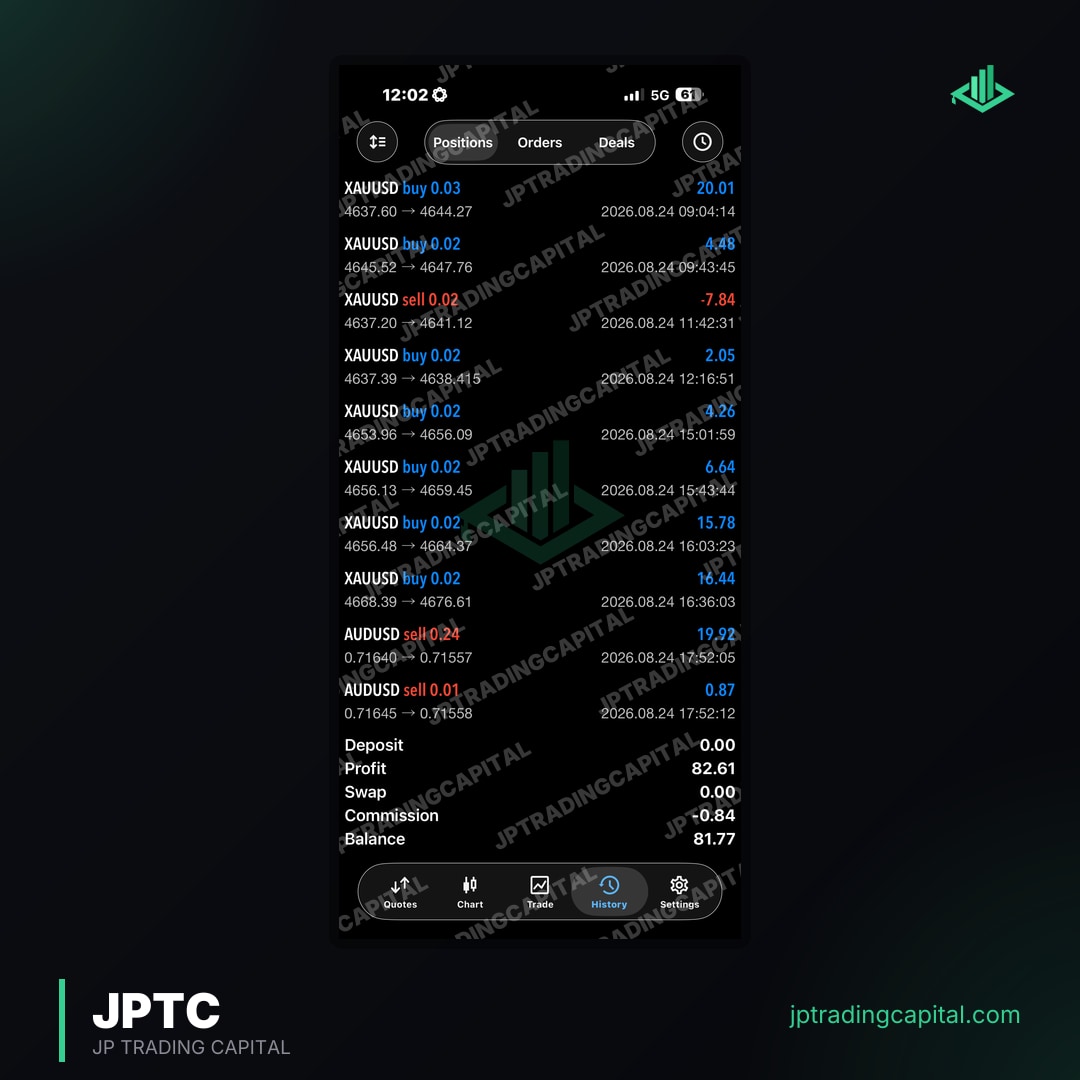
Beyond the primary profit and loss targets, FTMO implements additional rules concerning trading consistency and news event management that are frequently underestimated by traders, yet are critical for long-term success.
These nuanced rules are designed to ensure that traders operate with a consistent, professional approach, aligning with the risk management philosophy of a prop firm. Overlooking them can lead to unexpected Challenge failures or even account termination on a funded account, highlighting the importance of a comprehensive understanding of all FTMO Challenge regels.
The Consistency Rule: A Pillar of Professional Trading
The consistency rule is often the most misunderstood and challenging aspect for many traders. It stipulates that a trader's profit distribution should not be excessively skewed towards a few large trades, but rather reflect a consistent pattern of performance. While FTMO doesn't publish a precise mathematical formula for this rule, the general principle is that no single day's profit should constitute an overwhelmingly large percentage of the total profit target. For instance, if a trader achieves 80% of their profit target in one trading day and then struggles for the rest of the period, they might violate the consistency rule. This rule encourages steady, disciplined trading and discourages 'gambling' or 'all-in' approaches. For automated trading, this means designing strategies that generate consistent, smaller gains rather than relying on sporadic large wins. The JPTC EA Hub, for example, is engineered with backtested strategies that prioritize consistent, rule-abiding performance over high-risk, high-reward plays, helping traders naturally adhere to this critical rule.
News Trading Rules: Navigating Volatility
FTMO has specific rules regarding trading around major economic news releases, which are crucial for managing volatility and preventing unintended losses. During the FTMO Challenge and Verification phases, traders are generally permitted to trade through news events, and the rule of not trading in the window of 2 minutes before to 2 minutes after specific high-impact releases is typically waived. However, this leniency often changes once a trader progresses to a funded account. On a funded account, trading 2 minutes before and 2 minutes after high-impact news releases, particularly those affecting the traded instrument, is usually prohibited. This distinction is vital: what is allowed in the evaluation may not be on a real account. Traders must consult the latest FTMO General Rules to ensure compliance, especially when transitioning to a funded account, to avoid potential breaches.
Prohibited Trading Strategies
FTMO explicitly prohibits certain trading practices that exploit market inefficiencies or the prop firm's infrastructure, rather than demonstrating genuine trading skill. These include, but are not limited to, arbitrage strategies, reverse arbitrage, tick scalping, latency arbitrage, or using external data feeds to gain an unfair advantage. Additionally, hedging across multiple FTMO accounts or using strategies that involve guaranteed profit without market risk (e.g., trading on delayed data feeds) are strictly forbidden. These rules underscore the firm's commitment to fair trading practices and the evaluation of legitimate trading abilities. Automated systems must be developed ethically and transparently, ensuring they do not employ any of these prohibited methods.
Optimizing Your Strategy for FTMO Rules with Automated Tools
Leveraging automated trading tools can significantly enhance a trader's ability to consistently adhere to FTMO Challenge regels, provided these tools are designed with prop firm guidelines in mind.
Automated Expert Advisors (EAs) offer a disciplined, emotion-free approach to trading, which can be invaluable in meeting the strict parameters set by prop firms. The key is to utilize EAs that are specifically configured to respect daily drawdown caps, maximum loss limits, and consistency requirements from the outset.
How EAs Can Help Meet FTMO Objectives
Automated trading systems, when properly developed and configured, excel at executing trades based on predefined rules, eliminating human error and emotional biases. This is particularly advantageous for FTMO Challenges, where precision in risk management is paramount. An EA can be programmed to automatically close positions if the daily loss limit is approached, ensuring compliance. Similarly, it can manage position sizes to prevent breaching the maximum loss limit over time. For the consistency rule, EAs can be designed to take smaller, more frequent trades, distributing profits more evenly rather than relying on a few large, risky positions.
The JPTradingCapital Advantage for Prop Firm Traders
At JPTradingCapital, we understand the unique challenges faced by prop firm traders. Our flagship product, the JPTC EA Hub, is specifically engineered to help traders navigate these evaluations successfully. The JPTC EA Hub provides automated Expert Advisors pre-configured with backtested strategies that inherently respect crucial prop-firm rules. This means our EAs are designed to operate within daily drawdown caps, manage maximum loss limits, and promote the consistency required to pass evaluations like the FTMO Challenge.
The JPTC EA Hub works seamlessly across popular platforms like MetaTrader 4 and MetaTrader 5, making it compatible with a wide range of prop firms, including FTMO, FundedNext, FXify, TopStep, The5ers, and E8 Funding. Our approach removes the burden of manual rule enforcement from the trader, allowing them to focus on broader strategy while the EA handles the intricate details of compliance. For more information on how our EAs can assist you, visit our EA solutions page.
Backtesting and Optimization for Rule Compliance
Effective automated trading for prop firms requires rigorous backtesting. Our team emphasizes configuring strategies that have been thoroughly tested against historical data to ensure they would have consistently met FTMO Challenge regels. This includes simulating drawdown scenarios, profit target achievement, and adherence to minimum trading days. Traders leveraging such pre-configured EAs benefit from strategies proven to operate within the strict confines of prop firm rules, significantly increasing their chances of passing evaluations and securing a funded account.
Risk Management and Psychological Discipline in FTMO
While rules provide the framework, successful navigation of the FTMO Challenge also demands a robust approach to risk management and unwavering psychological discipline, which are often overlooked in the pursuit of quick profits.
The FTMO Challenge regels are not just arbitrary restrictions; they are designed to instill and test the very principles of sound trading that lead to long-term success. A trader's ability to manage their emotional responses and adhere to a strict risk framework is as important as their strategy itself.
How Rules Enforce Discipline
The daily and maximum loss limits, in particular, serve as excellent mechanisms for enforcing discipline. They force traders to accept small losses and prevent them from engaging in revenge trading or over-leveraging positions in an attempt to recover losses quickly. This inherent structure discourages impulsive decisions and promotes a methodical approach to risk. For automated traders, this translates to ensuring the EA's internal risk parameters are meticulously aligned with FTMO's limits, acting as an automated safeguard against emotional trading errors.
Avoiding Overtrading and Emotional Decisions
One of the biggest pitfalls for traders attempting the FTMO Challenge is overtrading, often driven by the desire to quickly hit the profit target or recover from a drawdown. This can lead to poor decision-making and a higher likelihood of violating loss limits. The consistency rule, while sometimes frustrating, indirectly helps combat overtrading by discouraging sporadic, high-volume activity. Developing a trading plan that outlines specific entry and exit criteria, along with clear risk parameters, is essential. Adhering to this plan, even when emotions run high, is the hallmark of a disciplined trader. Our automated solutions aim to remove the emotional element entirely, executing trades based purely on algorithmic logic and predefined risk management protocols, making the path to passing more consistent.
Focus on Long-Term Sustainability vs. Quick Passes
The ultimate goal of the FTMO Challenge is not just to pass, but to demonstrate the ability to trade profitably and sustainably over the long term. Traders who focus solely on passing quickly, often by taking excessive risks, frequently find themselves failing the Challenge or struggling on a funded account. A sustainable approach involves prioritizing capital preservation, consistent smaller gains, and continuous learning. This mindset aligns perfectly with the intent behind FTMO's rules and is the foundation upon which JPTradingCapital builds its automated trading strategies.
Common Pitfalls and How to Avoid Them in the FTMO Challenge
Even with a clear understanding of the FTMO Challenge regels, many traders fall prey to common pitfalls that lead to evaluation failures, underscoring the need for vigilance and strategic planning.
Avoiding these frequent mistakes requires not only knowledge of the rules but also disciplined execution and a proactive approach to risk management. Our experience shows that awareness of these traps is the first step towards successfully navigating the Challenge.
Breaching Daily or Maximum Loss Limits
This is by far the most common reason for failure. Traders often underestimate the impact of a few losing trades or fail to manage their open positions effectively, especially during volatile market conditions. To avoid this, always set hard stop-losses for every trade, and ensure your overall exposure is well within the limits. Automated trading systems are particularly effective here, as they can execute stop-losses precisely and monitor real-time equity levels to prevent breaches automatically.
Inconsistency in Trading Performance
As discussed, the consistency rule can be a subtle but powerful hurdle. Traders who achieve a large portion of their profit target in one or two days and then struggle with smaller, inconsistent trades for the remainder of the period risk violating this rule. To avoid this, aim for a steady, incremental approach to profit generation. Focus on high-probability setups with consistent risk-reward ratios rather than 'home run' trades. Diversifying trade entries and exits can also help smooth out profit distribution.
Trading During Prohibited News Events on Funded Accounts
While often allowed during the Challenge and Verification, ignoring news trading restrictions on a funded account is a critical error that can lead to account termination. Traders must stay informed about upcoming high-impact news releases and adjust their trading schedules accordingly. For automated systems, this means either pausing the EA during these windows or programming it with specific filters to avoid trading around such events. Always refer to the latest FTMO guidelines for specifics on news trading prohibitions.
Lack of a Solid Trading Plan
Entering the FTMO Challenge without a well-defined trading plan is like sailing without a map. A robust plan should include your chosen strategy, risk management parameters (including specific stop-loss and take-profit levels), preferred instruments, trading hours, and rules for managing drawdowns. This plan should be rigorously backtested and adhered to without deviation. For automated traders, the trading plan is embedded directly into the EA's logic, ensuring consistent execution.
Over-leveraging and Emotional Trading
The temptation to use high leverage to quickly reach profit targets or recover losses can be overwhelming, but it's a direct path to failure. Over-leveraging amplifies both gains and losses, making it far easier to hit daily or maximum loss limits. Coupled with emotional decision-making, such as revenge trading after a loss, this creates a dangerous cycle. Maintain appropriate position sizing relative to your account balance and stick to your predetermined risk per trade. Our automated trading solutions are designed to manage leverage and position sizing based on conservative, backtested parameters, removing the emotional element from every trade.
What is the main difference between FTMO Challenge: 1-Step and 2-Step?
Is the FTMO Challenge entry fee refunded?
Can I use an Expert Advisor (EA) to pass the FTMO Challenge?
What happens if I violate the daily loss limit?
How does the consistency rule apply to my trading?
Related Articles
- Pass Forex Challenge, Pay Later: How 3 Firms Offer Funded Accounts · Read more →
- 5 Top Futures Prop Firms Like Topstep in 2026: Expert Review · Read more →
- Best Futures Prop Firms 2026: Reddit Insights & EA Strategies · Read more →
- Best Retail Traders in 2026: Strategies for Prop Firm Success · Read more →
- 7 Best Forex Funded Accounts for 2026: Maximize Profits · Read more →
- Best Funded Account List 2026: 7 Firms for EA Traders · Read more →
- Exact FundedNext Account Types: 2026 Challenge Breakdown · Read more →
- Best Indicators for Futures Trading 2026: 5 Core Strategies · Read more →
- XAUUSD Trading Hours: 7 Critical Times for EAs [2026] · Read more →
The EA built for prop firm rules
Daily drawdown guard, hard max-loss stop, consistency-aware pacing and a news pause, on MT4 and MT5. One-time €797, no monthly fee. If you would rather not run the evaluation yourself, we run it for you.
See the EA Hub