FTMO Expert Advisors 2026: Exact Rules for Automated Trading Success

Yes, FTMO permits Expert Advisors for automated trading, including on MetaTrader 4 and 5, but with strict conditions designed to ensure fair play and replicability in real market conditions for 2026. Understanding these rules is crucial for any trader looking to use automation to pass their FTMO Challenge and Verification.
- FTMO allows EAs on MetaTrader 4 and 5, provided they adhere to specific trading practices.
- Strategies must be replicable in a real market and not exploit demo account characteristics.
- Forbidden practices include HFT, arbitrage, tick scalping, and reverse arbitrage strategies.
- The Consistency Rule is a key consideration for EA users, requiring steady trading performance.
- Choosing an EA that respects daily loss and maximum drawdown limits is essential for success.
FTMO Expert Advisors Allowed: The Official Stance for 2026
FTMO officially permits the use of Expert Advisors (EAs) for automated trading across their Challenge and Verification phases, as long as the strategies employed are ethical and replicable under actual market conditions. Our experience shows that this policy aims to foster a level playing field, ensuring that success is earned through genuine trading skill and strategy, rather than by exploiting simulation-specific loopholes. This means that while automation is a powerful tool, it must be applied within the spirit of real market trading. The FTMO General Rules provide the foundational framework, which we will explore in detail to help you navigate your trading journey.
Many traders come to us struggling with the FTMO Challenge, often due to issues with consistency or managing drawdown. Using an EA can be a solution, but only if it's designed to respect FTMO's specific conditions. We’ve seen firsthand how a well-programmed, compliant EA can transform a trader's performance, helping them meet profit targets while staying within the strict risk parameters. It's not just about whether an EA is allowed, but whether it's the right kind of EA for the FTMO environment.
Specific Conditions for EA Usage: Beyond the Basics
While FTMO broadly allows EAs, specific conditions dictate their permissible use, primarily focusing on preventing market manipulation and ensuring fair play. These conditions are crucial for any trader considering automated trading for their FTMO Challenge in 2026. The core principle is that any strategy executed by an EA must be reasonably replicable in a live trading environment. This immediately rules out strategies that rely on latency arbitrage, high-frequency trading (HFT), or exploiting price feed discrepancies specific to simulated environments.
Our team at JPTradingCapital has observed that the most common pitfalls for EA users at FTMO stem from failing to account for these nuances. For instance, an EA that works perfectly on a demo account with zero slippage or execution delays might struggle or even violate rules on a simulated account designed to mimic real-market conditions. It's vital to understand that FTMO's platform aims to simulate real-world trading as closely as possible, meaning your EA must be robust enough to handle varying market liquidity, spreads, and execution speeds without relying on artificial advantages.
Forbidden EA Strategies: What FTMO Won't Tolerate in 2026
FTMO explicitly prohibits certain trading practices, regardless of whether they are executed manually or via an Expert Advisor, because they are not reasonably replicable in the actual market. Understanding these forbidden strategies is paramount for any trader aiming to pass their FTMO Challenge or Verification using automated trading. The goal is to prevent unfair advantages that could arise from exploiting the characteristics of a simulated environment rather than demonstrating genuine trading skill.
Among the most critical forbidden practices are:
-
High-Frequency Trading (HFT): EAs that execute an extremely large number of trades within very short periods, often relying on ultra-low latency, are generally not permitted. These strategies often seek to exploit minute price discrepancies or order book inefficiencies that are not consistently available or scalable in real markets.
-
Latency Arbitrage: This involves EAs that profit from price feed delays between different brokers or data sources. If your EA is designed to open a trade on one platform based on a price movement detected on another, faster feed, it's considered latency arbitrage and is prohibited.
-
Reverse Arbitrage: Similar to latency arbitrage, this involves exploiting price discrepancies but often in the opposite direction or using different timing mechanisms. Any strategy that profits from predictable price differences between feeds is generally disallowed.
-
Tick Scalping: While general scalping is often allowed, EAs that engage in extremely short-duration trades (often just a few seconds) to capture minimal price movements, especially those that place a high volume of orders without substantial risk management, can fall under scrutiny. The key is whether such a strategy is truly scalable and replicable in live markets without causing significant market impact or being rejected by liquidity providers.
-
Hedge Fund/Group Trading: Using an EA that executes identical trades across multiple FTMO accounts (whether your own or those of others) is strictly forbidden. FTMO's rules are designed for individual traders to demonstrate their unique abilities. This also applies to EAs that use synchronized entry and exit points across different accounts from a single master account. Each account must demonstrate independent trading activity.
Our team has developed the JPTC EA Hub with these rules in mind, ensuring our Expert Advisors are designed to operate within FTMO's guidelines. We provide backtested setfiles that respect daily loss, maximum drawdown, and consistency requirements, offering a compliant path to automated trading success.
The Consistency Rule and Its Impact on EA Trading
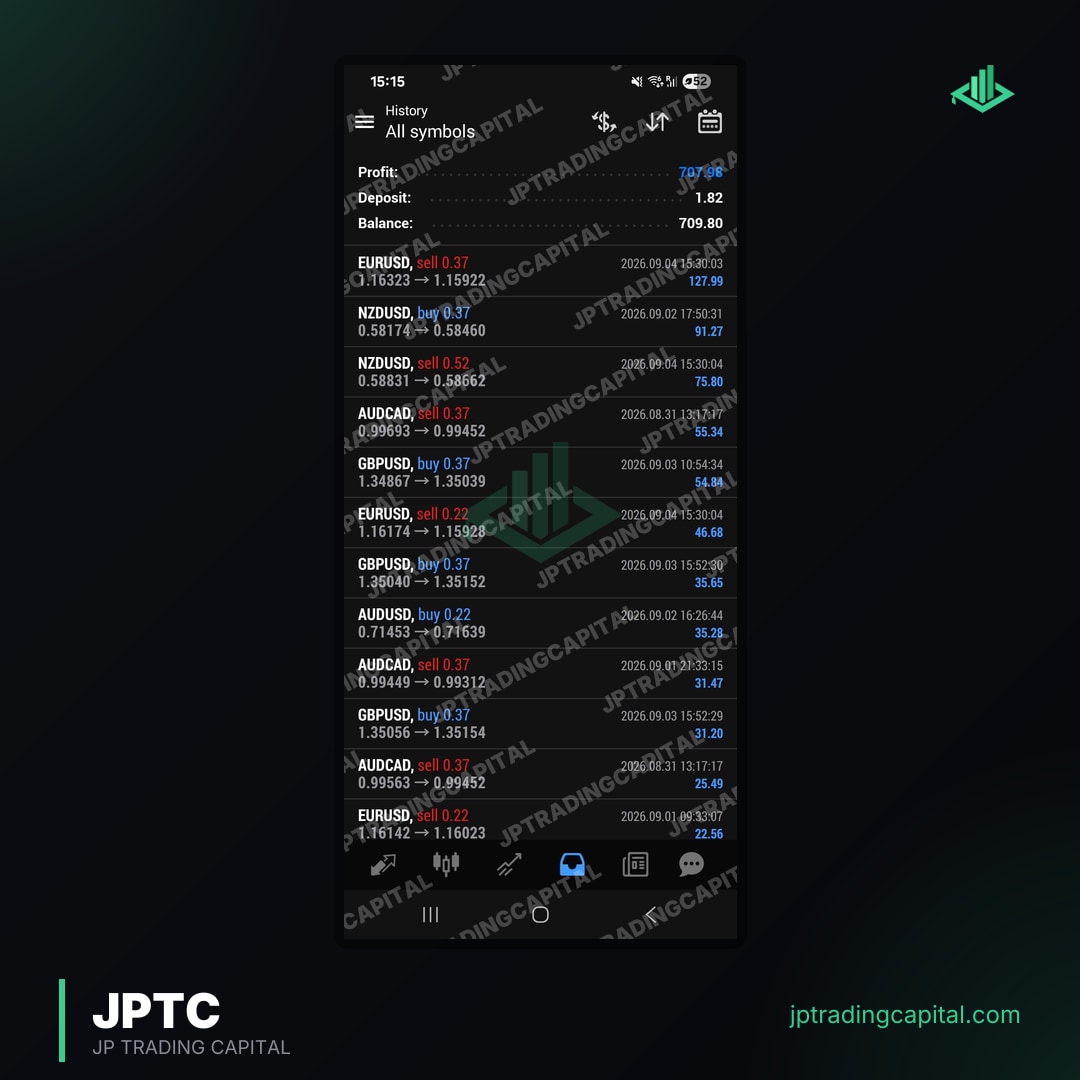
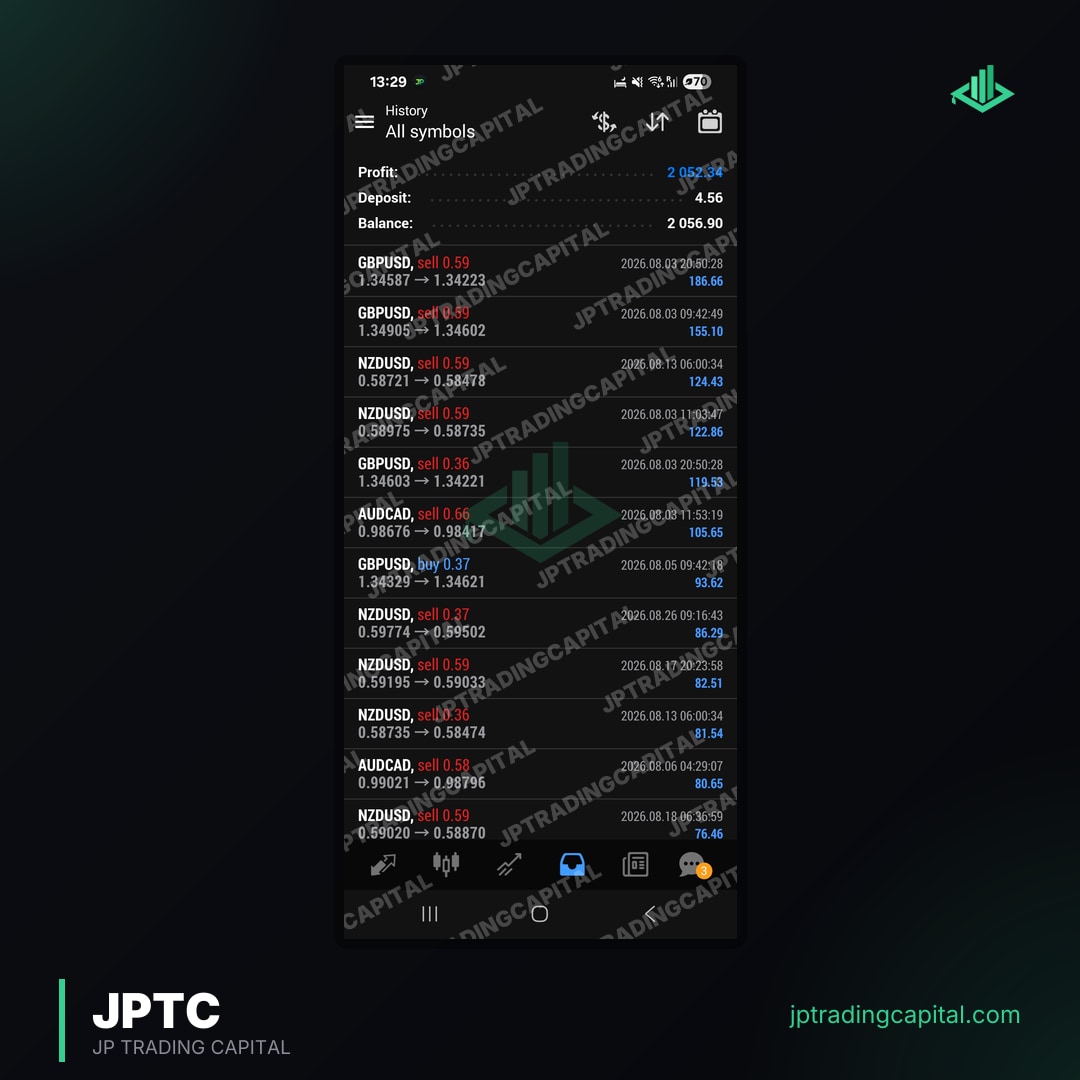
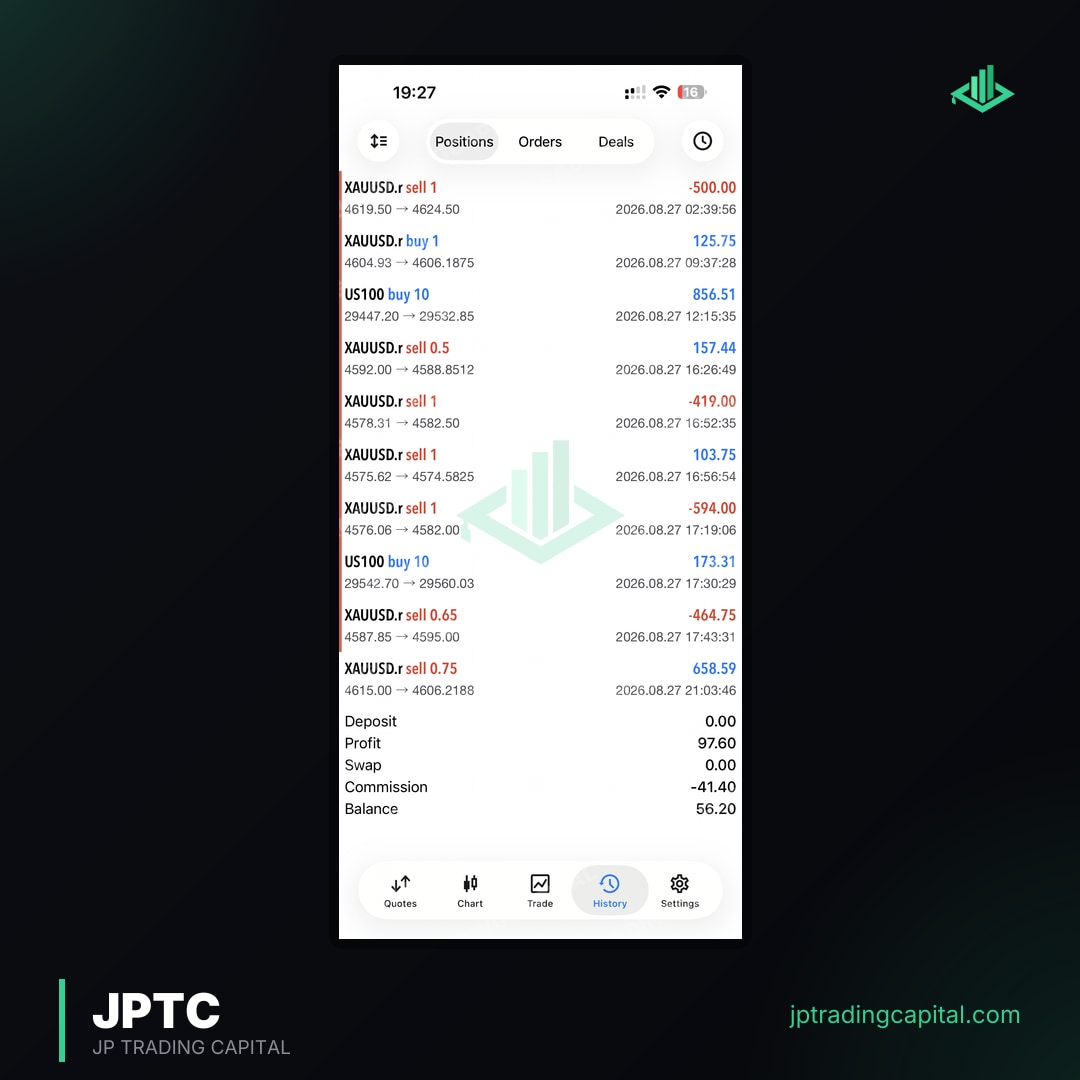
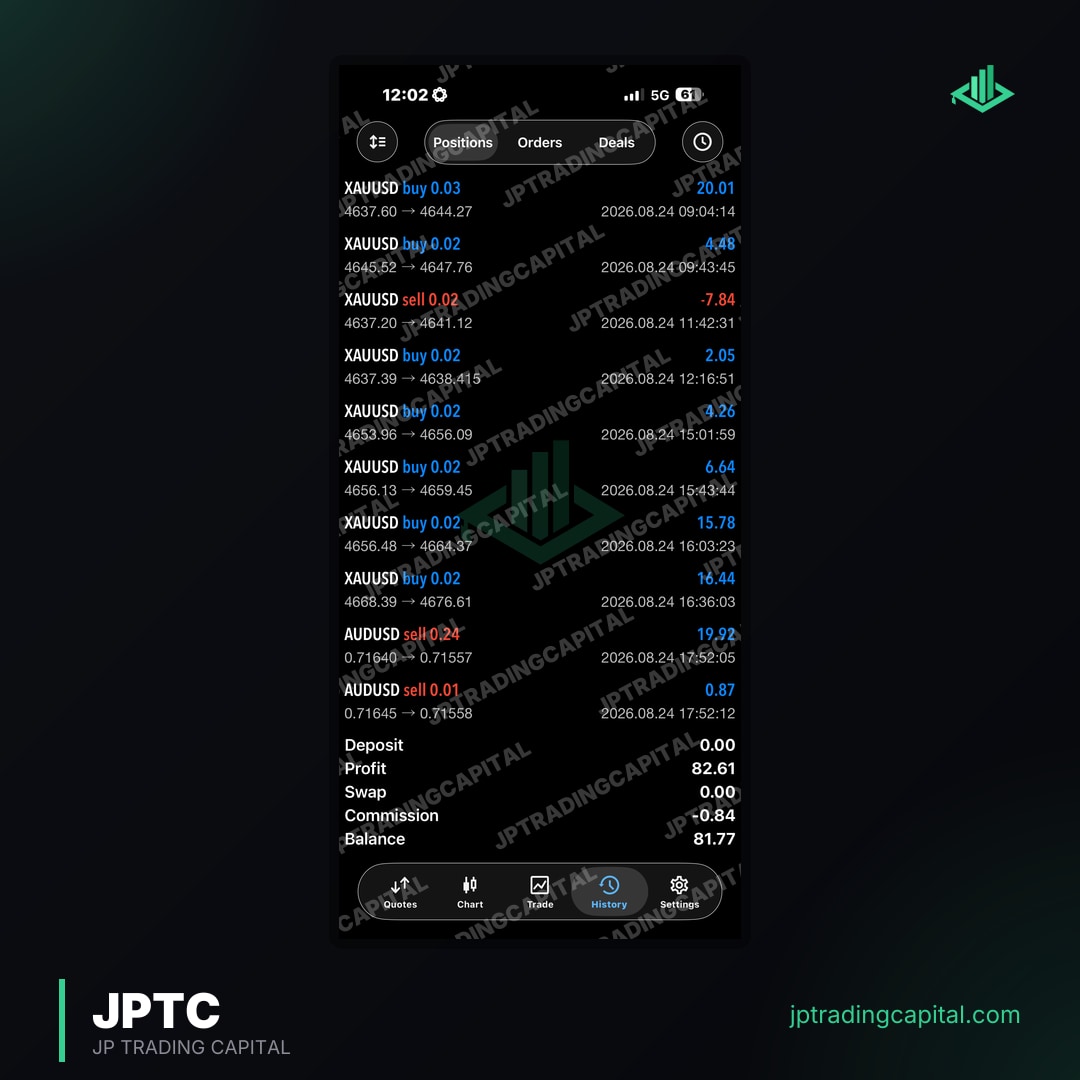
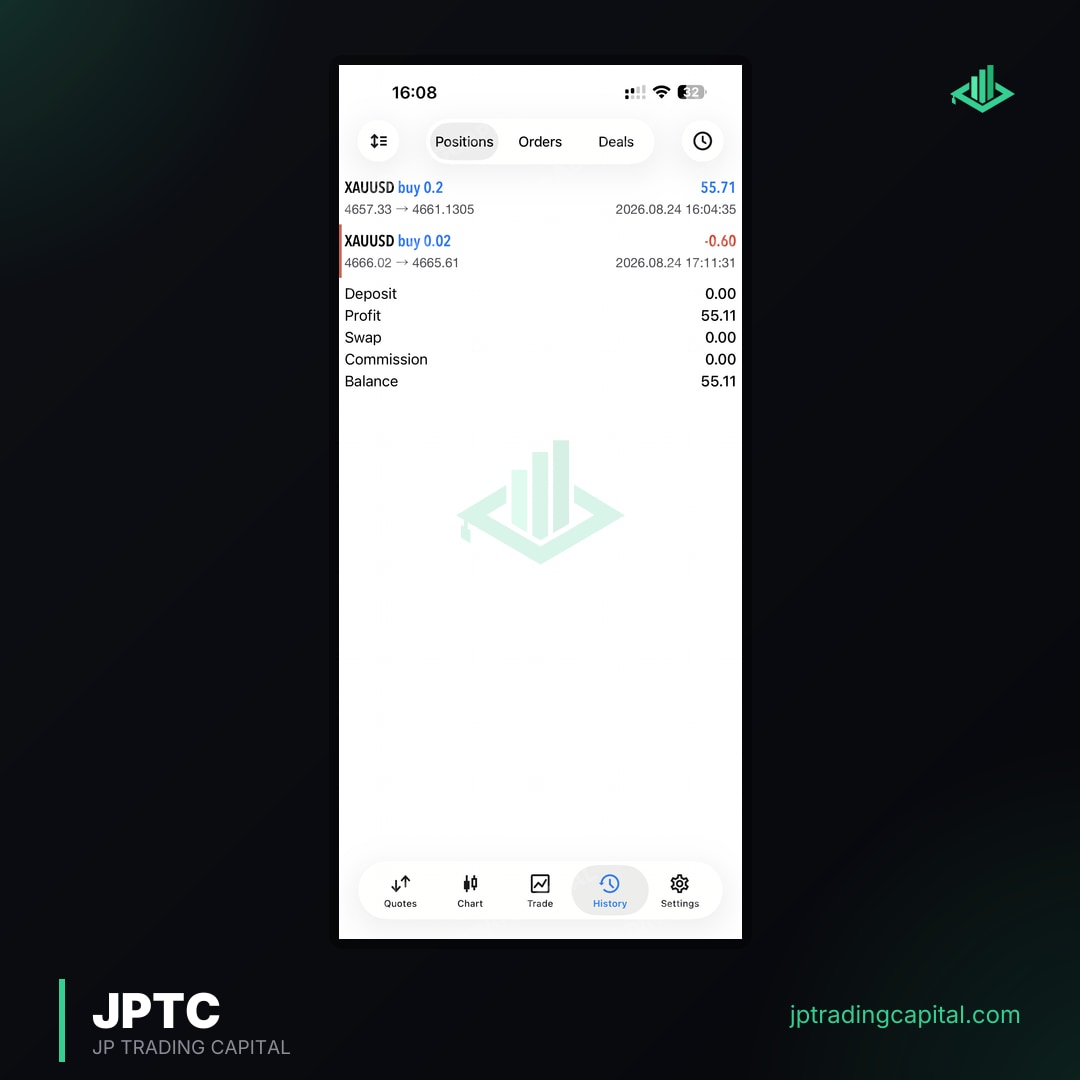
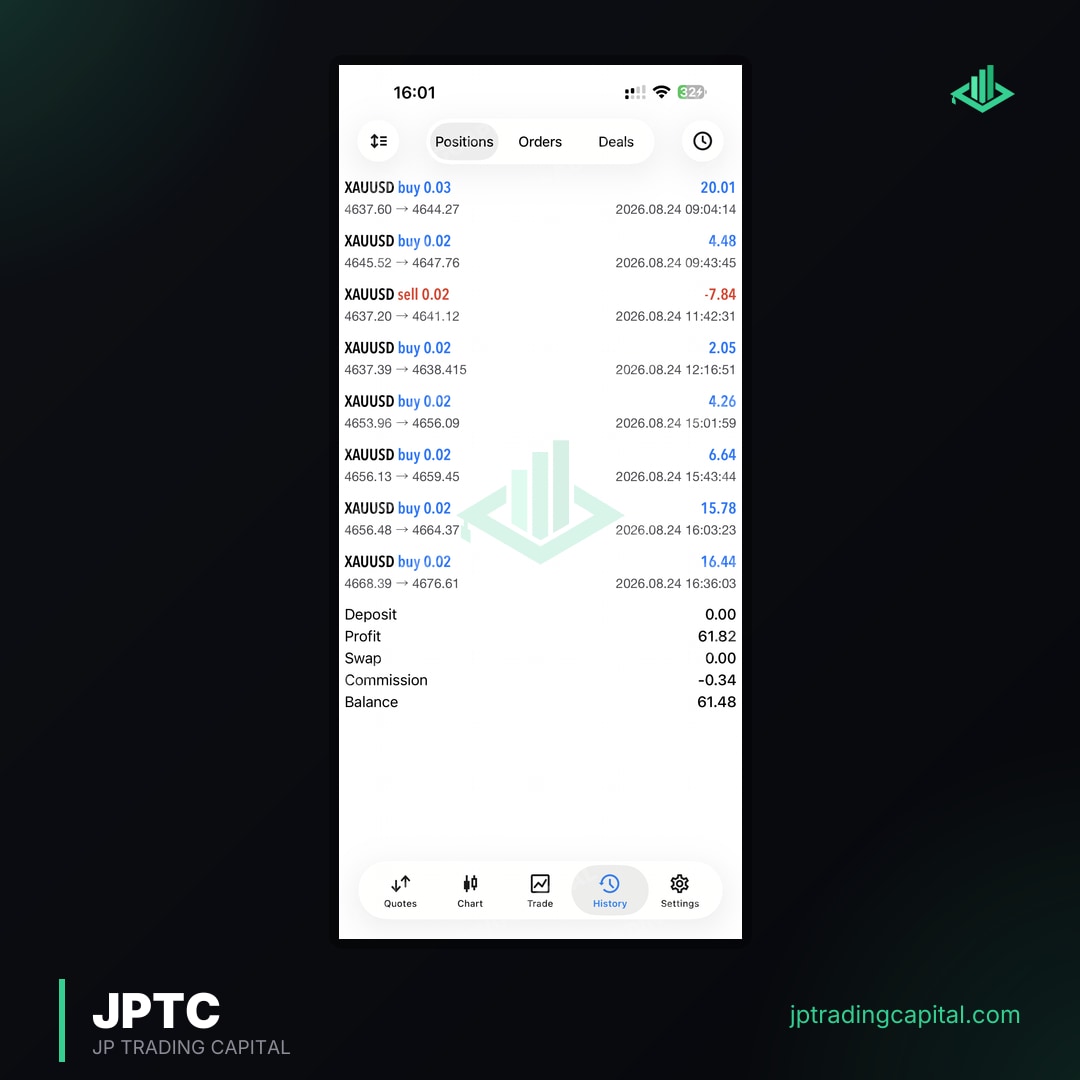
The FTMO Consistency Rule is a critical factor for any trader, especially those using Expert Advisors, as it ensures that profit targets are met through stable and realistic trading performance rather than erratic gains. This rule primarily assesses whether your trading results are consistent and not achieved through a few disproportionately large trades. For EAs, this means avoiding strategies that aim for infrequent, massive wins that might skew the overall performance metrics.
The rule generally evaluates the balance between your three best trading days and the rest of your trading period. If your top three days account for too high a percentage of your total profit, it can trigger a consistency violation, even if you've met the profit target. This is particularly challenging for EAs designed with high-risk, high-reward strategies or those that might catch a significant news-driven move. Our internal analysis of countless failed challenges consistently points to the Consistency Rule as a major hurdle for traders who rely on aggressive or unpredictable automation.
Designing or Choosing an EA for Consistency
When selecting or developing an Expert Advisor for FTMO, prioritizing consistency is paramount. This means focusing on strategies that:
-
Maintain Regular Trade Volume: An EA that trades consistently throughout the period, rather than remaining dormant for days and then executing a single large trade, is more likely to meet the consistency criteria.
-
Manage Position Sizing: Avoid EAs that vary position sizes wildly. While scaling up is a natural part of trading, an EA that places one small trade and then one exceptionally large trade can trigger the rule. Consistent, calculated risk per trade is key.
-
Focus on Smaller, Frequent Gains: Strategies that aim for smaller, more frequent profits, rather than waiting for a rare, massive move, tend to align better with the Consistency Rule. This doesn't mean avoiding profitable trades, but rather spreading the profit generation more evenly.
-
Incorporate Robust Risk Management: EAs with built-in daily loss limits and maximum drawdown controls are essential. Our JPTC EA Hub provides Expert Advisors with backtested setfiles specifically designed to respect these prop-firm rules, ensuring that your automated trading stays within the required parameters.
Beyond EA Permission: Managing Daily Loss and Max Drawdown in 2026
While knowing that Expert Advisors are allowed at FTMO is important, the true challenge for automated trading lies in consistently adhering to the strict Daily Loss and Maximum Drawdown rules. These are often the primary reasons traders, even those using EAs, fail their evaluations. An EA might be profitable overall, but a single volatile trading day or a series of consecutive losses can quickly breach these limits, leading to a failed challenge.
The Daily Loss Limit restricts how much your account equity can drop from its starting balance for that trading day. The Maximum Drawdown limit is an absolute cap on how much your account can fall from its highest recorded equity at any point. For automated trading, this means your EA must have sophisticated risk management protocols built-in to prevent hitting these thresholds. It's not enough for an EA to simply make money; it must also protect capital aggressively.
Strategic EA Implementation for Risk Management
To successfully navigate FTMO's risk parameters with an EA, consider these points:
-
Hard Stop-Loss and Take-Profit: Ensure your EA always places a stop-loss for every trade. While some EAs use virtual stops, a hard stop on the broker's server is safer for prop firm challenges, especially during unexpected market moves or connectivity issues. Consistent take-profit levels help manage expectations and lock in gains.
-
Dynamic Position Sizing: An EA that can dynamically adjust its lot size based on account equity and remaining drawdown is invaluable. This allows the EA to scale down risk if the account is approaching a limit, or scale up responsibly if the account is performing well.
-
Daily Stop Functionality: Many advanced EAs include a 'daily stop' feature that automatically halts trading once a predefined daily loss has been reached. This is a critical safeguard against breaching FTMO's Daily Loss Limit. Our proprietary EAs within the JPTC EA Hub include these advanced risk management features, pre-configured with setfiles tailored for prop firm rules.
-
News Event Management: Major news events can cause extreme volatility, making it difficult for EAs to manage risk effectively. Consider an EA that can be configured to pause trading during high-impact news releases or one that has a built-in news filter. While news trading itself isn't forbidden, the associated volatility can quickly lead to drawdown breaches.
Choosing a Compliant EA or Service for FTMO in 2026
The decision to use an Expert Advisor for your FTMO Challenge in 2026 requires careful consideration to ensure compliance and maximize your chances of success. It's not enough to simply find an EA that claims to be profitable; it must also be specifically designed to operate within the strict boundaries set by prop firms like FTMO. Our extensive experience supporting traders through these challenges has highlighted what truly matters.
When evaluating an EA, ask these crucial questions:
-
Does it respect prop-firm specific rules? Beyond just general profitability, does the EA have built-in logic to manage daily loss, maximum drawdown, and adhere to consistency requirements?
-
Are its strategies replicable? Does the EA rely on high-frequency trading, arbitrage, or other forbidden practices that might work on a standard demo but fail on a prop firm's simulated real-market conditions?
-
Is there verifiable performance? Look for evidence of the EA's performance specifically under prop-firm conditions, not just generic backtests or demo results without context.
For traders who are constantly failing evaluations due to these complex rules, JPTradingCapital offers tailored solutions. Our JPTC EA Hub provides Expert Advisor licenses with backtested setfiles specifically crafted to respect prop-firm rules like daily loss, max drawdown, and consistency. These EAs are designed for you to run on your own MT4/MT5 terminal, giving you control while ensuring compliance.
Alternatively, if you prefer a hands-off approach or have repeatedly struggled, our prop-firm challenge passing service can be a direct path to securing a funded account. We handle the challenge for you, ensuring all rules are met, allowing you to focus on managing your funded account once it's secured. For those with their own capital seeking automated trading without installation hassles, the JPTC Live Algo is hosted by us on your broker account, requiring nothing from you but to watch it trade. And for traders looking for direct trade ideas, our VIP forex and gold signals are copied onto your own account, free through a partner broker.
Making an informed decision about automated trading at FTMO for 2026 means weighing the benefits of automation against the strict rules of prop firms. Whether you choose to license a compliant EA, opt for a challenge passing service, or explore other automated solutions, understanding these nuances is your first step towards success.
See the JPTC EA Hub
Can I use any Expert Advisor with FTMO?
No, while FTMO allows Expert Advisors, they must adhere to specific rules. Your EA cannot use forbidden strategies like high-frequency trading, latency arbitrage, or group trading. It must also respect the daily loss, maximum drawdown, and consistency rules.
What is the FTMO Consistency Rule and how does it affect EAs?
The Consistency Rule ensures your profits are generated steadily, not from a few disproportionately large trades. For EAs, this means avoiding strategies that yield infrequent, massive gains. EAs should aim for consistent, moderate profits and manage position sizing to spread risk and reward evenly across trading days.
What happens if my EA violates FTMO's rules?
If your Expert Advisor violates FTMO's rules, such as exceeding the daily loss or maximum drawdown limits, or engaging in forbidden trading practices, your Challenge or Verification will be terminated. This highlights the importance of using EAs specifically designed to comply with prop firm regulations.
Does JPTradingCapital offer EAs compliant with FTMO rules?
Yes, the JPTC EA Hub provides Expert Advisor licenses with backtested setfiles that are specifically designed to respect prop-firm rules like daily loss, max drawdown, and consistency. Our EAs are built to help traders navigate the FTMO Challenge successfully.
Related Articles
- Pass FTMO Challenge: 5 Proven Strategies for 2026 Success · Read more →
- FTMO Approval: 3 Proven Steps to Secure Funding in 2026 · Read more →
- Top Gold Trading Strategies: Pass Prop Firms, Automate XAUUSD [2026] · Read more →
- Fund Your Trading: 5 Alternatives to Prop Firms in 2026 · Read more →
- The5ers EA Rules: 3 Keys to Pass Challenges in 2026 · Read more →
- 2026 Trading Tax: When Your Profits Become Taxable · Read more →
- Real Funded Trading Capital: How to Pass Prop Firm Challenges · Read more →
- Master EA Testing: The 5 Best Apps for Prop Firms in 2026 · Read more →
The EA built for prop firm rules
Daily drawdown guard, hard max-loss stop, consistency-aware pacing and a news pause, on MT4 and MT5. One-time €797, no monthly fee. If you would rather not run the evaluation yourself, we run it for you.
See the EA Hub