Master EA Testing: The 5 Best Apps for Prop Firms in 2026
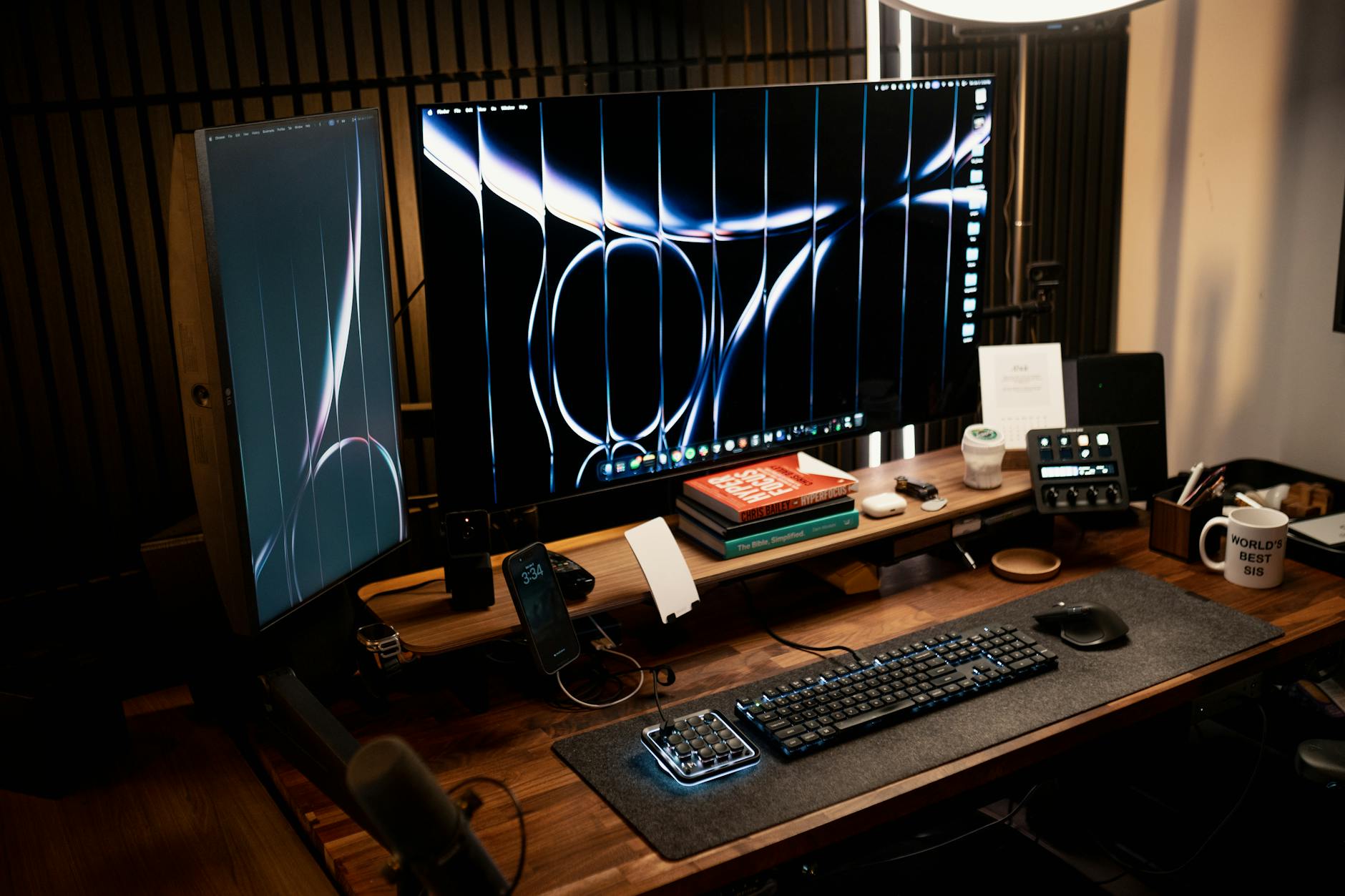
The best EA strategy tester app for serious traders, especially those targeting prop firm challenges, is often an advanced platform like MetaTrader 5's built-in tester, enhanced by high-quality tick data and complemented by specialized, ready-made solutions that align with specific trading goals. An effective strategy tester provides the insights necessary to validate an Expert Advisor's potential under various market conditions.
- MetaTrader 5 Strategy Tester offers robust multi-currency backtesting capabilities.
- Accurate tick data is crucial for reliable EA performance evaluation.
- Prop firm rules (drawdown, max loss) demand specific backtesting parameters.
- Ready-made EA setfiles provide pre-optimized strategies built around prop-firm rules.
- Avoid over-optimization by focusing on realistic historical data and conditions.
Why an Effective EA Strategy Tester App is Crucial for Traders
An effective EA strategy tester app is indispensable for any trader looking to deploy Expert Advisors (EAs) with confidence, serving as the foundational tool for validating automated trading strategies. Without thorough testing, deploying an EA is akin to trading blind, risking capital on unproven logic. The core purpose of a strategy tester is to simulate historical market conditions and observe how a trading robot would have performed, identifying strengths, weaknesses, and potential profitability before risking real funds in a funded account.
For prop firm traders, the stakes are even higher. Passing evaluation phases and managing a funded account requires not only profitability but also strict adherence to specific rules, such as daily drawdown limits, maximum loss limits, and consistency parameters. A robust strategy tester allows traders to fine-tune their EAs to meet these stringent requirements, mitigating the risk of violating rules and failing challenges. It provides a controlled environment to experiment with different settings, optimize parameters, and build a strategy that is both profitable and compliant. This iterative process of testing and refinement is what separates consistently successful automated traders from those who rely on chance.
Understanding the Core: MetaTrader 5 Strategy Tester
The MetaTrader 5 (MT5) Strategy Tester stands out as a powerful and widely adopted solution for backtesting Expert Advisors, offering a comprehensive environment for evaluating trading strategies. Built directly into the platform, it provides access to a vast array of historical data across multiple financial instruments, allowing for detailed simulations of how EAs would perform under various market conditions. Its multi-currency testing capabilities are a significant advantage, enabling traders to test EAs that operate across correlated or diversified currency pairs simultaneously, providing a more holistic view of a strategy's performance.
The MT5 Strategy Tester is known for its ability to simulate trades with high precision, offering options for different modeling qualities, from open prices to every tick. This level of detail is crucial for understanding how an EA reacts to granular price movements, which can significantly impact entry, exit, and stop-loss triggers. Furthermore, the tester integrates seamlessly with the MQL5 community, providing access to a wealth of EAs, indicators, and optimization tools. While powerful, the default historical data provided by brokers within MT5 might not always be of the highest quality, necessitating the use of external tick data for truly accurate results.
The Unseen Edge: Tick Data and Backtesting Accuracy


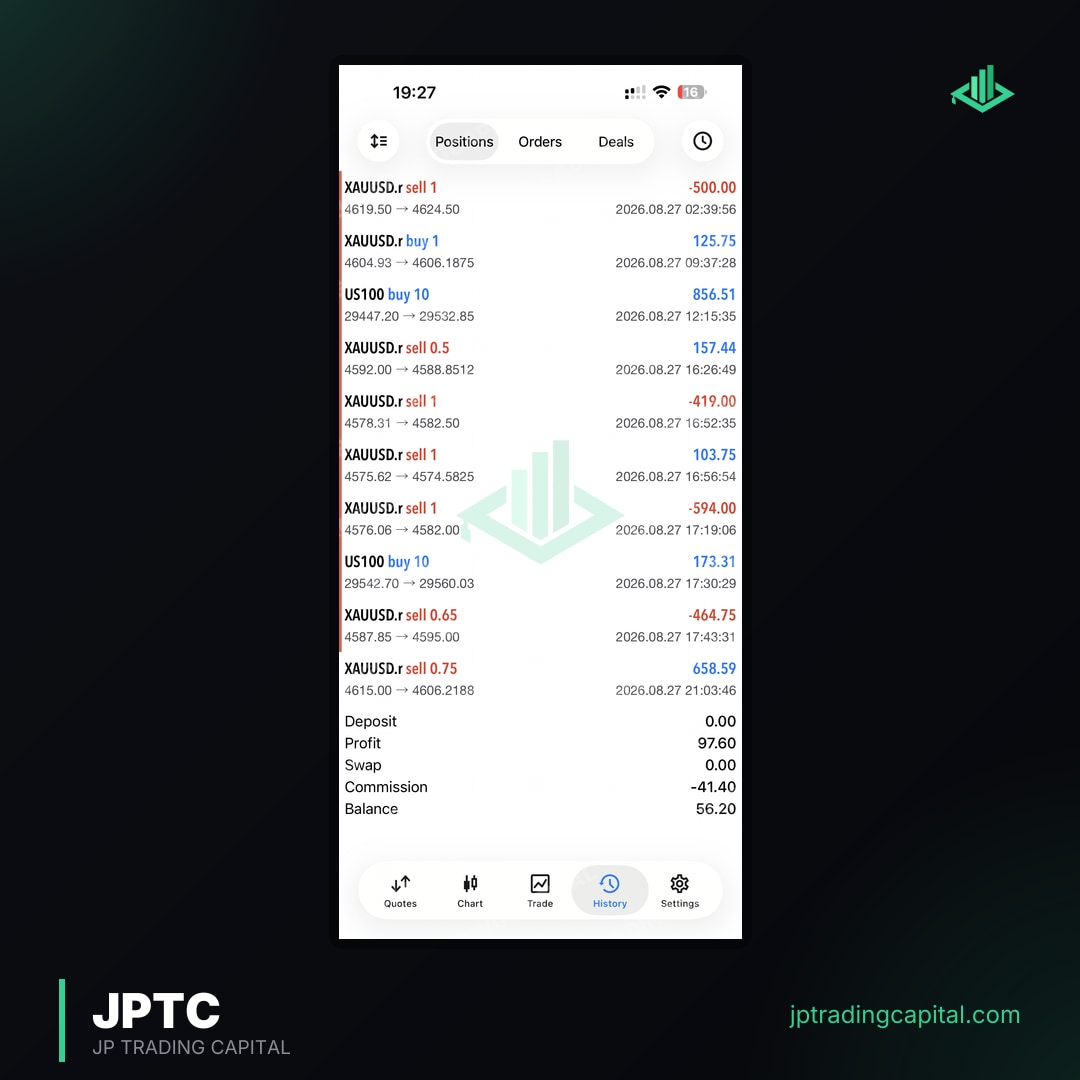

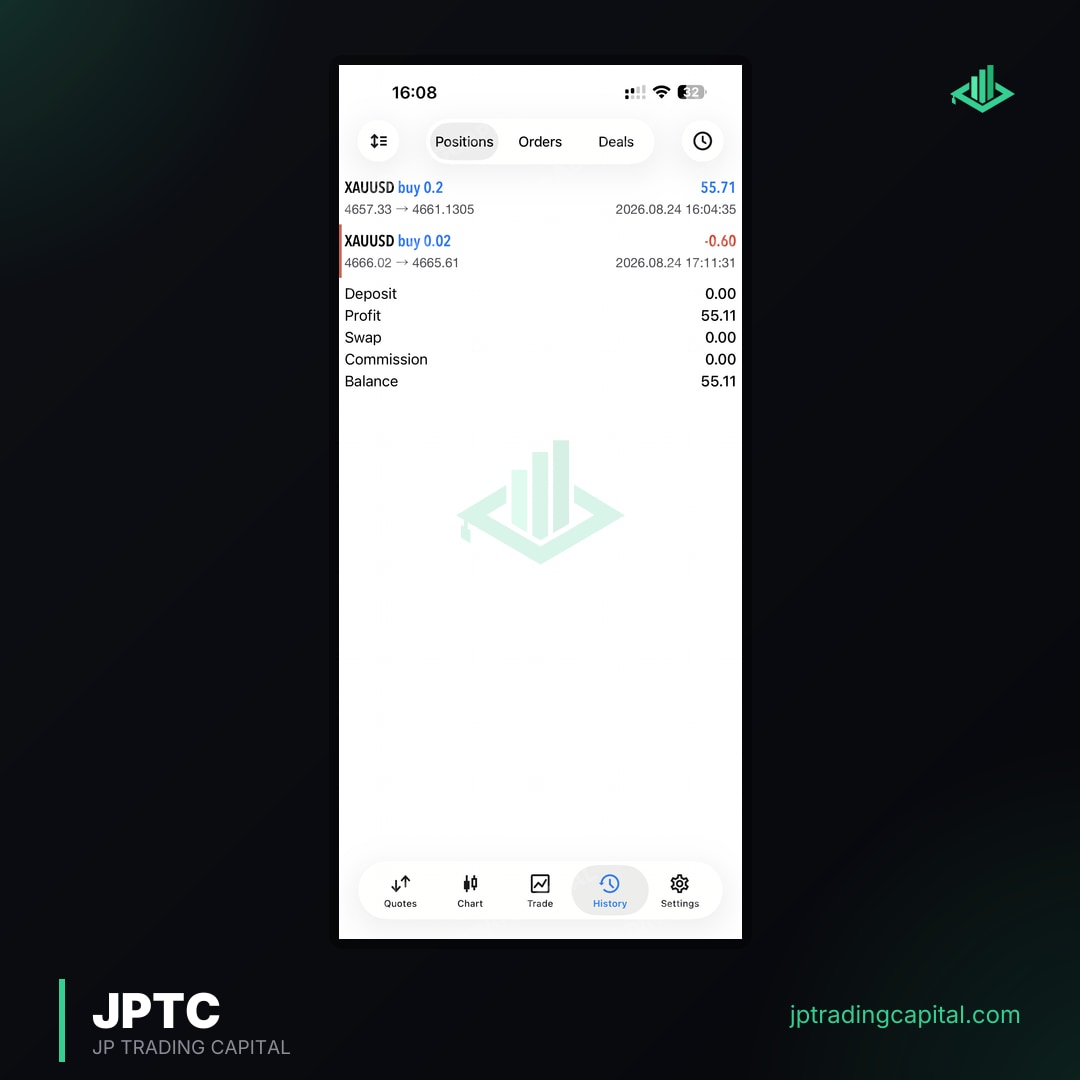
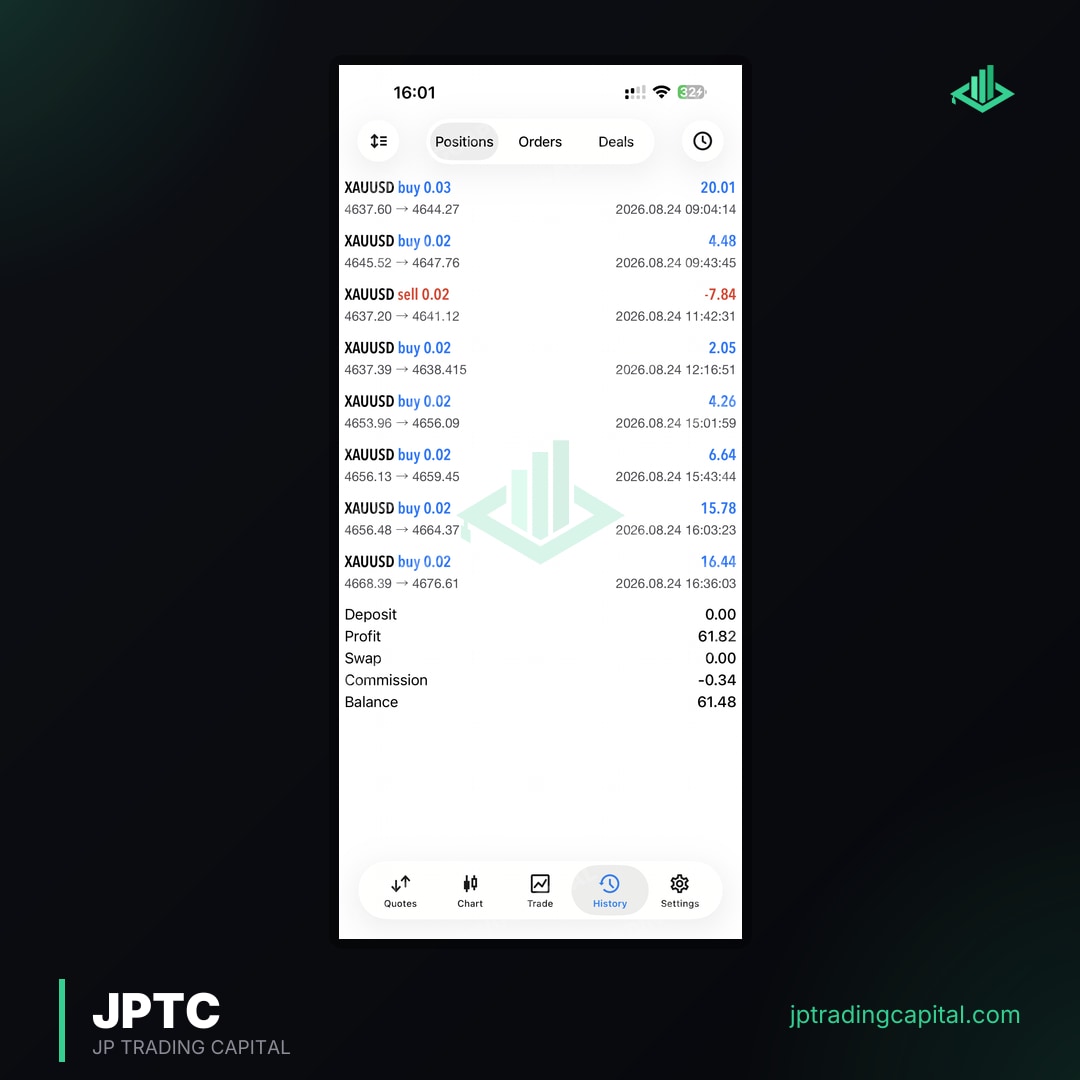
Tick data is paramount for achieving reliable and accurate backtesting results, as it provides the most granular representation of historical price movements. Unlike minute or hourly data, tick data records every single price change, offering a precise timeline of bid and ask prices. This level of detail is essential for EAs that rely on rapid price action, tight stop losses, or specific entry/exit conditions triggered by minimal fluctuations. Without high-quality tick data, a backtest can produce misleading results, showing an EA as profitable when, in reality, it would have failed in a real account due due to factors like spread, slippage, and commissions.
Achieving a 99.9% modeling quality in the MT5 Strategy Tester, often touted as the gold standard, relies heavily on feeding it accurate tick data. This ensures that the simulation accounts for the exact order of price changes, realistic spreads, and potential slippage that occur in live trading. Ignoring these nuances can lead to over-optimistic performance reports, where an EA appears robust on paper but collapses under actual market conditions. Traders must actively seek out and integrate high-quality historical tick data from reliable sources to ensure their backtests are a true reflection of potential real-account performance. This meticulous approach to data quality is a critical step in validating any Expert Advisor.
Backtesting for Prop Firm Success: A Specialized Approach
Backtesting an EA for prop firm success requires a specialized approach that goes beyond mere profitability, focusing intensely on adherence to the firm's specific trading rules. Prop firms, such as FTMO, FundedNext, FXify, TopStep, The5ers, and E8 Funding, impose strict parameters like daily drawdown limits, maximum loss limits, and consistency rules. An Expert Advisor might show impressive profit on a standard backtest, but if it frequently breaches a 5% daily drawdown or a 10% maximum loss, it will inevitably fail a prop firm evaluation or lead to account termination.
Therefore, when using the best EA strategy tester app, traders must configure their backtests to explicitly simulate these prop firm conditions. This means setting custom parameters in the tester that reflect the firm's rules, such as maximum equity drawdown percentage or maximum floating loss. It also involves analyzing the backtest report not just for profit factor, but for metrics like maximum drawdown, consecutive losses, and how well the EA maintains a consistent equity curve. For example, if FTMO's General Rules state a 5% daily loss limit, your backtest must demonstrate that your EA can operate effectively within that boundary. The JPTradingCapital team understands this critical need, which is why our solutions are specifically designed to help traders navigate and pass these rigorous evaluations.
Beyond the Desktop: The Rise of Hosted EA Strategy Solutions
The traditional method of running an EA strategy tester app on a local machine or even a dedicated VPS comes with inherent limitations, which hosted EA strategy solutions are designed to overcome. Local setups require significant computing power, constant internet connectivity, and the technical expertise to manage data, software installations, and system maintenance. This can be a barrier for many traders, especially those who prefer to focus solely on strategy and trading.
Hosted services remove much of this work. At JPTradingCapital, the separate JPTC Algo is hosted by JPTC and connected to your own broker account, so its customers install nothing and need no VPS; it is built for your own capital, not for prop-firm evaluations. For prop-firm accounts, the JPTC EA Hub supplies EAs with backtested setfiles that already respect crucial prop-firm rules, offering a ready-to-deploy advantage; you run them on your own terminal, on a reliable PC or VPS. Either route lets traders put powerful automated systems to work without building and validating a strategy from scratch. JPTradingCapital publishes monthly figures from broker statements on its results page. The broker’s own account record is not an independent audit; these figures do not establish future performance or compliance for another strategy. More information: EA product page.
Advanced Optimization Techniques and Avoiding Pitfalls
Advanced optimization techniques are crucial for maximizing an EA's performance, but they must be applied carefully to avoid the pitfall of over-optimization, a common issue in strategy testing. Optimization involves systematically testing different combinations of an EA's input parameters to find the set that yields the best historical results. Modern strategy testers, including MT5, offer sophisticated tools like genetic algorithms that can efficiently explore a vast parameter space.
However, over-optimization, or "curve fitting," occurs when an EA's parameters are tuned too perfectly to past data, making it perform exceptionally well in backtests but poorly in real-time trading. This happens because the optimized parameters might be exploiting random market noise rather than genuine market patterns. To avoid this, traders should employ techniques like walk-forward analysis, where an EA is optimized on a segment of historical data (in-sample) and then tested on a subsequent, unseen segment (out-of-sample). This process is repeated across multiple periods, providing a more realistic assessment of the EA's robustness. Focusing on logical, robust parameter ranges rather than extreme values, and considering performance across various market conditions, helps ensure that an EA is genuinely effective and not just a historical anomaly.
Key Features to Look for in The Best EA Strategy Tester App
When searching for the best EA strategy tester app, several key features distinguish a superior tool from a basic one, ensuring comprehensive and reliable strategy validation. High-quality data is foundational; the tester must support accurate tick data with realistic spread and slippage simulation to mimic real market conditions as closely as possible. This directly impacts the integrity of your backtest results.
Multi-currency and multi-asset support is another vital feature, especially for EAs designed to trade a portfolio of instruments or those that rely on inter-market correlations. Robust reporting and analytics capabilities are essential, providing detailed metrics such as profit factor, maximum drawdown, consecutive wins/losses, and equity curve analysis. The ability to customize variables and settings within the EA, along with an intuitive interface, enhances the user experience and allows for flexible strategy development. Finally, seamless integration with popular trading platforms like MetaTrader 4 and MetaTrader 5 ensures that your tested strategies can be easily deployed. For prop firm traders, the ability to specifically model and report against prop firm rules is an invaluable advantage, allowing for targeted optimization and risk management.
Comparing Built-in Testers vs. Third-Party Tools
When evaluating the best EA strategy tester app, traders often weigh the merits of built-in platform testers against specialized third-party tools. Built-in testers, like the one in MetaTrader 5, offer convenience and direct integration with the trading platform. They are generally sufficient for basic backtesting and preliminary strategy validation, especially if the broker provides reasonable historical data. Their ease of use makes them accessible for many traders to start testing their Expert Advisors.
However, third-party tools, such as those that provide high-quality tick data or advanced optimization features (like Tickstory for MT4), often excel in accuracy and depth. These external solutions typically offer superior data quality, more realistic spread and slippage modeling, and advanced analytical capabilities that can uncover subtle nuances in an EA's performance. While they might require additional setup or cost, the enhanced precision they provide is invaluable for serious traders and EA developers seeking the most reliable backtest results, particularly when fine-tuning strategies for demanding environments like prop firm challenges.
The Future of EA Backtesting: AI and Machine Learning Integration
The future of the best EA strategy tester app is increasingly pointing towards the integration of Artificial Intelligence (AI) and Machine Learning (ML), promising a new era of strategy discovery and validation. While current testers excel at evaluating predefined rules, AI/ML can move beyond this by actively identifying patterns, generating novel strategies, and even adapting existing EAs to changing market conditions. This represents a significant leap from traditional optimization, which is limited to parameters set by the developer.
Imagine an EA strategy tester that not only backtests your existing code but also suggests improvements, identifies hidden correlations, or even constructs entirely new trading algorithms based on vast datasets. Predictive modeling, driven by machine learning, could enhance an EA's ability to anticipate market shifts, while adaptive EAs could dynamically adjust their parameters in response to real-time performance and market regime changes. This evolution would empower traders to develop more robust, resilient, and intelligent automated systems, pushing the boundaries of what is possible in algorithmic trading and offering a powerful edge in competitive markets like prop firm challenges.
What is the difference between backtesting and forward testing?
Can I backtest an EA without MetaTrader?
How important is tick data for EA backtesting?
What are common mistakes to avoid when using an EA strategy tester?
How can an EA strategy tester help with prop firm challenges?
Related Articles
- Best Crypto Services for Prop Firms: 7 Key Offerings [2026] · Read more →
- 7 Proven Forex Prop Trading Strategies for 2026 · Read more →
- Best Forex Broker Comparison Chart 2026: 7 Key Factors · Read more →
- Prop Trading Tax in 2026: 3 Key Dutch Rules to Maximize Savings · Read more →
- Topstep Bot Trading 2026: Exact Rules for Automated EAs · Read more →
- Maven Trading EA Policy 2026: Why Automated Trading Is Banned · Read more →
- Choosing the Right Funded Forex Account: 7 Key Steps for 2026 · Read more →
- Exact FundedNext Scalping Rules for 2026: Avoid Policy Violations · Read more →
- Real Funded Trading Capital: How to Pass Prop Firm Challenges · Read more →
- 2026 Trading Tax: When Your Profits Become Taxable · Read more →
Review the JPTC EA Hub
EA software with version-specific documentation and account-level risk controls. Review the selected programme’s current automation rules and test the chosen version; software does not guarantee compliance, a pass or a payout.
See the EA Hub