Funded Trading Accounts Canada: 7 Firms & How to Pass in 2026

Funded trading accounts in Canada provide an avenue for skilled traders to access substantial trading capital from proprietary trading firms, allowing them to trade various financial instruments without using personal funds. These firms typically require traders to pass an evaluation or challenge phase to prove their profitability and risk management skills before granting access to a funded account.
- Prop firms offer capital for skilled Canadian traders, reducing personal risk.
- Evaluations assess trading proficiency, including profit targets and drawdown limits.
- Access to diverse markets like Forex, CFDs, and Futures is common.
- Profit splits can reach up to 95% for successful traders.
- Automated tools like EAs can help manage rules and consistency.
What Are Funded Trading Accounts and How Do They Work in Canada?
Funded trading accounts are provided by proprietary trading firms (prop firms) that offer traders access to significant capital after they successfully complete a rigorous evaluation process. Unlike traditional brokerage accounts where you trade with your own deposited capital, a funded account means you are trading with the firm's money, and in return, you share a percentage of the profits you generate.
For Canadian traders, the concept is the same: you undergo a challenge, typically in a simulated environment, demonstrating your ability to consistently profit while adhering to strict risk management rules, such as daily drawdown and maximum loss limits. Once you pass, the firm allocates real capital for you to trade. This model democratizes access to larger trading sizes, enabling retail traders to scale their operations beyond what their personal capital would allow. The allure of trading with capital ranging from tens of thousands to several hundred thousand dollars, coupled with high-profit splits, makes funded trading accounts highly attractive.
The Prop Firm Model: Evaluation, Funding, and Profit Sharing
The core of the prop firm model revolves around a multi-phase evaluation. Traders pay a one-time, often refundable, fee to participate in a challenge. This challenge typically involves:
- Phase 1 (Evaluation): Aims to prove profitability and risk management. Traders must hit a profit target (e.g., 8-10%) without exceeding a maximum daily loss (e.g., 5%) or overall maximum drawdown (e.g., 10%) within a specified timeframe.
- Phase 2 (Verification): A less stringent phase, often with a lower profit target (e.g., 5%) and longer duration, designed to confirm consistency.
- Funded Account: Upon successful completion of both phases, traders receive access to a live funded account. Profits generated are then shared between the trader and the prop firm, with the trader usually receiving a significant portion, often starting from 70% and scaling up to 90% or even 95% with some firms.
This structure ensures that prop firms only partner with skilled traders, mitigating their own risk while providing growth opportunities for individuals. For Canadian traders, understanding these phases and the specific rules of each firm is crucial for success.
Top Funded Trading Accounts Canada: Key Firms to Consider in 2026
When seeking funded trading accounts in Canada, several reputable proprietary trading firms stand out, each offering unique challenges, instruments, and payout structures. The JPTradingCapital team constantly researches the landscape to identify firms that provide robust platforms and fair rules for traders.
Here are some of the top prop firms frequently chosen by Canadian traders:
FundedNext: High-Profit Splits and Diverse Instruments
FundedNext is a popular choice, known for its attractive profit-sharing model, which can go up to 95%. They offer various challenge models, including Stellar, Express, and One-Step challenges, catering to different trading styles and experience levels. Traders can access CFDs and Futures, providing flexibility across markets. Their focus on consistency and scaling opportunities makes them a strong contender for those looking for long-term growth.
Earn2Trade: Focus on Futures and Educational Resources
Earn2Trade specializes in futures trading, offering pathways like the Gauntlet Mini™ and Trader Career Path. Their programs are designed to educate traders while evaluating their skills, often leading to funding from partner prop firms. For Canadian traders interested specifically in futures markets, Earn2Trade provides a structured learning environment and clear evaluation criteria. The evaluation period can be as short as 10 days, appealing to those seeking quick access to capital.
FTMO: The Industry Standard for Forex and CFDs
FTMO remains one of the most recognized names in the prop trading industry. Their challenges are well-defined, with clear profit targets and drawdown limits, as detailed on their official rules page. They primarily focus on Forex and CFDs, offering a range of account sizes. FTMO's reputation for reliable payouts and excellent support makes it a benchmark for many aspiring funded traders in Canada. Their scaling plan also allows successful traders to progressively increase their capital allocation.
Other Notable Prop Firms Accepting Canadian Traders
- TopStep: Another strong option for futures traders, offering a clear path to a funded account with their Trading Combine. They emphasize discipline and provide coaching resources.
- The5ers: Known for its instant funding and growth programs, The5ers offers a different approach, allowing traders to start with smaller live accounts and scale up quickly based on performance.
- E8 Funding: Provides various challenge types and focuses on a supportive trading environment, often appealing to traders who value consistent performance over aggressive targets.
- FXIFY: A newer but rapidly growing firm, FXIFY offers competitive conditions and flexible challenge options, often attracting traders looking for modern platforms and diverse trading conditions.
When selecting a firm, Canadian traders should compare entry fees, profit splits, available trading instruments, platform compatibility (e.g., MT4/MT5), and customer support to find the best fit for their trading style and goals.
Navigating Prop Firm Challenges: Rules and Strategies for Canadian Traders

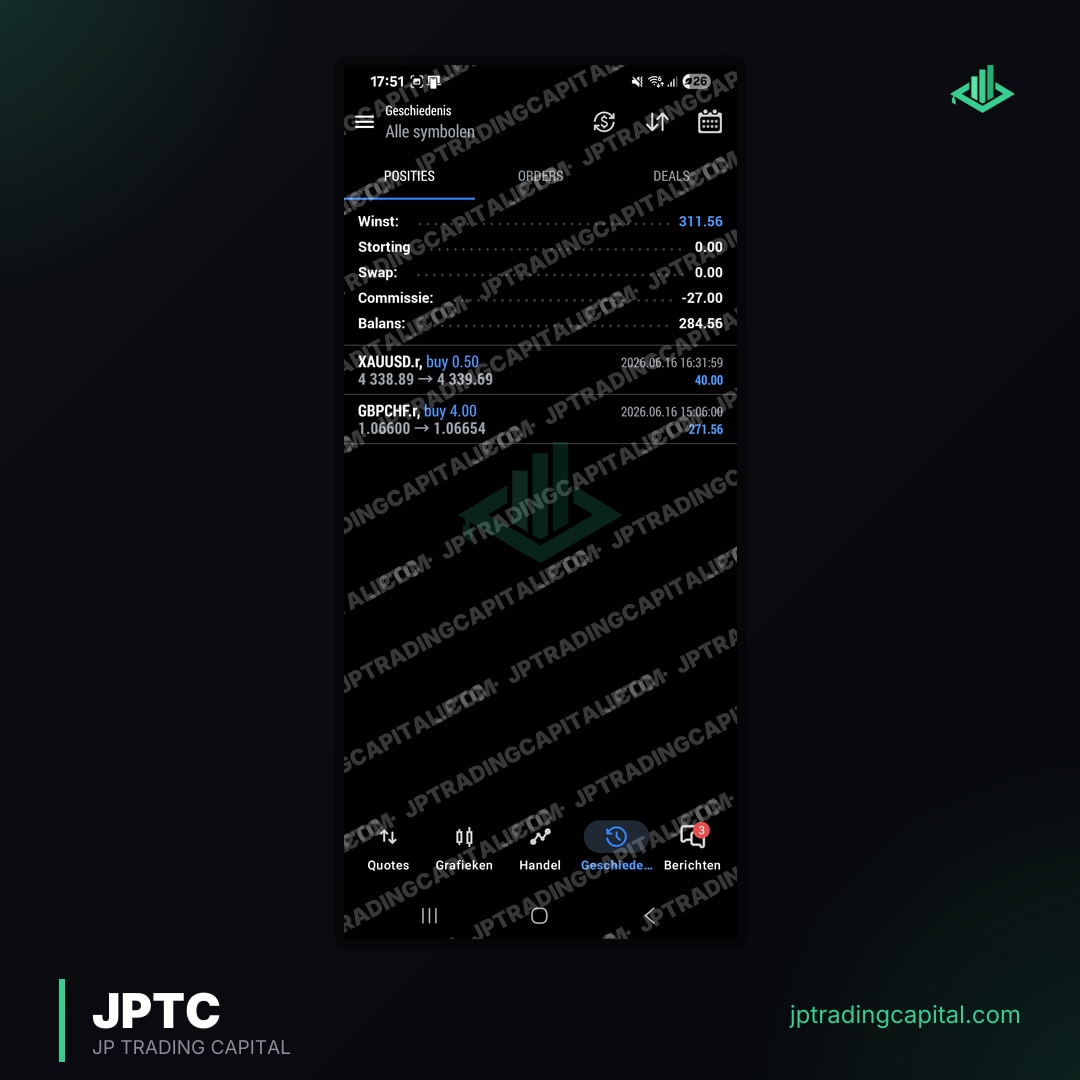
Successfully passing a prop firm challenge requires more than just good trading skills; it demands a deep understanding of the rules and a disciplined approach to strategy and risk management. For Canadian traders, mastering these elements is the key to unlocking a funded account.
Every prop firm has a unique set of rules, but common themes include daily drawdown limits, maximum overall drawdown limits, and profit targets. For example, a firm might require a 10% profit target with a 5% daily drawdown and a 10% maximum drawdown. Failing any of these rules, even by a small margin, typically results in a challenge failure, requiring a reset or re-entry fee.
Mastering Core Rules: Drawdown, Max Loss, and Profit Targets
Daily Drawdown: This is the maximum amount your account equity can fall from its starting balance for the day. If your account starts at $100,000 and has a 5% daily drawdown, your equity cannot drop below $95,000 at any point during the trading day. Understanding how this is calculated (often based on starting balance or peak equity) is critical.
Maximum Drawdown: This is the total maximum loss your account can incur from its highest equity point ever reached. If your account grows to $110,000, and the max drawdown is 10% of the initial balance, your account cannot fall below $90,000. Some firms use a trailing drawdown, which adjusts as your account balance grows.
Profit Target: The percentage gain required to pass a phase. This must be achieved without violating any drawdown rules. Consistency rules might also apply, requiring a minimum number of profitable trading days or limiting the percentage of profit from a single trade.
Leveraging Automated Trading (EAs) to Pass Challenges
One of the most effective strategies for adhering to strict prop firm rules and achieving consistent results is the use of Expert Advisors (EAs) or automated trading systems. EAs can execute trades based on predefined rules, eliminating emotional biases and ensuring strict compliance with drawdown limits and consistency objectives.
The JPTradingCapital EA Hub is specifically designed for this purpose. Our automated EAs are pre-configured with backtested strategies that respect common prop-firm rules, including daily drawdown caps, max loss limits, and consistency requirements. They work seamlessly on MT4 and MT5, supporting various firms like FTMO, FundedNext, FXify, TopStep, The5ers, and E8 Funding.
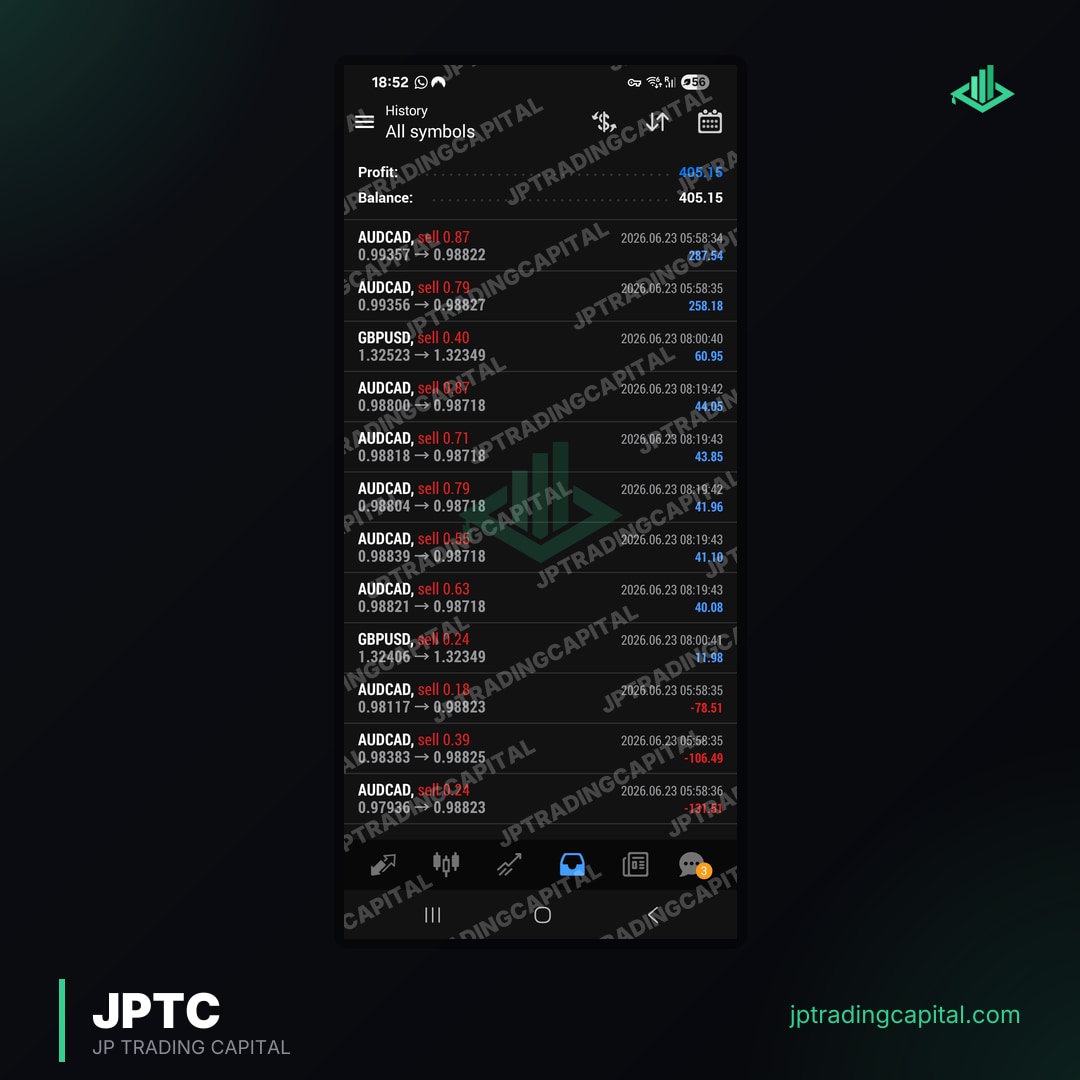
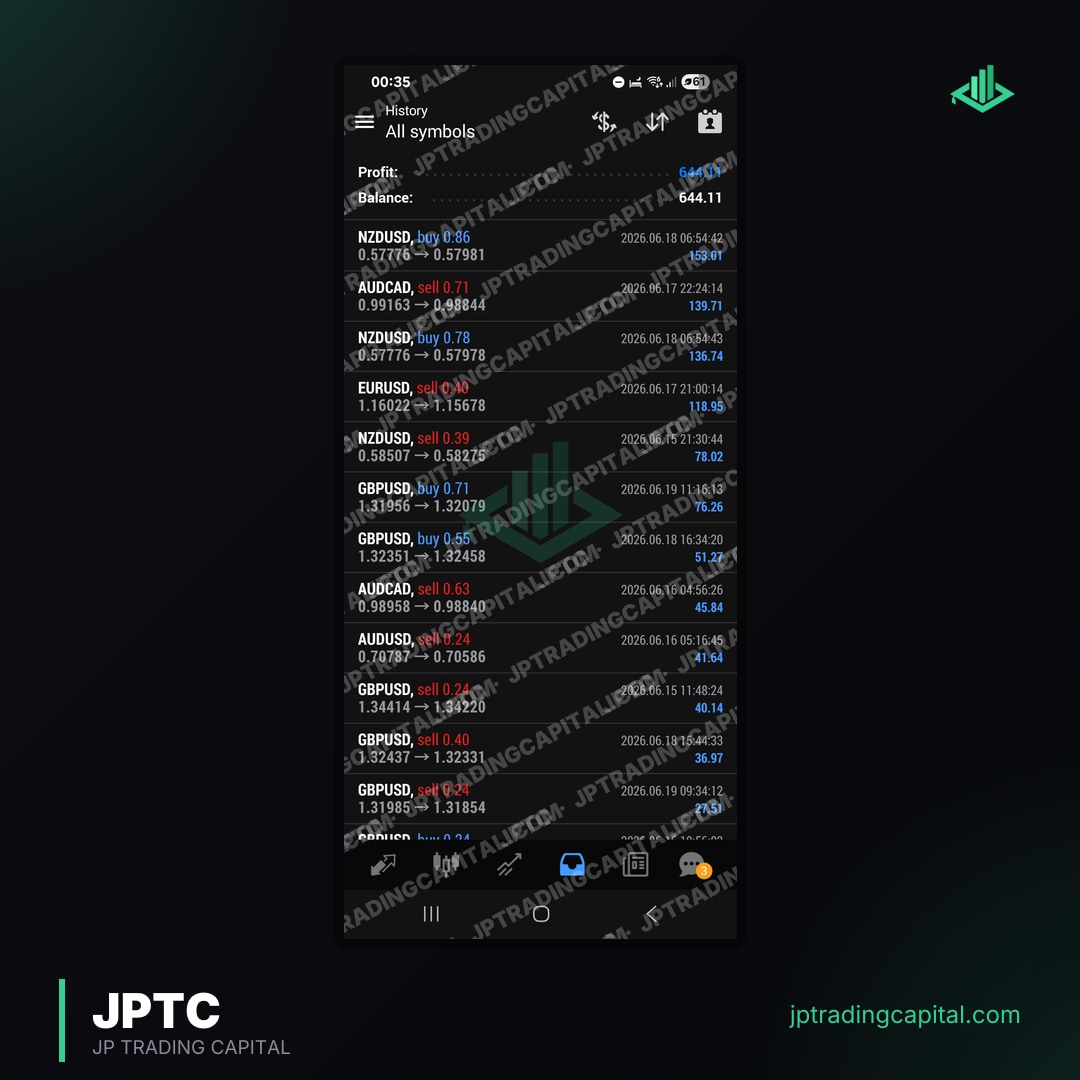
Using an EA allows for precise execution and risk management, which is often difficult for human traders to maintain consistently, especially under pressure. For an example of what a 2-year live algo track record looks like, see JPTradingCapital's published results. This demonstrates the potential for automated systems to deliver consistent performance over time, crucial for passing evaluations and maintaining a funded account. For more insights on successful strategies, explore our resources on passing prop firm challenges.
The Canadian Perspective: Regulations, Taxes, and Payment Methods
Canadian traders engaging with international prop firms face specific considerations regarding regulations, taxation, and payment processing. Understanding these nuances is crucial for a smooth and compliant experience with funded trading accounts in Canada.
While prop firms themselves are generally not regulated as brokers in Canada, Canadian traders must still be aware of their tax obligations and how to efficiently manage funds across borders. This adds a layer of complexity not always present for traders in other jurisdictions.
Regulatory Landscape for Prop Trading in Canada
Proprietary trading firms typically operate outside the direct regulatory framework of traditional financial institutions like brokerages, as they are not offering investment services to the public in the same way. Instead, they are engaging traders as contractors to trade the firm's capital. Therefore, the firms themselves are usually regulated in their respective domiciles (often outside Canada).
For Canadian traders, this means that while there isn't a specific Canadian regulatory body overseeing your relationship with an international prop firm, it's vital to choose reputable firms with transparent terms and a proven track record. Always conduct thorough due diligence on any prop firm you consider, reviewing their history, payout reliability, and trader reviews. While the JPTradingCapital team provides insights, we always recommend individuals consult with legal and financial professionals for specific advice related to their jurisdiction.
Tax Implications for Canadian Traders
Profits earned from funded trading accounts are generally considered taxable income in Canada. The exact classification (business income vs. capital gains) can depend on the frequency, volume, and intent of your trading activities, as well as whether you are considered to be carrying on a business of trading. It is highly recommended that Canadian traders consult with a qualified tax advisor to understand their specific obligations regarding income reporting and tax payments on profits received from prop firms. Keeping meticulous records of all trades, fees, and payouts is essential for accurate tax filing.
Efficient Payment Methods for Canadian Traders
Receiving payouts from international prop firms and managing challenge fees often involves cross-border transactions. Canadian traders commonly utilize several methods:
- Wire Transfers: A traditional method, reliable but can incur higher fees and take longer.
- E-wallets (e.g., Wise, PayPal, Skrill, Neteller): These services often offer competitive exchange rates and lower fees for international transfers compared to traditional banks. Wise (formerly TransferWise) is particularly popular for its transparent currency conversion.
- Cryptocurrency: Some prop firms offer payouts in cryptocurrencies like USDT, which can be a fast and cost-effective method for international transfers, though it introduces crypto market volatility risk.
When choosing a payment method, consider transaction fees, exchange rates from USD/EUR to CAD, and processing times. Many firms offer various options, so select one that balances cost and convenience for your specific needs.
Beyond the Challenge: Managing Your Funded Account for Long-Term Success
Passing a prop firm challenge is a significant accomplishment, but it's just the first step. Maintaining and growing a funded trading account for long-term success requires a sustained commitment to discipline, risk management, and continuous improvement. The psychological shift from evaluation to live trading can be substantial, even if the rules remain the same.
The JPTradingCapital team emphasizes that consistent profitability on a funded account hinges on treating it as a professional endeavor, not just a personal trading venture. This means adhering to a robust trading plan, managing risk meticulously, and adapting to market conditions.
Realistic Expectations and Psychological Resilience
One of the biggest pitfalls for newly funded traders is the pressure of trading with real capital. While the money isn't yours, the responsibility to protect it and generate profits can lead to emotional trading, overtrading, or deviation from your proven strategy. It's crucial to maintain the same disciplined mindset you employed during the evaluation phase. Set realistic profit targets and understand that not every day or week will be profitable. Focus on process over outcome, and let your edge play out over time.
Advanced Risk Management on a Live Funded Account
While prop firms set initial drawdown limits, effective risk management goes beyond merely avoiding account closure. It involves:
- Position Sizing: Continuously adjust your position size based on your account equity and the specific risk per trade you're willing to take.
- Stop-Loss Management: Always use stop-losses to define your maximum risk per trade.
- Portfolio Diversification: If trading multiple instruments, ensure your overall exposure isn't overly concentrated in one asset or direction.
- Profit Protection: Implement strategies to protect accumulated profits, such as trailing stops or taking partial profits.
The goal is not just to stay within the firm's rules but to optimize your capital utilization and minimize drawdowns, which can impact your ability to scale your account. Our results page highlights how consistent risk management contributes to long-term profitability.
Scaling Your Account and Sustaining Performance
Most prop firms offer scaling plans, allowing traders to increase their funded capital as they demonstrate consistent profitability. This usually involves achieving a certain profit percentage over a period without significant drawdowns. To take advantage of scaling:
- Consistent Performance: Focus on steady, repeatable gains rather than chasing large, infrequent profits.
- Adherence to Rules: Never violate the firm's drawdown or consistency rules, as this can halt your scaling progress or even lead to account termination.
- Continuous Improvement: Regularly review your trades, identify areas for improvement, and adapt your strategies as market conditions evolve.
For traders looking to build a long-term career in prop trading, consistency and calculated risk-taking are far more valuable than aggressive, high-risk strategies. Consider exploring our affiliate program if you're interested in building a community around these strategies.
Choosing the Right Funded Trading Account in Canada
Selecting the ideal funded trading account in Canada involves a careful evaluation of various factors that align with your trading style, risk tolerance, and long-term goals. With numerous prop firms available, making an informed decision is paramount for your success.
The JPTradingCapital team advises Canadian traders to look beyond just the profit split and consider the entire ecosystem offered by a prop firm, including their rules, support, and technological infrastructure.
Key Factors for Canadian Traders to Consider
- Capital Available and Scaling Opportunities: Assess the initial account sizes offered and the firm's scaling plan. How quickly can you grow your capital, and what are the requirements?
- Trading Instruments: Ensure the firm offers the assets you specialize in (Forex, CFDs, Futures, Indices, Crypto). Some firms are niche-specific, while others offer broad market access.
- Challenge Rules and Metrics: Carefully review daily drawdown, maximum drawdown (trailing vs. static), profit targets, and minimum trading days. Understand how these are calculated and enforced.
- Pricing and Fees: Compare the one-time challenge fees. Is the fee refundable? Are there any hidden monthly or data fees?
- Platform Compatibility: Most prop firms support MetaTrader 4 (MT4) and MetaTrader 5 (MT5), which are widely used by Canadian traders and compatible with tools like the JPTradingCapital EA Hub. Ensure your preferred platform is supported.
- Payout Structure and Frequency: Understand the profit split percentage, withdrawal methods, and how often you can request payouts.
- Customer Support: Good customer support is invaluable, especially when dealing with technical issues or account inquiries. Check for responsiveness and availability during Canadian trading hours.
- Reputation and Reviews: Research the firm's reputation, read reviews from other traders, and look for transparency in their operations.
By systematically evaluating these factors, Canadian traders can identify a funded trading account that not only offers substantial capital but also provides a supportive environment for long-term growth and profitability.
Are funded trading accounts legal in Canada?
Yes, participating in funded trading accounts offered by international proprietary trading firms is generally legal for Canadian residents. These firms operate outside the traditional broker-client relationship, providing capital for traders to manage. However, always ensure the firm is reputable and transparent, and consult with a legal professional if you have specific concerns.
How much can I earn with a funded trading account?
Your earnings depend on your trading performance and the prop firm's profit-sharing agreement, which typically ranges from 70% to 95% in favor of the trader. With larger funded accounts (e.g., $100,000 or more) and consistent profitability, traders can earn substantial income. For example, a 5% monthly profit on a $100,000 account, with an 80% profit split, would yield $4,000 in earnings.
What trading platforms do prop firms typically use?
Most proprietary trading firms widely support MetaTrader 4 (MT4) and MetaTrader 5 (MT5) as their primary trading platforms. These platforms are popular among retail traders and are compatible with Expert Advisors (EAs) and custom indicators. Some firms also offer cTrader or their proprietary platforms, especially for futures trading.
Can I use Expert Advisors (EAs) with funded trading accounts?
Yes, many prop firms allow the use of Expert Advisors (EAs), provided they adhere to all the firm's trading rules, including drawdown limits, maximum loss, and consistency. EAs can be highly effective for managing risk and executing strategies consistently, which is crucial for passing challenges and maintaining a funded account. The JPTradingCapital EA Hub is specifically designed to comply with these prop firm rules.
Do I need a trading license in Canada to trade a funded account?
No, typically, you do not need a specific trading license in Canada to trade a funded account with an international prop firm. You are acting as an independent contractor trading the firm's capital, not as a licensed financial advisor or broker. However, it is always advisable to consult with a legal professional for personalized advice.
Related Articles
- Best Future Prop Firm: Complete 2026 Comparison for Traders & EA Developers · Read more →
- Best Futures Trading Indicators for ES, NQ & Micro Contracts · Read more →
- Best Futures Trading Prop Firms 2026: 5 Top Choices for Traders · Read more →
- Prop Firm Trading Minimum Account Size: What's the Cheapest Way to Get Funded in 2026? · Read more →
- FundedNext Futures Prop Firm: 7 Key Benefits & Payouts [2026] · Read more →
- FundedNext Futures Review 2026: 7 Key Insights for Prop Traders · Read more →
- Prop Firm Trading Without Deposit: How to Get Funded Accounts Free in 2026 · Read more →
- Scaling Your Funded Account: How to Get Larger Accounts After First Success · Read more →
Futures Challenge Preparation
Software, reviewed setfiles, a written risk plan and community access built around common evaluation rules. No software can guarantee a pass.
Get Started