Unlock Forex Funding: 7 Steps to a Prop Firm Account [2026]
Material update: Site-wide prohibited-phrase cleanup applied on 2026-08-23; editorial review status was not changed.
![Unlock Forex Funding: 7 Steps to a Prop Firm Account [2026]](https://images.pexels.com/photos/5561920/pexels-photo-5561920.jpeg?auto=compress&cs=tinysrgb&dpr=2&h=650&w=940)
Funded trading accounts in forex provide capital from proprietary trading firms, allowing skilled traders to execute strategies in the real market without risking personal funds, following a successful evaluation. These accounts typically involve meeting specific profit targets and adhering to strict risk management rules, offering a clear pathway for traders to scale their operations and earn a share of their generated profits.
- Prop firms offer capital to traders who pass a multi-phase evaluation.
- Key metrics include profit targets, daily, and maximum drawdown limits.
- Profit splits often range from 80% to 90% in favor of the trader.
- Automated trading systems can significantly aid in rule adherence and consistency.
- Choosing the right firm depends on rules, platform, and scaling opportunities.
What Are Funded Trading Accounts in Forex?
Funded trading accounts in forex are capital allocations provided by proprietary trading firms to traders who demonstrate consistent profitability and disciplined risk management during an evaluation phase.
In essence, a prop firm identifies talented traders and offers them access to substantial trading capital, often ranging from $5,000 to $200,000 or more, in exchange for a share of the profits generated. This model allows traders to bypass the significant barrier of personal capital requirements, enabling them to trade larger positions and achieve higher potential returns than they could with their own, more limited funds. The appeal of proprietary trading firms lies in their ability to democratize access to institutional-level capital, empowering individuals to pursue full-time trading careers with reduced personal financial risk.
Many firms, such as The Funded Trader Program, utilize fully simulated accounts during the evaluation and often even during the funded phase, employing real market quotes from liquidity providers. This simulation environment allows traders to operate under realistic market conditions without directly exposing the firm's capital to immediate live market risks until a trader consistently proves their capability. This approach also helps firms manage risk across their large pool of traders, ensuring that only the most consistent performers eventually impact their live market positions.
The Path to a Funded Account: Evaluation & Challenges
Securing a funded trading account in forex typically involves successfully navigating a multi-phase evaluation process designed to assess a trader's skill, discipline, and adherence to risk management protocols.
Most prop firms structure their evaluation into one or two phases, often referred to as 'challenges.' During these phases, traders are given a virtual account with specific parameters they must meet within a defined timeframe. Common metrics include:
- Profit Target: This is the percentage return a trader must achieve on their starting capital. For example, a firm might require an 8% profit target in Phase 1 and a 5% target in Phase 2. Firms like Falcon Funded specify clear targets, such as a 7.5% profit target.
- Daily Drawdown: This limits the maximum loss a trader can incur in a single trading day. It's usually a percentage of the initial account balance or the current equity. A typical daily drawdown limit is 5%.
- Maximum Drawdown: This is the total allowable loss from the initial account balance or the highest equity point achieved. This limit is often around 10% or 12%. Exceeding either drawdown limit typically results in failing the evaluation.
- Minimum & Maximum Trading Days: Some challenges require a minimum number of trading days to ensure consistency, while others impose a maximum duration to complete the evaluation. Earn2Trade, for instance, offers programs where traders can earn a funded account in as little as 10 days, provided they meet all criteria.
- Consistency Rules: These rules prevent 'gambling' or 'one-shot' trading by ensuring a trader's profit isn't concentrated in a few trades or days. For example, some firms might stipulate that no single day's profit can account for more than a certain percentage (e.g., 30%) of the total profit target. This is a critical area where automated tools excel.
Successfully passing these evaluations demonstrates a trader's ability to generate returns consistently while strictly managing risk, proving they are ready to manage the firm's capital. For a deeper dive into the specifics of passing these evaluations, explore our resources on how to pass prop firm challenges.
Maximizing Your Chances: Strategies for Passing Prop Firm Evaluations
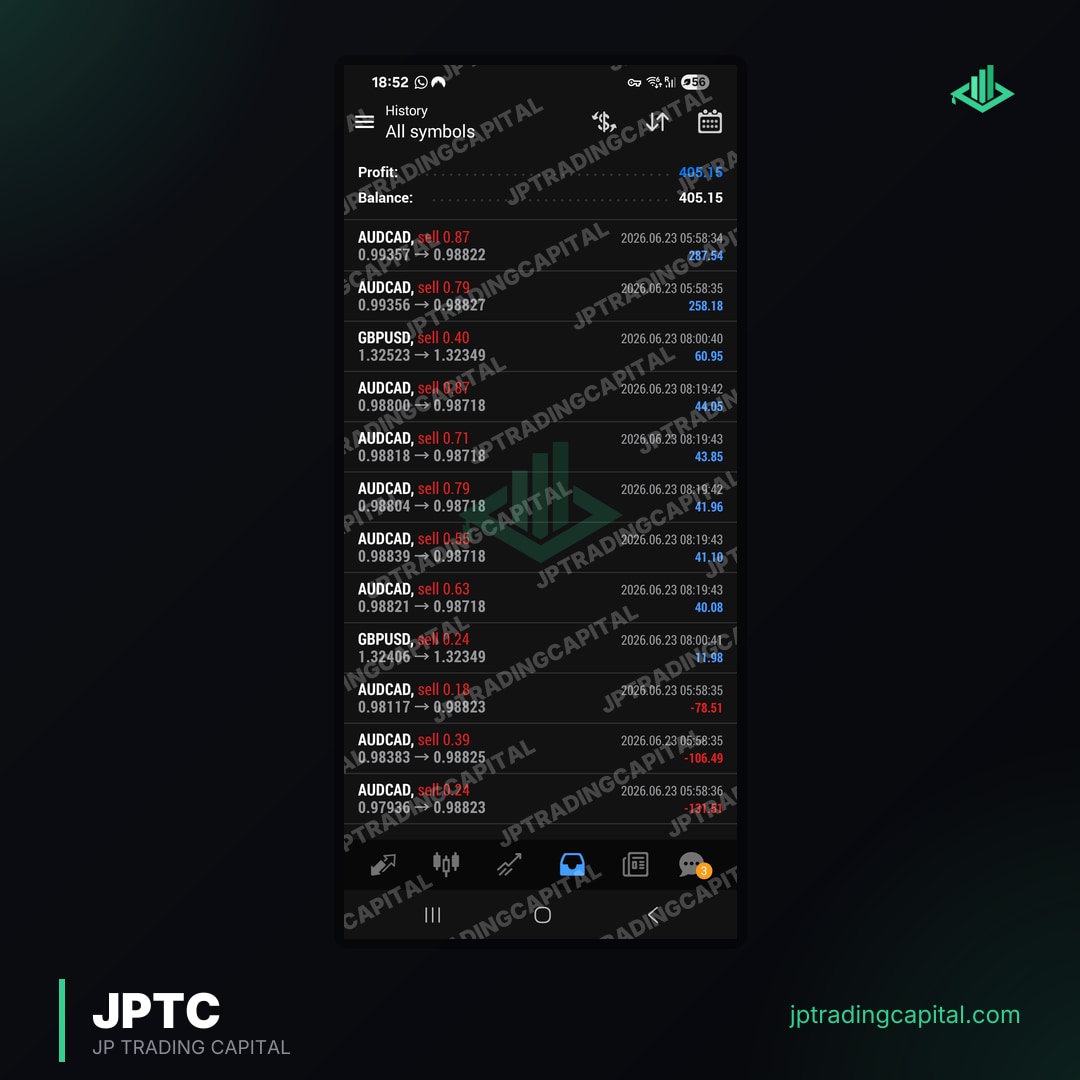
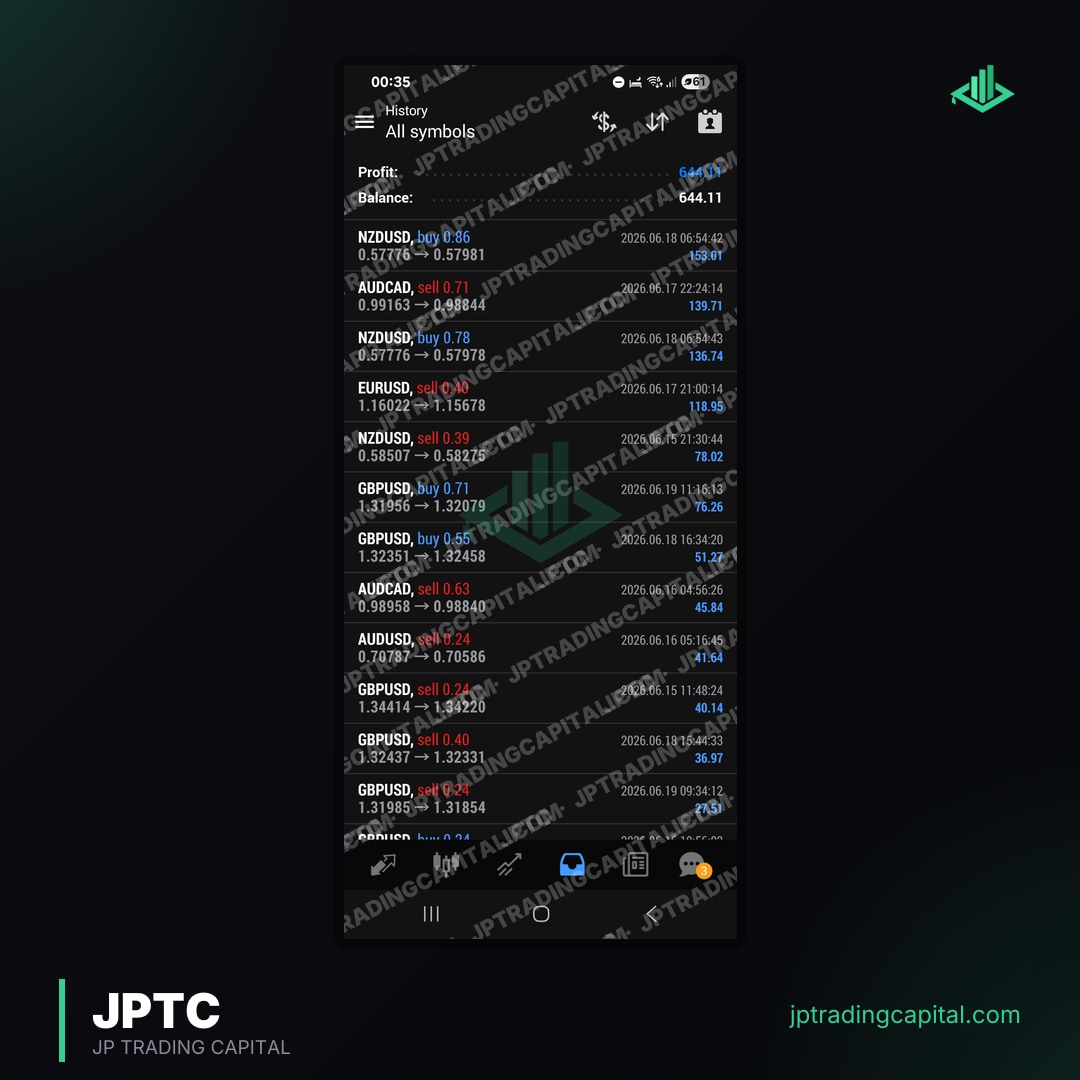

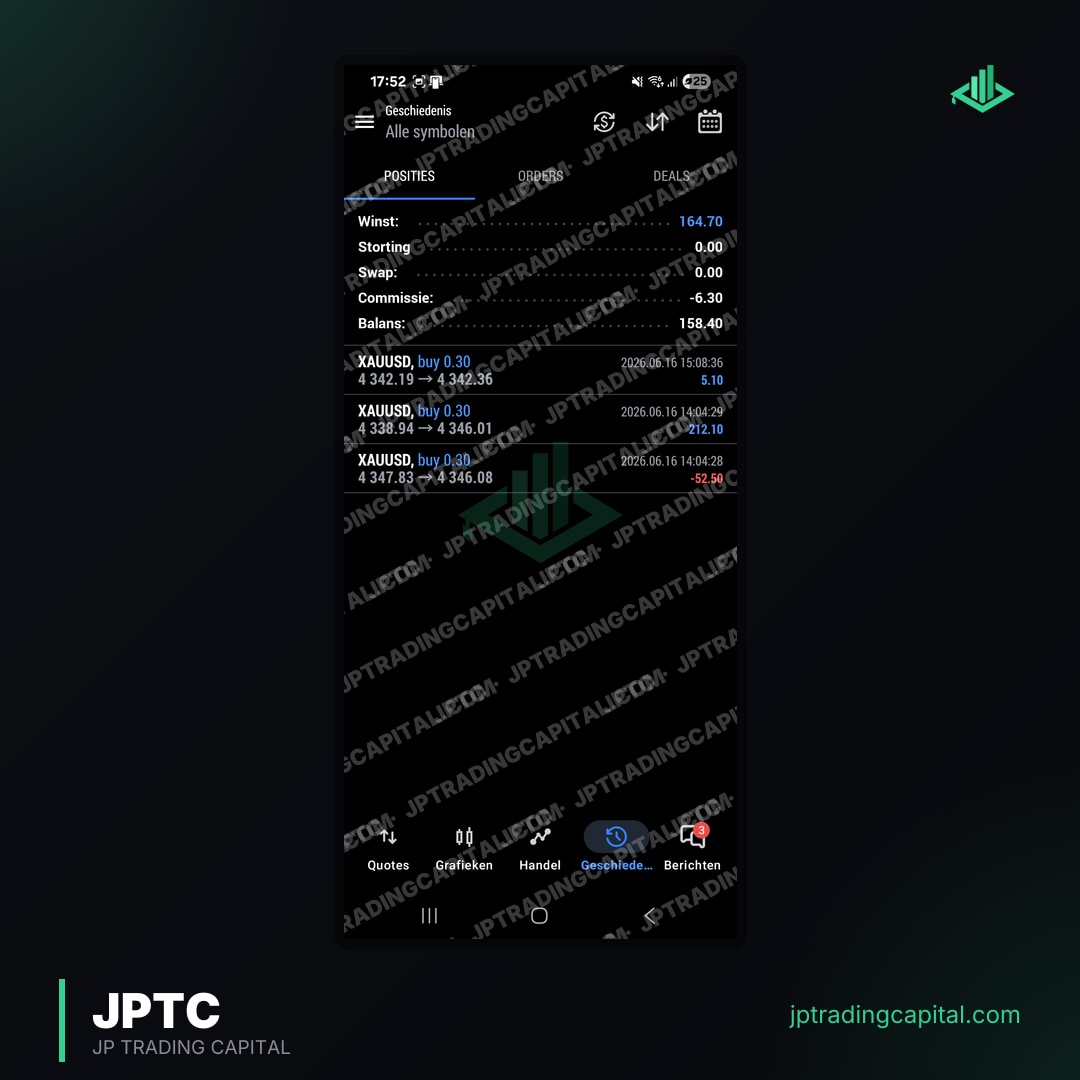
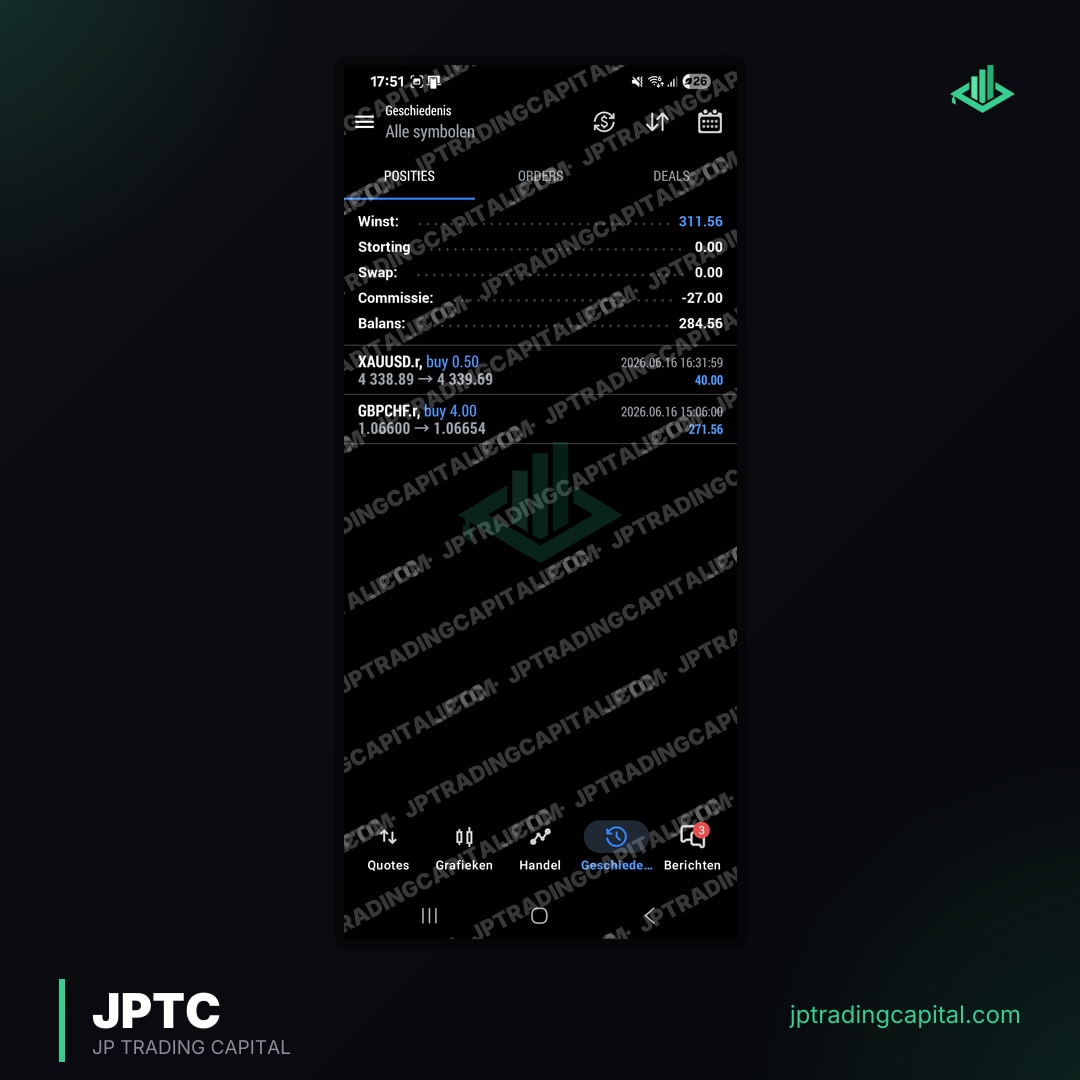
To successfully navigate prop firm evaluations, traders must adopt a disciplined approach that prioritizes robust risk management, consistent performance, and, increasingly, leverages the precision of automated trading systems.
Robust Risk Management
Adhering to the strict drawdown limits set by prop firms is paramount. This isn't just about avoiding failure; it's about preserving capital, which is the core principle of any successful trading operation. Traders should implement strict position sizing, ensuring that no single trade, or combination of open trades, can lead to exceeding the daily or maximum drawdown limits. Using stop-loss orders on every trade is non-negotiable. Furthermore, understanding the difference between absolute drawdown (from initial balance) and relative drawdown (from peak equity) is crucial, as firms vary their calculations. For instance, if a firm specifies a 5% daily drawdown on a $100,000 account, a trader cannot lose more than $5,000 in a single day, regardless of their current equity.
Consistency Over Aggression
Prop firms are not looking for traders who hit a massive profit target once and then blow up the account. They seek steady, reliable performance. This means avoiding overtrading, resisting the urge to chase large moves, and sticking to a well-defined trading plan. Consistency rules, such as those limiting the percentage of total profit that can come from a single day, reinforce this. Building a track record of smaller, consistent gains over time is far more valuable than sporadic large wins followed by significant losses. This approach aligns with the long-term sustainability goals of both the trader and the prop firm.
The Power of Automated Trading (EAs)
Automated trading, through the use of Expert Advisors (EAs), offers a significant advantage in prop firm challenges. EAs execute trades based on predefined rules, eliminating emotional biases and ensuring strict adherence to risk parameters. The JPTC EA Hub, for example, is specifically designed with pre-configured, backtested strategies that inherently respect prop-firm rules like daily drawdown caps, max loss limits, and consistency requirements. This systematic approach means that an EA can consistently apply stop-losses, manage position sizes, and avoid impulsive decisions that often lead to evaluation failure.
For traders using platforms like MetaTrader 4 or MetaTrader 5, an EA provides precision and speed, allowing for the execution of complex strategies around the clock without human intervention. This is particularly beneficial for managing multiple evaluations or for traders who cannot dedicate continuous attention to the markets. For an example of what a 2-year live algo track record looks like, see JPTradingCapital's published results. Our research shows that EAs, when properly configured and backtested, significantly increase the probability of passing prop firm evaluations by maintaining the required discipline and consistency.
Understanding Profit Splits, Payouts, and Scaling
Once funded, traders transition from the evaluation phase to managing live or simulated capital, where the focus shifts to generating profits and understanding the firm's profit split, payout mechanisms, and scaling opportunities.
The core incentive of a funded account is the profit split, which dictates how the generated profits are shared between the trader and the prop firm. While initial splits might start at 70/30 or 80/20 (trader/firm), many leading firms, such as FXIFY, offer up to a 90% profit split for their top-tier traders. This means for every $1,000 in profit generated, a trader could receive $900, significantly enhancing their earning potential. Payouts are typically processed on a regular schedule, often bi-weekly or monthly, with many firms priding themselves on fast and reliable payout systems, as highlighted by competitors like Falcon Funded.
Beyond the immediate profit split, scaling plans are a critical aspect of long-term growth for funded traders. Most prop firms offer structured scaling programs where, by consistently meeting profit targets and adhering to rules over a certain period (e.g., three consecutive months with a 10% profit), traders can increase their funded capital. This allows traders to grow their account size from, for example, $50,000 to $100,000, and eventually up to $1,000,000 or more, without having to undergo a new evaluation. This progressive increase in capital amplifies a trader's earning potential, creating a clear career path within the prop firm ecosystem. Our detailed analysis of successful trading outcomes often highlights the importance of understanding and leveraging these scaling opportunities.
Choosing the Right Prop Firm for Your Trading Style
Selecting the appropriate prop firm is a crucial decision that should align with a trader's individual trading style, preferred instruments, and long-term career aspirations.
With the proliferation of prop firms, a thorough evaluation is essential. Key factors to consider include:
- Rules and Parameters: Each firm has unique profit targets, drawdown limits, and consistency rules. Some are more lenient, while others are stricter. For example, FXIFY emphasizes flexible challenge programs, while others might have very specific trading hour restrictions.
- Fees: Understand the upfront costs, whether they are refundable, and any recurring fees.
- Supported Platforms and Instruments: Ensure the firm supports your preferred trading platform (e.g., MetaTrader 4 or MetaTrader 5) and allows trading in the forex pairs, commodities, or indices you specialize in.
- Profit Splits and Payouts: Compare the profit-sharing percentages and the speed and reliability of payout processes.
- Scaling Opportunities: Look for clear pathways to increase your funded capital over time.
- Reputation and Support: Research community sentiment (as seen on platforms like Reddit), read reviews, and assess the quality of customer support. A firm's transparency and responsiveness are key indicators of its reliability.
The JPTradingCapital team advises traders to carefully review the terms and conditions of several firms before committing. Consider starting with an account size that allows you to comfortably manage the risk while learning the firm's specific nuances, such as the $25,000 or $50,000 virtual accounts offered by Earn2Trade.
The Long-Term Vision: Building a Sustainable Trading Career with Funded Accounts
Beyond simply passing an evaluation, building a sustainable trading career with funded accounts demands continuous learning, adaptability, and strategic long-term planning.
Securing a funded account is a significant achievement, but it's just the first step. The real challenge lies in maintaining consistent profitability and adherence to rules over months and years. This requires a commitment to ongoing education, adapting strategies to changing market conditions, and refining risk management practices. Traders should view their funded account as a business, focusing on sustainable growth rather than short-term gains. Diversifying trading strategies, perhaps across different currency pairs or timeframes, can help mitigate risks and improve overall performance. JPTradingCapital's tools are designed to support this long-term vision, providing robust automated solutions that help traders maintain discipline and consistency, which are cornerstones of a lasting trading career.
Furthermore, engaging with the trading community and potentially exploring affiliate opportunities can also contribute to a trader's long-term success, fostering knowledge sharing and additional income streams. The most successful funded traders are those who treat trading as a profession, continuously seeking improvement and leveraging all available resources to enhance their edge.
Are funded trading accounts personal capital?
What is a typical profit split?
Can I use an EA on a funded account?
How long does it take to get funded?
What happens if I fail the challenge?
Related Articles
- Best Future Prop Firm: Complete 2026 Comparison for Traders & EA Developers · Read more →
- Best Futures Trading Indicators for ES, NQ & Micro Contracts · Read more →
- Best Futures Trading Prop Firms 2026: 5 Top Choices for Traders · Read more →
- Prop Firm Trading Minimum Account Size: What's the Cheapest Way to Get Funded in 2026? · Read more →
- FundedNext Futures Prop Firm: 7 Key Benefits & Payouts [2026] · Read more →
- FundedNext Futures Review 2026: 7 Key Insights for Prop Traders · Read more →
- Prop Firm Trading Without Deposit: How to Get Funded Accounts Free in 2026 · Read more →
- Scaling Your Funded Account: How to Get Larger Accounts After First Success · Read more →
The EA built for prop firm rules
Daily drawdown guard, hard max-loss stop, consistency-aware pacing and a news pause, on MT4 and MT5. One-time €797, no monthly fee. If you would rather not run the evaluation yourself, we run it for you.
See the EA Hub