Funded Trading Accounts in India: Your 2026 Guide to Real Prop Firm Success

Funded trading accounts in India provide aspiring and experienced traders with access to significant capital from proprietary trading firms, allowing them to trade various financial instruments without risking their personal funds, typically after passing a structured evaluation process.
- Proprietary firms offer capital for trading Forex, CFDs, Futures, and sometimes Indian equities.
- Traders undergo an evaluation phase to prove their skills and adherence to risk rules.
- Profit splits can range from 80% to 95% in favor of the trader.
- Payouts are often available weekly or bi-weekly, depending on the firm.
- Automated trading tools, like Expert Advisors (EAs), can significantly aid in passing evaluations.
What Are Funded Trading Accounts and How Do They Work for Indian Traders?
Funded trading accounts provide capital from a proprietary trading firm to individual traders who demonstrate consistent profitability and disciplined risk management.
For Indian traders, the concept of funded trading accounts has gained substantial traction as a viable alternative to self-funding large trading accounts, which can be capital-intensive and expose personal savings to significant risk. These accounts typically begin with an evaluation phase, where a trader uses a simulated account to prove their ability to meet specific profit targets while staying within predefined drawdown limits. Once the evaluation is successfully completed, the trader is granted access to a funded account, often a live account with the prop firm's capital, from which they earn a percentage of the profits generated. Firms like FundedNext offer challenge accounts for CFDs and Futures in a simulated environment, with attractive reward shares. Another firm, FundedStock, specifically caters to the Indian market, providing access to company capital for trading NSE, BSE, MCX, Forex, and Crypto, with profit shares up to 90% and weekly payouts.
The core appeal lies in the ability to scale trading operations. A trader might start with a virtual account of, for example, $25,000, $50,000, or $100,000, as seen with firms like Earn2Trade. Successfully navigating these challenges opens the door to managing substantially larger capital pools than most retail traders could independently accumulate. This model democratizes access to professional-level trading opportunities, allowing skilled individuals to focus on strategy and execution rather hand their personal capital at risk.
Navigating the Prop Firm Landscape: Challenges for Indian Traders
Indian traders face unique challenges when engaging with international proprietary trading firms, primarily related to regulatory nuances, payment processing, and understanding jurisdictional differences.
While the allure of trading with substantial capital is strong, the regulatory environment in India presents a complex layer. The Reserve Bank of India (RBI) has specific regulations concerning outward remittances and foreign exchange transactions, which can impact how Indian traders deposit funds for evaluation fees or receive payouts from international prop firms. Some international firms may not have streamlined processes for Indian bank transfers or may rely on payment gateways that incur higher fees or face delays. Furthermore, the legal status of participating in certain international trading activities, particularly those involving CFDs or leveraged Forex, can be ambiguous under Indian law, leading to cautious approaches from both traders and firms. This is why some local firms, like FundedStock, have emerged, offering access to Indian markets like NSE, BSE, and MCX, which might simplify some of these regulatory hurdles for domestic traders.
Another challenge is the potential for scams. The growing popularity of funded trading accounts has unfortunately attracted fraudulent entities. Indian traders must exercise extreme due diligence, verifying the legitimacy of prop firms, scrutinizing their rules, and seeking transparent track records. The JPTradingCapital team always recommends checking for verified performance data, such as those available on our results page, to assess a firm's or a strategy's credibility. Understanding these specific challenges is crucial for any Indian trader looking to enter the prop trading arena safely and effectively.
Choosing the Best Funded Trading Account: Key Considerations for India


Selecting the most suitable funded trading account involves evaluating a firm's rules, available asset classes, profit-sharing model, and payout processes, with specific attention to what works best for Indian traders.
When an Indian trader considers a prop firm, several factors should guide their decision. First, examine the firm's trading rules, particularly the daily drawdown and maximum drawdown limits, as these directly impact strategy viability. For instance, FTMO's official rules page specifies a 10% maximum drawdown limit. Second, confirm the tradable instruments. Do they offer Forex, CFDs, Futures, or access to Indian equities like NSE and BSE, which might align better with a trader's existing market knowledge? Third, analyze the profit split and payout frequency. Competitors offer up to 95% profit share, with payouts as frequent as every 7 days. For Indian traders, the ease and reliability of withdrawal methods are paramount; investigate if the firm supports convenient international transfers or local payment solutions. Lastly, consider the evaluation process itself: how many phases, the duration, and the consistency rules. Some firms, like Earn2Trade, promise funding in as little as 10 days, while others focus on long-term consistency over speed.
Our research suggests that transparency regarding rules and fees is a non-negotiable aspect. A reputable firm will clearly outline all costs, including evaluation fees (which are often refundable upon first payout), and any monthly charges or platform fees. For those interested in automated trading, ensuring compatibility with platforms like MetaTrader 4 or MetaTrader 5 is also vital.
Strategies for Passing Prop Firm Evaluations: A Focus on Consistency
Successfully navigating prop firm evaluations requires a disciplined trading strategy that prioritizes consistent gains and strict adherence to risk management rules above aggressive, high-risk approaches.
The primary goal of any prop firm evaluation is to identify traders who can consistently generate profits without exceeding predefined risk parameters. This means avoiding "gambling" or high-volatility trades that might yield large profits once but could also lead to immediate disqualification due through a large loss. Key strategies include defining a clear trading plan with entry and exit criteria, using appropriate position sizing to manage risk per trade, and meticulously tracking performance. Many firms impose a 'consistency rule,' which means that a single large winning trade cannot account for an disproportionate percentage of the total profit target. This rule is designed to filter out lucky traders from genuinely skilled ones. For example, a firm might stipulate that no single trading day can contribute more than 30% of the total profit target. Developing a strategy that aims for smaller, regular profits over time is far more effective than trying to hit a home run. Our guides on passing prop firm challenges delve deeper into these specific strategies.
Emotional control and psychological resilience are also critical. The pressure of an evaluation can lead to impulsive decisions. Maintaining a trading journal, reviewing trades regularly, and sticking to predetermined rules are essential habits. The JPTradingCapital team emphasizes that consistent adherence to a well-tested strategy is the most reliable path to success, rather than chasing volatile market movements.
Leveraging Automated Trading (EAs) for Prop Firm Success in India
Automated trading systems, specifically Expert Advisors (EAs), offer a significant advantage for Indian traders aiming to pass prop firm evaluations by ensuring consistent execution, disciplined risk management, and adherence to strict trading rules.
Proprietary trading firms set stringent rules regarding daily drawdown, maximum loss limits, and consistency. Human traders, even the most disciplined, can struggle with emotional biases, fatigue, or simply missing a critical trade setup. This is where automated trading solutions, like Expert Advisors (EAs), become invaluable. EAs can execute trades based on pre-programmed strategies, ensuring that all trades adhere to specific risk parameters, position sizing rules, and stop-loss/take-profit levels without human intervention. This automation helps maintain the consistency that prop firms look for, preventing impulsive overtrading or emotional decisions that could lead to disqualification. For example, JPTradingCapital's flagship product, the JPTC EA Hub, is designed with backtested strategies that inherently respect these prop-firm rules, working across major platforms like MT4/MT5 and compatible with firms such as FTMO, FundedNext, FXify, TopStep, and E8 Funding.
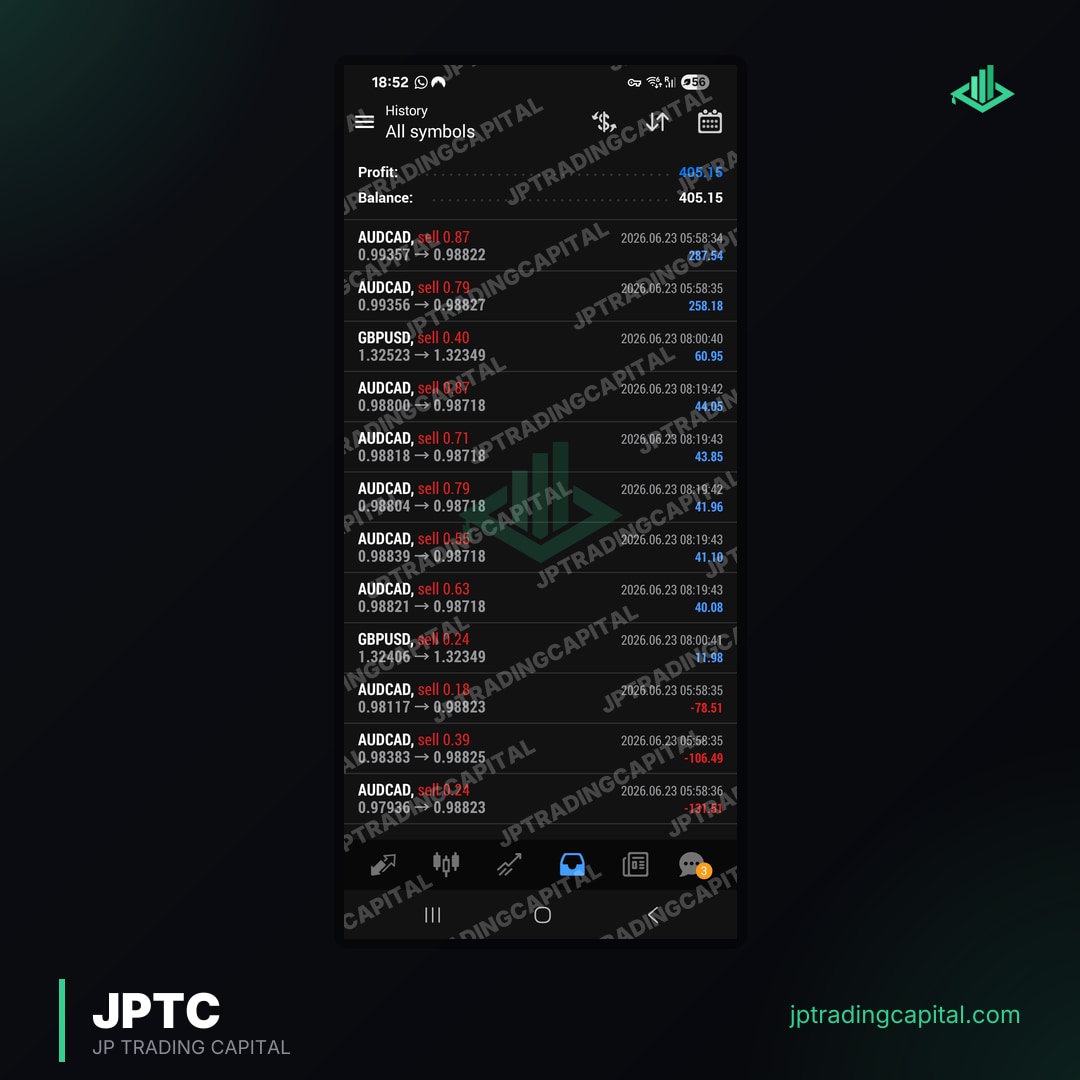
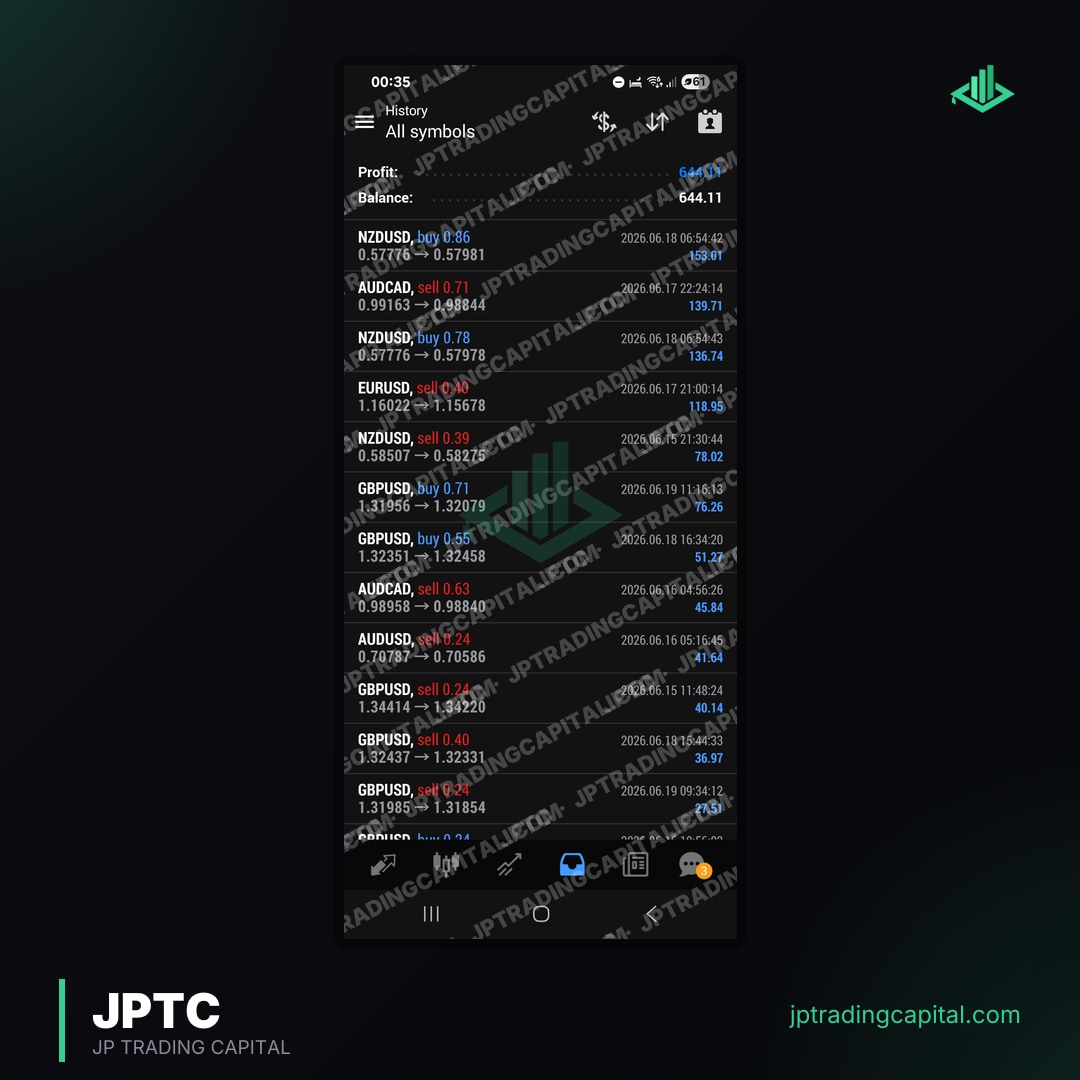
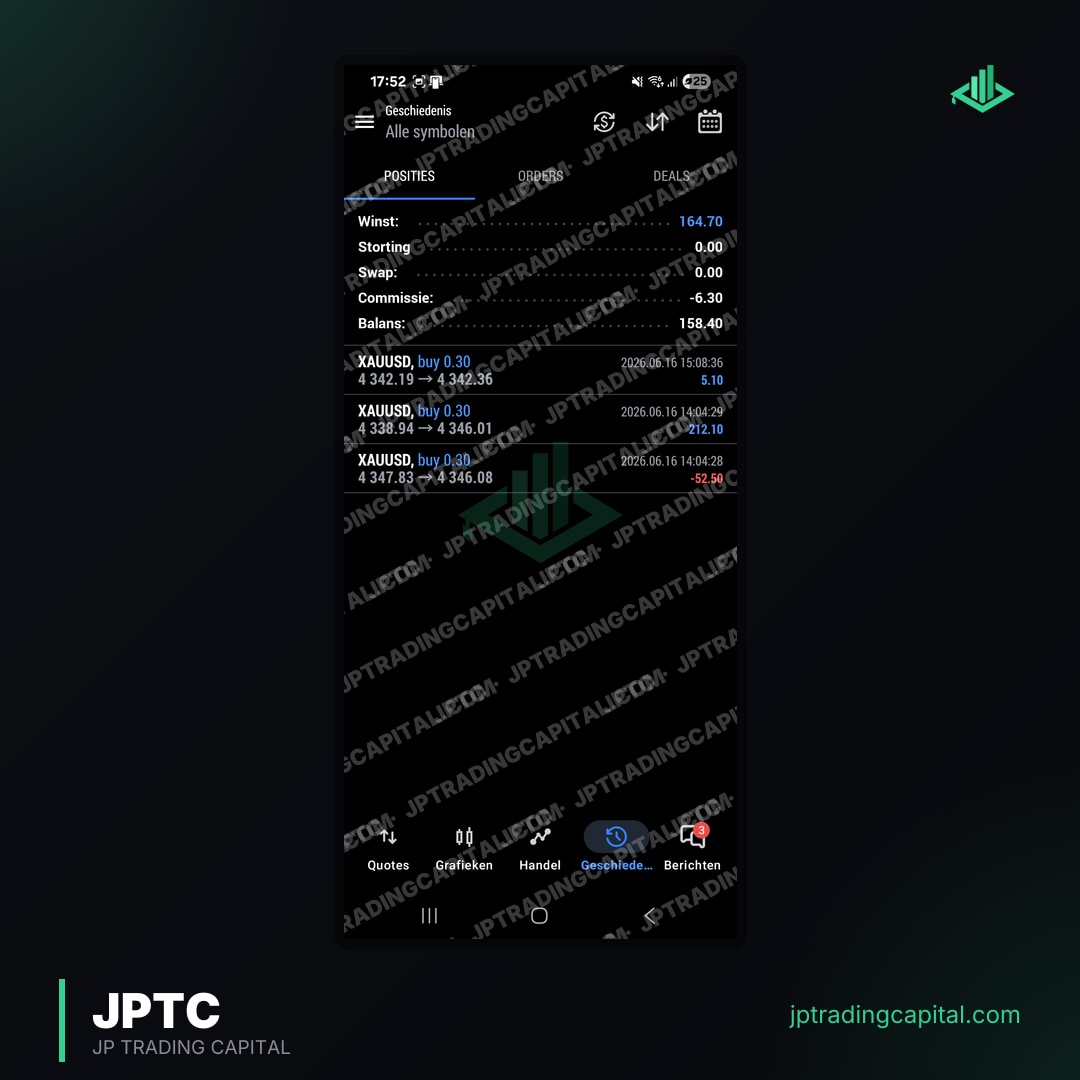
The benefits extend beyond mere rule adherence. EAs can operate 24/5, capturing opportunities across different time zones, which is particularly useful for Indian traders dealing with global markets. They can backtest strategies extensively on historical data to prove their profitability and robustness before live deployment. For an example of what a 2-year live algo track record looks like, see JPTradingCapital's published results. This verifiable performance data can build confidence in the strategy's ability to meet prop firm targets. While EAs require initial setup and monitoring, they free up traders to focus on strategy development and refinement, rather than manual execution. Exploring our verified results can provide further insight into the potential of automated trading in this context.
Understanding Payouts, Profit Splits, and Risk Management
Understanding the intricacies of profit splits, payout schedules, and the prop firm's stringent risk management rules is fundamental for long-term success with funded trading accounts.
Once a trader secures a funded account, the focus shifts to generating profits and receiving payouts. Most prop firms offer a profit split, typically ranging from 80% to 95% in favor of the trader, with the firm retaining the remainder. Payouts can be requested at regular intervals, often weekly or bi-weekly, provided the account balance meets certain thresholds and all rules are respected. Firms like FundedStock boast payouts every 7 days. It's crucial to understand any minimum withdrawal amounts or processing fees that might apply. Beyond profit sharing, rigorous risk management remains paramount. Prop firms enforce rules such as a daily loss limit (e.g., 5% of the initial balance) and an overall maximum drawdown (e.g., 10% of the initial balance). Breaching these limits typically results in the termination of the funded account. These rules are designed to protect the firm's capital and ensure traders maintain discipline. Traders must integrate these limits into their trading strategy, perhaps by setting hard stop-losses or adjusting position sizes to never risk more than the daily or maximum drawdown allows. Consistent application of these risk parameters is often a key performance indicator for the prop firm and a determinant of a trader's longevity with the firm.
Future Outlook: Funded Trading Accounts in India [2026]
The landscape for funded trading accounts in India is expected to evolve in 2026, with increasing awareness, potential regulatory clarity, and a growing demand for sophisticated trading tools.
As more Indian traders become aware of the opportunities presented by proprietary trading firms, the demand for accessible and reliable funded accounts is likely to grow. This could lead to more international firms streamlining their processes for Indian clients, potentially offering localized support and payment solutions. Domestically, we might see a rise in Indian-specific prop firms that better navigate local regulations and offer direct access to Indian equity and commodity markets, similar to early movers like FundedStock. Furthermore, as technology advances, the integration of AI and machine learning into trading strategies will likely become more prevalent, enhancing the capabilities of automated trading systems. The JPTradingCapital team anticipates a continued surge in interest for tools that can help traders meet prop firm consistency rules, making platforms like Expert Advisors even more critical. Education and community building will also play a crucial role, empowering Indian traders with the knowledge and resources to succeed in this dynamic environment. The emphasis will remain on verifiable performance, robust risk management, and the ethical conduct of both traders and firms.
What are the typical account sizes for funded trading accounts in India?
Can Indian traders use international prop firms, or are there local options?
How long does it take to get a funded trading account?
What is the profit split for funded trading accounts?
Are Expert Advisors (EAs) allowed by prop trading firms?
Related Articles
- Best Future Prop Firm: Complete 2026 Comparison for Traders & EA Developers · Read more →
- Best Futures Trading Indicators for ES, NQ & Micro Contracts · Read more →
- Best Futures Trading Prop Firms 2026: 5 Top Choices for Traders · Read more →
- Prop Firm Trading Minimum Account Size: What's the Cheapest Way to Get Funded in 2026? · Read more →
- FundedNext Futures Prop Firm: 7 Key Benefits & Payouts [2026] · Read more →
- FundedNext Futures Review 2026: 7 Key Insights for Prop Traders · Read more →
- Prop Firm Trading Without Deposit: How to Get Funded Accounts Free in 2026 · Read more →
- Scaling Your Funded Account: How to Get Larger Accounts After First Success · Read more →
The EA built for prop firm rules
Daily drawdown guard, hard max-loss stop, consistency-aware pacing and a news pause, on MT4 and MT5. One-time €797, no monthly fee. If you would rather not run the evaluation yourself, we run it for you.
See the EA Hub