Prop Firm Forex Signals: How to Follow Them Safely [2026]
Material update: Site-wide prohibited-phrase cleanup applied on 2026-08-23; editorial review status was not changed. 15 October 2026: specifically identified source references, unsupported own-product/result qualifications or account-rule wording corrected. Existing publication status and URL retained. 15 October 2026: Additional own-results verification/audit wording corrected to company-published broker-statement scope.
![Prop Firm Forex Signals: How to Follow Them Safely [2026]](https://images.pexels.com/photos/38343508/pexels-photo-38343508.jpeg?auto=compress&cs=tinysrgb&dpr=2&h=650&w=940)
How to follow forex signals safely involves a disciplined approach of independent validation, robust risk management tailored to your account (especially prop firm rules), and continuous monitoring, rather than blind execution.
- Verify signal provider credibility via transparent track records.
- Always validate signals with your own technical and fundamental analysis.
- Implement strict risk management, adjusting position sizes to your capital.
- Adhere to prop firm daily drawdown and max loss limits when using signals.
- Consider EAs for automated, rule-compliant signal execution and monitoring.
What Are Forex and Gold Signals, Really?
Forex and gold trading signals are actionable suggestions or indications that guide traders on when to buy or sell specific currency pairs or gold (XAUUSD) to potentially profit from market movements.
At their core, trading signals are essentially a form of market intelligence, delivered by an analyst, a sophisticated algorithm, or a combination of both. They provide specific instructions, often including an entry price, a take-profit target, and a stop-loss level. For traders, especially those new to the market or those seeking to diversify their strategies, understanding these signals is the first step toward potentially incorporating them into their trading routine.
Understanding Signal Components
Every effective trading signal typically comprises several key pieces of information, designed to give a complete picture of the proposed trade.
- Instrument: The specific currency pair (e.g., EURUSD, GBPJPY) or commodity (e.g., XAUUSD for gold) to trade.
- Direction: Whether to 'Buy' (go long) or 'Sell' (go short) the instrument.
- Entry Price: The recommended price point to open the trade. This might be a 'Market' entry (execute immediately at current price) or a 'Limit/Stop' entry (execute when price reaches a specific level).
- Take Profit (TP): The target price level at which to close the trade and secure profits. Signals may offer multiple TP levels for scaling out positions.
- Stop Loss (SL): A crucial risk management level, specifying the price at which to close the trade if it moves against the desired direction, thereby limiting potential losses.
For example, a signal might read: "BUY EURUSD @ 1.0850, TP: 1.0920, SL: 1.0820." This clear structure allows traders to understand and potentially execute the trade with precision.
Different Types of Signals
Signals come in various forms, catering to different trading styles and preferences.
- Manual Signals: These are generated by human analysts who use their expertise in technical and fundamental analysis to identify trading opportunities. They often come with detailed explanations of the rationale behind the trade.
- Automated Signals: Generated by algorithms or Expert Advisors (EAs) that constantly scan markets for predefined patterns and conditions. These are typically delivered rapidly and can be integrated directly into trading platforms.
- Free Signals: Often offered as introductory services or by less experienced providers. While tempting, these require extra caution and due diligence, as quality can vary significantly.
- Paid Signals: Provided by professional services, typically on a subscription basis. These often come with promises of higher accuracy, dedicated support, and more robust analysis, but their performance still needs rigorous verification.
The Critical First Step: Vetting Your Signal Provider
Before you commit capital to any trading signal, thoroughly vetting the signal provider is paramount to protect your funds and ensure you're aligning with a reputable source.
Many traders use signals "just for confirmation, not as the actual strategy," and even that starts with ensuring the source of that confirmation is credible. Many sources offer signals, from independent traders on social media to large analytical firms. The key is to differentiate between genuine expertise and unsubstantiated claims.
Transparency and Track Records
A reputable signal provider will offer transparent access to their past performance, often through verified third-party platforms.
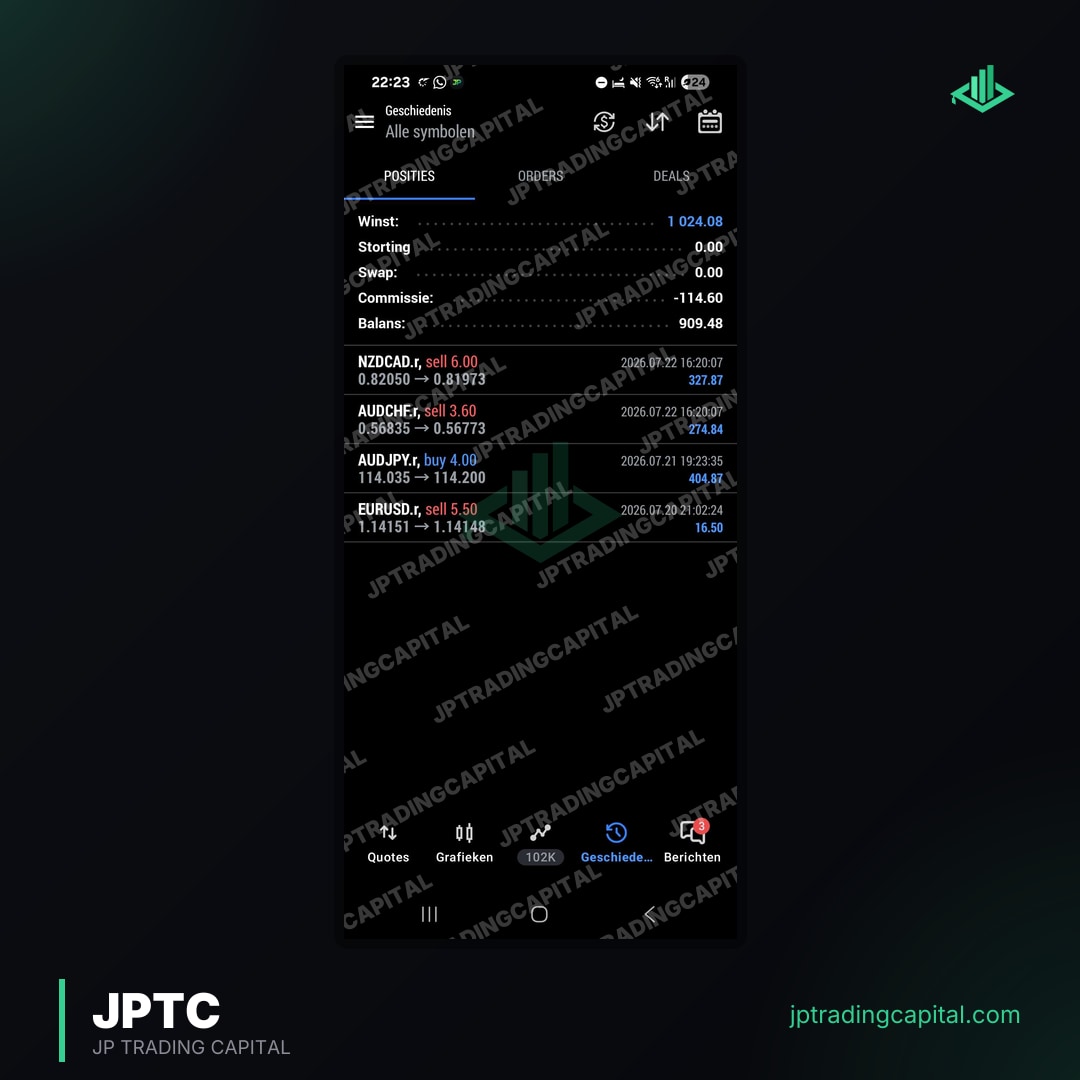
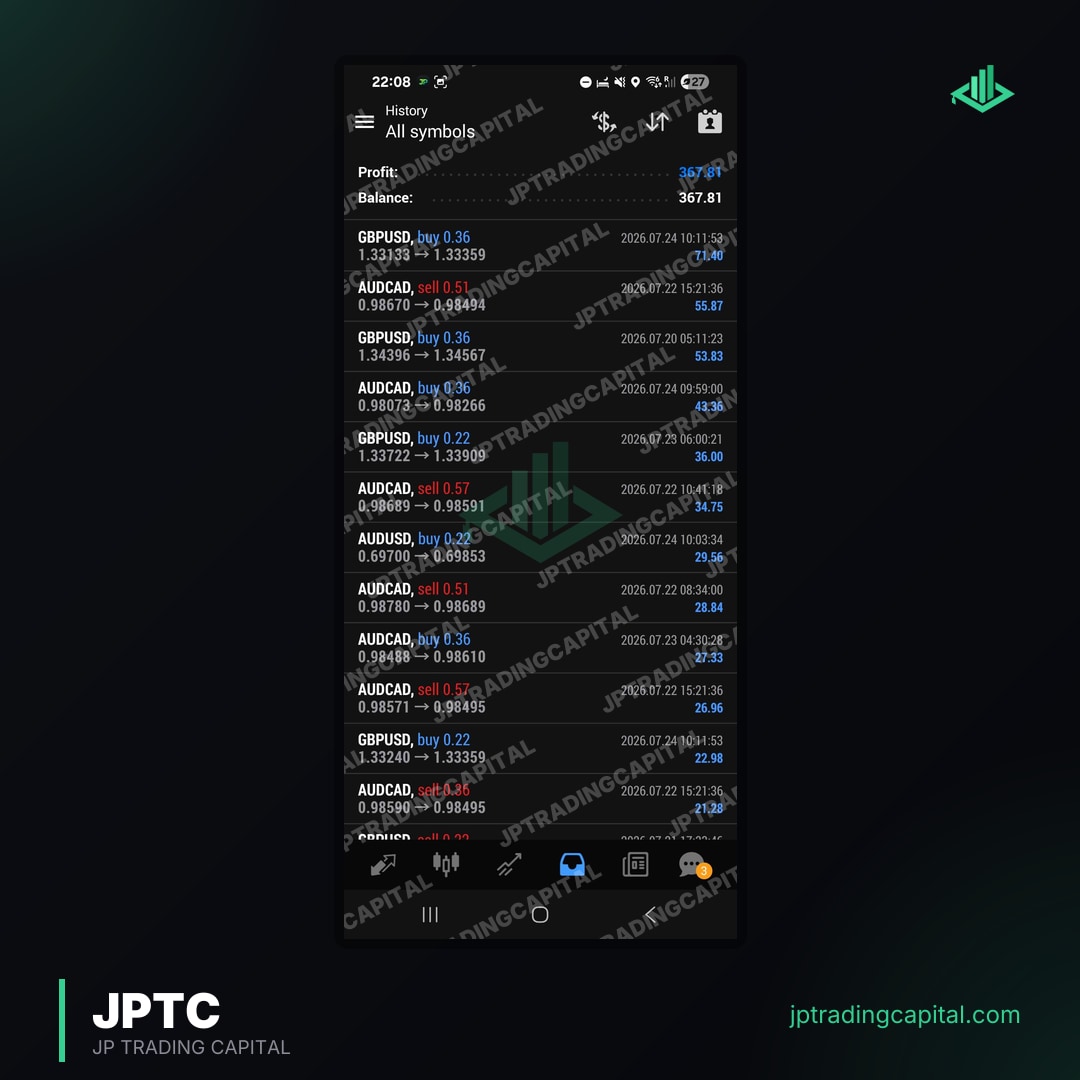
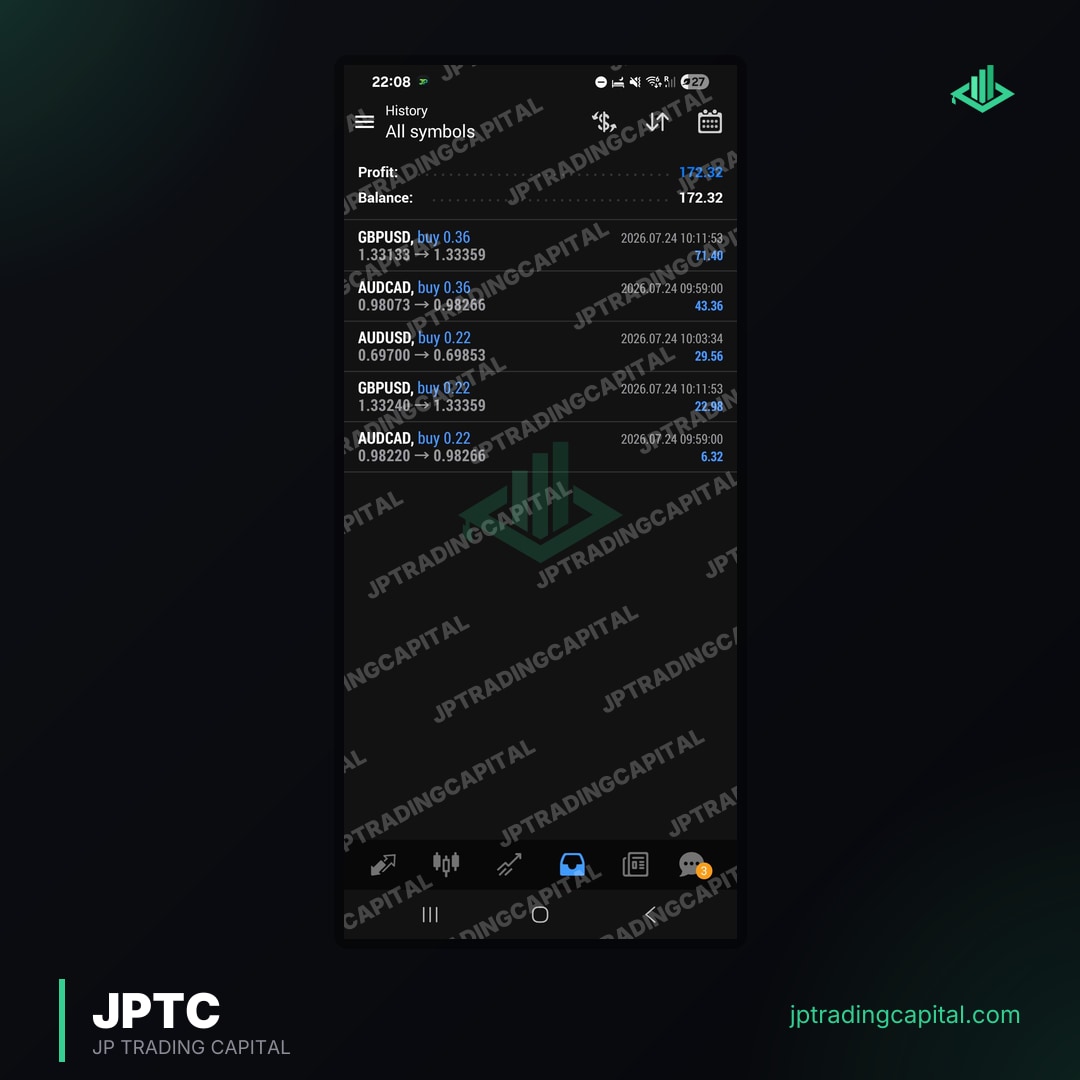
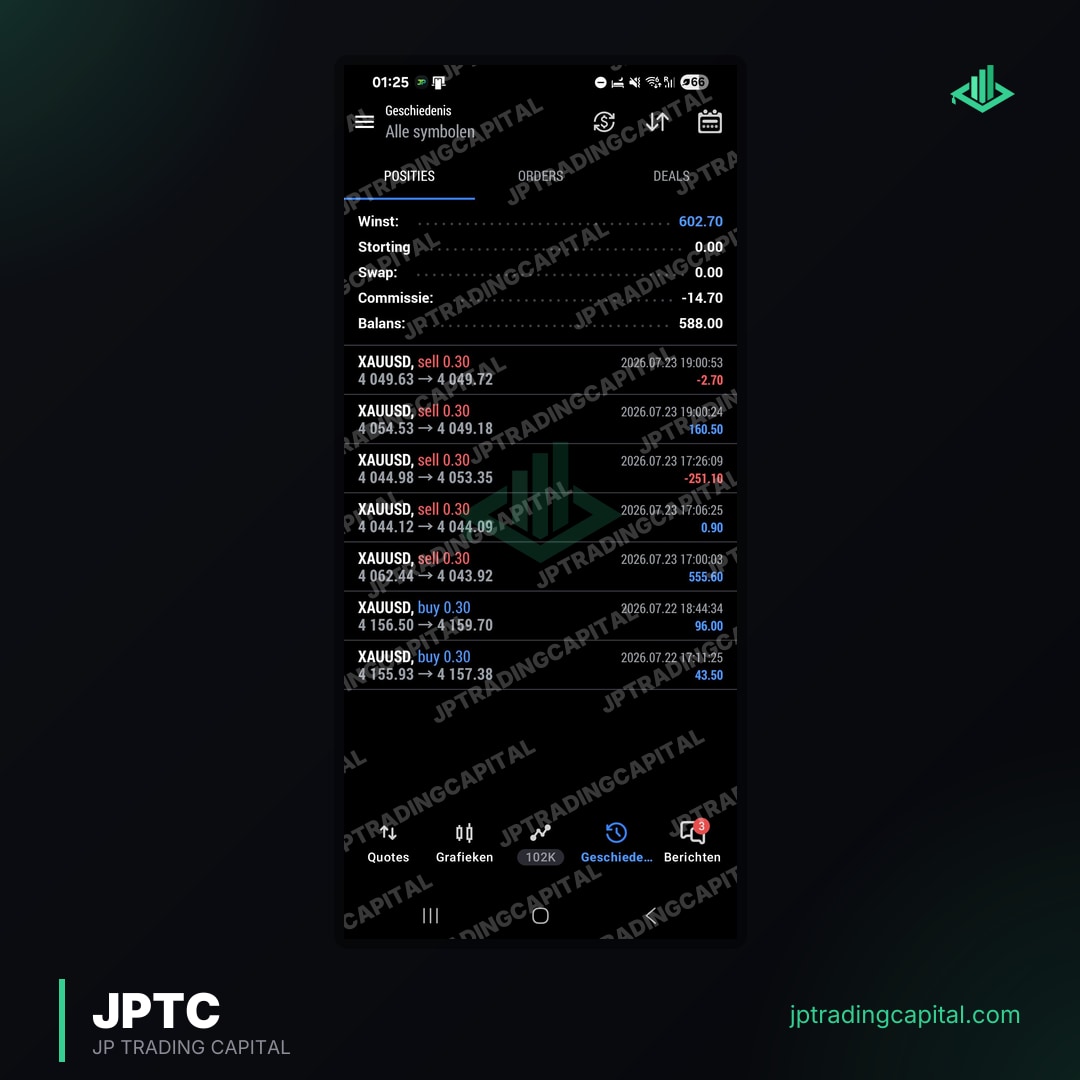
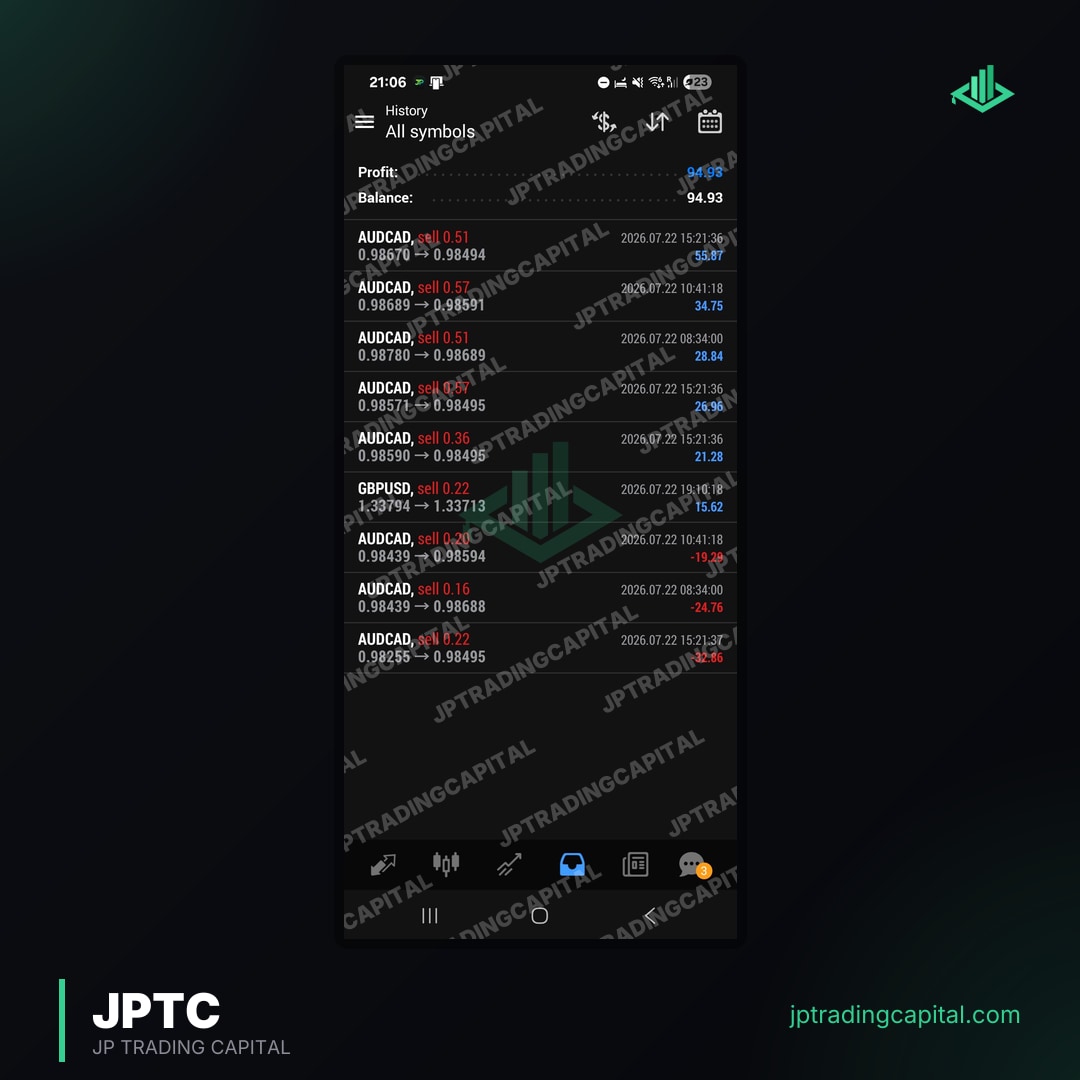
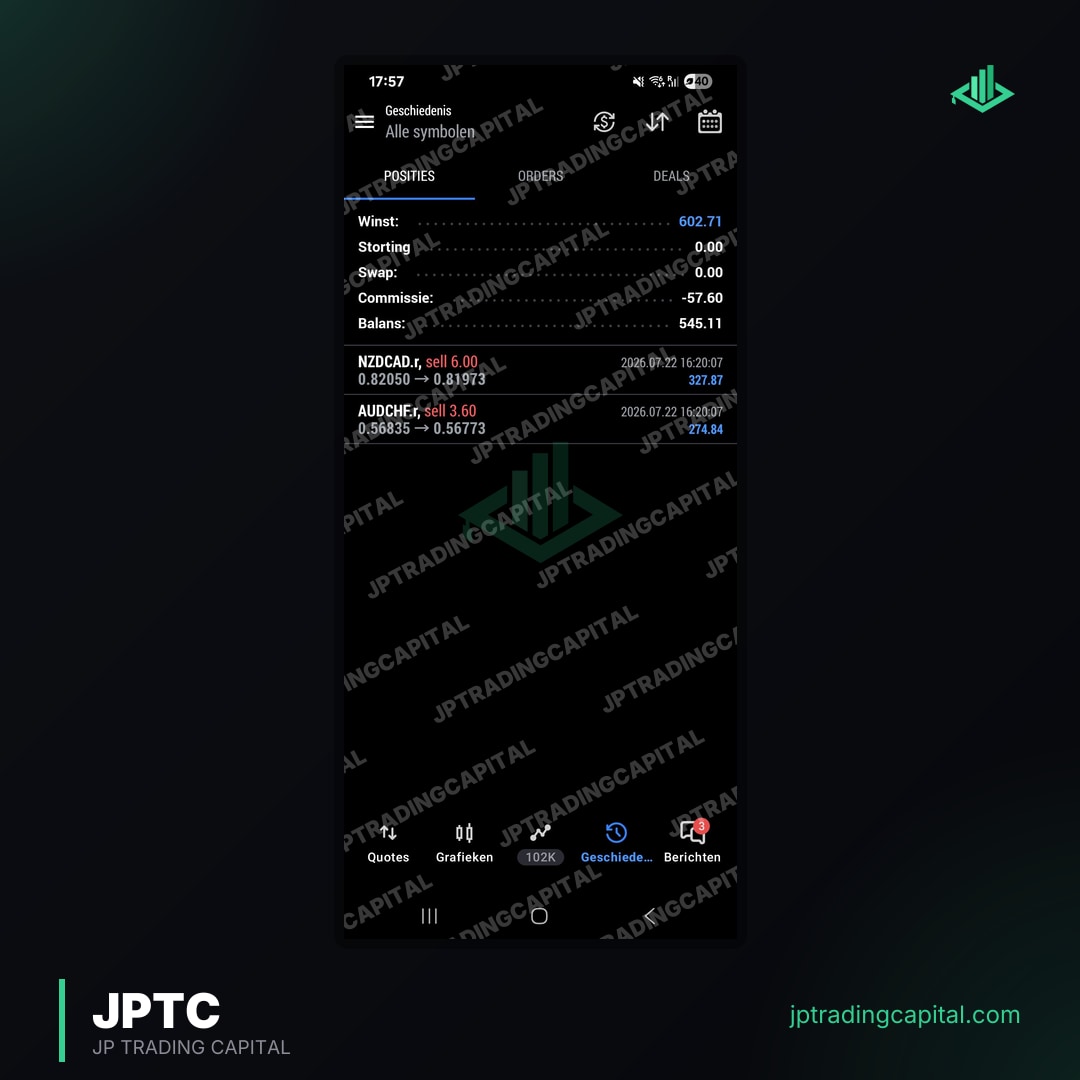
Look for providers who can demonstrate a consistent track record over a significant period, ideally 1-2 years or more. Account-tracking services and full broker statements let providers show verifiable statistics on profitability, drawdown, average trades per month, and risk-reward ratios. Be wary of providers who only show screenshots of winning trades or offer results that cannot be independently verified. JPTradingCapital publishes monthly figures from broker statements on its results page. The broker’s own account record is not an independent audit; these figures do not establish future performance or compliance for another strategy.
Methodology and Risk Disclosure
Understanding how signals are generated and the inherent risks involved is crucial for informed decision-making.
A credible provider should be able to articulate their trading methodology. Do they rely on technical analysis, fundamental analysis, or a combination? What indicators or strategies do they use? While they may not reveal proprietary secrets, a general understanding of their approach helps you assess its logic and alignment with your own trading philosophy. Furthermore, they should clearly disclose the risks associated with their signals, including potential drawdowns and the fact that past performance is not indicative of future results. Transparency about losing trades and periods of underperformance builds trust.
Community and Support
Engaging with the provider's community and assessing their support can offer valuable insights into their reliability.
Look for active communities (e.g., Discord, Telegram groups) where traders discuss signals and provide feedback. How responsive is the provider to questions? Do they offer educational resources or explain market events that impact their signals? Good support indicates a commitment to their users' success beyond simply issuing trades. Be cautious of providers who promise promised profits or pressure you into immediate subscriptions.
How to Safely Integrate Signals into Your Trading Strategy
Successfully following trading signals involves more than just executing trades; it requires a strategic approach that blends external input with your own analysis and robust risk management, especially for prop firm challenges.
As the Reddit snippet wisely suggests, signals should be used for "confirmation, not the actual strategy." This means you, as the trader, retain ultimate responsibility for every trade taken on your account.
Validating Signals with Your Own Analysis
Never blindly follow a signal; always cross-reference it with your own market analysis to build conviction and avoid undue risk.
When you receive a signal, take a moment to perform a quick check using your preferred charts and indicators. Does the signal align with your understanding of the market trend? Are there any strong support or resistance levels nearby that could invalidate the trade? For instance, if a signal suggests a "BUY EURUSD," but your chart analysis shows EURUSD approaching a strong daily resistance level, you might choose to skip that signal or wait for a breakout. This independent validation process helps you understand the context of the trade and makes you less reliant on the signal provider's sole judgment.
Independent Risk Management and Position Sizing
Effective risk management, including proper position sizing and stop-loss placement, must always be implemented independently, regardless of the signal's recommendation.
Even if a signal provides a stop-loss, you should ensure it fits within your personal risk tolerance. For retail traders, a common rule is to risk no more than 1-2% of your total account equity on any single trade. For example, on a $10,000 account, a 1% risk means you should not lose more than $100 on one trade. Your position size should then be calculated based on the distance between your entry and stop-loss, ensuring that if the stop-loss is hit, your loss does not exceed your predefined risk. This independent approach to risk management is critical because signal providers' risk tolerances may differ significantly from yours.
Adapting Signals to Prop Firm Rules
Proprietary trading firm evaluations introduce unique constraints, requiring careful adaptation of signal usage to avoid violating drawdown limits and consistency rules.
Prop firms like FTMO, FundedNext, and TopStep have strict rules regarding daily drawdown, maximum drawdown, and often consistency metrics. These rules are designed to assess a trader's ability to manage risk and generate consistent profits. When using signals, you must ensure that each trade's potential loss, combined with any open positions, does not push your account past these limits. For example, if a prop firm has a 5% daily drawdown limit on a $100,000 account (meaning a maximum loss of $5,000 in a day), you cannot afford to take a signal that could lead to a $6,000 loss if the stop-loss is hit. Our team at JPTradingCapital specializes in tools that help traders pass prop firm evaluations by respecting these critical rules. It's often necessary to adjust position sizes from a signal to fit within your firm's specific risk parameters. You can find detailed rules for firms like FTMO on their official rules page.
Automating Signal Execution: The EA Advantage
Automating the execution of trading signals through Expert Advisors (EAs) can offer significant advantages, particularly for prop firm traders, by ensuring consistent, rule-compliant trading without emotional interference.
While manual execution of signals is possible, it demands constant vigilance and can be prone to human error or emotional decision-making. EAs, however, can execute trades instantly based on predefined rules, making them an invaluable tool for traders seeking efficiency and precision. This is especially true for the fast-paced forex and gold markets, where milliseconds can matter.
When to Use an Expert Advisor (EA) for Signals
EAs are best utilized when signals are frequent, require rapid execution, or when precise adherence to complex prop firm rules is crucial.
If you're receiving numerous signals daily or if the signals have very tight entry and exit parameters, an EA can execute them far more efficiently than a human. Moreover, EAs shine in environments where strict adherence to rules, such as those imposed by prop firms, is non-negotiable. An EA can be programmed to automatically calculate position sizes based on your account equity and the firm's drawdown limits, ensuring that no single trade or combination of trades violates these critical boundaries. For traders interested in leveraging automation, exploring our EA solutions can be a significant step.
Configuring EAs for Prop Firm Compliance
Configuring an EA to respect specific prop firm rules, such as daily drawdown caps, max loss limits, and consistency requirements, is essential for successful evaluation passing.
Automated execution can follow configured checks, but those checks must be tested against the exact account rules and monitored as conditions change. They do not guarantee that every drawdown or trading rule will be met, or that an evaluation or payout will succeed.
Monitoring Automated Signal Performance
Even with automated execution, continuous monitoring of your EA's performance and the underlying signals is indispensable to ensure it aligns with your goals and adapts to changing market conditions.
While an EA handles the execution, you remain the strategist. Regularly check your trading platform (MT4/MT5) and use a trading journal or an account-tracking service to monitor the EA's overall profitability, drawdown, and adherence to prop firm rules. Are the signals still performing as expected? Has market volatility changed in a way that necessitates adjusting the EA's settings or even pausing its operation? Our research shows that traders who actively monitor their automated systems are better equipped to adapt and maintain long-term profitability. See the company-published monthly broker-statement figures.
Common Pitfalls and How to Avoid Them
Even with the best intentions, traders using signals can fall into common traps that lead to losses or failure in prop firm evaluations, making awareness and discipline key.
The XTB snippet's advice to "not leave the signal unattended" and "be ready to intervene" highlights the need for active engagement, even when using external signals or automation. Avoiding these pitfalls requires a proactive and disciplined mindset.
Avoiding Blind Trust and Over-Reliance
One of the most significant dangers is placing blind trust in a signal provider without independent verification or understanding the underlying strategy, leading to a loss of control.
Treat every signal as a suggestion, not a command. If you don't understand why a signal is being issued, or if it contradicts your own analysis repeatedly, question it. Over-reliance can lead to emotional distress when signals inevitably hit stop losses, as it erodes your confidence in your own decision-making. Remember, the goal is to enhance your trading, not to outsource your entire trading brain. Always maintain a critical perspective and be prepared to step away from a signal provider if their performance deteriorates or their methodology becomes opaque.
The Importance of Continuous Learning
The forex and gold markets are dynamic, making continuous learning and adaptation essential for long-term success, even when incorporating signals.
While signals can provide trading ideas, they don't replace the need for you to educate yourself on market fundamentals, technical analysis, and risk management. Understanding the "why" behind market movements and signal generation will empower you to make better decisions, validate signals more effectively, and even develop your own trading edge over time. Stay updated on economic news, central bank policies, and global events that impact currency and commodity markets. This ongoing education will make you a more resilient and adaptable trader, capable of navigating market changes with or without external signals.
Building Your Own Signal Strategy (Optional)
For those who wish to move beyond simply following signals, developing your own strategy to generate personal trading signals offers the ultimate control and understanding of your trades.
This path requires dedication to learning and rigorous testing, but it fundamentally transforms you from a signal follower into a signal generator, giving you complete ownership of your trading decisions and methodology.
Learning Technical and Fundamental Analysis
Mastering both technical and fundamental analysis is the bedrock for creating your own reliable trading signals.
Technical analysis involves studying price charts and indicators to identify patterns, trends, and potential entry/exit points. This includes understanding candlestick patterns, moving averages, RSI, MACD, and support/resistance levels. Fundamental analysis, on the other hand, focuses on economic data, news events, and geopolitical factors that influence currency and commodity values. By combining these two approaches, you can develop a holistic view of the market, allowing you to identify high-probability trading setups and generate your own informed signals.
Backtesting and Forward Testing
Rigorous backtesting and forward testing are indispensable steps to validate the efficacy and robustness of any self-developed signal strategy before deploying it with live capital.
Backtesting involves applying your strategy to historical market data to see how it would have performed. This helps identify strengths, weaknesses, and optimal parameters. Once backtested, forward testing (or demo trading) on a live demo account allows you to test your strategy in real-time market conditions without risking actual money. This phase helps refine your approach, assess its performance under current volatility, and build confidence before transitioning to a live trading account. Only after consistent positive results in both backtesting and forward testing should you consider using your self-generated signals with live funds.
What is the difference between a forex signal and an EA?
A forex signal is a suggestion or instruction for a trade (e.g., buy EURUSD at X price), typically generated by a human analyst or an algorithm. An Expert Advisor (EA) is an automated trading program that runs on platforms like MT4/MT5, capable of executing trades based on predefined rules, which can include automatically acting on received signals or generating its own.
Can I use forex signals to pass prop firm challenges?
Yes, you can use forex signals to pass prop firm challenges, but with extreme caution and independent validation. You must rigorously adapt all signals to comply with the prop firm's daily drawdown, maximum loss, and consistency rules, often requiring adjustment of position sizes and careful monitoring to avoid account violations.
How do I know if a forex signal provider is legitimate?
Legitimate forex signal providers offer transparent, verifiable track records, often through third-party account-tracking services, showing historical performance, drawdowns, and risk metrics. They clearly explain their methodology, disclose risks, and provide responsive support, rather than promising promised profits or using aggressive sales tactics.
Is it safe to follow forex signals blindly?
No, it is never safe to follow forex signals blindly. Blindly executing signals without independent validation, understanding the underlying rationale, or applying your own risk management can lead to significant losses, especially if the signal provider's risk tolerance or strategy does not align with yours.
What are the risks of using forex signals?
The risks of using forex signals include potential financial losses due to inaccurate signals, over-reliance on a provider, lack of independent risk management, and the possibility of violating prop firm rules. Market conditions can change rapidly, making even well-intentioned signals obsolete or risky, underscoring the need for constant vigilance and validation.
Sizing Signals for a Prop Evaluation
Most of the trouble with signals on a funded account is sizing. A call quoted in lots is useless the moment your account differs in size from the provider's, and on an evaluation it can walk you into a daily loss limit in two trades. A call quoted in percentage risk travels: you convert it against your own balance, so the same call fits a 10k challenge and a 200k funded account.
One caveat before you follow any feed on a prop account. Firms set rules on copy trading and on minimum holding time, and one feed followed across several accounts can read as copying to a risk desk. Read your own firm's wording, and if it is unclear, ask them in writing before you scale up.
Our own calls go to a public Telegram channel, open to anyone, posted the moment the trade is taken, with pair, direction, entry, stop, targets and the risk on the position. No subscription and no profit share: a partner broker pays us a rebate on spread you were paying anyway. You place every trade yourself, we never log in. See how the JPTC signals feed works.
Related Articles
- Best Gold Trading Signals: 7 Qualities for Prop Firm Success (2026) · Read more →
- Exact 1:2 Risk-Reward: Why It's Key for Trading Signals [2026] · Read more →
- 7 Steps to Verify Forex Signals Before You Follow Them (2026) · Read more →
- Live Forex Signals Telegram: 5 Must-Haves for Prop Firm Success · Read more →
- Real Gold Trading Signals: Entries, Stops, Take Profits (XAUUSD) · Read more →
- Self-Hosted Trading Bot vs Signals: 3 Key Advantages [2026] · Read more →
- Best EA Backtesting Software: 7 Tools for Prop Firm Success [2026] · Read more →
- Pass Prop Firm Challenges: 7 EA Strategies for 2026 · Read more →
Forex & Gold Signals, No Monthly Fee
Every trade we take, posted the moment we take it: entry, stop loss and targets. A partner broker covers the cost, so there is no subscription. You place every trade on your own account.
Join the signals channel