FundedNext Scaling: Pro and Legacy Account Rules
Material update: 15 October 2026: specifically identified source references, unsupported own-product/result qualifications or account-rule wording corrected. Existing publication status and URL retained.

FundedNext has different scale-up routes according to product and purchase/reset cohort. Establish the applicable route before counting qualifying Rewards or interpreting account growth. The advertised allocation ceiling is not cash received or a guaranteed account path.
Official sources checked on 15–16 October 2026 UTC. This guide distinguishes the standard/legacy cohort page from FundedNext Pro.
- The advertised allocation ceiling is conditional on the applicable programme, not an entitlement.
- Pro provides a 90% reward share and 25% account scaling upon the applicable qualification.
- Pro requires four qualifying received Performance Rewards, at least 4% growth in each qualifying cycle and a minimum two months.
- Standard scaling plans may offer a 40% balance increase after a review window.
What is the FundedNext Scaling Plan?
A scale-up changes a simulated allocation under the applicable FundedNext programme. It is separate from buying a new evaluation, combining accounts or receiving money. A completed evaluation does not by itself establish scale-up eligibility.
The Core Principle of Scaling
Keep the original purchase/reset record, product name, contract version, Reward-cycle history and account state. The official cohort page distinguishes earlier Stellar purchases/resets from the new programme associated with the 12 January 2026 update. Passing the challenge later does not automatically move an earlier purchase into the new cohort. If the exact cutoff or agreement is unclear, obtain a product-specific answer before applying either formula.
FundedNext Pro vs. Standard Scaling: Key Differences
FundedNext offers different scaling pathways, notably distinguishing between its FundedNext Pro program and its standard scaling options, each with unique benefits and criteria. Understanding these distinctions is crucial for traders planning their growth strategy.
Under the Pro rules, eligibility requires four received qualifying Performance Rewards, at least 4% account growth in each qualifying cycle and a minimum two months. Pro brings a 25% scale-up and a 90% reward share; that is not a statement that every new account starts at 90%. Merged accounts and Stellar Lite are excluded from Pro. The official page directs Stellar Lite to the regular process.
The standard/legacy page describes a four-month review, 10% accumulated growth, at least two Performance Rewards and a profitable final cycle, with a possible 40% increase. It also points newer cohorts to Pro. Do not apply the 40% illustration to every current account or assume Stellar Lite and Pro have identical requirements.
How to Qualify for the FundedNext Scale-Up Program
Qualifying for the FundedNext Scale-Up Program hinges on demonstrating consistent profitability and adherence to risk management rules over a sustained period.
Profitability and Consistency Requirements
Qualifying-cycle growth and the amount paid to the trader are different measurements. Use the provider’s growth basis for the eligibility test and the contractual share for any potential payment. A population success rate or an EA advantage cannot be inferred from meeting these criteria.
Payout Milestones and Growth Targets
A Pro cycle below 4% does not count toward scaling, but the official page says it does not itself disqualify the trader. Fictional counting example, not a result forecast: cycles at 3%, 4%, 5%, 4% and 4% contain four cycles reaching the stated threshold. This arithmetic alone does not establish minimum duration, account eligibility, approval or a received payment.
| Evidence | Keep separately |
|---|---|
| Product and cohort | Purchase/reset record, programme version, merged status and Lite/Pro branch. |
| Qualifying cycles | Each cycle’s defined growth and received Reward record. |
| Duration | The minimum-period requirement, not only the count of cycles. |
| Transition | Actual scaled balance and share, new account conditions and unresolved questions. |
Checking Scaling Eligibility
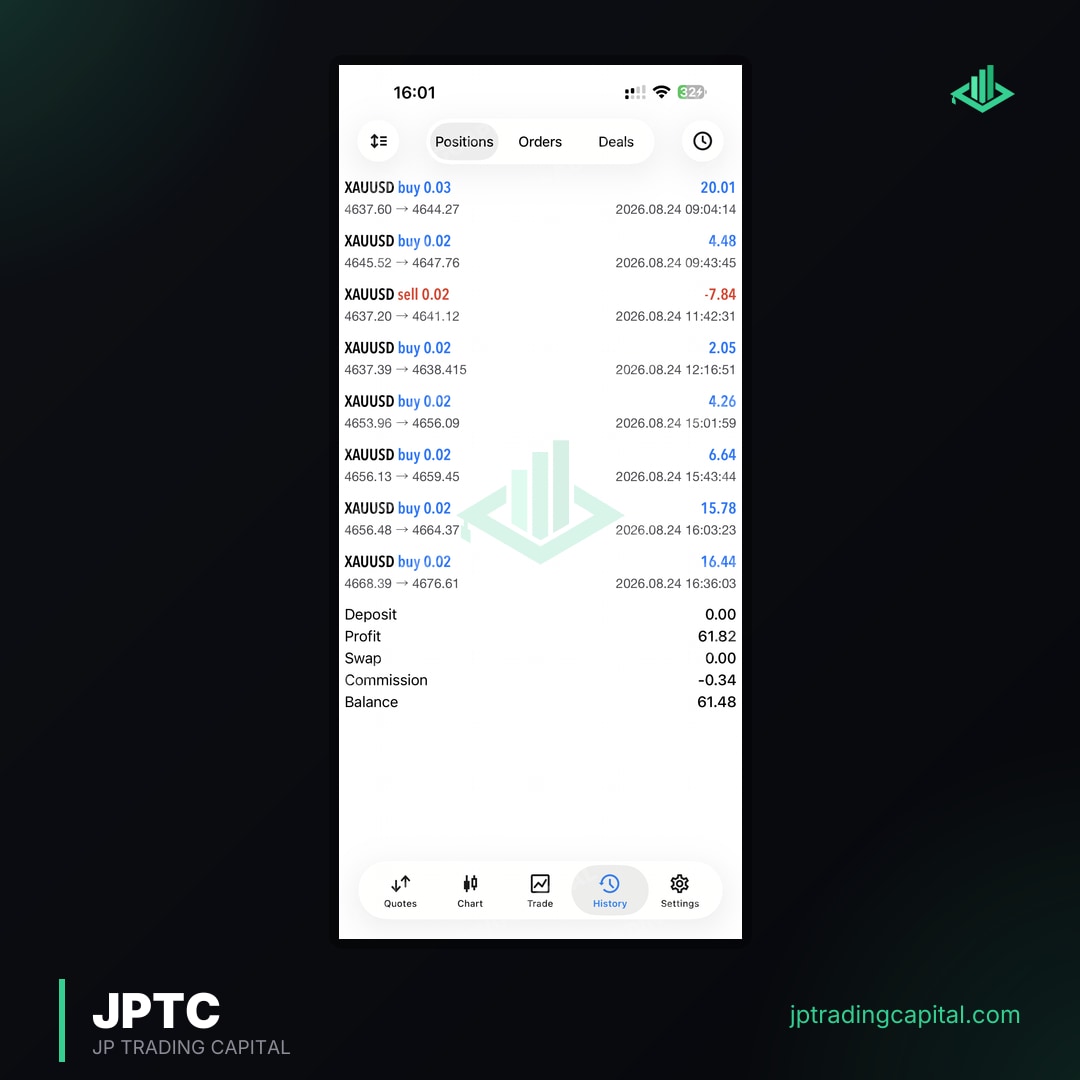
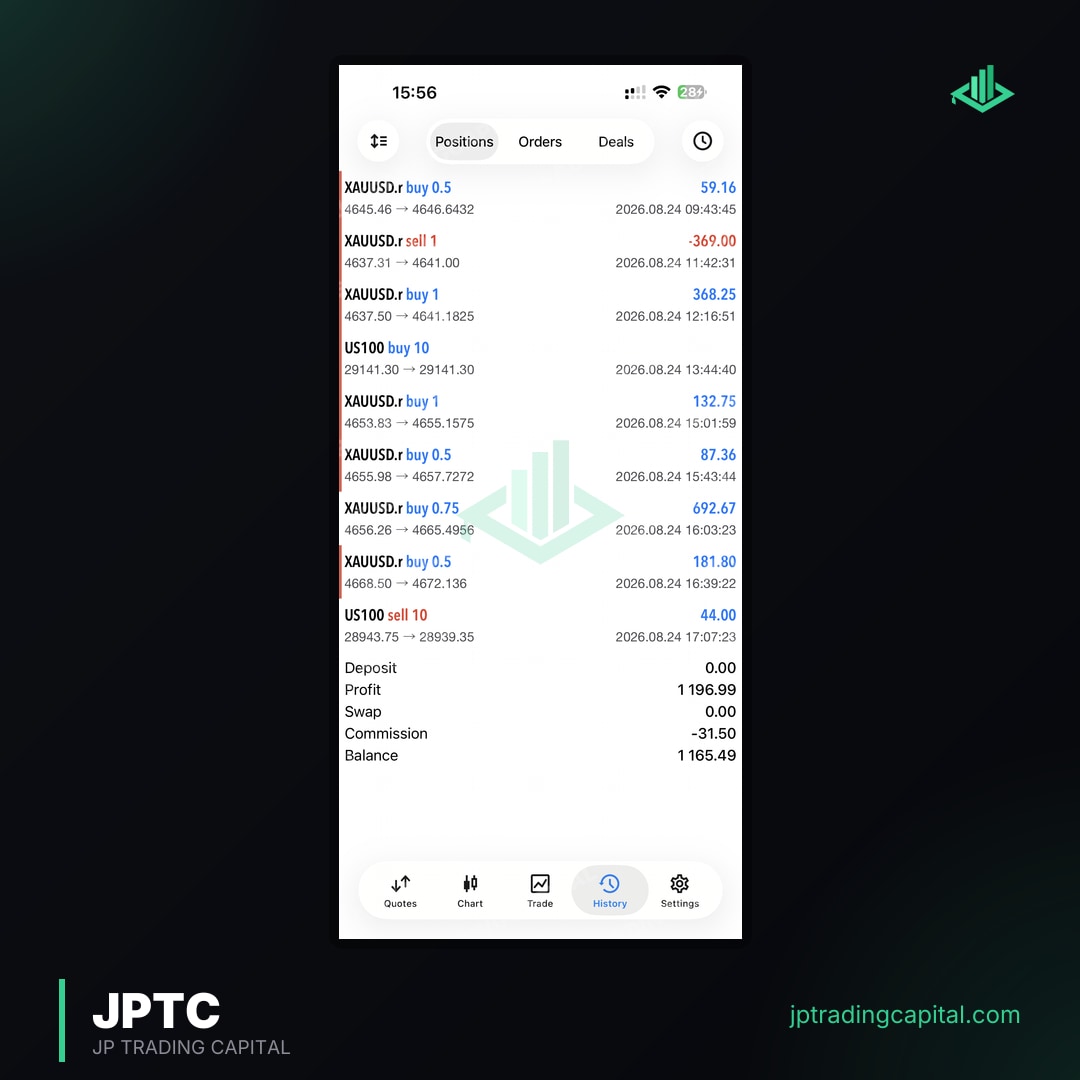
Use the rule record to identify what remains unproven. A request, qualifying calculation and completed allocation change are separate states. The Pro page describes an automatic process after its criteria are met and directs unresolved cases to support.
Records, Testing and Rule Basis
Keep complete statements and note strategy, settings, costs and missing observations. Test against the exact account rules and preserve the version used. A smooth historical curve or a daily profit target does not establish future performance or entitlement to scaling.
Software Permission by Platform and Account Size
Software permission must be checked separately from scaling eligibility. The current FundedNext EA rules restrict MetaTrader EA use to accounts below $50,000 with the applicable add-on and other conditions. Accounts of $50,000 or more must be fully manual, including tools that only modify SL, TP or lot size. cTrader and Match-Trader do not permit EAs regardless of size.
The same page prohibits EAs specifically designed to pass prop challenges. Paying for an add-on or obtaining the account owner’s consent does not approve an individual EA. EA add-on fees are stated as non-refundable, including when unused.
Reassessing Account State After Scaling
A larger simulated account label can change programme parameters. It does not itself put money in a trader’s bank account or prove that future earnings will increase.
Managing Increased Capital and Risk
Arithmetic illustration only: 1% of $100,000 is $1,000; 1% of $1,000,000 is $10,000. This is not a recommended risk fraction or proof that either amount fits the loss room. Recalculate current equity, contract values, costs, actual loss boundaries and execution assumptions after any transition. Larger positions are not obligatory and stops do not guarantee every outcome.
Process and Decision Records
Larger displayed amounts may change how someone responds to decisions. Record the process and any deviation rather than assuming that the same percentage creates the same operational conditions. A review should identify uncertainty, incidents and reasons for pausing; no company observation study is asserted here.
Common Pitfalls and How to Avoid Them
Review the current account state and unresolved conditions before adding exposure or changing settings. An allocation milestone does not remove trading, operational or programme risk.
Overtrading and Drawdown Management
Record trade frequency, changes and combined exposure when evaluating incidents. Multiple positions, accounts or symbols are not automatically independent risks. An EA can execute faulty instructions; it does not establish rule compliance, prevent every operational error or guarantee continuation of an account.
Adapting Strategies to New Account Sizes
After an allocation change, check the permitted platform, software, contract values, volume steps, loss calculations and data availability. A larger simulated label does not by itself prove direct market impact or that proportional position increases remain permitted. Retain previous settings and separately assess any changes.
JPTC Products and Evidence Scope
Product documentation and programme rules answer different questions. Review the exact offered software version and the account conditions independently; software availability is not FundedNext authorisation.
Separate Hosted Algo and EA Hub
The JPTC EA Hub is distinct from the hosted JPTC Algo. The hosted service is not offered for prop evaluations; customers install or run nothing and need no VPS for it. No JPTC product is presented here as a guarantee of FundedNext approval, compliance, capital growth or payment.
What Company Results Can Establish
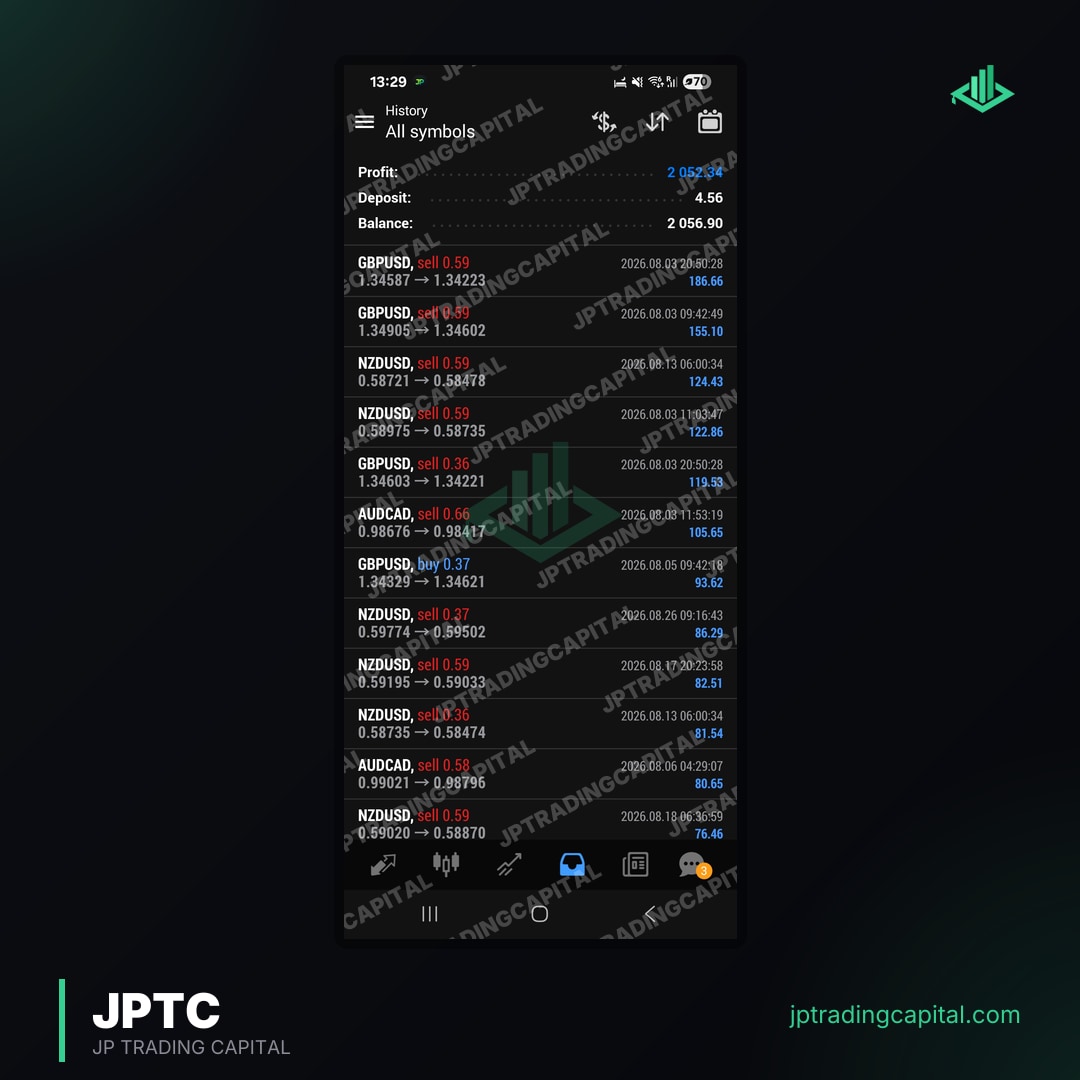
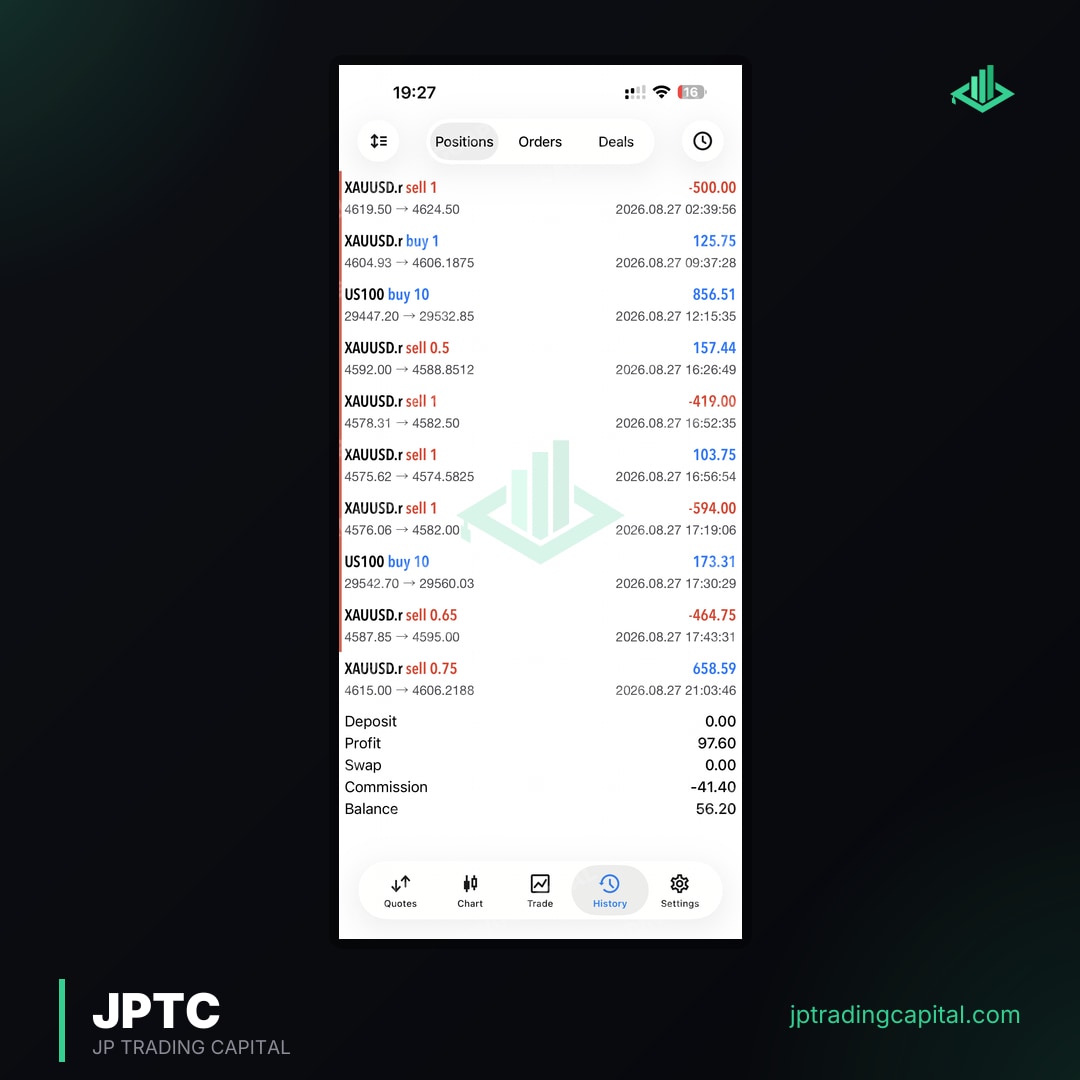
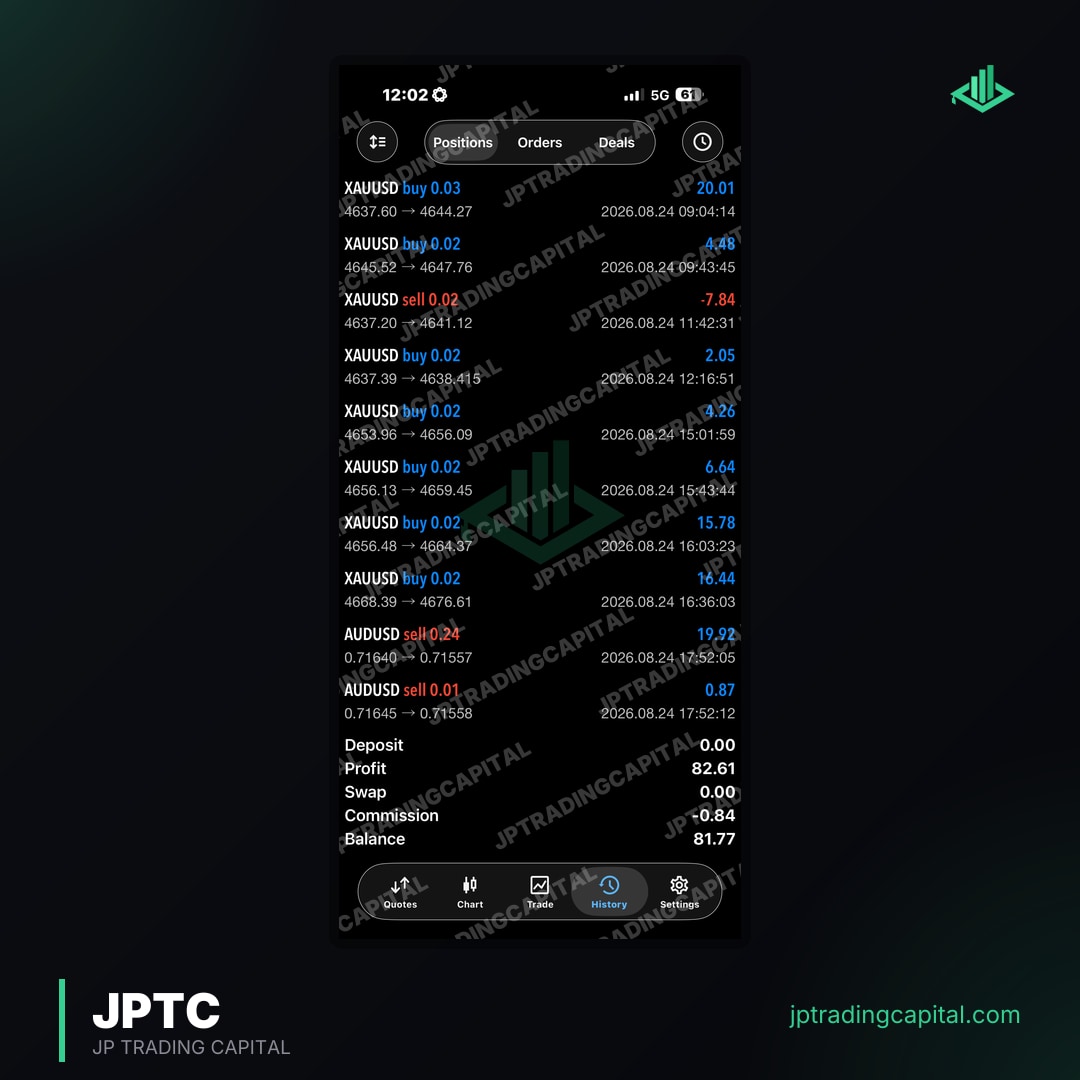
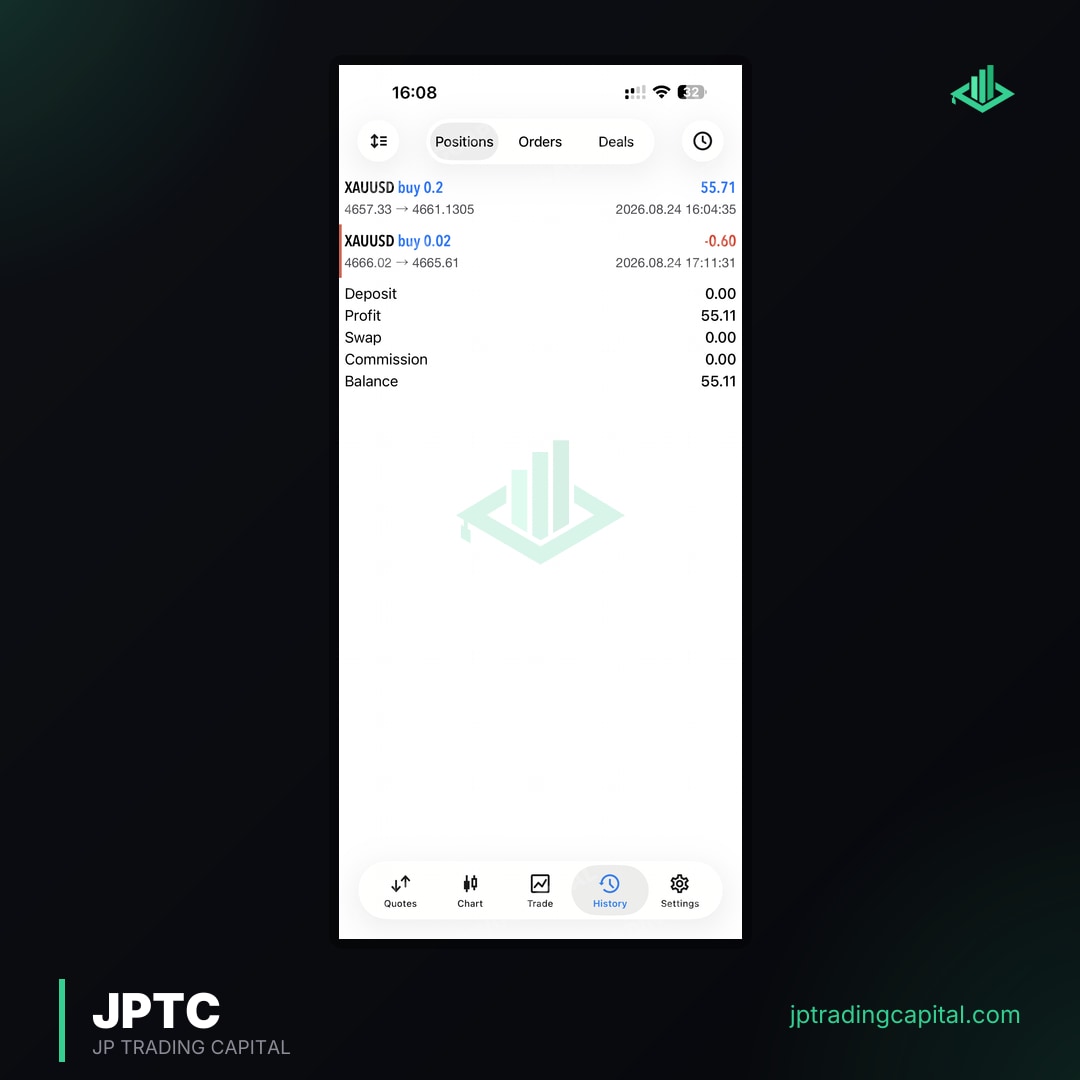
JPTC’s company-published broker-statement figures are not an independent audit, customer success study or evidence of FundedNext scaling outcomes. They do not establish that an EA or third-party arrangement is permitted for your programme. Use original account records and the applicable official conditions for this decision.
FAQ
What is the maximum simulated capital I can reach with FundedNext scaling?
How often does FundedNext review accounts for scaling?
Does the profit split change when my FundedNext account scales?
Can I use an Expert Advisor (EA) to help me scale my FundedNext account?
What are the key requirements for the FundedNext Pro scaling?
Related Articles
- FTMO challenge rules and account conditions · Read more →
- Futures prop account rules and permissions · Read more →
- FundedNext Futures country restrictions · Read more →
- Direct-to-funded programme checks · Read more →
- Indicators for futures research · Read more →
- ES Micro Swing MR4 system review · Read more →
- Nyao Scalper MT5: Source Review and Test Limits · Read more →
- Trading Algorithm Portfolio Diversification Beyond Setfile Count · Read more →
- XAUUSD strategy evaluation considerations · Read more →
- Gold trading sessions and liquidity considerations · Read more →
Review the JPTC EA Hub
EA software with version-specific documentation and account-level risk controls. Review the selected programme’s current automation rules and test the chosen version; software does not guarantee compliance, a pass or a payout.
See the EA Hub