Algo vs Manual Trading: Beginner's Guide
Material update: 15 October 2026: specifically identified source references, unsupported own-product/result qualifications or account-rule wording corrected. Existing publication status and URL retained.

For beginners, the choice between algorithmic trading vs manual trading is a fundamental decision that shapes their trading journey. Algorithmic trading leverages coded instructions to execute trades automatically, while manual trading relies on a human trader's direct decisions and actions. Both methods have distinct advantages and disadvantages, making the right choice dependent on individual goals, skills, and risk tolerance.
- Algorithmic trading offers speed and removes emotional bias.
- Manual trading provides flexibility and direct control over decisions.
- Beginners must weigh time commitment against technical skill requirements.
- Prop firm traders often benefit from the consistency of algorithms.
- Platform compatibility is crucial for automated strategies.
Algorithmic Trading vs Manual Trading: Understanding the Core Differences
At its heart, the debate of algorithmic trading vs manual trading for beginners boils down to automation versus human intervention. Manual trading is the traditional approach where traders analyze markets, identify opportunities, and place orders themselves. This requires constant attention, emotional discipline, and a deep understanding of market dynamics. Algorithmic trading, on the other hand, uses pre-programmed instructions (algorithms or Expert Advisors - EAs) to execute trades automatically based on specific criteria. This can range from simple rule-based systems to complex machine learning models.
The Appeal of Manual Trading for Beginners
Manual trading offers a direct learning experience. Beginners can immerse themselves in market analysis, understand price action, and develop their own trading strategies from scratch. This hands-on approach can foster a deeper understanding of market psychology and the nuances of trading. The flexibility of manual trading allows traders to adapt quickly to changing market conditions or unexpected news events, making real-time adjustments as needed.
However, manual trading is also demanding. It requires significant time commitment for research, analysis, and trade execution. Emotional decision-making, such as fear and greed, can lead to costly mistakes. Furthermore, the speed of modern markets can make it challenging for manual traders to react to fleeting opportunities.
The Rise of Algorithmic Trading
Algorithmic trading, often implemented through Expert Advisors (EAs) on platforms like MetaTrader 4 or MetaTrader 5, promises efficiency and consistency. Once an algorithm is developed and tested, it can trade 24/7 without human fatigue or emotional interference. This is particularly attractive for traders aiming to pass prop firm evaluations, where consistent adherence to strict risk management rules, like daily drawdown caps and maximum loss limits, is paramount. For instance, firms like FTMO have stringent rules that can be systematically followed by an EA.
The primary benefits include:
- Speed and Efficiency: Algorithms can analyze data and execute trades far faster than any human.
- Emotionless Trading: Removes the psychological pitfalls of fear and greed.
- Backtesting Capabilities: Strategies can be rigorously tested on historical data.
- 24/7 Operation: Markets can be monitored and traded around the clock.
However, algorithmic trading is not without its challenges. Developing a profitable algorithm requires strong programming skills, a deep understanding of trading strategy, and extensive testing. A poorly designed EA can lead to significant losses. Moreover, the market environment can change, rendering a previously effective algorithm obsolete, necessitating ongoing monitoring and adjustments.
Algorithmic Trading vs Manual Trading for Beginners: Key Considerations
When deciding between algorithmic trading vs manual trading for beginners, several factors come into play:
Time Commitment and Availability
Manual trading demands considerable time for analysis and execution. If you have a full-time job or other commitments, dedicating sufficient hours to manual trading can be difficult. Algorithmic trading, once set up, can operate with minimal oversight, freeing up your time. However, the initial development and ongoing optimization of an algorithm also require a significant time investment.
Technical Skills and Learning Curve
Manual trading requires learning market analysis techniques, chart patterns, and fundamental analysis. Algorithmic trading requires programming knowledge (like MQL4/MQL5 for MetaTrader) or the ability to configure and utilize pre-built EAs. For beginners, learning to code an EA can be a steep learning curve, but using existing tools can democratize automated trading. Platforms like MQL5 offer resources and communities for EA developers.
Emotional Discipline
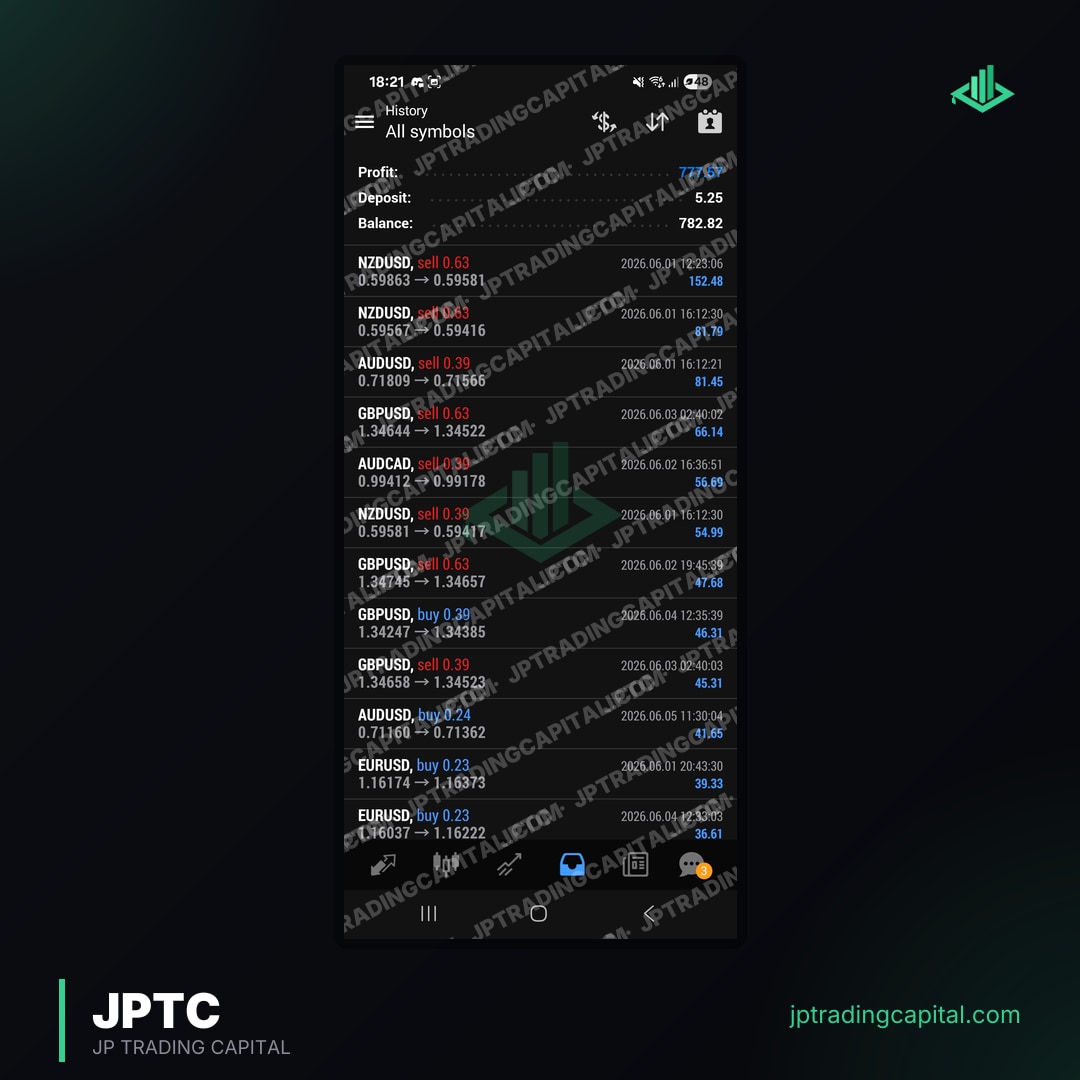
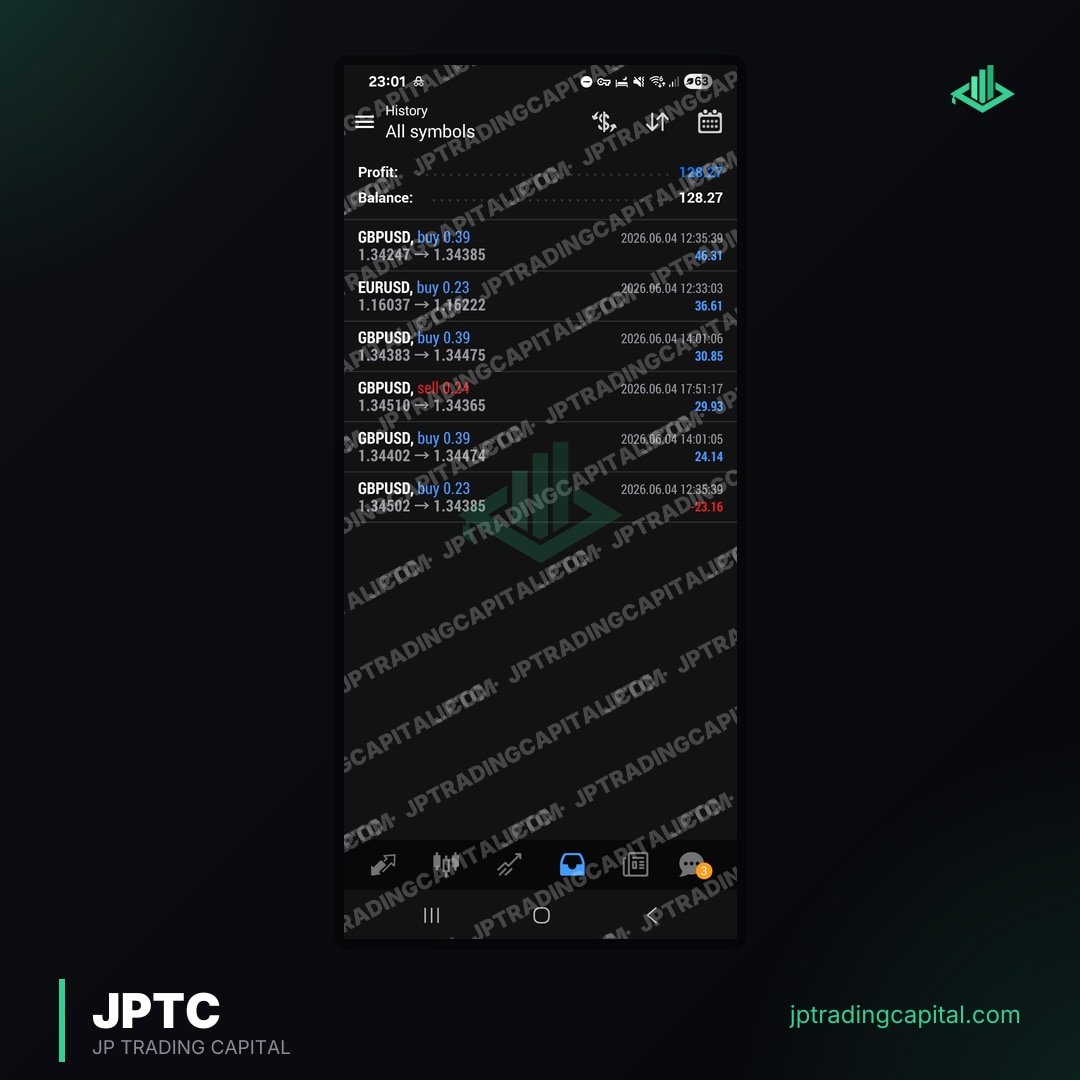
Manual trading is heavily influenced by emotions. Fear of missing out (FOMO) or the desire to recoup losses can lead to impulsive decisions. Algorithms, by nature, are unemotional. They follow their programmed logic, which can lead to more consistent trading outcomes, especially crucial for passing prop firm challenges. JPTradingCapital publishes monthly figures from broker statements on its results page. The broker’s own account record is not an independent audit; these figures do not establish future performance or compliance for another strategy.
Risk Management
Both approaches require robust risk management. In manual trading, this means setting stop-losses and take-profits diligently. In algorithmic trading, risk management is coded into the EA itself, defining position sizing, maximum drawdown, and other critical parameters. For prop firm traders, adhering to rules set by firms like FundedNext is non-negotiable, and an EA can be programmed to strictly enforce these limits.
Cost and Resources
Manual trading primarily involves the cost of charting software, data feeds, and potentially trading courses. Algorithmic trading can involve costs for development, backtesting software, VPS (Virtual Private Server) hosting for continuous operation, and potentially purchasing pre-built EAs. JPTradingCapital offers tools like the JPTC EA Hub, which provides pre-configured, backtested strategies designed to meet prop firm requirements, reducing the upfront development cost and technical barrier for traders.
Which is Better for Beginners: Algorithmic or Manual Trading?


There's no single answer to whether algorithmic trading or manual trading is definitively better for beginners. The optimal choice depends on individual circumstances and goals.
When Manual Trading Might Be Preferred
- You are new to trading and want to build a foundational understanding from the ground up.
- You enjoy the process of market analysis and decision-making.
- You have ample time to dedicate to learning and trading.
- You are aiming for a more discretionary trading style.
When Algorithmic Trading Might Be Preferred
- You have a specific trading strategy that can be clearly defined by rules.
- You want to remove emotional bias from your trading.
- You are looking to trade consistently across different market sessions without constant oversight.
- You are a prop firm trader needing to strictly adhere to drawdown rules.
- You have some programming skills or are willing to learn/use automated trading solutions.
Many successful traders combine elements of both. They might use algorithms for execution or for certain market conditions, while reserving manual intervention for high-impact news events or strategic decision-making. For prop firm traders, understanding how to leverage automated solutions can be a significant edge. JPTradingCapital focuses on building tools that help traders navigate the complexities of prop firm challenges with automated solutions that respect firm rules.
The Future of Trading: Automation and Hybrid Approaches
The trading landscape is increasingly leaning towards automation. While manual trading will always have its place, the efficiency, speed, and discipline offered by algorithmic trading are hard to ignore. For beginners, exploring automated trading systems, whether through developing their own EAs or utilizing platforms like the JPTC EA Hub, can provide a structured and potentially more consistent path to trading success, especially when aiming to pass prop firm evaluations. Leveraging tools that are pre-configured to respect prop firm rules can significantly streamline the journey for aspiring funded traders.
Ultimately, the best approach for algorithmic trading vs manual trading beginners is the one that aligns with your personal strengths, weaknesses, and trading objectives. Thorough research, practice in a demo environment, and continuous learning are essential regardless of the path chosen. Consider how tools and services, like those offered by JPTradingCapital, can support your specific trading goals.
Is algorithmic trading suitable for complete beginners?
Can manual trading help pass prop firm challenges?
What are the main risks of algorithmic trading for beginners?
How do prop firms view algorithmic trading?
Automation only helps if it respects the rulebook. These go deeper on the strategies and the checks that matter:
Related Articles
- How to Test Trading Algorithms Safely Before Live Trading · Read more →
- Verify Your Algo: How to Know If It Actually Works · Read more →
- Backtest Your Algo: Verify Before Going Live · Read more →
- Algo Trading Explained: Automated Strategies for Prop Firms · Read more →
- Trade Copier Latency: How Delay Ruins Prop Accounts · Read more →
- Prop Firm Verification & Compliance Explained · Read more →
- Prop Firm Slippage: How Execution Speed Kills Profits · Read more →
- Prop Firm Psychology: Live vs. Demo Trading · Read more →
Automated forex and gold trading
Runs on your own account at your own broker. We host and set it up, so there is nothing to install and no VPS. No profit share, no monthly fee.
See how it works