Funded Account Withdrawal: 5 Critical Rules Traders Miss [2026]
![Funded Account Withdrawal: 5 Critical Rules Traders Miss [2026]](https://images.pexels.com/photos/5831522/pexels-photo-5831522.jpeg?auto=compress&cs=tinysrgb&dpr=2&h=650&w=940)
A withdrawal from a funded account allows successful prop firm traders to claim their earned profits after meeting specific firm requirements, which typically include adherence to consistency rules, maintaining account health within drawdown limits, and completing a minimum number of trading days. These payouts, often an 80-90% profit split, are initiated through a formal request process, ensuring traders are compensated for their demonstrated skill.
- Profit splits are typically 80-90% for funded traders.
- Adherence to consistency rules is critical for payout eligibility.
- Withdrawals require maintaining account health within strict drawdown limits.
- Verification of identity and payment method is a standard prerequisite.
- Scaling plans often influence payout frequency and percentage.
Understanding Funded Account Withdrawal Mechanics
Understanding the fundamental mechanics of how to execute a withdrawal from a funded account is the first step toward successfully claiming your trading profits.
Proprietary trading firms establish clear guidelines that traders must follow to be eligible for profit withdrawals. These rules are designed to ensure responsible trading practices and the long-term sustainability of the firm's capital. Before initiating any withdrawal request, traders must be intimately familiar with their specific prop firm's terms, as they can vary significantly. For instance, some firms, like FTMO, detail comprehensive rules regarding minimum trading days, maximum daily loss, and overall drawdown limits that directly impact payout eligibility. Our team at JPTradingCapital consistently advises traders to review these documents thoroughly, often finding that overlooked details can delay or even prevent a successful payout.
The Core Requirements for Profit Payouts
The core requirements for profit payouts typically revolve around achieving a certain profit target, respecting drawdown limits, and adhering to specific trading consistency rules.
Most prop firms mandate that a trader must reach a specific profit target beyond their initial capital before becoming eligible for a profit split. This ensures that the trader has demonstrated consistent profitability. Beyond the profit target, strict drawdown limits are universally applied. A maximum daily loss limit prevents excessive risk-taking within a single trading day, while an overall maximum loss limit protects the account from significant long-term impairment. For example, if a firm specifies a 5% maximum daily drawdown, any single day's trading must not result in a loss exceeding that percentage of the initial account balance. Similarly, a 10% overall drawdown means the account equity cannot fall below 90% of its initial balance at any point. Violating these limits, even inadvertently, can lead to the forfeiture of profits or termination of the funded account. Furthermore, many firms implement a 'consistency rule' or 'trader score' requirement, which ensures that profits are not generated through erratic or high-risk gambling-like behavior. This rule might stipulate that no single trade or trading day accounts for an overly large percentage of the total profit, encouraging a balanced approach to risk management. Traders utilizing automated solutions like the JPTC EA Hub benefit from systems pre-configured to respect these crucial prop-firm rules, including daily drawdown caps, max loss limits, and consistency parameters, significantly increasing their chances of meeting payout eligibility.
Navigating Consistency Rules and Drawdown Limits
Effectively navigating consistency rules and drawdown limits is paramount for any funded trader aiming for regular withdrawals.
Consistency rules often require traders to maintain a steady performance, preventing a scenario where a single 'lucky' trade accounts for the majority of the profit. One common interpretation might be that no single trade can contribute more than a specific percentage (e.g., 20-30%) of the total profit to be withdrawn. This encourages diversified trading strategies and discourages 'all-in' approaches. Drawdown limits, on the other hand, are designed to protect the firm's capital. A 'trailing drawdown' is particularly common, where the maximum allowable loss level moves up as the account equity grows, but never goes back down. Understanding how your specific firm calculates and applies these limits is crucial. For instance, some firms calculate drawdown based on closed equity, while others consider open floating losses. Misinterpreting these rules is a frequent cause of payout issues. Our extensive work with traders passing evaluations has shown that a proactive approach to understanding these nuances, often through rigorous backtesting and strategy refinement, is essential for consistent success in prop firm challenges and subsequent profit withdrawals.
The Role of a Scaling Plan in Withdrawals
A prop firm's scaling plan often dictates not only the growth of a trader's capital but also the frequency and percentage of their eligible withdrawals.
Many proprietary trading firms offer scaling plans that reward consistent profitability with increased account capital. As a trader demonstrates sustained success and adherence to rules, their initial funded account size can grow. This scaling up often comes with additional benefits, such as a higher profit split percentage (e.g., moving from 80% to 90%) or more flexible withdrawal schedules. For example, a firm might allow weekly withdrawals once a trader reaches a certain profit milestone and has scaled their account to a larger size, whereas initial withdrawals might only be bi-weekly or monthly. Understanding how your trading performance contributes to scaling, and how scaling impacts your profit withdrawal rules, is a critical long-term strategy for maximizing your funded trader earnings. It transforms withdrawals from an occasional event into a structured reward system tied to your growth within the firm. Traders should view their performance not just in terms of immediate profit, but also in how it positions them for future scaling opportunities and enhanced payout terms.
The Step-by-Step Funded Account Withdrawal Process
The step-by-step process for making a withdrawal from a funded account is a structured procedure designed to ensure security and compliance for both the trader and the proprietary firm.
Once a trader has met all the eligibility criteria, the next phase involves formally requesting the profit payout. This process typically begins within the trader's dashboard or client portal provided by the prop firm. It requires careful attention to detail, as any errors can lead to delays. Firms prioritize security, so expect a robust verification process for your identity and payment details. Our experience at JPTradingCapital shows that having all necessary documentation ready, such as proof of identity and address, can significantly expedite the initial setup for withdrawals. Furthermore, understanding the firm's specific cut-off times for withdrawal requests is important, as requests submitted after these times may only be processed in the subsequent payout cycle.
Initiating Your Withdrawal Request
Initiating your withdrawal request typically involves logging into your prop firm's client area, selecting the withdrawal option, and specifying the amount you wish to receive.
After confirming your eligibility based on profit targets, drawdown limits, and consistency rules, you will usually find a dedicated 'Withdrawal' or 'Payout' section in your trader dashboard. Here, you'll be prompted to enter the desired withdrawal amount, keeping in mind any minimum or maximum withdrawal limits set by the firm. It's crucial to confirm the exact amount available for withdrawal, as firms often display the gross profit and then subtract their profit share to show your net eligible amount. Additionally, you will select your preferred payment method from the options provided. Before final submission, most firms require a confirmation step, often involving an email or SMS verification code, to ensure the request is legitimate. Always double-check all details before confirming, as erroneous requests can cause significant delays in receiving your funded account profits.
Verified Payment Methods and Timelines
Verified payment methods and understanding their associated timelines are crucial for a smooth and predictable receipt of your funded account earnings.
Proprietary trading firms typically offer a range of payment methods for withdrawals, including bank wire transfers, electronic wallets (like Wise, PayPal, or Skrill), and sometimes cryptocurrency options. Many firms require that withdrawals be processed via the same method used for initial funding, especially for credit or debit card deposits, to comply with anti-money laundering (AML) regulations. This means if you funded your account with a credit card, your initial withdrawal might need to go back to that same card, up to the amount deposited. Beyond that, alternative methods would be available. It is vital to ensure your chosen method is fully verified and matches your identity details on file with the prop firm. Processing times can vary, from a few hours for some e-wallets to several business days for international bank transfers. For instance, a bank wire might take 3-5 business days, while a crypto transfer could be much faster. Always consult your firm's specific payout policy for exact timelines and any associated fees, which should be transparently listed. JPTradingCapital recommends setting up and verifying your preferred withdrawal method well in advance to avoid any last-minute complications.
Common Pitfalls and How to Avoid Them
Common pitfalls in the withdrawal process range from minor administrative errors to fundamental misunderstandings of prop firm rules, all of which can delay or prevent payouts.
One frequent issue is failing to complete identity verification (KYC, Know Your Customer) requirements fully or accurately. Ensure all documents are up-to-date and match the information provided during account registration. Another pitfall is not understanding the minimum trading day requirement; some firms require a certain number of active trading days within a payout period, regardless of profitability. Overlooking these can lead to a rejected withdrawal request. Furthermore, traders sometimes miscalculate their eligible profit, attempting to withdraw funds that are still subject to the firm's profit split or haven't cleared specific hold periods. Using an unapproved or unverified payment method is also a common mistake, leading to immediate rejection. To avoid these issues, always read the prop firm's FAQ and terms of service carefully, keep your personal and payment information updated, and communicate proactively with their support team if you have any doubts. Leveraging automated tools like the JPTC EA Hub can help traders consistently meet the complex trading requirements, thereby preventing performance-related withdrawal rejections, leading to more consistent successful payouts.
Maximizing Your Payouts: Strategies for Funded Traders
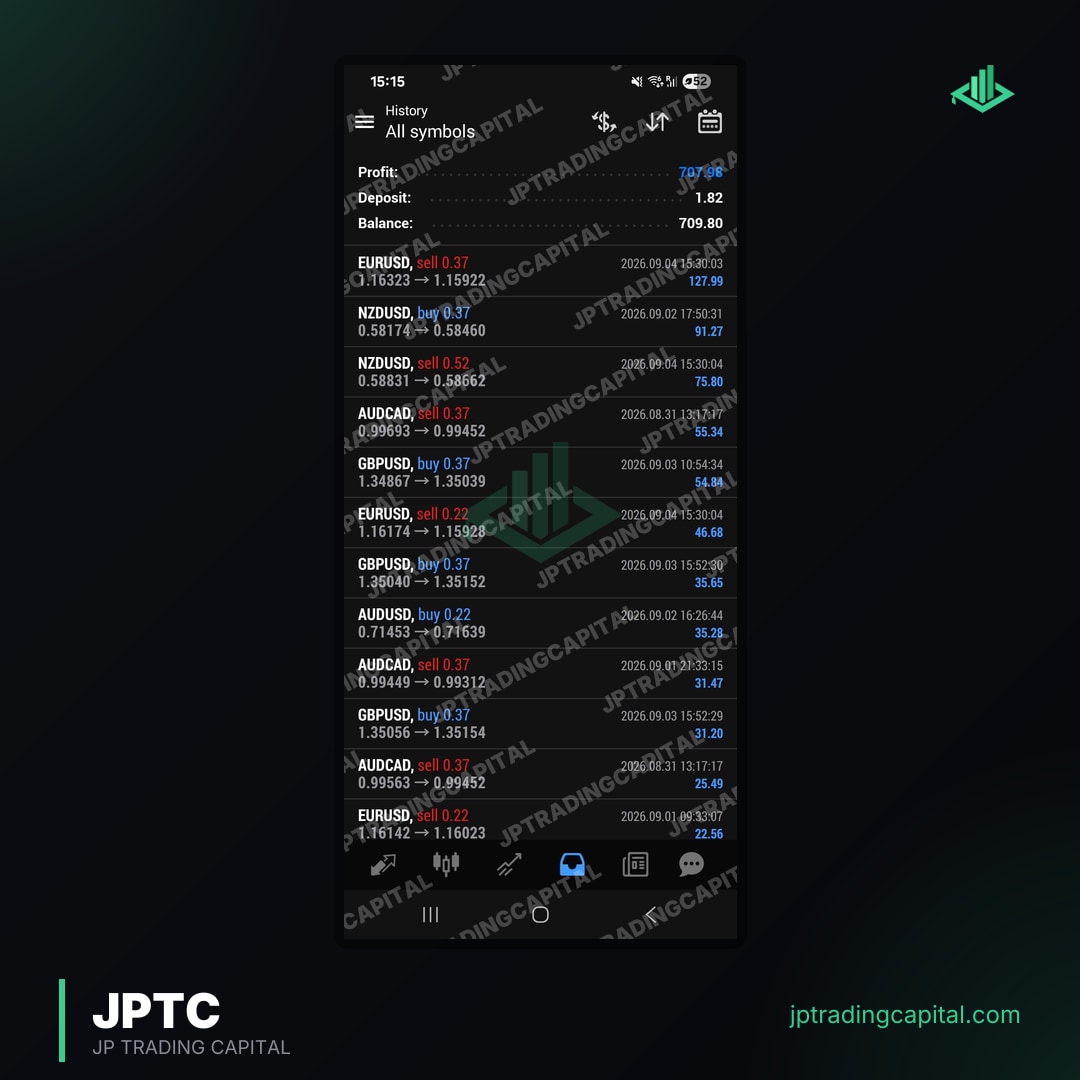
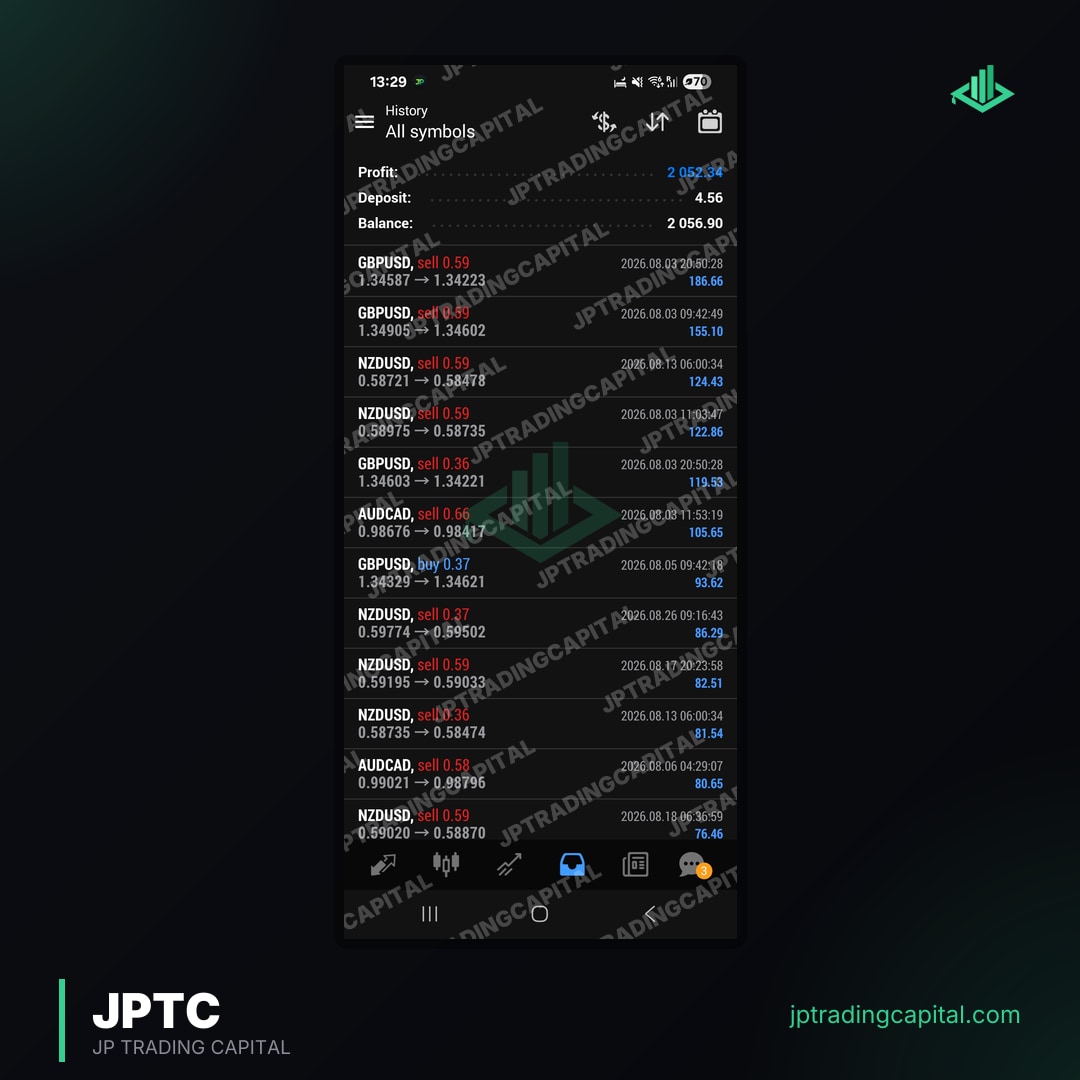
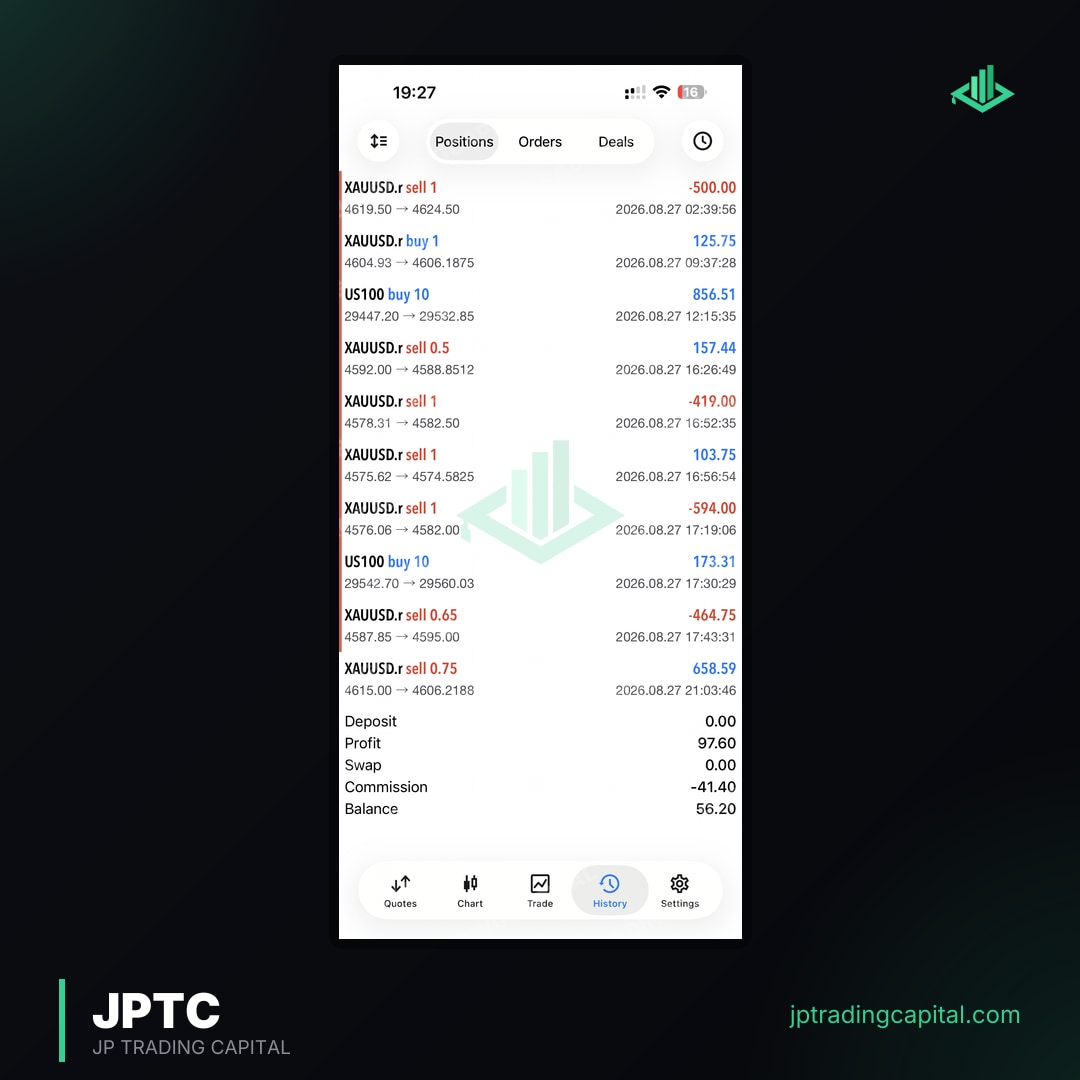
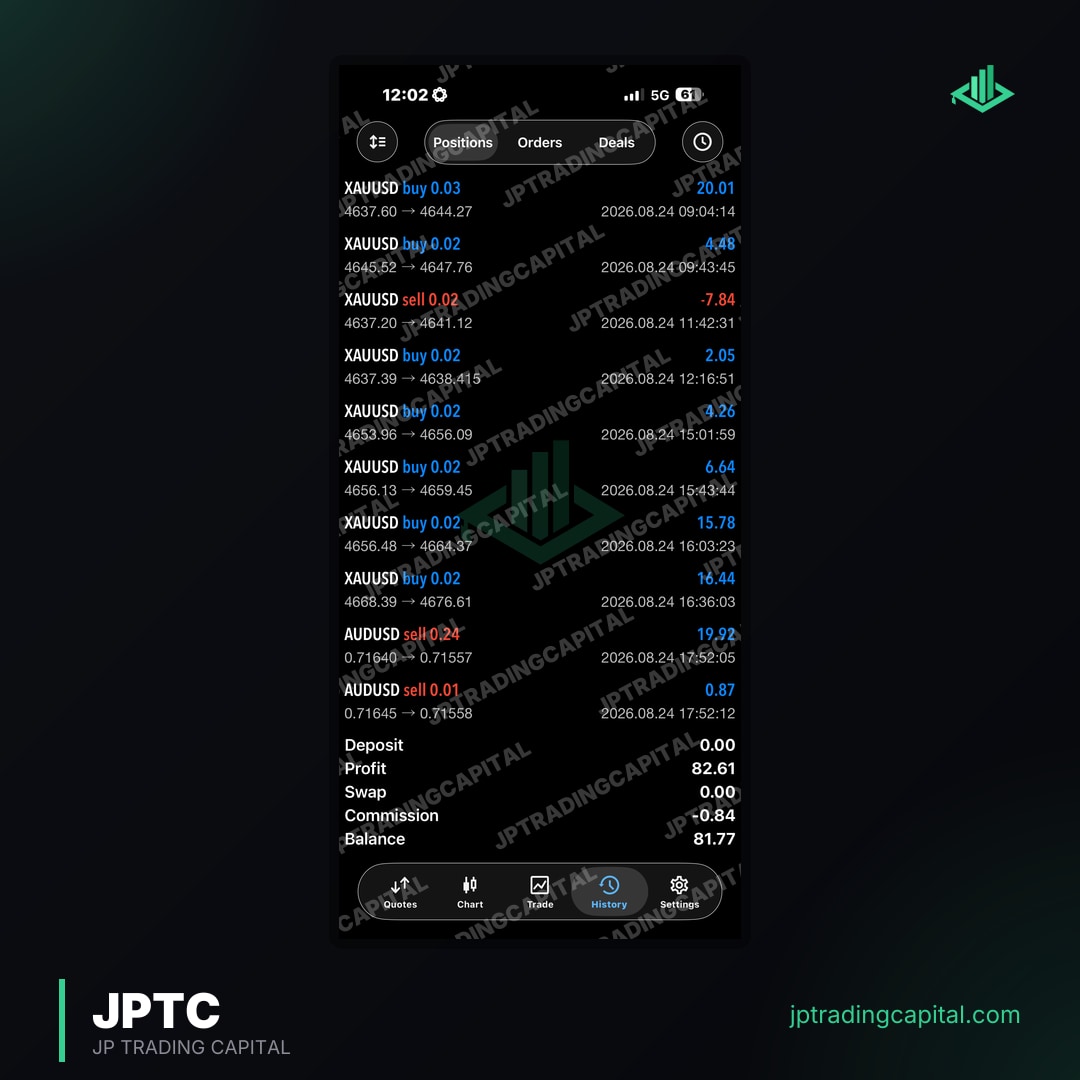
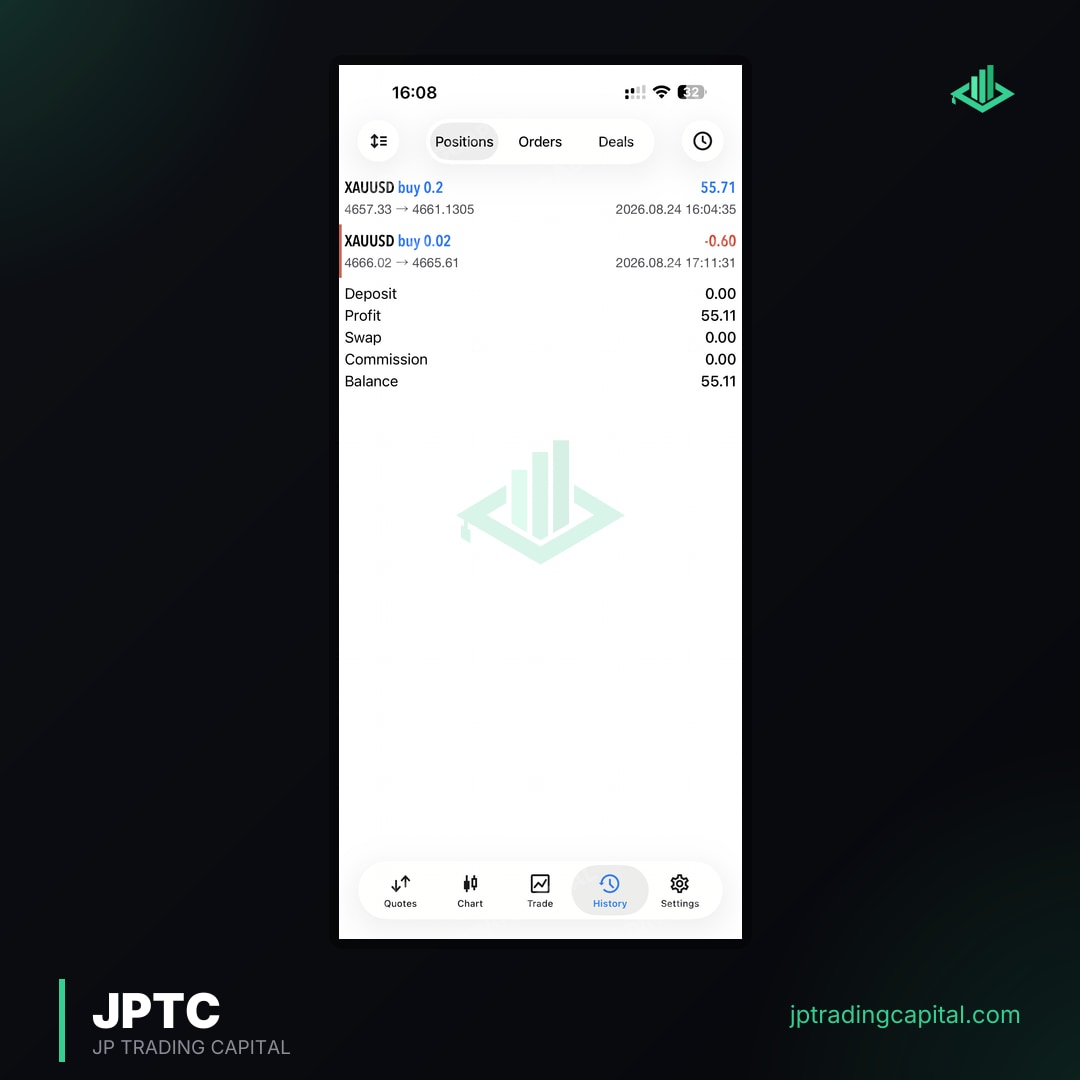
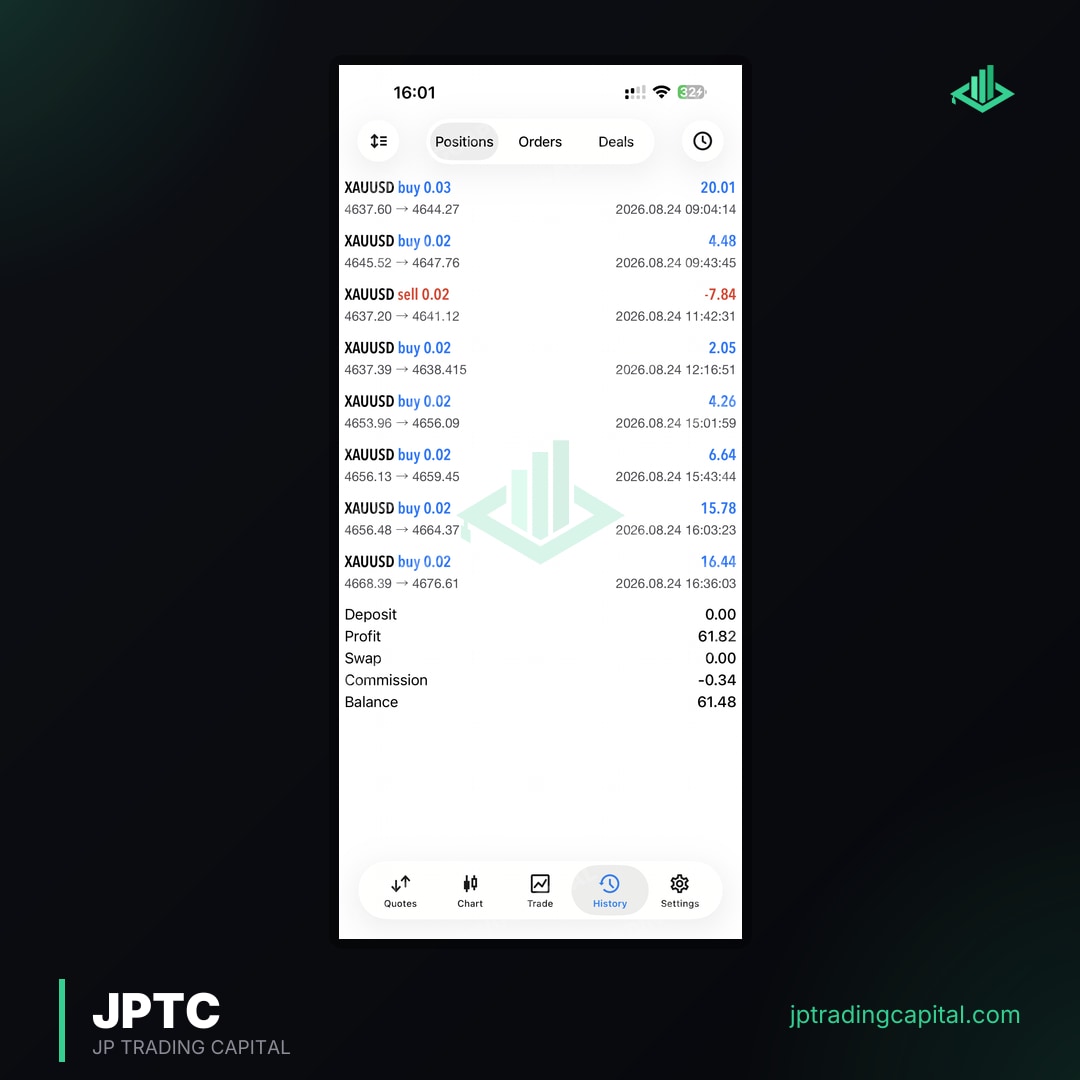
Maximizing your payouts as a funded trader involves more than just making profits; it requires strategic planning, effective use of trading tools, and an awareness of financial implications.
Developing a strategic approach to your trading and withdrawal schedule can significantly enhance your overall funded account earnings. It's not just about how much you make, but how consistently you make it and how efficiently you can access those funds. This includes understanding the best times to withdraw, how often, and what impact those decisions have on your account's long-term growth and your personal financial planning. The JPTradingCapital team constantly emphasizes that sustainable trading practices, supported by robust tools, are the bedrock of consistent and maximized payouts.
Strategic Withdrawal Planning for Sustained Growth
Strategic withdrawal planning for sustained growth involves balancing immediate profit-taking with long-term account scaling and profitability goals.
While it's tempting to withdraw profits as soon as they're available, a more strategic approach can lead to greater long-term benefits. Consider how your withdrawals interact with your firm's scaling plan. Smaller, more frequent withdrawals might demonstrate consistency but could slow down your account's growth to higher tiers. Conversely, allowing profits to accumulate for a period before a larger withdrawal might accelerate your path to a larger funded account, potentially unlocking better profit split percentages. It's also wise to consider the psychological aspect: regular small withdrawals can provide positive reinforcement, while larger, less frequent ones might feel like a more substantial reward. Analyze your trading style, the firm's scaling model, and your personal financial needs to create a withdrawal schedule that supports both your immediate needs and your aspirations for increased capital and earning potential. Understanding concepts like 'compounding' your profits within the funded account before withdrawing can be a powerful strategy, similar to how investors leverage compound interest.
The Impact of Trading Tools on Withdrawal Eligibility
Advanced trading tools, particularly automated Expert Advisors (EAs), can significantly impact a trader's ability to consistently meet withdrawal eligibility requirements by enforcing strict risk management and consistency.
For traders operating on platforms like MetaTrader 4 or MetaTrader 5, the use of well-designed EAs is a game-changer. The JPTC EA Hub, for instance, is an automated EA pre-configured with backtested strategies built around crucial prop-firm rules such as daily drawdown caps, maximum loss limits, and consistency guidelines. By automating trade execution and risk management, EAs help eliminate emotional trading errors and ensure that trades adhere to predefined parameters, making it easier to maintain the consistent performance necessary for withdrawals. This systematic approach reduces the risk of breaching drawdown limits or violating consistency rules, which are common reasons for withdrawal rejections. The EA Hub works across major prop firms like FTMO, FundedNext, FXify, The5ers, and E8 Funding, providing a reliable framework for traders aiming for consistent profit generation and smooth payout processes. The EAs run on your own MetaTrader terminal, on a reliable PC or VPS, so you keep full control of the account; only the separate JPTC Algo is hosted by JPTC.
Tax Considerations for Funded Account Earnings
Understanding the tax implications of your funded account earnings is a critical, yet often overlooked, aspect of receiving your profit payouts.
When you make a withdrawal from a funded account, the funds received are generally considered taxable income. The specific classification of this income (e.g., business income, capital gains, or other income) and the applicable tax rates will depend on your country of residence and local tax laws. It's crucial to consult with a qualified tax professional in your jurisdiction to understand your obligations. They can advise on how to properly report your earnings, whether you can deduct trading-related expenses, and any other relevant tax strategies. Prop firms typically do not withhold taxes directly, meaning the responsibility for declaring and paying taxes on your funded trader earnings falls entirely on you. Accurate record-keeping of all withdrawals, deposits, and trading statements is essential for tax purposes. Proactive tax planning can help you avoid surprises and ensure compliance with financial regulations, making your hard-earned profits truly yours.
Frequently Asked Questions About Funded Account Withdrawals
How long does it take to process a withdrawal from a funded account?
Are there any fees associated with withdrawing profits?
What if my withdrawal request is rejected?
Can I withdraw all my profits at once?
Do prop firms offer direct deposit for withdrawals?
Related Articles
- Real Famous Day Traders: 5 Masters & Their Strategies [2026] · Read more →
- Best Prop Trading Firms for Beginners: 7 Steps to Get Funded [2026] · Read more →
- Pass The5ers Challenge in 2026: Exact Rules & EA Strategies · Read more →
- SabreFutures Restricted Countries 2026: The Exact List & Why · Read more →
- Prop Firms Without Trailing Drawdown: 2026 Guide · Read more →
- Prop Firms India Rules 2026: 3 Hidden Compliance Steps · Read more →
- How Topstep Makes Money: 3 Key Revenue Streams in 2026 · Read more →
- FTMO Risk: Exact 1% or 1.5% Per Trade (2026 Guide) · Read more →
- Best Strategy for XAUUSD: 5 Proven Setups for Gold [2026] · Read more →
- Best Gold Trading Times 2026: Unlock Peak Volatility · Read more →
Review the JPTC EA Hub
EA software with version-specific documentation and account-level risk controls. Review the selected programme’s current automation rules and test the chosen version; software does not guarantee compliance, a pass or a payout.
See the EA Hub