Best Prop Trading Firms for Beginners: 7 Steps to Get Funded [2026]
![Best Prop Trading Firms for Beginners: 7 Steps to Get Funded [2026]](https://images.pexels.com/photos/38905598/pexels-photo-38905598.jpeg?auto=compress&cs=tinysrgb&dpr=2&h=650&w=940)
Prop trading firms provide an accessible pathway for beginners to trade with substantial capital, offering funded accounts after successful completion of a trading challenge designed to assess skill and discipline.
- Choose firms with clear rules and achievable profit targets suitable for new traders.
- Prioritize understanding and adhering to strict drawdown limits and consistency rules.
- Leverage widely supported platforms like MetaTrader 4 or 5 for seamless trading.
- Consider automated trading strategies to maintain discipline and manage risk effectively.
- Focus on developing a robust trading plan before attempting any evaluation.
What Are Prop Trading Firms and Why Beginners Choose Them?
Proprietary trading firms, often called prop firms, offer aspiring traders the opportunity to manage significant capital without risking their own funds, making them an appealing option for beginners seeking to accelerate their trading journey.
For many new traders, accumulating sufficient capital to generate meaningful returns can be a daunting barrier. Prop trading firms bridge this gap by providing access to substantial trading accounts, sometimes ranging from a few thousand to hundreds of thousands of dollars, in exchange for a share of the profits. This model allows beginners to focus on honing their trading skills and strategies rather than on capital accumulation. The evaluation process itself acts as a structured learning environment, forcing traders to adhere to strict risk management rules and develop consistent profitability. This structured approach, combined with the potential for substantial funding, makes prop trading firms for beginners an increasingly popular choice in the trading landscape.
Key Factors for Beginners When Choosing a Prop Firm in 2026
Selecting the right prop trading firm is critical for beginners, requiring careful consideration of rules, reputation, and support to ensure a positive and educational experience.
The landscape of prop trading firms is constantly evolving, with new options emerging and existing firms refining their offerings. For a beginner, navigating this environment requires a discerning eye. The JPTradingCapital team advises focusing on firms with transparent rules, a strong reputation, and educational resources. Look for clear communication regarding fees, profit splits, and scaling opportunities. Accessibility of customer support and community resources can also be invaluable for new traders. Firms like FundedNext and FTMO are well-known examples that outline their rules clearly, which is a good starting point for research.
Understanding Profit Targets and Drawdown Limits
Prop firm evaluations typically involve specific profit targets and strict drawdown limits that beginners must understand and manage to pass the challenge successfully.
A profit target is the percentage gain required on the initial account balance to complete an evaluation phase. For example, a firm might require an 8% profit on a $100,000 account, meaning a trader needs to generate $8,000 in profit. Drawdown limits, on the other hand, are critical risk management parameters. There are usually two types: a daily drawdown limit and a maximum overall drawdown limit. A daily drawdown might restrict losses to 5% of the initial balance within a single trading day, while a maximum drawdown might cap total losses at 10% of the initial balance. Adhering to these limits is paramount, as exceeding them typically results in failure of the evaluation. Beginners must integrate these limits into their trading plan from day one, using appropriate position sizing and stop losses to stay within bounds. Our research shows that many beginners struggle not with profitability, but with respecting these crucial risk parameters consistently.
Evaluation Process and Account Sizes
The evaluation process typically involves one or two phases where traders demonstrate their ability to meet profit targets while adhering to strict risk management rules, with various account sizes available.
Prop firms offer a range of account sizes, from small introductory accounts (e.g., $5,000) up to much larger options (e.g., $200,000 or more). The evaluation fee usually scales with the account size. Beginners should start with an account size that allows them to learn without excessive financial pressure. The evaluation itself often involves two phases. Phase 1 focuses on achieving a profit target within a set timeframe (e.g., 30 days) while respecting daily and maximum drawdown rules. Phase 2, often shorter (e.g., 60 days), requires a slightly lower profit target and continued adherence to risk rules. Successfully completing both phases grants access to a funded account. Understanding the specific rules for each phase, including minimum trading days and allowable instruments, is vital. For more insights on navigating these challenges, our article on passing prop firm challenges offers detailed strategies.
Supported Trading Platforms: MT4 and MT5 for Success
The choice of trading platform is crucial for beginners, with MetaTrader 4 (MT4) and MetaTrader 5 (MT5) being the industry standards supported by most prop trading firms.
These platforms are widely favored for their robust charting tools, extensive indicator libraries, and the ability to deploy Expert Advisors (EAs) for automated trading. For beginners, the familiarity and vast community support for MT4 and MT5 can be a significant advantage. Learning one of these platforms thoroughly will serve you well across various prop firms and brokers. The JPTradingCapital team specifically designs its trading tools, like the JPTC EA Hub, to operate seamlessly on both MetaTrader 4 and MetaTrader 5, recognizing their prevalence in the prop trading ecosystem. Ensuring your chosen firm supports your preferred platform and allows EA usage is a key consideration, especially if you plan to leverage automated strategies.
Navigating the Challenges: What Beginners Must Avoid
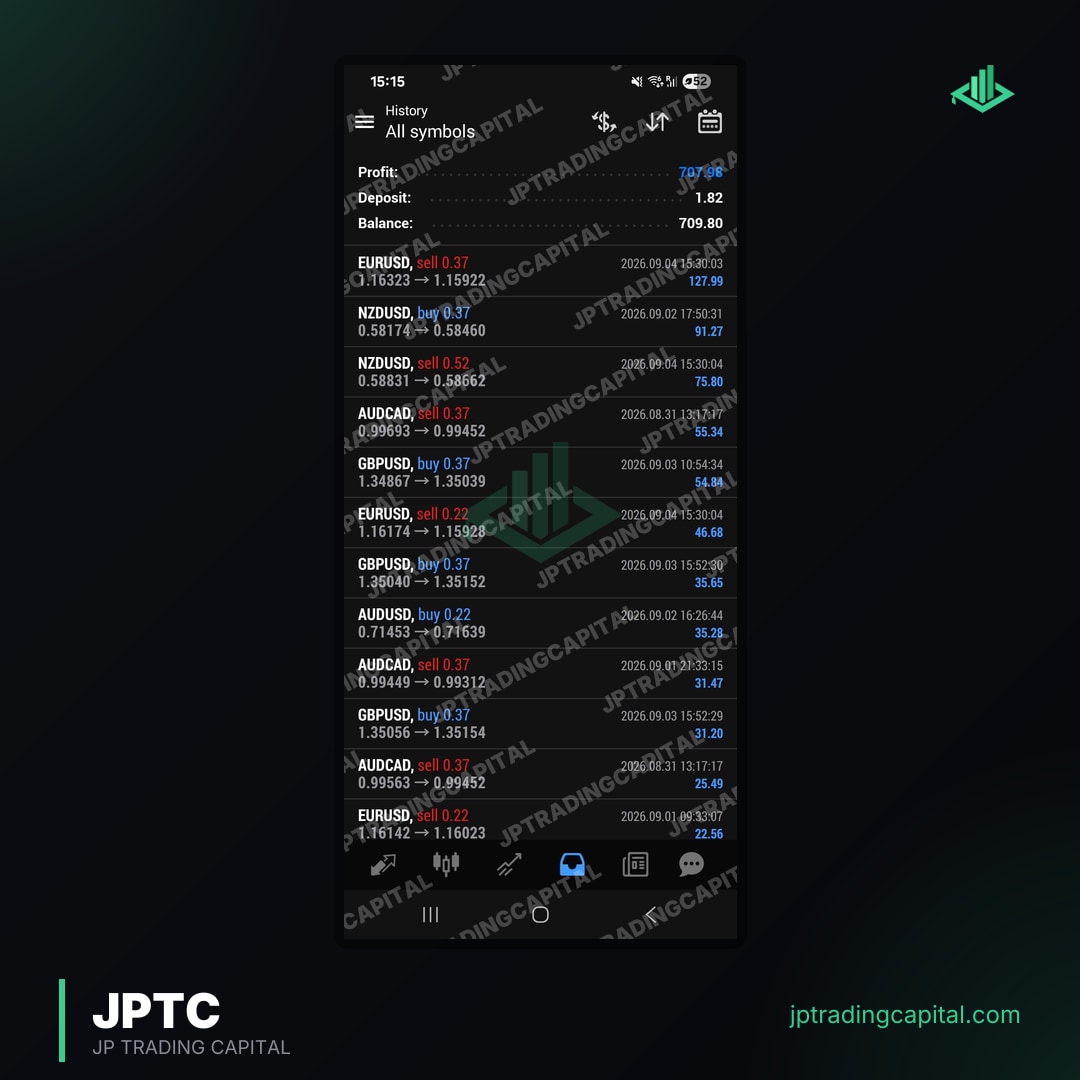
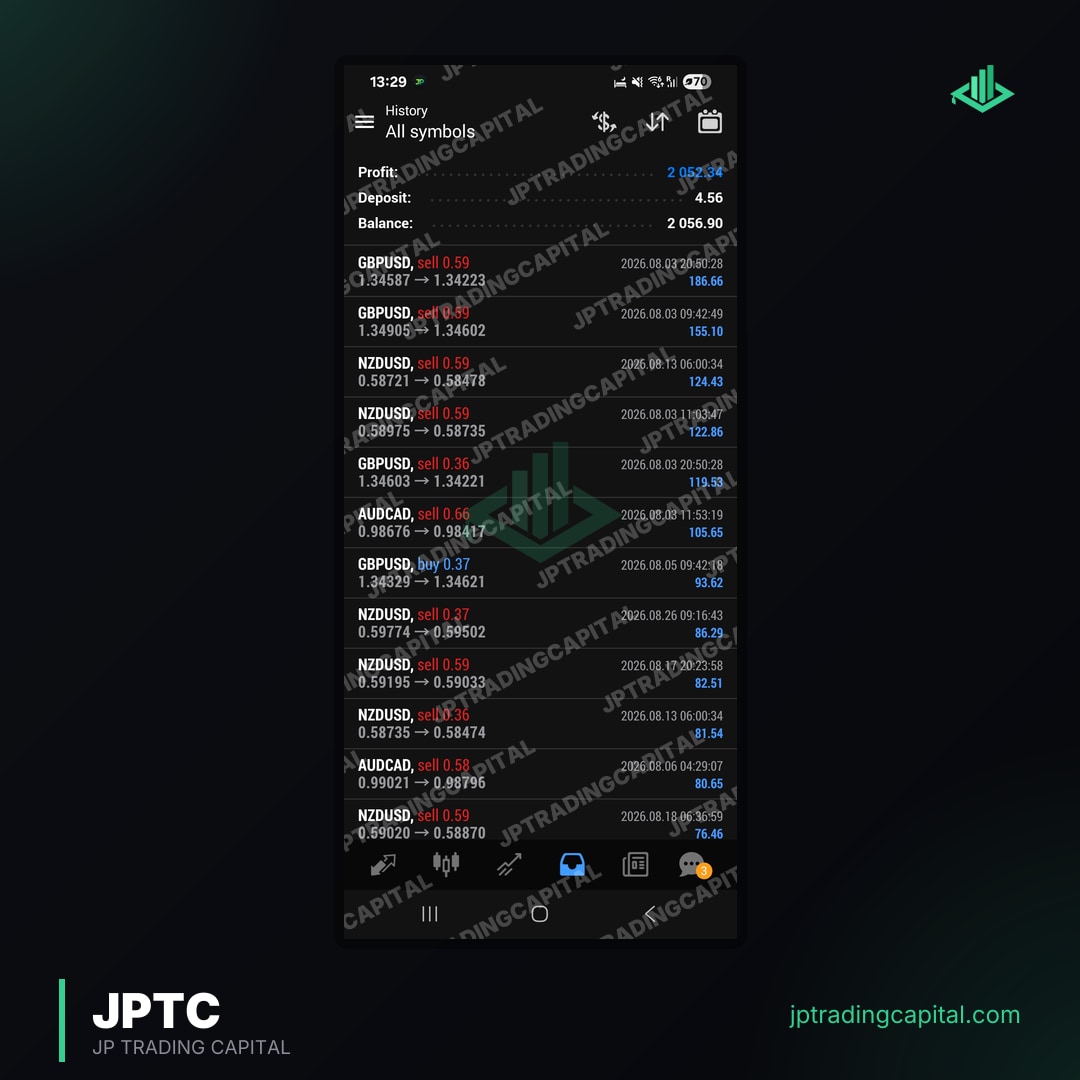
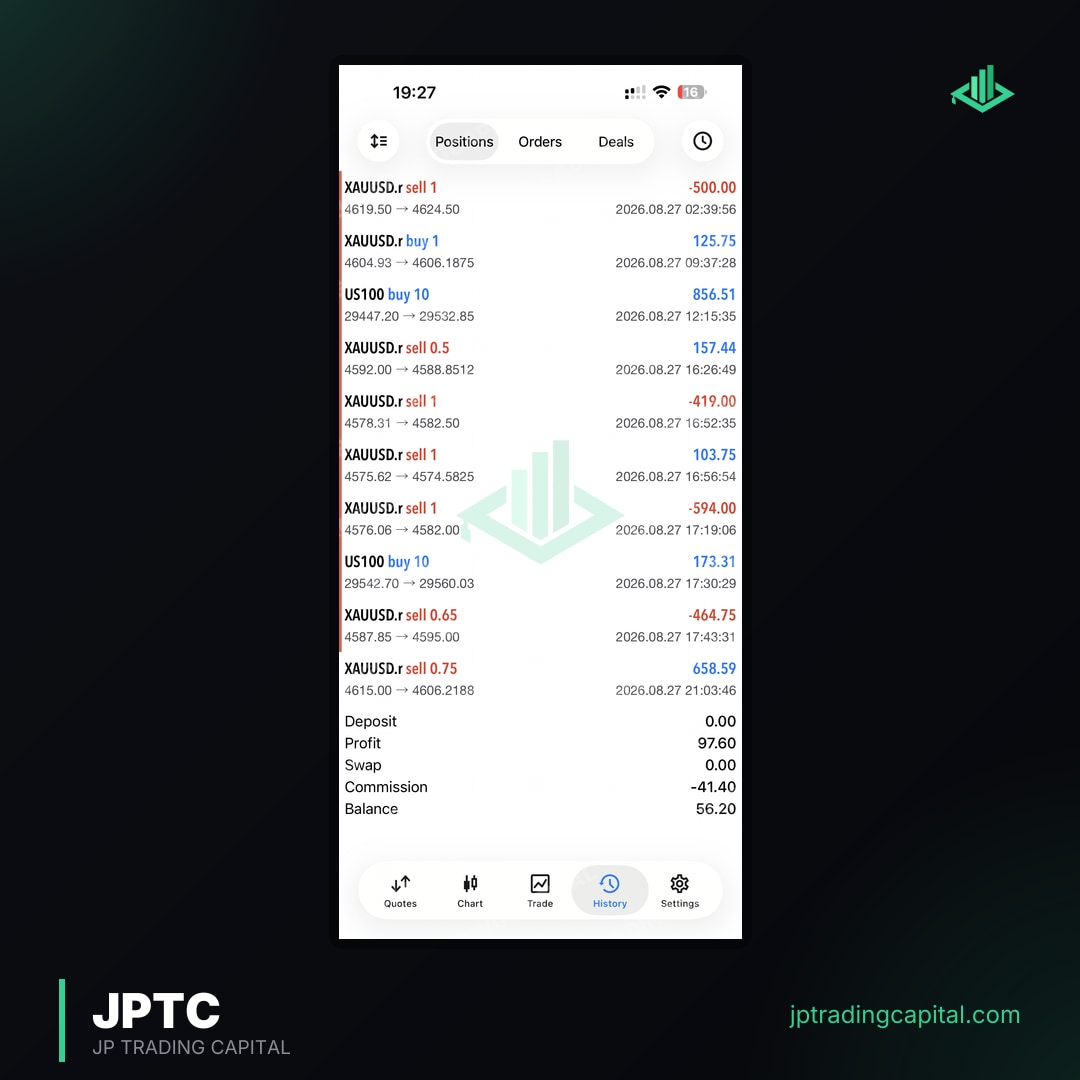
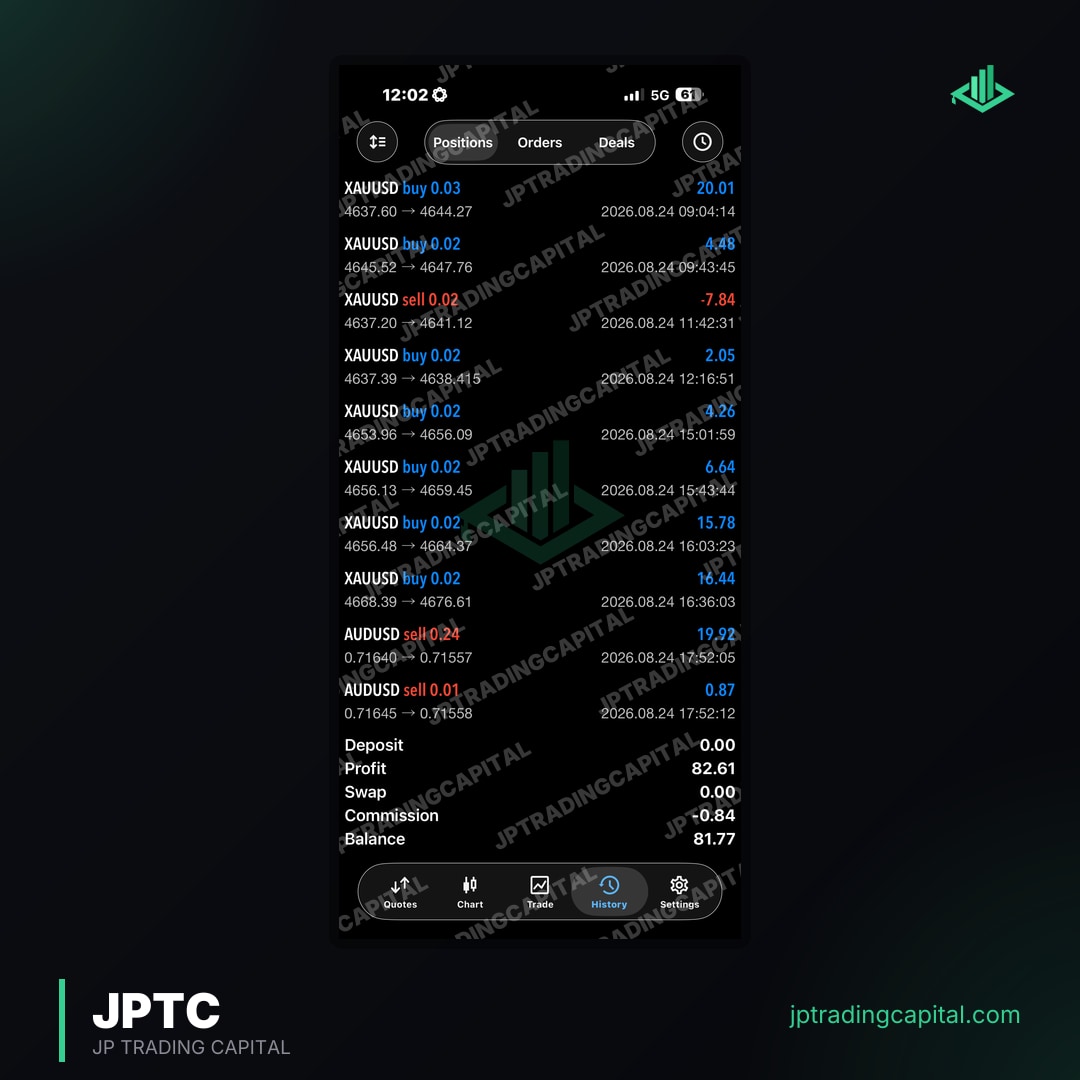
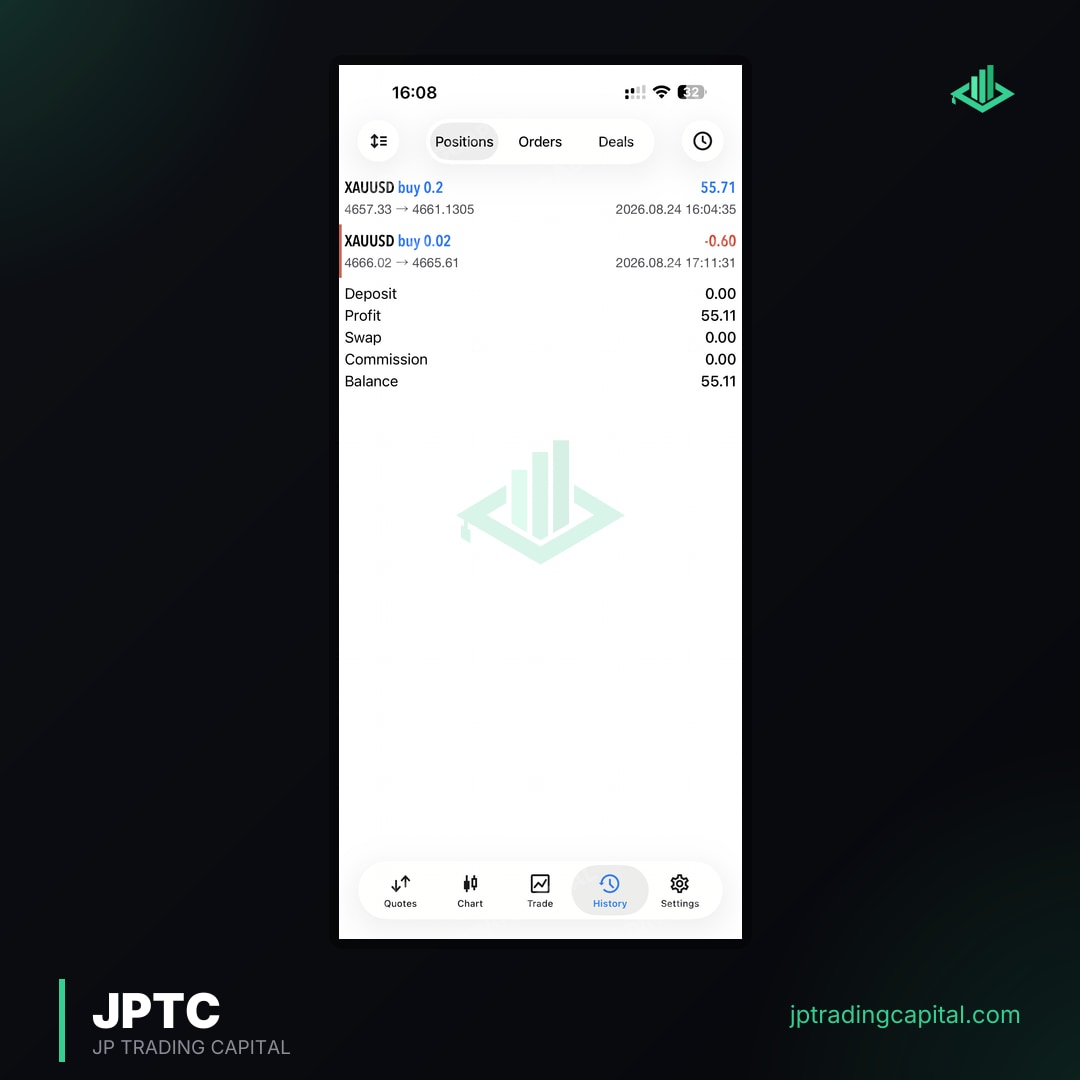
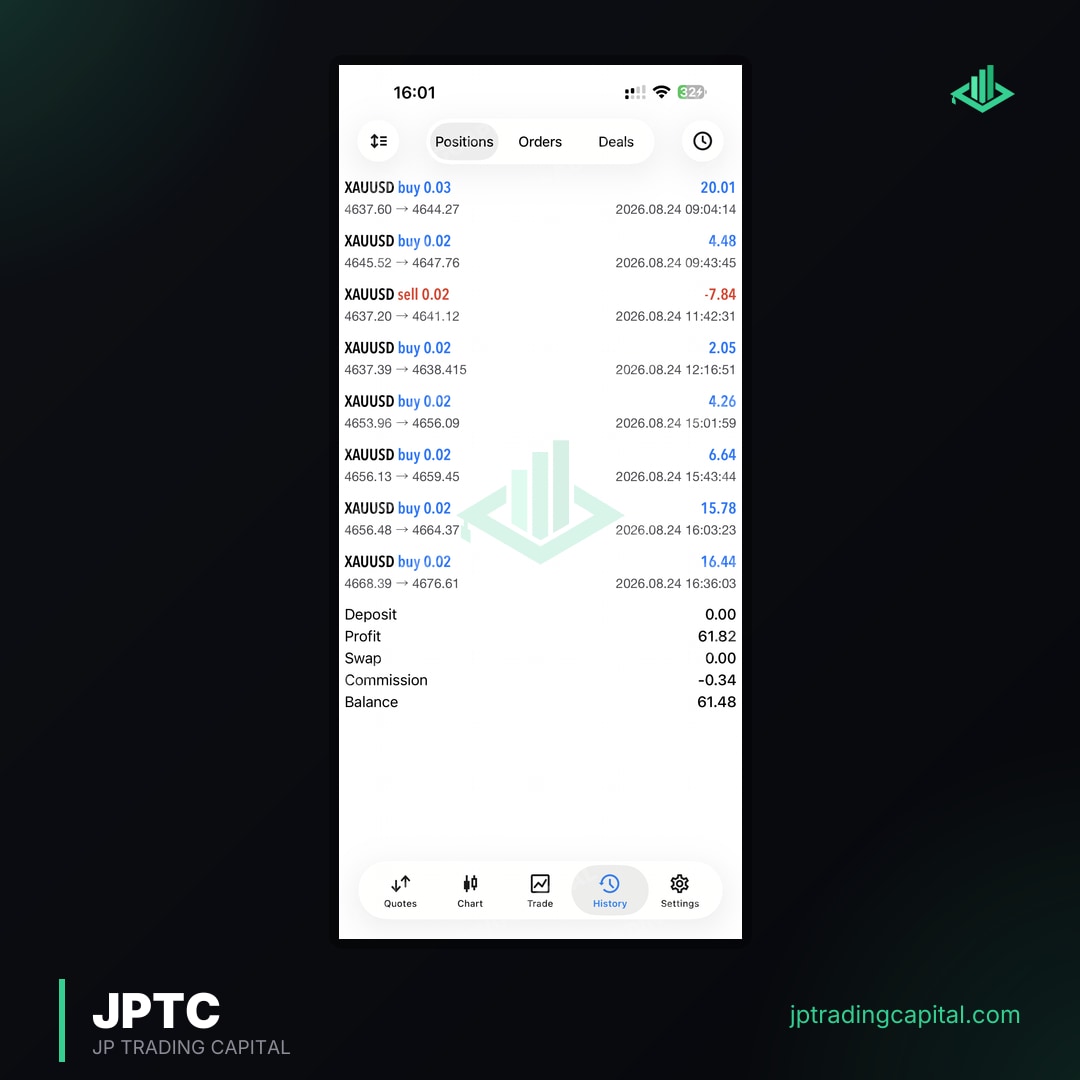
Beginners must actively avoid common pitfalls such as unrealistic expectations, firms with opaque rules, and impulsive trading decisions that can derail their journey with prop trading firms.
While prop firms offer incredible opportunities, they also present unique challenges. Many beginners enter with a 'get rich quick' mindset, which is a recipe for failure. The strict rules are designed to identify disciplined traders, not lucky ones. Avoiding firms that make extravagant promises, lack transparent terms, or have poor reviews is essential. Furthermore, an overreliance on social media 'gurus' or unverified signals can lead to detrimental trading habits. The JPTradingCapital team emphasizes a disciplined, analytical approach over speculative gambling.
Unrealistic Promises and Hidden Fees
Beginners should be wary of prop firms that make exaggerated claims of easy profits or hide crucial fees, as these are often red flags for unreliable operations.
A reputable prop firm will have clear, upfront pricing for their evaluation fees and transparent policies regarding profit splits, scaling plans, and any potential monthly charges for data feeds or platform access. Be cautious of firms promising extremely high profit splits without corresponding stringent rules, or those that have complex withdrawal processes designed to deter payouts. Always read the terms and conditions thoroughly, and if anything feels unclear or too good to be true, it likely is. A common trap is firms that advertise low fees but then introduce significant charges for data, platform access, or withdrawals after a trader is funded. Transparency is a hallmark of trustworthy prop trading firms for beginners.
Overtrading and Emotional Decisions
One of the most destructive habits for beginner prop traders is overtrading, often driven by emotional decisions rather than a well-defined strategy.
The pressure to hit profit targets or recover losses can lead to excessive trading, taking low-probability setups, or deviating from one's trading plan. This quickly leads to exceeding daily or maximum drawdown limits. Emotional trading, whether fear of missing out (FOMO) or revenge trading, bypasses logical analysis and risk management protocols. Prop firms are designed to filter out such behavior. The JPTradingCapital team consistently observes that traders who succeed are those who demonstrate patience, discipline, and strict adherence to their pre-defined strategy, even when faced with minor setbacks. Understanding risk management is not just about numbers; it's about emotional control.
A Strategic Edge: How Automated Trading (EAs) Can Help Beginners
Automated trading, through Expert Advisors (EAs), offers beginners a strategic advantage by executing trades based on predefined rules, thus promoting discipline and consistency required by prop trading firms.
For beginners, the psychological pressures of prop firm evaluations can be immense. EAs remove the emotional component from trading decisions, ensuring that every trade adheres to a pre-programmed strategy. This is particularly beneficial for respecting critical prop firm rules like daily drawdown caps, maximum loss limits, and consistency requirements. The JPTC EA Hub, for instance, is an automated EA pre-configured with backtested strategies specifically designed to operate within these strict parameters. It works across popular platforms like MT4 and MT5 and is compatible with leading firms such as FTMO, FundedNext, FXify, The5ers, and E8 Funding. Leveraging such tools allows beginners to focus on understanding market dynamics and refining their strategy without the burden of manual execution errors or emotional interference. Learn more about our automated solutions on the EA page.
Respecting Prop Firm Rules with Automated Strategies
Expert Advisors are uniquely suited to consistently respect the stringent rules set by prop trading firms, significantly increasing a beginner's chances of passing evaluations.
Prop firms have non-negotiable rules concerning daily drawdown, maximum total drawdown, and often consistency metrics (e.g., no single trade accounting for too large a percentage of profit). Manually adhering to these rules under pressure is challenging for beginners. An EA, however, can be programmed to automatically monitor these limits and cease trading, adjust position sizes, or close trades if a rule is about to be violated. For example, the JPTC EA Hub is engineered to operate within these boundaries, helping traders avoid common pitfalls that lead to challenge failure. This systematic approach applies the same risk limits to every trade, allowing beginners to demonstrate the discipline prop firms seek without constant manual oversight.
Consistency and Discipline Through Automation
Automated trading systems enforce unparalleled consistency and discipline, two critical traits for success in prop firm evaluations and long-term funded account management.
Consistency in trading is not just about profitability; it's about executing a strategy uniformly over time, managing risk predictably, and avoiding erratic performance swings. Beginners often struggle with maintaining this level of discipline manually. An EA executes trades based on objective criteria, removing the human element of hesitation, greed, or fear. This ensures that the strategy is applied identically in every market condition it's designed for. This consistent execution is precisely what prop firms look for in successful traders. By automating their approach, beginners can build a verifiable track record of disciplined trading, a key factor for not only passing challenges but also for scaling up with prop firms. Check out our results page to see how disciplined strategies can lead to success.
Mastering Risk and Consistency: Essential for Beginner Prop Traders
Mastering risk management and developing consistent trading habits are non-negotiable for beginners aiming to succeed with prop trading firms, forming the bedrock of long-term profitability.
Even with access to significant capital, without a solid understanding of risk, a beginner's journey with a prop firm will be short-lived. Prop firms are in the business of identifying skilled risk managers, not just aggressive profit-takers. For beginners, this means dedicating time to learning about various risk metrics, position sizing, and stop-loss strategies. Consistency isn't about winning every trade; it's about executing your plan reliably and managing losses effectively. This foundational knowledge is more valuable than any specific trading signal or indicator.
Developing a Robust Trading Plan
A robust trading plan is the beginner's roadmap to success, outlining entry and exit criteria, risk management rules, and psychological guidelines to maintain discipline.
Before placing a single trade, beginners should meticulously craft a trading plan. This document should detail the specific instruments to trade, the timeframes, the exact setup criteria for entries, and clear rules for managing trades (e.g., where to place stop losses and take profits). Crucially, it must include explicit risk management parameters, such as the maximum risk per trade (e.g., 1% of account balance) and adherence to prop firm daily/maximum drawdown limits. A trading plan also serves as a psychological anchor, providing clear instructions to follow when emotions run high. Reviewing and refining this plan regularly, especially after a series of wins or losses, is part of the continuous learning process.
The Role of Position Sizing and Stop Losses
Effective position sizing and strategic placement of stop losses are fundamental risk management techniques that beginners must master to protect capital and adhere to prop firm rules.
Position sizing dictates how many units of a currency pair, shares, or contracts a trader enters. It should always be calculated based on the maximum risk per trade and the distance to the stop loss, not just the desired profit. For example, if a beginner risks 1% of a $100,000 account ($1,000) and places a stop loss 10 pips away, their position size would be determined by that calculation. A stop loss is a predetermined price level at which a trade is automatically closed to limit potential losses. For prop trading firms for beginners, strict adherence to stop losses is vital to avoid hitting daily or maximum drawdown limits. Many EAs, including the JPTC EA Hub, incorporate sophisticated position sizing and stop-loss management features to automate this critical aspect of risk control.
Beyond the Evaluation: What Happens After Getting Funded
Securing a funded account is just the beginning; beginners must understand the ongoing requirements and opportunities for growth that come with managing real capital from a prop firm.
Many beginners focus solely on passing the evaluation, overlooking the journey that begins after. Once funded, traders typically receive a profit split, where a significant percentage (e.g., 70-90%) of generated profits goes to the trader, and the remainder to the firm. Firms also often offer scaling plans, allowing successful traders to manage increasingly larger accounts based on consistent profitability. This means the learning and discipline must continue. Understanding the firm's specific scaling criteria and withdrawal processes is just as important as knowing the evaluation rules. It's a long-term relationship built on sustained performance.
Maintaining Performance in a Funded Account
Maintaining consistent performance in a funded account requires continued discipline, adherence to the trading plan, and effective risk management, just as it did during the evaluation phase.
The pressure in a funded account can be different, often intensified by the realization of trading with substantial capital and the potential for real income. Beginners must resist the urge to deviate from the strategies that led to their success. The same rules regarding daily and maximum drawdown typically apply, and firms will monitor performance closely. Regular self-assessment, journaling trades, and continuous learning are crucial. Successful funded traders treat their trading as a business, with clear goals, consistent execution, and ongoing performance review. Our tools are designed to support this ongoing discipline, helping traders maintain consistency even after securing a funded account.
Scaling Your Trading Capital
Scaling plans offer beginners the exciting opportunity to increase their trading capital with a prop firm, rewarding consistent profitability with access to larger funded accounts.
Most reputable prop trading firms for beginners offer clear scaling plans. These plans typically outline specific criteria, such as achieving a certain percentage of profit over a defined period (e.g., 10% profit over three consecutive months) without violating any drawdown rules. Once these criteria are met, the firm may increase the funded account size, sometimes doubling it. This allows traders to grow their earning potential significantly over time. Understanding a firm's scaling opportunities from the outset can help beginners set long-term goals and tailor their trading strategy not just for passing, but for sustained growth within the prop firm ecosystem.
What exactly is a prop trading firm for beginners?
A prop trading firm for beginners is a company that provides capital to traders who successfully pass an evaluation or challenge, allowing them to trade with significant funds without risking their own money, and sharing in the profits they generate.
How much does it cost to join a prop firm evaluation?
The cost varies significantly by firm and account size. Evaluation fees can range from a nominal amount for smaller accounts (e.g., under $100 for a $5,000 account) to over a thousand dollars for larger accounts (e.g., for a $200,000 account). These fees are often one-time and may be refundable with your first profit split.
Can I use Expert Advisors (EAs) with prop trading firms?
Many prop trading firms, including FTMO, FundedNext, and FXify, do allow the use of Expert Advisors (EAs) on platforms like MT4 and MT5. However, it's crucial to check each firm's specific rules regarding EA usage, as some may have restrictions on certain strategies or high-frequency trading. The JPTC EA Hub is designed to work within these common prop firm rules.
What happens if I fail a prop firm challenge?
If you fail a prop firm challenge by exceeding drawdown limits or not meeting profit targets, you typically lose your evaluation fee and must pay to restart the challenge. Some firms offer discounts or free retries under specific conditions, so always review their policy.
How do prop firms pay out profits?
Prop firms typically pay out profits on a regular schedule (e.g., bi-weekly or monthly) via bank transfer, cryptocurrency, or other online payment methods. They take a percentage of the profits (the firm's profit split), and the remainder is paid to the trader. The specific profit split and payment terms are outlined in the firm's agreement.
Related Articles
- Pass The5ers Challenge in 2026: Exact Rules & EA Strategies · Read more →
- SabreFutures Restricted Countries 2026: The Exact List & Why · Read more →
- Prop Firms Without Trailing Drawdown: 2026 Guide · Read more →
- Prop Firms India Rules 2026: 3 Hidden Compliance Steps · Read more →
- How Topstep Makes Money: 3 Key Revenue Streams in 2026 · Read more →
- FTMO Risk: Exact 1% or 1.5% Per Trade (2026 Guide) · Read more →
- Step-by-Step Ear Stretching: 7 Safe Practices for Healthy Gauges · Read more →
- Funding Pips vs The 5ers: 2026 Prop Firm Comparison · Read more →
- Real Famous Day Traders: 5 Masters & Their Strategies [2026] · Read more →
- Funded Account Withdrawal: 5 Critical Rules Traders Miss [2026] · Read more →
Review the JPTC EA Hub
EA software with version-specific documentation and account-level risk controls. Review the selected programme’s current automation rules and test the chosen version; software does not guarantee compliance, a pass or a payout.
See the EA Hub