Best Prop Firm EA: Strategies, Risks & Top Choices

The best prop firm EA is an automated trading system meticulously designed to adhere to a prop firm's specific rules, such as daily drawdown and maximum loss limits, while consistently generating profits across evaluation phases and funded accounts. It leverages backtested strategies to navigate market conditions effectively, aiming for sustainable growth rather than just quick challenge passes.
- Prioritize EAs built for strict prop firm rule adherence (drawdown, max loss).
- Seek EAs with transparent, verified track records on platforms like our results page.
- Evaluate compatibility with common trading platforms (MT4/MT5) and diverse prop firms.
- Consider EAs offering adaptable, pre-configured strategies for various market conditions.
- Focus on long-term viability and consistent performance, not just challenge passing.
Understanding What Makes the Best Prop Firm EA
For prop firm traders, an Expert Advisor (EA) is more than just an automated trading bot; it's a strategic partner. The search for the best prop firm EA centers on a tool that not only executes trades but does so intelligently, respecting the rigorous constraints set by proprietary trading firms. Unlike general EAs, a prop firm-specific EA is engineered with an acute awareness of rules like daily drawdown limits, maximum overall loss, and often, consistency parameters. This specialized design is crucial because violating even one rule can lead to immediate challenge failure or account termination.
At JPTradingCapital, our research shows that the most effective EAs for prop firms combine robust trading logic with integrated risk management. They are not merely profit-seeking algorithms but sophisticated systems that prioritize capital preservation within the prop firm's framework. This distinction is vital for traders aiming for long-term success in the competitive prop firm landscape.
The Critical Role of Prop Firm Rule Adherence
Proprietary trading firms impose strict rules to manage risk and ensure traders operate responsibly. These rules typically include:
- Daily Drawdown Limit: The maximum amount an account can lose from its starting balance (or equity peak) in a single trading day. For instance, FTMO's official rules page specifies a 5% maximum daily loss from the initial balance.
- Maximum Overall Loss: The absolute maximum the account can lose from its initial balance over the entire evaluation period or life of the funded account. This might be 10% or 12%, depending on the firm.
- Consistency Rules: Some firms require a certain level of consistency in trading volume, profit generation, or risk per trade, designed to prevent 'gambling' strategies.
The best prop firm EA must have these rules hard-coded into its logic. This means the EA should automatically cease trading or significantly reduce risk exposure once a drawdown threshold is approached, preventing costly violations. Our JPTC EA Hub, for example, comes pre-configured with strategies that inherently respect these critical parameters, offering traders peace of mind that their automated system is working within the firm's guidelines.
Beyond Challenge Passing: Aiming for Funded Account Success
Many EAs are marketed solely on their ability to pass prop firm challenges. While this is an essential first step, the true measure of the best prop firm EA lies in its performance on a funded account. Challenge phases often have more lenient rules or shorter durations, which can be exploited by high-risk, high-reward EAs. However, these EAs frequently fail in the long run on funded accounts where consistency, lower drawdowns, and sustained profitability are paramount.
The JPTradingCapital team emphasizes that a superior prop firm EA is designed for longevity. It employs strategies that are not only effective in passing evaluations but are also robust enough to generate consistent profits in a live funded environment, respecting the often stricter rules that apply once you're a funded trader. This focus on sustained performance differentiates a truly valuable EA from a short-term solution.
Key Factors When Choosing the Best Prop Firm EA
Selecting an Expert Advisor requires diligent research and a clear understanding of your trading goals and the prop firm's requirements. Here are the crucial factors to consider:
Verified Performance and Transparency
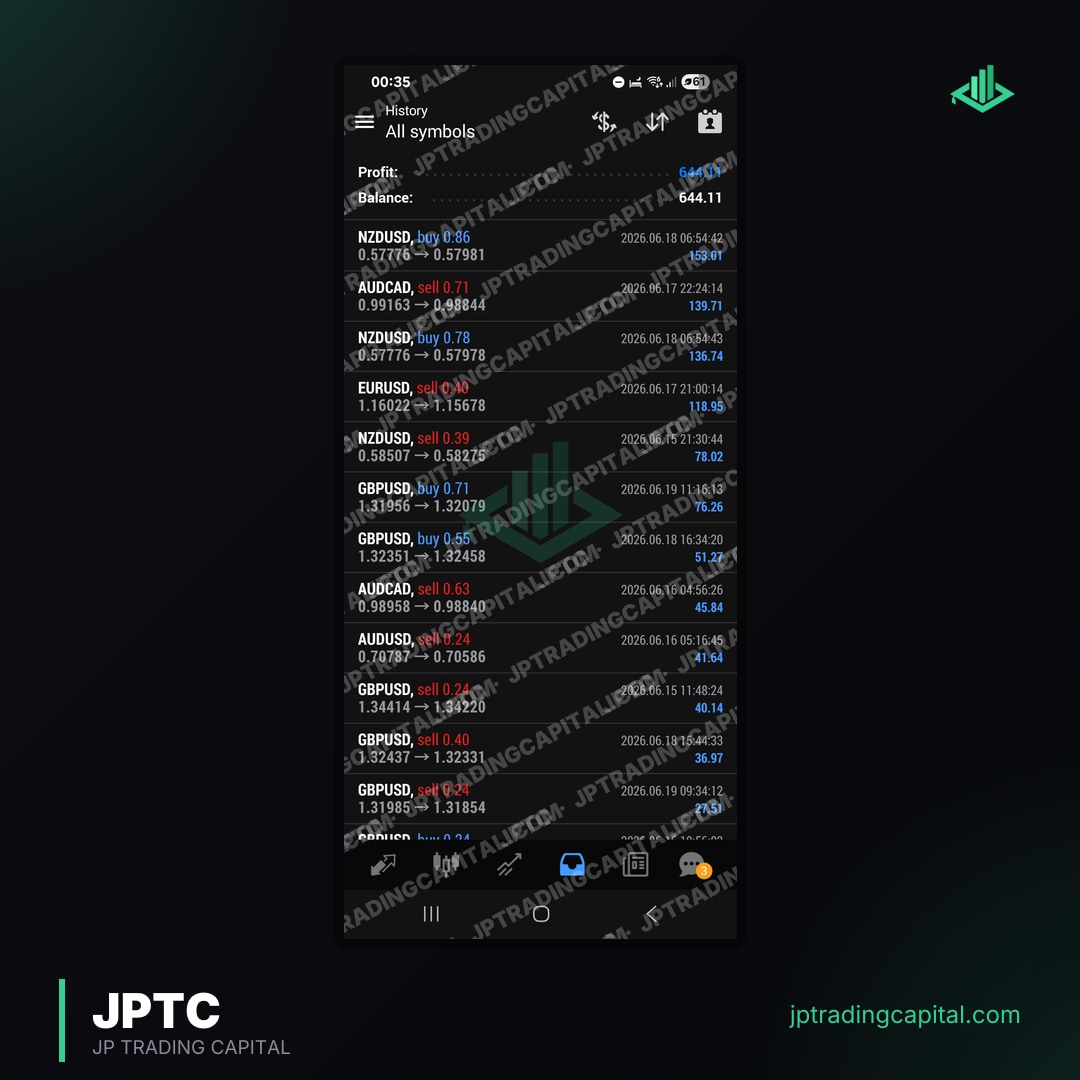
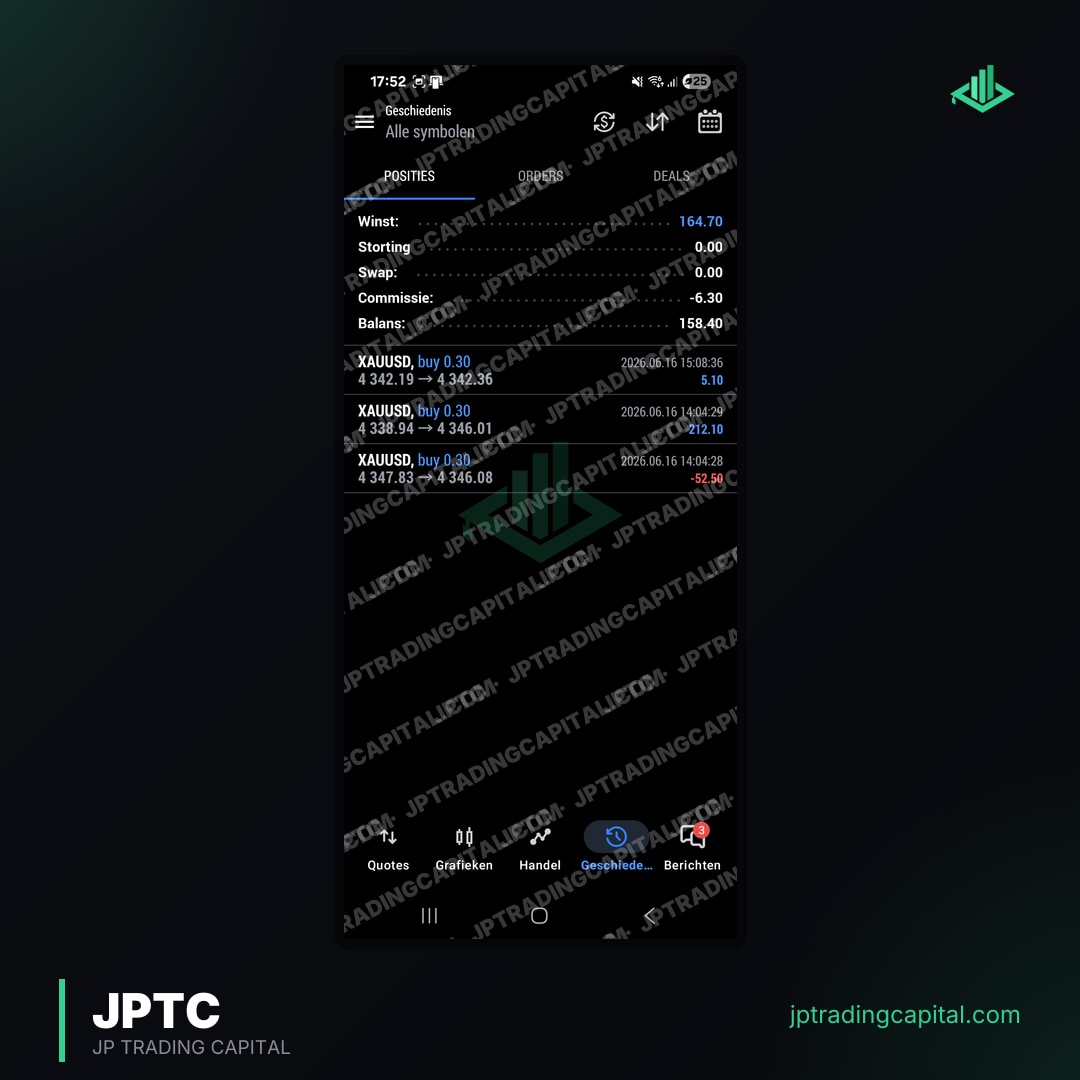
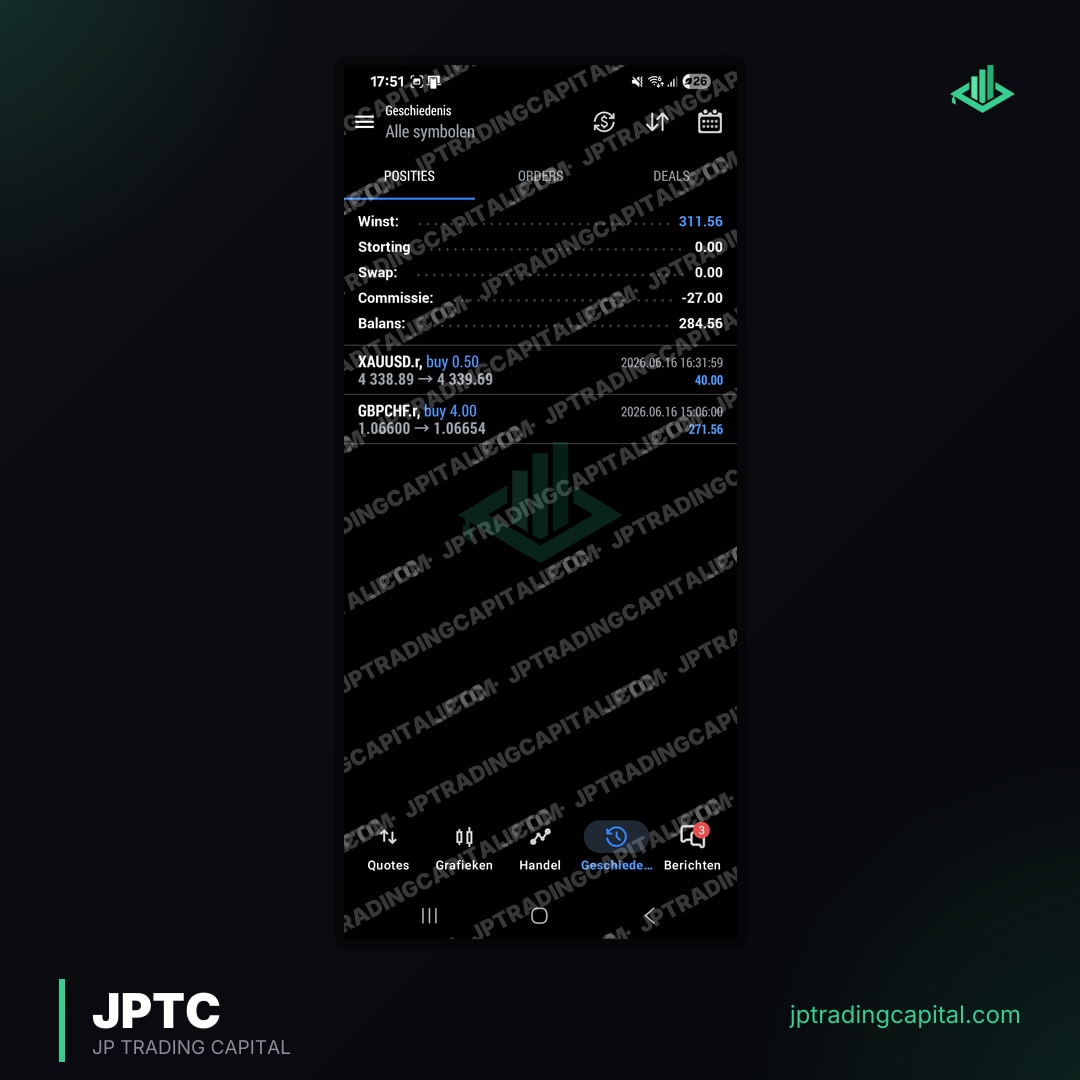
The credibility of an EA hinges on its verifiable track record. Claims of high pass rates or astronomical profits mean little without independent verification. Platforms like our results page provide transparent, third-party audited trading results, showing drawdown, profit factor, win rate, and other vital statistics. When evaluating the best prop firm EA, always look for an EA developer willing to share a live, published live track record.
For an example of what a 2-year live algo track record looks like, see JPTradingCapital's published results. This level of transparency is essential for building trust and making informed decisions about an EA's potential.
Compatibility with Platforms and Prop Firms
Most prop firms operate on industry-standard platforms. The overwhelming majority use MetaTrader 4 (MT4) or MetaTrader 5 (MT5). Ensure any EA you consider is compatible with these platforms. For example, the MetaTrader 4 platform is widely used by prop firms for its stability and extensive customization options for EAs.
Furthermore, an EA's effectiveness can vary across different prop firms due to subtle differences in their trading conditions, leverage, spread, and execution policies. The ideal EA should be tested and optimized for a range of leading prop firms, including FTMO, FundedNext, FXify, TopStep, The5ers, and E8 Funding. The JPTC EA Hub is specifically designed to work across these popular platforms and firms, providing a versatile solution for traders.
Strategy & Risk Management Integration
The core of any successful EA is its trading strategy and how it manages risk. Look for EAs that utilize well-defined, backtested strategies across various market conditions. These strategies should not rely on dangerous tactics like martingale or grid systems, which can quickly lead to account blow-ups under prop firm drawdown rules.
A truly effective prop firm EA integrates robust risk management directly into its code. This includes dynamic position sizing, stop-loss implementation on every trade, and adherence to the daily and maximum drawdown limits. Our JPTC EA Hub offers automated EAs pre-configured with backtested strategies that meticulously respect prop-firm rules, ensuring a disciplined approach to trading.
Common Pitfalls and How to Avoid Them


Even with the promise of automated trading, traders using EAs for prop firms face several common challenges:
-
Over-optimization: An EA that performs exceptionally well on historical data but fails in live trading is often over-optimized. It's 'tuned' too perfectly to past market noise, making it fragile to real-world fluctuations. Avoid EAs without forward testing or live results.
-
Ignoring Market Conditions: No EA performs optimally in all market conditions. A scalping EA might struggle in volatile news events, while a trend-following EA might suffer during ranging markets. Traders must understand their EA's strengths and weaknesses and, if necessary, adapt its usage or parameters.
-
Lack of Transparency: EAs with vague descriptions, unverified results, or developers unwilling to share their methodology should be approached with extreme caution. Transparency is key to trust and understanding what you're actually getting.
-
Chasing 'Holy Grail' EAs: There is no perfect EA that guarantees instant riches without risk. Sustainable trading, even with automation, requires realistic expectations and continuous monitoring.
JPTradingCapital's Approach to the Best Prop Firm EA
At JPTradingCapital, our mission is to empower prop firm traders with tools that truly work. We understand the unique challenges and stringent requirements of proprietary trading. Our flagship product, the JPTC EA Hub, is developed with these insights at its core, aiming to be among the best prop firm EA solutions available.
The JPTC EA Hub provides automated EAs pre-configured with battle-tested, backtested strategies. What sets our EAs apart is their inherent design to respect crucial prop-firm rules, including daily drawdown caps, maximum loss limits, and consistency requirements. This means traders can focus on broader strategy and monitoring, knowing the core risk management is handled automatically.
Our EAs are built for compatibility across popular platforms like MT4 and MT5, and are specifically optimized for leading prop firms such as FTMO, FundedNext, FXify, TopStep, The5ers, and E8 Funding. This broad compatibility ensures that traders have flexibility in choosing their preferred prop firm while leveraging a consistent, reliable automated trading solution. We believe in providing solutions that aid traders not just in passing challenges, but in achieving sustained profitability in their funded accounts. Explore our complete range of Expert Advisors and see how they can transform your prop firm trading.
The Future of Automated Prop Firm Trading
The landscape of prop firm trading is constantly evolving, with new rules, technologies, and market dynamics emerging regularly. The future of the best prop firm EA lies in its adaptability, continuous improvement, and the community that supports its development and usage. EAs that can be updated, refined, and customized to new conditions will remain relevant and effective.
Furthermore, the integration of robust analytics, advanced machine learning, and improved user interfaces will make EAs even more accessible and powerful for traders of all experience levels. As the JPTradingCapital team, we are committed to staying at the forefront of these advancements, providing our community with cutting-edge tools and resources. We also recognize the power of collaboration and invite traders to join our network, potentially even exploring affiliate opportunities to share in the growth of automated trading solutions.
Can I use any EA with a prop firm?
How do prop firms detect EAs?
What is a common daily drawdown limit?
How important is our results page verified track record for an EA?
Can an EA pass multiple prop firm challenges?
The EA built for prop firm rules
Daily drawdown guard, hard max-loss stop, consistency-aware pacing and a news pause, on MT4 and MT5. One-time €797, no monthly fee. If you would rather not run the evaluation yourself, we run it for you.
See the EA Hub