Prop Firm Rules and Regulations 2026: 7 Key Compliance Steps
Prop firm rules and regulations are the internal guidelines set by proprietary trading firms that define the parameters for trader evaluations, risk management, and overall account conduct.
- Prop firm rules are internal, not external government regulations, primarily protecting firm capital.
- Key rules include daily and maximum drawdown limits, profit targets, and minimum trading days.
- Account inactivity can lead to deactivation, emphasizing continuous engagement.
- Consistency rules assess a trader's steady performance over time, not just isolated wins.
- Automated tools like Expert Advisors can significantly aid in rule compliance and risk management.
Understanding Prop Firm Rules and Regulations for Traders
Prop firm rules are internal guidelines designed to assess a trader's skill and manage risk, often acting as a substitute for external regulatory oversight.
For aspiring funded traders, understanding and meticulously following these rules is not merely a recommendation; it is a prerequisite for success. Proprietary trading firms provide capital to traders, but in return, they demand a rigorous adherence to a specific set of operational guidelines. These prop firm rules and regulations are crafted to achieve several objectives: to identify genuinely skilled and disciplined traders, to protect the firm's capital from excessive losses, and to foster sustainable trading practices.
Unlike traditional brokerage accounts, where traders might have more leeway, prop firms operate on a challenge-and-funding model. This model inherently requires strict parameters to filter out speculative or high-risk trading behaviors that could jeopardize the firm's capital. From daily drawdown caps to consistency requirements, every rule serves to evaluate a trader's ability to generate profits responsibly. Our research indicates that traders who thoroughly internalize these rules and integrate them into their trading strategies have a significantly higher chance of passing evaluations.
The Unregulated Landscape: What "Prop Firm Regulations" Truly Mean
Unlike traditional brokers, proprietary trading firms are largely unregulated by government financial authorities, meaning "regulations" primarily refer to their internal terms of service.
This distinction is crucial for any trader considering a prop firm. When discussing "prop firm regulations," it's important to clarify that this typically refers to the internal policies and procedures established by the prop firm itself, rather than oversight from governmental financial bodies like the SEC, FCA, or CFTC. While some prop firms might operate through regulated brokers, the prop firm entity offering the challenge and funding is generally not directly regulated in the same way a broker is. This lack of external financial regulation provides prop firms with significant flexibility in designing their programs and rules, but it also places a greater onus on traders to perform due diligence.
The implications of this unregulated status are multifaceted. Firms can modify their terms and conditions, introduce new rules, or discontinue services with relatively few external constraints, though reputable firms aim for stability and transparency. For traders, this means understanding that their primary recourse in disputes will be through the firm's own support channels or, in extreme cases, legal action based on contract law, rather than through a financial regulator. JPTradingCapital advises traders to carefully review the terms of service of any prop firm, paying close attention to clauses related to rule changes, dispute resolution, and payout processes, before committing to an evaluation.
Core Prop Firm Rules You Must Master to Pass Evaluations



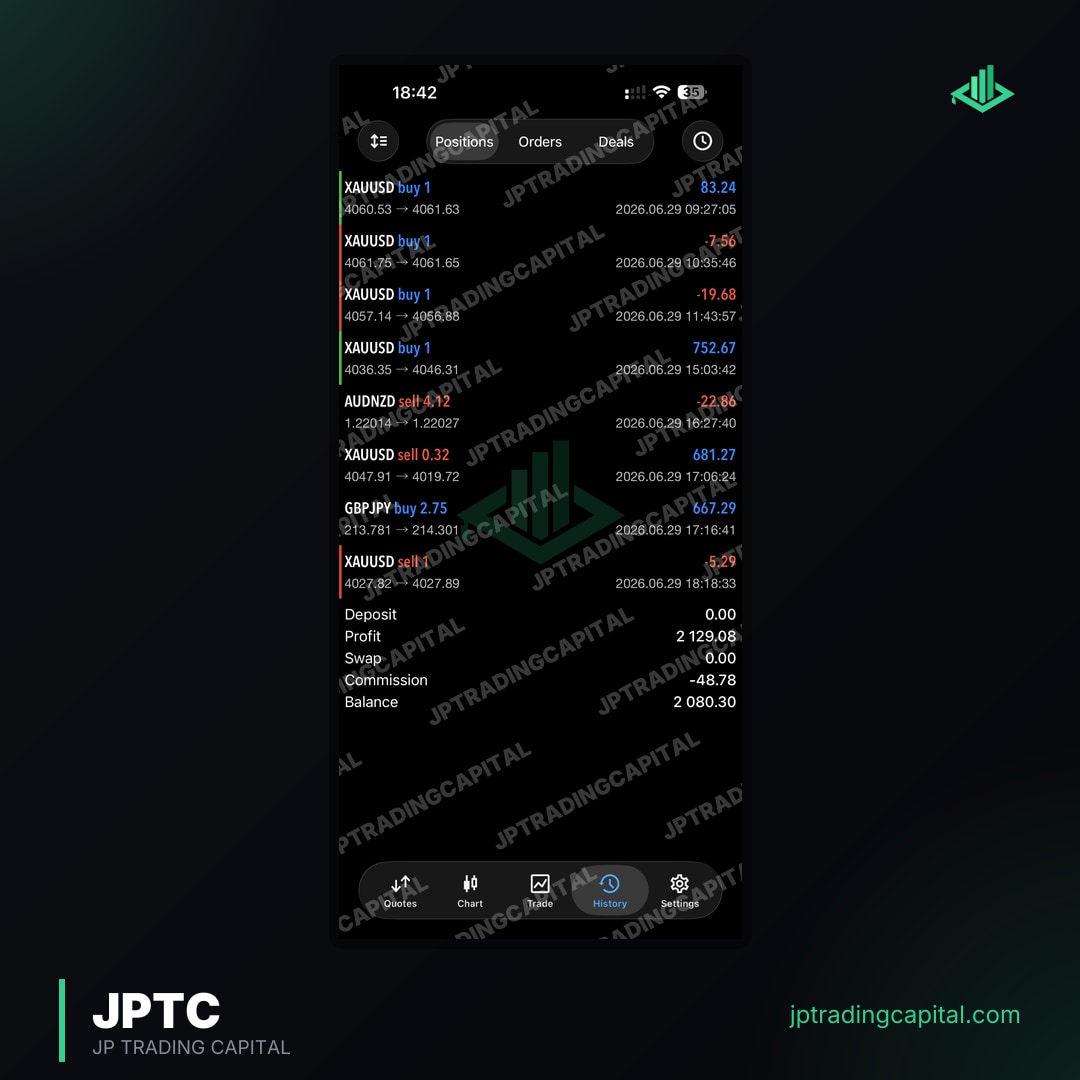
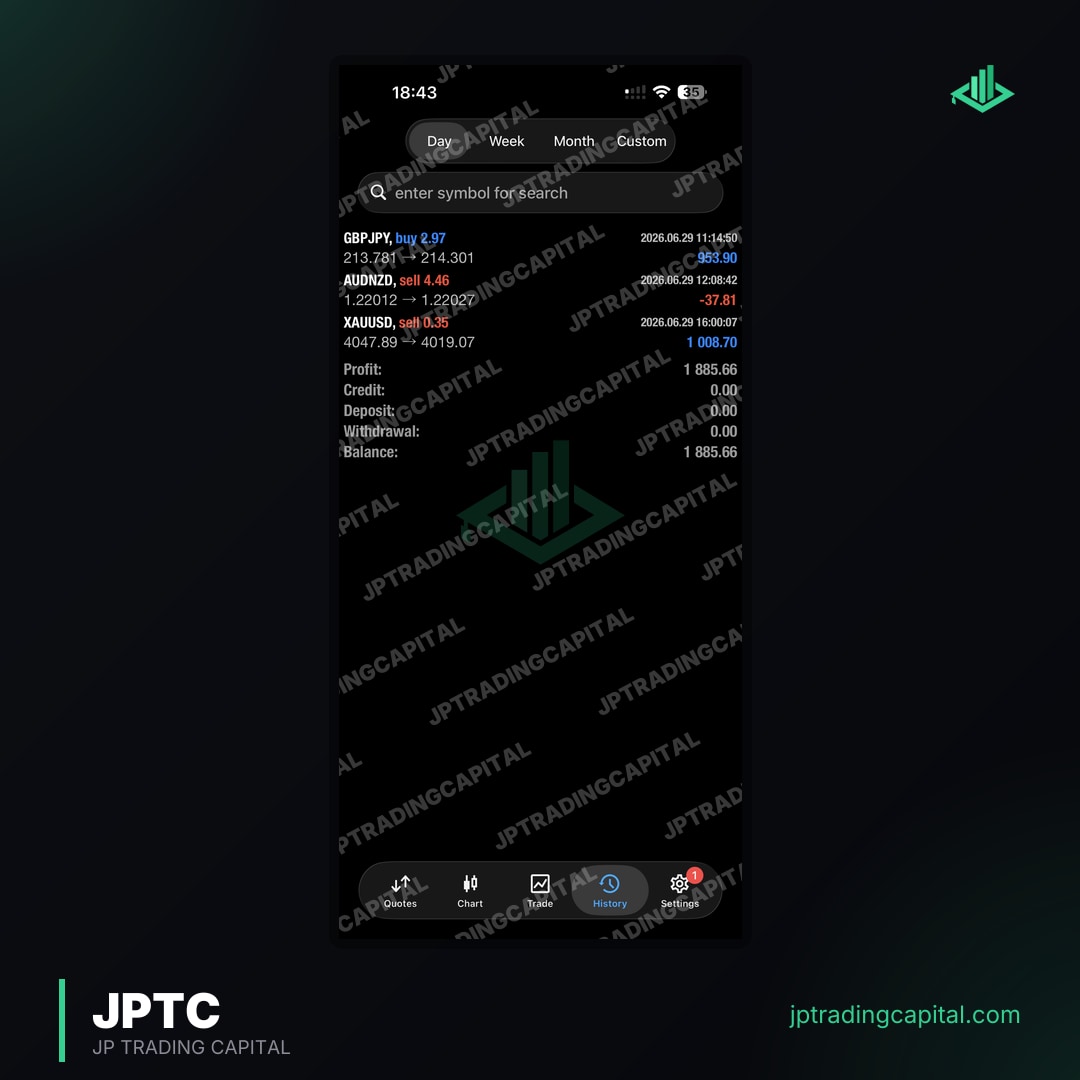
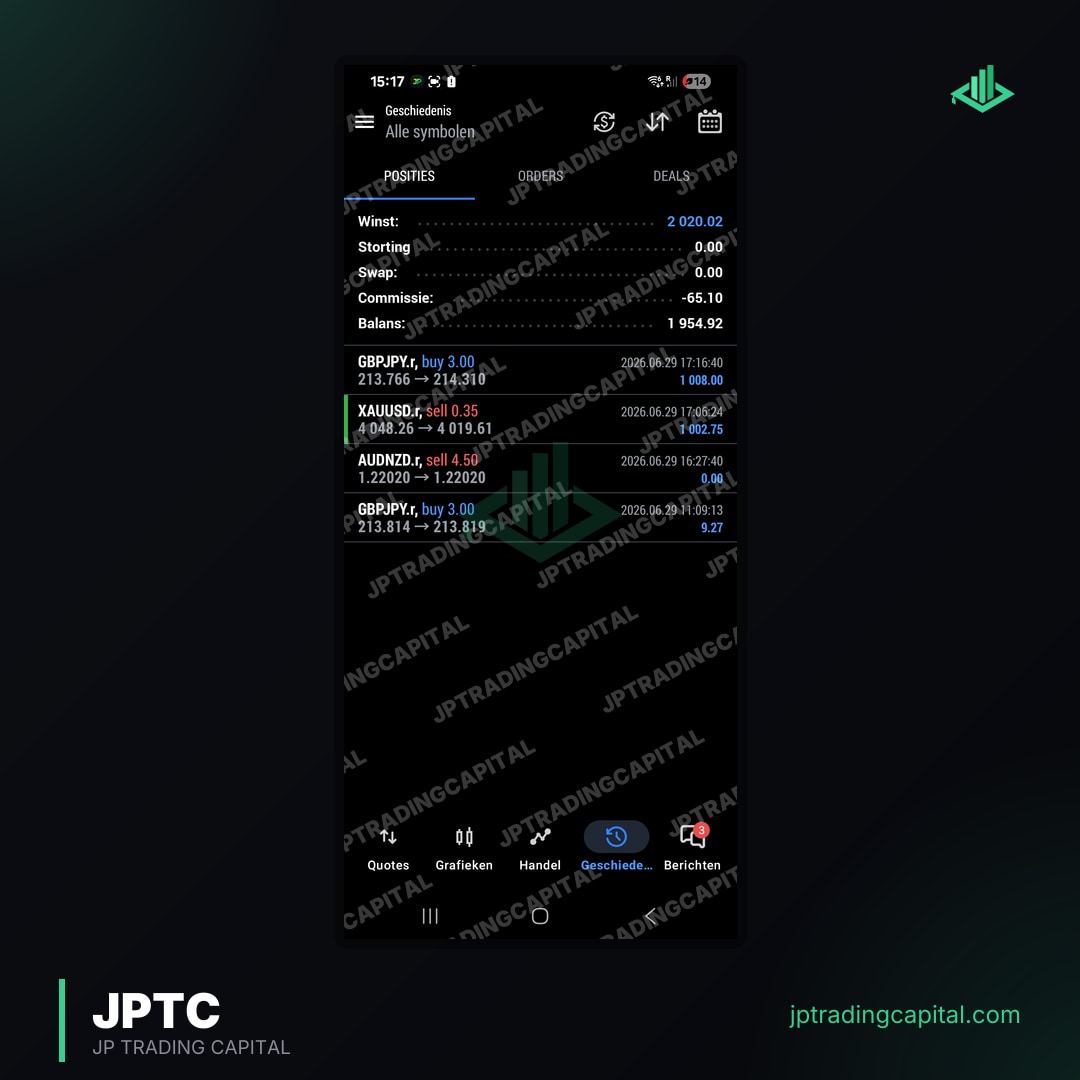
Successful evaluation requires strict adherence to a firm's core trading parameters, including drawdown limits, daily loss caps, profit targets, and minimum trading days.
These foundational prop firm rules are designed to test a trader's discipline, risk management, and ability to generate consistent returns. Failing to meet even one of these criteria typically results in the failure of an evaluation, requiring the trader to restart or repurchase the challenge.
Drawdown Limits and Daily Loss Caps
Drawdown limits are arguably the most critical risk management rules imposed by prop firms, dictating the maximum allowable loss an account can incur before the evaluation or funded account is terminated.
There are typically two main types of drawdown limits:
- Maximum Drawdown: This is the total percentage or monetary amount an account's equity can drop from its initial balance or highest equity point at any time. For example, a $100,000 account with a 10% maximum drawdown cannot see its equity fall below $90,000 from its starting balance, or from its highest achieved balance during the evaluation.
- Daily Drawdown: This limits the amount an account can lose in a single trading day, typically measured from the starting balance of the day or the previous day's closing balance. If a firm imposes a 5% daily drawdown on a $100,000 account, the equity cannot drop more than $5,000 from the day's starting balance, irrespective of any profits made earlier that day.
Daily loss caps are similar but specifically focus on the losses within a 24-hour period. These rules are non-negotiable and are in place to prevent traders from taking on excessive risk. Our JPTC EA Hub is pre-configured with strategies that inherently respect these critical daily drawdown caps and maximum loss limits, providing an automated layer of risk management.
Profit Targets and Minimum Trading Days
Prop firms set specific profit targets that traders must reach within a defined timeframe to pass each phase of an evaluation, alongside minimum trading day requirements to ensure consistent performance.
- Profit Targets: These are the percentage gains required for an account to progress from one phase to the next. For instance, Phase 1 might require an 8% profit target, while Phase 2 might require 5%. These targets are designed to prove a trader's ability to generate returns.
- Minimum Trading Days: As noted in competitive analyses, firms often require a minimum number of trading days, such as 4 or 5, to prevent "luck-based passing." This ensures that a trader's success is not due to a single fortunate trade but rather a consistent application of their strategy over time. This also helps firms assess a trader's risk management across various market conditions.
Adhering to these minimum trading days while managing risk and striving for profit targets requires a disciplined approach, often benefiting from automated trading solutions that can execute trades consistently.
Consistency Rules
Consistency rules, though sometimes vaguely defined, are critical prop firm parameters designed to ensure a trader's performance is stable and repeatable rather than reliant on sporadic, high-risk trades.
These rules often look at factors such as:
- Trade Size Consistency: Avoiding wildly fluctuating lot sizes between trades.
- Profit Distribution: Preventing a scenario where one massive trade accounts for the majority of the profit target, while other trades are small or losing.
- Risk Per Trade: Maintaining a similar risk profile across trades.
- Trading Frequency: Ensuring a reasonable number of trades throughout the evaluation period, not just a burst of activity at the beginning or end.
The intent behind consistency rules is to identify traders with a robust, repeatable strategy that can be scaled, rather than those who get lucky. JPTradingCapital's automated strategies are developed with consistency in mind, helping traders meet these often-challenging requirements. Our verified our results page track record demonstrates how consistent algo trading can perform over multiple years.
Activity Requirements and Account Management
Maintaining an active trading account is crucial, as prop firms often impose inactivity clauses that can lead to account deactivation or permanent closure.
One of the commonly overlooked yet critical prop firm rules pertains to account activity. Firms generally expect traders to be actively engaged with their accounts. As highlighted in competitive briefs, a typical rule might state: "Must place at least one trade every 30 days or the account will be deactivated, and if not reactivated via support within 6 months, it will be permanently closed." These rules are in place because firms want to fund active traders who are consistently utilizing the capital provided.
Failing to meet these activity requirements can lead to the loss of your evaluation progress or even a funded account. It's essential to integrate these activity checks into your trading routine, especially if you're taking a break or managing multiple accounts. Traders should always consult the specific terms and conditions of their chosen prop firm to understand their exact inactivity policies. Our tools are designed to provide consistent trading opportunities, which can indirectly help traders meet minimum activity thresholds while focusing on their primary strategies.
Prohibited Trading Strategies and Practices
Prop firms explicitly forbid certain trading behaviors, such as arbitrage, reverse trading, account management by third parties, and high-frequency scalping with certain latency advantages, to ensure fair play and genuine skill assessment.
These prohibitions are in place to prevent exploitation of technological loopholes, protect the firm's infrastructure, and ensure that a trader's success is genuinely due to their trading skill, not artificial advantages. Common prohibited practices include:
- Arbitrage Strategies: This includes latency arbitrage (profiting from price discrepancies between different data feeds) and reverse arbitrage (trading against the firm's own hedges). Firms detect and prohibit these as they don't reflect genuine trading skill.
- High-Frequency Trading (HFT) with Unfair Advantages: While some forms of HFT might be permitted, firms generally prohibit strategies that rely on exploiting minuscule delays in price feeds or execution, which can place undue strain on their systems.
- Copy Trading Across Accounts/Firms: Copying trades from another person or across multiple accounts with the same firm (especially if it creates an unfair advantage or concentrates risk) is often disallowed.
- Martingale Strategies: While not universally banned, some firms frown upon or explicitly prohibit Martingale strategies (doubling down on losing trades) due to their exponential risk profile.
- Account Management by Third Parties: Allowing someone else to trade your account is almost universally prohibited, as firms want to evaluate *your* personal trading ability.
The underlying reason for these prohibitions is the firm's need to maintain a fair trading environment and manage its own risk effectively. Any strategy that artificially manipulates prices, exploits system vulnerabilities, or creates an unsustainable risk profile for the firm is likely to be banned. JPTradingCapital builds Expert Advisors with these prohibitions in mind, ensuring our tools operate within ethical and permissible trading boundaries.
Leveraging Technology: EAs and Navigating Prop Firm Rules
Expert Advisors (EAs) can be powerful tools for navigating prop firm rules by automating strategy execution and ensuring consistent adherence to risk parameters.
In the complex landscape of prop firm rules and regulations, Expert Advisors offer a significant advantage, particularly for traders aiming for consistency and strict risk management. EAs, running on platforms like MetaTrader 4 or 5, can be programmed to execute trades based on predefined criteria, ensuring that daily drawdown limits, maximum loss limits, and even consistency parameters are respected automatically. This removes the emotional element of trading, which often leads to rule breaches under pressure.
The JPTC EA Hub is a prime example of such a solution. It provides automated EAs pre-configured with backtested strategies specifically designed to comply with common prop firm rules. This means the software can help traders:
- Automate Risk Management: EAs can automatically close trades or stop trading for the day if a daily loss limit is approached, preventing account breaches.
- Ensure Consistency: By executing trades with consistent lot sizes and adhering to a predefined strategy, EAs help meet the often-vague consistency rules.
- Meet Activity Requirements: Properly configured EAs can ensure regular trading activity, helping to satisfy minimum trading day requirements without manual intervention.
- Reduce Emotional Errors: Automation eliminates impulsive decisions that can lead to breaking rules, especially during volatile market conditions.
For traders seeking to optimize their performance and ensure compliance, integrating a robust EA can be a game-changer. Our commitment to transparent performance is evident in JPTradingCapital's published results, showcasing a multi-year live track record of automated strategies respecting these very rules. Explore our results and consider joining our affiliate program to see how our technology can support your trading journey.
Are prop firms regulated by government bodies?
What happens if I break a prop firm rule?
Can I use Expert Advisors (EAs) with prop firms?
What are "consistency rules" in prop firm trading?
How many minimum trading days do prop firms require?
The EA built for prop firm rules
Daily drawdown guard, hard max-loss stop, consistency-aware pacing and a news pause, on MT4 and MT5. One-time €797, no monthly fee. If you would rather not run the evaluation yourself, we run it for you.
See the EA Hub