Top 10 Prop Firms 2026: Rules, Payouts, & EA Compatibility
The top 10 best prop firms for 2026 offer varying funding models, risk parameters, and support, making selection critical for traders aiming to scale their capital through evaluations. Key firms like FTMO, FundedNext, and TopStep consistently rank high due to their robust platforms, clear rules, and consistent payout structures.
- Leading prop firms in 2026 prioritize clear rules, fair profit splits, and reliable infrastructure.
- Evaluating firms requires understanding max drawdown, daily loss limits, and profit targets.
- EA compatibility and consistency rules are crucial considerations for automated traders.
- Payout frequency and methods significantly impact a trader's overall experience and cash flow.
What Defines the Top 10 Best Prop Firms for 2026?
Defining the top 10 best prop firms for 2026 involves a comprehensive evaluation of their business models, trader support, technological infrastructure, and financial reliability. Our research indicates that leading firms distinguish themselves by offering transparent rules, competitive profit splits, and robust trading platforms that cater to diverse strategies, including automated trading.
When assessing a prop firm, several core criteria come into play. These include the initial challenge or evaluation structure, the capital offered, the profit-sharing agreements, and the overall reliability of their payouts. Beyond these fundamentals, factors such as customer support responsiveness, educational resources, and the community aspect also contribute significantly to a firm's reputation and appeal. The JPTradingCapital team believes that a holistic view, considering both the financial terms and the operational experience, is essential for traders to make an informed decision.
Key Criteria for Evaluating Prop Firms
Understanding the critical metrics for evaluation helps traders filter through the numerous options available and identify firms that align with their goals.
- Funding Models and Account Sizes: Firms vary from challenge-based evaluations to instant funding models. Account sizes typically range from small amounts, like $5,000, up to $200,000 or more, impacting the initial fee and potential profit.
- Risk Parameters (Drawdown & Daily Loss): Strict rules on maximum overall drawdown and daily loss limits are standard. For instance, FTMO's official rules page details specific drawdown limits, which are crucial for risk management and passing the evaluation. These rules are designed to protect the firm's capital and encourage disciplined trading.
- Profit Targets and Profit Splits: Evaluation phases typically require a specific profit target. Once funded, profit splits commonly range from 70% to 90% in favor of the trader, with some firms offering even higher splits as traders scale up.
- Payout Frequency and Methods: How often can you withdraw profits, and through what channels? Weekly, bi-weekly, or monthly payouts via bank transfer, crypto, or other payment processors are common.
- Tradable Instruments: The range of assets available (forex, commodities, indices, crypto) can be a deciding factor for traders with specific market preferences.
- Platform Compatibility: Most prop firms support MetaTrader 4 (MT4) and MetaTrader 5 (MT5), which are industry standards. Some may also offer cTrader or proprietary platforms.
Navigating Prop Firm Rules with Automated Trading (EAs)
Automated trading, primarily through Expert Advisors (EAs), presents a powerful avenue for passing prop firm challenges, but it requires careful adherence to each firm's specific rules. Many prop firms are EA-friendly, provided the EAs do not exploit market inefficiencies in ways that violate their terms, such as high-frequency arbitrage or tick-scalping strategies that put the firm at undue risk.
The JPTC EA Hub, for example, is specifically designed with prop firm rules in mind, offering automated strategies pre-configured to respect daily drawdown caps, max loss limits, and consistency requirements. This focus on compliance is vital because a single rule violation can lead to immediate account termination, regardless of profit. Traders utilizing EAs must ensure their automated strategies are robust enough to withstand volatile market conditions while staying within the defined risk parameters.
EA Compatibility and Restrictions
While many firms permit EAs, they often impose restrictions on certain types of automated trading strategies. Our research shows that firms are generally wary of strategies that:
- Exploit Latency: High-frequency trading (HFT) or latency arbitrage, which seeks to profit from minuscule price differences across brokers, is often prohibited.
- Use Reverse Trading: Opening opposing positions simultaneously across different accounts or firms to guarantee a profit regardless of market direction.
- Engage in Martingale Strategies: While not universally banned, some firms discourage or prohibit aggressive Martingale strategies due to their high-risk nature and potential for rapid capital depletion.
- Copy Trading Across Multiple Accounts: Using one EA to copy trades across many accounts, especially if those accounts are with different firms or under different names, can be flagged.
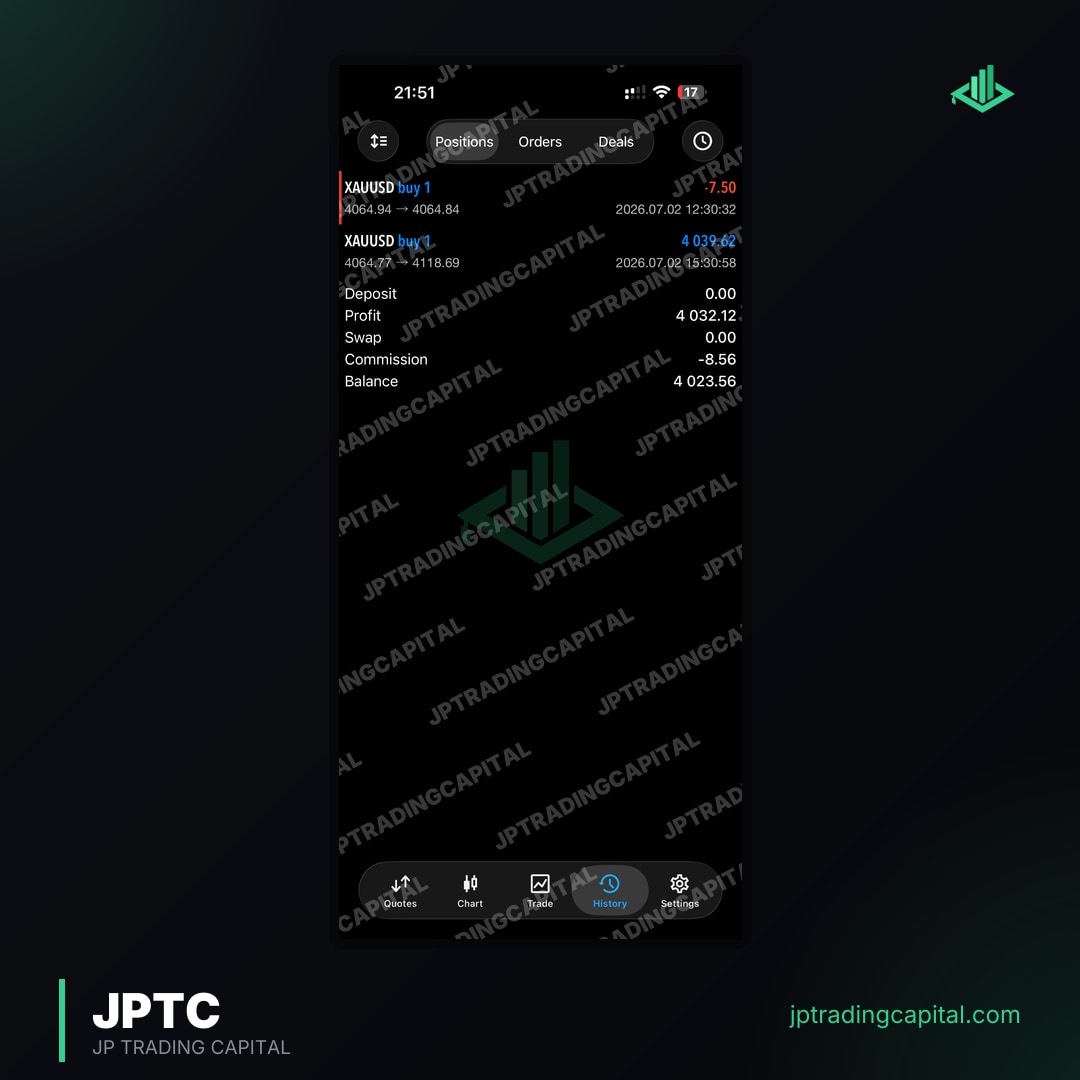
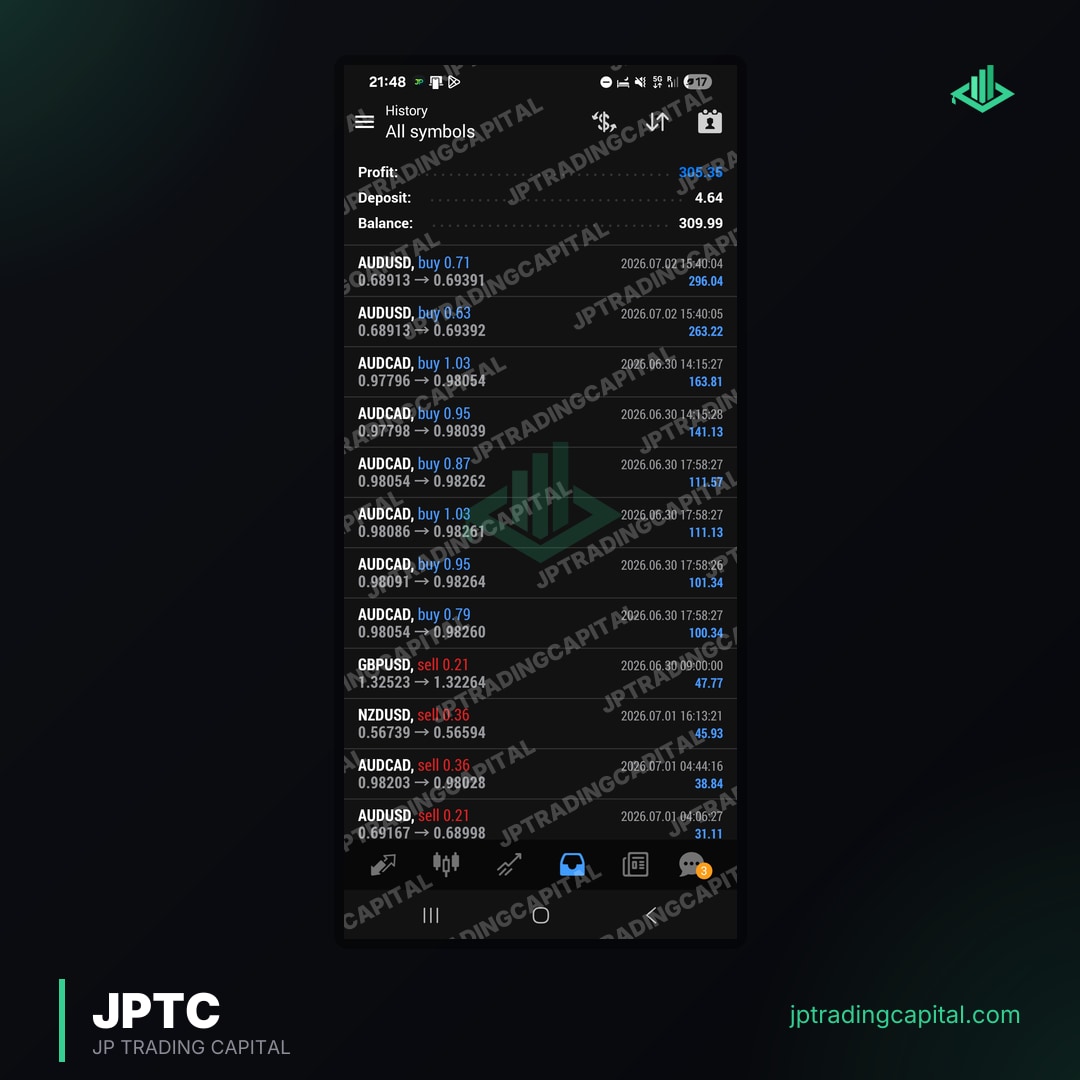
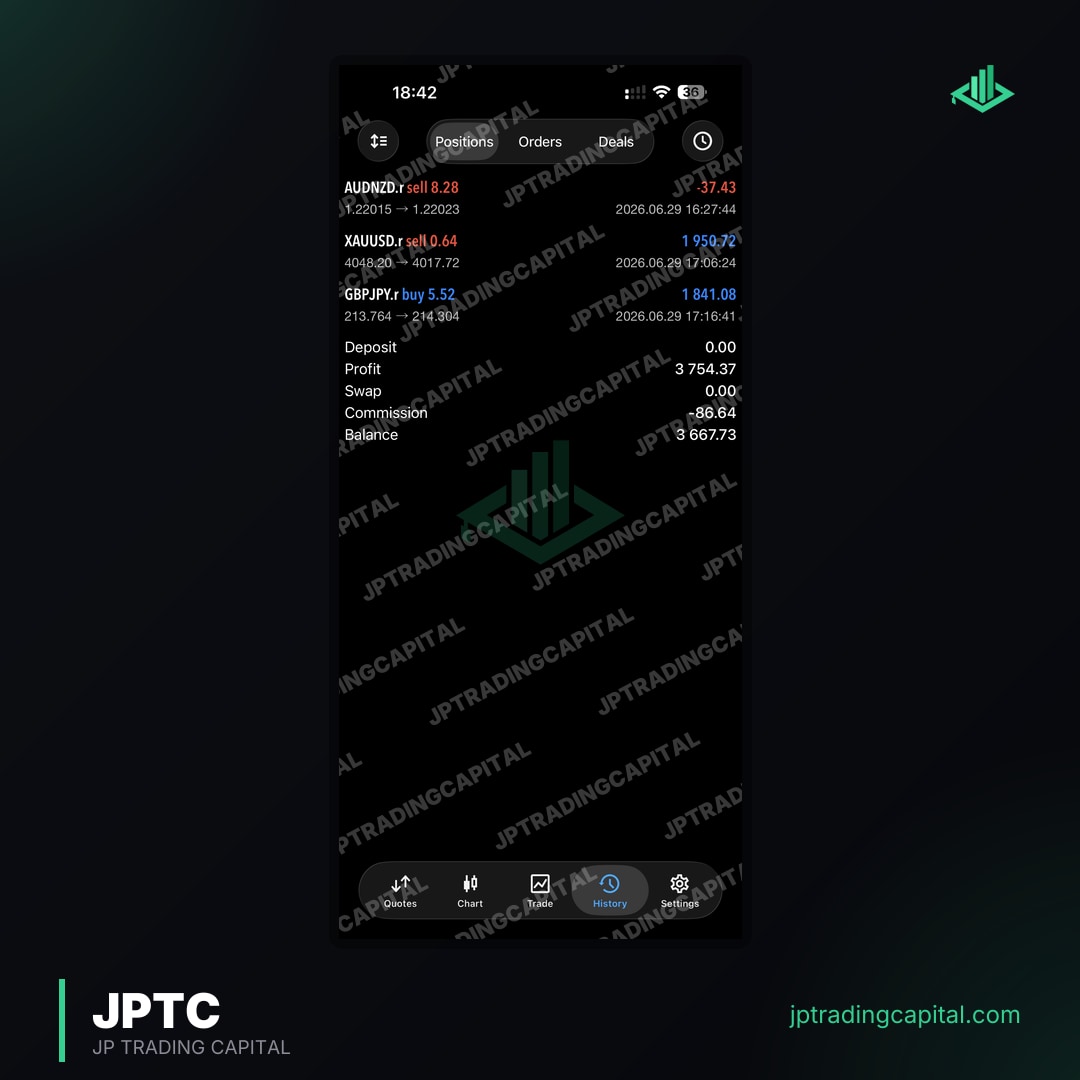
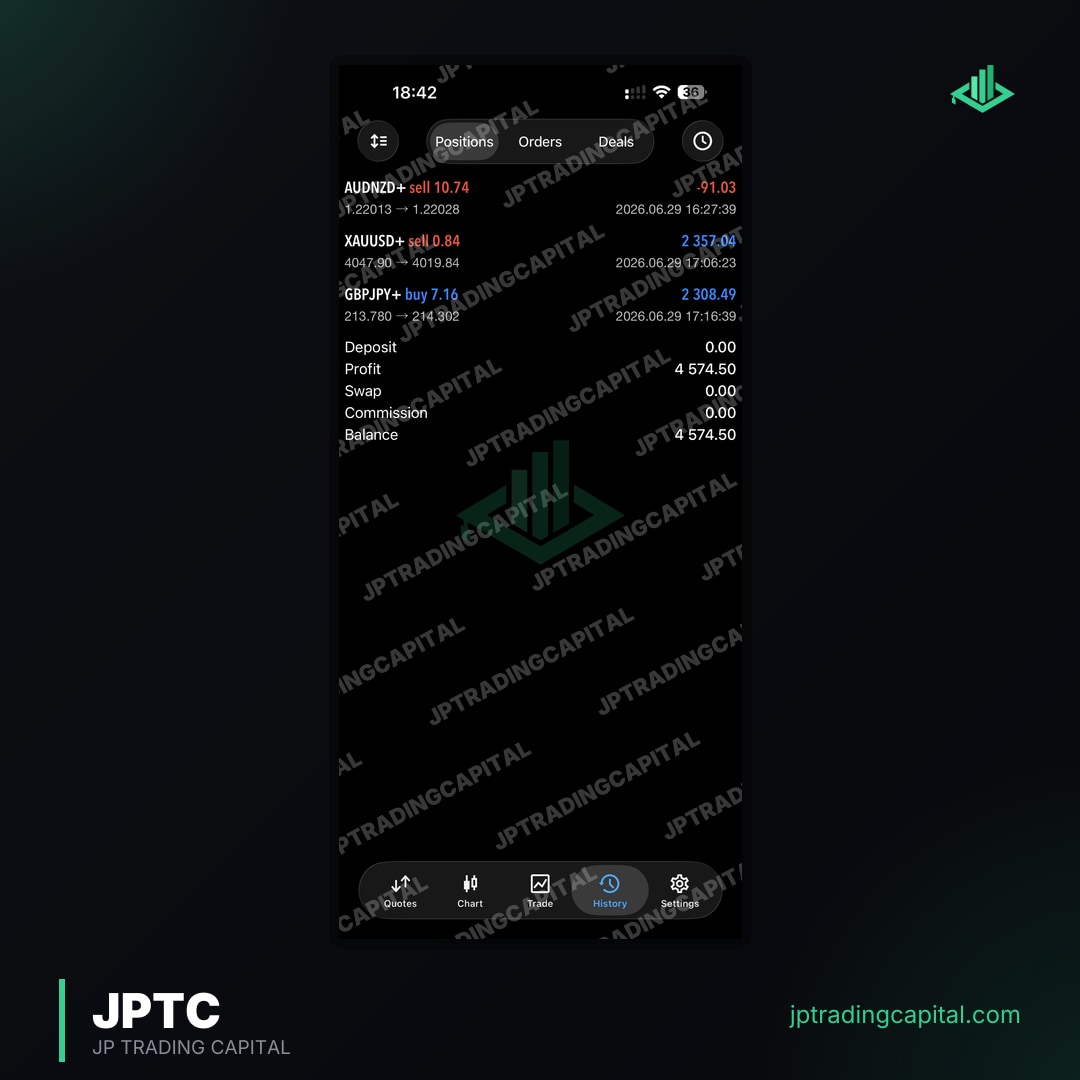
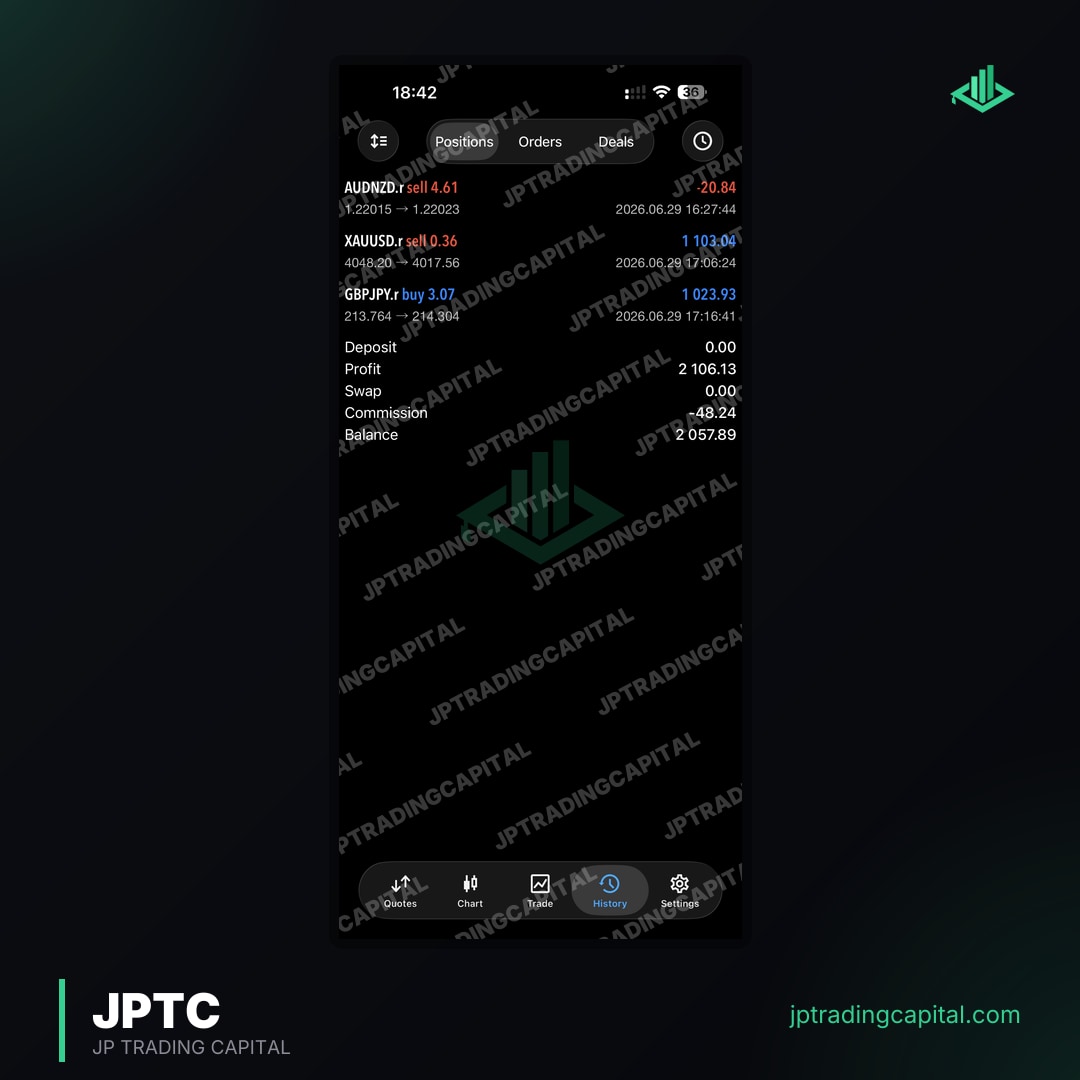
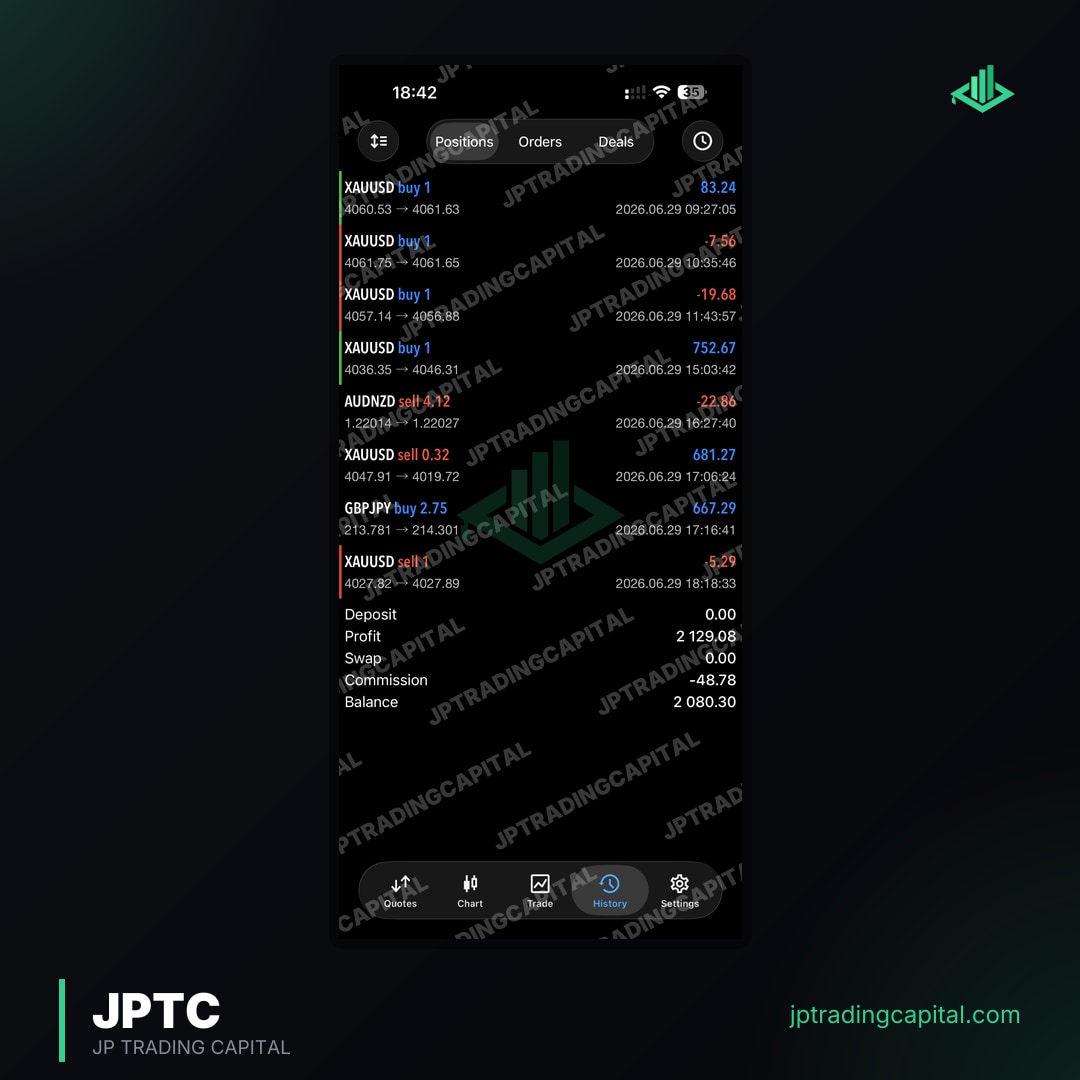
Before deploying any EA, traders should meticulously review the prop firm's terms of service concerning automated trading. If the rules are unclear, contacting customer support for clarification is always advisable. For an example of what a 2-year live algo track record looks like, see JPTradingCapital's published results, demonstrating consistent performance within typical prop firm constraints.
Beyond Drawdowns: Understanding Consistency and Payout Logistics
While maximum drawdown and daily loss limits are fundamental, successful prop firm trading also hinges on understanding and adhering to consistency rules and navigating the practicalities of profit payouts. Many traders focus solely on hitting profit targets, overlooking the nuances of how and when they can actually withdraw their earnings.
Consistency rules are implemented by firms to identify sustainable trading behavior rather than one-off lucky trades. These rules prevent traders from passing an evaluation with a single large trade or by employing extremely high-risk strategies. For instance, a firm might stipulate that no single trade can account for more than a certain percentage of the total profit target, or that profits must be generated over a minimum number of trading days. Adhering to these rules is crucial for long-term success with a prop firm.
Decoding Consistency Rules
Consistency rules vary significantly between prop firms, but they generally aim to promote steady, repeatable trading performance. Common consistency requirements include:
- Minimum Trading Days: A requirement to trade for a minimum number of days within the evaluation period, ensuring consistent engagement rather than sporadic activity.
- Profit Consistency: Some firms require that profits are distributed relatively evenly across trading days or weeks, preventing a single \"lucky\" trade from fulfilling the entire profit target. For example, a firm might state that no more than 30% of your total profit target can come from a single trading day.
- Lot Size Consistency: Avoiding drastic changes in lot sizes without a clear, scalable strategy.
For traders using automated systems like the JPTC EA Hub, managing consistency is often built into the strategy. Our EAs are configured to manage risk and trade size dynamically, helping traders meet consistency requirements without manual intervention. This approach is particularly beneficial for passing prop firm challenges where consistent performance is key.
Profit Payout Structures and Logistics
The process of receiving your hard-earned profits is a critical aspect often overlooked during the initial selection phase. Prop firms offer different payout frequencies and methods, which can impact your cash flow and overall satisfaction.
- Profit Split Percentage: As mentioned, this typically ranges from 70-90% for the trader. Some firms offer higher splits (e.g., 90%) for top-tier funded accounts.
- Payout Frequency: Common frequencies include bi-weekly (every two weeks) or monthly. Some firms, particularly those offering instant funding, might allow weekly payouts.
- Minimum Withdrawal Threshold: Firms often require a minimum amount of profit to be accumulated before a withdrawal can be initiated.
- Withdrawal Methods: Bank wire transfers are standard, but many firms also support cryptocurrencies (USDT, BTC) for faster, sometimes cheaper, international transactions. Other options might include PayPal or specific e-wallets.
- Verification Process: Expect a KYC (Know Your Customer) process for your first withdrawal, requiring identity and address verification.
Understanding these logistics upfront helps manage expectations and ensures a smooth transition from trading profits to real funds. Our team advises traders to verify these details thoroughly before committing to a firm.
The Role of Trading Tools and Analytics for Success
Leveraging the right trading tools and analytical resources is paramount for traders aiming to succeed with prop firms, providing an edge in managing risk, tracking performance, and adhering to rules. Beyond the trading platform itself, external tools offer invaluable insights that can significantly improve a trader's chances of passing evaluations and maintaining funded status.
One of the most critical tools is a robust performance tracker. Platforms like our results page allow traders to connect their trading accounts and automatically monitor key metrics such as drawdown, profit factor, win rate, and average trade duration. This objective data is crucial for self-assessment and demonstrating consistent trading behavior, which is often a requirement for prop firms.
Essential Tools for Prop Firm Traders
Successful prop firm traders don't just rely on their intuition; they use data and technology to inform their decisions and ensure compliance.
- Performance Tracking Software: Tools like our results page provide detailed analytics, helping traders identify strengths and weaknesses in their strategies. This is especially vital for ensuring adherence to maximum drawdown and daily loss limits.
- Expert Advisors (EAs) and Automated Strategies: For those who prefer systematic trading, well-designed EAs can execute strategies precisely and consistently. The JPTC EA Hub is an example of a tool that provides automated strategies built to respect prop firm rules, helping traders manage consistency and risk automatically.
- Risk Management Calculators: These tools help determine appropriate position sizes based on account balance and stop-loss levels, ensuring trades stay within prop firm risk limits.
- Economic Calendars and News Feeds:
The EA built for prop firm rules
Daily drawdown guard, hard max-loss stop, consistency-aware pacing and a news pause, on MT4 and MT5. One-time €797, no monthly fee. If you would rather not run the evaluation yourself, we run it for you.
See the EA Hub