Self-Hosted Trading Bot vs Signals: 3 Key Advantages [2026]
Material update: 15 October 2026: specifically identified source references, unsupported own-product/result qualifications or account-rule wording corrected. Existing publication status and URL retained.
![fully managed Trading Bot vs Signals: 3 Key Advantages [2026]](https://images.pexels.com/photos/38375328/pexels-photo-38375328.jpeg?auto=compress&cs=tinysrgb&dpr=2&h=650&w=940)
A fully managed trading bot generally offers superior control, customization, and long-term cost-efficiency compared to trading signal services, making it the preferred choice for serious traders seeking to optimize strategies and meet specific requirements like those of prop firms. This approach allows for full ownership of your trading logic and execution environment, giving you an unparalleled edge in the markets.
- fully managed bots provide complete control over strategy logic and risk management.
- Signals offer simplicity but limit customization and execution oversight.
- Prop firm traders benefit from the precise rule adherence of fully managed EAs.
- Long-term costs are often lower with fully managed solutions after initial setup.
- Custom development allows for unique edge creation not found in signals.
Understanding fully managed Trading Bots
A fully managed trading bot is an automated software system that executes trades on your behalf, running on hardware or a virtual server you control entirely.
Unlike third-party services, a fully managed trading bot gives you complete autonomy over its operation, from strategy implementation to server infrastructure. This means you decide which markets to trade, what indicators to use, how to manage risk, and when the bot runs. Popular open-source frameworks like Freqtrade for crypto or Jesse for Python offer robust foundations for building an algorithmic trading system tailored to your specific needs. The core appeal of running an automated trading bot on your own account lies in this direct control and the ability to keep your intellectual property (your trading strategy) private.
Advantages of a fully managed Trading Bot
- Full Control & Customization: You dictate every aspect of the bot's behavior, from entry/exit rules to intricate risk management parameters. This level of customization is invaluable for adapting to changing market conditions or implementing unique strategies.
- Enhanced Privacy & Security: Your trading logic remains proprietary. You're not sharing your strategy with a third-party signal provider, reducing the risk of your edge being diluted or exploited.
- Lower Long-Term Costs: While there might be an initial investment in development or hosting, a well-built fully managed bot can offer significant cost savings over time compared to recurring signal subscription fees, especially as you scale your operations.
- Reduced Latency: By hosting your bot on a VPS (Virtual Private Server) close to your broker's servers, you can achieve minimal latency, which is crucial for high-frequency or precision trading strategies.
- Unrestricted Strategy Execution: You're not limited by the strategies offered by a signal provider. If you can code it, your bot can trade it, opening up endless possibilities for developing a unique trading edge.
Disadvantages of a fully managed Trading Bot
- Technical Expertise Required: Setting up and maintaining a fully managed bot often demands coding skills (e.g., Python for platforms like Jesse or MQL for MetaTrader) and an understanding of server management.
- Time Commitment: Developing, backtesting, optimizing, and monitoring a bot requires significant time and dedication.
- Initial Setup Complexity: Getting everything configured, from the trading platform to the server environment, can be a steep learning curve for beginners.
- Ongoing Maintenance: Bots require regular updates, error handling, and adaptation to broker changes or market shifts.
Exploring Trading Signal Services
Trading signal services provide alerts or direct trade recommendations, often generated by expert traders or proprietary algorithms, which subscribers then manually or automatically execute.
These services aim to simplify trading by offering "ready-made" insights without the need for extensive market analysis or strategy development. Signals can be delivered via Telegram, email, dedicated platforms, or even directly integrated with some brokers. The primary draw of trading signal services is their ease of use and the promise of leveraging expert knowledge or advanced algorithms without the technical overhead.
Advantages of Trading Signal Services
- Simplicity & Ease of Use: No coding or deep technical knowledge is required. You simply subscribe and follow the provided instructions.
- Access to Expert Strategies: You can potentially benefit from the strategies of experienced traders or complex algorithms without having to develop them yourself.
- Time-Saving: Signal services reduce the time spent on market analysis and strategy development, allowing traders to focus on execution.
- Diversification: Some traders use signals to explore new markets or strategies without committing to full-scale development.
Disadvantages of Trading Signal Services
- Lack of Control: You have no say in the strategy, risk management, or execution parameters. This 'black box' approach can be risky, as you don't fully understand the underlying logic.
- Dependency on Provider: Your trading success is entirely reliant on the signal provider's performance and reliability. If they stop providing signals or their performance declines, your trading is impacted.
- Potential for Scams: The signal market is rife with unverified providers and scams, making it difficult to find truly reliable services. Verify track records rigorously, ideally through platforms like our results page.
- Latency Issues: Signals can sometimes arrive late, especially during fast-moving markets, leading to missed opportunities or unfavorable entry/exit prices.
- Limited Customization: You cannot tailor signals to your specific risk tolerance, account size, or personal trading goals.
- Higher Long-Term Costs: Subscription fees are recurring and can accumulate significantly over time, potentially eroding profits.
Key Differences: fully managed Bot vs. Signals
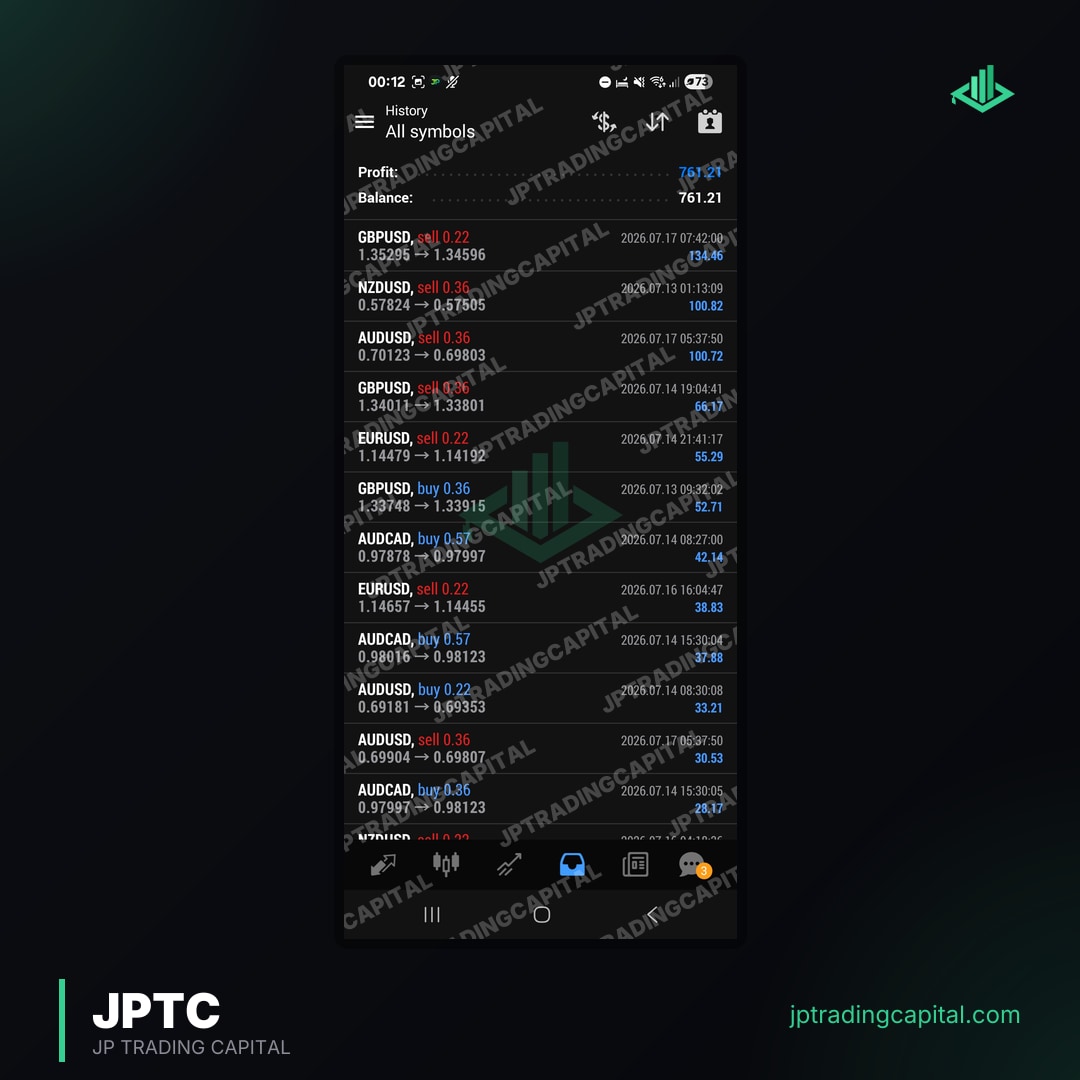
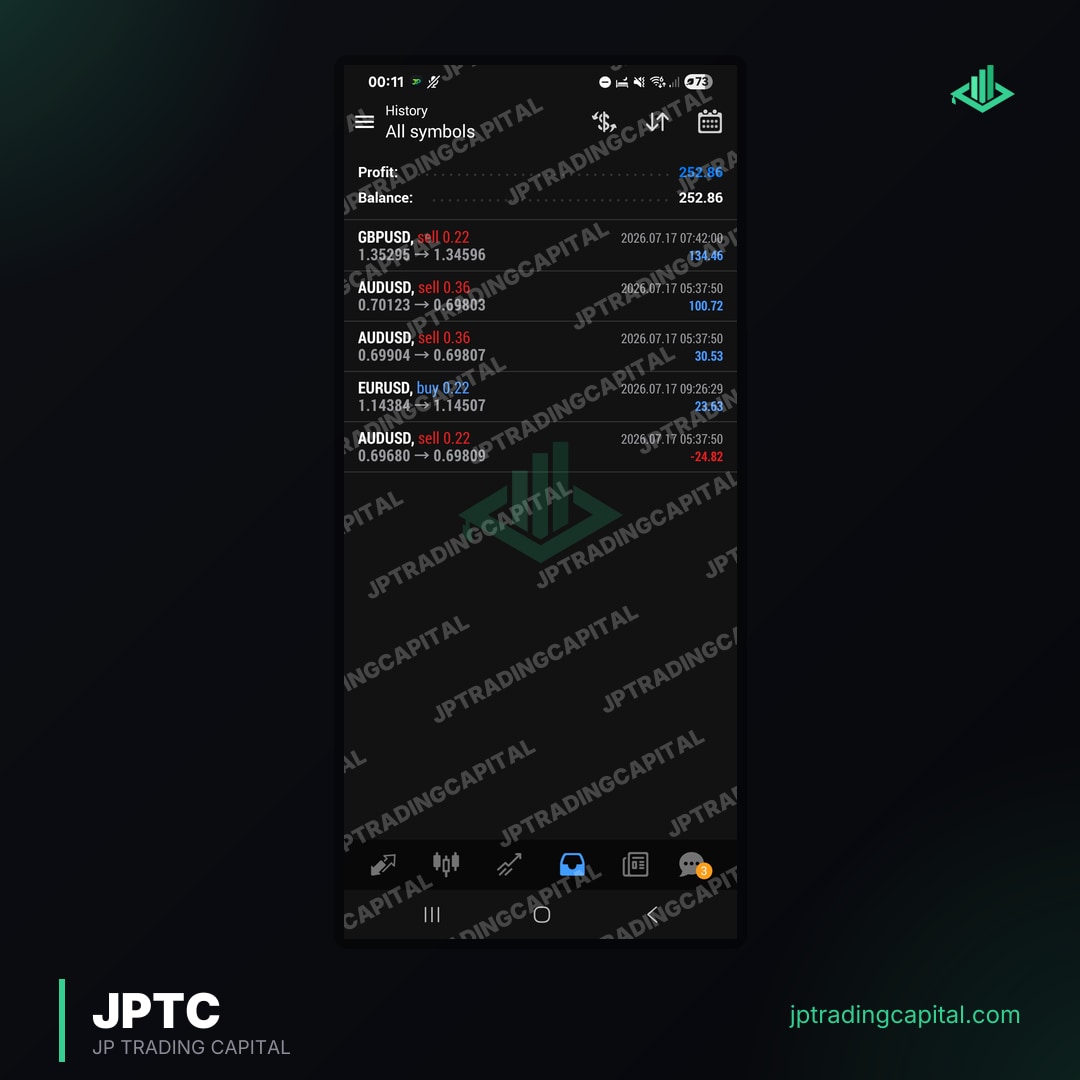
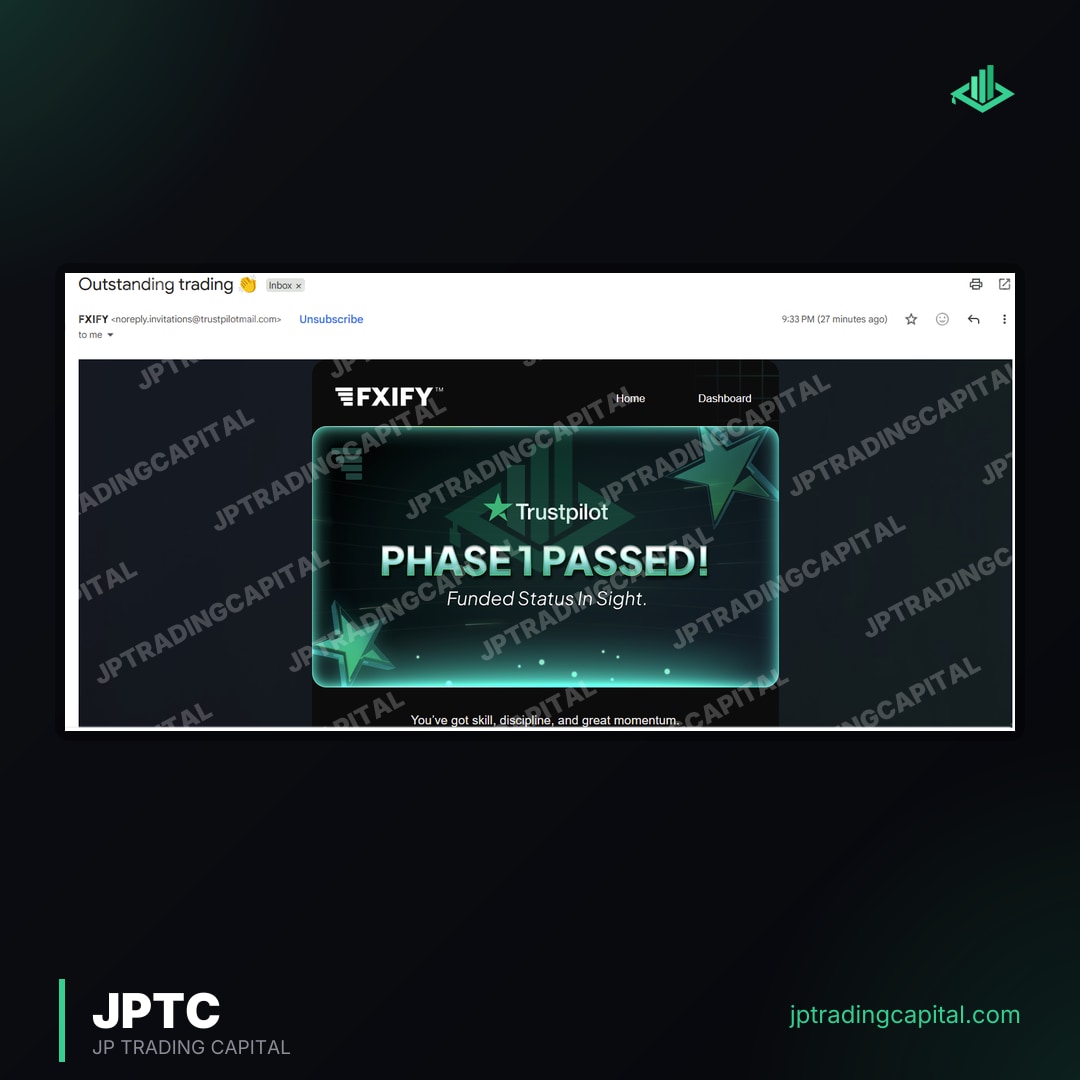
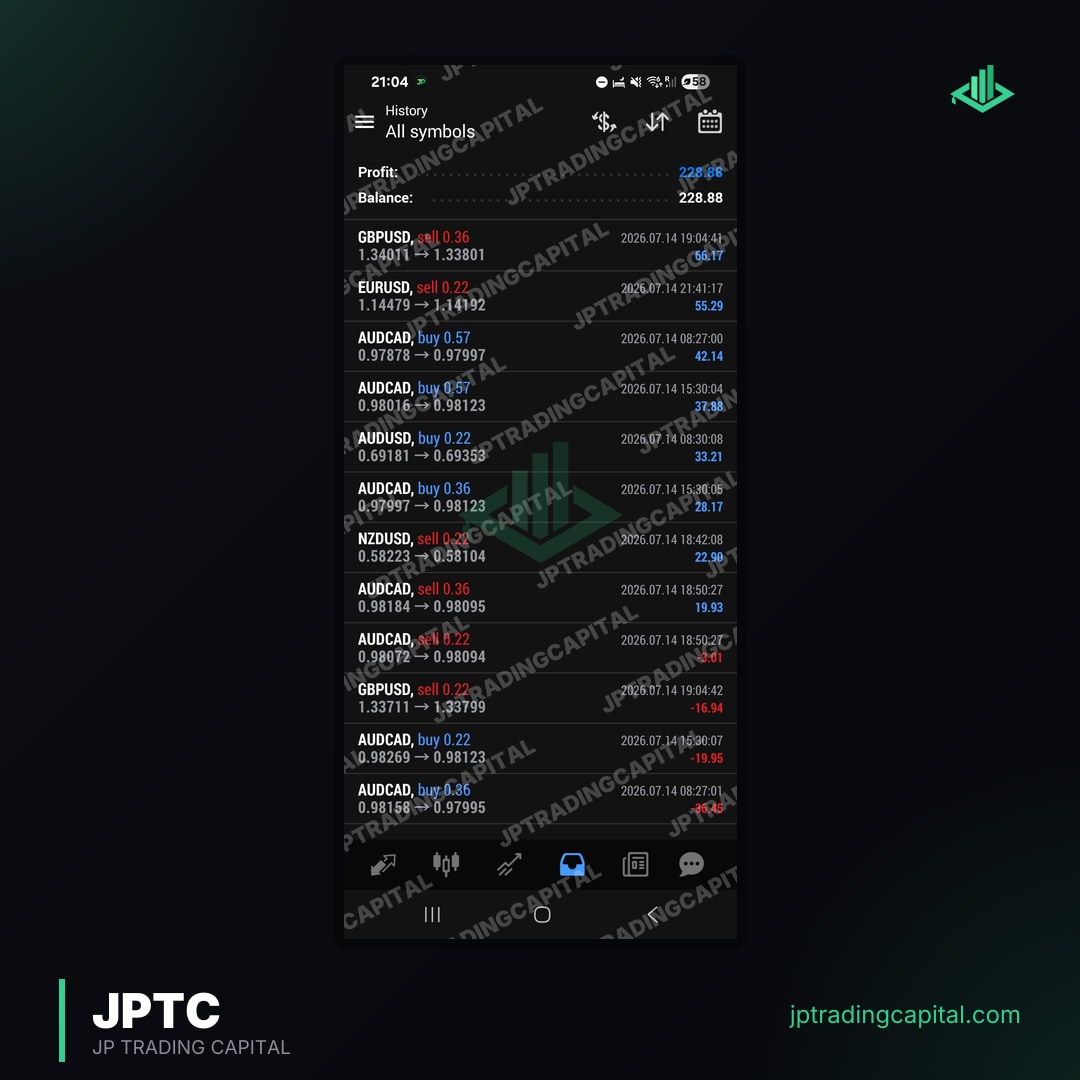
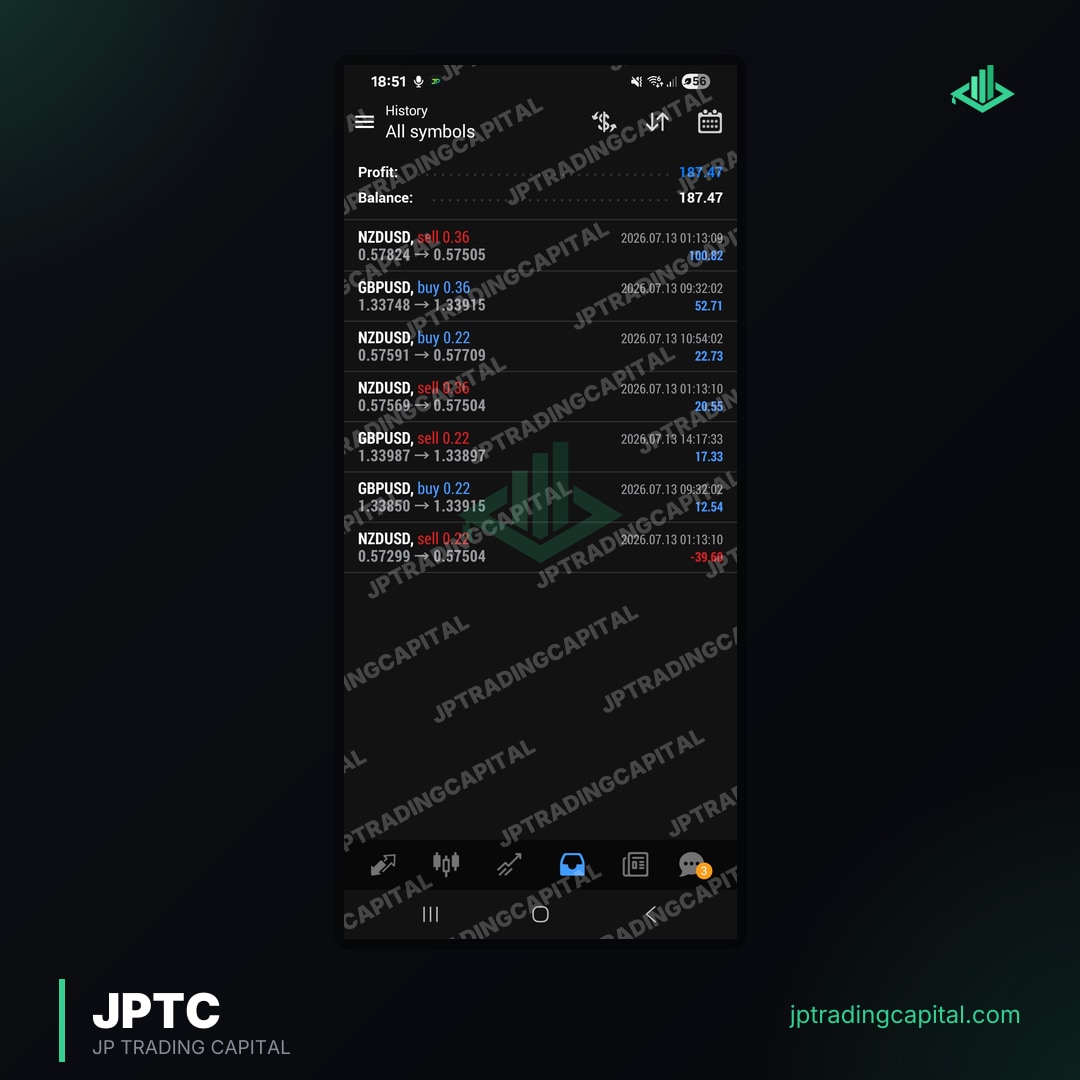
The fundamental distinction between a fully managed trading bot and signals lies in the degree of control and ownership a trader retains over their automated trading operations.
Control and Customization
With a fully managed trading bot, you are the architect. You design the strategy, implement the risk management, and oversee the execution environment. This allows for infinite customization to fit precise trading objectives, market conditions, or even specific prop firm rules. In contrast, signal services offer a pre-packaged solution where customization is virtually non-existent. You receive a trade idea or execution instruction, and you either follow it or not, with no ability to modify the underlying logic.
Risk Management
A fully managed bot allows for granular control over risk management. You can program strict stop-loss limits, daily drawdown caps, position sizing, and correlation management directly into your code. This is critical for protecting capital and adhering to external requirements. With signals, your risk management is often limited to your own manual intervention or the general risk profile of the signal provider, which may not align with your personal tolerance or account size. This is a significant factor when considering an automated trading bot for passing prop firm evaluations.
Cost Structure
The cost structure differs significantly. A fully managed bot typically involves an upfront investment in development (if coding yourself) or purchasing a pre-configured solution like the JPTradingCapital EA Hub. There are also ongoing costs for hosting (VPS) and potentially data feeds. However, once established, the marginal cost per trade is low. Signal services, conversely, usually operate on a subscription model, incurring recurring monthly or annual fees that can quickly add up, regardless of trading performance.
Latency and Execution
fully managed bots, especially when deployed on a low-latency VPS, can execute trades almost instantaneously upon a strategy trigger. This speed is vital for capturing fleeting opportunities or managing risk effectively. Signal services, however, often introduce latency due to the time it takes for a signal to be generated, transmitted, received, and then manually or automatically acted upon by the subscriber. This delay can lead to significant slippage, especially in volatile markets.
Learning Curve and Maintenance
Setting up and maintaining a fully managed trading bot requires a higher learning curve, encompassing coding, backtesting, and server management. It's a continuous learning process. Signal services have a minimal learning curve; you just need to understand how to receive and execute the signals. However, the 'maintenance' shifts from technical upkeep to the constant evaluation of the signal provider's performance and legitimacy.
Why fully managed Bots Excel for Prop Firm Traders
For prop firm traders, a fully managed trading bot offers a unique advantage by providing the precise control needed to consistently adhere to stringent evaluation rules and maintain consistency.
Proprietary trading firms like FTMO, FundedNext, FXify, TopStep, The5ers, and E8 Funding impose strict rules regarding daily drawdown, maximum total loss, and consistency. Passing these evaluations requires not just profitability, but also disciplined risk management and adherence to specific trading parameters. A fully managed trading bot, especially one designed with these rules in mind, becomes an invaluable tool. For instance, the JPTradingCapital EA Hub provides pre-configured, backtested strategies specifically engineered to respect prop-firm rules, including daily drawdown caps, max loss limits, and consistency parameters, working seamlessly on MT4/MT5 across multiple firms.
Precision in Rule Adherence
A fully managed bot can be programmed with exact thresholds for daily loss, total drawdown, and maximum open positions. This algorithmic precision minimizes human error and emotional decision-making that can lead to rule breaches. For example, a bot can automatically cease trading for the day once a specified daily drawdown limit (e.g., 5% as per FTMO's official rules) is hit, preventing further losses and ensuring compliance.
Consistency and Strategy Enforcement
Prop firms often look for consistent performance, not just sporadic large gains. A well-designed fully managed bot executes its strategy consistently, trade after trade, without deviation. This systematic approach helps build a track record that demonstrates disciplined trading, a key factor in passing evaluations. Our research shows that traders using well-configured automated trading systems often find it easier to demonstrate the required consistency.
Optimized Risk Management
Beyond simple stop-losses, a fully managed bot allows for sophisticated risk management techniques tailored to prop firm challenges. This includes dynamic position sizing, trailing stops that respect drawdown limits, and even correlation analysis to avoid overexposure across multiple instruments. This level of integrated risk management is nearly impossible to achieve manually or through generic signal services.
Privacy and Adaptability
Your fully managed trading bot is your intellectual property. You can adapt its strategies as market conditions change or as new prop firm rules emerge, without waiting for a third-party signal provider to update their offerings. This agility is crucial in the dynamic world of proprietary trading. JPTradingCapital publishes monthly figures from broker statements on its results page. The broker’s own account record is not an independent audit; these figures do not establish future performance or compliance for another strategy.
Building Your Own Automated Trading Bot: Key Considerations
Developing an effective automated trading bot on your own account involves careful planning, robust development, and continuous optimization to ensure reliability and performance.
The journey from concept to a fully operational fully managed trading bot requires attention to several critical areas. Many successful fully managed bots leverage powerful programming languages like Python due to its extensive libraries for data analysis and machine learning. Platforms such as MetaTrader 4 or 5, with their MQL programming language, remain industry standards for retail forex and CFD trading, providing the infrastructure for Expert Advisors (EAs). Open-source projects like 'the0' demonstrate how Docker can be used for orchestrating multiple bots, highlighting the move towards more scalable and robust self-hosting solutions.
Strategy Development & Backtesting
This is the heart of your bot. Develop a clear, rule-based trading strategy. Rigorously backtest it against historical data to ensure its profitability and robustness across various market conditions. Forward testing on a demo account is also crucial before deploying to live funds. Our experience with developing strategies for the JPTradingCapital EA Hub emphasizes the importance of extensive backtesting to ensure strategies respect prop firm rules.
Programming Language & Platform Choice
Choose a language (e.g., Python, MQL5) and platform (e.g., MetaTrader, custom framework) that align with your technical skills and trading goals. Python offers flexibility for complex algorithms and data processing, while MQL is native to MetaTrader for direct broker integration. The choice impacts development speed and the types of strategies you can implement.
Hosting & Infrastructure
A reliable hosting solution, typically a Virtual Private Server (VPS), is essential for 24/7 bot operation with minimal downtime and latency. Select a VPS provider with servers located close to your broker for optimal execution speed. Consider redundancy and backup solutions to protect against potential failures.
Data Feeds & APIs
Your bot needs access to real-time and historical market data. This often involves integrating with broker APIs or third-party data providers. Ensure the data is accurate, reliable, and delivered with low latency to prevent your bot from making decisions based on stale information.
Security & Monitoring
Implement strong security measures for your server and trading accounts. Regularly monitor your bot's performance, server health, and trade execution. Set up alerts for unexpected behavior or errors to intervene quickly if issues arise. Automated monitoring tools can save significant time and prevent costly mistakes.
The Future of Automated Trading: Control and Customization
The trend in automated trading is unequivocally moving towards greater control, transparency, and customization, favoring fully managed solutions for serious traders.
As markets become more complex and competitive, the ability to rapidly adapt, innovate, and maintain a proprietary edge becomes paramount. Generic solutions, whether simple signals or off-the-shelf bots without customization options, will struggle to keep pace. The demand for an automated trading bot for your own account, capable of precise risk management and strategy evolution, will only grow. JPTradingCapital's focus on building adaptable trading tools for prop firm traders aligns perfectly with this future, empowering traders to navigate challenges like those from FundedNext or FXify with confidence. This shift isn't just about technology; it's about empowering traders to take full ownership of their financial destiny, leveraging automation as a tool for precision and discipline.
Is a fully managed trading bot legal?
Yes, running a fully managed trading bot on your own account is generally legal, provided you comply with your broker's terms of service and any applicable financial regulations in your jurisdiction. It's simply automating your personal trading decisions.
Do I need coding skills for a fully managed bot?
While some platforms offer visual builders, a basic understanding of coding (e.g., Python for algorithmic logic or MQL for MetaTrader Expert Advisors) is highly beneficial, if not necessary, for truly customizing and maintaining a fully managed trading bot. However, solutions like the JPTradingCapital EA Hub come pre-configured, reducing the need for direct coding.
How much does it cost to run a fully managed bot?
The costs can vary. Initial costs might include development time (if you code it yourself), purchasing a pre-configured EA, and a reliable VPS (typically $10-$50 per month). Some advanced strategies might require premium data feeds. Compared to recurring signal subscriptions, a fully managed bot can be more cost-effective long-term.
Can fully managed bots pass prop firm challenges?
Absolutely. fully managed bots are often highly effective for passing prop firm challenges because they can be precisely programmed to adhere to all specific rules, such as daily drawdown, max loss, and consistency. This eliminates emotional trading and ensures disciplined execution, which is crucial for evaluation success.
What are the risks of using trading signals?
The main risks of using trading signals include a lack of control over strategy and risk, dependency on the signal provider's honesty and performance, potential for scams, and latency issues that can lead to unfavorable trade entries or exits. Your capital is at risk, and you have limited insight into the underlying trade logic.
Related Articles
- Best EA Backtesting Software: 7 Tools for Prop Firm Success [2026] · Read more →
- Pass Prop Firm Challenges: 7 EA Strategies for 2026 · Read more →
- Best Trade Copier for Prop Firms: Copy 1 to Many Accounts [2026] · Read more →
- Best Prop Firm EA 2026: 5 Automated Strategies to Pass · Read more →
- Mastering Funded Accounts: 5 MT5 EA Traits to Seek in 2026 · Read more →
- Best Verified Forex Robot 2026: 5 Steps to Spot a Real Track Record · Read more →
- Best Trading Bot 2026: Which One Has a Real Verified Track Record · Read more →
- 7 Best Forex Fury Alternatives: Verified Track Records [2026] · Read more →
- Real Gold Trading Signals: Entries, Stops, Take Profits (XAUUSD) · Read more →
- Live Forex Signals Telegram: 5 Must-Haves for Prop Firm Success · Read more →
Forex & Gold Signals, No Monthly Fee
Every trade we take, posted the moment we take it: entry, stop loss and targets. A partner broker covers the cost, so there is no subscription. You place every trade on your own account.
Join the signals channel